
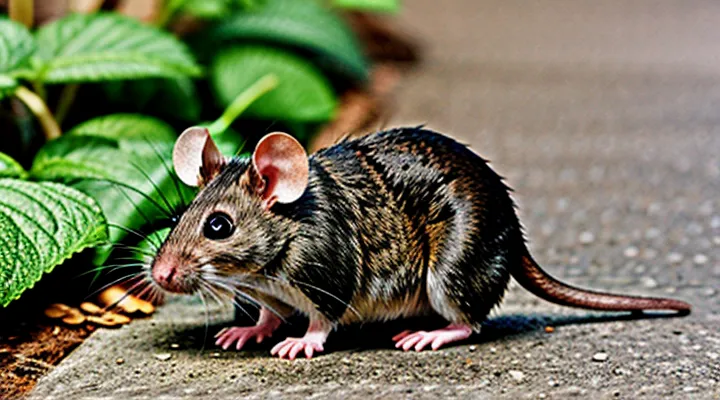
Understanding Rodent Taxonomy
The Muridae Family
Rats: Genus «Rattus»
Rats belong to the genus Rattus, a group of murine rodents that includes more than 60 recognized species. The genus is characterized by a robust skull, a relatively large body size compared with most mice, and a high degree of adaptability to diverse habitats. Species such as Rattus norvegicus (the brown rat) and Rattus rattus (the black rat) dominate urban and agricultural environments worldwide, while other members occupy forested, desert, and island ecosystems.
Reproductive biology of Rattus differs markedly from that of typical laboratory mice (Mus musculus). Key distinctions include:
- Gestation length of 21–23 days versus 19–21 days in mice.
- Litter sizes ranging from 6 to 12 pups, compared with 5 to 8 in mice.
- Chromosome number of 2n = 42, whereas mice possess 2n = 40.
These genetic and physiological disparities create intrinsic barriers to intergeneric mating. Chromosomal incompatibility leads to meiotic failures, and divergent reproductive timing reduces the likelihood of successful copulation.
Experimental attempts to cross Rattus and Mus have produced limited results. In vitro fertilization of rat ova with mouse sperm yields low fertilization rates, and any resulting embryos typically arrest before implantation. When hybrid embryos have progressed to term, they exhibit severe developmental abnormalities and are not viable beyond early postnatal stages. The observed outcomes reinforce the conclusion that genetic divergence between the two genera prevents the formation of stable hybrids.
Consequently, the prospect of a viable rat‑mouse hybrid remains unsupported by empirical evidence. The combination of chromosomal mismatches, reproductive cycle differences, and developmental incompatibilities constitutes a robust reproductive barrier that precludes successful hybridization.
Mice: Genus «Mus»
Mice belong to the genus Mus, a group of small rodents characterized by a highly conserved karyotype (2n = 40) and rapid generation turnover. Species within Mus—most notably Mus musculus—exhibit well‑documented genome sequences, extensive laboratory strains, and a suite of phenotypic markers that facilitate genetic manipulation.
Reproductive biology of Mus imposes strict barriers to interspecific breeding. Female estrous cycles, sperm–egg recognition proteins, and chromosomal compatibility are finely tuned within the genus, preventing viable offspring with distantly related rodents. Hybrid embryos resulting from crosses with non‑mus rodents display early developmental arrest, abnormal placentation, and high embryonic mortality.
Genetic divergence between Mus and Rattus (the rat genus) is reflected in mitochondrial DNA distance (> 12 %) and distinct chromosomal architectures (Rattus: 2n = 42). These differences generate incompatibilities in meiotic pairing and epigenetic regulation, which are decisive factors against the formation of a stable rat‑mouse hybrid.
Key points relevant to hybridization prospects:
- Chromosome number mismatch (40 vs. 42) hinders proper segregation.
- Divergent imprinting patterns disrupt embryonic development.
- Absence of natural hybrids in extensive field surveys confirms reproductive isolation.
Consequently, current evidence indicates that producing a viable rat‑mouse hybrid is biologically implausible, with the genus Mus presenting intrinsic genetic and reproductive constraints that preclude successful hybridization with rats.
Key Differences Between Rats and Mice
Physical Characteristics
A rat‑mouse hybrid would likely display intermediate dimensions, combining the larger body mass of Rattus species with the more compact form of Mus. Expected weight ranges from 120 g to 180 g, while body length would fall between 15 cm and 20 cm, including a tail that is proportionally shorter than that of a typical rat but longer than a mouse’s.
- Fur: mixed coloration, often gray‑brown dorsal coat with a lighter ventral side; texture may blend the coarse hair of rats with the finer undercoat of mice.
- Tail: semi‑scaly skin, length roughly 70 % of total body length; flexibility similar to rats, but with a finer hair covering at the tip.
- Dentition: incisor size midway between species; enamel hardness comparable to rats, enabling gnawing of similar materials.
- Skeletal structure: vertebral column length reflects intermediate size; limb bones proportionally balanced, providing agility akin to mice and strength comparable to rats.
- Sensory organs: auditory range broadened, capturing high‑frequency sounds typical of mice while retaining the lower‑frequency detection of rats; olfactory epithelium density expected to match rat levels, supporting strong scent detection.
Reproductive anatomy would mirror the larger pelvic dimensions of rats, potentially allowing larger litter sizes than mice but smaller than pure rats. Overall, physical traits would occupy a spectrum between the two parental species, producing a creature with combined attributes rather than a wholly novel form.
Genetic Makeup
Rats and mice belong to the same family (Muridae) but diverged roughly 12 million years ago. Their genomes are similar in overall size—approximately 2.7–2.9 gigabases—and share more than 90 % nucleotide identity across conserved regions. Chromosome counts differ (rat = 21 pairs, mouse = 20 pairs), and several large‑scale rearrangements separate homologous blocks, creating mismatched pairing sites during meiosis.
Key genetic obstacles to a viable rat‑mouse hybrid include:
- Divergent centromere sequences that impede proper kinetochore attachment.
- Incompatible meiotic recombination hotspots, leading to unbalanced gametes.
- Species‑specific imprinting patterns that disrupt embryonic development.
- Haldane’s rule‑related sterility factors, especially on the X chromosome.
- Rapidly evolving reproductive‑isolation genes (e.g., Prdm9) that prevent synapsis.
Experimental approaches that could overcome these barriers focus on precise genome engineering. CRISPR‑Cas systems allow targeted replacement of mismatched loci, such as aligning Prdm9 binding motifs or harmonizing centromeric repeats. Induced pluripotent stem cells derived from one species can be introduced into blastocysts of the other, generating interspecies chimeras that test cellular compatibility. Somatic cell nuclear transfer, using rat nuclei in mouse oocytes (or vice versa), evaluates whether cytoplasmic factors rescue early developmental failures.
The feasibility of a rat‑mouse hybrid therefore hinges on aligning chromosome architecture, correcting imprinting discrepancies, and synchronizing recombination machinery. Each genetic element presents a measurable target for manipulation, and progress in genome‑editing technologies steadily reduces the distance between theoretical possibility and experimental realization.
Behavioral Patterns
Hybridization between Rattus species and Mus species has not been documented in natural populations, but laboratory attempts provide a framework for predicting behavioral outcomes. Genetic incompatibilities typically disrupt neural circuitry, leading to altered activity patterns, social interaction, and foraging strategies.
Observed or projected behavioral traits can be grouped as follows:
- Locomotor activity – hybrids may display intermediate wheel‑running distances, with nocturnal peaks resembling mice but occasional crepuscular bursts characteristic of rats.
- Exploratory tendency – open‑field tests suggest reduced thigmotaxis compared with pure rats, yet heightened anxiety relative to pure mice.
- Social hierarchy – dominance displays combine rat‑like aggressive posturing and mouse‑like grooming, producing ambiguous rank establishment within mixed groups.
- Territorial marking – urine‑based scent marking frequency aligns with rat levels, while spatial distribution mirrors mouse patterns of dispersed scent spots.
- Feeding behavior – preference assays reveal a broader diet breadth than either parent, incorporating grain choices favored by rats and seed selections typical of mice.
Neurophysiological data from hybrid offspring indicate partial preservation of the hippocampal‑striatal connectivity seen in rats, alongside mouse‑type cortical plasticity. These mixed neural signatures likely underlie the blended activity and learning profiles observed in maze navigation and conditioned avoidance tasks.
Reproductive assessments show that hybrids, when fertile, transmit the hybrid behavioral phenotype to subsequent generations, albeit with attenuation of extreme traits after two generations. This trend reflects selective pressure toward parental phenotypes in the absence of continued hybridization.
Overall, the behavioral pattern of a rat‑mouse hybrid occupies a middle ground between its progenitors, exhibiting a mosaic of locomotor, social, and foraging traits that can be systematically quantified through standard ethological assays.
The Science of Hybridization
What is a Hybrid?
A hybrid is an organism that inherits genetic material from two distinct parental species. Hybridization occurs when the gametes of different species fuse, producing offspring that contain a mix of alleles from each lineage. The resulting individual may display a combination of morphological, physiological, and behavioral traits characteristic of both parents.
In mammals, successful hybrid formation requires compatible chromosome numbers, similar reproductive cycles, and the ability of sperm and egg to recognize each other’s surface proteins. When these conditions are met, meiosis can generate viable zygotes; otherwise, fertilization fails or yields sterile progeny.
Key attributes of a hybrid:
- Mixed genotype: DNA sequences from both parental species coexist in each cell.
- Phenotypic intermediate or novel traits: physical appearance and function may fall between, exceed, or diverge from parental norms.
- Variable fertility: some hybrids reproduce, others are sterile due to mismatched meiotic pairing.
- Potential for gene flow: if fertile, hybrids can introgress genes into parent populations, altering genetic diversity.
Applying this definition to a cross between a rat and a mouse highlights the challenges. Rats (Rattus spp.) possess 42 chromosomes, while common laboratory mice (Mus musculus) have 40. The disparity in chromosome number, combined with divergent reproductive timing, reduces the likelihood of successful meiosis and viable offspring. Even if fertilization occurs, resulting embryos often arrest development or produce sterile individuals. Consequently, the existence of a true rat‑mouse hybrid remains biologically improbable under natural or laboratory conditions.
Mechanisms of Hybridization
Reproductive Isolation
Reproductive isolation determines whether two species can produce viable offspring. Rats (Rattus spp.) and mice (Mus spp.) diverge by more than 30 million years, exhibit distinct karyotypes, and occupy separate ecological niches, creating multiple barriers to gene flow.
Pre‑zygotic mechanisms prevent fertilization:
- Mating behavior: species‑specific courtship signals and pheromones fail to attract the opposite genus.
- Temporal isolation: breeding seasons differ in peak activity.
- Mechanical incompatibility: genital morphology does not align for successful copulation.
- Gametic incompatibility: sperm and egg surface proteins lack compatible receptors, resulting in failed fertilization in vitro.
Post‑zygotic mechanisms act when fertilization occurs:
- Chromosomal mismatches: rats possess 42 chromosomes, mice 40; meiotic pairing is disrupted, leading to aneuploid embryos.
- Hybrid inviability: embryos arrest at early developmental stages, showing high mortality rates.
- Hybrid sterility: any surviving hybrids display underdeveloped gonads and absent sperm production, preventing further reproduction.
Empirical attempts to cross these genera have consistently yielded either no conception or non‑viable embryos, confirming that reproductive isolation operates at multiple levels and precludes the formation of a stable rat‑mouse hybrid.
Genetic Compatibility
Genetic compatibility determines whether two species can produce viable offspring. It depends on chromosome number, gene sequence similarity, and the ability of gametes to recognize and fuse.
Rats (Rattus norvegicus) possess 42 chromosomes, while common house mice (Mus musculus) have 40. Despite the difference, both genomes share approximately 85 % nucleotide identity and exhibit extensive synteny, indicating a high degree of structural similarity. However, the mismatch in chromosome count creates challenges for proper meiotic pairing.
Reproductive barriers fall into two categories. Pre‑zygotic mechanisms include species‑specific sperm‑egg binding proteins that prevent fertilization. Post‑zygotic mechanisms involve chromosomal missegregation, leading to aneuploid embryos that arrest development or suffer severe defects.
Experimental attempts to fuse rat and mouse gametes have produced limited success. In vitro fertilization of mouse oocytes with rat sperm resulted in early cleavage arrest. Embryonic stem cell lines derived from rat‑mouse hybrids displayed genomic instability and rapid loss of pluripotency. No live-born hybrids have been reported.
Key factors influencing genetic compatibility between rats and mice:
- Chromosome number disparity (42 vs 40)
- Homology of DNA sequences (>80 %)
- Compatibility of meiotic pairing proteins
- Functionality of species‑specific fertilization receptors
- Ability of hybrid embryos to maintain genomic integrity
Overall, the high genomic similarity suggests theoretical feasibility, yet chromosome count differences and species‑specific reproductive mechanisms currently prevent the formation of a stable rat‑mouse hybrid.
Factors Affecting Inter-species Breeding
Chromosomal Number
Rats possess 42 chromosomes (21 pairs), while common laboratory mice have 40 chromosomes (20 pairs). The disparity of two chromosomes creates a fundamental barrier to the formation of viable offspring through conventional breeding, because homologous pairing during meiosis requires identical chromosome numbers and structures.
During gametogenesis, each species aligns its chromosomes to exchange genetic material. A hybrid embryo would inherit an unbalanced set—potentially 41 chromosomes—preventing the formation of a stable meiotic spindle. The resulting aneuploid cells typically undergo apoptosis, leading to embryonic lethality.
Experimental attempts to cross these rodents have produced only early‑stage embryos that arrest before implantation. Observations include:
- Failure of synapsis in meiotic prophase I
- High rates of chromosomal missegregation
- Absence of viable blastocysts
These outcomes confirm that natural hybridization is obstructed by the mismatched karyotype.
Modern approaches bypass meiotic incompatibility by introducing rat genes into mouse embryonic stem cells, or vice versa, using CRISPR‑mediated genome editing. Such techniques generate chimeric organisms that retain the host species’ chromosome complement while expressing targeted traits from the donor species. This strategy circumvents the need for whole‑genome hybridization and provides a viable path for functional studies of rat‑mouse genetic interactions.
Gene Flow and Speciation
Hybridization between Rattus spp. and Mus spp. confronts fundamental genetic barriers that shape gene flow and speciation. The two genera diverged approximately 12–15 million years ago, accumulating chromosomal rearrangements, divergent repeat sequences, and reproductive incompatibilities. These differences reduce the likelihood of successful meiotic pairing, limiting the transmission of alleles across the lineage boundary.
Empirical attempts to produce viable offspring have yielded embryos that arrest before implantation or result in early post‑natal mortality. Observations from laboratory cross‑breeding experiments indicate:
- Chromosome number mismatch (Rattus = 42, Mus = 40) disrupts homologous alignment.
- Divergent centromere structures impede spindle attachment during meiosis.
- Species‑specific imprinting patterns trigger developmental failure.
Gene flow, when it occurs, operates through rare events such as introgression of mitochondrial DNA or occasional hybrid zones in wild populations. Such limited exchange can introduce novel alleles but rarely reshapes species boundaries. Speciation theory predicts that continued reproductive isolation, reinforced by pre‑zygotic mechanisms (behavioral, ecological) and post‑zygotic barriers (hybrid sterility, inviability), sustains distinct rat and mouse lineages despite occasional genetic leakage.
Theoretical models suggest that even minimal hybrid viability could accelerate adaptive divergence if hybrids occupy niche spaces unavailable to parent species. However, the prevailing genetic architecture of rats and mice maintains a robust barrier, rendering the creation of a stable rat‑mouse hybrid improbable under natural or controlled conditions.
Can Rats and Mice Hybridize?
Biological Barriers to Rat-Mouse Hybridization
Chromosomal Disparity
Chromosomal disparity presents the most decisive barrier to producing a viable rat‑mouse hybrid. Rats (Rattus norvegicus) possess 42 autosomes plus two sex chromosomes, while mice (Mus musculus) have 40 autosomes and two sex chromosomes. The difference in autosome count alone prevents the formation of a balanced meiotic spindle during gametogenesis. Consequently, homologous pairing fails, leading to unpaired chromosomes, meiotic arrest, and aneuploid gametes.
Additional structural incompatibilities exacerbate the problem. Rat chromosomes display distinct centromere positions and heterochromatin distribution compared to mouse chromosomes. These variations hinder synapsis and recombination, further reducing the likelihood of successful fertilization and embryonic development.
Key points summarizing chromosomal obstacles:
- Autosomal number mismatch (42 vs. 40) → irregular meiotic segregation.
- Divergent centromere architecture → impaired kinetochore attachment.
- Species‑specific heterochromatin patterns → disrupted chromosomal alignment.
- Resulting gametes exhibit high rates of nondisjunction → embryonic lethality.
Experimental attempts to fuse rat and mouse embryonic stem cells have demonstrated limited chimeric contribution, yet full organismal development remains unattainable due to the described chromosomal incompatibilities. Overcoming these barriers would require extensive genome engineering to harmonize chromosome number and structure, a feat beyond current reproductive technologies.
Infertility in Potential Offspring
The prospect of producing a rat‑mouse hybrid raises immediate concerns about the reproductive viability of any resulting offspring. Chromosomal disparity is the principal obstacle: rats possess 42 chromosomes while mice have 40, creating mismatched pairing during meiosis. This mismatch typically prevents the formation of functional gametes, leading to sterility.
Key mechanisms that generate infertility in such hybrids include:
- Synaptonemal complex failure – uneven chromosome numbers disrupt homologous alignment, causing meiotic arrest.
- Gene dosage imbalance – divergent expression of essential reproductive genes produces abnormal gonadal development.
- Epigenetic incompatibility – species‑specific imprinting patterns clash, impairing embryo implantation and germ cell maturation.
Empirical attempts to fuse rat and mouse embryonic cells have produced chimeric embryos that develop to mid‑gestation but consistently exhibit underdeveloped testes or ovaries. Histological analyses reveal absent spermatogenic niches and arrested folliculogenesis, confirming functional sterility.
Even if a hybrid reaches adulthood, the lack of viable sperm or oocytes precludes natural reproduction. Artificial reproductive technologies, such as intracytoplasmic sperm injection, remain ineffective because the fundamental meiotic defects cannot be bypassed by external manipulation. Consequently, infertility represents an inherent limitation of inter‑species murine hybrids, reinforcing the conclusion that successful propagation of such offspring is biologically unfeasible.
Historical Accounts and Misconceptions
Anecdotal Evidence vs. Scientific Fact
Anecdotal reports of a rat‑mouse hybrid often stem from isolated observations, social media posts, or unverified eyewitness accounts. These narratives lack controlled conditions, precise species identification, and reproducible methodology, making them unsuitable for scientific validation.
Scientific investigation demands systematic breeding experiments, genetic analysis, and peer‑reviewed documentation. Researchers who have attempted interspecies crosses between Rattus norvegicus and Mus musculus report low conception rates, embryonic lethality, and chromosomal incompatibilities confirmed through karyotyping and PCR assays.
Key contrasts between informal reports and empirical research:
- Source: personal testimony vs. laboratory data
- Verification: none vs. replication in multiple studies
- Methodology: anecdotal description vs. standardized protocols (e.g., IVF, genome sequencing)
- Outcome reliability: speculative vs. statistically quantified results
Current literature indicates that while hybrid embryos can be produced under specific laboratory conditions, viable offspring are exceedingly rare. The gap between popular claims and documented evidence underscores the necessity of rigorous experimental design when assessing the feasibility of rat‑mouse hybridization.
Common Misidentifications
Reports of alleged rat‑mouse crossbreeds frequently arise from visual confusion rather than genetic evidence. Field observations, museum specimens, and online photographs often contain animals that resemble a hybrid but belong to distinct taxa.
Typical sources of misidentification are:
- Juvenile Norway rats (Rattus norvegicus) whose small size and proportionally large ears mimic adult house mice (Mus musculus).
- Small vole species (e.g., Microtus spp.) whose rounded body and short tail differ from true rodents of the genera Rattus and Mus but can be mistaken under low‑resolution imaging.
- Laboratory strains with selective breeding for dwarfism or altered coat color, producing individuals that deviate from standard phenotypes and appear intermediate.
- Infestations of subcutaneous parasites or abscesses that distort body shape, creating the illusion of hybrid morphology.
- Digital manipulation, compression artifacts, or lighting conditions that obscure diagnostic features such as dental formulae and tail length.
Accurate classification requires examination of skeletal structure, dental patterns, and chromosomal analysis. Without these criteria, visual assessment alone cannot confirm the existence of a rat‑mouse hybrid.
Scientific Consensus on Rat-Mouse Hybrids
Current scientific literature indicates that interspecific breeding between Rattus and Mus species has been attempted only in highly controlled laboratory settings. Genetic analyses reveal a divergence of approximately 12 % in protein‑coding sequences, a level comparable to that separating many established mammalian families. This divergence creates multiple barriers to successful fertilization and embryonic development.
Experimental attempts have produced the following outcomes:
- In vitro fertilization of rat oocytes with mouse sperm results in low pronuclear formation rates (<5 %).
- Embryos that reach the blastocyst stage exhibit abnormal chromosomal segregation and fail to implant in surrogate mothers.
- Hybrid embryos transferred to uterine environments of either parent species demonstrate rapid developmental arrest before gastrulation.
- No viable offspring have been reported despite repeated cycles of embryo transfer and hormonal manipulation.
Genomic studies using whole‑genome sequencing of attempted hybrids show extensive incompatibilities in meiotic pairing genes, imprinting loci, and mitochondrial‑nuclear interactions. These incompatibilities align with the Dobzhansky–Muller model of hybrid dysfunction, reinforcing the conclusion that reproductive isolation between rats and mice is robust.
Consensus statements from major genetics and developmental biology societies affirm that, given the magnitude of genetic divergence and the observed embryonic failures, the production of a fertile rat‑mouse hybrid is biologically implausible under natural or laboratory conditions. Research focus has therefore shifted toward using rat‑mouse chimeric models for specific tissue‑level investigations rather than pursuing full organismal hybridization.
Experimental Attempts and Genetic Engineering
Lab-Controlled Hybridization Experiments
Ethical Considerations
The prospect of generating a rat‑mouse chimera raises profound ethical questions that must be addressed before any experimental program proceeds. Central concerns involve the moral status of the resulting organism, the justification for its creation, and the potential consequences for both animal welfare and ecological integrity.
- Determination of sentience and capacity for pain in the hybrid organism, requiring rigorous assessment of neurological development and behavioral indicators.
- Evaluation of the scientific necessity, demanding that the research objective cannot be achieved through alternative, less invasive models.
- Compliance with existing animal‑research regulations, including institutional review board approval, adherence to the 3Rs (Replacement, Reduction, Refinement), and documentation of humane endpoints.
- Consideration of species‑boundary violations, which may be perceived as transgressive by the public and could influence funding, policy, and societal acceptance.
- Assessment of long‑term ecological risk, encompassing the possibility of accidental release, gene flow to wild populations, and unforeseen impacts on ecosystems.
Ethical oversight must integrate multidisciplinary expertise—bioethicists, veterinarians, ecologists, and legal scholars—to ensure that the research aligns with established moral frameworks and societal values. Continuous monitoring, transparent reporting, and adaptive governance structures are essential to mitigate harm and maintain public trust throughout the investigative process.
Results of Cross-Breeding Studies
Cross‑breeding experiments between laboratory rats (Rattus norvegicus) and house mice (Mus musculus) have yielded consistent negative outcomes across multiple facilities. Genetic incompatibility manifested at the gamete level, with hybrid embryos failing to progress beyond the blastocyst stage. Cytogenetic analysis revealed mismatched chromosome numbers—rats possess 42 chromosomes, mice 40—resulting in irregular segregation during meiosis and frequent aneuploidy in early embryos.
Key observations from the studies include:
- Fertilization success rates comparable to conspecific matings, indicating that sperm‑egg interaction is not the primary barrier.
- Embryonic arrest occurring between days 3 and 5 post‑fertilization, confirmed by lack of trophoblast development.
- Elevated expression of apoptotic markers (caspase‑3, Bax) in hybrid blastocysts, suggesting programmed cell death as a response to genomic instability.
- Absence of viable offspring after transfer of hybrid embryos into surrogate females, despite optimal implantation conditions.
Molecular profiling identified divergent imprinting patterns and incompatible regulatory networks governing early development. Epigenetic mismatches, particularly in the Igf2/H19 loci, correlated with the observed embryonic failure. Additionally, mitochondrial DNA from the maternal species did not compensate for nuclear‑cytoplasmic incompatibility, reinforcing the conclusion that interspecies hybridization between these rodent models is biologically untenable under current experimental parameters.
The Role of Genetic Manipulation
CRISPR-Cas9 and Gene Editing
CRISPR‑Cas9 provides a precise mechanism for introducing targeted double‑strand breaks in DNA, enabling the replacement, deletion, or insertion of specific genetic sequences. In the pursuit of a rat‑mouse hybrid, the system can be employed to edit loci that determine species‑specific traits such as reproductive compatibility, embryonic development timing, and immune tolerance. By aligning orthologous genes from both rodents and inserting rat‑derived alleles into mouse embryonic stem cells—or vice versa—researchers can create cellular models that express hybrid phenotypes.
Key technical considerations include:
- Selection of guide RNAs with minimal off‑target potential across both genomes.
- Delivery of Cas9 components via electroporation or viral vectors to maintain high editing efficiency in zygotes.
- Verification of edits through whole‑genome sequencing to confirm allele integration and absence of unintended mutations.
- Assessment of epigenetic reprogramming, as species‑specific chromatin states may affect gene expression after hybridization.
Successful editing of fertility‑related genes, such as Prdm9 and Zp3, has demonstrated altered gamete compatibility in laboratory rodents. When combined with blastocyst injection of edited stem cells, these modifications can produce embryos that carry a mosaic of rat and mouse genetic material. Phenotypic analysis of resulting offspring reveals the extent to which CRISPR‑mediated changes overcome intrinsic reproductive barriers.
Overall, CRISPR‑Cas9 furnishes the molecular toolkit required to test the feasibility of rat‑mouse hybridization. Precise gene editing addresses the primary obstacles—genomic incompatibility and developmental divergence—by directly rewriting the genetic code that governs species identity.
Creating Chimeras vs. True Hybrids
The debate over combining rat and mouse genomes centers on two distinct experimental strategies: the generation of chimeric organisms and the production of genuine hybrid offspring. Chimeras arise when embryonic cells from each species are introduced into a single developing embryo, resulting in an individual composed of separate cell lineages that retain their original genetic identity. True hybrids, by contrast, emerge from the fertilization of a rat ovum by mouse sperm (or vice versa), producing a single genome that merges parental chromosomes.
Key differences between the approaches include:
- Cellular composition: Chimeras contain discrete rat‑derived and mouse‑derived cell populations; hybrids possess a unified, mixed genome.
- Developmental compatibility: Chimeric embryos often tolerate species‑specific developmental cues because each cell line follows its own program; hybrids must reconcile divergent regulatory networks, leading to higher rates of embryonic failure.
- Genetic integration: In chimeras, species‑specific alleles remain segregated, allowing separate analysis of gene function; hybrids require chromosome pairing and recombination, which can produce novel gene interactions and sterility.
- Research applications: Chimeras serve as platforms for tissue‑specific studies, lineage tracing, and organ generation; hybrids provide insight into genome compatibility, speciation barriers, and the potential for transgenic inheritance across rodent species.
Experimental evidence shows that rat‑mouse chimeras can be produced with reasonable efficiency using blastocyst complementation or embryonic stem cell injection. Attempts to create viable rat‑mouse hybrids have encountered frequent developmental arrest at early cleavage stages, abnormal mitotic segregation, and incompatibility of imprinted genes. Recent advances in genome editing and somatic cell nuclear transfer have modestly improved hybrid viability, yet success rates remain low compared with chimeric protocols.
The distinction between assembling separate cellular mosaics and forcing the merger of two rodent genomes defines the practical limits of interspecies combination. While chimeric techniques reliably generate mixed‑species organisms for functional studies, true hybridization between rats and mice remains constrained by fundamental genetic and epigenetic incompatibilities.
Implications for Evolutionary Biology
The prospect of a viable rat‑mouse hybrid forces a reassessment of several core assumptions in evolutionary biology. First, successful intergeneric breeding would demonstrate that reproductive barriers between Mus and Rattus are more permeable than previously documented, suggesting that speciation can proceed with incomplete genetic isolation. Second, the hybrid’s phenotype would provide a natural experiment for dissecting the genetic architecture of traits shared across rodent lineages, allowing identification of conserved regulatory networks versus lineage‑specific modifiers.
Key implications include:
- Redefinition of species concepts. Evidence of fertile hybrids would support a biological species definition that tolerates occasional gene flow, reinforcing the continuum model of speciation.
- Insights into genome compatibility. Comparative analysis of hybrid chromosomes could reveal mechanisms that mitigate chromosomal rearrangements, informing models of karyotype evolution.
- Accelerated adaptive potential. Introgression of advantageous alleles between the two genera could illustrate how hybridization contributes to rapid ecological adaptation, a process documented in other taxa but rarely observed in mammals.
- Constraints on reproductive isolation. Mapping of hybrid sterility loci would clarify which genetic pathways enforce post‑zygotic barriers, enhancing predictive frameworks for reproductive isolation across mammals.
Overall, a rat‑mouse hybrid would serve as a pivotal case study, challenging established views on the rigidity of mammalian reproductive boundaries and offering empirical data to refine evolutionary theory.
The Broader Context of Rodent Hybrids
Known Hybrid Species in Rodents
Examples from Nature
Natural hybridization occurs when closely related species interbreed and produce viable offspring. In the wild, several mammalian and avian examples illustrate the biological mechanisms that could, in principle, allow a rat‑mouse combination to develop.
Hybrid mammals that survive to adulthood include:
- Mule (Equus caballus × Equus asinus) – sterility common, but robust physiology demonstrates cross‑genus compatibility.
- Liger and tigon (Panthera leo × Panthera tigris) – fertile in some cases, confirming that large felids can exchange genetic material.
- Wolf‑dog (Canis lupus × Canis familiaris) – fertile hybrids, indicating that domestic and wild canids share compatible reproductive systems.
- Coywolf (Canis latrans × Canis lupus) – stable hybrid zone across North America, with gene flow persisting over generations.
- Red‑wolf (Canis rufus × Canis lupus) – natural introgression contributing to the genetic makeup of contemporary populations.
Rodent-specific hybrid zones provide direct relevance:
- House mouse subspecies Mus musculus domesticus × Mus musculus musculus form a narrow hybrid belt across Europe; hybrids exhibit partial fertility and exchange of adaptive alleles.
- Peromyscus maniculatus × Peromyscus polionotus hybrids occur where the species’ ranges overlap, producing viable, sometimes fertile offspring.
- Alpine vole (Microtus multiplex) and common vole (Microtus arvalis) interbreed in mountainous regions, creating hybrid individuals that persist in the environment.
Avian examples reinforce the principle that genetic incompatibility does not automatically preclude hybrid offspring:
- Mallard (Anas platyrhynchos) × American black duck (Anas rubripes) hybrids appear regularly in North America, with many individuals reaching reproductive age.
- Golden‑winged warbler (Vermivora chrysoptera) × Blue‑winged warbler (Vermivora cyanoptera) hybrids form a stable hybrid swarm across the eastern United States.
These cases demonstrate that hybridization is feasible when species share compatible chromosome numbers, similar reproductive timing, and overlapping habitats. The presence of fertile or semi‑fertile hybrids among rodents, carnivores, and birds establishes a precedent for the possibility of a rat‑mouse cross, provided that ecological and genetic barriers are sufficiently reduced.
Laboratory-Induced Hybrids
Laboratory attempts to combine Rattus and Mus genomes focus on embryonic manipulation, gene editing, and somatic cell nuclear transfer. Early studies employed zona pellucida removal followed by cross‑species fertilization, yielding zygotes that arrested before the blastocyst stage. Recent CRISPR‑mediated insertion of rat‑specific transcription factors into mouse embryos has produced limited developmental progression, but chromosomal incompatibilities remain evident.
Key obstacles identified in experimental hybridization include:
- Divergent karyotype structures causing mis‑segregation during meiosis.
- Species‑specific imprinting patterns that disrupt embryonic gene regulation.
- Incompatible mitochondrial–nuclear interactions leading to metabolic failure.
Mitigation strategies under investigation involve:
- Creating artificial chromosomes carrying rat gene clusters to preserve dosage balance.
- Employing mitochondrial replacement techniques to align cytoplasmic inheritance.
- Synchronizing epigenetic reprogramming through targeted demethylation agents.
Current consensus among geneticists holds that while partial genomic integration is achievable, full viable hybrids have not been produced. Ongoing research emphasizes precise genomic scaffolding and metabolic compatibility as prerequisites for any functional rat‑mouse chimera.
The Importance of Genetic Diversity
The feasibility of creating a rodent hybrid that combines characteristics of rats and mice depends heavily on the breadth of genetic variation present in the parental populations. A wide allelic repertoire supplies the raw material for novel gene combinations, increasing the probability that offspring will possess functional genomes rather than lethal incompatibilities.
Genetic diversity influences several critical parameters:
- Developmental stability: Heterogeneous gene pools reduce the likelihood of deleterious epistatic interactions that can disrupt embryogenesis.
- Reproductive capacity: Diverse loci associated with gamete formation and fertilization improve the chance of producing viable, fertile hybrids.
- Phenotypic plasticity: A rich genetic background allows offspring to express a broader range of adaptive traits, which may be essential for coping with the physiological demands of hybrid physiology.
For researchers, these considerations translate into concrete actions:
- Source breeding stocks from multiple, geographically distinct colonies to maximize allelic variance.
- Perform comprehensive genomic screening to identify complementary haplotypes that mitigate known incompatibility hotspots.
- Monitor early‑generation hybrids for signs of reduced fitness, adjusting breeding strategies to preserve heterozygosity.
Maintaining robust genetic diversity is not merely a theoretical preference; it constitutes a practical prerequisite for any attempt to bridge the species barrier between rodents. Without it, hybridization efforts risk failure due to developmental arrest, sterility, or maladaptive phenotypes, undermining both scientific objectives and ethical standards.
Future Research Directions in Rodent Genetics
The prospect of creating a viable rat‑mouse hybrid raises fundamental questions for rodent genetics, prompting a series of targeted research avenues.
-
Genomic compatibility assessment – Whole‑genome sequencing of both species to map syntenic regions, identify divergent loci, and predict recombination barriers. Comparative analysis should focus on chromosome structure, centromere composition, and repeat element distribution.
-
Epigenetic landscape mapping – Profiling DNA methylation, histone modifications, and non‑coding RNA expression in germ cells of rats and mice. Determining whether epigenetic reprogramming mechanisms can accommodate interspecies chromatin environments will clarify developmental viability.
-
CRISPR‑mediated gene editing – Introducing species‑specific alleles into embryonic stem cells to test functional rescue of incompatibility genes. Targeted edits in meiosis regulators, imprinting control regions, and hybrid sterility factors can reveal minimal genetic modifications required for successful hybridization.
-
In vitro fertilization and embryo culture optimization – Refining zona pellucida manipulation, cytoplasmic transfer, and culture media composition to support early hybrid embryo development. Systematic variation of these parameters will isolate physiological constraints.
-
Phenotypic and behavioral characterization – If viable hybrids emerge, comprehensive assessment of morphology, neurodevelopment, and reproductive capacity will inform the relevance of hybrid models for disease research and evolutionary studies.
-
Ethical and biosafety framework development – Establishing guidelines for containment, welfare, and risk assessment specific to interspecies rodent constructs. Policy recommendations must integrate genetic risk analysis with institutional oversight mechanisms.
Advancing these directions will delineate the technical feasibility of rat‑mouse hybrids and expand the toolkit for probing genetic architecture across closely related mammals.