
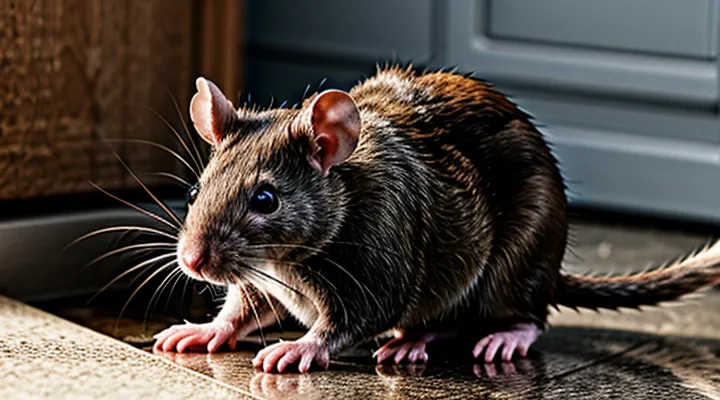
Understanding Rat Infestations
What Attracts Rats?
Food Sources
Rats are attracted to a wide range of edible materials that provide the calories needed for rapid reproduction and survival. Human activities generate these resources in residential, commercial, and industrial settings, creating a direct link between food availability and the scale of rodent populations.
Typical food sources include:
- Unsecured garbage bins and compost piles, especially those containing fruit, vegetables, meat scraps, and dairy products.
- Spilled grain, flour, or pet food left on floors, countertops, or in storage areas.
- Leaking pipes, condensation, and standing water that support microbial growth, which serves as a supplemental diet.
- Open containers of sugary drinks, beverages, and syrup residues that attract both rats and insects, increasing overall food density.
- Improperly sealed packaging of processed foods, cereals, and snacks found in pantries, vending machines, or warehouse shelves.
When these items are readily accessible, rats establish foraging routes that extend beyond the immediate source. Persistent exposure to abundant nutrients accelerates breeding cycles, leading to exponential population growth. The resulting infestation elevates the risk of structural damage, contaminates surfaces with urine and feces, and facilitates the transmission of pathogens to humans and livestock.
Effective control strategies focus on eliminating the underlying food supply. Measures include:
- Securing waste containers with tight-fitting lids and regularly removing refuse.
- Storing dry goods in metal or heavy‑duty plastic containers equipped with sealed closures.
- Promptly cleaning spills, crumbs, and residues from work surfaces and floors.
- Repairing leaks and reducing moisture accumulation to limit secondary food sources.
- Implementing routine inspections of storage areas to identify and rectify vulnerabilities.
By systematically removing these nutritional incentives, the conditions that sustain rat colonies deteriorate, reducing both the likelihood of new infestations and the severity of existing ones.
Water Sources
Water bodies such as wells, ponds, and municipal supplies provide the moisture rats require for survival and reproduction. Open containers, leaky pipes, and standing water in basements create accessible drinking sites, encouraging rats to colonise nearby structures. Contaminated water sources also facilitate the spread of pathogens carried by rodents, increasing health risks for humans and livestock.
Key ways water availability influences rodent populations:
- Continuous supply prevents dehydration, allowing rapid breeding cycles.
- Moist environments support food sources like insects and plant material, indirectly sustaining larger rat colonies.
- Leaks and overflow create shelter and nesting material, reducing the effort needed to establish burrows.
Consequences of inadequate water‑source management include heightened disease transmission, structural damage from gnawing on plumbing, and increased sanitation costs. Effective mitigation involves repairing leaks, sealing storage containers, and installing rat‑proof barriers around all water‑related infrastructure.
Shelter and Hiding Places
Rats seek shelter that offers protection from predators, weather, and human disturbance. Their choice of hiding places directly influences the severity and spread of an infestation, because secure refuges enable breeding colonies to persist and expand.
Typical rat shelters include:
- Wall voids and cavities behind insulation or drywall.
- Overhead spaces such as attics, ceiling joists, and roof crawl spaces.
- Underground burrows beneath foundations, garden beds, and sewer lines.
- Storage areas cluttered with boxes, debris, or unused equipment.
- Mechanical rooms housing HVAC ducts, boilers, and electrical panels.
- Vehicle interiors, especially trucks, vans, and outdoor storage sheds.
Key characteristics that make a location suitable are limited access points, darkness, stable temperature, and proximity to food or water sources. Cracks larger than ¼ inch, gaps around pipes, and unsealed entryways provide easy ingress; sealing these openings reduces habitat availability and forces rats to relocate.
When shelters remain undetected, rat populations can multiply rapidly. Each breeding pair can produce up to 12 offspring per litter, with several litters per year. Unchecked shelter sites therefore contribute to increased health risks, structural damage, and contamination of stored goods.
Effective control measures focus on identifying and eliminating these refuges. Inspection protocols should prioritize structural inspection of walls, roofs, and utility penetrations. Remediation steps include repairing cracks, installing metal or concrete barriers, and maintaining a clutter‑free environment. Regular monitoring of identified shelters helps verify the success of interventions and prevents re‑infestation.
Entry Points
Rats exploit structural weaknesses to gain indoor access. Common entry points include:
- Gaps around doors and windows, especially where weather‑stripping is missing or damaged.
- Cracks in foundations, walls, or flooring that exceed ¼ inch.
- Openings around utility penetrations such as pipes, cables, and vent ducts.
- Unsealed openings in roof eaves, soffits, and attic vents.
- Gaps beneath stairwells, crawl spaces, and basement doors.
- Damaged or absent screens on vents, chimneys, and exhaust fans.
These breaches arise from construction defects, wear and tear, or inadequate maintenance. Once a rat discovers an opening, the animal can create additional pathways by gnawing through softer materials, expanding the initial breach. Continuous use of these routes enables population growth and sustains the infestation.
Consequences of unchecked entry points extend beyond increased rodent numbers. Direct outcomes include:
- Contamination of food supplies and surfaces with urine, feces, and pathogens.
- Structural damage from gnawed insulation, wiring, and support members.
- Elevated fire risk due to compromised electrical systems.
- Amplified odor problems and reduced indoor air quality.
Effective control begins with systematic inspection. Seal all gaps larger than ¼ inch using steel wool, metal flashing, or concrete repair. Install tight-fitting door sweeps, weather‑stripping, and mesh screens on vents. Maintain regular checks of utility penetrations and roof structures, repairing deterioration promptly. By eliminating these access routes, the likelihood of a rat infestation diminishes significantly, mitigating health hazards and property loss.
Common Rat Species Involved
Norway Rats («Rattus norvegicus»)
Norway rats (Rattus norvegicus) are large, omnivorous rodents native to East Asia, now present on every continent except Antarctica. Their robust body, strong incisors, and ability to thrive in diverse habitats make them the dominant species in urban and agricultural settings.
Reproductive capacity, short gestation (≈ 21 days), and litter size of up to 12 offspring enable rapid population growth. Flexible diet—grains, meat, garbage, and even carrion—allows exploitation of almost any food source. Burrowing behavior and proficiency in climbing facilitate access to shelters such as sewers, basements, and building foundations.
Typical factors that attract Norway rats to human environments include:
- Accumulated food waste in containers or dumpsters
- Standing water from leaky pipes or poorly drained areas
- Cluttered storage spaces that provide nesting material
- Warm temperatures that extend breeding seasons
These conditions create a feedback loop: increased food and shelter raise rat numbers, which in turn intensify competition for resources, prompting expansion into new structures.
Consequences of infestation are measurable:
- Structural damage from gnawing on wiring, insulation, and wood
- Contamination of food supplies with urine, feces, and hair
- Transmission of pathogens such as Leptospira, Salmonella, and hantavirus
- Economic losses due to repair costs, reduced productivity, and pest‑control expenses
Effective control relies on integrated measures: eliminating food and water sources, sealing entry points, and applying targeted population‑reduction techniques (traps, rodenticides, biological agents). Consistent implementation reduces rat density and mitigates the associated health and property risks.
Roof Rats («Rattus rattus»)
Roof rats (Rattus rattus) are medium‑sized murids native to tropical and subtropical regions, now established worldwide through human commerce. Adult individuals weigh 150–250 g, possess a slender body, long tail, and a distinctive black dorsal stripe. Their reproductive capacity enables rapid population growth: females can produce up to six litters annually, each containing 5–10 offspring.
These rodents favor elevated habitats. Attics, eaves, and roof voids provide protection from ground predators, stable temperatures, and proximity to food sources such as stored grains, pet food, and fruit trees. Structural gaps—eaves, soffits, vent openings, and poorly sealed chimneys—facilitate entry. Seasonal shifts, especially milder winters, increase the likelihood that roof rats will abandon ground burrows and seek refuge above.
Infestation originates when accessible entry points intersect with abundant food and shelter. Poor waste management, unsealed exterior openings, and vegetation growing close to the building envelope create conditions conducive to colonization. Once established, roof rats expand along utility lines, plumbing, and wiring, exploiting the continuity of the roof cavity.
Consequences extend beyond nuisance. Roof rats transmit pathogens including Leptospira spp., Salmonella, and hantavirus, contaminating surfaces and stored food through urine and feces. Their gnawing damages insulation, roofing membranes, and electrical wiring, raising fire risk. Nesting material—soft plant matter, insulation fibers, and paper—compromises structural integrity and increases moisture retention, fostering mold growth.
Typical indicators of activity include:
- Dark, cylindrical droppings (5–7 mm) near food sources or walkways
- Gnaw marks on wood, plastic, and wiring
- Greasy, shredded nests in concealed corners
- Scratching or scurrying sounds in roof cavities, especially at night
Effective control integrates three core actions:
- Exclusion – seal all potential ingress points (eaves, vents, gaps >¼ in) using steel mesh, concrete, or caulk.
- Sanitation – eliminate food attractants, store commodities in rodent‑proof containers, and prune vegetation away from the building.
- Population reduction – deploy snap traps or electronic devices in active zones; apply anticoagulant baits according to regulatory guidelines, monitoring for non‑target exposure.
Implementing these measures interrupts the infestation cycle, reduces health hazards, and preserves the structural and electrical systems of the property.
The Impact of Rat Infestations
Health Risks to Humans and Pets
Disease Transmission
Rats serve as reservoirs for numerous pathogens that reach humans through direct contact, contaminated food or water, and ectoparasite vectors. Transmission pathways include:
- Fecal–oral route: Leptospira spp. survive in rat urine; ingestion of contaminated water or food leads to leptospirosis, characterized by fever, renal failure, and hepatic dysfunction.
- Aerosolized particles: Hantavirus particles become airborne from dried rodent droppings; inhalation causes hantavirus pulmonary syndrome, a severe respiratory illness with high mortality.
- Bite wounds: Streptobacillus moniliformis introduced by rat bites triggers rat‑bite fever, presenting with fever, rash, and arthritis.
- Ectoparasite transfer: Fleas (Xenopsylla cheopis) acquire Yersinia pestis from infected rats; subsequent bites transmit plague, resulting in buboes, septicemia, or pneumonic forms.
- Food contamination: Salmonella enterica colonizes rat intestines; shedding onto stored grains or produce leads to salmonellosis, causing gastroenteritis and systemic infection.
Human exposure escalates in urban slums, agricultural storage facilities, and waste‑handling sites where rodent populations thrive. Outbreaks impose medical costs, strain public‑health resources, and can trigger widespread disease transmission if control measures fail. Effective mitigation requires integrated pest management, sanitation improvement, and surveillance of rodent‑borne infections.
Allergic Reactions and Asthma
Rats produce a variety of airborne particles that provoke immune responses in susceptible individuals. Urine, saliva, and fecal matter contain proteins that become aerosolized when dry, creating inhalable allergens. Repeated exposure sensitizes the respiratory mucosa, leading to IgE‑mediated reactions that manifest as sneezing, nasal congestion, and itchy eyes. In people with pre‑existing asthma, these allergens act as triggers that intensify airway inflammation, bronchoconstriction, and hyper‑responsiveness.
Key mechanisms linking rodent exposure to respiratory disease include:
- Allergen inhalation: Microscopic particles settle in the upper and lower airways, prompting mast cell activation.
- Inflammatory cascade: Release of histamine, leukotrienes, and cytokines amplifies mucosal edema and mucus production.
- Airway remodeling: Chronic inflammation promotes smooth‑muscle hypertrophy and collagen deposition, reducing lung elasticity.
Clinical outcomes range from intermittent wheezing to severe asthma exacerbations requiring emergency treatment. Populations at highest risk are children, individuals with a family history of atopy, and occupants of poorly ventilated dwellings where rat activity is common.
Mitigation strategies focus on reducing allergen load and limiting exposure:
- Seal entry points to prevent rodent ingress.
- Implement integrated pest management that combines trapping, baiting, and sanitation.
- Conduct thorough cleaning of contaminated surfaces using HEPA‑filtered vacuums and wet methods to avoid dust generation.
- Replace HVAC filters with high‑efficiency models and increase airflow turnover.
- Provide medical monitoring for residents with known sensitivities, adjusting asthma medication regimens as necessary.
By addressing the source of rodent‑related allergens and maintaining rigorous environmental controls, the frequency and severity of allergic reactions and asthma attacks can be substantially lowered.
Contamination of Food and Surfaces
Rats introduce pathogens directly onto food items and surrounding surfaces, creating a direct link between rodent activity and public‑health risks. Their nocturnal foraging habits bring them into kitchens, storage rooms, and dining areas where they gnaw, scratch, and defecate, leaving biological contaminants that are difficult to detect without thorough inspection.
Typical contamination routes include:
- Droppings and urine deposited on raw ingredients, ready‑to‑eat foods, and packaging.
- Saliva transferred through chewing or carrying food particles on fur and paws.
- Carcasses or dead rodents left in hidden crevices, releasing toxins and bacteria as they decompose.
- Indirect spread via contaminated tools, cleaning cloths, and pest‑control equipment.
Consequences manifest as foodborne illness outbreaks, product recalls, and increased sanitation costs. Persistent contamination compromises shelf life, undermines consumer confidence, and may trigger regulatory actions. Effective control requires integrated pest management, routine monitoring of food contact surfaces, and immediate removal of any evidence of rodent activity.
Damage to Property and Infrastructure
Structural Damage
Rats compromise building integrity through persistent gnawing. Their incisors continuously chew wood, plastic, and metal, creating holes that weaken load‑bearing elements and expose interior spaces to weather. Burrowing activity undermines foundations, especially in masonry and concrete slabs, leading to cracks and uneven settlement.
Damage to utility systems accelerates failure risk. Rats strip insulation from electrical wiring, increasing the likelihood of short circuits and fire. They also chew plumbing pipes, causing leaks that erode surrounding structures and foster mold growth.
Structural impairment incurs direct financial loss and indirect safety hazards. Repair expenses rise sharply when compromised components require replacement rather than simple patching. Weakened frames and damaged support elements elevate the risk of collapse, endangering occupants and violating building codes.
Typical manifestations include:
- Holes in joists, studs, and beams
- Cracked or shifted foundations
- Exposed or frayed electrical cables
- Leaking water lines and corroded fixtures
- Deteriorated insulation and plaster
Prompt identification and sealing of entry points, combined with professional extermination, mitigate further degradation and preserve structural stability.
Electrical Wiring Damage
Rats gnaw on insulation, cables, and conduit, creating direct breaches in electrical systems. Their incisors can cut through copper and aluminum conductors, exposing live wires and eliminating protective barriers.
Consequences of such damage include:
- Short‑circuit conditions that trigger circuit breakers or cause fire hazards.
- Intermittent power loss affecting lighting, heating, and critical equipment.
- Increased risk of electric shock for occupants and maintenance personnel.
- Accelerated corrosion of metal components due to exposed conductors contacting moisture.
Damage typically appears as:
- Chewed or frayed insulation visible along walls, ceilings, or floor joists.
- Burn marks or melted plastic near rodent activity zones.
- Unusual odors of ozone or burning plastic emanating from outlets and switches.
Mitigation strategies focus on exclusion and protection:
- Seal entry points larger than ¼ inch with steel wool, cement, or metal flashing.
- Install rodent‑proof conduit (e.g., rigid metal or PVC with reinforced sleeves) in vulnerable areas.
- Deploy bait stations and traps strategically around known pathways.
- Conduct regular inspections of wiring, especially in basements, attics, and crawl spaces, and replace compromised sections promptly.
Prompt identification and remediation of rat‑induced wiring damage reduce fire risk, maintain electrical reliability, and protect property value.
Contamination and Odor Issues
Rats introduce biological contaminants that compromise hygiene and safety. Urine and feces contain pathogens such as Leptospira, Salmonella, and Hantavirus, which can survive on surfaces for weeks. Contamination spreads through direct contact, aerosolized particles, and food handling, increasing the risk of gastrointestinal and respiratory illnesses. Food stores become sources of spoilage when rat droppings mix with consumables, leading to economic loss and potential outbreaks.
Odor problems arise from the same waste products. Ammonia released by urine creates a sharp, penetrating smell detectable at low concentrations. Decomposing droppings emit a sour, rancid odor that penetrates fabrics, insulation, and building cavities. Persistent odors indicate ongoing infestation and can degrade indoor air quality, causing headaches, nausea, and reduced productivity.
Effective response requires systematic cleaning and remediation:
- Remove all visible waste with disposable, sealed containers.
- Disinfect surfaces using EPA‑registered rat‑specific agents; allow adequate contact time.
- Replace absorbent materials (carpet padding, insulation) that have been saturated with urine or feces.
- Employ air scrubbers with HEPA and activated carbon filters to capture airborne particles and neutralize odors.
- Seal entry points to prevent re‑infestation, reducing future contamination sources.
Monitoring after treatment confirms success. Air sampling for ammonia levels below 10 ppm and absence of rodent droppings in inspected zones indicate that contamination and odor issues have been resolved. Continuous vigilance maintains sanitary conditions and protects occupant health.
Economic Losses
Rats cause measurable financial damage across multiple sectors. Their activities reduce profit margins, increase operational costs, and generate indirect expenses that strain budgets.
- Crop loss: gnawed seedlings, contaminated harvests, and reduced yields lower agricultural revenue by up to 30 % in heavily infested regions.
- Food‑processing facilities: contaminated products trigger recalls, waste, and penalties; cleaning and decontamination procedures add significant labor and material costs.
- Storage warehouses: perforated packaging and destroyed inventory result in direct material loss and the need for frequent replacement.
- Infrastructure: burrowing undermines foundations, damages utility lines, and accelerates wear on mechanical components, leading to costly repairs and downtime.
- Public‑health expenditures: disease transmission increases medical treatment expenses and insurance claims for affected populations.
- Pest‑management outlay: routine monitoring, baiting, and extermination programs require recurring investment; emergency interventions after severe outbreaks inflate budgets further.
Overall, rat‑related losses erode profitability, inflate operational budgets, and impose a persistent financial burden on businesses, governments, and food‑supply chains.
Environmental Consequences
Predation on Wildlife
Rats thriving in urban and rural environments create a cascade of ecological pressures that intensify predation on native wildlife. High rat densities attract opportunistic predators such as feral cats, feral dogs, and raptors, which increase hunting activity around infestation sites. These predators often shift their diet toward vulnerable species—ground‑nesting birds, small mammals, and amphibians—because rats provide an abundant, easily captured food source.
Predatory pressure intensifies when rat populations outcompete native prey, forcing predators to expand their hunting range. This expansion leads to:
- Increased encounters between predators and endangered ground‑nesting birds.
- Higher mortality rates among small mammals that share habitats with rats.
- Disruption of amphibian breeding sites due to predator intrusion.
Rats also act as direct predators, consuming eggs, nestlings, and juvenile insects, further reducing reproductive success of many species. Their nocturnal foraging habits overlap with those of native insectivores, creating competition that drives some species toward decline.
The combined effect of predator attraction and rat‑driven predation accelerates biodiversity loss, reduces population resilience, and hampers ecosystem recovery after infestation events. Effective control of rodent numbers therefore mitigates secondary predation pressures and supports wildlife conservation objectives.
Damage to Agriculture
Rats infiltrate fields, storage facilities, and processing plants, directly reducing crop yields and compromising food safety. Their gnawing activity damages stems, roots, and seed heads, leading to premature wilting and loss of productive tissue. In stored grains, rats create holes that expose kernels to moisture, mold, and secondary pest infestations, accelerating spoilage.
Key agricultural impacts include:
- Consumption of harvested produce, lowering marketable weight by 5‑30 % depending on infestation severity.
- Contamination with urine, feces, and pathogens such as Leptospira and Salmonella, rendering batches unsuitable for consumption or export.
- Structural damage to irrigation lines, silos, and equipment, resulting in repair costs and operational downtime.
- Disruption of sowing and planting schedules when burrows interfere with seed placement and soil integrity.
Economic losses stem from reduced harvest volumes, increased pest‑control expenditures, and penalties for non‑compliance with food‑safety standards. Effective mitigation requires integrated rodent‑management programs that combine habitat modification, population monitoring, and targeted baiting to protect both field production and post‑harvest storage.
Prevention and Control Strategies
Proactive Measures
Sanitation and Housekeeping
Effective sanitation and systematic housekeeping directly reduce the likelihood of rodent proliferation. Food residues, spilled liquids, and improperly stored waste create attractive foraging sites; when these sources are eliminated, rat populations decline rapidly.
Key sanitation practices include:
- Prompt removal of food scraps and packaging from work surfaces.
- Sealing garbage containers with tight‑fitting lids and disposing of waste daily.
- Regular cleaning of kitchen floors, countertops, and appliance exteriors to eliminate crumbs.
- Maintaining dry conditions by repairing leaks and ensuring proper ventilation.
Housekeeping measures that complement sanitation:
- Storing all consumables in airtight containers.
- Decluttering storage areas to remove hidden nesting opportunities.
- Conducting routine inspections for droppings, gnaw marks, and burrows.
- Implementing a schedule for deep cleaning of hard‑to‑reach areas such as behind appliances and under shelving.
Adherence to these protocols disrupts the food chain and shelter availability that sustain rat colonies, thereby mitigating both the immediate health hazards and the long‑term economic impact associated with rodent activity.
Exclusion and Sealing Entry Points
Effective exclusion begins with a systematic survey of a building’s envelope. Inspect walls, foundations, rooflines, utility penetrations, and vents for gaps larger than a quarter‑inch. Document each opening, assign a priority based on proximity to food sources, and plan remediation before rodent activity escalates.
Sealing methods vary by material and location:
- Steel wool or copper mesh inserted into small cracks, then covered with cement or expanding foam for durability.
- Stainless‑steel mesh or hardware cloth (¼‑inch or smaller) installed over larger openings such as pipe sleeves, vent covers, and door sweeps.
- Rigid sealants (polyurethane, silicone) applied to seams around windows, doors, and foundation joints.
- Weather‑resistant flashing used to protect roof penetrations and chimney bases.
Implementation requires proper surface preparation, adherence to manufacturer specifications, and verification of a continuous barrier after installation. Regular inspections—quarterly in high‑risk environments—detect new breaches caused by structural settlement or weather damage. Prompt repair maintains the integrity of the exclusion system, reduces the likelihood of population growth, and limits property damage associated with gnawing, contamination, and disease transmission.
Landscaping and Yard Maintenance
Effective landscaping and yard upkeep directly influence the likelihood and severity of rodent problems. Dense vegetation, unmanaged debris, and standing water create shelter and food sources that attract rats. Regular removal of leaf litter, pruning of overgrown shrubs, and proper drainage eliminate these attractions.
Key maintenance actions include:
- Clearing fallen leaves and organic waste weekly.
- Trimming hedges and grass to a height of no more than six inches.
- Disposing of compost piles in sealed containers and keeping them away from structures.
- Repairing cracks in foundations, fences, and irrigation systems to prevent entry points.
- Ensuring gutters and downspouts are free of blockages to avoid water accumulation.
Neglecting these practices allows rats to establish burrows near homes, increasing the risk of property damage, disease transmission, and contamination of stored food. Evidence links poorly maintained yards to higher rates of rodent sightings and associated health complaints.
Implementing a scheduled inspection routine can identify early signs of activity, such as gnaw marks, droppings, or fresh burrows. Prompt corrective measures, combined with habitat reduction, reduce the probability of an outbreak and limit the long‑term impact on residential environments.
Remedial Actions
Trapping Methods
Effective trapping is a cornerstone of any rodent control program. Selecting the appropriate device, placement strategy, and monitoring routine determines success and minimizes collateral damage.
- Snap traps – steel or wooden frames with a spring‑loaded bar. Immediate kill reduces the chance of disease transmission. Ideal for indoor use where quick disposal is feasible. Requires careful baiting and regular inspection to prevent suffering or escape.
- Live‑capture traps – cage‑type mechanisms that close when the animal enters. Allow relocation or humane euthanasia. Best suited for areas where non‑lethal handling is mandated. Requires prompt release or processing to avoid stress‑induced mortality.
- Electronic traps – battery‑powered plates delivering a high‑voltage shock. Provide rapid kill and often include a notification system. Useful in commercial kitchens or warehouses where sanitation standards demand minimal mess. Higher upfront cost offsets by reduced labor.
- Glue boards – adhesive surfaces that immobilize rodents. Effective for monitoring low‑level activity. Not recommended as primary control due to prolonged suffering and difficulty of disposal.
Placement guidelines enhance capture rates:
- Position traps along walls, behind appliances, and near known gnaw marks; rats avoid open spaces.
- Set traps perpendicular to the wall, with the trigger end facing the baseboard.
- Use bait that appeals to local rat diets—peanut butter, dried fruit, or meat scraps—secured to prevent premature removal.
- Rotate trap locations every 48 hours to prevent trap shyness and to cover new activity zones.
Maintenance practices sustain effectiveness:
- Check traps at least twice daily; remove captures, reset, and replenish bait.
- Clean and disinfect reusable devices to eliminate scent cues that could deter subsequent visits.
- Record capture data (date, location, number) to identify hotspots and adjust deployment density.
Integrating traps with complementary measures—such as sealing entry points, eliminating food sources, and implementing sanitation protocols—creates a comprehensive response to a rat outbreak, reducing population pressure and limiting damage to property and health.
Baits and Rodenticides
Bait formulations and rodenticides constitute the primary chemical control measures against rat populations. Their effectiveness depends on proper selection, placement, and monitoring.
Common bait types include:
- Anticoagulant pellets (first‑generation: warfarin, chlorophacinone; second‑generation: brodifacoum, difethialone) that disrupt blood clotting.
- Non‑anticoagulant compounds such as bromethalin, which impair cellular energy production, and zinc phosphide, which releases phosphine gas upon ingestion.
- Hybrid formulations that combine attractants with inert carriers to increase palatability.
Key operational considerations:
- Target specificity: choose baits with proven acceptance by the intended species while minimizing attraction to non‑target wildlife.
- Dosage precision: adhere to label‑specified concentrations to achieve lethal intake without excess environmental loading.
- Resistance management: rotate active ingredients and incorporate alternative control methods to prevent genetic tolerance.
- Regulatory compliance: verify registration status, label warnings, and permissible application sites according to local authority guidelines.
- Environmental safety: implement secured bait stations, avoid placement near water sources, and employ biodegradable containers where feasible.
Effective deployment requires regular inspection of bait stations, removal of uneaten material, and documentation of mortality rates. Integration with sanitation improvements and structural exclusion enhances overall reduction of rat activity and mitigates secondary health and economic impacts.
Professional Pest Control Services
Rats proliferate when food sources, shelter, and water are readily available, and their presence leads to structural damage, disease transmission, and contamination of stored goods.
Professional pest control providers assess infestations, identify entry points, and implement targeted interventions that eliminate active populations while preventing re‑entry.
Typical actions include:
- Inspection of interior and exterior premises to locate nests and gnaw marks.
- Installation of bait stations and traps calibrated for the species and density observed.
- Application of rodenticides in accordance with safety regulations, using placement strategies that minimize exposure to non‑target organisms.
- Sealing of gaps, utility penetrations, and structural defects that facilitate access.
Effective service delivery reduces health risks, protects infrastructure, and restores compliance with sanitation standards. Ongoing monitoring and maintenance contracts sustain control measures, ensuring that initial gains are not reversed by new incursions.
Long-Term Management and Monitoring
Effective control of persistent rodent problems requires an integrated, sustained program that combines habitat alteration, population suppression, and systematic observation.
Habitat alteration eliminates food sources, water, and shelter. Actions include sealing entry points, repairing damaged utilities, storing waste in sealed containers, and removing clutter that provides nesting sites. Population suppression employs a combination of mechanical traps, strategically placed anticoagulant baits, and, where appropriate, predatory species. Each method is applied according to species behavior, building layout, and local regulations.
Monitoring supplies the data needed to gauge progress and guide adjustments. A typical cycle consists of:
- Baseline survey to establish infestation density and distribution.
- Weekly visual inspections of key locations.
- Quantitative trap counts and bait consumption records.
- Threshold analysis to determine when intervention intensity must change.
- Annual review of trends and cost‑effectiveness.
Adaptive management relies on these metrics. When trap returns decline below predetermined levels, bait placement is reduced; if counts rise, additional entry sealing and intensified baiting are implemented. Continuous feedback prevents resurgence and minimizes unnecessary chemical use.
Comprehensive documentation supports accountability and future planning. Records should capture dates, locations, device types, quantities removed, and environmental conditions. Mapping software can visualize hotspots, facilitating targeted actions and communication with maintenance personnel, property owners, and regulatory agencies.