
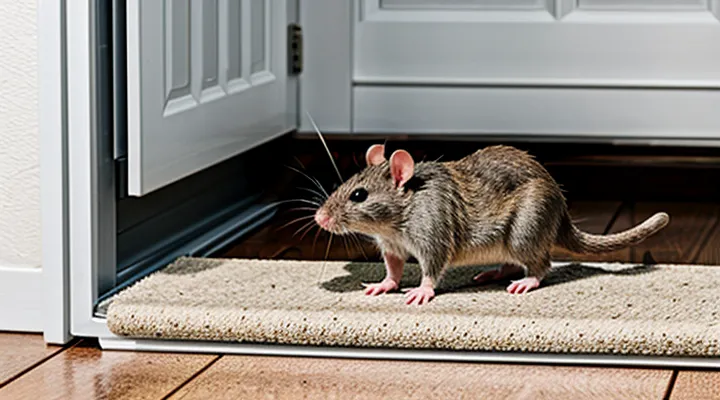
Understanding the Rodent Threat
Why Rodents are a Problem for Stores
Health Risks and Contamination
Rodent intrusion in retail environments introduces direct health hazards that compromise product safety and consumer protection. Rats and mice carry pathogens capable of causing severe foodborne illnesses. Contamination occurs when droppings, urine, or hair contact food items, packaging, or processing equipment, creating vectors for bacterial, viral, and parasitic agents.
Key health risks include:
- Salmonella spp. – leads to gastroenteritis, fever, and dehydration.
- Escherichia coli O157:H7 – causes hemorrhagic colitis and renal failure.
- Listeria monocytogenes – results in meningitis and fetal loss.
- Hepatitis E virus – transmitted through contaminated water or food, causing liver inflammation.
- Leptospira interrogans – induces flu‑like symptoms, kidney damage, and hemorrhagic complications.
- Adenoviruses and Astroviruses – produce respiratory and gastrointestinal disorders.
Contamination pathways extend beyond direct contact. Rodent movement can damage structural components, exposing food to dust, mold, and pest excrement. Gnawing on wiring or storage containers creates entry points for insects and microbial growth. Additionally, rodent nests harbor allergens that trigger respiratory reactions in sensitive individuals.
Regulatory frameworks, such as the Food Safety Modernization Act (FSMA) and local health codes, mandate strict control measures. Failure to prevent rodent entry results in mandatory recalls, fines, and loss of licensing. Documentation of pest‑management activities, routine inspections, and swift eradication protocols are essential for compliance and risk mitigation.
Effective prevention requires a layered approach: sealing entry points, maintaining sanitation standards, installing monitoring devices, and employing certified extermination services. Continuous evaluation of these controls safeguards product integrity and protects public health.
Damage to Property and Inventory
Rats entering a retail environment cause immediate and costly harm to both the physical premises and the merchandise stored within. Their gnawing activity compromises structural components, such as wooden shelving, drywall, and wiring, creating safety hazards and increasing repair expenses. Contamination of products by urine, feces, and hair renders inventory unsellable, leading to direct loss of revenue and potential regulatory penalties.
Physical damage includes:
- Chewed support beams and pallets that weaken load‑bearing capacity.
- Damaged electrical cords and insulation that raise fire risk.
- Punctured packaging that exposes goods to further infestation.
Inventory damage manifests as:
- Visible contamination that forces product disposal.
- Compromised seals that allow spoilage or spoilage‑related claims.
- Reduced shelf life for perishable items due to exposure.
Financial impact extends beyond immediate replacement costs. Frequent repairs disrupt store operations, necessitate temporary closures, and increase insurance premiums. Lost sales from unsellable stock diminish profit margins, while brand reputation suffers when customers encounter rodent evidence.
Preventing rodent entry eliminates these losses. Sealing gaps, installing bait stations, and maintaining rigorous sanitation directly protect property integrity and preserve inventory value. Effective control measures therefore safeguard the store’s assets and sustain operational continuity.
Reputation and Financial Impact
Rodent intrusion in a retail setting immediately erodes consumer confidence. Visible signs of infestation—droppings, gnaw marks, or damaged packaging—trigger negative reviews, social‑media posts, and word‑of‑mouth complaints. The resulting reputation damage reduces foot traffic and discourages repeat purchases, often persisting long after the pest problem is resolved.
Financial losses stem from three primary sources. First, product spoilage and waste increase inventory costs as contaminated goods must be discarded. Second, remediation expenses include pest‑control services, facility repairs, and heightened sanitation protocols. Third, legal liabilities arise when health‑code violations lead to fines or lawsuits from affected customers.
Quantifying the impact clarifies the business case for prevention:
- Average write‑off per contaminated product line: 12 % of inventory value.
- Typical pest‑control contract for a medium‑size store: $3,500–$7,000 annually.
- Average fine for health‑code breach: $10,000–$25,000 per incident.
- Estimated revenue decline after a publicized infestation: 5–15 % over the subsequent quarter.
These figures demonstrate that a single rodent breach can cost a retailer tens of thousands of dollars and inflict lasting brand harm. Investing in robust exclusion measures, regular inspections, and staff training yields measurable savings by protecting both reputation and bottom line.
Common Rodent Entry Points
Gaps and Cracks in Foundations
Gaps and cracks in a building’s foundation create direct routes for rodents to enter retail spaces, bypassing doors and windows. Even narrow openings allow mice and rats to squeeze through, establishing pathways to food storage and waste areas.
Typical deficiencies include settlement cracks that develop unevenly under load, separation at expansion joints, and openings around utility penetrations such as water, gas, and electrical lines. These breaches connect the exterior soil environment with interior spaces, providing shelter and access to food sources.
Effective inspection combines visual assessment with probing tools to locate discontinuities larger than ¼ inch. Inspectors should verify seal integrity at all junctions, measure crack width, and document locations relative to high‑traffic zones and storage areas.
Remediation measures:
- Seal cracks with hydraulic cement or epoxy injection, ensuring material adheres to both concrete surfaces.
- Install stainless‑steel or copper mesh around utility sleeves, then caulk with rodent‑resistant sealant.
- Replace damaged expansion joint filler with flexible, weather‑proof material designed to maintain continuity under movement.
- Apply a continuous perimeter barrier of concrete or masonry extending at least 12 inches below grade, eliminating surface gaps.
- Conduct quarterly reviews after repairs to confirm that seals remain intact and no new openings have formed.
Doors and Windows
Doors and windows serve as primary entry points for rodents in retail environments. Small openings around frames, worn seals, and gaps beneath doors provide unobstructed routes for rats seeking shelter and food.
Structural measures reduce these pathways. Install weather‑resistant seals around all movable panels. Fit door sweeps that extend fully to the floor, eliminating under‑door spaces. Use steel mesh or reinforced screens on windows, ensuring no tears or loose fittings remain.
Routine inspection identifies and repairs deterioration before it becomes a breach. Check for signs of gnawing, displaced hardware, or cracked caulking. Replace damaged components promptly, and maintain a record of inspection dates and actions taken.
Operational controls complement physical barriers. Keep exterior doors closed whenever possible; employ self‑closing hinges to prevent propping. Position screens on service doors that remain open for brief periods. Limit access during off‑hours by securing all entry points with lockable latches.
Key actions:
- Apply continuous silicone or polyurethane caulk to all frame seams.
- Install metal flashing above windows to deter climbing.
- Use hinged or sliding doors with automatic closing mechanisms.
- Conduct monthly visual checks of seals, sweeps, and screens.
- Document any rodent activity and respond with immediate repairs.
Utility Openings
Utility openings—such as conduit penetrations, pipe sleeves, and cable entries—provide the most common pathways for rodents to infiltrate retail premises. Because these gaps are often overlooked during construction, they become permanent access points unless sealed correctly.
To secure utility openings, follow a systematic approach:
- Inspect every wall, floor, and ceiling for penetrations larger than ¼ in. (Rats can squeeze through openings as small as ¼ in.)
- Install stainless‑steel or heavy‑duty mesh with openings no larger than ¼ in. around ducts, pipes, and cable bundles.
- Apply rodent‑resistant sealants (e.g., silicone‑based or polyurethane) to fill gaps around the mesh and surrounding structure.
- Use metal flashing or rigid sleeves for high‑traffic areas where compression may damage softer sealing materials.
- Schedule quarterly checks to verify integrity of seals and replace damaged components promptly.
When planning new construction or renovation, integrate utility opening protection into the design phase. Specify approved materials, detail required installation methods, and document responsibilities for verification. This prevents retroactive fixes that are often less effective.
Maintenance crews should receive clear instructions on identifying compromised openings and the proper procedure for repair. Recording each inspection in a log ensures accountability and provides data for trend analysis, allowing proactive adjustments before infestations develop.
Ventilation Systems
Ventilation infrastructure in retail spaces can provide access points for rodents if not properly designed and maintained. Open ducts, unsecured vent covers, and gaps around ventilation shafts create routes that pests exploit to reach stored goods.
Key measures to secure ventilation systems include:
- Install metal or steel vent grates with mesh openings no larger than ¼ inch to block entry.
- Seal all duct seams and penetrations with rodent‑resistant caulk or metal flashing.
- Position air intake louvers above the roofline, away from ground level and vegetation.
- Conduct quarterly inspections to verify that filters, grates, and seals remain intact and free of damage.
- Replace worn or corroded components promptly, using materials that resist gnawing.
Design considerations should incorporate a continuous barrier approach. Route ductwork through interior walls rather than exterior walls when possible, and avoid routing vents near waste disposal or loading docks where rodent activity is higher.
Regular cleaning of ventilation components removes food particles and debris that attract pests. A maintenance schedule that includes filter replacement, dust removal, and visual checks reduces the likelihood of infestation originating from the airflow system.
Deliveries and Shipments
Deliveries and shipments present the most frequent opportunity for rodents to infiltrate retail environments. Each load arrives through loading docks, freight elevators, or external doors, creating potential gaps that pests can exploit.
Inspect all incoming containers before they enter the sales floor. Look for torn packaging, gnaw marks, and droppings. Reject any compromised pallets or boxes, and document findings for supplier accountability.
Seal entry points immediately after unloading. Use weather‑striped doors, self‑closing mechanisms, and metal flashing around dock doors to eliminate gaps larger than ¼ inch. Install door sweeps on all service doors that remain open during loading.
Maintain a strict schedule for waste removal associated with deliveries. Place waste containers on the exterior side of the building, keep lids locked, and empty them before the next shipment arrives to deny rodents a food source.
Control the storage area surrounding the receiving zone. Keep aisles clear, stack products away from walls, and elevate pallets at least six inches off the floor to reduce hiding places.
Implement a verification system for third‑party carriers. Require proof of pest‑management compliance, and conduct random audits of carrier vehicles and storage facilities.
Regularly train receiving staff on pest‑prevention protocols. Emphasize prompt reporting of signs of infestation and proper handling of damaged goods.
By applying these measures, retailers can significantly reduce the likelihood that deliveries become a conduit for rodent intrusion.
Proactive Prevention Strategies
External Building Integrity
Sealing Cracks and Openings
Sealing cracks and openings eliminates the primary pathways through which rodents access a retail environment. Identify all potential entry points by inspecting walls, floors, ceilings, and utility penetrations. Pay special attention to gaps around pipes, vents, doors, and windows.
- Use high‑grade silicone or polyurethane sealant for irregular gaps less than ¼ inch.
- Apply expanding foam for larger voids, then trim excess and cover with a durable material.
- Install metal flashing or cement board around door thresholds and loading dock openings.
- Replace damaged weatherstripping on doors and windows with compression‑fit profiles.
- Fit rodent‑proof screens on ventilation grilles and exhaust fans.
After sealing, conduct a visual verification to confirm adhesion and continuity. Schedule quarterly inspections, focusing on high‑traffic zones and areas exposed to moisture, as humidity can compromise seal integrity. Promptly repair any deterioration to maintain an impenetrable barrier and reduce the risk of rodent presence in the store.
Maintaining Doors and Windows
Properly maintained doors and windows form the first line of defense against rodents in a retail setting. Ensure that all entry points close tightly; gaps larger than ¼ inch allow mice and rats to slip through. Inspect frames weekly for warping, cracks, or broken seals, and replace damaged weatherstripping immediately.
Install self‑closing mechanisms on exterior doors. Adjustable door closers guarantee consistent latch force, preventing doors from remaining ajar after customer traffic. Test the closure force weekly and adjust as needed to maintain a firm seal without hindering accessibility for staff and patrons.
Secure windows with robust screens and tight-fitting sashes. Mesh should have openings no larger than ¼ inch and be free of tears. For storefronts that use sliding or awning windows, verify that tracks are free of debris and that rollers operate smoothly to avoid gaps during opening and closing cycles.
Routine inspection schedule:
- Visual check of door and window frames for structural damage.
- Test of self‑closing devices and latch alignment.
- Review of weatherstripping condition and replace worn sections.
- Examination of window screens for integrity and proper tension.
Adhering to this maintenance regimen reduces the likelihood of rodent ingress, protecting inventory and maintaining a hygienic environment for customers and employees.
Installing Rodent-Proof Barriers
Installing rodent‑proof barriers is a primary method for denying rats access to retail environments. Effective barriers block entry points, protect merchandise, and reduce the need for chemical control.
Materials suitable for barrier construction include metal flashing, steel mesh, concrete sealants, and heavy‑duty door sweeps. Metal flashing and mesh must be at least ¼ inch thick to resist gnawing. Sealants should be silicone‑based, providing flexibility for expansion and contraction of building components.
Implementation steps:
- Conduct a thorough inspection of the premises to locate gaps, cracks, and openings larger than ¼ inch.
- Prioritize high‑traffic zones such as loading docks, entry doors, and utility penetrations.
- Apply sealant to all identified cracks, ensuring complete coverage.
- Install metal flashing or mesh over larger openings, fastening securely with stainless‑steel screws.
- Fit door sweeps on all exterior doors, adjusting to maintain a tight seal when closed.
- Verify the integrity of each barrier by conducting a visual walk‑through and using a flashlight to expose hidden gaps.
Maintenance involves periodic checks—monthly for high‑risk areas and quarterly for the rest of the facility. Replace damaged sections promptly to prevent breach. Recording inspection results in a log facilitates trend analysis and informs future upgrades.
By adhering to these procedures, stores create a durable physical defense that minimizes rodent intrusion and supports overall pest‑management objectives.
Internal Store Management
Strict Sanitation Practices
Effective rodent exclusion in retail environments begins with rigorous sanitation. Maintaining a clean facility eliminates food sources and harborage, directly reducing the likelihood of infestation.
Key sanitation measures include:
- Daily removal of food debris from floors, shelves, and equipment.
- Immediate disposal of waste in sealed containers; containers must be emptied regularly and kept away from walls.
- Routine cleaning of refrigeration units, break rooms, and storage areas using approved disinfectants.
- Regular inspection and cleaning of delivery docks, loading bays, and shelving to prevent accumulation of organic matter.
- Implementation of a documented cleaning schedule, assigning responsibility to specific personnel and recording completion.
Consistent application of these practices creates an environment that deprives rodents of sustenance and shelter, reinforcing physical barriers and exclusion strategies.
Proper Waste Disposal
Effective waste management directly limits food sources that attract rodents in retail spaces. When trash is stored improperly, it creates an inviting environment for rats and mice, undermining any physical barriers or exclusion methods.
Proper waste disposal requires sealed containers, regular removal, and strategic placement away from walls and shelving. Containers must be made of durable material, feature tight‑fitting lids, and be positioned on a stable platform to prevent tipping. Collection schedules should ensure that waste does not accumulate for more than 24 hours.
- Use rigid, lid‑secured bins for all refuse.
- Position bins at least 3 feet from product displays and entry points.
- Empty bins daily; increase frequency during peak sales periods.
- Store waste in a designated, locked area inaccessible to pests.
- Clean bin interiors weekly with an approved sanitizer.
Continuous monitoring validates compliance. Conduct visual inspections of bin conditions, verify lid integrity, and record collection times. Document any breaches and apply corrective actions promptly to maintain a pest‑free environment.
Food Storage Protocols
Effective food storage protocols form the frontline defense against rodent intrusion in retail environments. Properly managed inventory reduces attractants and eliminates entry points, directly limiting the risk of infestation.
Key storage practices include:
- Use only airtight, pest‑resistant containers for bulk items and open‑shelf products.
- Store all goods off the floor; employ shelving that allows a minimum clearance of 6 inches.
- Implement a strict first‑in‑first‑out (FIFO) system to prevent surplus buildup.
- Seal all delivery pallets and remove packaging debris immediately after receipt.
- Conduct daily visual inspections for signs of gnawing, droppings, or compromised packaging.
Documentation and monitoring reinforce compliance. Record each inspection, note corrective actions, and schedule periodic audits to verify that storage areas remain rodent‑proof. Maintain a log of container integrity checks and replace any damaged units without delay. Consistent enforcement of these protocols sustains a hygienic environment and deters rodent activity throughout the store.
Regular Inspections
Regular inspections form the backbone of any rodent‑prevention program in retail premises. Systematic visual checks, combined with targeted testing, reveal weaknesses before they become entry points.
Key components of an effective inspection schedule include:
- Frequency – Conduct a full‑site assessment at least once per month; increase to weekly in high‑risk zones such as loading docks, waste areas, and storage rooms.
- Scope – Examine exterior doors, loading bays, utility penetrations, roof eaves, and interior shelving for gaps, cracks, or damaged seals.
- Documentation – Record findings on a standardized form, noting location, condition, and corrective action required. Maintain a log for trend analysis.
- Verification – After repairs, perform a follow‑up inspection to confirm that the issue has been resolved and that no new vulnerabilities have emerged.
- Training – Ensure staff responsible for inspections understand rodent behavior, recognize signs of activity, and know how to use inspection tools such as flashlights, mirrors, and moisture meters.
Integrating these steps into daily operations reduces the likelihood of rodents gaining access to merchandise and food‑handling areas. Prompt remediation of identified defects, coupled with consistent record‑keeping, creates a defensible audit trail and supports compliance with health‑safety regulations.
Monitoring and Detection
Setting Up Traps and Baits
Effective rodent control in retail premises requires a systematic approach to trap and bait deployment. Proper placement and maintenance reduce damage, contamination risk, and regulatory violations.
Select devices that match the target species, infestation level, and store layout. Snap traps provide immediate kill, while live‑catch traps allow relocation. Bait stations should contain anticoagulant or non‑anticoagulant formulations, sealed to prevent accidental exposure. Ensure all products carry EPA registration and are approved for indoor use.
- Identify high‑traffic zones: aisles, loading docks, waste areas, and near shelving where gnaw marks appear.
- Install traps perpendicular to walls, 1–2 inches from the baseboard, with trigger side facing the wall.
- Position bait stations 3–6 feet apart, away from food preparation surfaces, and at least 12 inches from the floor to deter non‑target animals.
- Secure each unit to prevent tampering, using zip ties or mounting brackets.
- Record locations on a floor plan for future inspection.
Regular inspection sustains efficacy. Check traps daily for captures; replace or reset as needed. Bait stations require weekly verification of bait integrity and replenishment when consumption reaches 50 percent. Document findings in a log, noting date, device condition, and any anomalies. Promptly remove dead rodents and sanitize the area with a disinfectant approved for food‑service environments.
Safety considerations are mandatory. Wear disposable gloves when handling traps or bait. Store all rodenticides in a locked, labeled cabinet inaccessible to employees and customers. Train staff on proper disposal procedures and emergency response in case of accidental ingestion. Maintain compliance with local health codes and OSHA regulations throughout the program.
Recognizing Signs of Rodent Activity
Early identification of rodent activity prevents infestations from expanding within retail environments. Inspectors should focus on concrete evidence rather than assumptions.
- Fresh droppings: small, dark, pellet‑shaped, typically found near food handling areas, waste bins, and behind equipment.
- Gnaw marks: clean, V‑shaped cuts on cardboard, plastic, wood, or wiring; fresh gnawing appears lighter than older damage.
- Nests: shredded paper, insulation, or fabric gathered in concealed corners, under shelving, or within wall voids.
- Audible activity: scratching or scurrying sounds heard at night, especially within ceiling spaces or behind walls.
- Footprints and tail marks: muddy or dusty impressions leading to entry points; visible on smooth floors or near drains.
- Odor: a musky, ammonia‑like scent that intensifies near nesting sites or food sources.
Each sign conveys specific information about the species, population size, and entry routes. For example, larger droppings indicate adult rats, while smaller pellets suggest mice. Fresh gnaw marks near electrical conduits signal potential wiring damage risk.
Routine inspections should occur weekly in high‑traffic zones and monthly in storage areas. Document findings with photographs, date stamps, and precise locations. Immediate reporting to a qualified pest‑management provider ensures targeted remediation before damage escalates.
Utilizing Professional Pest Control Services
Professional pest control providers deliver systematic assessments that identify structural vulnerabilities, sanitation practices, and activity patterns conducive to rodent entry. Their expertise translates observational data into actionable remediation plans, reducing reliance on trial‑and‑error methods.
Key advantages of engaging a licensed service include:
- Precise sealing of gaps, cracks, and utility penetrations using industry‑approved materials.
- Installation of tamper‑resistant bait stations and monitoring devices calibrated to local rodent species.
- Routine inspections that verify the integrity of barriers and adjust control measures as occupancy or inventory changes.
- Documentation that satisfies health‑department audits and insurance requirements.
When selecting a contractor, verify the following credentials:
- State certification for rodent management.
- Proven track record with retail or food‑service establishments.
- Written guarantee of performance, including response times for re‑inspection after breaches.
- Transparent pricing structure covering initial treatment, follow‑up visits, and emergency interventions.
Implementation typically follows a three‑phase process: initial survey, targeted exclusion and baiting, and ongoing monitoring. The survey maps entry points and activity hotspots; exclusion addresses those points with durable seals; baiting deploys strategically placed stations that limit non‑target exposure. Monitoring involves quarterly site visits and real‑time reporting through digital dashboards, enabling swift adjustments to emerging risks.
Integrating professional pest control into store operations safeguards product integrity, protects brand reputation, and minimizes financial loss associated with infestations. Consistent application of these services establishes a resilient defense against rodent intrusion.
Emergency Response and Long-Term Solutions
Immediate Actions for Rodent Sightings
Isolating Affected Areas
Isolating affected zones limits rodent movement, protects inventory, and simplifies sanitation. Identify the exact location where activity was detected—floor, wall, ceiling, or storage rack. Seal all openings larger than ¼ inch with durable material such as stainless‑steel mesh, cement‑based sealant, or high‑density foam. Apply the sealant before the area is re‑stocked to avoid re‑contamination.
Implement a three‑step protocol:
- Containment – Install temporary barriers (e.g., polycarbonate panels) around the compromised space. Ensure barriers overlap seams and are secured with tape or clamps.
- Decontamination – Remove debris, droppings, and contaminated goods. Clean surfaces with an approved enzymatic disinfectant, then rinse and dry thoroughly.
- Repair – Replace damaged structural elements. Use rodent‑proof shelving, reinforced door sweeps, and sealed conduit penetrations. Verify integrity with a visual inspection and a low‑light inspection tool.
Document each action, assign responsibility, and schedule a follow‑up inspection within 48 hours. Maintaining a log of sealed areas and repair dates provides traceability and supports compliance with health‑safety regulations.
Notifying Staff and Management
Effective communication with employees and supervisors is essential for controlling rodent intrusion in retail environments. Prompt notification creates a clear record of sightings, enables rapid response, and supports compliance with sanitation standards.
When a rodent is observed, staff should:
- Alert the designated supervisor or manager without delay.
- Record the date, time, location, and type of evidence (e.g., droppings, gnaw marks, live capture).
- Submit the report through the established channel, such as a digital incident log, dedicated email, or handheld reporting device.
- Secure the area to prevent further activity, if safe to do so, and limit customer exposure.
Management responsibilities include:
- Reviewing incoming reports each shift and prioritizing actions based on severity.
- Dispatching pest‑control professionals or internal remediation teams within a predefined timeframe.
- Updating the incident log with corrective measures taken, dates of service, and outcomes.
- Communicating findings and preventive steps to all relevant personnel during briefings or via posted notices.
Regular training reinforces the protocol. Sessions should cover identification signs, reporting tools, and escalation paths. Refresher meetings occur quarterly, with performance metrics reviewed monthly to ensure adherence.
A documented audit trail, maintained by both frontline workers and leadership, provides evidence for internal reviews and external inspections, confirming that the store consistently addresses rodent threats.
Contacting Pest Control Professionals
When rodents threaten a retail space, professional pest‑control services provide expertise that internal staff typically lack. Certified technicians assess structural vulnerabilities, identify entry points, and recommend targeted interventions that align with health‑code requirements.
Engaging a pest‑control firm involves several precise actions:
- Verify licensure and accreditation with relevant regulatory bodies.
- Request a written scope of work that outlines inspection methods, treatment plans, and follow‑up schedules.
- Confirm that the provider uses integrated pest‑management (IPM) techniques, prioritizing prevention over chemical reliance.
- Obtain cost estimates that separate labor, materials, and any recurring monitoring fees.
- Establish a communication protocol for reporting new sightings or breaches.
Prompt contact ensures rapid deployment of barriers such as door sweeps, sealants, and exterior lighting adjustments. Early intervention reduces product contamination risk, minimizes downtime, and protects brand reputation. Selecting a qualified partner and adhering to the outlined steps creates a defensible, long‑term solution against rodent entry.
Developing a Comprehensive Rodent Control Plan
Regular Maintenance Schedules
Regular maintenance schedules form the backbone of any strategy aimed at keeping rodents out of retail premises. Consistent inspections, timely repairs, and systematic cleaning create an environment where rats cannot find shelter, food, or pathways.
A practical maintenance plan should include the following components:
- Weekly visual checks of all storage areas, focusing on signs of gnawing, droppings, or burrows.
- Bi‑weekly cleaning of floors, shelves, and equipment to eliminate food residues that attract pests.
- Monthly seal inspections around doors, windows, vents, and utility penetrations; replace deteriorated weather‑stripping or caulking immediately.
- Quarterly pest‑monitoring device servicing; reset traps, replace bait, and record activity levels to identify trends.
- Semi‑annual structural review of roof, walls, and foundation; address cracks, gaps, or damaged panels before they become entry points.
Documentation is essential. Record each inspection, note corrective actions, and assign responsibility to specific staff members. A digital log with timestamps and photos provides traceability and supports compliance with health‑safety regulations.
Integrating these tasks into the store’s operational calendar ensures that maintenance does not become an afterthought. When maintenance activities align with inventory cycles, staff can perform checks during low‑traffic periods, minimizing disruption while maximizing effectiveness.
Staff Training on Prevention
Staff members must understand how rodent activity can compromise product safety and store reputation. Training provides the only reliable method to translate policy into daily actions that block rat entry points.
Key components of an effective program include:
- Identification of signs of rodent activity such as droppings, gnaw marks, and odor.
- Strict sanitation practices that eliminate food residues and water sources.
- Routine inspection of storage areas, loading docks, and waste zones for gaps, holes, or damaged screens.
- Proper sealing techniques using metal flashing, steel wool, or approved sealants to close openings larger than ¼ inch.
- Immediate reporting procedures that route observations to pest‑control supervisors without delay.
Implementation requires scheduled sessions for all new hires, quarterly refreshers for existing staff, and documented assessments to verify competence. Performance metrics—inspection completion rates, incident logs, and corrective‑action turnaround—must be reviewed monthly to maintain continuous improvement.
Reviewing and Updating Strategies
Regularly assessing pest‑prevention measures ensures that a retail environment remains resistant to rodent intrusion. Conduct a systematic audit at least quarterly, comparing current observations with the original control plan. Record entry points, signs of activity, and any deviations from expected conditions.
Update the program based on audit findings. Replace damaged sealing materials, reinforce doors and windows, and adjust trap placement to reflect newly identified pathways. Incorporate seasonal variations by increasing monitoring frequency during warmer months when rodents are most active.
Implement the following actions after each review:
- Verify integrity of all structural barriers; seal gaps larger than ¼ inch.
- Test effectiveness of bait stations; rotate active ingredients to prevent resistance.
- Re‑train staff on inspection protocols and proper waste handling.
- Document changes in a central log; assign responsibility for follow‑up tasks.
Maintain a feedback loop with the pest‑control provider. Share audit results promptly, request revised recommendations, and schedule follow‑up inspections to confirm that adjustments achieve the desired reduction in rodent presence.