
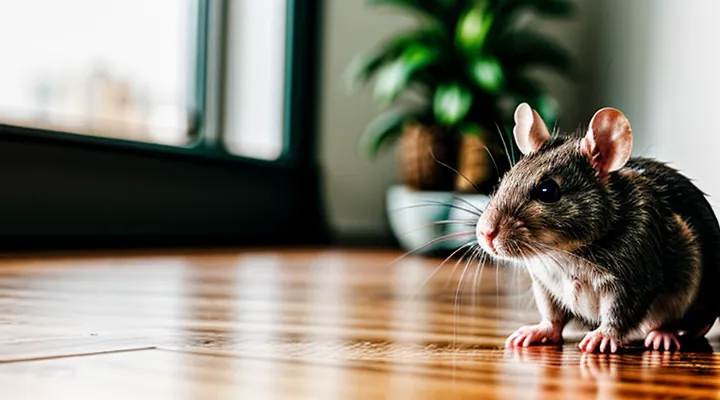
Recognizing the Signs of Trouble
Visible Symptoms of Labored Breathing
When a rat struggles to breathe, observable cues appear quickly. Recognizing these signs enables prompt intervention and reduces the risk of fatal outcomes.
Typical visual indicators include:
- Rapid, shallow breaths that exceed the normal rate of 80–150 breaths per minute.
- Flared nostrils, especially during inhalation.
- Audible wheezing or high‑pitched whistling sounds from the airway.
- Visible effort of the chest and abdomen, with pronounced movement of the rib cage or belly.
- Gasping or open‑mouth breathing, often accompanied by a pink or bluish tint around the gums and tongue.
- Restlessness or frantic pacing, contrasted with periods of stillness when the animal attempts to conserve energy.
- Drooling or excessive salivation, which may accompany oral discomfort.
Additional observations can reinforce the assessment:
- Reduced activity level and lethargy, indicating oxygen deprivation.
- Darkened or pale mucous membranes, suggesting poor circulation.
- Unusual posture, such as hunching or extending the neck to open the airway.
These external manifestations provide reliable evidence of respiratory distress in rats and should trigger immediate veterinary care.
Behavioral Changes Indicating Distress
When a rodent encounters respiratory difficulty, its behavior often changes in ways that can be recognized quickly. These alterations serve as reliable indicators that immediate intervention is required.
- Labored or audible breathing, accompanied by open‑mouth respiration.
- Decreased activity levels; the animal remains motionless for extended periods.
- Abnormal posture, such as arching the back, hunching, or holding the torso upright to ease airflow.
- Excessive grooming of the snout or facial area, suggesting irritation or effort to clear the airway.
- Vocalizations that are louder, higher‑pitched, or more frequent than normal.
- Loss of coordination, including stumbling, stumbling, or difficulty navigating familiar terrain.
- Reduced food and water intake, often accompanied by weight loss over a short timeframe.
These signs reflect the animal’s attempt to compensate for reduced oxygen intake. Prompt assessment should include visual inspection of the nasal passages, measurement of respiratory rate, and evaluation of oxygen saturation if equipment is available. If any of the listed behaviors are observed, isolate the rat, provide a calm environment, and seek veterinary assistance without delay. Early detection based on behavioral cues can prevent progression to severe hypoxia and improve the likelihood of recovery.
Immediate Actions to Take
Creating a Calming Environment
When a rodent struggles to breathe, the surrounding environment can either worsen or alleviate the crisis. A controlled, soothing setting reduces stress hormones, stabilizes heart rate, and supports airway function.
Key elements of a calming environment:
- Temperature control – keep ambient temperature between 20‑24 °C; avoid drafts that may irritate nasal passages.
- Quiet atmosphere – eliminate sudden noises; use soft background sounds such as low‑frequency white noise to mask abrupt disturbances.
- Low lighting – dim lights to prevent glare; avoid harsh fluorescent flicker that can trigger panic.
- Secure enclosure – ensure the cage is free of loose bedding or debris that could obstruct airflow; provide a single, stable hideaway to limit exploratory anxiety.
- Air quality – maintain fresh, filtered air; monitor humidity at 45‑55 % to keep mucosal membranes moist without promoting condensation.
Implementing these measures promptly creates a stable backdrop for medical intervention. The rat’s physiological response improves when external stressors are minimized, allowing caregivers to focus on oxygen support, medication administration, and monitoring without additional complications.
Providing Supplemental Oxygen (If Available)
When a rat shows signs of respiratory distress, supplemental oxygen can stabilize oxygen levels until professional care is available. Use a small, calibrated oxygen source such as a medical‑grade tank or an oxygen concentrator with a flow‑meter. Connect a thin, flexible tubing to a mask or a tiny face‑piece that fits the animal’s snout without causing additional stress.
Steps for safe administration
- Set the flow rate to 0.5–1 L/min; higher rates may cause hyperoxia and damage delicate lung tissue.
- Place the rat in a quiet, warm environment to reduce panic and conserve energy.
- Hold the mask gently, ensuring a snug but non‑compressive seal.
- Observe the chest wall for rhythmic expansion and listen for improved breath sounds.
- Continue oxygen delivery for 5–10 minutes, then reassess the animal’s condition.
If the rat’s breathing does not improve, monitor for signs of cyanosis, lethargy, or loss of consciousness. In such cases, immediate transport to a veterinarian is essential. Keep the oxygen equipment clean and check for leaks before each use to guarantee accurate delivery.
First Aid for Choking
When a rat shows signs of choking—gagging, silent coughing, or inability to breathe—immediate first‑aid actions can prevent fatal airway blockage.
- Assess the situation: Confirm that the animal cannot expel the obstruction. Look for visible foreign material in the mouth.
- Open the airway: Gently tilt the head back and lift the chin to straighten the trachea.
- Perform back blows: Hold the rat securely, face down, and deliver 5 firm strikes between the shoulder blades using the heel of your hand.
- Apply abdominal thrusts: If back blows fail, turn the rat onto its back, place a thumb just above the sternum, and press inward and upward 5 times.
- Check the mouth after each set: Remove any visible object with tweezers or a finger, being careful not to push it deeper.
- Repeat cycles: Alternate 5 back blows and 5 abdominal thrusts until the blockage clears or the animal collapses.
- After clearance: Keep the rat warm, monitor breathing, and seek veterinary care even if the airway appears open.
Prompt, systematic intervention restores airflow and reduces the risk of hypoxia in a choking rodent.
When to Seek Veterinary Care
Urgent Red Flags
When a small mammal struggles to inhale, certain signs demand immediate veterinary intervention.
- Rapid, shallow breaths exceeding 80 breaths per minute
- Audible wheezing, rattling, or choking sounds at rest
- Gasping for air while the animal remains upright or collapses
- Bluish discoloration of the ears, nose, or gums indicating hypoxia
- Uncontrolled bleeding from the nasal or oral cavity
- Sudden loss of consciousness or inability to right itself
- Seizure activity concurrent with respiratory distress
These indicators reflect life‑threatening compromise of the airway or lung function. Delay beyond a few minutes can result in irreversible damage or death. Contact an emergency animal clinic without hesitation, describe each observed symptom, and transport the animal in a calm, temperature‑controlled carrier. Prompt professional care is the only reliable solution for severe breathing emergencies.
Preparing for the Vet Visit
When a pet rat shows signs of respiratory distress, arranging a veterinary appointment promptly is critical. Preparation reduces stress for the animal and maximizes the clinician’s ability to diagnose and treat the problem efficiently.
- Transport carrier: Use a well‑ventilated, escape‑proof cage or small box with a soft lining. Place a familiar towel to calm the rat.
- Documentation: Bring the most recent health records, including any previous diagnoses, vaccinations, and medication dosages.
- Medications: Pack any prescribed drugs, emergency inhalants, or supplements the rat is currently receiving. Label each item clearly.
- Sample collection: If instructed, gather a fresh fecal sample, a small amount of urine, or a swab from the nasal passages for laboratory analysis.
- Contact details: Write down the veterinarian’s phone number and the clinic’s address. Include a backup emergency clinic in case of delays.
Before departure, keep the rat in a quiet, temperature‑controlled environment. Offer water in a shallow dish; avoid forcing food if the animal is lethargic. Monitor breathing rate; if it worsens, contact the clinic immediately for guidance on supplemental oxygen or emergency transport.
During the call with the veterinarian, provide concise information: duration of breathing difficulty, observed noises (e.g., wheezing, gasping), recent changes in diet or environment, and any known injuries. Confirm the appointment time, required preparations, and whether the clinic can administer oxygen therapy on arrival.
By assembling necessary supplies, documenting the rat’s condition accurately, and maintaining a calm transport environment, owners facilitate swift assessment and treatment of respiratory emergencies.
Common Causes of Breathing Difficulties
Respiratory Infections
Respiratory infections are a frequent cause of labored breathing in rodents, especially when a rat shows signs of distress. Typical pathogens include Mycoplasma pulmonis, Streptococcus pneumoniae, and viral agents such as Sendai virus. Infection often presents with nasal discharge, audible wheezing, reduced activity, and rapid, shallow breaths.
Accurate diagnosis requires a combination of clinical observation and laboratory testing. Nasal swabs cultured on selective media identify bacterial agents; polymerase chain reaction (PCR) assays detect viral nucleic acids. Radiographic imaging reveals pulmonary infiltrates, while complete blood counts may show leukocytosis.
Effective management follows a three‑step protocol:
- Initiate antimicrobial therapy based on susceptibility results; doxycycline or enrofloxacin are common first‑line choices for bacterial infections.
- Provide supportive care: warm, humidified environment, supplemental oxygen, and fluid therapy to maintain hydration.
- Monitor response every 12 hours; adjust treatment if clinical signs worsen or laboratory data indicate resistance.
Prevention centers on strict biosecurity and environmental control. Practices include:
- Quarantining new arrivals for at least two weeks with health screening.
- Maintaining cage humidity between 40–60 % and temperature at 20–22 °C.
- Regular cleaning of bedding and equipment to reduce pathogen load.
- Vaccinating against recognized viral agents when available.
Early identification and prompt, targeted therapy reduce morbidity and improve survival rates in affected rats. Continuous observation of respiratory patterns remains essential for timely intervention.
Allergies and Environmental Irritants
Allergies and environmental irritants can trigger or worsen respiratory distress in rats. Common allergens include dust mites, mold spores, pollen, and certain feed ingredients. Irritants such as cigarette smoke, strong fragrances, and cleaning chemicals may inflame the upper airway, reducing airflow and increasing effort to breathe.
Symptoms linked to allergic or irritant exposure often appear suddenly: rapid, shallow breathing; audible wheezing; nasal discharge; and scratching around the face or paws. Observe the animal for these signs, especially after introducing new bedding, food, or cleaning products.
When a rat shows breathing difficulty suspected to be allergy‑related, take immediate steps:
- Remove the animal from the suspected source (e.g., change to unscented bedding, stop using aerosol sprays).
- Provide a well‑ventilated, dust‑free enclosure; consider an air purifier with a HEPA filter.
- Offer fresh water and a small amount of easily digestible food to reduce stress.
- Administer an antihistamine approved for rodents only after veterinary consultation.
- Contact a veterinarian promptly; severe cases may require oxygen therapy or corticosteroids.
Preventive measures reduce the likelihood of allergic episodes:
- Use low‑dust, paper‑based bedding instead of wood shavings.
- Store feed in airtight containers; avoid high‑protein or soy‑based formulas if the rat has a known sensitivity.
- Keep the habitat away from kitchen fumes, cigarette smoke, and strong perfumes.
- Perform regular cleaning with mild, fragrance‑free solutions; rinse thoroughly before returning the rat.
Monitoring the environment and responding quickly to respiratory changes helps maintain airway function and prevents escalation of distress.
Heart Conditions
A rat that struggles to breathe may be suffering from cardiac problems that limit oxygen delivery. Common heart conditions affecting rodents include congestive heart failure, myocardial infarction, and arrhythmias. Each can produce rapid, shallow breathing, cyanosis, and lethargy.
Prompt recognition of cardiac involvement is essential for effective intervention. Observe for the following signs:
- Enlarged thorax or palpable heart rhythm irregularities
- Fluid accumulation in the lungs or abdomen
- Weak peripheral pulses or capillary refill exceeding two seconds
When these indicators appear, take immediate steps:
- Place the animal in a quiet, warm environment to reduce stress.
- Administer supplemental oxygen via a small‑volume mask, ensuring flow rates do not exceed 0.5 L/min to avoid barotrauma.
- Contact a qualified veterinarian without delay; provide a concise description of respiratory and cardiac symptoms.
- If trained, begin gentle cardiac massage by applying light pressure to the left thoracic wall for 30 seconds while monitoring pulse.
Diagnostic evaluation should include:
- Thoracic radiography to detect pulmonary edema or cardiomegaly
- Electrocardiography for rhythm assessment
- Blood analysis for cardiac biomarkers such as troponin I
Therapeutic options prescribed by a veterinarian may involve diuretics, ACE inhibitors, or anti‑arrhythmic agents, tailored to the specific condition. Continuous monitoring of respiratory rate, heart rhythm, and fluid balance is required throughout treatment.
Tumors and Other Obstructions
When a rat experiences labored breathing, tumors or other blockages within the airway, lungs, or surrounding tissues often underlie the problem. These growths can compress the trachea, narrow bronchi, or invade lung parenchyma, reducing oxygen exchange and increasing respiratory effort.
Typical signs of obstructive lesions include audible wheezing, persistent open‑mouth breathing, reduced activity, and a pale or cyanotic mucous membrane. Rapid identification relies on visual inspection, auscultation, and, when available, radiographic or ultrasound imaging to locate the obstruction.
If a blockage is suspected:
- Stabilize the animal in a calm, warm environment to prevent stress‑induced tachypnea.
- Administer supplemental oxygen via a small‑diameter cannula or mask, maintaining flow at 1–2 L/min.
- Provide analgesia and, if indicated, anti‑inflammatory medication to reduce swelling that may exacerbate the obstruction.
- Arrange immediate veterinary evaluation for diagnostic imaging and possible surgical intervention or biopsy.
Surgical removal or debulking of a tumor may restore airway patency, but success depends on lesion size, location, and the rat’s overall health. In cases where surgery is not feasible, palliative measures such as corticosteroids to diminish edema, bronchodilators to relax smooth muscle, and careful monitoring of respiratory rate can extend comfort.
Long‑term management requires regular health checks, prompt treatment of infections that might aggravate obstruction, and, when appropriate, referral to a specialist for oncology consultation. Early detection and decisive action are essential to prevent irreversible respiratory failure.
Prevention and Long-Term Care
Maintaining Optimal Cage Hygiene
When a rat exhibits respiratory distress, the cleanliness of its enclosure becomes a decisive factor in preventing further compromise of the airway. Accumulated waste, dust, and mold release irritants that aggravate breathing difficulty; therefore, maintaining a sterile environment is essential for recovery and long‑term health.
- Remove all bedding, droppings, and food debris daily; replace with low‑dust, absorbent material such as paper‑based bedding.
- Clean cage walls, bars, and accessories with a mild, unscented disinfectant; rinse thoroughly to eliminate residue.
- Inspect ventilation openings each week; clear blockages and ensure unobstructed airflow.
- Wash water bottles and food dishes with hot, soapy water after each refill; sanitize weekly with a dilute bleach solution (1 % concentration) followed by a complete rinse.
- Rotate cage liners and perform a deep clean monthly: soak all removable components, scrub with a brush, and dry before reassembly.
- Monitor humidity levels; keep relative humidity between 40 % and 60 % to inhibit mold growth.
Consistent execution of these steps reduces airborne contaminants, supports clear respiratory passages, and creates a stable environment that aids a rat’s recovery from breathing impairment.
Nutritional Support
A rat experiencing respiratory distress requires prompt nutritional intervention to sustain metabolic function and support recovery. Energy depletion occurs rapidly because labored breathing raises oxygen demand and increases caloric consumption. Providing readily absorbable calories prevents hypoglycemia and mitigates muscle catabolism.
Key considerations for feeding a distressed rodent include:
- Caloric density: Use high‑energy formulas (e.g., 20–25 kcal/100 mL) to deliver sufficient calories in small volumes.
- Macronutrient balance: Emphasize easily digestible carbohydrates and moderate protein (15–20 % of total calories) to preserve lean tissue without overtaxing the digestive system.
- Fluid management: Combine nutrients with isotonic electrolyte solutions to correct dehydration and maintain plasma volume.
- Micronutrient supplementation: Provide vitamin C, B‑complex vitamins, and trace elements (zinc, selenium) that support immune function and tissue repair.
- Feeding route: Prefer oral gavage or syringe feeding with a soft, palatable slurry; reserve enteral tubes for cases where oral intake is impossible.
Monitor intake every 2–4 hours, record body weight, and adjust formula concentration based on tolerance and respiratory status. Early, targeted nutrition reduces the risk of secondary complications and contributes to a more favorable outcome for the animal.
Regular Health Check-ups
Regular health examinations are essential for identifying early signs of respiratory compromise in rats. Veterinarians can assess airway patency, lung sounds, and overall vitality during routine visits, allowing prompt intervention before breathing difficulties become severe.
A systematic check‑up typically includes:
- Physical inspection of nasal passages and oral cavity for congestion, discharge, or dental overgrowth that may obstruct airflow.
- Auscultation of thoracic sounds to detect wheezes, crackles, or diminished breath sounds.
- Measurement of respiratory rate and rhythm under calm conditions to establish baseline values.
- Blood work to reveal infections, anemia, or metabolic disturbances that influence oxygen transport.
- Imaging (e.g., radiographs) when structural abnormalities or fluid accumulation are suspected.
Consistent scheduling of these evaluations reduces the likelihood that a rat will reach a critical state of breathlessness. Early detection enables targeted treatments such as antibiotics, anti‑inflammatory agents, or environmental adjustments, thereby preserving respiratory function and overall health.
Managing Environmental Factors
When a rat shows signs of respiratory distress, the surrounding environment can either exacerbate or alleviate the problem. Immediate attention to air quality, temperature, humidity, and cage hygiene reduces the workload on the animal’s lungs and supports recovery.
Fresh, filtered air is essential. Open the cage in a well‑ventilated room, but avoid drafts that could chill the rat. Use an air purifier with a HEPA filter to remove dust, mold spores, and volatile organic compounds. Regularly replace the filter according to the manufacturer’s schedule.
Temperature should remain stable between 68 °F and 75 °F (20 °C‑24 °C). Sudden fluctuations increase metabolic demand and worsen breathing effort. Employ a calibrated thermometer and, if needed, a low‑wattage heating pad placed under a portion of the cage to create a warm zone without overheating.
Relative humidity between 40 % and 60 % prevents airway irritation. Use a hygrometer to monitor levels; a humidifier or dehumidifier can adjust the environment quickly. Avoid excessive moisture that encourages fungal growth.
Cage bedding and accessories must be free of strong scents and loose fibers. Choose paper‑based bedding, discard scented products, and clean the enclosure daily with a mild, unscented disinfectant. Rinse thoroughly to eliminate residue that could be inhaled.
Limit exposure to aerosolized substances. Refrain from using sprays, incense, or scented cleaning agents near the cage. If other pets are present, keep them in separate rooms to prevent cross‑contamination of allergens.
Provide a quiet, low‑stress setting. Dim lighting, minimal handling, and a consistent routine reduce sympathetic nervous system activation, which can otherwise constrict airways.
Checklist for managing environmental factors
- Ensure continuous airflow without direct drafts.
- Maintain temperature within 68‑75 °F (20‑24 °C).
- Keep humidity at 40‑60 %.
- Use unscented, low‑dust bedding.
- Clean cage daily with mild, residue‑free disinfectant.
- Eliminate nearby aerosolized chemicals and strong odors.
- Separate other animals to avoid cross‑allergen exposure.
- Provide a calm, predictable environment.
Implementing these measures creates optimal conditions for a rat with breathing difficulty, allowing the respiratory system to focus on recovery rather than compensating for external stressors.