
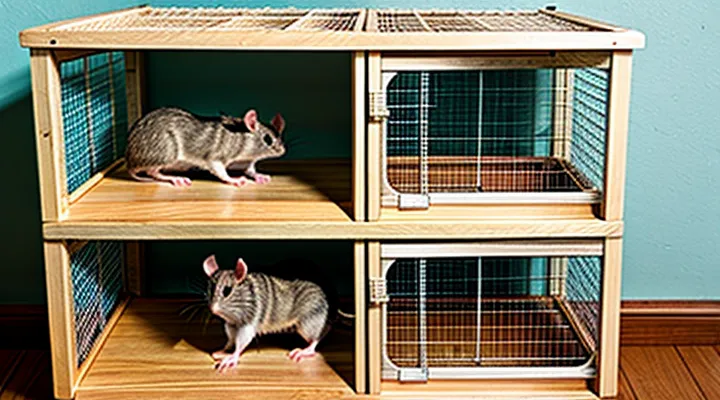
The Importance of a Well-Equipped Rat Hutch
Enhancing Rat Welfare and Enrichment
Meeting Basic Needs
A well‑designed rat enclosure must satisfy the animal’s fundamental requirements for health and comfort. The primary components include a secure shelter, reliable feeding system, constant water supply, proper waste management, and opportunities for natural behaviors.
- Shelter: A insulated hutch with ventilation slots protects against drafts while preventing overheating. Removable panels allow easy cleaning and inspection.
- Feeding: A calibrated dispenser delivers measured portions of pellets, reducing waste and ensuring consistent nutrition.
- Hydration: A leak‑proof bottle with a stainless‑steel spout provides uninterrupted access to fresh water and minimizes contamination.
- Sanitation: A removable tray with absorbent bedding simplifies waste removal and prevents odor buildup.
- Enrichment: Modular tunnels, chewable toys, and climbing platforms encourage exploration and dental health.
Each element directly addresses a specific physiological or psychological need. The shelter maintains optimal temperature and humidity, while the feeding and hydration devices prevent dehydration and malnutrition. Efficient waste removal supports respiratory health, and enrichment structures fulfill instinctual foraging and climbing behaviors. Together, these accessories create a self‑contained environment that meets the basic needs of pet rats without compromising convenience for the caretaker.
Promoting Mental and Physical Stimulation
Convenient accessories for rat hutches can significantly enhance both mental and physical activity. Properly selected items introduce varied textures, climbing opportunities, and problem‑solving challenges, encouraging natural foraging and exploration behaviors.
Key accessories that foster stimulation include:
- Multi‑level platforms with non‑slip surfaces for climbing and jumping
- Puzzle feeders that require manipulation to release food
- Chew‑safe tunnels and tubes that simulate burrow networks
- Rotating wheels with adjustable resistance for cardiovascular exercise
- Enrichment toys made of untreated wood or hemp for gnawing and nesting
Integrating these elements into a rat’s enclosure creates an environment that mirrors wild habitats, supporting healthy development and reducing stress‑related behaviors. Regular rotation of accessories maintains novelty, preventing habituation and sustaining engagement over time.
Essential Cage Accessories for Rats
Food and Water Solutions
Types of Food Bowls and Dishes
Choosing the appropriate feeding vessels is essential for maintaining a tidy rat enclosure and supporting healthy eating habits. Bowls and dishes differ in material, shape, and attachment method, each offering distinct advantages for small‑rodent habitats.
- Stainless‑steel bowls – corrosion‑resistant, easy to sanitize, and lightweight enough to stay in place without anchoring. Their smooth surface prevents bacterial buildup.
- Ceramic dishes – heavier, reducing tipping, and available in glazed finishes that deter scratching. They provide excellent insulation for warm foods.
- Plastic containers – inexpensive, shatter‑proof, and often designed with snap‑on lids to limit spillage. Choose BPA‑free variants to avoid chemical exposure.
- Silicone trays – flexible, collapsible for cleaning, and capable of conforming to irregular cage corners. Their non‑stick surface simplifies residue removal.
- Wall‑mounted feeders – mounted to the side of the hutch using brackets or clips, keeping the floor clear and minimizing contamination from bedding.
Consider the following criteria when selecting a bowl or dish: durability under constant gnawing, ease of disassembly for thorough cleaning, stability on various substrate types, and compatibility with the cage’s modular design. Pairing a secure, easy‑to‑clean feeding vessel with the overall convenience of rat cage accessories enhances hygiene and reduces maintenance time.
Water Bottles and Dispensers
Water bottles and dispensers provide a reliable source of hydration for rats housed in a hutch. Designed for continuous use, they prevent spills and reduce the need for frequent refilling.
Typical designs include:
- Squeeze‑type bottles with stainless‑steel tubing that self‑seal when not in use.
- Gravity‑fed dispensers that maintain a constant water level through a sealed reservoir.
- Bottle models with removable caps for easy cleaning and refill.
Key specifications to consider:
- Capacity (150 ml to 500 ml) matched to the number of occupants.
- Material safety: BPA‑free plastic or food‑grade stainless steel.
- Leak‑proof construction verified by pressure testing.
Installation should place the device at a height accessible to all rats while avoiding direct contact with bedding. Regular maintenance involves disassembling the unit, rinsing with warm water, and sanitizing with a mild, non‑ionic detergent. Replace tubing or seals annually to preserve flow integrity.
Choosing an appropriate water delivery system enhances the overall functionality of rat hutch accessories, ensuring consistent hydration and minimizing maintenance workload.
Hiding Spots and Shelters
Hammocks and Cuddle Cups
Hammocks designed for small rodent enclosures provide a suspended resting surface that encourages natural climbing behavior. Made from sturdy, chew‑resistant fabric or woven rope, they distribute the animal’s weight evenly, reducing strain on joints. Installation typically involves clipping the hammock to the cage’s top rail or using built‑in attachment loops, allowing quick removal for cleaning. The breathable material promotes airflow, preventing moisture buildup and limiting bacterial growth. Regular inspection for fraying ensures ongoing safety.
Cuddle Cups serve as enclosed hideaways that combine comfort with security. Constructed from clear polycarbonate or thick acrylic, they allow visual monitoring while maintaining a private space. Rounded edges and a smooth interior prevent injury, and the cup’s size accommodates one or two rats without restricting movement. A removable lid simplifies access for feeding, grooming, or medical checks. The cup can be positioned on any flat surface within the cage, and its transparent walls facilitate observation of behavioral cues. Both accessories contribute to enrichment, stress reduction, and overall health when integrated into a well‑equipped rat hutch.
Igloos, Tunnels, and Boxes
Igloos, tunnels, and boxes expand the functional space of a rat enclosure while providing essential enrichment. Each accessory serves a distinct purpose: an igloo offers a sheltered retreat, a tunnel encourages exploration and exercise, and a box creates a secure storage area for food, bedding, or hideouts.
- Igloo: Constructed from durable plastic, the dome-shaped structure fits snugly inside the cage, allowing rats to curl up in a dark, insulated environment that reduces stress and supports natural nesting behavior.
- Tunnel: Typically a straight or curved PVC or acrylic tube, the tunnel connects different zones of the enclosure, promoting aerobic activity and stimulating curiosity. Its transparent walls enable observation without disturbance.
- Box: A compact, lockable container with ventilation slots, the box stores supplies and can serve as a temporary hideaway. Its solid walls protect contents from chewing, while the interior space accommodates multiple rats simultaneously.
Chewing and Gnawing Toys
Promoting Dental Health
Dental health is essential for pet rats; incisors grow continuously and require regular wear to prevent overgrowth and associated complications.
Effective cage accessories address this need directly. Common solutions include:
- Solid wood chew sticks that resist splintering while encouraging gnawing.
- Mineral blocks enriched with calcium and phosphorus to strengthen enamel.
- Natural fiber ropes and hammocks that provide texture for gentle abrasion.
Design features of a well‑equipped hutch enhance dental care. Multi‑level platforms can be fitted with removable chew panels, allowing rotation of fresh surfaces. Integrated tunnels made from untreated hardwood serve as both enrichment and grinding stations.
Routine management maximizes benefits. Replace worn chew items before they become smooth, inspect wooden components for cracks, and rotate accessories weekly to maintain variety. Regular observation of tooth length and shape ensures early detection of issues, prompting timely veterinary intervention.
Types of Safe Chew Toys
Safe chew toys are essential components of any well‑equipped rat enclosure. They satisfy the rodents’ instinct to gnaw, protect cage structures, and contribute to dental health. The following categories represent the most reliable options for a secure, long‑lasting chewing experience.
- Hard‑wood blocks – dense, untreated maple or birch pieces resist splintering and endure continuous gnawing.
- Mineral chews – compressed calcium carbonate tablets provide dental abrasion while delivering supplemental nutrients.
- Durable plastic items – BPA‑free, high‑density polyethylene shapes designed with rounded edges eliminate sharp fragments.
- Natural fiber ropes – untreated sisal or hemp strands offer texture without toxic dyes or adhesives.
- Cardboard tubes – thick, corrugated cylinders cut to size give a lightweight, disposable chew source that can be replaced frequently.
- Silicone chew sticks – food‑grade silicone rods maintain flexibility, resist bacterial growth, and withstand repeated biting.
Selecting toys from these groups ensures that rats can engage in natural chewing behavior without jeopardizing their health or the integrity of the cage system.
Climbing and Exercise Opportunities
Ladders, Ramps, and Platforms
Ladders, ramps, and platforms enhance the functionality of a rat hutch by providing vertical and horizontal pathways that encourage natural climbing behavior and expand usable space. Properly designed components support exercise, reduce stress, and simplify cage maintenance.
Ladders are typically constructed from stainless steel or powder‑coated aluminum to resist corrosion and chewing. Ideal rung spacing ranges from ½ inch to ¾ inch, allowing easy grip while preventing escape. Length should match the cage height, with a detachable base for secure attachment to the cage wall. Rounded edges minimize injury, and the modular design enables repositioning as the enclosure evolves.
Ramps complement ladders by offering a gentle incline for less agile individuals. A slope of 30–45 degrees balances accessibility with stability. Non‑slip surfaces—such as textured silicone or fine mesh—prevent slipping, especially when the ramp becomes wet. Removable sections facilitate cleaning, and reinforced joints maintain rigidity under repeated use.
Platforms create elevated resting or feeding zones. Recommended dimensions are at least 6 × 6 inches to accommodate multiple rats without crowding. Secure mounting brackets distribute weight evenly across the cage frame. Incorporating cut‑outs for water bottles or feeding dishes maximizes space efficiency. Platform height should allow easy transition from the floor via ladders or ramps.
Key specifications:
- Material: stainless steel, aluminum, silicone‑coated mesh
- Rung/step spacing: 0.5–0.75 inches
- Ramp angle: 30°–45°
- Minimum platform size: 6 × 6 inches
- Attachment method: detachable brackets, reinforced joints
Selecting compatible ladders, ramps, and platforms ensures a versatile environment that supports the physical and behavioral needs of pet rats while simplifying routine cleaning and reconfiguration.
Wheels and Saucers
Wheels and saucers are essential moving platforms for indoor rat enclosures, providing exercise, mental stimulation, and opportunities for natural foraging behavior. The wheel’s diameter typically ranges from 12 to 14 inches, allowing full stride cycles without risk of spinal injury. Solid running surfaces eliminate gaps that could trap paws, while low‑noise bearings reduce disturbance in shared living spaces. Saucers, positioned beneath the wheel, collect debris and bedding fragments, simplifying routine cleaning and preventing contamination of the habitat’s main area.
Key specifications include:
- Material: powder‑coated steel or reinforced plastic for durability and rust resistance.
- Mounting: snap‑fit brackets compatible with standard cage panels, requiring no tools for installation.
- Safety features: enclosed spokes, non‑slipping interior surface, and removable saucer for easy emptying.
- Size options: compact models (10 inches) for smaller cages, oversized versions (16 inches) for spacious habitats.
Proper maintenance involves weekly saucer removal, washing with mild detergent, and periodic inspection of wheel bearings for wear. Aligning the wheel’s axis with the cage’s structural supports ensures stability and prolongs component lifespan. Selecting wheels and saucers that match the cage’s dimensions and load capacity maximizes performance and enhances the overall welfare of pet rats.
Selecting the Right Accessories
Safety Considerations
Non-Toxic Materials
Non‑toxic materials are essential for any rat enclosure accessory because they prevent ingestion of harmful substances and reduce the risk of skin irritation. Safe components protect the animal’s health and simplify cleaning routines.
- Food‑grade silicone for chew toys and tunnel liners
- Untreated hardwood such as maple or birch for platforms and ladders
- Powder‑coated steel without lead or cadmium for cages and hooks
- BPA‑free polyethylene for water bottles and feeding dishes
Each material should carry a certification indicating compliance with veterinary‑approved standards, such as ISO 10993 for biocompatibility or FDA food‑contact approval. Testing includes leachate analysis, abrasion resistance, and durability under continuous rodent chewing.
Routine inspection for cracks, discoloration, or wear ensures that non‑toxic integrity remains intact. Replace any component that shows signs of degradation, and clean surfaces with mild, fragrance‑free detergents to avoid residue buildup.
Appropriate Sizes and Durability
When selecting cage accessories for a rat hutch, size compatibility directly influences animal welfare and equipment longevity. Components such as tunnels, platforms, and feeding stations must fit within the interior dimensions of the enclosure, allowing unobstructed movement and preventing stress. Measure the internal length, width, and height of the hutch before purchasing; choose accessories that leave at least two inches of clearance on each side to accommodate climbing and nesting behavior. Oversized items can block escape routes, while undersized pieces may become lost in bedding or pose choking hazards.
Durability determines how long accessories remain functional under constant chewing, scratching, and cleaning cycles. Materials such as reinforced plastic, powder‑coated metal, and untreated hardwood resist wear better than thin acrylic or soft wood. Evaluate product specifications for thickness, load‑bearing capacity, and resistance to rodent gnawing. Replace items showing cracks, splintering, or weakened joints to maintain a safe environment.
Key considerations:
- Internal dimensions of the hutch (measure length, width, height)
- Minimum clearance of 2 inches around each accessory
- Material strength (reinforced plastic, metal, hardwood)
- Thickness and load capacity of the item
- Visible signs of wear (cracks, splinters, broken parts)
Cleaning and Maintenance
Ease of Disinfection
The design of a rat hutch prioritizes rapid and thorough sanitation, reducing pathogen risk and minimizing downtime for cleaning. Smooth, non‑porous surfaces such as high‑density polyethylene or acrylic prevent bacterial adherence and allow direct wiping with disinfectants. Integrated features streamline the process:
- Removable trays and ramps detach without tools, enabling separate soaking or dishwasher cycles.
- Snap‑fit lids seal tightly, preventing liquid escape while providing clear visual inspection of interior conditions.
- Rounded corners eliminate hard‑to‑reach crevices where debris accumulates.
Materials are chemically resistant, tolerating common veterinary disinfectants (e.g., quaternary ammonium compounds, diluted bleach) without degradation. The modular construction permits quick disassembly, cleaning, and reassembly, supporting routine hygiene protocols in laboratory or pet‑care environments.
Regular Replacement Schedules
Regular replacement schedules are essential for maintaining a healthy environment in a rat hutch. Components that contact food, water, or the animal’s body degrade quickly and must be swapped out on a predictable timeline to prevent contamination and injury.
Key items and typical intervals:
- Water bottle: replace every 2‑3 weeks or sooner if clouded, cracked, or leaking.
- Food bowl: clean daily; replace the entire bowl every 1‑2 months, especially if scratches appear.
- Bedding material: discard and replenish weekly; consider a full change every 2 weeks for deep‑cleaning.
- Chew toys and tunnels: rotate or replace every 4‑6 weeks; inspect for splintering or excessive wear.
- Cage liner or PVC flooring: replace every 3‑4 months, or when stains become persistent.
Monitoring signs of wear—such as discoloration, odor, cracks, or reduced structural integrity—provides a practical check beyond the calendar. Aligning replacement actions with routine cleaning cycles minimizes disruption to the rats and ensures consistent hygiene standards.
Arranging the Rat Hutch
Optimizing Space and Layout
Creating Distinct Activity Zones
Designing separate activity zones enhances a rat enclosure’s functionality and supports natural behaviors. Distinct zones encourage exploration, nesting, foraging, and exercise without competition for space.
- Resting area: Incorporate a secluded hideaway with soft bedding, positioned away from high‑traffic zones to reduce stress.
- Foraging zone: Install chew‑resistant platforms and tunnels that conceal food items, prompting problem‑solving and scent tracking.
- Exercise zone: Add a rotating wheel, climbing ladders, and a multi‑level maze to stimulate cardiovascular health and muscular development.
- Social interaction zone: Provide a spacious platform with multiple entry points, allowing groups to gather while maintaining individual space.
Materials should be non‑toxic, easy to clean, and compatible with modular cage accessories. Secure attachment mechanisms prevent displacement during vigorous activity. Regular rotation of zone elements preserves novelty and prevents habituation.
Implementing these zones within a rat hutch accessory system creates an environment that mirrors wild habitats, promotes well‑being, and simplifies caretaker maintenance.
Ensuring Accessibility
Ensuring accessibility in rat enclosure accessories means designing components that allow effortless entry, retrieval, and cleaning without compromising animal safety. Low‑profile openings, rounded edges, and ergonomic grips reduce the risk of injury to both the pet and the caretaker. Materials such as food‑grade silicone or polished acrylic prevent snagging and facilitate smooth movement of the animal.
- Removable feeding trays that slide out on a single motion.
- Adjustable ladder steps positioned at a gentle incline.
- Modular platform sections that lock together with simple push‑fit mechanisms.
- Transparent panels that can be lifted without tools for quick visual checks.
Accessible design shortens routine maintenance, minimizes stress during handling, and aligns with best‑practice welfare guidelines. By integrating these features, cage accessories become intuitive to operate, supporting consistent care and promoting a healthy environment for the rats.
Tips for Introducing New Accessories
Gradual Integration
Introducing new accessories into a rat hutch should be paced to prevent stress and ensure acceptance. A measured approach allows animals to explore, adapt, and incorporate each element into their routine without disruption.
- Begin with a single, low‑profile item such as a detachable feeder. Place it in an area already familiar to the rats and observe interaction for 24–48 hours.
- Add a second component, for example a climbing platform, once the first item is consistently used. Secure the platform firmly and monitor for signs of hesitation or avoidance.
- Introduce a third accessory, such as a hideaway tunnel, only after the rats demonstrate comfort with the previous items. Position the tunnel near a preferred nesting spot to encourage natural use.
- Continue the sequence, adding any additional accessories (e.g., chew toys, water bottle extensions) one at a time, allowing at least two days of observation between each addition.
During each stage, record behavioral indicators: frequency of entry, duration of use, and any signs of agitation. Positive trends confirm successful integration; persistent avoidance signals the need to revert to the prior configuration before proceeding.
Consistent cleaning and safe attachment methods support the gradual process. By limiting changes to a single accessory at a time, caretakers maintain a stable environment while expanding the functional capabilities of the rat enclosure.
Observing Rat Behavior
Observing rat behavior provides direct data for selecting and arranging cage accessories that support natural activities while maintaining a tidy environment. When rats explore, forage, and nest, they reveal preferences for space, texture, and placement of objects. Designers of rat hutch accessories rely on these patterns to create solutions that reduce mess, prevent escape, and encourage enrichment.
Key behavioral cues and corresponding accessory choices:
- Vertical movement – Rats frequently climb. Ladder‑style platforms, rope bridges, and wall‑mounted hideouts accommodate this instinct while keeping debris off the floor.
- Foraging – Scattered food searches indicate the need for puzzle feeders that dispense small portions, limiting spillage and encouraging mental stimulation.
- Nest building – Preference for secluded, soft areas suggests the inclusion of detachable nest boxes with removable liners for easy cleaning.
- Scent marking – Frequent grooming and scent deposition call for removable, washable surfaces on perches and tunnels, preventing odor buildup.
Consistent monitoring of activity rhythms, such as peak nocturnal exploration and daytime resting zones, informs the optimal arrangement of accessories. Aligning placement with observed traffic flow minimizes obstruction and keeps waste confined to designated collection points. The result is a functional cage setup that respects rat natural behavior while offering owners a convenient, low‑maintenance habitat.