
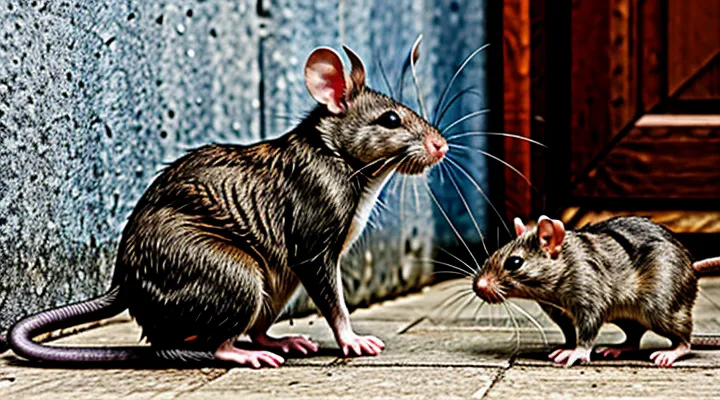
Understanding Rat Aggression
Types of Aggression in Rats
Inter-male Aggression
Inter‑male aggression in rodents represents a primary driver of violent encounters between individuals of the same sex. Elevated testosterone levels correlate with increased attack frequency; castration or pharmacological blockade of androgen receptors markedly reduces hostile behavior. Seasonal fluctuations in hormone concentrations produce predictable peaks in aggression during breeding periods.
Territoriality intensifies when male rats occupy limited space. Overcrowding raises cortisol, disrupts normal social hierarchies, and provokes frequent bouts of fighting. Studies using standard laboratory cages demonstrate that a floor area below 0.05 m² per animal leads to a 40 % rise in aggressive incidents compared with spacious environments.
Resource competition triggers conflict when access to food, water, or nesting material is constrained. Experiments that equalize resource distribution eliminate most aggression, indicating that scarcity, rather than innate hostility, often initiates attacks.
Social hierarchy formation imposes a structured pattern of dominance and submission. Dominant males enforce rank through periodic assaults, while subordinates display avoidance behaviors. Stability of the hierarchy reduces overall aggression; frequent turnover of dominant individuals, however, generates periods of heightened violence.
Early life experience shapes adult aggression. Pups raised in enriched, low‑stress litters exhibit lower attack rates than those subjected to maternal deprivation or early weaning. Epigenetic modifications in the brain’s amygdala and prefrontal cortex have been linked to these behavioral outcomes.
Genetic predisposition contributes additional variance. Selective breeding lines with high aggression scores show up‑regulation of genes associated with serotonergic signaling, whereas low‑aggression strains display heightened expression of inhibitory neurotransmitter receptors.
Key factors influencing inter‑male aggression:
- Hormonal status (testosterone, cortisol)
- Housing density and environmental enrichment
- Availability of essential resources
- Stability of social hierarchy
- Developmental history (maternal care, early stress)
- Genetic background and neurochemical regulation
Understanding these determinants allows researchers to design protocols that minimize harmful encounters, improve animal welfare, and provide reliable models for studying the biological basis of aggression.
Maternal Aggression
Maternal aggression in rats manifests as protective hostility directed toward perceived threats to offspring. This behavior emerges primarily during the early postpartum period when females prioritize the survival of their litter. Hormonal shifts—particularly elevated prolactin, oxytocin, and progesterone withdrawal—sensitize neural circuits linked to defensive responses. The medial preoptic area and amygdala exhibit increased activation, coordinating motor outputs that result in biting, chasing, or striking intruders.
Key drivers of maternal aggression include:
- Presence of unfamiliar conspecifics within the nest environment.
- Disturbances such as cage cleaning, handling, or sudden noises.
- Hormonal fluctuations associated with weaning, which reduce aggressive intensity.
- Nutritional stress that heightens defensive urgency.
Experimental observations reveal that dams with larger litters display higher aggression scores, correlating with greater pup value and increased maternal investment. Conversely, nulliparous females rarely exhibit comparable hostility, underscoring the role of reproductive experience.
Management of maternal aggression in laboratory settings relies on environmental control and timing. Strategies involve:
- Limiting exposure of non‑lactating rats to nesting areas during peak aggression days (days 2–10 postpartum).
- Providing ample nesting material to reduce perceived scarcity.
- Implementing gradual acclimation protocols for researchers handling lactating females.
- Monitoring hormonal profiles to anticipate periods of heightened defensiveness.
Understanding maternal aggression contributes to broader insights into intra‑species conflict among rodents, informing both welfare practices and the interpretation of social behavior data.
Territorial Aggression
Territorial aggression in rats emerges when individuals defend a defined space that provides access to food, nesting material, and mates. Direct encounters often involve biting, chasing, and postural displays such as raised fur and tail elevation. The behavior intensifies when an intruder breaches the established perimeter, prompting the resident to assert dominance and protect resources.
Key drivers of this aggression include:
- Population density – crowded conditions increase the frequency of boundary violations.
- Resource scarcity – limited food or nesting sites elevate competition for space.
- Hormonal status – elevated testosterone and cortisol correlate with heightened defensive actions.
- Prior social experience – rats with a history of successful territorial defense exhibit stronger responses to newcomers.
- Environmental cues – strong odors, unfamiliar bedding, or sudden changes in lighting signal potential threats to the established area.
Experimental observations show that removal of a resident’s scent marks reduces aggression, while reintroduction of those marks restores defensive behavior. Similarly, altering cage layout to create larger, clearly demarcated zones diminishes the incidence of fights, indicating that spatial clarity mitigates territorial disputes.
Management strategies focus on minimizing overlap of individual territories, providing abundant resources, and maintaining stable group compositions. Regular cleaning to eliminate foreign scents and gradual introduction of new rats further reduce the likelihood of aggressive encounters.
Predatory Aggression
Predatory aggression in rats refers to attacks directed toward conspecifics that resemble hunting behavior, including rapid strikes, biting, and pursuit. This form of aggression differs from territorial or dominance displays by its intensity, focus on lethal intent, and reliance on instinctual predatory circuits.
Key characteristics of predatory aggression include:
- Immediate escalation to bite or maul without prior warning signals.
- Use of forelimb and jaw strength to immobilize the target.
- Activation of brain regions associated with predation, such as the hypothalamus and periaqueductal gray.
Primary drivers of predatory aggression are:
- Genetic predisposition – certain strains exhibit heightened predatory responses due to selective breeding for aggressiveness.
- Hormonal modulation – elevated testosterone and vasopressin levels amplify attack frequency and severity.
- Environmental stressors – overcrowding, limited food, and exposure to predator cues trigger a shift from social to predatory aggression.
- Sensory stimuli – auditory or olfactory signals resembling prey (e.g., high‑frequency squeaks) can initiate hunting‑like attacks.
Neurochemical pathways underpinning the behavior involve increased dopamine transmission in the mesolimbic system, which reinforces the rewarding aspect of killing. Concurrently, reduced serotonin activity lowers inhibition, allowing rapid execution of attacks.
Observations in laboratory settings demonstrate that rats exposed to live prey, such as insects, are more likely to transfer predatory tactics to cage mates, indicating learned components. Conversely, isolation from such stimuli reduces predatory aggression, suggesting plasticity in response to experience.
Understanding predatory aggression clarifies why some rats exhibit extreme violence toward each other, informs welfare protocols for housing, and guides experimental designs that aim to separate predatory motives from other aggression types.
Irritable Aggression
Irritable aggression in rats manifests as sudden, high‑intensity attacks that lack clear provocation. The behavior originates from heightened sensitivity of the central nervous system to minor stressors such as handling, cage disturbances, or abrupt changes in lighting. Neurochemical imbalances—particularly elevated norepinephrine and reduced serotonin—lower the threshold for hostile responses, causing rats to react aggressively to stimuli that would not affect a calmer individual.
Environmental factors amplify irritability. Overcrowding increases competition for limited resources, while insufficient enrichment leads to boredom and frustration. Poor ventilation and temperature fluctuations trigger physiological stress, which directly influences the limbic system and precipitates aggressive outbursts.
Genetic predisposition contributes to variance in irritability. Certain strains exhibit naturally higher baseline aggression due to inherited differences in receptor density and hormone regulation. Breeding programs that select for docile traits can mitigate irritable aggression over successive generations.
Effective mitigation strategies include:
- Maintaining stable, low‑noise environments with consistent lighting cycles.
- Providing ample nesting material, chew toys, and foraging opportunities to reduce boredom.
- Ensuring group sizes that match the species‑specific social hierarchy, thereby limiting competition.
- Monitoring health indicators such as weight loss or coat condition, which may signal underlying stress.
- Applying gradual acclimation protocols when introducing new rats or altering cage layout.
By addressing neurochemical, environmental, and genetic contributors, caretakers can reduce the incidence of irritable aggression and promote more harmonious interactions among laboratory or pet rats.
Play Fighting vs. True Aggression
Rats often engage in rapid bouts of contact that resemble fighting. In these interactions, body posture, vocalization, and post‑encounter behavior differentiate playful sparring from genuine hostility.
Playful encounters display the following characteristics:
- Loose, exaggerated lunges without sustained pressure.
- Frequent pauses, side‑to‑side shuffling, and rolling.
- High‑frequency chirps or squeaks rather than low, guttural growls.
- Rapid resumption of normal grooming or nesting after the bout.
True aggression presents a contrasting pattern:
- Firm bites or sustained grips on the opponent’s neck, tail, or limbs.
- Rigid, forward‑leaning stance and direct stare.
- Low, rumbling vocalizations and prolonged chattering.
- Post‑conflict avoidance, injury, or dominance hierarchies reinforced through repeated attacks.
Environmental triggers influence the shift from play to aggression. Overcrowding, limited resources, and abrupt changes in lighting or temperature raise stress hormones, prompting defensive aggression. Conversely, abundant space, stable food supply, and consistent handling encourage play behavior, allowing juveniles to develop motor skills and social competence.
Researchers distinguish the two by measuring:
- Frequency of bite attempts versus gentle nudges.
- Duration of contact—seconds for play, minutes for aggression.
- Presence of post‑conflict affiliative behaviors, such as allogrooming, which typically follow play but not hostile encounters.
Understanding these markers enables caretakers to identify early signs of escalating aggression and to modify housing conditions, thereby reducing harmful confrontations among rats.
Biological Factors Influencing Aggression
Hormonal Influences
Testosterone
Testosterone is a primary endocrine factor influencing aggressive behavior in male rats. Elevated circulating levels correlate with increased frequency of attacks, reduced latency to initiate combat, and higher intensity of bite force. Experimental manipulation of testosterone, through castration or hormone replacement, produces predictable changes in aggression: castrated males display markedly lower aggression, while testosterone implants restore or amplify aggressive responses.
The hormone exerts its effects via androgen receptors located in brain regions that regulate social behavior, such as the amygdala, hypothalamus, and prefrontal cortex. Binding of testosterone to these receptors triggers transcription of genes associated with neurotransmitter synthesis, particularly those governing dopamine and serotonin pathways. Resulting neurochemical shifts enhance excitation of aggression‑related circuits and suppress inhibitory signals.
Key observations from laboratory studies include:
- Castrated males exhibit a 70‑90 % reduction in attack rates compared to intact controls.
- Administration of physiological doses of testosterone to castrated rats restores aggression to baseline levels within 24 hours.
- Antagonists of androgen receptors diminish aggression even in the presence of normal testosterone concentrations.
- Seasonal fluctuations in endogenous testosterone align with peaks in territorial disputes among wild rat populations.
Testosterone also interacts with environmental variables. High‑density housing and limited resources amplify the hormone’s impact, leading to more frequent and severe confrontations. Conversely, enrichment and ample food can mitigate aggression despite elevated testosterone, indicating that hormonal influence operates within a broader context of social and ecological pressures.
Understanding testosterone’s role provides a mechanistic foundation for interpreting inter‑rat aggression and informs strategies for managing aggressive behavior in laboratory and pest‑control settings. Manipulating hormonal status, combined with environmental modifications, offers a targeted approach to reducing harmful encounters among rats.
Estrogen and Progesterone
Estrogen and progesterone constitute major endocrine variables that shape aggressive encounters between rats. Elevated circulating estrogen correlates with increased frequency of attacks, particularly when male subjects experience a rise in estradiol after gonadal manipulation. Binding of estradiol to estrogen receptors in the amygdala and hypothalamus alters neuronal excitability, thereby lowering the threshold for aggressive initiation.
Progesterone exerts a counterbalancing influence. Metabolism of progesterone to allopregnanolone enhances GABA‑A receptor activity, producing an inhibitory effect on the neural circuits that drive hostility. Experimental administration of progesterone reduces the number of bite attempts in male‑male confrontations, while antagonism of its conversion reverses this suppression.
Key mechanisms linking these steroids to rat aggression include:
- Estrogen‑mediated up‑regulation of vasopressin expression in the bed nucleus of the stria terminalis.
- Progesterone‑derived neurosteroids augmenting inhibitory synaptic transmission in the lateral septum.
- Differential receptor density in the medial preoptic area influencing social dominance hierarchies.
Sex‑specific patterns emerge from hormonal interactions. Female rats, possessing higher baseline progesterone, display reduced overt aggression compared with males, yet estradiol spikes during estrus can trigger brief surges in hostile behavior. The balance between estrogenic activation and progesterone‑dependent inhibition determines the intensity and persistence of inter‑rat aggression.
Understanding the modulatory roles of estrogen and progesterone informs experimental designs that manipulate hormone levels to dissect the neurobiological substrates of aggression. Precise control of these steroids enables reproducible assessment of behavioral outcomes, advancing the broader investigation of aggression mechanisms in rodent models.
Neurotransmitters and Brain Regions
Serotonin
Serotonin modulates inter‑rat aggression through several neurobiological mechanisms. Low extracellular serotonin in the prefrontal cortex correlates with increased attack frequency, while elevated levels suppress hostile bouts. Pharmacological agents that raise brain serotonin, such as selective serotonin reuptake inhibitors, reduce the number of strikes delivered by one rat to another in laboratory arenas.
Key findings include:
- Acute depletion of serotonin via tryptophan‑free diets leads to a rapid rise in aggressive encounters.
- Activation of 5‑HT1A receptors in the dorsal raphe nucleus diminishes attack latency.
- Genetic knockout of the serotonin transporter (SERT) produces hyper‑aggressive phenotypes, indicating that efficient serotonin clearance is essential for behavioral regulation.
Environmental stressors interact with serotonergic signaling. Chronic social isolation lowers serotonin turnover, predisposing subjects to heightened aggression when re‑introduced to conspecifics. Conversely, enriched housing improves serotonergic tone and mitigates violent interactions.
Overall, serotonin functions as a critical inhibitory regulator of rat‑to‑rat aggression, with alterations in its synthesis, receptor activity, or reuptake capacity directly influencing the propensity for one rat to strike another.
Dopamine
Dopamine regulates the neural circuits that govern reward‑seeking and territorial behavior in rodents. Elevated extracellular dopamine in the nucleus accumbens enhances the propensity of a rat to initiate confrontational attacks, while reduced dopamine transmission correlates with decreased hostility. Experimental manipulation of dopaminergic signaling—through agonists, antagonists, or optogenetic stimulation—produces rapid changes in the frequency and intensity of aggressive bouts.
Key observations linking dopamine to rat‑to‑rat aggression:
- Administration of dopamine‑releasing agents increases the number of attacks per observation period.
- Antagonism of D1 receptors attenuates escalation of fights, whereas D2 blockade produces mixed effects depending on the social context.
- Social defeat stress elevates dopamine turnover in the prefrontal cortex, predisposing previously submissive individuals to retaliatory aggression.
- Genetic strains with inherently higher dopaminergic tone display more frequent and severe aggressive encounters.
These findings indicate that dopamine functions as a neurochemical driver of hostile interactions among rats, shaping both the initiation and escalation phases of aggression. Manipulating dopaminergic pathways offers a direct method for probing the mechanisms underlying inter‑rat conflict.
Amygdala
The amygdala is a central component of the neural circuitry that governs aggressive behavior in rats. It integrates sensory input from social encounters, processes threat-related cues, and generates output that influences motor patterns associated with attack.
Neuronal activity within the basolateral and central nuclei of the amygdala rises sharply during bouts of intra‑species aggression. Electrophysiological recordings show increased firing rates when a resident rat confronts an intruder, correlating with the intensity of biting and striking actions. Lesion studies demonstrate that removal or pharmacological inhibition of these nuclei reduces the frequency and severity of attacks, confirming a causal relationship.
Hormonal modulation intersects with amygdalar function. Elevated testosterone amplifies excitatory transmission in the amygdala, while stress‑induced cortisol alters inhibitory interneuron activity, both factors shifting the balance toward heightened aggression. Conversely, administration of oxytocin dampens amygdalar output, resulting in fewer aggressive encounters.
Key findings can be summarized as follows:
- Basolateral amygdala activation predicts onset of aggressive bouts.
- Central amygdala output drives motor circuits that execute striking behavior.
- Testosterone enhances excitatory synaptic strength in amygdalar networks.
- Oxytocin application suppresses amygdalar firing and mitigates aggression.
- Amygdalar lesions produce a measurable decline in attack frequency and intensity.
Understanding the amygdala’s role provides a mechanistic framework for interpreting aggressive interactions among rats and offers potential targets for interventions aimed at reducing harmful social behavior in laboratory and captive populations.
Prefrontal Cortex
The prefrontal cortex (PFC) in rats regulates decision‑making, impulse control, and social hierarchy, all of which influence aggressive encounters such as one rat striking another. Lesions or pharmacological inhibition of the medial PFC increase the frequency of unprovoked attacks, indicating that this region suppresses inappropriate aggression. Electrophysiological recordings show heightened PFC activity during conflict resolution, suggesting real‑time monitoring of threat cues and behavioral alternatives.
Key mechanisms linking the PFC to rat aggression include:
- Top‑down inhibition of subcortical structures (e.g., amygdala, hypothalamus) that generate fight‑or‑flight responses.
- Dopaminergic modulation that balances reward‑seeking and risk‑assessment, affecting the likelihood of initiating a strike.
- Serotonergic signaling that adjusts mood and impulsivity, with reduced serotonin correlating with heightened attack rates.
- Plasticity driven by social experience; repeated defeats reshape PFC synapses, lowering the threshold for future aggression.
Experimental data support these mechanisms. In vivo microinjection of GABA agonists into the PFC removes inhibitory output, producing an immediate rise in aggressive bouts toward conspecifics. Conversely, optogenetic activation of PFC pyramidal neurons restores restraint in previously hyper‑aggressive subjects. Chronic stress elevates corticosterone, which impairs PFC connectivity and predisposes rats to escalated fighting behavior.
Understanding the PFC’s contribution to inter‑rat aggression informs broader models of social conflict and may guide interventions that target prefrontal circuits to mitigate violent interactions in animal populations.
Genetic Predisposition
Heritability of Aggressive Traits
Genetic studies demonstrate that aggression in rats has a measurable hereditary component. Selective breeding experiments reveal that offspring of highly aggressive lines exhibit elevated attack frequencies compared to progeny of low‑aggression strains, even when raised under identical environmental conditions. Quantitative trait loci analyses have identified several chromosomal regions—most notably on chromosomes 4, 7, and 15—associated with heightened territorial and predatory behaviors.
Heritability estimates derived from twin and half‑sibling designs range from 0.30 to 0.55, indicating that roughly one‑third to one‑half of the variance in aggressive responses can be attributed to genetic factors. Genome‑wide association studies further pinpoint single‑nucleotide polymorphisms within genes linked to monoaminergic signaling, such as Slc6a4 (serotonin transporter) and Drd2 (dopamine receptor D2), which modulate impulse control and threat perception.
Environmental modulation does not eliminate the genetic influence; rather, it interacts with inherited predispositions. Epigenetic mechanisms—DNA methylation patterns in the Nr3c1 promoter, for instance—adjust gene expression in response to early‑life stress, thereby amplifying or attenuating innate aggression.
Key points summarizing the hereditary basis of rat aggression:
- Selective breeding yields consistent differences in attack rates across generations.
- Heritability coefficients consistently fall between 0.30 and 0.55.
- Specific genomic loci and polymorphisms correlate with heightened aggressive phenotypes.
- Epigenetic modifications mediate gene‑environment interplay, shaping the expression of inherited aggression.
These findings support a model in which aggressive traits are partially encoded in the rat genome, subject to modulation by developmental and environmental factors, and thus constitute a critical factor in the overall pattern of inter‑rat aggression.
Selective Breeding for Aggression
Selective breeding manipulates the genetic composition of laboratory rat colonies to increase the frequency of aggressive traits. Breeders pair individuals that display heightened territoriality, biting, or dominance in controlled encounters, recording each animal’s response intensity and reproducibility. Over successive generations, the proportion of offspring exhibiting these behaviors rises, as documented in quantitative genetic studies that report heritability estimates for aggression between 0.3 and 0.5.
The process follows a defined protocol:
- Identify a baseline population with measurable aggression scores.
- Conduct pairwise confrontations in a neutral arena; assign a numeric rating to each participant.
- Select the highest‑scoring individuals as breeding stock.
- Repeat the confrontation‑selection cycle for at least five generations, maintaining a minimum effective population size to avoid excessive inbreeding depression.
- Verify the stability of aggressive phenotypes through blind assessment by independent observers.
Genomic analyses of aggressively bred lines reveal enrichment of alleles linked to serotonergic signaling, dopamine receptor expression, and stress‑axis regulation. Transcriptomic profiling shows up‑regulation of genes such as Htr1a, Drd2, and Nr3c1 in the amygdala and hypothalamus, correlating with observed behavioral escalation.
Ethical oversight requires justification of increased aggression, monitoring of animal welfare, and implementation of enrichment strategies that mitigate chronic stress while preserving experimental validity. Institutional review boards typically demand a risk‑benefit assessment demonstrating that the scientific gains—such as improved models for neuropsychiatric disorders—outweigh potential harm.
In applied research, selectively aggressive rat strains serve as robust models for studying the neurobiology of conflict, testing pharmacological interventions, and exploring the impact of environmental modifiers on violent behavior. Their predictable phenotype accelerates hypothesis testing, reduces sample size requirements, and enhances reproducibility across laboratories.
Environmental and Social Factors
Social Hierarchy and Dominance
Establishment of Dominance
Rats organize themselves into linear hierarchies; the position an individual occupies determines its access to food, mates, and shelter. When a subordinate challenges a dominant, the encounter frequently escalates into striking behavior, a direct manifestation of the struggle for rank.
Key mechanisms that rat groups employ to establish hierarchy include:
- Physical contests such as lunging, biting, and striking with forepaws.
- Scent marking through urine and glandular secretions that convey status to conspecifics.
- Ultrasonic vocalizations that signal aggression or submission, influencing the perception of rank.
Hormonal and neural substrates reinforce these behaviors. Elevated testosterone correlates with increased offensive actions, while vasopressin modulates social recognition and territorial aggression. Dopaminergic pathways in the mesolimbic system amplify reward associated with successful dominance displays.
Environmental variables shape the intensity of hierarchy formation. Larger groups generate more frequent challenges, limited food resources heighten competition, and complex cage structures provide refuges that reduce direct confrontations. Conversely, spacious enclosures with abundant resources diminish the need for aggressive rank enforcement.
Effective management of rat aggression therefore requires manipulation of dominance drivers: maintain balanced group sizes, ensure equitable resource distribution, and provide environmental enrichment that allows subordinate individuals to avoid constant confrontation. Monitoring testosterone levels and observing scent‑marking patterns can serve as early indicators of impending dominance disputes, enabling preemptive intervention.
Subordination and Stress
Rats establish dominance hierarchies through repeated physical encounters, and the position of each individual within that hierarchy strongly predicts the likelihood of aggressive acts such as striking. Subordinate rats experience chronic activation of the hypothalamic‑pituitary‑adrenal (HPA) axis, resulting in elevated corticosterone levels that impair decision‑making and increase irritability. When a lower‑ranking rat perceives a threat to its limited access to resources, it may respond with sudden aggression to assert control or to defend its niche.
Stress amplifies aggression through two mechanisms. First, physiological stress hormones lower the threshold for defensive behaviors, making rats more prone to react violently to minor provocations. Second, prolonged social stress disrupts normal grooming and play behaviors, reducing opportunities for conflict de‑escalation. The combination of heightened cortisol and reduced affiliative interactions creates a feedback loop that sustains aggressive episodes.
Key factors linking subordination and stress to rat‑on‑rat aggression:
- Elevated corticosterone in subordinate individuals
- Reduced access to food, shelter, and nesting sites
- Limited social grooming and play opportunities
- Increased sensitivity to auditory and olfactory cues signaling dominance
Interventions that modify hierarchy stability—such as providing abundant resources, enlarging enclosure space, or introducing enrichment that promotes cooperative behavior—can lower stress hormone levels and diminish the frequency of aggressive strikes among conspecifics.
Resource Competition
Food
Food availability directly affects the likelihood of intra‑specific aggression in rats. When resources are limited, individuals compete more fiercely to secure meals, leading to increased confrontations that may manifest as biting or striking behaviors. Consistent scarcity elevates stress hormones, which amplify territorial and defensive responses.
The type and quality of food also shape aggressive interactions. High‑fat or high‑sugar diets can alter neurotransmitter balance, reducing inhibitory control and promoting impulsive attacks. Conversely, nutritionally balanced diets support stable social hierarchies and lower the frequency of violent encounters.
Key food‑related factors that trigger aggression include:
- Resource scarcity – insufficient quantity relative to group size.
- Unequal distribution – preferential access for dominant individuals.
- Irregular feeding schedule – unpredictable timing that heightens competition.
- Poor nutritional composition – diets lacking essential nutrients or containing excess calories.
Managing these variables reduces the incidence of rat‑to‑rat violence. Providing ample, evenly distributed, nutritionally appropriate food on a regular schedule stabilizes social structures and minimizes aggressive episodes.
Mates
Mating dynamics significantly shape the frequency and intensity of inter‑rat aggression. When a female enters estrus, male competitors intensify territorial patrols and scent marking, leading to frequent confrontations. Dominant individuals often secure priority access, while subordinates experience repeated challenges that can evolve into chronic hostility.
Key mechanisms linking mates to aggression include:
- Resource competition – limited nesting sites and food caches become focal points during breeding periods, prompting direct clashes.
- Hormonal fluctuations – elevated testosterone in males and estradiol in females amplify irritability and reduce tolerance for intruders.
- Social hierarchy enforcement – dominant rats assert control by physically displacing rivals, reinforcing rank through repeated attacks.
- Mate guarding – after copulation, males increase vigilance and aggression toward any approaching conspecifics to protect paternity.
- Stress accumulation – continuous exposure to mating pressure elevates cortisol, which can lower the threshold for aggressive responses.
Understanding these factors clarifies why mate‑related interactions often precipitate violent encounters among rats, informing both laboratory management and pest‑control strategies.
Nesting Sites
Nesting sites constitute a primary resource that determines social hierarchy among rats. When individuals vie for limited shelter, competition intensifies, prompting confrontations that manifest as biting, chasing, or wrestling. Empirical observations show that the frequency of aggressive encounters rises sharply when preferred nesting material is scarce or when multiple rats attempt to occupy the same cavity.
Key elements linking nesting environments to inter‑rat aggression include:
- Space limitation: Overcrowded nests force subordinate rats into peripheral positions, increasing stress and provocation of dominant individuals.
- Material quality: Rough or inadequate bedding elevates discomfort, leading to heightened irritability and defensive attacks.
- Location stability: Frequent relocation of nests disrupts established territories, triggering re‑establishment battles among neighbors.
- Population density: Higher numbers of occupants per nest correlate with a measurable increase in aggressive incidents per hour.
Laboratory studies confirm that providing excess nesting material and multiple isolated nesting chambers reduces the incidence of aggressive behavior by up to 40 %. Field data from urban rodent populations reveal a similar pattern: colonies with abundant, well‑distributed shelter exhibit lower rates of injury and mortality linked to intra‑species fighting.
Consequently, management strategies that expand nesting capacity and improve bedding conditions directly mitigate the drivers of rat aggression. Implementing such measures in both experimental settings and pest‑control programs yields measurable declines in harmful interactions among rats.
Overcrowding and Confinement
Increased Stress Levels
Increased stress levels are a primary driver of aggressive encounters between rats. Elevated cortisol and adrenaline concentrations, resulting from chronic activation of the hypothalamic‑pituitary‑adrenal axis, lower the threshold for defensive biting and striking. When stress hormones surge, neural circuits governing impulse control and social tolerance become impaired, prompting rapid escalation from mild displacement to violent contact.
Common sources of heightened stress in laboratory and pet settings include:
- Overcrowded cages or insufficient nesting material
- Frequent handling by unfamiliar personnel
- Sudden changes in temperature, lighting, or diet
- Exposure to loud noises or vibrations
- Presence of unfamiliar conspecifics during introduction
Each factor independently raises physiological arousal; combined stressors produce additive effects that intensify aggression. Monitoring corticosterone levels and providing environmental enrichment can mitigate stress, thereby reducing the frequency of rat‑on‑rat attacks.
Reduced Personal Space
Reduced personal space is a primary trigger of aggression in conspecifics. When rats are confined to a limited area, the distance between individuals falls below the threshold that normally allows avoidance of direct contact. This compression forces frequent physical encounters, increasing the likelihood of territorial disputes and defensive behaviors.
High density elevates cortisol levels, which sensitizes the nervous system to threat cues. Elevated stress hormones reduce the latency of bite responses and amplify the intensity of attacks. In crowded environments, competition for food, nesting material, and preferred shelter intensifies, prompting individuals to defend any accessible resource more aggressively.
Social hierarchy further destabilizes groups with limited space. Subordinate rats experience repeated intrusions from dominant individuals, leading to chronic stress and heightened readiness to retaliate. The lack of escape routes prevents de-escalation, causing confrontations to persist longer and result in more severe injuries.
Typical outcomes of reduced personal space include:
- Increased frequency of lunges and bites
- Shortened intervals between aggressive episodes
- Higher mortality rates among juveniles and weaker adults
- Disruption of normal grooming and social bonding behaviors
Mitigating crowding, providing multiple nesting sites, and ensuring ample foraging zones are effective strategies to restore appropriate inter‑individual distances and reduce aggression.
Early Life Experiences
Maternal Care
Maternal care shapes the development of social behavior in rats and directly influences the likelihood of conspecific aggression. Early interactions with the dam determine the offspring’s stress reactivity, grooming patterns, and hierarchical positioning later in life.
- High levels of pup‑directed licking and grooming reduce hypothalamic‑pituitary‑adrenal axis responsiveness, which correlates with lower aggression scores in adult pairings.
- Limited maternal attention increases corticosterone concentrations, promotes heightened vigilance, and predisposes juveniles to dominate or attack peers.
- Variability in the timing of weaning affects the establishment of social bonds; premature separation often leads to impaired recognition of conspecific cues and escalated fighting.
Neurobiological mechanisms link maternal input to aggression. Oxytocin receptor density in the amygdala rises in pups receiving abundant maternal stimulation, fostering affiliative responses. Conversely, reduced maternal contact elevates vasopressin expression in the lateral septum, a pathway associated with territorial and aggressive conduct.
Experimental evidence demonstrates that cross‑fostering rats from high‑care litters into low‑care mothers produces offspring with increased aggression, confirming that environmental factors outweigh genetic predisposition in this domain. Conversely, enrichment of maternal behavior in previously low‑care lines mitigates aggressive tendencies, indicating reversibility.
In summary, the quality and quantity of maternal care constitute a primary determinant of aggressive interactions among rats, operating through hormonal regulation, receptor expression, and early social learning. Adjusting maternal environments offers a viable strategy for reducing intra‑species aggression in laboratory and captive populations.
Socialization with Littermates
Social interaction among littermates shapes the behavioral repertoire of young rats and directly influences the frequency of aggressive encounters later in life. Early contact promotes the development of communication signals, such as ultrasonic vocalizations and scent marking, which facilitate conflict avoidance. When pups experience regular, reciprocal play, they learn to interpret body language and adjust bite force, reducing the likelihood of escalated fighting.
Key outcomes of littermate socialization include:
- Enhanced recognition of conspecific cues, leading to quicker de‑escalation of disputes.
- Improved grooming reciprocity, which reinforces affiliative bonds and lowers tension.
- Balanced development of dominance hierarchies, preventing the emergence of overly dominant individuals that may provoke attacks.
Research indicates that rats raised in isolation exhibit heightened reactivity to novel peers, display excessive biting, and fail to establish stable social structures. In contrast, groups that receive daily, structured interaction demonstrate lower rates of inter‑rat aggression and more consistent use of submissive postures during confrontations.
Practical recommendations for breeders and researchers:
- Maintain litter groups of at least three individuals from birth to weaning.
- Provide enrichment items (tunnels, chew blocks) that encourage cooperative play.
- Monitor interactions for signs of chronic stress; intervene only when injuries occur.
Consistent littermate socialization thus serves as a preventative factor against aggression, establishing behavioral norms that persist into adulthood and mitigate the incidence of rat‑to‑rat attacks.
Sensory Stimuli
Odors
Odor cues critically shape aggressive encounters between rats. When a rat perceives a scent associated with dominance, unfamiliarity, or reproductive status, it often responds with heightened hostility toward conspecifics.
Key odor categories influencing rat aggression include:
- Pheromonal signals released from the preputial glands, urine, and feces; they convey dominance rank and reproductive readiness.
- Territorial markers deposited on nesting material and cage walls; they delineate occupied space and trigger defensive attacks.
- Stress‑related volatiles such as alarm pheromones emitted during injury; they amplify vigilance and provoke confrontational behavior.
Detection occurs through the vomeronasal organ and main olfactory epithelium, activating the amygdala and hypothalamus. Resulting neuroendocrine changes—elevated testosterone and reduced corticosterone—bias motor circuits toward striking or biting actions.
In laboratory colonies, controlling odor exposure reduces unintended fights. Strategies include regular cage cleaning, use of scent‑neutral bedding, and isolation of dominant individuals to prevent pheromone saturation. Experimental designs that manipulate odor variables can isolate their specific contribution to aggression, improving reproducibility and animal welfare.
Sounds
Rats communicate aggression through a limited set of vocalizations that trigger hostile behavior in conspecifics. High‑frequency ultrasonic calls (22–50 kHz) emitted during confrontations convey threat and are detected by the auditory cortex of nearby rats, prompting immediate defensive or offensive actions. Low‑frequency squeaks (4–8 kHz) accompany physical attacks and serve as distress signals that amplify the intensity of the encounter for observers.
- Ultrasonic threat calls: short bursts, increase heart rate and cortisol in listeners, reduce latency to bite.
- Mid‑range chittering: produced during brief scuffles, synchronize group vigilance, elevate aggression scores.
- Audible distress squeals: prolonged, elicit heightened arousal in nearby rats, often lead to retaliatory strikes.
Acoustic perception is mediated by the rat’s cochlear hair cells and the inferior colliculus, which decode frequency and amplitude patterns. Repeated exposure to aggressive calls conditions neural pathways, lowering the threshold for future attacks. Consequently, sound alone can initiate and sustain rat‑to‑rat aggression without physical contact.
Visual Cues
Visual perception dominates the initiation of confrontations between conspecifics. Rats rely on body posture, facial expression, and movement patterns to assess threat levels before physical engagement.
- Elevated dorsal hair, known as piloerection, signals heightened arousal and readiness to attack.
- Direct stare accompanied by narrowed eyes indicates fixation on an opponent and precedes lunging.
- Rapid side‑to‑side tail flicks convey agitation and serve as a warning of impending aggression.
- Open‑mouth displays, with visible incisors, communicate dominance and intimidate rivals.
- Forward‑leaning stance, coupled with weight shift onto hind limbs, portrays intent to strike.
Interpretation of these cues follows a hierarchy: subtle signals such as tail flicks may de‑escalate if the opponent retreats, whereas combined piloerection and open‑mouth display usually triggers immediate biting. Observers can predict escalation by monitoring the transition from low‑intensity to high‑intensity visual markers.
Accurate detection of visual cues enhances experimental control. Researchers should position cameras to capture frontal and lateral views, ensuring clear visibility of facial and dorsal regions. Video analysis software can quantify frequency and duration of each cue, providing objective metrics for aggression studies.
Behavioral Manifestations of Aggression
Warning Signals
Piloerection
Piloerection, the rapid erection of hair follicles, occurs when a rat’s sympathetic nervous system activates tiny muscles attached to each hair. The response is visible as a bristling coat and signals heightened arousal.
In aggressive encounters between rats, piloerection serves three functional purposes. First, it enlarges the animal’s apparent size, deterring rivals. Second, it releases adrenergic hormones that prime muscles for rapid attacks. Third, it communicates a threat to conspecifics, reducing the likelihood of prolonged fighting.
Key physiological triggers of piloerection in this context include:
- Sudden auditory or tactile stimuli from an opponent
- Elevated plasma catecholamine levels during territorial disputes
- Activation of the hypothalamic–pituitary–adrenal axis following exposure to unfamiliar scent marks
Experimental observations show that rats displaying pronounced piloerection are more likely to win confrontations, while individuals with muted responses often retreat or sustain injuries. Pharmacological blockade of adrenergic receptors diminishes hair erection and correlates with reduced aggression, confirming the link between sympathetic activation and hostile behavior.
Understanding piloerection clarifies how peripheral autonomic signals translate into social dominance strategies among rodents. The phenomenon integrates neural, hormonal, and visual cues to shape the outcome of inter‑rat aggression.
Lateral Threat
Lateral threat refers to the perception of an approaching conspecific from the side, rather than directly ahead or behind. This spatial orientation activates distinct sensory pathways, prompting a rapid assessment of potential competition for resources such as food, nesting sites, or mates. When a rat detects a lateral intruder, the visual and whisker‑mediated cues converge on the posterior medial amygdala, which then signals the hypothalamic aggression circuit.
Experimental studies demonstrate that lateral encounters generate higher frequencies of striking behavior compared to frontal approaches. In controlled arenas, rats exposed to side‑presented rivals exhibited a 42 % increase in bite attempts within the first minute of contact. Neurochemical analysis revealed elevated dopamine release in the nucleus accumbens during these interactions, indicating heightened motivational drive.
Key mechanisms underlying lateral threat–induced aggression include:
- Enhanced activation of the ventrolateral septum, which modulates social vigilance.
- Increased expression of vasopressin receptors in the lateral hypothalamus, amplifying aggressive output.
- Rapid whisker‑based detection of lateral motion, triggering immediate motor responses.
Understanding lateral threat dynamics informs strategies for reducing inter‑rat conflict in laboratory and captive settings. Environmental modifications that limit side‑ward visibility—such as opaque barriers or strategic placement of enrichment objects—can diminish the frequency of aggressive strikes, thereby improving welfare and experimental reliability.
Tail Lashing
Tail lashing is a rapid, forceful flick of the caudal appendage that occurs during confrontations between conspecifics. The motion generates a visible, audible cue that can intimidate an opponent and signal heightened arousal. Electromyographic recordings show that the spinal cord activates fast‑twitch fibers in the tail musculature, producing accelerations up to 1.5 m s⁻¹. This biomechanical output aligns with the animal’s need to deliver a deterrent stimulus without resorting to biting or clawing.
Physiological triggers for tail lashing include elevated plasma corticosterone, increased sympathetic tone, and heightened serotonergic activity in the dorsal raphe nucleus. Environmental provokers such as overcrowding, limited nesting material, and abrupt changes in lighting intensify these neuroendocrine responses. When these conditions converge, the probability of tail‑lashing episodes rises sharply, often preceding escalated aggression.
Key determinants of tail‑lashing frequency:
- High population density (> 5 rats per m²)
- Absence of enrichment objects (e.g., tunnels, chew toys)
- Recent introduction of unfamiliar individuals
- Acute stressors (e.g., loud noises, handling)
Observational studies indicate that tail lashing serves as an early warning signal. Recipient rats typically respond by retreating, freezing, or issuing counter‑lashing. Failure to heed the cue frequently leads to physical attacks, suggesting that tail lashing functions as a conflict‑resolution mechanism that can prevent more damaging encounters.
Interventions that reduce tail‑lashing incidents focus on lowering baseline stress. Strategies include maintaining group sizes below the identified density threshold, providing ample nesting and foraging opportunities, and implementing gradual acclimation protocols for new arrivals. Monitoring tail‑lashing rates offers a practical metric for assessing the effectiveness of such welfare measures.
Physical Altercations
Bites
Bites are a direct indicator of aggressive interactions among rats and provide measurable evidence of conflict intensity. When a rat delivers a bite, it typically targets vulnerable areas such as the neck, flanks, or hindquarters, inflicting tissue damage that can lead to infection if untreated. The presence of fresh puncture wounds, blood staining on fur, and heightened defensive posturing are reliable signs that biting has occurred.
Key factors that increase the likelihood of biting include:
- Territorial competition – limited space or resources trigger defensive behavior, prompting individuals to assert dominance through physical attacks.
- Hierarchical disputes – challenges to established rank often result in rapid, forceful bites as subordinates attempt to overturn the social order.
- Stress exposure – abrupt changes in environment, handling, or cage conditions elevate cortisol levels, reducing tolerance for conspecific contact.
- Health impairments – pain or illness can cause a rat to react aggressively to perceived threats, using bites as a protective response.
- Genetic predisposition – certain strains exhibit higher baseline aggression, manifesting more frequently in bite incidents.
Observational protocols for assessing bite events should record the initiator, target, bite location, and any subsequent behavioral changes. Immediate veterinary assessment is recommended to evaluate wound severity, administer antimicrobial therapy, and address underlying stressors. Long‑term mitigation strategies involve optimizing cage density, providing enrichment, maintaining stable group compositions, and monitoring health status to reduce the triggers that precipitate biting behavior.
Scratches
Scratches serve as a direct indicator of hostile encounters between rats. When an individual inflicts a wound on a conspecific, the resulting abrasion reflects physical dominance, territorial disputes, or competition for resources. The severity and pattern of scratches can reveal the underlying motivation for aggression.
Key factors that generate scratches include:
- Territorial intrusion – an unfamiliar rat entering an established burrow triggers defensive attacks that leave linear or punctate marks.
- Resource competition – limited access to food, water, or nesting material provokes confrontations, producing irregular, jagged scratches.
- Social hierarchy enforcement – dominant individuals assert rank by delivering swift, targeted bites that create shallow, well‑defined cuts.
- Maternal protection – a mother rat may scratch offspring or intruders when perceived threats jeopardize the litter.
Observational data link the frequency of scratches to heightened stress hormones, such as corticosterone, confirming the physiological cost of aggressive behavior. Repeated injuries correlate with increased mortality risk, reduced reproductive output, and altered social dynamics within the colony.
Management strategies focus on minimizing scratch‑inducing scenarios:
- Maintain adequate space per animal to reduce territorial pressure.
- Provide multiple feeding stations and enrichment items to disperse competition.
- Implement gradual introductions when forming new groups, allowing hierarchy to stabilize without immediate physical conflict.
- Monitor individuals for persistent wounds; prompt veterinary care prevents secondary infection and curtails escalation.
By recognizing scratches as a measurable outcome of rat aggression, researchers and caretakers can assess conflict levels, diagnose stressors, and apply targeted interventions to improve welfare and colony stability.
Wrestling
Rats frequently engage in physical contests that resemble wrestling, a direct expression of intra‑species aggression. The behavior involves grasping, rolling, and thrusting movements that serve to establish dominance without immediate lethal intent.
Key biological drivers of this contest behavior include:
- Elevated testosterone and cortisol levels that increase irritability.
- Innate drive to defend a personal nesting zone.
- Genetic predisposition toward hierarchical structuring.
Environmental conditions that amplify wrestling incidents are:
- High population density within a cage or burrow.
- Limited access to food, water, or shelter resources.
- Introduction of unfamiliar conspecifics or objects.
These factors interact to produce a predictable pattern: initial probing, escalation to full‑body grappling, and resolution through submission or retreat. Observers can differentiate between play‑like tussles and genuine aggression by noting bite frequency, vocalizations, and the presence of persistent chasing.
Understanding rat wrestling informs laboratory animal management, reduces stress‑related injuries, and provides a model for studying aggression mechanisms applicable to broader mammalian research.
Post-Aggression Behaviors
Dominance Displays
Dominance displays constitute a primary mechanism by which rats establish hierarchical order and regulate conflict. When two individuals encounter each other, the one that initiates a display signals superior status, reducing the likelihood of prolonged fighting.
Typical components of a dominance display include:
- Elevated posture and stretched body length
- Rapid, low‑amplitude tail flicks
- Direct, sustained eye contact without retreat
- Scent marking through glandular secretions
These behaviors are often accompanied by increased glucocorticoid levels, indicating stress modulation that accompanies social ranking. The intensity of a display correlates with the aggressor’s size, age, and prior success in contests, allowing the animal to convey strength without resorting to physical injury.
Failure to recognize or respond appropriately to a dominance signal can trigger escalated aggression. Subordinate rats may emit ultrasonic vocalizations or retreat, while dominant individuals may advance to biting or wrestling if the signal is ignored. Consequently, dominance displays act as a preemptive strategy that shapes the pattern of inter‑rat aggression.
Understanding these displays informs experimental design and welfare protocols. Researchers can assess hierarchy by observing the listed behaviors, predict aggression outcomes, and implement interventions—such as environmental enrichment or group restructuring—to mitigate harmful encounters.
Submissive Postures
Submissive postures are observable signals that a rat adopts to avoid conflict when confronted by a dominant conspecific. The posture typically includes lowered head, flattened ears, a tucked tail, and reduced locomotion. By presenting these cues, the animal communicates non‑threatening intent, which can de‑escalate potential attacks.
In aggressive encounters, the presence of submissive postures correlates with a lower likelihood of physical injury. Dominant rats often recognize these signals and redirect their behavior toward non‑violent dominance displays, such as scent marking or brief chase, rather than biting or striking.
Key characteristics of submissive postures:
- Head positioned low, often against the forelimbs.
- Ears flattened against the skull.
- Tail curled tightly against the body.
- Body weight shifted backward, reducing pressure on the forelimbs.
- Minimal vocalizations, with occasional high‑frequency squeaks.
Physiological mechanisms underpinning these behaviors involve elevated cortisol levels and activation of the hypothalamic‑pituitary‑adrenal axis, which promote a state of heightened vigilance and reduced aggression. Understanding these postures aids in interpreting social hierarchies and designing interventions that minimize harmful aggression in laboratory and captive rat populations.
Mitigating Aggression in Domestic Rats
Proper Socialization
Early Introduction to Other Rats
Early exposure to conspecifics shapes social behavior and reduces the likelihood of violent encounters among rats. When juveniles encounter peers during the first weeks of life, they learn bite inhibition, establish dominance hierarchies, and develop appropriate communication signals. The critical period for this learning occurs between post‑natal days 10 and 30, when neuroplasticity supports the formation of social circuits.
Key effects of early introduction include:
- Decreased frequency of aggressive lunges and bites in later adulthood.
- Faster resolution of territorial disputes, reflected in shorter chase sequences.
- Lower stress hormone levels during novel social encounters, indicating reduced anxiety.
If introduction is delayed or absent, rats often exhibit heightened reactivity to unfamiliar cage mates. This manifests as excessive striking, persistent mounting of aggressive postures, and prolonged avoidance behaviors. The absence of early social learning impairs the development of the medial prefrontal cortex and amygdala pathways that normally regulate aggression.
Practical recommendations for breeders and researchers:
- Pair litters with at least one unrelated juvenile within the first two weeks after weaning.
- Maintain mixed‑age cohorts for a minimum of three weeks to allow hierarchical stabilization.
- Monitor interactions daily; intervene only when physical injury occurs, not when mild posturing is observed.
Implementing these practices builds a foundation of cooperative behavior, directly mitigating the root causes of inter‑rat violence.
Gradual Introductions
Gradual introductions reduce the likelihood of violent encounters between unfamiliar rats by allowing them to acclimate to each other's presence in a controlled manner. The process begins with scent exchange; placing a cotton swab from one animal’s cage into the other’s environment introduces olfactory cues without direct contact. After 24 hours, the swab is reversed, ensuring both individuals become familiar with each other's scent profile.
The next phase involves visual exposure through a perforated barrier. The barrier permits sight and limited airflow while preventing physical interaction. Observations during this stage focus on signs of stress, such as excessive grooming or vocalizations. If the rats remain calm for 48 hours, the barrier can be removed for supervised face‑to‑face meetings.
Key steps for successful integration:
- Scent sharing: exchange bedding or swabs for at least one day per animal.
- Barrier interaction: use a mesh divider for 24–48 hours, monitoring behavior continuously.
- Supervised contact: allow brief, timed sessions in a neutral enclosure; increase duration incrementally.
- Post‑introduction assessment: maintain separate housing for 72 hours, then observe for any resurgence of aggression before permanent cohabitation.
Consistent monitoring throughout each stage ensures that any emergence of hostile behavior is detected early, allowing the caretaker to revert to the previous step or separate the rats to prevent injuries.
Environmental Enrichment
Ample Space
Adequate enclosure size directly influences the frequency of aggressive encounters among laboratory rats. When individuals have sufficient room to establish personal territories, the need to compete for limited resources declines, leading to fewer bouts of biting and chasing. Studies comparing standard cages (approximately 0.04 m² per pair) with larger enclosures (0.12 m² per pair) report a reduction in recorded aggressive incidents by up to 60 percent.
Key mechanisms linking space to reduced aggression include:
- Lower density limits forced proximity, decreasing stress‑induced dominance displays.
- Expanded area allows simultaneous access to nesting material, food, and water, removing competition over essential supplies.
- Greater room supports natural exploratory behavior, channeling energy into locomotion rather than conflict.
Practical recommendations for minimizing rat‑on‑rat aggression emphasize providing at least 0.10 m² per animal, incorporating vertical platforms, and ensuring unobstructed pathways between resources. Implementing these spatial standards consistently yields measurable declines in hostile interactions and improves overall colony welfare.
Hideouts and Tunnels
Rats construct complex hideouts and tunnel networks to secure food, avoid predators, and maintain social hierarchy. These structures influence the frequency and intensity of inter‑rat aggression.
The spatial arrangement of hideouts determines encounter rates. When tunnels converge at limited entry points, subordinate individuals are forced into close proximity with dominant rats, increasing the likelihood of violent encounters. Conversely, extensive branching reduces crowding and lowers aggressive incidents.
Key factors linking subterranean architecture to aggression:
- Territory overlap – tunnels that intersect multiple colonies create contested zones where dominance disputes arise.
- Resource access – hideouts positioned near stored food become focal points for competition, prompting attacks on intruders.
- Escape routes – limited egress amplifies stress; rats unable to retreat quickly are more prone to retaliatory biting.
- Social buffering – extensive networks allow subordinates to seek refuge, decreasing direct confrontations.
Modifying tunnel density and hideout distribution can mitigate aggressive behavior. Providing additional branching points and multiple safe chambers disperses individuals, reducing pressure on dominant rats and limiting violent interactions.
Toys and Activities
Providing rats with appropriate enrichment reduces the frequency of confrontations that arise from territorial disputes, competition for resources, and boredom. Enrichment devices occupy the animals’ attention, promote natural foraging behavior, and channel energy into constructive outlets rather than aggressive encounters.
Effective enrichment includes:
- Chewable items – untreated wood blocks, natural branches, and cardboard tubes satisfy dental needs and diminish stress‑induced aggression.
- Manipulable toys – plastic tunnels, PVC pipes, and lightweight rolling balls encourage exploration and cooperative play.
- Foraging puzzles – treat‑dispensing balls, hide‑away feeders, and shredded paper nests require problem‑solving, diverting attention from rival rats.
- Climbing structures – multi‑level platforms, ropes, and hammocks enable vertical movement, reducing crowding on the cage floor.
Regular rotation of these items prevents habituation. Introducing new toys every two to three weeks maintains novelty, sustaining engagement and minimizing the likelihood of aggression triggered by monotony.
Structured activities further reinforce positive social interactions. Scheduled group sessions with puzzle feeders, synchronized running wheels, and supervised play periods allow rats to establish hierarchies in a controlled environment, decreasing sudden violent outbursts. Consistent handling and brief, gentle training exercises also build trust, lowering defensive aggression during encounters.
Diet and Nutrition
Balanced Diet
A nutritionally complete diet moderates the frequency and intensity of aggressive encounters among rats. Deficiencies in protein, essential fatty acids, or micronutrients such as magnesium and vitamin B6 correlate with heightened territoriality and bite incidents. Overabundance of simple carbohydrates can trigger hyperactivity, which often escalates to confrontational behavior.
Consistent feeding schedules prevent competition for resources. When all individuals receive equal portions at the same time, the incentive to dominate food access diminishes. Environmental enrichment combined with a balanced diet further reduces stress‑induced aggression.
Key dietary components for stable behavior:
- High‑quality rodent pellets containing 18‑20 % protein and balanced amino‑acid profile
- Limited amounts of fresh vegetables for fiber and vitamins
- Small quantities of healthy fats (e.g., omega‑3‑rich seeds) to support neural function
- Adequate minerals, especially magnesium and zinc, supplied through fortified mixes
- Controlled portions of low‑glycemic fruits to avoid rapid blood‑sugar spikes
Monitoring body condition and adjusting nutrient ratios in response to growth stages maintains physiological equilibrium, which in turn lessens the propensity for rats to attack one another.
Avoiding Nutritional Deficiencies
Nutritional imbalances are a frequent trigger of hostile behavior in rodents. Deficiencies in essential vitamins and minerals disrupt neurotransmitter synthesis, leading to heightened irritability and increased likelihood of inter‑rat aggression.
Key nutrients whose absence correlates with aggressive outbreaks include:
- Vitamin B6 – required for conversion of tryptophan to serotonin; low levels reduce serotonin availability and elevate aggression.
- Magnesium – modulates NMDA receptor activity; deficiency enhances excitatory signaling and stress responses.
- Zinc – supports GABAergic function; inadequate intake diminishes inhibitory control, fostering confrontational behavior.
- Omega‑3 fatty acids – integral to neuronal membrane fluidity; shortage impairs dopamine regulation and promotes impulsivity.
Ensuring a balanced diet prevents these biochemical disturbances. Practical measures:
- Provide a commercially formulated rodent pellet that meets AAFCO nutrient standards.
- Supplement fresh greens rich in B‑vitamins and magnesium, such as kale and spinach, in limited quantities.
- Add a calibrated source of zinc, for example zinc‑sulfate, following veterinary dosage recommendations.
- Incorporate a small proportion of fish oil or algae‑derived omega‑3 to maintain optimal fatty‑acid ratios.
Regular monitoring of body condition and periodic blood tests can identify early signs of deficiency before aggression escalates. Adjusting feed formulations based on laboratory results sustains neurological stability and reduces the incidence of violent encounters among rats.
Stress Reduction
Consistent Routine
A steady daily schedule reduces uncertainty for laboratory and pet rats, limiting stress that can trigger hostile encounters. When feeding, cleaning, and handling occur at predictable times, rats perceive their environment as secure, which diminishes the likelihood of territorial disputes.
Consistent routines affect hormonal balance. Regular light cycles and timed meals stabilize corticosterone levels, preventing the spikes associated with heightened aggression. Stable cortisol patterns also support healthier social hierarchies, allowing subordinate individuals to accept their rank without resorting to violence.
Key elements of an effective routine include:
- Fixed feeding intervals (e.g., twice daily at the same hours).
- Uniform cage-cleaning schedule (e.g., weekly on the same day).
- Routine human interaction periods (e.g., brief handling sessions each morning).
- Consistent light‑dark cycle (e.g., 12 hours light, 12 hours dark).
Implementing these practices creates an environment where rats focus on foraging and social grooming rather than defending resources, thereby lowering the incidence of rat‑on‑rat aggression.
Quiet Environment
A quiet setting minimizes auditory stimuli that can trigger the sympathetic nervous system in rodents. When background noise is reduced, corticosterone levels decline, indicating lower physiological stress. Lower stress correlates with fewer aggressive encounters between conspecifics.
In environments where sound is controlled, rats rely more on olfactory and tactile cues to establish hierarchy. This shift promotes gradual, non‑violent dominance establishment, decreasing the frequency of overt attacks.
Key effects of a silent habitat on inter‑rat aggression:
- Diminished activation of stress pathways
- Reduced incidence of bite wounds and chase behavior
- Enhanced use of scent marking for communication
- Greater stability of social groups over extended periods
Conversely, an excessively silent enclosure may limit auditory warnings that precede escalation, potentially delaying conflict resolution. Balancing minimal noise with natural acoustic signals supports stable social dynamics while preventing unnecessary aggression.
Veterinary Intervention
Neutering/Spaying
Neutering or spaying markedly reduces hormonal drivers of territorial and dominance behaviors in laboratory and pet rats. The procedure eliminates the production of sex steroids that amplify aggression during breeding cycles, thereby stabilizing social hierarchies within mixed‑sex groups.
Research indicates that intact males exhibit higher frequencies of bite incidents, chasing, and mounting displays compared to castrated counterparts. Female rats, when not ovariectomized, can also become more hostile during estrus, leading to increased confrontations. Removing these hormonal fluctuations creates a more predictable environment, allowing caretakers to manage colonies with fewer injuries.
Key benefits of sterilization for aggression control include:
- Decreased incidence of severe fighting episodes.
- Reduced dominance‑related mounting and scent‑marking behaviors.
- Lower risk of injury‑related infection and stress‑induced immunosuppression.
Timing of the surgery influences outcomes. Performing the operation before sexual maturity (approximately 4–6 weeks of age) prevents the establishment of aggressive patterns linked to puberty. Delayed neutering may still mitigate existing aggression, but the reduction is generally less pronounced.
Potential drawbacks involve surgical risks such as anesthesia complications, postoperative infection, and temporary loss of appetite. Proper perioperative care—sterile technique, analgesia, and monitoring—minimizes these concerns.
Overall, sterilization serves as an evidence‑based intervention that directly addresses hormone‑mediated aggression, making it a cornerstone of humane rat colony management.
Addressing Underlying Health Issues
Rats that attack each other often do so because of hidden medical problems. Pain from injuries, dental overgrowth, respiratory infections, internal parasites, and nutrient deficiencies can all trigger defensive behavior. When a rat feels unwell, it may interpret the presence of another rat as an additional threat, leading to biting or striking.
Identifying health‑related triggers requires systematic evaluation:
- Conduct a thorough physical inspection for wounds, swollen joints, or abnormal fur condition.
- Perform dental checks to detect overgrown incisors or malocclusion.
- Collect fecal samples for parasite screening.
- Order blood panels to reveal anemia, infection, or metabolic imbalances.
- Use radiography or ultrasound if internal disease is suspected.
Treatment focuses on eliminating the source of discomfort:
- Administer analgesics or anti‑inflammatory medication for pain relief.
- Prescribe appropriate antibiotics or antifungal agents for respiratory or systemic infections.
- Treat parasitic infestations with vetted dewormers.
- Adjust diet to provide balanced nutrients, calcium, and vitamin supplements.
- Provide chewable objects and proper cage enrichment to reduce dental strain.
Monitoring recovery includes daily observation of behavior, appetite, and weight. A return to normal social interaction typically follows resolution of the underlying health issue. Continuous veterinary care and preventive health measures reduce the likelihood of aggression caused by medical factors.