
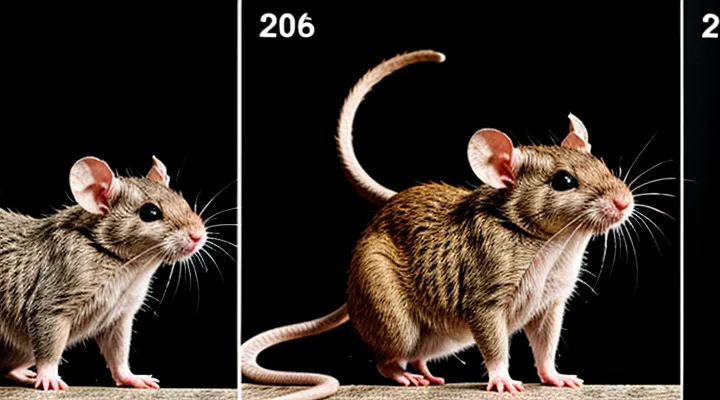
The Stages of Rat Development
Neonatal Period («Birth to Weaning»)
Physical Development
Rats exhibit distinct patterns of physical development that correspond to specific life stages. Early post‑natal weeks are characterized by rapid weight gain and skeletal lengthening. By the end of the third week, body mass typically reaches 20–30 g, and the skull begins to ossify. Muscular tissue expands proportionally, supporting increased locomotor activity.
Juvenile rats (approximately 4–8 weeks old) show continued growth in body length and organ size. The heart-to-body weight ratio declines as cardiac output stabilizes. Digestive tract lengthens, enhancing nutrient absorption efficiency. Sensory systems—visual acuity, auditory thresholds, and whisker sensitivity—reach functional maturity, enabling complex environmental interactions.
Adolescent rats (9–12 weeks) attain near‑adult dimensions. Average body weight ranges from 250 to 300 g, and bone density peaks. Muscle fiber cross‑sectional area increases, providing greater strength. Reproductive organs complete maturation; testes and ovaries achieve full functional capacity, reflected in hormone profiles that regulate further growth cessation.
Adult rats (13 weeks onward) maintain stable physical parameters. Body weight plateaus, with slight fluctuations linked to diet and activity levels. Skeletal remodeling balances resorption and formation, preserving structural integrity. Organ systems operate at baseline metabolic rates, and muscle mass remains constant unless altered by experimental conditions.
Senescent rats (approximately 18 months) display gradual decline in physical metrics. Body weight may decrease by 10–15 % due to muscle atrophy and reduced adipose stores. Bone mineral density diminishes, increasing fracture susceptibility. Cardiovascular output declines, and sensory acuity deteriorates, affecting mobility and foraging behavior.
Key developmental milestones
- Neonatal (0–3 weeks): rapid weight gain, skull ossification, onset of locomotion.
- Juvenile (4–8 weeks): organ expansion, sensory maturation, functional independence.
- Adolescent (9–12 weeks): attainment of adult size, reproductive organ maturity, peak bone density.
- Adult (13 weeks–18 months): physiological stability, maintenance of muscle and skeletal health.
- Senescent (≥18 months): decline in muscle mass, bone density, and sensory function.
Understanding these stages provides a framework for interpreting experimental outcomes that depend on rat physical development.
Behavioral Milestones
Behavioral milestones provide objective markers of functional development as rats progress through distinct life stages.
During the first week after birth, pups demonstrate:
- Reflexive righting when placed on the back
- Immediate attachment to the dam’s nipples for nursing
- Limited locomotion, primarily crawling on the ventrum
- Emergence of ultrasonic vocalizations in response to separation
Between two and four weeks, juveniles exhibit:
- Initiation of open‑field exploration
- Development of whisker‑guided tactile discrimination
- Onset of social play, including pinning and boxing behaviors
- Ability to navigate simple mazes using visual cues
From five to eight weeks, adolescents show:
- Increased aggression during territorial encounters
- Consolidation of spatial memory in radial arm tasks
- Preference for novel objects in novelty‑preference tests
- Emergence of self‑grooming sequences with stereotyped patterns
Beyond nine weeks, adult rats display:
- Stable foraging strategies in complex environments
- Consistent performance in operant conditioning paradigms
- Established circadian activity cycles with defined active and rest phases
- Maintenance of social hierarchy through dominance displays
These milestones align with physiological growth, offering a reliable framework for assessing normal development and detecting deviations in experimental or clinical settings.
Nutritional Needs
Rats require distinct nutrient profiles at each stage of development, and meeting these profiles is necessary for optimal growth and health.
Neonates depend on maternal milk or a formulated substitute that supplies high‑quality protein (≈20 % of calories), readily digestible fat (≈12 % of calories), lactose for energy, and essential minerals such as calcium and phosphorus in a 2:1 ratio. Vitamin D and vitamin K support bone mineralization and clotting, respectively.
Juvenile rats, after weaning, need diets containing 18–20 % protein, 5–7 % fat, and a balanced supply of vitamins A, B‑complex, C, and E. Adequate levels of zinc and selenium promote immune competence. Energy density should increase to 3.5–4.0 kcal g⁻¹ to sustain rapid tissue accretion.
Adult rats require maintenance formulas with 14–16 % protein, 4–6 % fat, and fiber content of 5–7 % to encourage gastrointestinal health. Calcium and phosphorus must remain in a 1.2:1 ratio; magnesium, potassium, and trace elements should meet established rodent dietary recommendations. Vitamin supplementation aligns with standard laboratory rodent guidelines.
Senior rats experience reduced metabolic rate and may develop age‑related conditions. Diets should lower caloric density to 3.0–3.3 kcal g⁻¹, maintain protein at 12–14 % with increased arginine, and raise fiber to 8–10 % to aid digestion. Omega‑3 fatty acids and glucosamine are beneficial for joint integrity, while antioxidants such as vitamin E and selenium mitigate oxidative stress.
Juvenile Period («Weaning to Sexual Maturity»)
Rapid Growth Phase
The period of accelerated growth in laboratory rats occurs primarily during the first three weeks after birth. During this interval, body weight increases from approximately 5 g at birth to 70–80 g at weaning, representing a ten‑fold gain. Muscle mass, skeletal length, and organ size expand concurrently, driven by high concentrations of growth hormone, insulin‑like growth factor‑1, and thyroid hormones. Nutrient absorption efficiency rises, with the gastrointestinal tract reaching adult‑like capacity by day 14.
Key characteristics of this phase include:
- Elevated metabolic rate: Oxygen consumption and heat production peak, supporting rapid tissue synthesis.
- Hormonal surge: Circulating growth hormone and IGF‑1 levels double compared to later life stages.
- Skeletal development: Epiphyseal plates remain open, allowing longitudinal bone growth; mineralization accelerates after day 10.
- Immune maturation: Lymphoid organs expand, enhancing adaptive immune competence.
- Behavioral changes: Exploratory activity increases, facilitating environmental interaction and motor skill acquisition.
Understanding these dynamics is essential for experimental design. Precise timing of interventions, such as drug administration or dietary manipulation, must align with the rapid growth window to avoid confounding effects on developmental trajectories. Standardizing weaning age, cage density, and feed composition reduces variability introduced by the intense physiological changes occurring in this period.
Socialization and Learning
Rats undergo distinct developmental phases, each characterized by specific patterns of social interaction and learning that shape physiological and behavioral trajectories.
During the juvenile period, pups engage in frequent tactile contact with the dam and littermates. This contact promotes the acquisition of species‑typical motor sequences, such as whisker use and coordinated locomotion. Exposure to maternal vocalizations and scent cues conditions neural pathways involved in stress regulation and reward processing.
In the adolescent stage, individuals establish dominance hierarchies through aggressive and affiliative encounters. Spatial navigation tasks, often administered in maze environments, reveal rapid improvement in hippocampal‑dependent learning. Olfactory discrimination of conspecifics sharpens, supporting efficient group cohesion and territory allocation.
Adult rats maintain social bonds primarily through grooming and shared nesting. Problem‑solving abilities, demonstrated in complex foraging challenges, rely on previously consolidated associative memories. Environmental enrichment continues to stimulate neurogenesis, reinforcing adaptive flexibility throughout the lifespan.
Key learning mechanisms across the lifespan:
- Observational learning: replication of successful foraging techniques observed in peers.
- Operant conditioning: reinforcement of behaviors that secure access to resources.
- Social buffering: reduction of physiological stress responses during group interactions.
These processes collectively influence growth patterns, behavioral competence, and survival prospects at each age stage.
Hormonal Changes
Hormonal regulation is central to the progression of body size in laboratory rats from birth to senescence. Early post‑natal life is characterized by a surge in growth hormone (GH) secretion, which stimulates hepatic production of insulin‑like growth factor‑1 (IGF‑1). IGF‑1 concentrations peak during the first three weeks and drive rapid skeletal elongation and muscle accretion.
During the juvenile phase (approximately 4–8 weeks), GH pulse amplitude declines while basal levels remain elevated enough to sustain linear growth. Thyroid hormones (T3 and T4) reach maximal circulating levels in this interval, enhancing protein synthesis and metabolic rate, thereby supporting continued tissue expansion.
Adolescence (9–12 weeks) introduces a rise in sex steroids—testosterone in males, estradiol in females. These hormones promote epiphyseal closure, shift growth patterns from lengthening to thickening, and modulate IGF‑1 sensitivity. Concurrently, cortisol concentrations increase modestly, providing a counter‑regulatory effect that limits excessive anabolic activity.
In mature adulthood (13 weeks onward), GH and IGF‑1 plateaus decline, reflecting a reduced growth velocity. Thyroid hormone output stabilizes at lower steady‑state levels, aligning with a maintenance metabolism rather than rapid development. Leptin concentrations rise in proportion to adipose tissue accumulation, influencing energy balance and indirectly affecting GH release.
Aging rats exhibit further hormonal attenuation:
- GH pulse frequency and amplitude markedly reduced
- IGF‑1 levels fall to approximately 40 % of juvenile peak
- Thyroid hormones diminish, contributing to slowed basal metabolism
- Sex steroid concentrations decline, leading to decreased anabolic drive
- Cortisol rises, promoting catabolic processes and protein turnover
- Leptin may increase despite reduced food intake, indicating altered leptin sensitivity
These endocrine trends collectively define the trajectory of somatic growth and physiological maturation in rats across their lifespan.
Adulthood («Sexual Maturity to Senescence»)
Peak Physical Condition
Rats reach their peak physical condition during early adulthood, typically between 8 and 12 weeks of age. At this stage, body weight stabilizes, skeletal growth completes, and muscle hypertrophy maximizes relative to body size.
Physiological markers that define this state include:
- Body mass within 90‑95 % of the species‑specific maximum.
- Muscle fiber cross‑sectional area at its greatest measured value.
- Resting metabolic rate at the highest recorded level for the cohort.
- Cardiovascular output (stroke volume and cardiac output) at maximal efficiency.
- Hormonal profile characterized by peak testosterone and growth hormone concentrations.
Environmental factors such as ambient temperature, diet composition, and cage enrichment directly affect the timing and magnitude of these markers. Consistent access to a protein‑rich diet and a stable temperature of 22‑24 °C accelerates the attainment of peak condition, while chronic stress or nutrient deficiency delays it.
In experimental design, selecting rats within the 8‑12‑week window ensures uniformity of physiological responses, reduces variability in pharmacokinetic data, and aligns with the period of maximal tissue regeneration. Researchers must verify age, weight, and muscle metrics before initiating studies to guarantee that subjects are at their physiological optimum.
Reproductive Cycles
Rats reach sexual maturity between 5 and 7 weeks of age. Females enter their first estrous cycle shortly after this window, with a cycle lasting 4–5 days. Males exhibit the first detectable increase in sperm production at a similar age, accompanied by rising testosterone concentrations.
Hormonal profiles shift markedly throughout the lifespan:
- Pre‑pubertal stage: low gonadotropin and sex‑steroid levels, minimal reproductive organ growth.
- Early adulthood (8 weeks – 6 months): peak luteinizing hormone, follicle‑stimulating hormone, and estradiol/testosterone; maximal spermatogenic activity and regular estrous cycles.
- Middle age (6 months – 12 months): gradual decline in hormone peaks, lengthening of estrous cycles, reduced sperm count.
- Senescence (≥12 months): irregular cycles or acyclicity in females, marked decrease in sperm viability in males.
Reproductive cycles influence overall growth metrics. During early adulthood, the surge in anabolic hormones accelerates lean‑mass accumulation and organ enlargement, particularly the testes and uterus. In middle age, the attenuated hormonal milieu coincides with slower weight gain and increased adipose deposition. Senescent rats display reduced body weight gain rates and diminished reproductive organ size.
Age‑related changes in cycle regularity serve as reliable biomarkers for physiological aging in laboratory rats. Monitoring estrous cycle length and sperm parameters provides quantitative data for correlating reproductive status with growth trajectories across the rat lifespan.
Cognitive Functions
Rats exhibit distinct cognitive profiles as they progress from neonates to seniors. Early post‑natal weeks are characterized by rapid synaptic formation, enabling basic associative learning such as simple odor–reward pairing. By the third week, spatial navigation emerges; the Morris water maze reveals reliable performance, indicating maturation of hippocampal circuits. Juvenile rats (approximately 4–6 weeks) show improved working memory, reflected in higher correct choices on T‑maze alternation tasks. Adolescence (7–10 weeks) brings heightened executive function, demonstrated by superior performance on delayed‑matching‑to‑sample tests that require inhibition of prepotent responses. Adult rats (12–24 weeks) maintain stable performance across most tasks, with peak efficiency in pattern‑separation tasks that depend on dentate gyrus integrity. Aging rats (≥30 weeks) display gradual decline in reversal learning and reduced flexibility, correlating with observable reductions in prefrontal cortical thickness and dopaminergic signaling.
Key observations across the lifespan:
- Neonatal stage: Limited to simple conditioning; high neuroplasticity.
- Juvenile stage: Emergence of spatial and working memory; hippocampal refinement.
- Adolescent stage: Strengthened executive control; prefrontal maturation.
- Adult stage: Consistent performance; optimal integration of hippocampal‑prefrontal networks.
- Aged stage: Decline in flexibility and reversal learning; structural degeneration in prefrontal and hippocampal regions.
Neurochemical analyses align with behavioral data: glutamate receptor expression peaks during adolescence, while acetylcholine turnover diminishes in older animals. Electrophysiological recordings confirm increased theta‑gamma coupling during peak cognitive performance in adults, followed by reduced coherence in seniors. These patterns underscore that cognitive capacity in rats is tightly linked to developmental stage, with each age bracket presenting a predictable set of strengths and vulnerabilities.
Senescence («Old Age»)
Decline in Physical Health
Physical health deteriorates markedly as rats progress from juvenile to senior stages.
Key physiological markers exhibit consistent trends:
- Body weight reaches a peak in early adulthood, then stabilizes or declines.
- Skeletal muscle mass diminishes by 10‑15 % between middle and old age.
- Bone mineral density drops 8‑12 % after the third month of life.
- Serum glucose and lipid profiles shift toward hyperglycemia and dyslipidemia.
- Cardiovascular output declines, reflected in reduced maximal heart rate and contractility.
Underlying mechanisms include reduced anabolic hormone levels, elevated oxidative stress, and chronic low‑grade inflammation. Declining insulin‑like growth factor‑1 correlates with muscle atrophy, while increased circulating interleukin‑6 aligns with bone resorption. Mitochondrial efficiency falls, contributing to reduced aerobic capacity and fatigue.
Empirical observations demonstrate that rats aged 12 months exhibit a 20 % reduction in treadmill endurance compared with 3‑month counterparts, and a 30 % increase in serum cortisol. Histological analysis reveals fiber‑type transition from type IIb to type I in skeletal muscle, indicating compromised contractile strength.
These patterns establish rats as reliable models for age‑related health decline, supporting translational studies aimed at mitigating frailty, sarcopenia, and metabolic dysfunction in aging populations.
Behavioral Changes
Rats exhibit distinct behavioral patterns that correspond closely with their physical development. Early post‑natal stages are dominated by reflexive actions; newborns display suckling, thermoregulation through huddling, and limited locomotion confined to the nest. Sensory systems mature rapidly, allowing the transition to exploratory behavior within the first two weeks.
From the juvenile phase onward, rats develop complex social interactions. Key changes include:
- Increased play fighting, establishing dominance hierarchies.
- Emergence of scent marking and territorial patrols.
- Enhanced problem‑solving abilities demonstrated in maze navigation.
- Expansion of foraging range beyond the immediate environment.
Adult rats show refined cognitive functions and stable social structures. Typical behaviors comprise consistent nesting maintenance, reliable response to conditioned cues, and sustained reproductive activity. Neural circuitry supporting learning and memory reaches peak efficiency during this period.
In later life, behavioral decline becomes apparent. Observations reveal reduced exploratory drive, slower response times to novel stimuli, and diminished social engagement. Age‑related sensory deficits contribute to altered risk assessment, often resulting in increased reliance on familiar routes and decreased interaction with conspecifics.
Health Concerns
Rats experience distinct health challenges as they progress from birth to senescence. Early development is marked by rapid weight gain, high metabolic demand, and vulnerability to infectious agents. Neonates frequently encounter neonatal septicemia, respiratory distress, and hypoglycemia due to immature organ systems. Proper temperature regulation and sterile environments reduce mortality.
Juvenile rats, typically 3‑6 weeks old, display increased incidence of gastrointestinal disturbances, such as enteritis and coccidiosis, linked to dietary transitions. Musculoskeletal growth spurts elevate the risk of osteochondrosis and stress fractures, especially under overcrowded housing. Regular monitoring of feed composition and litter size mitigates these problems.
Adult rats, reaching reproductive maturity, are prone to metabolic disorders. Obesity arises from excess caloric intake, leading to insulin resistance, fatty liver disease, and cardiovascular strain. Reproductive health issues, including uterine prolapse in females and testicular degeneration in males, emerge with repeated breeding cycles. Routine health checks, balanced nutrition, and controlled breeding schedules address these concerns.
Senior rats, beyond 12 months, show age‑related degeneration. Renal insufficiency, neoplastic growths (e.g., mammary adenocarcinoma, lymphoma), and neurodegenerative changes become common. Mobility declines due to arthritis and reduced muscle mass. Comprehensive veterinary assessment, low‑protein diets, and environmental enrichment support longevity.
Key health concerns by age group
- Neonates: septicemia, respiratory distress, hypoglycemia
- Juveniles: enteritis, coccidiosis, osteochondrosis, stress fractures
- Adults: obesity, insulin resistance, fatty liver, reproductive disorders
- Seniors: renal failure, tumors, arthritis, neurodegeneration
Targeted interventions at each developmental stage improve overall welfare and lifespan.
Factors Influencing Rat Growth
Genetic Predisposition
Breed-Specific Growth Patterns
Different rat strains display distinct growth trajectories that affect experimental design and animal management. Growth curves are defined by the rate of weight gain, skeletal development, and onset of sexual maturity. Understanding these patterns allows precise timing of interventions and accurate interpretation of physiological data.
Sprague‑Dawley rats reach 250 g body mass by 10 weeks, with rapid weight increase during the first four weeks (approximately 15 g per week). Their skeletal length expands 30 % in the same period, and puberty begins around 7 weeks. Wistar rats attain 220 g at 12 weeks; early growth is slower (≈10 g per week for weeks 1–4) but stabilizes after week 8, reaching a plateau near 20 g per week. Sexual maturation occurs at 8–9 weeks.
Long‑Evans rats exhibit moderate growth, achieving 200 g by week 11. Weekly weight gain averages 12 g during weeks 2–6, then declines to 5 g after week 9. Their bone length increases steadily until week 10, after which growth plates close. Puberty starts at 9 weeks.
Fisher 344 rats display the slowest development among common laboratory strains. They reach 180 g by week 12, with a consistent 8 g weekly gain in the first six weeks. Skeletal growth completes by week 10, and sexual maturity appears at 10 weeks.
Key comparative points:
- Maximum adult weight: Sprague‑Dawley > Wistar > Long‑Evans > Fisher 344.
- Peak weekly weight gain: Sprague‑Dawley (≈15 g) > Long‑Evans (≈12 g) > Wistar (≈10 g) > Fisher 344 (≈8 g).
- Age of sexual maturity: Sprague‑Dawley (≈7 weeks) < Wistar (≈8‑9 weeks) < Long‑Evans (≈9 weeks) < Fisher 344 (≈10 weeks).
These breed‑specific metrics must be incorporated into study protocols to align experimental endpoints with the physiological status of each strain. Adjustments in housing, nutrition, and handling schedules should reflect the identified growth rates to maintain animal welfare and data reliability.
Inherited Conditions
Inherited conditions significantly shape the developmental trajectory of rats, influencing body weight, organ maturation, and skeletal growth from neonatal stages to senescence. Genetic mutations that disrupt growth hormone signaling, such as deficiencies in the Ghrelin receptor, produce measurable reductions in weight gain during the first month of life and persist into adulthood. Similarly, alleles affecting insulin-like growth factor 1 (IGF‑1) alter muscle fiber development, resulting in slower linear growth during the juvenile period.
The impact of inherited disorders varies with age. Neonatal expression of metabolic syndromes, for example, can cause hypoglycemia and impair brain growth, while adult onset of hereditary nephropathy leads to reduced lean mass and altered bone density. Long‑term carriers of mitochondrial DNA mutations exhibit accelerated decline in locomotor activity and diminished muscle regeneration after the age of twelve weeks, highlighting the cumulative effect of genetic defects on aging rats.
Key inherited conditions and their age‑specific effects:
- Growth hormone deficiency – reduced weight gain in early weeks; persistent stature deficit throughout life.
- IGF‑1 pathway mutations – delayed muscle development in juveniles; compromised repair capacity in mature rats.
- Mitochondrial DNA deletions – normal early growth; progressive loss of endurance and muscle mass after adolescence.
- Hereditary renal disease – minimal neonatal impact; progressive loss of lean tissue and bone mineral density in adulthood.
Nutritional Impact
Dietary Requirements
Rats experience distinct nutritional demands as they progress from neonates to senior individuals. Meeting these requirements is fundamental for achieving optimal growth rates, body composition, and overall health.
During the first two weeks of life, pups depend almost exclusively on maternal milk, which supplies approximately 20 % protein, 5 % fat, and essential lactose. When weaning begins (post‑natal day 21), the diet must shift to solid food that provides:
- 18–22 % crude protein to support rapid tissue synthesis
- 5–7 % fat for energy and membrane formation
- 3–5 % fiber to promote gastrointestinal development
- Adequate calcium (1.2–1.5 %) and phosphorus (0.8–1.0 %) for skeletal mineralization
- Vitamin E (30–50 IU/kg) and vitamin C (if not genetically capable of synthesis) to counter oxidative stress
Juvenile rats (3–8 weeks) exhibit a plateau in protein needs, stabilizing around 14–18 % while caloric intake rises to 18–20 kcal per 100 g body weight per day. Fat content may be increased to 6–8 % to sustain higher metabolic rates. Micronutrient levels should be maintained without excess, as oversupplementation can impair renal function.
Adult rats (9 weeks to 12 months) require a balanced diet that preserves lean mass and prevents obesity. Recommended composition includes:
- 14–16 % protein
- 5–6 % fat, with a preference for unsaturated fatty acids
- 4–5 % fiber for fecal bulk
- Calcium 0.9–1.1 % and phosphorus 0.6–0.8 % for bone maintenance
- Consistent supply of B‑vitamins and trace minerals (zinc, copper, selenium) to support enzymatic activity
Senior rats (over 12 months) show reduced caloric demand, typically 15–17 kcal per 100 g body weight daily, but increased need for easily digestible protein (16–18 %) and higher fiber (5–7 %) to mitigate age‑related gastrointestinal slowdown. Antioxidant vitamins (E, C) and omega‑3 fatty acids are beneficial for mitigating inflammatory processes and preserving cognitive function.
Water availability must be constant across all stages, with intake ranging from 5 ml per 100 g body weight in neonates to 10 ml per 100 g in adults. Monitoring consumption helps detect early signs of illness or dietary imbalance.
Implementing stage‑specific feeding regimens, adjusting macronutrient percentages, and ensuring micronutrient adequacy are essential practices for supporting rat development from birth through senescence.
Effects of Malnutrition
Nutritional deficiency alters the developmental trajectory of rats, producing measurable changes that vary with age.
- Neonatal period: body mass gain reduced by 30‑45 %; skeletal length shortened; brain weight proportionally lower; heightened susceptibility to hypoglycemia.
- Juvenile stage: lean mass accrual slowed; adipose tissue deposition delayed; organ‑to‑body‑weight ratios shift toward relative liver enlargement; onset of puberty postponed by 5‑7 days.
- Adult phase: total body weight plateaued at 70‑80 % of fed controls; muscle fiber cross‑sectional area diminished; immune cell counts decreased; survival probability lowered by 15‑20 % over six months.
These age‑specific effects constrain the interpretation of growth‑related experiments, necessitate precise dietary control, and inform extrapolation of rodent data to human nutrition research.
Environmental Factors
Temperature and Humidity
Temperature directly influences metabolic rate in rats, with higher ambient levels accelerating growth in neonates while potentially inducing stress in mature individuals. In environments maintained at 28–30 °C, neonatal weight gain increases by 12–15 % compared to standard 22 °C conditions, whereas adult rats exhibit reduced feed efficiency and elevated cortisol.
Humidity modulates thermoregulation and respiratory function. Relative humidity between 50 % and 60 % supports optimal water balance for juvenile rats, preventing dehydration‑related growth retardation. When humidity exceeds 80 %, respiratory irritation appears, leading to decreased appetite and slower weight gain in adolescent rodents.
Key interactions between temperature and humidity across life stages:
- Neonates (0–3 weeks): Warm, moderately humid environments (28–30 °C, 55–65 % RH) promote rapid tissue development; low humidity (<40 %) heightens evaporative loss, limiting growth.
- Adolescents (3–8 weeks): Slightly cooler temperatures (22–24 °C) combined with stable humidity (50–60 % RH) sustain steady weight increase; excessive heat (>32 °C) or moisture (>75 % RH) disrupts endocrine balance.
- Adults (8 weeks+): Cooler conditions (18–20 °C) with controlled humidity (45–55 % RH) maintain body composition; high temperature or humidity intensifies metabolic strain, reducing lean mass.
Experimentally, precise regulation of both variables yields reproducible growth curves, enabling researchers to predict developmental outcomes under varying environmental scenarios.
Housing Conditions
Housing quality directly influences the rate and pattern of rat development from neonates to seniors. Adequate space, ventilation, temperature control, and substrate cleanliness create an environment that supports optimal physiological expansion, while deficiencies impose stress that slows growth and alters body composition.
Key housing parameters:
- Cage size: Minimum floor area of 0.05 m² per juvenile and 0.10 m² per adult prevents crowding, promotes normal locomotor activity, and reduces competition for resources.
- Temperature: Stable ambient temperature between 20 °C and 24 °C maintains metabolic efficiency; deviations of more than ±2 °C increase energy expenditure and delay weight gain.
- Humidity: Relative humidity of 40‑60 % prevents respiratory irritation and skin desiccation, both of which can impair growth.
- Bedding: Absorbent, dust‑free material limits bacterial proliferation and provides insulation, supporting consistent body temperature.
- Ventilation: Air exchange rate of at least 15 changes per hour removes ammonia and odors, reducing chronic stress markers that suppress growth hormones.
Age‑specific effects:
- Neonates (0‑3 weeks): Limited space restricts maternal nesting behavior, leading to reduced pup weight and delayed weaning. Temperature fluctuations cause thermoregulatory strain, increasing mortality risk.
- Juveniles (4‑8 weeks): Overcrowding elevates aggression, suppresses appetite, and slows skeletal elongation. Inadequate bedding compromises hygiene, raising infection rates that divert nutrients from growth.
- Adults (9‑24 weeks): Poor ventilation raises corticosterone levels, diminishing muscle accretion and prolonging the plateau phase of weight gain. Consistent temperature supports maximal growth velocity during this period.
- Seniors (25 weeks and older): Stable housing conditions mitigate age‑related decline in immune function, preserving lean mass and preventing excessive fat accumulation.
Optimizing each housing element aligns environmental conditions with the biological demands of rats at every developmental stage, ensuring consistent and measurable growth trajectories.
Social Environment
The social environment exerts measurable influence on rat development from infancy through adulthood. Group composition, hierarchy, and interaction frequency shape physiological trajectories that differ from solitary housing.
Key social factors and their effects:
- Group size – Larger cohorts accelerate early weight gain but may suppress later growth due to competition for resources.
- Dominance hierarchy – Dominant individuals exhibit higher body mass and faster skeletal maturation; subordinate rats show reduced growth rates and elevated stress hormone levels.
- Maternal care – High licking‑grooming frequency correlates with increased offspring weight and enhanced neuroendocrine regulation, persisting into middle age.
- Social enrichment – Access to conspecific play and novel objects improves muscle development and delays age‑related decline in locomotor performance.
- Crowding stress – Overcrowded conditions elevate corticosterone, leading to stunted growth and delayed organ maturation across all life stages.
Age‑specific patterns emerge:
- Neonatal period – Social contact with dam and littermates directly affects nutrient intake and thermoregulation, determining initial growth velocity.
- Juvenile stage – Peer interactions modulate activity levels, influencing muscle fiber hypertrophy and adipose tissue distribution.
- Adult phase – Stable hierarchies stabilize hormonal profiles, supporting maintenance of body composition; disruption of social stability triggers catabolic responses.
Empirical studies using controlled housing assignments demonstrate that manipulating the social milieu produces predictable alterations in growth curves, confirming the environment’s role as a determinant of rat developmental outcomes.
Hormonal Regulation
Growth Hormones
Growth hormone (GH) secretion in rats follows a distinct ontogenetic pattern that drives somatic expansion from neonatal stages to senescence. During the first two weeks after birth, pituitary GH output rises sharply, reaching a peak that coincides with the most rapid linear growth. This surge is accompanied by elevated circulating insulin‑like growth factor‑1 (IGF‑1), which mediates tissue‑specific anabolic effects. From weaning to early adulthood (approximately 3–6 weeks), GH pulses become more regular, and the amplitude of each pulse declines gradually. IGF‑1 concentrations remain high, supporting continued muscle accretion and organ maturation.
In the adolescent phase (6–12 weeks), GH pulse frequency stabilizes while pulse amplitude diminishes modestly. This adjustment aligns with the deceleration of growth velocity observed in skeletal measurements. Concurrently, hepatic expression of IGF‑binding proteins shifts, modulating IGF‑1 bioavailability and fine‑tuning growth rates. Beyond 12 weeks, GH secretion enters a maintenance mode characterized by low‑amplitude, irregular pulses. IGF‑1 levels fall to near‑baseline, reflecting reduced anabolic demand as body size approaches its genetic ceiling.
Key physiological features of the GH/IGF‑1 axis across rat life stages include:
- Neonatal peak – maximal GH release; rapid weight gain; high IGF‑1.
- Juvenile plateau – stable GH pulse frequency; sustained IGF‑1; continued organ growth.
- Adolescent transition – reduced GH amplitude; altered IGFBP profile; slowing growth velocity.
- Adult maintenance – low‑amplitude GH pulses; basal IGF‑1; preservation of tissue homeostasis.
Experimental manipulation of GH levels demonstrates causality. Exogenous GH administration during the neonatal window extends the high‑growth phase, resulting in larger adult body mass. Conversely, GH antagonism in the adolescent period truncates growth, yielding reduced skeletal length. These interventions underscore the temporal sensitivity of the hormone axis.
Measurement techniques—serial blood sampling for GH pulse analysis, ELISA quantification of IGF‑1, and quantitative PCR of hepatic IGF‑binding protein transcripts—provide a comprehensive view of endocrine dynamics. Accurate timing of sample collection relative to the circadian rhythm of GH release is essential for reliable data interpretation.
Overall, the developmental trajectory of rat growth hormones exhibits a tightly regulated progression that mirrors the organism’s shifting anabolic requirements. Understanding this chronology informs experimental design, therapeutic modeling, and comparative physiology across mammalian species.
Thyroid Hormones
Thyroid hormones, primarily thyroxine (T4) and triiodothyronine (T3), regulate metabolic rate, protein synthesis, and tissue differentiation in rats. During the neonatal period, circulating T4 concentrations rise sharply, coinciding with rapid somatic growth and organ maturation. Elevated T3 levels in this stage stimulate mitochondrial activity, increasing energy expenditure necessary for cell proliferation.
In juvenile rats, thyroid hormone concentrations stabilize at levels that support steady weight gain and skeletal elongation. T3 enhances chondrocyte proliferation in the growth plate, while T4 provides a reservoir that can be locally converted to T3 by deiodinase enzymes. Disruption of deiodinase activity during this phase leads to measurable reductions in femur length and body mass.
Aging rats exhibit a gradual decline in serum T4 and T3, accompanied by reduced basal metabolic rate and slower tissue repair. The decrease in thyroid hormone availability contributes to diminished lean muscle mass and increased adiposity. Monitoring hormone levels in older rodents allows prediction of age‑related growth attenuation.
Key observations linking thyroid function to rat development:
- Neonatal surge in T4/T3 correlates with peak linear growth.
- Juvenile steady-state hormone levels maintain proportional weight increase.
- Age‑related hormone decline aligns with reduced growth velocity and altered body composition.
- Tissue‑specific conversion of T4 to T3 modulates local growth responses.
Experimental manipulation of thyroid status—through hormone supplementation or antagonism—demonstrates causative effects on growth trajectories across all ages. Precise quantification of circulating T4 and T3, together with deiodinase activity assays, provides reliable biomarkers for assessing developmental progress in rat models.
Research and Applications
Animal Models in Research
Studying Human Development
Studying human development provides a framework for interpreting age‑related growth patterns in laboratory rodents. Human developmental stages—infancy, childhood, adolescence, adulthood, and senescence—correspond to measurable physiological transitions that can be mapped onto equivalent phases in rats, allowing researchers to align experimental timelines with human growth trajectories.
Comparative analysis relies on standardized metrics such as body weight, organ mass, skeletal length, and metabolic rate. Data collection follows longitudinal protocols: initial measurements at birth, periodic assessments during juvenile growth, peak weight recording in early adulthood, and periodic checks during later life. These procedures mirror human cohort studies, ensuring that observed rat growth trends are directly comparable to human developmental data.
Key insights derived from this approach include:
- Correlation between rapid early‑life weight gain in rats and similar patterns in human infants, indicating shared hormonal regulation mechanisms.
- Identification of a growth plateau in mid‑adolescence that parallels the human pubertal growth spurt, supporting the use of rats as models for puberty‑related research.
- Documentation of age‑associated decline in muscle mass and bone density, reflecting comparable senescent changes in humans and informing studies on osteoporosis and sarcopenia.
By integrating human developmental benchmarks with rat growth observations, researchers achieve a more accurate translation of preclinical findings to clinical contexts, enhancing the relevance of rodent models for age‑related biomedical investigations.
Drug Testing and Efficacy
Drug testing in rodents must account for the rapid physiological changes that occur from neonatal stages to senescence. Younger rats exhibit higher basal metabolic rates, resulting in faster clearance of many compounds; consequently, dose calculations based on body weight alone often overestimate exposure in juveniles. In contrast, aged rats display reduced hepatic enzyme activity, diminished renal filtration, and altered plasma protein binding, which increase systemic drug concentrations and prolong half‑life. These age‑dependent pharmacokinetic shifts directly influence observed efficacy, as therapeutic windows differ markedly between developmental phases.
Efficacy assessments should incorporate age‑specific endpoints. For growth‑modulating agents, investigators measure linear body length, tibial growth plate thickness, and lean mass gain at defined intervals. Comparative data across age groups reveal that the same compound may stimulate growth in adolescent rats while exerting negligible or adverse effects in mature animals. Accurate interpretation requires parallel control groups matched for age, sex, and baseline growth velocity.
Design considerations for age‑stratified studies include:
- Selecting dosing intervals that reflect the expected half‑life for each age cohort.
- Employing longitudinal sampling to capture dynamic changes in plasma drug levels.
- Recording weight, food intake, and activity to separate direct drug effects from age‑related growth trends.
- Applying statistical models that adjust for nonlinear growth curves typical of rodent development.
Regulatory guidance emphasizes that safety margins derived from adult rodent data cannot be extrapolated to younger or older populations without dedicated testing. Failure to incorporate age‑related pharmacology risks inaccurate efficacy conclusions and may obscure toxicological signals that emerge only at specific life stages.
Veterinary Care Considerations
Age-Specific Health Issues
Rats experience distinct health challenges at each developmental stage, reflecting physiological changes that accompany growth.
Neonatal period (0‑3 weeks)
- Susceptibility to hypothermia due to limited thermoregulation.
- High incidence of gastrointestinal infections caused by immature gut flora.
- Congenital anomalies, especially cardiac malformations, detectable through early necropsy.
Juvenile phase (3‑8 weeks)
- Rapid skeletal expansion predisposes to nutrient‑deficiency rickets if calcium intake is insufficient.
- Elevated metabolic rate increases demand for vitamin C; deficiency leads to scurvy‑like symptoms.
- Aggressive social hierarchy formation may trigger stress‑induced ulcerative lesions in the stomach.
Adult stage (8‑24 weeks)
- Peak body mass correlates with heightened risk of obesity‑related insulin resistance.
- Reproductive maturity introduces uterine infections in females and prostatitis in males.
- Exposure to environmental toxins accumulates, manifesting as hepatic enzyme elevation.
Senescent period (24 weeks and beyond)
- Declining renal function reduces clearance of nitrogenous waste, producing azotemia.
- Osteoarthritis emerges from cumulative joint wear, limiting mobility.
- Immunosenescence lowers response to pathogens, increasing mortality from opportunistic bacteria.
Effective management requires age‑targeted monitoring: temperature control for neonates, balanced mineral supplementation for juveniles, metabolic screening for adults, and renal‑joint assessments for seniors.
Nutritional Management in Different Life Stages
Nutritional strategies must adapt to the physiological demands of each developmental phase in laboratory rats. Early life requires diets rich in readily digestible protein and essential fatty acids to support rapid tissue synthesis, while maintaining a high caloric density to compensate for limited solid‑food intake. During the weaning period, gradual introduction of solid feed with balanced amino‑acid profiles and adequate calcium‑phosphorus ratios prevents skeletal deficiencies and promotes gut microbiota stability. Adolescent rats benefit from increased energy provision, elevated vitamin D and B‑complex levels, and controlled fat content to sustain accelerated growth without inducing obesity. Adult maintenance diets should emphasize moderate protein, sufficient fiber for gastrointestinal health, and consistent supply of trace minerals such as zinc and selenium to sustain reproductive performance and immune competence. In the later stage, reduced metabolic rate calls for lower energy density, higher antioxidant vitamins, and increased omega‑3 fatty acids to mitigate age‑related oxidative stress and preserve muscle mass.
Key nutritional parameters for each stage:
- Neonatal: 25‑30 % protein, 10 % fat, lactose‑based formula, frequent small feeds.
- Weaning (21‑28 days): 20‑22 % protein, balanced calcium‑phosphorus (1.2:1), inclusion of prebiotic fibers.
- Adolescent (6‑10 weeks): 18‑20 % protein, 5‑7 % fat, vitamin D ≥ 1000 IU/kg, B‑vitamins at growth‑optimal levels.
- Adult (12‑24 weeks): 14‑16 % protein, 4‑5 % fat, fiber 5‑7 % of diet, trace minerals at standard laboratory concentrations.
- Aged (≥ 12 months): 12‑14 % protein, 3‑4 % fat, added vitamin E ≥ 200 IU/kg, omega‑3 fatty acids 1‑2 % of total fat, reduced sodium.
Implementing stage‑specific formulations ensures that dietary intake aligns with the metabolic and structural requirements of rats throughout their lifespan, thereby optimizing growth trajectories and overall health.