
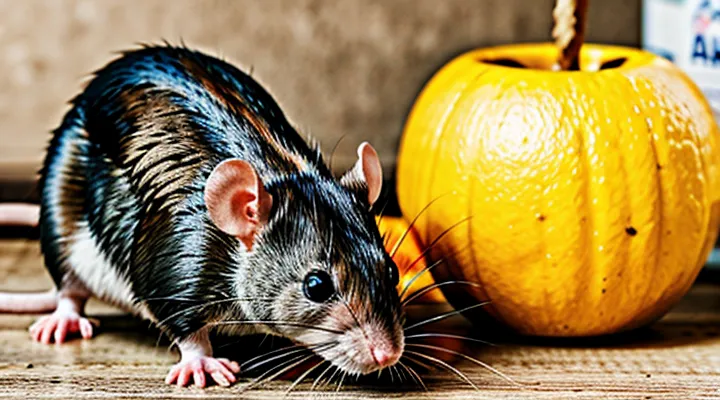
The Importance of a Balanced Rat Diet
Nutritional Needs of Rats
Protein Requirements
Rats require a diet that supplies adequate protein to support growth, tissue repair, and reproductive functions. For adult laboratory or pet rats, the optimal protein content ranges from 14 % to 18 % of total dietary weight. Juvenile rats, especially those under eight weeks, benefit from a higher level of 20 % to 22 % to accommodate rapid skeletal and muscular development. Breeding females need an additional increase to 20 %–24 % during gestation and lactation to sustain milk production and fetal growth.
Key considerations when selecting protein sources:
- Amino acid profile – Complete proteins that contain sufficient lysine, methionine, and tryptophan reduce the risk of deficiencies.
- Digestibility – Animal‑derived proteins (e.g., egg, whey, fish meal) generally offer higher digestibility coefficients (>90 %) compared with most plant proteins.
- Allergenicity – Some rodents develop sensitivities to soy or dairy; monitor for signs of gastrointestinal upset or skin irritation.
- Cost and shelf stability – Powdered or extruded formulations maintain protein integrity longer than fresh meat products.
Common protein ingredients used in balanced rat diets:
- Egg white powder – High biological value, low fat, excellent for supplementing low‑fat mixes.
- Whey protein concentrate – Rapidly absorbed, rich in branched‑chain amino acids, suitable for growth phases.
- Soy isolate – Economical, complete when combined with methionine‑rich additives; monitor for potential allergens.
- Fish meal – Provides essential fatty acids alongside protein; ensure low heavy‑metal contamination.
When formulating or purchasing food, verify that the guaranteed analysis lists protein as a minimum value and that the source is clearly identified. Regularly assess body condition and coat quality; declines may indicate insufficient protein intake or poor source quality. Adjust the diet proportionally if weight gain stalls or if reproductive performance diminishes.
Fat Requirements
Adequate dietary fat supplies the primary energy source for rats, supports absorption of vitamins A, D, E, and K, and contributes to healthy skin and fur.
Recommended fat inclusion ranges from 5 % to 10 % of the diet on a dry‑matter basis. Younger, rapidly growing, breeding, or cold‑exposed individuals may require the upper end of this range.
Essential fatty acids must be present. Linoleic acid (omega‑6) and alpha‑linolenic acid (omega‑3) cannot be synthesized by rats and must be provided through the feed.
Typical fat sources include:
- Fish oil (high in omega‑3)
- Flaxseed or linseed (rich in omega‑3)
- Sunflower or safflower oil (omega‑6)
- Lard or poultry fat (balanced saturated and unsaturated profile)
- Egg yolk powder (source of phospholipids)
Excessive fat elevates the risk of obesity, hepatic lipidosis, and gastrointestinal disturbances. Monitor body condition and adjust inclusion levels accordingly.
Carbohydrate Requirements
Carbohydrates supply the primary energy for laboratory and pet rats, accounting for roughly 45‑55 % of the metabolizable energy in a balanced diet. Adequate carbohydrate intake supports normal growth, activity, and thermoregulation, while excessive amounts can lead to obesity and glucose intolerance.
Common carbohydrate sources for rats include:
- Whole grain cereals (e.g., wheat, oats, barley) providing complex starches and moderate fiber.
- Legume-derived meals (e.g., soy, lentils) offering protein‑carbohydrate blends with low glycemic impact.
- Root vegetables (e.g., carrots, sweet potatoes) delivering simple sugars and soluble fiber.
- Fruit purees in limited quantities to avoid rapid blood‑sugar spikes.
When selecting a feed formula, prioritize ingredients that deliver:
- Complex carbohydrates with a low to moderate glycemic index.
- At least 3‑5 % dietary fiber to aid gastrointestinal health.
- Minimal added sugars or refined starches that raise caloric density without nutritional benefit.
Daily carbohydrate intake for an adult rat (approximately 250 g body weight) should range from 30‑45 g, adjusted for life stage, activity level, and health status. Signs of insufficient carbohydrate supply include lethargy, weight loss, and reduced grooming. Indicators of excess include rapid weight gain, fatty liver signs, and elevated fasting glucose.
Implementing these carbohydrate guidelines within broader rat diet selection recommendations ensures nutritional adequacy, promotes optimal health outcomes, and reduces the risk of diet‑related disorders.
Vitamins and Minerals
When choosing a diet for pet rats, prioritize a balanced supply of essential vitamins and minerals. Deficiencies can lead to growth retardation, weakened immune response, and skeletal problems. Commercially formulated rat pellets often meet baseline requirements, but supplemental foods should be evaluated for nutrient content.
Key micronutrients and reliable sources include:
-
Vitamin A – vital for vision and epithelial health; found in carrots, sweet potatoes, and fortified pellets.
-
Vitamin D3 – supports calcium absorption; present in fortified rodent chow and small amounts of fish oil.
-
Vitamin E – antioxidant protecting cell membranes; supplied by seeds, nuts, and wheat germ.
-
B‑complex vitamins – assist metabolism; abundant in whole grains, legumes, and fortified mixes.
-
Vitamin C – rats synthesize it internally, but additional intake can aid stress recovery; offered through small quantities of citrus or berries.
-
Calcium – necessary for bone development; provided by plain yogurt, low‑fat cheese, and calcium‑enriched pellets.
-
Phosphorus – works with calcium; present in meat, fish, and soy products.
-
Magnesium – involved in nerve function; sourced from pumpkin seeds and whole‑grain cereals.
-
Iron – essential for oxygen transport; available in lean meat, liver, and cooked beans.
-
Zinc – supports immune function; found in meat, eggs, and whole‑grain breads.
-
Selenium – antioxidant role; supplied by Brazil nuts in minute quantities.
When supplementing, observe the following guidelines:
- Verify that the total daily intake of each vitamin and mineral falls within the recommended range for adult rats (approximately 0.5–1 % of diet weight for most micronutrients).
- Avoid excessive calcium‑phosphorus ratios; maintain a balance near 1:1 to prevent metabolic bone disease.
- Limit high‑fat or high‑sugar foods that may dilute nutrient density.
- Rotate fresh vegetable and fruit offerings to provide a spectrum of phytonutrients while preventing monotony.
Regularly monitor the rat’s coat condition, activity level, and weight. Adjust the diet promptly if signs of deficiency or excess appear, and consult a veterinary nutrition specialist for complex cases. This systematic approach ensures that rats receive the full complement of vitamins and minerals required for optimal health.
Dangers of Improper Nutrition
Obesity and Related Health Issues
Obesity is a common condition in laboratory and pet rats, leading to reduced lifespan, cardiovascular strain, hepatic steatosis, and impaired mobility. Excess body fat compromises thermoregulation and increases susceptibility to metabolic disorders, making weight management a critical component of rat husbandry.
Dietary composition drives weight gain. Formulations high in saturated fat, simple carbohydrates, and calorie-dense additives promote adipose accumulation when fed ad libitum. Insufficient fiber reduces gastrointestinal transit, encouraging overeating and decreasing satiety signals. Over‑feeding of standard laboratory pellets without portion control further exacerbates the problem.
Effective feed selection reduces obesity risk. Recommendations include:
- Choose products with ≤15 % calories from fat and ≥20 % crude fiber.
- Prefer diets providing balanced protein (14–18 % of total content) from animal sources.
- Avoid formulations enriched with sugary or oily additives.
- Select feeds labeled “maintenance” or “lean” rather than “growth” or “high‑energy.”
- Verify that the ingredient list includes whole grains, legumes, and vegetable matter for bulk.
Regular monitoring supports dietary adjustments. Record body weight weekly; a gain of more than 5 % over baseline warrants portion reduction. Incorporate fresh vegetables such as carrots, broccoli, or leafy greens to increase fiber and water intake while limiting high‑calorie treats to no more than 5 % of total daily intake.
Implementing these guidelines aligns feed choice with the physiological needs of rats, preventing obesity and its associated health complications.
Nutritional Deficiencies
Choosing a balanced diet for pet rats requires awareness of common nutritional gaps that can develop when food lacks essential nutrients. Deficiencies often affect growth, reproduction, bone health, and immune function.
Calcium deficiency leads to weak bones and dental problems. Vitamin D shortage prevents calcium absorption, exacerbating skeletal issues. Inadequate protein reduces muscle mass and hampers tissue repair. Low levels of vitamin A cause night‑vision impairment and skin disorders. Insufficient B‑complex vitamins result in poor metabolism and neurological signs. Trace mineral shortages, especially zinc and selenium, increase susceptibility to infections and skin lesions.
To prevent these problems, select products that meet the following criteria:
- Minimum 18 % protein from animal or high‑quality plant sources.
- Calcium content of at least 0.5 % of the diet, paired with adequate vitamin D3 (800–1,000 IU/kg).
- Inclusion of a complete vitamin mix covering A, B‑complex, C, D, E, and K.
- Presence of essential trace minerals, particularly zinc (30 ppm) and selenium (0.3 ppm).
- Absence of excessive fat or sugar, which can mask deficiencies and promote obesity.
When commercial mixes fall short, supplement with small portions of:
- Uncooked egg whites or boiled eggs for additional protein and vitamin D.
- Fresh leafy greens (e.g., kale, collard greens) for calcium and vitamin A.
- Small amounts of fortified rodent pellets that list a complete vitamin and mineral profile.
Regularly monitor body condition, coat quality, and activity levels. Sudden changes such as hair loss, lethargy, or dental wear often indicate an underlying deficiency and should prompt dietary adjustment.
Shortened Lifespan
Certain dietary components directly reduce rat longevity. High‑fat, low‑fiber formulas accelerate metabolic disorders, leading to early mortality. Excessive sugar spikes blood glucose, causing pancreatic stress and premature organ failure.
Avoid ingredients that promote oxidative damage. Foods containing artificial preservatives, especially BHA, BHT, and high levels of sodium nitrate, increase cellular senescence. Processed grains with low protein quality contribute to muscle wasting and reduced lifespan.
Recommended food selection:
- Protein sources with ≥18 % crude protein, preferably from soy or casein.
- Fiber content of 5–7 % to support gut health.
- Natural antioxidants such as vitamin E and selenium at recommended levels.
- Minimal added sugars; limit to ≤3 % of total diet.
- No artificial colorants, flavor enhancers, or high‑salt additives.
Implementing these criteria eliminates nutrients associated with shortened lifespan and supports optimal health outcomes for laboratory and pet rats.
Commercial Rat Food Options
Types of Commercial Food
Pellets and Blocks
Pellets and blocks represent the most common forms of complete rat nutrition. Both provide balanced protein, fat, fiber, vitamins, and minerals in a single product, reducing the need for supplemental ingredients.
- Nutrient density – High-quality pellets contain at least 18 % protein and 4 % fat, supporting growth and maintenance. Blocks should match these levels, with the added benefit of a denser texture that encourages chewing.
- Digestibility – Pellets are ground and compressed, offering uniform particle size that promotes consistent digestion. Blocks, being harder, stimulate dental wear and help prevent overgrown incisors.
- Moisture control – Pellets absorb moisture quickly; store in airtight containers at 15‑20 °C to prevent mold. Blocks resist moisture longer but still require dry storage to avoid degradation of vitamins.
- Portion accuracy – Measure daily intake by weight: 5–7 g of pellets per 100 g of body weight, or an equivalent amount of block material. Adjust for age, activity level, and reproductive status.
- Safety standards – Choose products certified by reputable rodent‑feed manufacturers, free from artificial colors, excessive sugars, and known allergens such as soy or wheat gluten.
When selecting a product, verify the ingredient list for whole grains, legumes, and minimal filler. Preference should be given to feeds that list specific vitamin and mineral levels rather than generic “nutrient blend” statements. Regularly rotate between pellets and blocks to provide textural variety while maintaining a stable nutritional baseline.
Muesli Mixes
Muesli mixes provide a balanced source of carbohydrates, fiber, and protein for pet rats. Whole grains such as rolled oats, barley, and millet supply sustained energy, while seeds like sunflower and pumpkin add healthy fats and essential fatty acids. Incorporating dried legumes, for example lentils or split peas, increases protein content without excessive calories. Adding a modest amount of dried fruit—cranberries, apricots, or apples—offers natural sweetness and antioxidants, but the quantity must remain low to prevent sugar spikes.
When formulating a muesli blend for rats, observe the following criteria:
- Grain component: 40‑50 % of the mix, preferably unflavored and unprocessed.
- Seed component: 20‑30 % of the mix, unsalted and free of added oils.
- Legume component: 10‑15 % of the mix, thoroughly dried and broken into small pieces.
- Fruit component: ≤5 % of the mix, dehydrated without sugar or preservatives.
- Optional supplement: a pinch of calcium carbonate or powdered bone meal to meet mineral requirements.
Avoid ingredients that pose health risks:
- Wheat germ or rye, which can cause digestive upset in some rats.
- Chocolate, caffeine, or any product containing theobromine.
- Nuts with high fat content, such as macadamia or pecans, which may lead to obesity.
- Fresh fruits or vegetables that become moldy quickly; only use properly dried products.
Storage recommendations:
- Keep the dry mix in an airtight container at room temperature, away from direct sunlight.
- Replace the batch after four weeks to maintain freshness and prevent rancidity.
- Inspect the mix regularly for signs of moisture, mold, or insect infestation.
A well‑constructed muesli mix complements a rat’s staple diet of high‑quality pellets, providing texture variation and enrichment while supporting overall health.
Extruded Diets
Extruded diets are a staple option for laboratory and pet rats, offering a balanced mix of protein, fat, fiber, vitamins, and minerals in a single, easily digestible form. The manufacturing process applies high temperature and pressure, which destroys most pathogens and ensures consistent nutrient composition across batches.
Key selection criteria:
- Protein content between 18 % and 22 % of total weight, derived from animal or high‑quality plant sources.
- Fat level not exceeding 6 % to prevent obesity while supplying essential fatty acids.
- Crude fiber at least 4 % to support gastrointestinal health and prevent hairball formation.
- Inclusion of vitamin E, B‑complex, and trace minerals such as zinc and selenium at levels meeting NRC recommendations for rats.
- Absence of artificial colors, flavors, and excessive sugars, which can cause metabolic disturbances.
- Manufacturer certification (e.g., AAFCO, ISO) confirming compliance with safety and labeling standards.
When evaluating specific products, verify the guaranteed analysis on the label, compare it with the nutritional requirements outlined by the National Research Council, and confirm that the extrusion parameters are disclosed, indicating a controlled production environment.
Proper storage preserves the diet’s nutritional integrity. Keep the feed in airtight containers, protected from moisture, heat, and direct sunlight. Rotate stock to use older batches first, and discard any product that shows signs of rancidity, clumping, or pest contamination.
In practice, transition rats to a new extruded formula gradually over 3–5 days, mixing increasing proportions of the new feed with the current diet. This approach minimizes digestive upset and allows observation of acceptance and health indicators such as weight stability and coat condition.
What to Look for in Commercial Food
Ingredient List Analysis
Analyzing the components of commercial rat diets provides a factual basis for choosing nutritionally balanced products. Ingredient lists reveal protein sources, fat levels, fiber content, vitamin and mineral profiles, and the presence of additives that may affect health.
Proteins should derive from animal or high‑quality plant origins such as soy isolate, whey, or fish meal. These ingredients supply essential amino acids needed for growth and tissue repair. Fats are best represented by oils low in saturated fatty acids, for example, canola or flaxseed oil, which contribute essential fatty acids without excessive caloric density. Fiber, supplied by cellulose, oat bran, or beet pulp, supports gastrointestinal motility and prevents digestive disorders. Micronutrients appear as fortified premixes containing vitamin A, D3, E, B‑complex, calcium carbonate, and trace minerals; their inclusion ensures metabolic functions and skeletal health. Additives limited to natural preservatives or antioxidants, such as mixed tocopherols, reduce oxidative spoilage without introducing synthetic chemicals.
Ingredients to avoid include:
- Rendered animal by‑products lacking specification
- High‑sugar sweeteners (e.g., sucrose, corn syrup)
- Artificial colors or flavors
- Excessive salt or sodium bicarbonate
- Unidentified “spice” blends
A concise ingredient checklist assists in evaluating products:
- Identify primary protein source; confirm it is listed among the first three components.
- Verify fat source is unsaturated and limited to 5‑8 % of the formulation.
- Confirm fiber ingredient presence and minimum 5 % inclusion.
- Check for a comprehensive vitamin–mineral premix; ensure levels meet established rodent dietary standards.
- Exclude any item from the avoidance list before purchase.
Applying this systematic analysis aligns product selection with established feeding guidelines, promoting optimal health and longevity in pet rats.
Guaranteed Analysis Understanding
Understanding the guaranteed analysis on rat feed labels is essential for making informed selections. The analysis lists the minimum percentages of crude protein and crude fat, and the maximum percentages of crude fiber and moisture. These figures indicate the nutrient density of the product and help match dietary needs to the rat’s life stage, health condition, and activity level.
Key components of a guaranteed analysis:
- Crude protein (minimum): primary source of amino acids; values between 15 % and 20 % typically support growth and maintenance.
- Crude fat (minimum): concentrated energy; 5 %–8 % is common for healthy adults, higher levels suit breeding or young rats.
- Crude fiber (maximum): aids digestion and dental wear; values under 5 % prevent obesity while ensuring gut motility.
- Moisture (maximum): influences shelf life and caloric density; values below 10 % are standard for dry feeds.
- Vitamins and minerals (listed separately): ensure metabolic functions; look for calcium, phosphorus, and vitamin A levels that align with recommended ratios.
Interpretation tips:
- Compare protein and fat minima to the rat’s physiological demands; higher protein benefits juveniles, while moderate fat prevents excess weight.
- Verify that fiber does not exceed the maximum; excessive fiber reduces overall caloric intake.
- Ensure moisture remains low to maintain nutrient concentration and prevent spoilage.
- Cross‑reference listed vitamin and mineral amounts with established nutritional guidelines; imbalances can lead to skeletal or metabolic issues.
By evaluating these numbers systematically, one can select a feed that fulfills nutritional requirements without unnecessary additives or excess calories.
Avoiding Harmful Additives
When choosing feed for pet rodents, eliminate ingredients that can damage organ systems, impair digestion, or trigger allergic reactions.
Common harmful additives include:
- Artificial colors derived from petroleum products.
- Synthetic sweeteners such as sucralose and aspartame.
- Preservatives based on BHA, BHT, or propionic acid.
- Flavor enhancers containing monosodium glutamate.
- Excessive sodium chloride beyond natural levels.
Identify safe products by checking the ingredient list for the items above, confirming the absence of “flavor,” “color,” or “preservative” descriptors, and preferring formulations that list whole grains, seeds, and legumes as primary components.
Select feed that meets the following criteria:
- No added artificial pigments or dyes.
- No synthetic sweeteners or flavor enhancers.
- Preservatives limited to natural options such as vitamin E (mixed‑tocopherols) or ascorbic acid.
- Sodium content comparable to that found in wild diets.
Opt for brands that provide a full nutritional analysis, source ingredients from reputable producers, and undergo third‑party testing for contaminants. These measures reduce exposure to toxic compounds and support long‑term health in laboratory and companion rats.
Supplementing with Fresh Foods
Safe Fruits and Vegetables
List of Recommended Options
Choosing appropriate nutrition for pet rats ensures optimal health and longevity. The following options represent balanced, commercially available formulations that meet the dietary requirements of adult and juvenile rodents.
- High‑protein pellet mix (minimum 18 % protein, 4 % fat, fortified with vitamin A, D3, E, B‑complex, and essential minerals).
- Grain‑based crumble with added soy and lentil protein (15–17 % protein, 3 % fat, includes calcium carbonate and phosphorus).
- Seed and nut blend limited to 5 % of total intake (provides essential fatty acids, avoid excessive calories).
- Fresh vegetable assortment (leafy greens, carrots, broccoli) offered daily in small portions for fiber and micronutrients.
- Occasional fruit pieces (apple, pear, berries) no more than 10 % of diet to prevent sugar overload.
For breeding or growth phases, supplement the base diet with a fortified milk replacer or specialized growth formula containing 22 % protein and higher calcium levels. Water must be clean, available at all times, and containers should be changed daily to prevent contamination.
Portion Control and Frequency
Effective portion control ensures rats receive adequate nutrition while preventing obesity and waste. Measure dry mixes by weight, typically 1 – 2 g per adult rat per day, adjusting for age, activity level, and health status. Fresh foods such as vegetables should be offered in quantities that can be consumed within 24 hours, generally 5 – 10 g per rat, and removed if uneaten to avoid spoilage.
Feeding frequency influences digestive health and behavior. Adult rats thrive on two consistent meals per day, spaced 8–12 hours apart, which stabilizes metabolism and reduces stress. Juvenile rats require three to four smaller feedings to support rapid growth. Consistency in timing and portion size promotes predictable intake and facilitates monitoring of weight changes.
- Weigh dry pellets before each feeding; record amounts to track trends.
- Offer fresh produce in bite‑size pieces; discard leftovers after 24 hours.
- Schedule meals at the same clock times daily; adjust only for veterinary recommendations.
- Monitor body condition weekly; reduce portions by 10 % if weight gain exceeds 5 % over a month.
- Provide continuous access to clean water; replace daily.
Protein-Rich Supplements
Cooked Meats and Eggs
Cooked meats and eggs provide high‑quality protein essential for the growth, muscle maintenance, and reproductive health of pet rats. Proper selection and preparation minimize health risks while delivering nutritional benefits.
- Choose lean cuts such as chicken breast, turkey, or lean beef; avoid processed meats containing additives, excessive salt, or preservatives.
- Use only fully cooked, unseasoned meat; raw or undercooked portions can harbor pathogens.
- Offer eggs boiled or scrambled without oil, butter, or seasoning; both yolk and white supply complete amino acids and essential fats.
Safety considerations demand thorough cooking to an internal temperature of at least 75 °C (165 °F). Remove visible fat, skin, and bones before serving; bone fragments pose choking hazards and can cause internal injury. Store cooked portions in airtight containers in the refrigerator for no more than 48 hours; discard any leftovers after this period.
Portion sizes should reflect the rat’s body weight and activity level. A typical adult rat (200–300 g) can safely consume 5–10 g of cooked meat or ¼ of a boiled egg per feeding, representing no more than 10 % of the total daily caloric intake. Feed these protein sources two to three times per week, alternating with a balanced staple diet of grains, vegetables, and formulated pellets.
Consistent adherence to these guidelines supports optimal health outcomes, reduces the incidence of gastrointestinal upset, and ensures that protein sources complement the overall nutritional profile of the rat’s diet.
Dairy Products in Moderation
Dairy can be a valuable source of calcium, protein, and fats for pet rodents, but excessive consumption leads to digestive upset and obesity. Rats tolerate small amounts of low‑lactose dairy, such as plain yogurt or cottage cheese, while high‑lactose products like milk should be limited to occasional treats.
When incorporating dairy into a rat’s diet, follow these precise guidelines:
- Offer no more than one teaspoon (5 ml) of plain yogurt or cottage cheese per rat per day.
- Provide dairy only as a supplement, not as a staple, ensuring that the primary diet consists of high‑quality pellets and fresh vegetables.
- Choose low‑fat, unsweetened varieties to avoid unnecessary calories and added sugars.
- Observe each animal for signs of diarrhea or weight gain; discontinue dairy if adverse reactions appear.
- Store dairy in the refrigerator and discard any leftovers after 24 hours to prevent spoilage.
Regular monitoring of body condition and stool consistency confirms whether the modest dairy intake supports health without causing problems. Adjust portions based on individual tolerance and overall nutritional balance.
Foods to Avoid
Toxic Items for Rats
Rats are highly sensitive to a range of common foods and substances that can cause severe health problems or death. Understanding which items are hazardous is essential for safe diet planning.
- Chocolate, especially dark varieties, contains theobromine and caffeine; even small amounts can induce cardiac arrhythmia and seizures.
- Caffeine‑rich products such as coffee, tea, and energy drinks act as stimulants, leading to hyperactivity, tremors, and potentially fatal heart complications.
- Alcohol, including beer and wine, depresses the central nervous system, resulting in respiratory failure and organ damage.
- Raw or undercooked beans (particularly kidney beans) hold phytohemagglutinin, a toxin that triggers vomiting, diarrhea, and abdominal pain.
- Avocado flesh and pit contain persin, which can cause respiratory distress and heart damage in rodents.
- Citrus peels and large quantities of citrus juice are highly acidic; they irritate the digestive tract and may lead to ulceration.
- Processed meats with high salt, nitrate, or preservative levels strain the kidneys and can cause hypertension.
- Peanut butter and other nut butters often contain added sugars and salts; excessive intake leads to obesity and metabolic disorders.
- Artificial sweeteners, especially xylitol, interfere with insulin regulation and can cause rapid hypoglycemia.
- Household cleaning agents, detergents, and pesticides are chemically toxic; ingestion results in organ failure and death.
Avoiding these substances eliminates a primary source of preventable illness in pet rats and contributes to a stable, healthy feeding regimen.
High-Sugar and High-Fat Treats
High‑sugar and high‑fat treats are foods that contain more than 15 % added sugars or more than 20 % total fat by weight. Common examples include candy, chocolate, sugary cereals, fried snacks, and nut‑butter spreads.
Excessive intake predisposes rats to rapid weight gain, insulin resistance, dental decay, and gastrointestinal upset. Fat‑rich items also increase the risk of hepatic lipidosis, while sugar spikes can lead to hyperglycemia and reduced activity levels.
Recommendations for occasional indulgence:
- Limit to no more than one small piece (≈5 g) per week.
- Offer only after a balanced meal to prevent caloric displacement.
- Monitor body condition; discontinue if weight gain exceeds 2 % per month.
Safer alternatives that satisfy a craving for richness without compromising health:
- Fresh fruit slices (e.g., apple, berries) in moderation.
- Small amounts of unsweetened whole‑grain crackers.
- A teaspoon of plain yogurt or low‑fat cheese as a protein‑rich treat.
Implement these guidelines within a comprehensive feeding plan to maintain optimal growth, reproduction, and lifespan in pet rats.
Homemade Rat Food Considerations
Benefits and Challenges
Customization and Control
Customizing a rat’s diet allows owners to meet specific nutritional requirements, address health concerns, and accommodate personal preferences. By selecting individual ingredients, adjusting portion sizes, and varying feeding schedules, caretakers can fine‑tune macro‑ and micronutrient intake to align with a rat’s age, activity level, and any medical conditions.
Key aspects of control include:
- Ingredient selection: Choose high‑quality protein sources (e.g., cooked chicken, boiled egg), whole‑grain cereals, and fresh vegetables. Exclude foods known to cause digestive upset or toxicity.
- Portion management: Weigh daily rations to maintain a target caloric range, typically 10–15 kcal per 100 g of body weight. Adjust amounts during growth phases or weight loss programs.
- Feeding frequency: Offer small meals two to three times per day for juveniles; provide one or two consistent servings for adults to regulate metabolism.
- Supplement oversight: Add vitamin C, calcium, or specific amino acids only when deficiencies are documented, using precise dosage guidelines.
- Record keeping: Log food types, quantities, and observations of health markers such as coat condition, activity, and stool consistency to identify trends and make data‑driven adjustments.
Implementing these practices yields a diet that reflects the individual rat’s needs while providing measurable control over nutritional outcomes.
Ensuring Nutritional Completeness
Selecting food for pet rodents requires a focus on complete nutrition. A balanced diet supplies adequate protein, fat, fiber, vitamins, minerals, and water to support growth, reproduction, and immune function.
Key nutrients and typical ranges for adult rats:
- Protein: 18‑22 % of diet (high‑quality animal or soy protein).
- Fat: 4‑6 % (essential fatty acids, preferably from fish oil or flaxseed).
- Fiber: 5‑7 % (cellulose, beet pulp) to promote gastrointestinal health.
- Calcium: 0.5‑1.0 % of diet; phosphorus 0.5‑0.8 % with a Ca:P ratio near 1:1.
- Vitamin A: 2 000‑4 000 IU/kg; Vitamin D3: 1 000‑2 000 IU/kg; Vitamin E: 50‑100 IU/kg.
- B‑complex vitamins and vitamin K at levels meeting National Research Council guidelines.
- Trace minerals (zinc, copper, manganese, selenium) at manufacturer‑specified concentrations.
Evaluating commercial mixes involves checking ingredient lists for whole‑grain bases, named protein sources, and the presence of added vitamins/minerals. Products that list “complete and balanced” must meet established rodent nutrition standards; confirm this by comparing label claims with the nutrient ranges above.
Supplementary feeding should not exceed 10 % of total intake. Fresh vegetables (e.g., kale, carrots) and occasional fruits provide additional micronutrients and moisture but must be introduced gradually to avoid digestive upset.
Water quality is as vital as solid food. Provide constant access to clean, filtered water; replace daily to prevent bacterial growth.
Regular health monitoring—weight, coat condition, activity level—offers immediate feedback on dietary adequacy. Adjust formulations promptly if any signs of deficiency or excess appear.
By adhering to these nutrient benchmarks and applying rigorous label scrutiny, caretakers ensure that rat diets remain nutritionally complete and supportive of long‑term health.
Essential Components for Homemade Mixes
Grains and Seeds
Grains and seeds supply the primary sources of carbohydrates, dietary fiber, and micronutrients required for healthy rat growth and maintenance. Their inclusion balances energy intake and supports digestive function.
When choosing grain or seed products, evaluate the following factors:
- Purity: free from mold, mycotoxins, and pesticide residues.
- Particle size: small, uniform pieces reduce choking risk and facilitate chewing.
- Processing: minimally refined, low‑sugar varieties retain natural nutrients.
- Storage stability: low moisture content prevents spoilage.
Recommended options for most rat diets include:
- Whole oat flakes – high in soluble fiber, moderate protein.
- Brown rice kernels – complex carbohydrates, low fat.
- Millet seeds – digestible starch, palatable texture.
- Barley grains – source of beta‑glucan, supports gut health.
- Quinoa grains – complete amino acid profile, gluten‑free.
Feeding guidelines:
- Offer 1–2 g of mixed grains and seeds per 100 g of body weight daily, divided into two feedings.
- Combine with a protein‑rich supplement to meet overall amino acid requirements.
- Store in airtight containers at 4–10 °C to maintain freshness and prevent infestation.
- Monitor body condition and adjust portions to avoid obesity or nutrient deficiencies.
Protein Sources
Protein is essential for growth, reproduction, and tissue repair in pet rats. Adult rats require approximately 14‑16 % digestible protein, while breeding or juvenile rats benefit from 18‑20 % to support rapid development.
Common protein sources for rat diets include:
- Chicken breast – 31 % protein, high digestibility, low fat; serve cooked, unseasoned, and skinless.
- Eggs – 13 % protein per whole egg; provide all essential amino acids; offer boiled or scrambled without oil.
- Fish (e.g., salmon, whitefish) – 20‑25 % protein; rich in omega‑3 fatty acids; avoid heavily salted or smoked varieties.
- Lean beef or turkey – 20‑22 % protein; supply iron and B‑vitamins; trim visible fat and cook thoroughly.
- Mealworms – 50 % protein; insect exoskeleton adds chitin, which can aid gut health; limit to occasional treats due to high fat.
- Soybeans or soy products – 36 % protein; complete amino acid profile; choose cooked soybeans or tofu, monitor for potential allergens.
- Peas and lentils – 20‑25 % protein; also provide fiber; soak and cook to reduce antinutrients.
- Quinoa – 14 % protein; contains all essential amino acids; serve cooked and plain.
Selection criteria:
- Choose fresh, unprocessed meat and eggs; discard products with added salts, preservatives, or sauces.
- Prioritize sources with high biological value, meaning the protein is readily absorbed and utilized.
- Rotate animal and plant proteins to prevent nutrient imbalances and reduce the risk of dietary intolerance.
- Verify that any commercial protein supplement lists a minimum of 90 % pure protein without filler ingredients.
Preparation guidelines:
- Cook all animal proteins to an internal temperature of 165 °F (74 °C) to eliminate pathogens.
- Remove bones, skin, and excess fat before serving.
- Serve protein portions sized to 1‑2 % of the rat’s body weight per meal; adjust based on activity level and reproductive status.
- Store leftovers in airtight containers for no more than 24 hours in the refrigerator; discard any spoiled material.
Implementing these protein choices ensures a balanced diet that meets the physiological demands of healthy rats while minimizing health risks associated with low‑quality or improperly prepared foods.
Vitamin and Mineral Fortification
Vitamin and mineral fortification ensures that laboratory and companion rats receive nutrients that are difficult to obtain consistently from unprocessed ingredients. Adequate supplementation supports growth, reproduction, skeletal health, and immune function, reducing the risk of deficiencies that can compromise experimental outcomes or animal welfare.
- Vitamins: A (retinol), D3 (cholecalciferol), E (tocopherol), K (phylloquinone), B1 (thiamine), B2 (riboflavin), B3 (niacin), B5 (pantothenic acid), B6 (pyridoxine), B12 (cobalamin), biotin, folic acid.
- Minerals: Calcium, phosphorus, magnesium, potassium, sodium, chloride, zinc, copper, manganese, selenium, iron, iodine.
When selecting fortified rat diets, prioritize products that list vitamins and minerals as analytically confirmed ingredients, provide concentrations within the ranges recommended by the National Research Council (e.g., calcium 0.5–1.0 %, phosphorus 0.3–0.5 %, vitamin D3 1,000–2,000 IU kg⁻¹), and use chelated or organic mineral forms to enhance absorption. Verify that the formulation avoids excessive levels that could induce toxicity, especially for fat‑soluble vitamins and trace elements. Regularly review batch analyses to maintain consistency across shipments.
Feeding Practices and Special Considerations
Feeding Frequency and Portion Sizes
Adult Rats
Adult rats require a balanced diet that supplies sufficient protein, fiber, and essential micronutrients to support growth, reproduction, and immune function. Commercially prepared rodent blocks or pellets formulated for adult specimens provide a reliable base, delivering consistent nutrient ratios and minimizing the risk of deficiencies.
Supplementary foods should be offered in limited quantities to diversify texture and flavor while preventing obesity. Recommended additions include:
- Cooked lean poultry, boiled eggs, or low‑fat cottage cheese (protein source, 1–2 times per week).
- Fresh vegetables such as broccoli, kale, carrots, and bell peppers (fiber and vitamins, daily).
- Small portions of whole grains like oatmeal or brown rice (complex carbohydrates, 2–3 times per week).
- Fresh fruits in moderation—apple slices, berries, or melon (natural sugars, occasional treat).
Avoid foods high in fat, sugar, or salt; exclude processed snacks, chocolate, caffeine, and raw beans. Provide constant access to clean water and monitor body condition regularly to adjust portions as needed.
Young and Senior Rats
Young rats require high protein, calcium, and energy to support rapid growth. Diets should contain 20‑25 % protein from sources such as cooked chicken, boiled eggs, or commercially formulated weanling pellets. Calcium‑rich foods—hard‑boiled egg shells, low‑fat plain yogurt, and finely chopped kale—prevent skeletal deficiencies. Fat should not exceed 5 % of total calories; use small amounts of unsalted nuts or seeds as occasional supplements.
Senior rats experience reduced metabolism and dental wear. Protein levels can remain at 18‑20 % but must come from easily digestible foods like soft‑cooked turkey, lentils, or senior‑grade pellets with added joint support nutrients. Calcium intake should be moderated to 0.8‑1 % of diet to avoid kidney strain; include low‑oxalate vegetables such as steamed broccoli and zucchini. Fat can be increased slightly to 7‑9 % to maintain body condition, using a teaspoon of olive oil per day or a few pieces of soft avocado.
Recommended foods for juveniles
- Cooked lean meat (chicken, turkey) – 1–2 g per 10 g body weight daily
- Boiled eggs, yolk only – 1/4 egg per 10 g body weight
- Soft pellets formulated for weanlings – measured by weight, not volume
- Fresh leafy greens (kale, spinach) – finely chopped, limited to 5 % of total intake
Recommended foods for seniors
- Soft‑cooked meat (turkey, fish) – 1 g per 10 g body weight daily
- Cooked legumes (lentils, split peas) – 0.5 g per 10 g body weight
- Senior‑grade pellets with joint supplements – as per package guidelines
- Steamed low‑oxalate vegetables (broccoli, zucchini) – up to 10 % of diet
Foods to avoid for both age groups
- High‑sugar fruits (grapes, raisins)
- Raw beans or unprocessed potatoes (contain solanine)
- Processed meats with added salts or spices
- Dairy products with lactose intolerance risk (full‑fat cheese, milk)
Adjust portion sizes according to body condition and activity level. Regular health checks ensure dietary adequacy throughout the rat’s lifespan.
Hydration
Water Bottle vs. Bowl
Providing fresh water is essential for pet rats, and the delivery method influences hydration, hygiene, and cage ergonomics. Two common options are a suspended water bottle and an open bowl.
A water bottle attaches to the cage wall, delivering water through a lick valve. The valve restricts spillage, reduces contamination, and keeps the water source out of the rats’ bedding. The bottle’s height can be adjusted to accommodate growth stages, and the sealed design minimizes evaporation. However, the valve may clog if debris enters, requiring regular cleaning. Rats unfamiliar with the mechanism might initially ignore the bottle, leading to temporary reduced intake.
An open bowl sits on the cage floor, allowing unrestricted access. Rats can drink from any angle, which suits those with dental issues or limited mobility. The bowl’s simplicity eliminates mechanical failure. Conversely, the open surface collects bedding, food particles, and droppings, accelerating bacterial growth. Frequent refilling is necessary because evaporation occurs rapidly, especially in warm environments. The bowl also occupies floor space, potentially limiting enrichment placement.
Practical guidance
- Choose a bottle for long‑term hygiene, especially in multi‑rat setups where contamination risk is higher.
- Opt for a bowl when introducing a new rat, during recovery from oral surgery, or in a cage with limited wall‑mounting options.
- Maintain a bottle by inspecting the valve weekly and cleaning the bottle monthly with mild soap and water.
- Clean a bowl daily, replace water at least twice a day, and use a stainless‑steel or ceramic vessel to reduce staining.
- Provide both options during transition periods; observe the rats’ preference and adjust accordingly.
Balancing cleanliness, accessibility, and individual rat behavior yields reliable hydration and supports overall dietary health.
Water Quality
Fresh, contaminant‑free water is essential for rat health and must be evaluated alongside solid feed. Poor water quality can cause dehydration, gastrointestinal upset, and exacerbate nutritional deficiencies.
Key parameters for assessing water suitability:
- Source reliability: municipal supply, filtered tap, or bottled water with verified purity.
- Microbial content: absence of coliforms, parasites, and pathogenic bacteria.
- Chemical purity: low levels of chlorine, heavy metals, pesticides, and nitrate.
- pH range: 6.5 – 8.0 to support normal metabolism.
- Hardness: moderate mineral content; excessive calcium or magnesium may interfere with calcium‑phosphorus balance.
- Temperature: 18 – 22 °C; avoid extreme cold or heat that reduces intake.
Practical steps for maintaining optimal water quality:
- Provide a clean, stainless‑steel or glass bottle with a sipper tube; plastic containers can leach chemicals.
- Replace water daily; rinse and sterilize the container weekly with a mild, food‑grade disinfectant.
- Use a carbon or reverse‑osmosis filter if tap water contains high chlorine or mineral levels.
- Test water monthly with a basic kit for pH and hardness; adjust with appropriate mineral additives only when necessary.
When selecting rat feed, match the water profile to the diet’s nutrient composition. Low‑sodium diets pair best with water low in dissolved salts; high‑protein formulations benefit from water that supplies adequate calcium and magnesium without excess. Consistent water quality supports digestion, nutrient absorption, and overall vitality.
Dietary Needs for Specific Conditions
Pregnant and Lactating Rats
Pregnant and lactating rats require a diet that supports rapid tissue growth, fetal development, and milk production. Energy density must increase by 15‑20 % compared with the maintenance diet, achieved through higher levels of digestible carbohydrates and fats. Protein should be supplied at 20‑24 % of the diet, with a balanced amino‑acid profile rich in lysine, methionine, and threonine to sustain embryonic and neonatal tissue synthesis.
Key micronutrients include:
- Calcium: 1.2‑1.5 % of the diet to maintain skeletal integrity and milk calcium content.
- Phosphorus: 0.8‑1.0 % to match calcium levels and prevent metabolic bone disease.
- Vitamin D3: 2,000‑3,000 IU kg⁻¹ to enhance calcium absorption.
- Vitamin E: 150‑200 IU kg⁻¹ for antioxidant protection during gestation.
- B‑complex vitamins: adequate riboflavin, niacin, and folic acid to support cellular division.
Fiber should remain at 5‑6 % to promote gut motility and prevent constipation, a common issue in late gestation. Sodium and chloride must be limited to 0.2‑0.3 % to avoid fluid retention. Water availability is critical; provide unrestricted access to fresh, clean water.
Commercial rodent chow formulated for breeding colonies meets most requirements. When using a custom mix, ensure that all ingredients are nutritionally verified and free of anti‑nutritional factors such as high levels of phytates or mycotoxins. Supplementation with a high‑quality, pelleted protein source (e.g., soy‑casein blend) improves feed intake consistency.
During lactation, increase the caloric content by an additional 10‑15 % and maintain protein at 24‑28 % of the diet. Monitor body condition scores weekly; excessive weight gain (> 25 % of pre‑gestation weight) indicates over‑feeding, while rapid loss suggests inadequate nutrient supply. Adjust feed amounts accordingly to sustain optimal litter growth and maternal health.
Sick or Recovering Rats
When a rat is ill or in recovery, dietary adjustments become essential for supporting immune function, tissue repair, and gastrointestinal stability. The diet must be easy to ingest, highly digestible, and rich in nutrients that address the specific health challenge.
Key nutritional principles include:
- Moisture content of 70 % or higher to prevent dehydration and aid digestion.
- Protein levels of 18–22 % of the diet to supply amino acids for tissue regeneration.
- Moderate calories to avoid excess weight gain while providing sufficient energy.
- Minimal fat (under 5 %) to reduce metabolic strain on compromised organs.
- Inclusion of prebiotic fibers such as inulin to promote beneficial gut flora.
Recommended food items:
- Softened commercial rat pellets, soaked in warm water for 10–15 minutes.
- Cooked, skinless chicken breast or boiled egg whites, shredded into small pieces.
- Low‑sugar fruits like ripe banana or peeled apple, offered in tiny portions.
- Cooked sweet potato or pumpkin, mashed to a smooth consistency.
- Plain, unsweetened yogurt or kefir (1 tsp) for probiotic support, provided the rat tolerates dairy.
Foods to exclude:
- High‑fat treats, nuts, and seeds.
- Sugary cereals, candy, or fruit juices.
- Raw cruciferous vegetables (e.g., broccoli, cabbage) that can cause gas.
- Processed meats with preservatives or excessive sodium.
- Any food containing onions, garlic, or chocolate.
Feeding protocol: Offer small meals 3–4 times daily, monitoring intake and stool consistency. Ensure constant access to fresh water, optionally supplemented with electrolyte solution if dehydration is suspected. Record weight and appetite changes; adjust portions promptly based on the rat’s response. If symptoms persist or worsen, consult a veterinarian for targeted dietary prescriptions.