
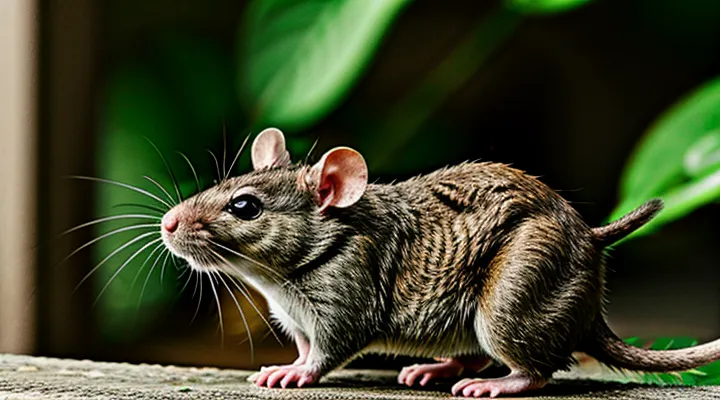
Introduction to Rats
A Brief History with Humans
Wild Origins
Rats originated in the grasslands and scrub habitats of Central Asia, where the earliest known species, Rattus spp., evolved during the Miocene epoch. Fossil records indicate a diversification of murine rodents approximately 10–12 million years ago, coinciding with the expansion of open habitats and the development of seed‑eating adaptations.
Key points about their wild origins:
- Ancestral populations inhabited arid steppe regions, exploiting abundant seeds and insects.
- Climatic fluctuations during the Pleistocene prompted range expansions into temperate forests and tropical savannas.
- Genetic analyses trace modern commensal rats to two primary lineages: the black rat (Rattus rattus) from South Asia and the brown rat (Rattus norvegicus) from the Eurasian plains.
These evolutionary pathways equipped rats with high reproductive rates, omnivorous diets, and strong dispersal abilities, traits that later facilitated their spread into human settlements worldwide.
Domestication and Companionship
Rats have been domesticated for centuries, producing a lineage of animals that thrive in human households. Selective breeding emphasizes traits such as calm temperament, reduced aggression, and adaptability to indoor environments. These characteristics enable rats to serve as reliable companions, comparable to traditional pets in their capacity for social interaction and emotional responsiveness.
Key aspects of rat companionship include:
- Social structure: Rats form hierarchical groups; solitary confinement can lead to stress and health issues. Pairing or grouping rats mirrors their natural community dynamics.
- Communication: Vocalizations, scent marking, and body language convey needs and emotions. Owners who learn these signals can anticipate grooming, feeding, or medical requirements.
- Learning ability: Rats solve puzzles, navigate mazes, and respond to conditioning. Training reinforces trust and enriches mental stimulation.
- Lifespan: Average domestic rat lives 2–3 years, with proper nutrition and veterinary care extending longevity.
Health considerations remain critical. Regular veterinary examinations, balanced diets low in fat, and safe enclosure materials prevent common ailments such as respiratory infections and tumors. Hygiene protocols—daily cage cleaning, bedding replacement, and hand washing after handling—reduce zoonotic risk.
The bond between humans and domesticated rats reflects mutual benefit: owners receive companionship and behavioral enrichment, while rats gain protection, consistent resources, and social interaction. This reciprocal relationship underscores the legitimacy of rats as valid and rewarding pets.
Physical Characteristics
Size and Appearance
Common Species Differences
Rats comprise several species that exhibit distinct physical dimensions, preferred habitats, reproductive capacities, and disease vectors. Recognizing these variations is essential for accurate identification, effective control, and informed ecological research.
-
Norway rat (Rattus norvegicus)
-
Roof rat (Rattus rattus)
-
Black rat (Rattus rattus, subspecies)
-
Polynesian rat (Rattus exulans)
These species diverge in morphology, ecological niche, and reproductive strategy, influencing population dynamics and public‑health risk assessments. Accurate species identification guides targeted eradication measures and informs surveillance of rodent‑borne illnesses.
Fur and Tail Features
Rats possess a dense, coarse coat that serves multiple functional purposes. The fur consists of two layers: a soft undercoat providing insulation and a tougher outer guard hair that repels moisture and reduces abrasion. Pigmentation varies from brown and gray to black, with occasional white individuals resulting from genetic mutations. Seasonal shedding occurs in temperate regions, allowing rats to adapt to temperature fluctuations without compromising thermoregulation.
The tail, an extension of the vertebral column, exhibits distinctive structural features:
- Length typically equals or exceeds body length, enhancing balance during climbing and rapid locomotion.
- Skin is covered by a thin layer of hair, reducing heat loss while maintaining flexibility.
- Vascular network runs close to the surface, enabling precise temperature regulation through vasodilation and vasoconstriction.
- Muscular control permits subtle adjustments, supporting agile maneuvers on narrow surfaces.
Collectively, fur and tail adaptations contribute to the species’ resilience in diverse habitats, from urban sewers to agricultural fields.
Sensory Abilities
Exceptional Olfaction
Rats possess an olfactory system that rivals that of many carnivores. Their nasal epithelium contains approximately 1,200 functional odorant receptors, a count that exceeds the 1,000 receptors typical of dogs. This extensive receptor repertoire enables detection of volatile compounds at concentrations as low as 1 part per trillion, allowing rats to locate food, predators, and mates with remarkable precision.
Key characteristics of rat olfaction include:
- High receptor density: Each olfactory bulb processes signals from thousands of sensory neurons, providing rapid discrimination between similar scent molecules.
- Fast signal transduction: Neural responses occur within 50–100 ms after odor exposure, supporting quick behavioral adjustments.
- Broad chemical range: Rats respond to a spectrum of substances, from pheromones and amino acids to toxic industrial chemicals.
Ecological implications are evident in rat foraging strategies. The ability to identify grain stores from meters away reduces competition and enhances survival. In urban environments, rats exploit waste odors to locate abundant resources, contributing to their success as commensal species.
Human applications leverage this sensory prowess. Trained rats detect landmines, tuberculosis, and malaria parasites by recognizing specific odor signatures, achieving detection rates above 90 % in field trials. Their low cost, portability, and rapid training cycles make them valuable assets in public‑health and humanitarian efforts.
Acute Hearing
Rats possess an auditory system capable of detecting frequencies far beyond human limits. Their ear canal, proportionally large relative to body size, channels sound waves efficiently to the cochlea, where hair cells respond to frequencies up to 80 kHz. This range enables rats to perceive ultrasonic vocalizations used for social communication, predator avoidance, and environmental navigation.
Key characteristics of rat hearing include:
- Sensitivity to frequencies between 250 Hz and 80 kHz, with peak responsiveness around 20–30 kHz.
- Ability to localize sound sources within a few degrees, facilitated by independently movable pinnae.
- Rapid auditory processing, allowing discrimination of brief ultrasonic pulses as short as 5 ms.
Experimental data show that rats can detect sound pressure levels as low as 10 dB SPL at ultrasonic frequencies, indicating a threshold comparable to that of many nocturnal mammals. This acute auditory perception supports foraging in darkness, coordination of group behavior, and avoidance of aerial predators that emit high‑frequency sounds.
The combination of wide frequency range, low detection thresholds, and precise sound localization defines rats’ superior hearing capabilities, a critical factor in their adaptability to diverse habitats.
Limited Eyesight
Rats possess a visual system adapted for low‑light environments rather than sharp detail. Their eyes are relatively small, and the retinal structure contains a high proportion of rod cells, which detect motion and brightness but provide limited color discrimination and spatial resolution.
Key characteristics of rat vision include:
- Visual acuity equivalent to roughly 1 cycle/degree, far below that of humans.
- Dichromatic color perception, sensitive mainly to ultraviolet and green wavelengths.
- A wide field of view, approximately 300°, achieved by laterally positioned eyes, which sacrifices depth perception.
- Rapid adaptation to changes in illumination, allowing activity during dusk and night.
Limited eyesight influences rat behavior. Navigation relies heavily on whisker (vibrissae) input, olfactory cues, and auditory signals. Predation avoidance depends on detecting movement rather than identifying detailed shapes. Laboratory studies exploiting these sensory preferences often employ maze designs that emphasize tactile and scent markers over visual cues.
Behavior and Social Structure
Social Creatures
Colony Dynamics
Rats live in organized colonies that function as cooperative units. Each colony consists of a breeding pair, their offspring, and subordinate individuals that assist with nest maintenance and food acquisition.
Dominance hierarchies shape reproductive output. The alpha pair monopolizes breeding, while subordinate rats suppress their own fertility through social inhibition. This hierarchy stabilizes group size and reduces competition for mates.
Communication relies on pheromone trails, ultrasonic vocalizations, and tactile contact. Scent marks convey individual identity, reproductive status, and territorial boundaries, enabling rapid coordination without visual cues.
Colony resources are allocated through division of labor. Dedicated nest‑builders construct complex burrow systems, whereas foragers exploit diverse food sources and transport provisions back to the nest. This specialization maximizes efficiency and supports rapid population growth.
Key factors influencing colony dynamics:
- Population regulation: Birth rates, mortality, and dispersal events balance colony size.
- Disease transmission: High density facilitates pathogen spread, prompting behavioral immunity such as grooming.
- Environmental pressure: Food scarcity and predator presence trigger colony relocation or fragmentation.
Understanding these mechanisms provides a comprehensive picture of how rat societies maintain stability, adapt to changing conditions, and impact their ecosystems.
Communication Methods
Rats rely on a sophisticated array of signals to coordinate social behavior, locate resources, and avoid danger. Their communication repertoire includes auditory, olfactory, tactile, and visual components, each serving distinct functions.
Auditory signals consist of high‑frequency vocalizations that humans cannot hear without equipment. These squeaks and ultrasonic chirps convey alarm, aggression, or mating intent. Researchers have documented frequency ranges from 20 kHz to 80 kHz, allowing rapid transmission of information across dense environments.
Olfactory cues dominate rat interactions. Specialized glands secrete pheromones that mark territories, indicate reproductive status, and reinforce hierarchical structures. Urine, glandular secretions, and fecal deposits create scent trails that other rats follow to locate food sources or avoid hostile individuals.
Tactile communication occurs through direct contact. Whisker brushing, body grooming, and nose‑to‑nose touches transmit reassurance, dominance, or submission. These physical exchanges are especially important during nest building and offspring care.
Visual signals complement other modalities. Body posture, tail movements, and facial expressions provide immediate feedback during confrontations or courtship. Rapid tail flicks may signal agitation, while a relaxed stance indicates confidence.
Key communication methods can be summarized as follows:
- Ultrasonic vocalizations for alarm and mating
- Pheromone‑based scent marking for territory and reproductive cues
- Direct tactile contact for social bonding and hierarchy
- Visual posture and tail gestures for immediate status display
Collectively, these mechanisms enable rats to maintain complex social networks, adapt to changing environments, and ensure survival across diverse habitats.
Intelligence and Problem-Solving
Maze Navigation
Rats excel at maze navigation, demonstrating rapid learning and precise spatial memory. Experiments reveal that they rely on whisker tactile feedback, olfactory cues, and visual landmarks to construct internal maps of complex pathways. When presented with a novel maze, rats typically reduce error rates by 30‑40 % after only a few trials, indicating efficient acquisition of procedural knowledge.
Key characteristics of rat maze performance include:
- Adaptive strategy selection – rats switch between trial‑and‑error, route‑learning, and shortcut formation based on reward distribution.
- Sensory integration – whisker deflection, scent trails, and low‑light vision combine to guide movement through confined passages.
- Neural correlates – hippocampal place cells fire in patterns that correspond to specific maze locations, supporting spatial representation.
- Memory retention – after a 24‑hour interval, rats recall previously learned routes with less than 10 % deviation, reflecting long‑term consolidation.
Laboratory data also show that environmental enrichment and moderate stress levels modulate navigation efficiency. Enriched housing increases exploration propensity, leading to faster maze acquisition, whereas chronic stress impairs spatial accuracy by disrupting hippocampal signaling.
Overall, rat maze navigation provides a robust model for studying learning, memory, and sensory processing, offering insights applicable to broader neurobiological research.
Learning Capabilities
Rats demonstrate rapid acquisition of new skills through trial‑and‑error, spatial navigation, and operant conditioning. Laboratory studies show that a single exposure to a novel maze can produce lasting performance improvements, indicating robust procedural memory.
Key learning capabilities include:
- Problem solving: Rats manipulate objects, select appropriate tools, and adjust strategies when faced with obstacles.
- Social learning: Individuals observe conspecifics and replicate successful behaviors, such as food retrieval techniques.
- Long‑term memory: After weeks of training, rats retain associations between cues and rewards, reflecting durable declarative memory.
- Adaptability: Exposure to changing environments triggers flexible behavioral modifications without extensive re‑training.
These attributes enable rats to excel in experimental paradigms, support ecological success, and provide valuable models for neuroscience research.
Nocturnal Habits
Foraging Strategies
Rats exhibit highly adaptable foraging behavior that maximizes energy intake while minimizing exposure to predators. Their strategies combine sensory acuity, social learning, and spatial memory.
- Opportunistic diet – Rats consume seeds, fruits, insects, carrion, and anthropogenic waste, shifting preferences based on seasonal availability.
- Scent tracking – Olfactory receptors detect chemical cues from food sources up to several meters away, guiding rapid movement toward profitable patches.
- Spatial caching – Individuals store surplus items in concealed locations, retrieving them later when resources become scarce.
- Social transmission – Juvenile rats observe conspecifics during feeding excursions, acquiring knowledge of safe routes and high‑yield sites.
- Temporal partitioning – Most foraging occurs during crepuscular and nocturnal periods, reducing competition with diurnal species and lowering predation risk.
- Route optimization – Repeated trips create mental maps of urban and rural environments, allowing rats to select the shortest, least‑exposed paths between nests and food caches.
These mechanisms enable rats to exploit diverse habitats, from sewers to grain fields, and sustain high reproductive rates across varied ecological contexts.
Shelter Building
Rats construct shelters that demonstrate remarkable engineering instincts. Their nests, commonly called burrows or shams, serve multiple purposes: protection from predators, temperature regulation, and storage of food. The structures reflect adaptive responses to varied environments, from urban basements to rural fields.
Key characteristics of rat shelter building:
- Material selection – Rats gather soft fibers, paper, insulation, and debris, creating compact layers that absorb moisture and provide insulation.
- Layered design – A typical nest consists of an outer barrier, a middle cushioning zone, and an inner chamber where the animal rests. This arrangement maintains a stable microclimate despite external fluctuations.
- Ventilation control – Small openings are left near the top of the burrow, allowing airflow while limiting entry points for predators.
- Expansion capability – As colonies grow, tunnels branch outward, forming a network that can accommodate additional members without compromising structural integrity.
Observations reveal that shelter size correlates with colony density: larger groups construct more extensive tunnel systems, sometimes reaching several meters in length. In colder regions, rats reinforce walls with additional debris, increasing thermal resistance by up to 30 %. Urban rats exploit human-made voids, such as wall cavities and pipe conduits, adapting their construction techniques to fit irregular spaces.
These building practices underscore rats’ capacity for complex problem solving and resource utilization, providing valuable insight into mammalian nest architecture and survival strategies.
Diet and Habitat
Omnivorous Nature
Preferred Foods
Rats exhibit distinct dietary preferences that reflect their omnivorous nature and adaptability to varied environments. In urban settings, they commonly consume grains, seeds, and processed foods, while in laboratory conditions their diet is carefully controlled to ensure nutritional balance.
Key food categories favored by rats include:
- Cereals and grains: wheat, oats, rice, and corn provide essential carbohydrates.
- Protein sources: cooked meat, fish, eggs, and insect larvae support growth and reproduction.
- Fruits and vegetables: apples, berries, carrots, and leafy greens supply vitamins and fiber.
- Dairy products: cheese, yogurt, and low‑fat milk offer calcium and additional protein.
- Nuts and seeds: peanuts, sunflower seeds, and almonds deliver healthy fats and micronutrients.
Rats also display opportunistic feeding behavior, readily ingesting waste, discarded food, and pet chow when available. Preference shifts toward high‑energy items during periods of rapid development or when environmental stress reduces food scarcity.
Adaptability in Diet
Rats demonstrate extraordinary dietary flexibility, allowing them to thrive in diverse environments. Their omnivorous palate accepts plant material, animal protein, and human-derived waste, enabling survival from rural fields to dense urban centers.
Key physiological traits support this adaptability:
- Highly developed incisors continuously grow, facilitating the consumption of hard substances such as seeds, nuts, and bone fragments.
- A robust digestive system processes carbohydrates, fats, and proteins with efficient enzymatic activity, reducing the need for specialized food sources.
- Acute sense of smell detects nutrient-rich items over long distances, guiding foraging behavior toward optimal meals.
Ecological consequences of this versatility include:
- Rapid colonization of new habitats, as rats can exploit any available food supply without dependence on specific crops.
- Increased competition with native species for limited resources, potentially altering local food webs.
- Enhanced disease transmission risk, because consumption of contaminated waste can harbor pathogens that spread to humans and other animals.
Overall, the capacity to adjust dietary intake underpins rats’ success as one of the most widespread mammalian groups on the planet.
Preferred Habitats
Urban Environments
Rats thrive in cities because compact structures provide abundant shelter, food sources, and pathways for movement. Their ability to exploit narrow gaps allows entry into basements, wall voids, and utility tunnels, creating extensive underground networks that connect residential, commercial, and industrial zones.
Urban rat populations exhibit high reproductive rates; a single female can produce up to seven litters annually, each containing up to twelve offspring. This rapid turnover sustains large colonies despite control efforts. Genetic studies show city-dwelling rats possess greater tolerance to toxins and lower stress responses than rural counterparts, reflecting adaptation to polluted environments and frequent human disturbance.
Key characteristics of rats in metropolitan settings include:
- Dietary flexibility: consumption of waste, pet food, grains, and even small insects.
- Disease vectors: carriers of pathogens such as Leptospira, hantavirus, and Salmonella; transmission occurs through contaminated surfaces, water, and aerosolized particles.
- Structural impact: gnawing on electrical cables, plumbing, and insulation leads to fire hazards, water damage, and increased maintenance costs.
- Social organization: colonies form hierarchical groups with dominant individuals, coordinated foraging routes, and shared nesting sites.
- Resilience to control measures: resistance to common rodenticides and ability to quickly recolonize cleared areas due to high mobility.
Effective management relies on integrated strategies: sealing entry points, reducing accessible food waste, employing targeted bait stations, and monitoring colony dynamics with motion sensors or camera traps. Continuous data collection enables adjustment of interventions to match seasonal population fluctuations and emerging resistance patterns.
Rural Settings
Rats thrive in agricultural landscapes where grain storage, livestock facilities, and open fields provide abundant food and shelter. Species such as the Norway rat (Rattus norvegicus) and the roof rat (Rattus rattus) dominate these environments, adapting to barns, silos, and hedgerows.
Their foraging habits influence crop yields and seed dispersal. By consuming stored grains, they reduce harvest quality; simultaneously, their movement spreads weed seeds and organic matter, altering plant community composition. Predators—including owls, foxes, and feral cats—depend on rat populations, linking rodent abundance to broader trophic dynamics.
Rats serve as reservoirs for pathogens that affect livestock and humans. Commonly transmitted agents include leptospira, hantavirus, and salmonella. Direct contact with contaminated droppings or indirect exposure through water sources raises infection risk for farm workers and nearby residents.
Effective management combines preventive and reactive strategies:
- Secure storage: seal grain bins, use metal containers, and maintain clean floors.
- Habitat modification: remove debris, trim vegetation near structures, and eliminate standing water.
- Biological control: encourage natural predators by installing nesting boxes for owls and perches for hawks.
- Trapping: deploy snap or live traps in high‑activity zones, rotate placement to prevent habituation.
- Chemical use: apply rodenticides according to integrated pest management guidelines, ensuring minimal impact on non‑target species.
Monitoring rat activity through regular inspections and tracking devices enables timely interventions, preserving crop integrity and protecting public health in rural settings.
Burrowing Habits
Rats construct extensive burrow systems that serve multiple survival functions. Tunnels provide shelter from predators, regulate temperature, and maintain humidity levels optimal for physiological processes. Burrowing activity also creates a network of chambers used for nesting, food storage, and waste segregation, reducing disease risk within the colony.
Key characteristics of rat burrowing behavior include:
- Depth variation: Soil depth ranges from a few centimeters in soft substrates to over a meter in compact earth, depending on species and environmental conditions.
- Architectural complexity: Primary tunnels branch into secondary passages, forming a labyrinth that facilitates efficient movement and escape routes.
- Seasonal adjustment: In colder months, rats deepen burrows to access stable thermal microclimates; during warmer periods, they expand shallow chambers to enhance ventilation.
- Social organization: Dominant individuals often occupy central chambers, while subordinate rats use peripheral tunnels for foraging excursions.
The engineering of these subterranean structures reflects rats' adaptability and contributes to their success in diverse habitats, from urban sewers to agricultural fields.
Reproduction and Life Cycle
Rapid Breeding
Gestation Period
Rats reproduce quickly, with a gestation period that typically lasts 21 to 23 days. This short developmental phase enables multiple litters each year, contributing to rapid population growth.
Key characteristics of the rat gestation period:
- Duration: 21–23 days for common laboratory and brown rats; slight variations occur in other species.
- Litter size: averages 6–12 pups, influenced by maternal health and environmental conditions.
- Developmental milestones: embryos develop functional organs by day 14; fur and whiskers appear around day 18.
- Factors affecting length: temperature, nutrition, and stress can shorten or extend the gestation by up to two days.
Understanding these parameters is essential for managing laboratory colonies, pest control programs, and ecological studies involving rodent reproduction.
Litter Size
Rats reproduce quickly, and litter size is a key factor in population dynamics. A typical brown rat (Rattus norvegicus) produces between 6 and 12 offspring per gestation, with an average of 8. Laboratory strains may yield slightly larger litters, reaching up to 14 pups under optimal conditions.
-
Species variation:
- Rattus rattus (black rat) averages 5–7 pups.
- Rattus norvegicus (brown rat) averages 6–12 pups.
- Exotic pet rats (e.g., fancy varieties) often fall within the 8–10 range.
-
Influencing factors:
- Nutrition: adequate protein and caloric intake increase litter size.
- Age: females reach peak fertility between 3 and 9 months, producing larger litters than younger or older individuals.
- Environmental stress: overcrowding, disease, or poor housing can reduce the number of viable pups.
Gestation lasts approximately 21–23 days, allowing multiple litters per year. In temperate climates, rats may have 5–7 litters annually, resulting in rapid exponential growth if unchecked. Understanding litter size assists in effective pest management and informs breeding programs for research and companion animals.
Development of Pups
Early Stages
Rats reach sexual maturity within five to six weeks, allowing rapid population turnover. Gestation lasts 21‑23 days, producing litters of two to twelve pups. Newborns are hairless, blind, and deaf; they depend entirely on maternal milk for nutrition and thermoregulation.
During the first week, pups gain body weight of approximately 10‑15 % daily. By day 10, incisor eruption begins, enabling the transition to solid food. Eye opening occurs around day 14, followed by auditory canal development at day 16. Motor coordination improves rapidly; by day 21, juveniles can navigate mazes and exhibit exploratory behavior.
Key developmental milestones:
- Day 0‑3: Reliance on maternal care; body temperature regulated by nest warmth.
- Day 4‑7: Initiation of fur growth; increased weight gain.
- Day 8‑14: Incisor emergence; first solid food intake.
- Day 15‑21: Sensory organ maturation; onset of independent locomotion.
- Week 4‑6: Weaning completed; social hierarchy formation within the litter.
Early-stage growth is characterized by exponential cellular proliferation, especially in the brain. Neurogenesis peaks during the first two weeks, establishing circuits for olfactory processing and spatial memory. Hormonal shifts, notably a rise in growth hormone and thyroid hormones, drive skeletal development and metabolic acceleration.
Understanding these initial phases provides essential context for rat biology, disease modeling, and pest management strategies.
Independence
Rats demonstrate remarkable self‑reliance in urban and rural environments. Individuals locate food, construct nests, and evade predators without dependence on conspecifics, enabling rapid colonization of new habitats.
Key aspects of rat independence include:
- Foraging autonomy: Rats identify and exploit diverse food sources, ranging from grain stores to discarded human waste, using keen olfactory and auditory cues.
- Nest construction: Each rat selects suitable materials—soft fibers, shredded paper, or natural debris—to build insulated burrows or hidden nests, often in concealed locations.
- Territorial maintenance: Rats patrol defined areas, marking boundaries with scent glands and urine, thereby reducing competition and ensuring exclusive access to resources.
- Problem‑solving ability: Rats navigate complex mazes and manipulate objects to obtain rewards, reflecting cognitive flexibility that supports solitary survival.
Physiological adaptations reinforce independence. Efficient metabolism allows rats to survive on intermittent meals, while robust immune responses mitigate disease exposure when isolated. Reproductive strategies also favor autonomy; females can conceive and raise litters without assistance, producing multiple offspring that quickly become self‑sufficient.
Overall, rat independence underpins their status as adaptable opportunists, capable of thriving in varied ecosystems without reliance on group structures. This self‑contained behavior contributes to their widespread distribution and resilience.
Lifespan Considerations
Wild vs. Captive
Rats thriving in natural habitats exhibit distinct physiological and behavioral patterns compared to those kept under human care. In the wild, they encounter fluctuating temperatures, variable food sources, and predation pressure, which shape their foraging strategies, social hierarchies, and disease resistance. Captive rats live in controlled environments with stable climate, consistent nutrition, and limited predator exposure, resulting in altered stress responses and reduced genetic diversity.
Key differences include:
- Dietary variety: Wild rats consume grains, insects, fruits, and carrion, while captive individuals receive formulated pellets or laboratory chow.
- Reproductive cycle: Seasonal breeding peaks occur in wild populations; captive rats often breed year‑round due to constant lighting and temperature.
- Lifespan: Average wild lifespan ranges from 12 to 18 months, whereas captive rats commonly reach 2 to 3 years because of veterinary care and reduced predation.
- Disease exposure: Wild rats encounter a broader spectrum of pathogens, fostering robust immune systems; captive rats experience fewer infections but may be vulnerable to specific laboratory‑associated agents.
Behavioral observations reveal that wild rats display heightened vigilance, extensive territorial marking, and complex burrow networks. Captive rats show increased grooming, reduced nocturnal activity, and reliance on human interaction for enrichment. Understanding these contrasts informs pest management, laboratory research, and conservation strategies, ensuring that conclusions drawn from captive studies accurately reflect natural rat ecology.
Rat Species Spotlight
Norway Rats («Rattus norvegicus»)
Key Traits
Rats exhibit a combination of physiological and behavioral characteristics that distinguish them from other rodents. Their compact bodies, ranging from 150 g to 500 g depending on species, support high metabolic rates and rapid growth. A single litter can contain up to twelve offspring, and females may reproduce every three to four weeks under favorable conditions, enabling swift population expansion.
- Intelligence: Rats solve complex mazes, learn to navigate obstacles, and adapt to new environments after minimal exposure. Their capacity for associative learning rivals that of some primates.
- Sensory acuity: Vibrissae (whiskers) detect minute air currents, while a keen sense of smell identifies food sources and predators. Vision is optimized for low‑light conditions, facilitating nocturnal activity.
- Social structure: Hierarchical groups form stable colonies with defined dominance patterns. Grooming and vocalizations maintain cohesion and reduce stress within the group.
- Physical resilience: Hardened incisors grow continuously, allowing constant gnawing without damage. Muscular forelimbs and flexible spines enable climbing, burrowing, and swimming.
- Disease vectors: Certain species carry pathogens such as Leptospira and hantavirus, transmitting them through urine, saliva, and feces. Their proximity to human habitats amplifies public‑health relevance.
These traits collectively contribute to rats’ adaptability across urban, agricultural, and wild ecosystems, underscoring their significance in ecological research and pest‑management strategies.
Global Distribution
Rats inhabit every continent except Antarctica, thriving in diverse habitats ranging from urban sewers to agricultural fields. The two most widespread species, the brown rat (Rattus norvegicus) and the black rat (Rattus rattus), dominate human‑influenced environments, while several native species persist in isolated ecosystems.
- North America: Brown rats dominate coastal cities; black rats are common in temperate regions and historic ports.
- South America: Both species are established in major metropolitan areas; brown rats also occupy rural farms.
- Europe: Black rats historically spread via maritime trade; brown rats now outnumber them in most urban centers.
- Africa: Black rats are prevalent along coastal trade routes; brown rats have expanded inland, especially in cities.
- Asia: Brown rats dominate densely populated regions; black rats are frequent in tropical zones and island archipelagos.
- Australia and Oceania: Brown rats are the primary invasive rodent; black rats are limited to some islands and older settlements.
Native rat species, such as the Australian swamp rat (Rattus lutreolus) and the Asian house rat (Rattus tanezumi), occupy specific ecological niches and rarely overlap with the invasive counterparts. Human activity—shipping, waste management, and urban expansion—continues to drive rat dispersal, establishing new populations in previously uncolonized locales.
Black Rats («Rattus rattus»)
Key Traits
Rats display a combination of physical, sensory, and behavioral characteristics that enable them to thrive in diverse environments. Their compact bodies, ranging from 15 to 30 cm in length, feature sharp incisors that continuously grow, allowing constant gnawing on tough materials. Flexible forelimbs and a highly developed tail provide balance and agility during climbing and swimming.
Key traits include:
- Enhanced senses: Vibrissae detect minute air currents; olfactory receptors number in the millions, facilitating food location and predator avoidance; hearing extends into ultrasonic frequencies.
- Cognitive abilities: Rats solve mazes, adapt to new tasks, and exhibit memory retention for weeks, demonstrating problem‑solving skills comparable to larger mammals.
- Social structure: Hierarchical colonies form with established dominance patterns; individuals communicate through ultrasonic vocalizations and scent marking.
- Reproductive efficiency: Females can produce up to 12 litters per year, each containing 5–10 offspring; gestation lasts approximately 21 days, ensuring rapid population growth.
- Environmental adaptability: Tolerance to temperature fluctuations, ability to subsist on varied diets, and resistance to certain toxins contribute to their global distribution.
These attributes collectively explain the species’ success across urban, rural, and wild habitats, underscoring their significance in ecological research and pest management.
Historical Impact
Rats have shaped human societies through multiple channels. Their presence triggered public health reforms, altered urban planning, advanced scientific methodology, and influenced cultural narratives.
- Disease transmission: The spread of Yersinia pestis during the 14th‑century pandemic forced the development of quarantine protocols and sanitary legislation. Subsequent outbreaks of leptospirosis and hantavirus reinforced the need for rodent control programs.
- Urban infrastructure: Persistent infestations motivated the design of sealed sewage systems, waste‑management standards, and building codes that limit rodent access. These measures reduced mortality rates and improved overall livability in dense cities.
- Scientific research: The domestication of the laboratory rat in the early 1900s provided a reproducible model for genetics, pharmacology, and neuroscience. Discoveries ranging from insulin synthesis to behavioral conditioning originated from experiments on this species.
- Economic impact: Grain loss estimates attribute up to 20 % of stored produce to rodent consumption in pre‑industrial economies. Modern storage facilities incorporate rodent‑proof technology to protect food security and trade profitability.
- Cultural symbolism: Literary and artistic depictions of rats have reflected societal attitudes toward disease, poverty, and resilience. These representations have informed moral teachings, folklore, and political allegory across continents.
Collectively, rat‑related phenomena have driven regulatory frameworks, technological innovations, and scientific breakthroughs, demonstrating the species’ enduring influence on human development.
Other Notable Species
Lesser Known Varieties
Rats exhibit a remarkable range of forms that extend far beyond the common laboratory or city pest. Among the most obscure are several wild species and specialized domesticated strains that illustrate the breadth of rodent diversification.
- African giant pouched rat (Cricetomys gambianus) – reaches lengths of up to 90 cm, possesses large cheek pouches for food storage, and is employed in scent‑detection work for explosives and tuberculosis.
- Himalayan field rat (Rattus nitidus) – inhabits high‑altitude grasslands of the Tibetan plateau, displays dense, insulating fur and a diet focused on alpine seeds and insects.
- Swamp rat (Rattus lutreolus) – native to Australian wetlands, shows semi‑aquatic adaptations such as webbed hind feet and a preference for aquatic vegetation.
- Narrow‑tailed rat (Stenocephalemys albipes) – found in East African montane forests, characterized by a slender tail and a preference for mossy understory habitats.
- Hairless fancy rat (Rattus norvegicus “hairless”) – a domesticated mutation lacking fur, prized in laboratory settings for ease of skin observation and in the pet trade for unique appearance.
- Dumbo rat – a breed with enlarged, low‑set ears that resemble the fictional character; the ear morphology provides increased auditory surface area.
- Rex rat – exhibits a velvety, curly coat due to a recessive gene affecting hair texture; the coat is softer than that of standard varieties.
- Midget rat – a dwarf line selectively bred for reduced body size, reaching adult weights under 80 g while retaining typical rat physiology.
These lesser known varieties demonstrate ecological specialization in wild populations and targeted morphological changes in captive breeding programs. Their existence expands the scientific understanding of rodent adaptation, genetics, and potential applications in research and conservation.
Rats in Culture and Science
Cultural Symbolism
Mythology and Folklore
Rats have occupied a prominent position in the mythic imagination of many cultures, serving as symbols of cunning, fertility, and transformation. Ancient Egyptian texts depict the rat as a divine messenger, linking it to the goddess Wadjet, who guarded the pharaohs. In Hindu tradition, the deity Ganesha rides a mouse, emphasizing the animal’s role as a conduit between the material and spiritual realms.
East Asian folklore frequently associates rats with prosperity. Chinese New Year legends describe the rat as the first of the zodiac’s twelve animals, rewarded for its cleverness in reaching the Jade Emperor first. Japanese tales recount the “Rat-Dragon” legend, in which a rat’s perseverance enables it to ascend to draconic form, illustrating the theme of metamorphosis.
European medieval narratives often portray rats as harbingers of disease and moral decay. The “Black Death” stories attribute the spread of plague to rat infestations, reinforcing a cautionary motif about unchecked greed and impurity.
Key mythic motifs involving rats include:
- Cleverness: Rats outwit larger predators or gods, exemplified by Aesop’s fable of the rat and the lion.
- Fertility: Agricultural societies link rat abundance to successful harvests, reflecting a belief in reproductive vitality.
- Transformation: Legends from India to Scandinavia feature rats evolving into higher beings, underscoring the possibility of spiritual ascent.
Positive and Negative Perceptions
Rats are among the most extensively studied mammals, providing insight into disease mechanisms, behavioral ecology, and urban ecosystems. Their adaptability and physiological similarities to humans make them valuable research subjects, while their presence in human habitats generates diverse opinions.
Positive perceptions
- Effective disease‑model organisms for medical research
- High intelligence demonstrated by problem‑solving and social learning
- Ability to thrive in varied environments, indicating ecological resilience
- Popularity as companion animals for individuals seeking low‑maintenance pets
Negative perceptions
- Association with unsanitary conditions in densely populated areas
- Potential carriers of pathogens that affect public health
- Economic damage caused by crop consumption and structural gnawing
- Cultural stigma that leads to extermination campaigns and reduced conservation support
Public attitudes shape policy decisions, funding allocation, and community practices. Favorable views encourage scientific investment and responsible pet ownership, whereas adverse opinions drive pest‑control initiatives and legislative restrictions. Understanding both sides of the perception spectrum is essential for balanced management of rat populations and for maximizing their contributions to science and society.
Scientific Contributions
Research and Medical Advancements
Rats have long served as indispensable models for biomedical investigation. Their physiological similarity to humans enables precise replication of disease mechanisms, while their rapid breeding cycles accelerate experimental timelines.
Key contributions of rat research include:
- Development of insulin therapy after discovery of pancreatic function in diabetic rat models.
- Validation of antihypertensive drugs through controlled blood‑pressure studies in spontaneously hypertensive rats.
- Elucidation of neurodegenerative pathways using transgenic rat strains expressing human amyloid‑beta and tau proteins.
- Advancement of gene‑editing techniques, notably CRISPR‑Cas9, demonstrated in rat embryos to correct hereditary disorders.
- Refinement of organ‑on‑a‑chip platforms that integrate rat tissue for toxicity screening, reducing reliance on larger mammals.
Recent medical breakthroughs derived from rat studies encompass:
- Immunotherapy protocols for melanoma, optimized by monitoring tumor‑infiltrating lymphocytes in rat xenograft models.
- Novel antiviral candidates targeting RNA‑dependent RNA polymerase, screened using rat models of viral replication.
- Regenerative therapies employing induced pluripotent stem cells, evaluated for cardiac repair in rat heart‑failure models.
These achievements underscore the continued relevance of rat‑based research in translating laboratory findings into clinical practice, driving progress across endocrinology, cardiology, neurology, and infectious disease disciplines.
Space Exploration
Rats were the first mammals launched into orbit, providing essential data on how vertebrate bodies respond to microgravity. Their small size, rapid breeding cycle, and well‑understood genetics made them ideal subjects for early space missions. Data from these experiments clarified fluid redistribution, bone density loss, and muscle atrophy, informing the design of life‑support systems for human crews.
Key findings from rat‑based space research include:
- Cardiovascular adjustments: heart rate and blood pressure patterns altered during weightlessness, leading to improved cardiac monitoring protocols.
- Skeletal changes: significant reduction in trabecular bone volume, prompting development of countermeasures such as resistive exercise devices.
- Neurological effects: altered vestibular function and spatial orientation, influencing training regimens for astronaut balance control.
- Immune response: suppressed cytokine production detected, guiding vaccination strategies for long‑duration missions.
These results continue to shape mission planning, habitat construction, and health maintenance for astronauts venturing beyond low‑Earth orbit.
Common Misconceptions and Interesting Facts
Dispelling Myths
Cleanliness and Disease
Rats possess a highly developed grooming routine that reduces external parasites and limits skin infections. Each individual spends up to 15 percent of its active time cleaning fur, paws, and facial whiskers, using saliva and precise bite motions to remove debris. This behavior maintains a relatively clean exterior despite frequent exposure to waste and crowded habitats.
Grooming does not eliminate internal pathogen loads. Rats serve as reservoirs for numerous zoonotic agents, many of which survive in saliva, urine, feces, and ectoparasites. The most consequential diseases include:
- Leptospirosis – bacteria transmitted through contaminated water or soil.
- Hantavirus pulmonary syndrome – virus spread by inhalation of aerosolized droppings.
- Salmonellosis – bacteria present in fecal matter, capable of contaminating food.
- Lymphocytic choriomeningitis (LCM) – virus carried in urine and saliva.
- Plague – bacterium Yersinia pestis transmitted by fleas that feed on rats.
Pathogen transmission occurs when rats infiltrate human dwellings, food storage areas, or sewage systems. Direct contact with contaminated surfaces, ingestion of tainted food, or inhalation of aerosolized particles introduces pathogens into the human body. Additionally, ectoparasites such as fleas and mites acquire infections from rats and subsequently bite humans, extending the disease network.
Effective control relies on eliminating food sources, sealing entry points, and implementing rigorous sanitation protocols. Regular waste removal, sealed containers, and prompt disposal of dead rodents reduce exposure risk. Integrated pest management, combining traps, rodenticides, and habitat modification, curtails population density and limits disease propagation.
Understanding the balance between rat grooming efficiency and their capacity to harbor pathogens informs public‑health strategies and minimizes infection rates in urban and rural environments.
Intelligence Levels
Rats demonstrate cognitive abilities comparable to many mammals, supported by extensive laboratory research and field observations. Their neural architecture includes a highly developed neocortex, enabling complex problem‑solving and adaptive behavior.
Key indicators of rat intelligence include:
- Spatial navigation: Rats efficiently learn maze layouts and can recall routes after long intervals, relying on hippocampal mapping.
- Social learning: Individuals observe and imitate conspecifics to acquire foraging techniques and escape strategies.
- Tool use: Under experimental conditions, rats manipulate objects to obtain hidden food, indicating foresight and manipulation skills.
- Self‑recognition: Mirror‑test variations reveal that rats can discriminate between self‑generated and external stimuli, reflecting a degree of self‑awareness.
- Memory retention: Long‑term memory persists for months, allowing rats to retain information about food locations, predator cues, and environmental changes.
These findings confirm that rat cognition encompasses learning, memory, and social interaction at a level that challenges traditional assumptions about rodent intellect.
Fun and Surprising Facts
Unique Abilities
Rats possess a suite of physiological and behavioral traits that distinguish them from most other rodents. Their sensory and cognitive capacities enable survival in diverse environments and facilitate complex interactions with humans.
- Vibrissae precision – Whiskers detect minute air currents, allowing rats to navigate tight spaces and assess obstacles in complete darkness. The tactile feedback is processed in a cortical region specialized for spatial mapping, resulting in rapid adjustments to movement.
- Olfactory acuity – Nasal receptors can identify volatile compounds at concentrations as low as parts per trillion. This sensitivity supports food location, predator avoidance, and social communication through pheromonal signals.
- Auditory range – Hearing extends up to 90 kHz, well beyond human limits. High‑frequency detection alerts rats to subtle sounds such as rustling leaves or distant footsteps, triggering immediate escape or investigative behavior.
- Problem‑solving intelligence – Laboratory tests reveal the ability to learn maze patterns, manipulate levers, and remember solutions after weeks of inactivity. Rats demonstrate flexibility by altering strategies when conditions change.
- Regenerative dentition – Continuously growing incisors self‑sharpen through gnawing, preventing overgrowth. Enamel hardness and root structure maintain bite force sufficient to fracture hard materials, including concrete.
- Social empathy – Observational studies show rats respond to the distress of conspecifics by increasing grooming and offering assistance in tasks. This empathic response correlates with elevated oxytocin levels, indicating a neurochemical basis for cooperative behavior.
Collectively, these abilities illustrate the rat’s adaptation to urban, agricultural, and laboratory settings, underscoring its role as a resilient and versatile mammal.
Unsung Contributions
Rats have served as indispensable subjects in scientific investigations, yet many of their contributions remain under‑recognized. Their physiological similarity to humans enables precise modeling of complex biological processes, providing data that directly inform medical advances.
- Development of insulin therapy through rat pancreas studies
- Identification of antibiotics by testing efficacy on rat infections
- Elucidation of neural pathways via rat brain mapping
- Validation of genetic editing techniques using rat embryos
- Assessment of environmental toxins through rat bio‑accumulation tests
Historical research employing rats established foundational knowledge in endocrinology, immunology, and pharmacology. Early 20th‑century experiments revealed mechanisms of diabetes, while mid‑century studies clarified the action of penicillin and other antimicrobial agents.
Contemporary work continues to rely on rat models for emerging challenges. Rat genomes support the creation of disease‑specific strains, facilitating investigations of cancer, neurodegeneration, and metabolic disorders. Vaccine candidates undergo safety and efficacy trials in rats before human testing. Additionally, rats contribute to artificial intelligence research by providing behavioral data for training algorithms that simulate decision‑making processes.
Overall, rats generate critical empirical evidence that drives innovation across biomedical, environmental, and technological fields, underscoring their silent yet pivotal impact on scientific progress.