
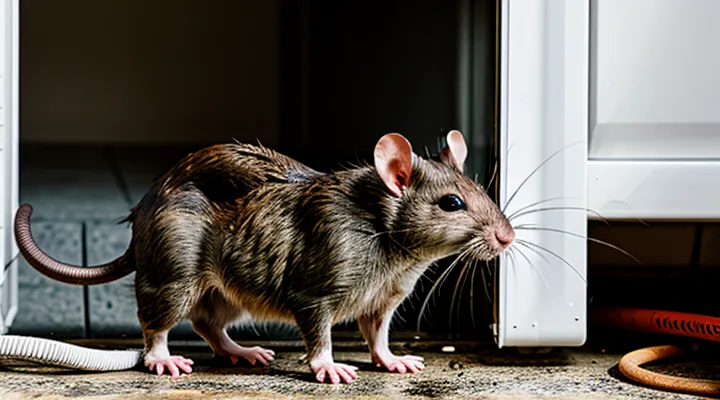
Understanding Rat Infestations
Common Signs of Rats
Droppings and Urine Trails
Droppings and urine trails constitute the primary evidence used by rodent control professionals to locate infestations, assess activity levels, and determine treatment zones. Fresh fecal pellets, typically ½‑inch long, dark brown to black, appear in clusters along walls, behind appliances, or near food sources. Their size and shape differentiate rats from mice, allowing technicians to target the correct species. Urine, invisible to the naked eye, leaves a distinct odor and may be detected with ultraviolet light or specialized detectors, revealing hidden travel routes and nesting sites.
Health hazards stem from pathogens carried in these excretions. Bacteria such as Leptospira and Salmonella, as well as hantavirus, survive for weeks in moist droppings and can aerosolize when disturbed. Professional exterminators therefore employ containment procedures—protective clothing, respirators, and wet‑mopping—to prevent airborne particles during inspection and removal.
Operational use of droppings and urine trails follows a systematic sequence:
- Inspection – Technicians survey suspected areas, collect samples, and map concentrations.
- Mapping – Data plotted on floor plans identifies high‑traffic corridors and potential entry points.
- Treatment planning – Bait stations, traps, and exclusion measures are placed along documented pathways.
- Sanitation – Contaminated materials are sealed, removed, or disinfected according to health regulations.
- Verification – Post‑treatment inspections confirm the absence of new droppings or urine stains before declaring the site cleared.
Accurate interpretation of excrement patterns enables precise deployment of control measures, reduces unnecessary pesticide use, and ensures compliance with public‑health standards.
Gnaw Marks and Damage
Rats leave distinctive gnaw marks that serve as primary evidence of infestation. These marks appear on wood, plastic, wiring, and insulation, reflecting the animal’s continuously growing incisors. The damage is not merely cosmetic; it compromises structural integrity, creates fire hazards, and facilitates disease transmission.
Extermination professionals evaluate gnaw evidence through a systematic approach:
- Identify the material type and assess depth of bite; deeper cuts indicate larger or more aggressive individuals.
- Map the pattern of gnawing to locate active pathways and nesting sites.
- Examine adjacent areas for secondary damage such as chewed cables or compromised sealants.
Typical consequences of rat gnawing include:
- Weakening of support beams and joists, leading to potential collapse.
- Exposed electrical conductors, increasing short‑circuit risk and possible fires.
- Breached insulation, reducing energy efficiency and allowing drafts.
- Damage to food containers and packaging, resulting in contamination.
Accurate interpretation of gnaw marks enables swift targeting of control measures, reduces repair costs, and prevents further property degradation.
Unusual Noises
Unusual noises often serve as the first indicator of a rat infestation, prompting professional rodent control interventions. Technicians rely on acoustic cues to locate active colonies, assess infestation severity, and prioritize treatment zones. Accurate interpretation of these sounds reduces inspection time and improves the efficiency of eradication measures.
Typical sounds associated with rat activity include:
- Scratching or gnawing on structural components such as beams, walls, and insulation.
- Scurrying or rapid footfalls within concealed spaces, especially at night.
- High‑pitched squeaking emitted during mating or distress.
- Rattling of objects moved by nesting rodents, for example, loose wires or stored items.
When unusual noises are reported, extermination teams follow a systematic protocol: they confirm the source through visual inspection or listening devices, map the affected area, select appropriate bait or trapping methods, and implement sanitation steps to eliminate attractants. Continuous monitoring of acoustic signals after treatment verifies the success of the operation and guides any necessary follow‑up actions.
Rat Sightings
Rat sightings serve as the primary trigger for pest‑control operations aimed at rodent removal. When a homeowner, business manager, or property inspector observes evidence such as droppings, gnaw marks, or live captures, the information is logged and forwarded to the service provider. Accurate reporting includes the location of the sighting, time of day, and any observable activity, enabling technicians to prioritize response and allocate resources efficiently.
The response workflow typically follows these steps:
- Initial assessment – A dispatcher reviews the report, verifies the severity, and schedules a field visit.
- Site inspection – A technician conducts a visual sweep, identifies entry points, and maps nesting zones.
- Treatment plan – Based on inspection data, the professional selects appropriate control methods (bait stations, traps, or exclusion measures) and determines placement density.
- Implementation – Devices are installed, monitored, and calibrated to target the identified population.
- Follow‑up – After a predefined interval, the team revisits the site to evaluate efficacy, replenish supplies, and adjust strategies if activity persists.
Consistent documentation of sightings improves trend analysis. Aggregated data reveal hotspots, seasonal spikes, and patterns linked to structural deficiencies. Service firms use this intelligence to refine preventive recommendations, such as sealing gaps, managing waste, and modifying landscaping, thereby reducing future rat appearances.
Health Risks Associated with Rats
Disease Transmission
Rodent control operations target disease vectors by eliminating populations that harbor pathogens. Professional exterminators locate infestations, assess structural vulnerabilities, and apply integrated pest management techniques to reduce rat numbers and prevent contact with humans.
The primary health risks associated with rats include:
- Leptospira spp., causing leptospirosis through contaminated urine.
- Salmonella enterica, transmitted via fecal material on surfaces and food.
- Hantavirus, spread by inhalation of aerosolized droppings.
- Yersinia pestis, the bacterium responsible for plague, carried in fleas that infest rodents.
- Rat‑borne viruses such as Lassa and Seoul, transferred through direct bite or exposure to contaminated secretions.
Control services mitigate these hazards by:
- Conducting thorough inspections to identify entry points and nesting sites.
- Sealing gaps, repairing utilities, and removing attractants that sustain rodent populations.
- Deploying bait stations, traps, and, when necessary, targeted rodenticides under regulated protocols.
- Providing post‑treatment monitoring to verify eradication and prevent re‑infestation.
By interrupting the life cycle of rats and limiting environmental contamination, extermination programs directly reduce the incidence of rodent‑borne diseases.
Allergenic Reactions
Allergic reactions are a frequent concern during professional rodent control procedures. Rat saliva, urine, dander, and fecal particles contain proteins that can trigger IgE‑mediated responses in sensitive individuals. Exposure may occur when rodents are trapped, when nests are disturbed, or when contaminated debris is removed.
Chemical agents employed to eliminate rodents—such as anticoagulant baits, rodenticides, and fumigants—introduce additional allergenic potential. Some formulations contain preservatives or solvents that act as irritants or sensitizers. Direct skin contact or inhalation of aerosolized particles can provoke dermatitis, rhinitis, or asthma attacks.
Mitigation strategies used by extermination teams include:
- Pre‑treatment assessment of client’s allergy history.
- Use of personal protective equipment (gloves, respirators, disposable coveralls) to prevent operator exposure.
- Containment of debris in sealed bags to limit airborne dispersal.
- Application of low‑odor, hypoallergenic bait matrices when feasible.
- Post‑treatment ventilation and thorough cleaning of affected areas.
Clients receive instructions to avoid entering treated zones until thorough decontamination is confirmed. Documentation of any adverse reactions is recorded to refine future protocols and ensure compliance with occupational health standards.
Contamination of Food and Surfaces
Rats introduce pathogens that directly compromise food safety and surface hygiene. Their urine, feces, and saliva deposit bacteria such as Salmonella, Leptospira, and Hantavirus on raw ingredients, prepared meals, and kitchen equipment. Contact with contaminated surfaces can transfer these agents to human handlers, increasing the risk of gastrointestinal and respiratory infections.
Effective rodent removal programs mitigate this threat by integrating sanitation measures with extermination tactics. Technicians assess infestation zones, identify high‑risk areas, and apply targeted baiting or trapping while preventing cross‑contamination. Post‑treatment protocols include thorough cleaning, disinfection, and verification of residual rodent activity.
Typical contamination routes include:
- Direct droppings on food storage containers or packaging.
- Urine trails on countertops, cutting boards, and utensils.
- Gnawed packaging that exposes food to airborne particles.
- Migration of pathogens from nesting material to adjacent work surfaces.
Factors Attracting Rats
Food Sources
Rat control operators prioritize eliminating accessible food because rodents will exploit any available nourishment to sustain populations and expand activity zones. Detecting and neutralizing these attractants reduces bait competition, limits reinfestation, and improves the efficacy of chemical or mechanical interventions.
Typical food attractants include:
- Residual crumbs and spills in commercial kitchens, warehouses, and food‑service areas.
- Improperly stored grains, cereals, pet food, and bulk dry goods.
- Open garbage containers, compost bins, and discarded packaging.
- Leaking pipes or condensation that creates damp environments for mold and insects, which in turn serve as secondary food sources.
Operators employ a systematic approach:
- Conduct visual inspections and use infrared or motion‑sensing devices to map rodent movement patterns and identify feeding hotspots.
- Perform swab tests and bait station checks to confirm the presence of food residues or rodent activity.
- Implement sanitation protocols: seal containers, install rodent‑proof lids, enforce daily cleaning schedules, and eliminate standing water.
- Apply exclusion techniques such as sealing cracks, installing door sweeps, and reinforcing walls to prevent entry into areas where food is stored.
By rigorously managing food availability, rat control services create an environment where rodent populations cannot thrive, allowing treatment measures to achieve lasting results.
Water Access
Water sources are primary attractants for rodents, making access control essential for effective rat management. Leaking pipes, dripping fixtures, and standing water in basements or crawl spaces provide the moisture rats need to survive and reproduce. Identifying and eliminating these sources reduces the likelihood of infestation and supports the overall success of removal efforts.
Professional pest control teams address water access through a systematic approach:
- Conduct a thorough inspection to locate hidden leaks, condensation, and damp areas.
- Repair faulty plumbing, replace worn seals, and install drip‑free fixtures.
- Install moisture‑resistant barriers such as vapor barriers or waterproof coatings in vulnerable zones.
- Ensure proper drainage around the building’s perimeter to prevent pooling.
By removing reliable water supplies, rats lose a critical resource, limiting their movement and breeding capacity. This strategy complements other control measures, such as bait placement and trapping, creating an environment where rodent populations cannot thrive.
Shelter and Harborage
Rats select shelter and harborage that provide protection from predators, weather, and human activity. Typical locations include wall voids, attic spaces, crawl spaces, under floorboards, and insulated pipe chases. These areas offer darkness, warmth, and easy access to food sources, allowing rodents to establish permanent colonies.
Professional pest control teams locate harborage by inspecting structural gaps, evaluating building plans, and using detection tools such as infrared cameras and motion sensors. Inspection focuses on identifying entry points, nesting material, and signs of activity like droppings, gnaw marks, and urine stains. Accurate detection guides targeted treatment and prevents unnecessary chemical application.
Elimination strategies combine exclusion, habitat modification, and baiting. Exclusion involves sealing cracks, installing metal flashing, and reinforcing doors and windows to block entry. Habitat modification reduces available shelter by removing debris, trimming vegetation, and maintaining proper ventilation. Bait stations are placed near identified harborage to deliver lethal doses directly to the resident population while minimizing exposure to non‑target species.
Continuous monitoring validates the effectiveness of interventions. Follow‑up inspections verify that harborage remains inaccessible and that rat activity has ceased. Documentation of findings and corrective actions supports long‑term prevention and compliance with health and safety regulations.
The Professional Extermination Process
Initial Assessment and Inspection
Identifying Entry Points
Identifying how rats gain access to a building is a prerequisite for any effective control program. Inspectors focus on structural vulnerabilities that allow rodents to bypass barriers and establish nests, because eliminating these pathways prevents reinfestation after treatment.
Typical entry points include:
- Gaps around utility penetrations such as pipes, cables, and vent ducts, especially where clearances exceed ¼ inch.
- Cracks in foundation walls, concrete slabs, and brickwork that create continuous openings from the exterior to interior spaces.
- Unsealed openings around doors, windows, and garage doors, including weatherstripping gaps and faulty hinges.
- Openings around drainage systems, including sewer lines, floor drains, and sump pits, when covers are missing or damaged.
- Roof penetrations for skylights, chimneys, and attic vents that lack proper flashing or mesh screens.
The inspection process follows a systematic approach: start at the building perimeter, trace potential pathways inward, use flashlights and mirrors to expose hidden cracks, and apply pressure sensors or smoke pencils to confirm rodent activity. Once identified, seal each opening with appropriate materials—steel wool, cement, expanding foam, or metal flashing—ensuring durability and resistance to chewing. After sealing, verify integrity through a secondary inspection before proceeding with extermination measures.
Locating Nesting Sites
Locating rat nesting sites is a prerequisite for effective eradication. Professionals begin with a systematic survey of the property to identify areas where rodents are likely to establish colonies.
- Visual inspection of walls, ceilings, and hidden spaces for gnaw marks, droppings, and urine stains.
- Placement of motion‑activated cameras to capture nocturnal activity.
- Use of bait stations equipped with tracking powder that adheres to fur and reveals movement paths.
- Deployment of infrared and thermal imaging devices to detect heat signatures within concealed cavities.
Inspection focuses on structural features that provide shelter: voids behind appliances, crawl spaces, attic insulation, and pipe penetrations. Engineers assess building plans to pinpoint potential entry points and map the interior layout, allowing targeted access to suspected nests.
Data collected during the survey informs a treatment plan. The plan specifies the exact locations for bait placement, traps, and exclusion measures, ensuring that interventions address the core of the infestation rather than peripheral symptoms.
Determining the Extent of Infestation
Accurate assessment of a rat problem determines the resources, techniques, and timeline required for effective removal. Inspectors begin with a systematic walkthrough of the premises, noting entry points, gnaw marks, droppings, and urine stains. Physical evidence is complemented by indirect indicators such as audible activity, disturbed nesting material, and the presence of live or dead rodents in traps.
- Visual inspection of building exterior and interior surfaces
- Placement of motion‑activated cameras to capture nocturnal movement
- Installation of temporary bait stations to monitor activity levels
- Collection of droppings for species identification and population density estimates
Data from these sources enable quantification of infestation severity. Low‑level situations exhibit isolated signs confined to a single area; medium‑level infestations show multiple clusters across several zones; high‑level cases present pervasive evidence throughout the structure, often accompanied by audible scurrying and frequent trap catches. Quantitative thresholds, such as droppings per square foot or trap captures per night, provide objective criteria for classification.
The resulting report outlines the infestation grade, maps hotspots, and recommends a tiered response plan. This plan aligns control measures—chemical baits, mechanical traps, exclusion work—with the documented scope, ensuring that every action addresses the specific level of rodent activity.
Tailored Treatment Plans
Integrated Pest Management (IPM) Principles
Integrated Pest Management (IPM) provides a structured framework for reducing rat populations while minimizing reliance on chemicals. The approach begins with systematic monitoring: traps, visual inspections, and remote sensors generate quantitative data on activity levels, entry points, and population trends. Accurate identification follows, distinguishing Rattus norvegicus from Rattus rattus to select appropriate control measures.
Prevention emphasizes habitat modification. Sealing gaps, managing waste, and eliminating water sources remove the conditions that attract rodents. Structural repairs and landscape adjustments create physical barriers that limit access to buildings and food supplies.
Control actions integrate multiple tactics. Mechanical methods—snap traps, live‑capture devices, and bait stations—address immediate infestations. Chemical interventions, such as rodenticides, are applied only after non‑chemical options prove insufficient and under strict dosage guidelines to protect non‑target species. Biological options, including predator encouragement, supplement the overall strategy where feasible.
Evaluation completes the cycle. Post‑treatment surveys compare new data with baseline figures, confirming reductions in activity and identifying residual hotspots. Continuous feedback refines monitoring protocols, ensuring long‑term effectiveness and compliance with regulatory standards.
Chemical Treatment Options
Chemical treatments form a core component of professional rat control operations. Practitioners select agents based on target species, infestation severity, and environmental constraints. Effectiveness hinges on proper formulation, dosage, and delivery method.
Common categories include:
- Anticoagulant baits, such as brodifacoum, bromadiolone, and difenacoum, which disrupt blood clotting after ingestion.
- Non‑anticoagulant rodenticides, for example, zinc phosphide and chlorophacinone, which cause rapid physiological failure.
- Insecticide‑based products, typically combined with attractants to increase uptake.
- Fumigants, including phosphine gas and sulfuryl fluoride, applied in sealed spaces to achieve complete eradication.
Application techniques range from hand‑placed bait stations to automated dispensers, each requiring precise placement to maximize contact while minimizing non‑target exposure. Operators calibrate bait density according to rodent activity patterns and use weather‑resistant containers to preserve potency.
Regulatory compliance demands adherence to federal and local pesticide statutes, mandatory labeling, and documented disposal of unused material. Monitoring post‑treatment rodent activity confirms success and informs any necessary follow‑up measures.
Non-Chemical Approaches
Rat control companies employ several non‑chemical tactics to reduce infestations while minimizing health risks. Physical barriers prevent rodents from entering structures; sealing gaps around pipes, vents, and foundations eliminates common entry points. Sanitation measures remove food and water sources, reducing attraction and supporting long‑term population decline.
Effective capture methods include:
- Snap traps calibrated for size and placement, delivering immediate mortality.
- Live‑catch traps designed for humane relocation, requiring regular monitoring and proper release protocols.
- Glue boards positioned in concealed pathways, providing a passive capture option.
Environmental manipulation complements trapping. Habitat modification reduces shelter availability by clearing debris, trimming vegetation, and maintaining clear zones around buildings. Ultrasonic emitters generate frequencies that deter activity, though efficacy varies with species and environmental conditions. Biological agents, such as predatory birds or feral cats, may be introduced in controlled settings to exert natural pressure on rat numbers.
Integrated application of these techniques yields measurable reduction in rodent activity without reliance on toxic substances. Continuous assessment, including trail monitoring and population surveys, guides adjustments to maintain effective control.
Extermination Methods Employed
Baiting Strategies
Effective rat control relies on precise bait deployment. Professionals select formulations that match species behavior, resistance patterns, and environmental constraints. Placement focuses on travel pathways, nesting sites, and food sources to maximize encounter rates while minimizing non‑target exposure.
Key baiting strategies include:
- Pre‑baiting – offering non‑toxic food for several days to condition rats to the bait station, then switching to toxic bait.
- Stationary stations – sealed containers positioned in concealed locations, preventing access by pets and children.
- Mobile stations – portable units moved regularly to disrupt habituation and cover larger areas.
- Targeted placement – positioning bait within 3 ft of walls, behind objects, or in attics where rats travel.
- Seasonal timing – increasing bait density during breeding cycles when populations expand rapidly.
Monitoring integrates tamper‑proof traps and visual inspections to confirm consumption and adjust dosage. Data from consumption rates guide subsequent applications, ensuring sustained reduction without overuse of chemicals.
Trapping Techniques
Professional rat control operators rely on trapping as a primary method for population reduction. Traps provide immediate removal, allow species identification, and generate data on activity patterns.
-
Live‑capture cages – Constructed from durable wire mesh, these devices immobilize rodents without injury. Placement near walls, in dark corners, or along known runways maximizes capture rates. Preferred baits include peanut butter, dried fruit, or commercial rodent attractants. Traps are inspected at least twice daily; captured rats are relocated according to local regulations or dispatched humanely on site.
-
Heavy‑duty snap traps – Engineered with calibrated spring tension to deliver rapid lethal force. Effective when set perpendicular to walls, with the trigger end facing the entry point. Sensitive triggers accommodate cautious rats; bait placement at the rear of the trigger plate reduces premature closures. Regular maintenance ensures spring integrity and prevents misfires.
-
Electronic kill devices – Powered by rechargeable batteries or mains electricity, these units emit a high‑voltage shock that instantly terminates the target. Sensors detect weight changes as small as 30 g, triggering the discharge. Data logs record each activation, assisting in mapping infestation hotspots. Devices are sealed to prevent secondary poisoning of non‑target species.
-
Adhesive boards – Coated with a strong, non‑toxic adhesive, these boards capture rats that traverse established pathways. They are most useful for monitoring low‑level activity rather than mass control, as prolonged confinement can cause distress. Placement should avoid areas frequented by pets or children.
Effective rodent management integrates multiple trapping modalities with sanitation, exclusion, and structural repairs. Continuous monitoring and timely trap servicing sustain pressure on the population, facilitating long‑term suppression.
Fumigation (When Applicable)
Fumigation serves as a specialized method for eliminating rats when conventional traps or baits cannot reach the full extent of an infestation. It involves the application of gaseous pesticides that penetrate concealed spaces, delivering lethal exposure throughout a building’s interior.
Use of fumigation is justified under specific conditions:
- Large, multi‑story structures where rodents occupy wall voids, attics, or crawl spaces.
- Situations where food‑handling areas require rapid, comprehensive eradication.
- Cases where previous control attempts have failed and the population density remains high.
The fumigation process follows a defined sequence:
- Inspection and mapping of infestation hotspots.
- Sealing of openings to contain the gas and prevent leakage.
- Introduction of the chosen fumigant, typically phosphine or hydrogen cyanide, under controlled temperature and humidity.
- Monitoring of gas concentration to maintain lethal levels for the required exposure period.
- Aeration and ventilation to disperse residual chemicals safely.
Safety protocols protect occupants and personnel:
- Evacuation of all non‑essential individuals from the premises.
- Use of personal protective equipment by technicians.
- Verification of gas clearance with calibrated detectors before re‑entry.
Post‑treatment verification includes visual inspection, placement of monitoring devices, and documentation of results. Successful completion confirms that the rat population has been eradicated and that the environment meets regulatory standards for occupancy.
Post-Extermination Procedures
Carcass Removal and Sanitation
Carcass removal is a critical component of effective rat control operations. Dead rodents attract scavengers, insects, and pathogens, creating health hazards that can quickly spread to humans and pets. Prompt removal eliminates these risks and prevents re‑infestation by removing a potential food source for surviving rats.
The removal process follows a standardized sequence:
- Site assessment – Trained technicians inspect the area to locate all carcasses, identify contamination zones, and evaluate structural damage.
- Containment – Access points are sealed and protective barriers are installed to prevent further rodent movement and to protect workers from exposure.
- Extraction – Carcasses are lifted using sealed containers or specialized tools that minimize contact and aerosolization of fluids.
- Disposal – Collected material is transported to an approved hazardous‑waste facility or incinerated according to local regulations.
- Sanitation – Surfaces are cleaned with EPA‑registered disinfectants, and porous materials such as insulation or drywall are removed if compromised.
- Verification – Post‑removal inspections confirm that no residual debris or biohazard remains, and a written report documents the completed work.
Sanitation extends beyond the immediate removal site. Technicians apply disinfectants to adjacent floors, walls, and ventilation ducts, and they may employ UV‑light or ozone treatments to neutralize lingering microorganisms. Final decontamination ensures that the environment meets health‑code standards and reduces the likelihood of future rat activity.
Exclusion and Proofing Measures
Effective rodent control begins with exclusion and proofing. Professionals assess building layouts, identify entry points, and implement barriers that prevent rats from accessing interior spaces. Structural modifications include sealing cracks, installing metal flashings, and fitting tight-fitting door sweeps.
Material selection follows industry standards: stainless steel mesh for vents, cement‑based sealants for foundation gaps, and reinforced concrete for utility openings. All installations are inspected for durability and compliance with local health regulations.
Key proofing actions:
- Install hardware‑grade steel plates over pipe penetrations.
- Apply silicone‑based caulk to gaps around windows and doors.
- Fit latch‑secured screens on ventilation ducts.
- Replace deteriorated roofing underlayment with rodent‑resistant sheeting.
- Conduct a final walkthrough to verify that no gaps exceed ¼ inch.
These measures create a physical barrier that eliminates the need for repeated chemical interventions and reduces the likelihood of reinfestation.
Follow-up Inspections and Monitoring
Follow‑up inspections confirm that the initial treatment eliminated the target population and verify that no new activity has begun. Technicians return to the site after the recommended waiting period, typically 7‑14 days, to assess bait consumption, trap catches, and signs of activity such as droppings or gnaw marks.
During the visit, the crew:
- Inspects all previously treated zones and adjacent areas for fresh evidence of rats.
- Checks bait stations for depletion, replenishes when necessary, and records the amount used.
- Reviews trap performance, removes captured rodents, and resets or replaces devices.
- Employs electronic monitoring tools, such as motion‑activated cameras or infrared sensors, to detect nocturnal movement that may escape visual observation.
- Documents findings in a standardized report that includes photographs, measurements of activity levels, and recommendations for further action.
If residual activity is detected, the service provider adjusts the control plan. Adjustments may involve increasing bait density, adding additional traps, sealing newly identified entry points, or applying targeted rodenticide applications. The goal is to reduce the infestation index to zero and maintain that status.
Continuous monitoring extends beyond the immediate post‑treatment phase. Many providers schedule periodic checks—monthly for the first quarter, then quarterly for the remainder of the year. Remote sensors can transmit real‑time alerts to a central dashboard, enabling rapid response if activity resurfaces. Clients receive summary reports after each visit, outlining actions taken, current infestation metrics, and any preventive measures recommended for the property.
Effective follow‑up and monitoring create a feedback loop that validates the initial eradication effort, prevents re‑infestation, and supports long‑term rat management.
Choosing a Reputable Service
Licensing and Certifications
Industry Standards and Regulations
Industry standards for rodent control are defined by federal, state, and local authorities. The Environmental Protection Agency (EPA) regulates active ingredients in rodenticides through the Federal Insecticide, Fungicide, and Rodenticide Act (FIFRA). Compliance requires manufacturers to submit data on toxicity, environmental impact, and labeling; service providers must use only EPA‑approved products and follow label directions precisely.
Occupational safety is governed by the Occupational Safety and Health Administration (OSHA). Regulations mandate personal protective equipment, exposure monitoring, and training on hazardous material handling. Violations trigger penalties and may result in suspension of operating licenses.
Professional certifications reinforce best practices. Common credentials include:
- Certified Pest Management Professional (CPMP) – demonstrates mastery of Integrated Pest Management (IPM) principles.
- National Pest Management Association (NPMA) Certified Operator – requires documented training in safe pesticide application.
- State‑issued pest control licenses – often involve background checks, exam completion, and renewal every two to three years.
Integrated Pest Management guidelines shape service protocols. Core components are:
- Inspection and identification of species, activity levels, and entry points.
- Evaluation of structural conditions that support infestations.
- Selection of control methods that minimize chemical use, favoring traps, exclusion, and sanitation.
- Monitoring and documentation of treatment outcomes.
Record‑keeping obligations vary by jurisdiction but typically include:
- Date, location, and method of each application.
- Product name, concentration, and batch number.
- Safety data sheet reference.
- Client consent and notification of any restricted‑use pesticides.
Waste disposal follows Resource Conservation and Recovery Act (RCRA) provisions. Used bait stations, dead rodents, and contaminated materials must be placed in sealed containers and transferred to licensed disposal facilities. Improper disposal can attract additional pests and result in environmental fines.
Insurance requirements protect both operators and clients. General liability coverage addresses property damage and bodily injury claims; workers’ compensation covers employee injuries incurred during field operations.
Regulatory compliance is verified through periodic inspections conducted by health departments, agricultural agencies, or third‑party auditors. Non‑compliance may lead to fines, mandatory corrective actions, or revocation of operating privileges.
Adherence to these standards ensures consistent service quality, protects public health, and reduces legal exposure for pest‑control businesses.
Technician Qualifications
Technicians who perform rodent control must meet specific professional standards. Formal education typically includes a high school diploma or equivalent, followed by specialized training in pest‑management techniques. Certification programs, such as those offered by the National Pest Management Association (NPMA) or state licensing boards, verify competence in safe pesticide application, rodent biology, and integrated pest‑management (IPM) strategies.
Key qualifications include:
- Completion of an accredited pest‑management course covering identification, monitoring, and control methods.
- Valid state license or certification demonstrating adherence to local regulations.
- Training in the proper handling and disposal of rodenticides, ensuring compliance with environmental and health safety standards.
- Experience with inspection tools, such as traps, bait stations, and detection devices, to assess infestation levels accurately.
- Ongoing education to stay current with emerging control technologies and regulatory changes.
Employers often require background checks and documented proof of liability insurance, which protects both the technician and the client. Physical fitness and the ability to work in confined or elevated spaces are also essential, given the nature of inspection and trap placement tasks.
Experience and Reputation
Client Testimonials and Reviews
Client testimonials provide concrete insight into the effectiveness of rat control operations. Reviews frequently reference the speed of response, the thoroughness of inspection, and the durability of the eradication methods employed. Positive feedback often highlights the technicians’ ability to identify entry points, implement targeted baiting, and verify complete removal through follow‑up visits.
Typical comments include:
- Immediate scheduling after the initial call, with a technician on site within 24 hours.
- Detailed explanation of the infestation level, including visual evidence and risk assessment.
- Use of integrated pest‑management techniques that combine trapping, bait placement, and structural sealing.
- Documentation of post‑treatment monitoring, confirming no further activity for a minimum of 30 days.
- Professional conduct, including safety precautions and clear communication throughout the service.
Negative reviews tend to focus on delayed appointments, insufficient inspection coverage, or reliance on a single method without verification. Consistent patterns in the feedback enable service providers to refine protocols, improve client communication, and maintain high standards of rat eradication performance.
Case Studies and Success Rates
Effective rat control programs rely on documented outcomes. Analyzing real‑world projects reveals patterns that guide service providers toward reliable results.
-
A downtown restaurant chain faced a 30‑square‑meter infestation. Technicians applied a combination of bait stations and targeted trapping, followed by a three‑month monitoring phase. The establishment reported zero rat sightings for six months post‑treatment, representing a 100 % eradication rate and a 0 % recurrence within the observation period.
-
A multi‑unit residential building experienced recurring activity in basement utility rooms. Operators implemented structural sealing of entry points, supplemented by rodenticide placement in concealed pathways. After a 45‑day intervention, pest reports dropped from an average of 12 incidents per week to none, yielding a 95 % success metric across the complex.
-
A municipal sewer district identified a surge of rodent activity along a 2‑kilometer conduit. Teams deployed ultrasonic deterrents and continuous baiting stations, coupled with weekly inspections. Data collected over four months indicated a 92 % reduction in captured rats, with only isolated reappearances detected during the final audit.
Aggregated industry data show an average success rate of 93 % for comprehensive rat control operations. Typical timelines for complete elimination range from three to six weeks, depending on infestation size and environment complexity. Repeat infestation rates remain below 5 % when integrated monitoring and preventive maintenance are maintained.
Safety Protocols
Pet and Child Safety Measures
Pet and child safety is a primary concern during rodent control operations. Professionals must prevent accidental exposure to toxic substances, traps, and equipment that could cause injury or illness.
Potential hazards include:
- Bait containing anticoagulants or bromadiolone, which can be ingested by pets or children.
- Snap or live traps that may be triggered unintentionally.
- Chemical foggers or sprays that leave residues on surfaces.
- Dislodged debris from nests that may contain pathogens.
To mitigate these risks, exterminators follow strict protocols:
- Containment – Seal the treatment area with plastic sheeting or temporary barriers; restrict access for non‑authorized persons.
- Child‑proof storage – Keep all baits and chemicals in locked cabinets, out of reach of children and animals.
- Pet exclusion – Remove pets from the premises or confine them in a separate, well‑ventilated room during application.
- Labeling and signage – Place clear warnings at entry points, indicating ongoing rodent control work and required precautions.
- Low‑toxicity products – Prefer bait formulations with reduced secondary poisoning potential; use integrated pest management techniques that limit chemical reliance.
- Post‑treatment verification – Conduct a walkthrough to ensure no bait remnants, trap components, or hazardous debris remain accessible.
- Education – Provide owners with written instructions on safe handling of any remaining products, proper disposal of traps, and signs of accidental exposure.
Adherence to these measures protects vulnerable household members while maintaining the effectiveness of rat removal services.
Environmental Considerations
Rodent control operations intersect with ecological stability, requiring careful assessment of chemical, physical, and biological interventions.
Professional services often rely on anticoagulant rodenticides such as brodifacoum or bromadiolone. These compounds persist in soil and water, posing risks to non‑target wildlife and contaminating groundwater. Regulatory frameworks limit application rates, mandate buffer zones around water sources, and require label‑compliant disposal of excess product.
Integrated pest management (IPM) reduces reliance on toxins. Core components include:
- Regular inspection to identify entry points and activity signs.
- Sanitation measures that eliminate food and shelter.
- Installation of steel‑mesh screens, sealants, and door sweeps.
- Targeted trapping to remove individuals without chemical exposure.
Proper handling of carcasses and bait containers prevents secondary poisoning. Protocols call for double‑bagging, labeling as biohazard, and transport to licensed waste facilities. Composting is prohibited for poisoned rodents to avoid contaminant spread.
Emerging control methods present lower ecological footprints. Ultrasonic emitters emit frequencies that deter rodents without chemicals, though efficacy varies. Mechanical traps—snap, electric, or multi‑capture—offer immediate removal and reusable operation. Biological agents, such as predatory birds or feral cat programs, introduce natural predation but require habitat management to avoid unintended impacts.
Compliance documentation supports environmental accountability. Service providers must retain application logs, material safety data sheets, and post‑treatment monitoring results for inspection by environmental agencies. Periodic impact assessments verify that control measures do not exceed permissible ecological thresholds.
Cost and Guarantees
Transparent Pricing
Transparent pricing in rodent control eliminates surprises for property owners. Companies begin with a written inspection report that lists observed infestation levels, entry points, and recommended treatment options. The report includes a fixed charge for the initial assessment, clearly separated from subsequent service fees.
A typical cost breakdown contains:
- Inspection fee (often waived when a service contract is signed)
- Initial treatment charge, calculated per square footage or per trap installation
- Follow‑up visit fee, usually a set amount for each additional visit required to confirm eradication
- Materials cost, itemized for baits, traps, or sealing products
- Warranty or guarantee fee, optional and described with explicit conditions
Pricing factors are limited to measurable variables: property size, severity of infestation, access difficulty, and local regulatory requirements. Companies disclose these variables in the estimate, allowing owners to compare offers without hidden surcharges.
Most providers present the estimate in a printable PDF or electronic format, signed by both parties before work commences. The document specifies payment terms, acceptable methods, and the schedule for invoicing. Any deviation from the original scope triggers a supplemental quote, preventing unauthorized price increases.
Transparent pricing builds trust, reduces disputes, and ensures that budgeting for rat control aligns with the actual services delivered.
Service Warranties and Re-treatment Policies
Service warranties in rodent control define the duration and scope of protection offered after an initial extermination. A typical warranty covers all work performed by the technician, guarantees that the infestation will not return within a specified period, and outlines the conditions under which the provider must respond without additional charge.
Warranty periods usually range from 30 to 90 days, depending on the severity of the infestation and the treatment method employed. The agreement often requires the client to maintain a clean environment, seal entry points, and follow any post‑treatment instructions; failure to comply may void the warranty.
Re‑treatment policies describe how providers address recurrence during the warranty term. Common elements include:
- No‑cost follow‑up visits when traps or bait stations detect activity within the warranty window.
- Immediate re‑application of the same method if the initial approach proves ineffective.
- Switch to an alternative technique (e.g., from baits to trapping) if the original method fails to achieve control.
- Documentation of findings and a written report after each visit to verify compliance with the warranty.
Some companies extend the warranty for an additional fee, offering a longer protection window or unlimited re‑treatments. The contract typically specifies the maximum number of free re‑treatments and any associated travel or material costs beyond that limit.
Understanding the exact terms of the warranty and re‑treatment policy enables customers to assess the reliability of a pest‑control provider and ensures that the service delivers lasting results.