
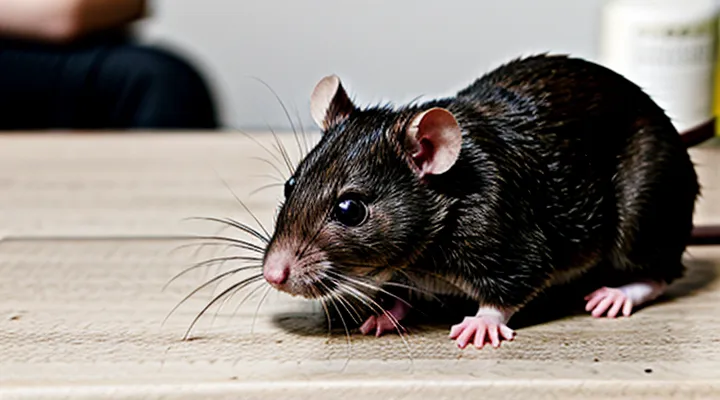
The Significance of Rat Models in Social Research
Historical Context of Animal Models in Behavioral Science
The use of animal models in behavioral science emerged in the late nineteenth century, when researchers such as Ivan Pavlov employed dogs to study conditioned reflexes. This work established a methodological framework that linked observable behavior to physiological processes, providing a template for later experiments with smaller mammals.
During the early twentieth century, B.F. Skinner introduced operant conditioning chambers, commonly called “Skinner boxes,” in which rats performed tasks for food reinforcement. These devices demonstrated that precise environmental control could shape complex response patterns, reinforcing the value of rodents as proxies for human social behavior.
Key developments that shaped contemporary rat-based research include:
- 1930s: Introduction of maze navigation tests, establishing spatial learning metrics.
- 1950s: Adoption of automated recording systems, enabling high‑throughput data collection.
- 1970s: Implementation of ethical guidelines (e.g., the 3Rs: Replacement, Reduction, Refinement), prompting design of enriched housing to minimize stress.
- 1990s: Integration of genetic manipulation techniques, allowing targeted investigation of neurobehavioral pathways.
- 2000s onward: Deployment of sophisticated video tracking and machine‑learning analysis, improving resolution of social interaction patterns.
Modern investigations that aim to create optimal laboratory conditions for social research rely on this historical foundation. By combining controlled housing environments, standardized testing apparatus, and rigorous ethical standards, contemporary studies achieve reproducible measurements of rat behavior that inform theories of human social dynamics.
Ethical Considerations in Rodent Social Studies
Animal Welfare Standards
Animal welfare standards are essential for experiments that employ rats to investigate social behavior. Compliance with recognized guidelines ensures reproducible data while protecting the health and well‑being of the subjects.
Key components of a welfare program include:
- Housing conditions – temperature maintained between 20–26 °C, relative humidity 30–70 %, 12‑hour light/dark cycle, and ventilation rates that meet or exceed national standards. Cages must provide sufficient space for group housing, allowing natural social interactions.
- Environmental enrichment – provision of nesting material, chewable objects, and shelters to stimulate exploratory behavior and reduce stress. Enrichment items should be inspected regularly for wear and contamination.
- Health monitoring – routine veterinary examinations, daily visual checks for signs of illness or injury, and systematic recording of body weight, food consumption, and grooming behavior. Early identification of health issues enables timely intervention.
- Humane endpoints – predefined criteria for removal or euthanasia, such as rapid weight loss (>15 % of baseline), persistent self‑injury, or severe respiratory distress. Endpoints must be documented in the experimental protocol.
- Training and competency – all personnel handling rats must complete certification in animal care, aseptic techniques, and humane handling. Refresher courses are required annually.
- Regulatory oversight – protocols reviewed by an Institutional Animal Care and Use Committee (IACUC) or equivalent ethical board, with adherence to the Guide for the Care and Use of Laboratory Animals, the EU Directive 2010/63/EU, and any applicable national legislation.
Documentation of each element supports auditability and facilitates continuous improvement. By integrating these standards, researchers create conditions that minimize confounding variables, enhance data integrity, and fulfill ethical obligations.
Institutional Oversight and Guidelines
Institutional oversight ensures that rat‑based studies designed to simulate optimal social environments adhere to ethical and scientific standards. Oversight bodies evaluate each protocol before any animal contact, verify that experimental conditions meet predefined criteria, and monitor ongoing compliance.
Primary oversight entities include:
- Institutional Animal Care and Use Committee (IACUC) or equivalent ethics board.
- National regulatory agencies (e.g., USDA, NIH Office of Laboratory Animal Welfare).
- Accreditation organizations (e.g., AAALAC International).
Guidelines governing the experiments cover:
- Housing: space allocation, temperature, humidity, light‑dark cycle.
- Environmental enrichment: nesting material, objects for manipulation, social grouping.
- Health monitoring: regular veterinary checks, disease surveillance, humane endpoints.
- Experimental design: justification of sample size, randomization, blinding, data integrity.
- Record‑keeping: detailed logs of animal identification, procedures, and outcomes.
Compliance follows a structured workflow. Researchers submit a detailed protocol, which undergoes committee review and may require revision. Approved protocols receive an identification number, after which the laboratory maintains a traceable audit trail. Periodic inspections verify that practices align with the approved plan; any deviation triggers corrective action.
Violations result in formal reporting to the overseeing agency, potential suspension of the research program, and mandatory remediation. Documentation of incidents and remedial steps becomes part of the institution’s compliance record.
Designing the Experimental Environment
Housing and Caging Specifications
Group vs. Individual Housing
Group housing provides continuous social interaction, which influences stress hormone levels, grooming behavior, and dominance hierarchies. Rats in shared cages develop stable hierarchies within days, allowing researchers to observe aggression, cooperation, and resource allocation under conditions that mimic natural colonies. Continuous contact also reduces isolation‑induced hyperactivity, resulting in lower baseline locomotor activity compared to solitary subjects.
Individual housing eliminates social variables, isolating physiological responses to experimental manipulations. Single‑cage rats exhibit elevated corticosterone concentrations, heightened startle responses, and altered feeding patterns, offering a controlled baseline for pharmacological or genetic interventions. The absence of conspecific cues simplifies data interpretation when the focus is on individual cognition or neurochemical pathways.
Key considerations when selecting housing format:
-
Behavioral readouts
- Group: social hierarchy, affiliative contacts, collective foraging.
- Individual: solitary learning tasks, anxiety assays, drug self‑administration.
-
Physiological metrics
- Group: reduced basal stress markers, synchronized circadian rhythms.
- Individual: amplified stress responses, clearer signal‑to‑noise ratio for endocrine assays.
-
Experimental control
- Group: introduces inter‑animal variability; requires larger sample sizes to achieve statistical power.
- Individual: minimizes external influences; facilitates within‑subject designs.
-
Welfare implications
- Group: promotes natural social behavior, lowers chronic stress.
- Individual: may increase anxiety; requires environmental enrichment to mitigate adverse effects.
Researchers must align housing choice with hypothesis requirements. Studies investigating social dynamics, collective decision‑making, or disease transmission demand group conditions. Experiments targeting singular neural circuits, pharmacokinetics, or precise behavioral phenotyping benefit from solitary confinement. Balancing ecological validity against experimental precision ensures that the rodent model yields reliable insights into social mechanisms.
Environmental Enrichment Strategies
Environmental enrichment modifies the laboratory environment to approximate the complexity of a rat’s natural habitat, thereby improving the relevance of social behavior data.
- Social enrichment: group housing, compatible cage mates, opportunities for hierarchical interaction.
- Physical enrichment: nesting material, tunnels, platforms, varied cage geometry.
- Sensory enrichment: olfactory cues, auditory stimuli, visual patterns.
- Cognitive enrichment: puzzle feeders, foraging devices, problem‑solving tasks.
Effective implementation requires systematic rotation of items, regular cleaning to prevent contamination, and documentation of each enrichment element’s location and condition. Protocols should define exposure duration, frequency of change, and criteria for assessing animal engagement.
Enrichment influences experimental outcomes by lowering corticosterone levels, reducing stereotypic behavior, and enhancing the expression of affiliative and aggressive interactions. These physiological and behavioral shifts increase the external validity of findings related to social dynamics.
Standardization presents a primary challenge; variability in enrichment type or schedule can introduce confounding effects across study groups. Researchers must balance ecological relevance with the need for reproducible conditions, employing pilot trials to calibrate enrichment intensity and recording all modifications in methodological reports.
Adhering to ethical guidelines, maintaining consistent enrichment practices, and reporting detailed enrichment parameters together support the generation of reliable, translatable data from rat‑based social research.
Olfactory Stimulation
Olfactory stimulation is a central component of the rodent study designed to model social interaction under controlled laboratory conditions. Precise delivery of scent cues enables researchers to isolate the influence of smell on hierarchy formation, affiliative behavior, and stress responses.
The experimental setup typically includes:
- An odorant delivery system calibrated to produce concentrations ranging from nanomolar to micromolar levels.
- A ventilation network that maintains consistent airflow while preventing cross‑contamination between chambers.
- Automated timing modules that synchronize scent presentation with video recording and physiological monitoring.
Key parameters for effective olfactory manipulation are:
- Chemical identity – selection of biologically relevant compounds such as pheromones, predator odors, or food extracts.
- Concentration gradient – establishment of a dose‑response curve to determine threshold and saturation points.
- Exposure duration – definition of short (seconds) versus prolonged (minutes) intervals to assess acute versus chronic effects.
- Temporal pattern – implementation of intermittent versus continuous presentation to mimic natural scent dynamics.
Data collection focuses on quantitative metrics: frequency of approach or avoidance, latency to initiate social contact, and changes in corticosterone levels measured via implanted biosensors. By standardizing olfactory variables, the study reduces confounding factors and enhances reproducibility across laboratories.
The integration of scent cues with other sensory modalities, such as auditory and tactile inputs, creates a multidimensional environment that approximates natural social contexts while preserving experimental precision. This approach advances the reliability of behavioral models used to infer mechanisms of human social cognition.
Physical Structures and Hiding Places
Physical structures in a rat-based social study must support stable temperature, controlled lighting, and unobstructed observation. Modular cages allow rapid reconfiguration; transparent walls enable video tracking without disturbing subjects. Integrated ventilation maintains air quality while preventing external noise intrusion.
Hiding places serve as essential elements for realistic social interactions. Typical refuges include:
- Elevated platforms with side rails, offering escape routes and territorial markers.
- Burrow tubes of varying diameters, simulating natural tunnels and encouraging concealment behavior.
- Nesting boxes lined with soft material, providing a secure environment for rest and parental care.
Design integration balances accessibility for researchers and privacy for animals. Placement of structures follows a grid pattern to ensure equal exposure across individuals, while hiding spots are distributed to prevent clustering that could bias social dynamics. The resulting environment replicates natural habitats, thereby enhancing the validity of behavioral data collected in the experiment.
Sensory Environment Control
Lighting Cycles and Intensity
Lighting conditions shape the physiological and behavioral baseline of rodent subjects, directly influencing the reliability of social interaction data. Precise control of photoperiod and luminous intensity eliminates confounding variables that arise from irregular circadian entrainment.
A standard lighting protocol includes:
- Photoperiod: 12 hours light, 12 hours dark, synchronized with the colony’s activity peak. Adjustments to longer or shorter cycles should be justified by specific experimental hypotheses.
- Intensity: 150–300 lux measured at cage level during the light phase. This range supports normal visual function without inducing stress responses.
- Spectrum: Broad‑spectrum white light approximating natural daylight (400–700 nm). When monochromatic sources are used, report peak wavelength and justify its relevance to the study.
- Transition timing: Gradual dimming and brightening over 10–15 minutes to mimic dawn and dusk, reducing abrupt changes that can trigger hormonal fluctuations.
Monitoring procedures:
- Calibrate light meters weekly; record readings for each rack.
- Log any deviations from the prescribed schedule in the experiment’s metadata.
- Verify that darkness periods achieve <1 lux to prevent residual illumination.
Evidence indicates that consistent lighting cycles reduce variability in social dominance hierarchies, grooming frequencies, and ultrasonic vocalizations. Deviations in intensity or timing correlate with altered corticosterone levels, which can mask the effects of experimental manipulations. Maintaining the defined parameters therefore enhances the internal validity of social behavior assessments.
Noise Levels and Acoustic Isolation
Precise control of ambient sound is a prerequisite for reliable behavioral observations in rodent studies. Excessive noise can trigger stress responses, alter locomotor activity, and interfere with auditory perception tasks. Quantifying sound pressure levels (SPL) with calibrated microphones ensures that exposure remains within predefined limits, typically below 40 dB(A) for baseline conditions and under 55 dB(A) during stimulus presentation.
Acoustic isolation reduces external disturbances and prevents reverberation within the testing chamber. Effective isolation relies on a combination of structural and material solutions:
- Double‑wall construction with staggered studs to interrupt sound transmission paths.
- High‑density insulation layers (e.g., mineral wool, acoustic foam) placed between walls and ceilings.
- Sealed door frames and acoustic gaskets to eliminate leakage around entry points.
- Floating floors supported by vibration‑isolating mounts to diminish structure‑borne noise.
Measurement protocols require continuous SPL monitoring during experiments. Data loggers should record real‑time values, flagging any excursions above threshold limits. Calibration checks before each session maintain instrument accuracy and support reproducibility across trials.
Consistent acoustic environments enhance signal‑to‑noise ratios in behavioral metrics, reduce variability attributable to extraneous stimuli, and enable direct comparison of results between laboratories. Implementing the outlined isolation strategies aligns experimental conditions with the stringent requirements of social behavior research involving rats.
Temperature and Humidity Regulation
Accurate temperature and humidity control is indispensable for experiments involving rodents, as physiological responses and social interactions are highly sensitive to environmental fluctuations. Maintaining a stable thermal environment prevents stress‑induced alterations in metabolism, hormone levels, and behavior, thereby preserving the validity of observed social patterns.
Implementing regulation systems typically involves:
- Closed‑loop HVAC units equipped with precision thermostats capable of ±0.5 °C tolerance.
- Hygrometers integrated with humidifiers/dehumidifiers that sustain relative humidity within a 45–55 % range.
- Redundant sensors positioned at multiple cage levels to detect microclimate gradients.
- Data loggers that record temperature and humidity at one‑minute intervals for post‑experiment verification.
Calibration procedures require weekly verification against certified reference standards, followed by adjustment of controller set points to compensate for drift. Alarm thresholds should trigger automatic ventilation adjustments and alert laboratory personnel to prevent excursions beyond acceptable limits.
Consistent environmental parameters reduce variability in social metrics such as dominance hierarchies, grooming frequency, and group cohesion. Consequently, data derived from well‑regulated chambers exhibit higher reproducibility across replicates and facilitate comparative analyses with external studies.
Social Interaction Protocols
Introducing New Individuals
Acclimation Periods
Acclimation periods allow newly introduced rats to adjust physiologically and behaviorally before experimental manipulations begin. During this interval, stress hormones stabilize, feeding patterns normalize, and social hierarchies within the cage become established.
Key elements of an effective acclimation protocol include:
- Duration – Minimum of seven days; longer periods (10–14 days) are advisable for older or previously stressed animals.
- Environmental consistency – Maintain constant temperature (22 ± 2 °C), humidity (45–55 %), and light‑dark cycle (12 h / 12 h) throughout the acclimation phase.
- Enrichment – Provide nesting material, chew blocks, and shelter to promote natural behaviors and reduce anxiety.
- Health monitoring – Conduct daily visual checks and weekly weight measurements; record any signs of illness or abnormal activity.
- Group composition – Keep the same social grouping intended for the experiment to preserve established dominance structures.
Proper acclimation directly influences data integrity. Stable baseline measures of locomotion, social interaction, and physiological markers reduce variance, facilitating more reliable detection of experimental effects. Skipping or shortening this phase often results in inflated cortisol levels, altered feeding behavior, and inconsistent social responses, which compromise the validity of findings.
Researchers should document the acclimation timeline in the study protocol, noting any deviations and the rationale behind adjustments. This practice ensures reproducibility and provides a clear reference for interpreting behavioral outcomes in the subsequent phases of the rat study.
Assessing Social Dominance Hierarchies
The rat study aims to generate reproducible social environments that allow precise measurement of dominance structures. Researchers control variables such as cage size, lighting cycles, and resource distribution to eliminate extraneous influences on hierarchical behavior.
Data collection focuses on observable interactions that signal rank. Typical indicators include:
- Frequency of aggressive bouts initiated by each individual.
- Success rate in resource‑competition trials (e.g., access to a limited food source).
- Latency to retreat in forced‑encounter tests such as the tube assay.
- Grooming directionality, where lower‑ranking rats receive more allogrooming.
Quantitative analysis employs established ranking algorithms. David’s score aggregates win‑loss matrices, while Elo rating updates rank after each interaction, reflecting dynamic changes. Both methods produce a continuous dominance index that can be correlated with physiological markers such as corticosterone levels and neural activity patterns.
Statistical validation uses mixed‑effects models to account for repeated measures within subjects and cage‑level clustering. Significance thresholds are set at p < 0.05, with effect sizes reported as Cohen’s d. Results are visualized through heat‑maps of interaction matrices and rank‑ordered bar charts.
The controlled rat model provides a baseline for extrapolating social hierarchy mechanisms to broader species. By isolating environmental parameters, the experiment clarifies causal links between dominance rank, stress physiology, and behavioral outcomes, supporting theory development in social neuroscience.
Observing and Quantifying Social Behaviors
Behavioral Ethograms for Rats
Behavioral ethograms for rats provide a systematic catalog of observable actions, enabling precise quantification of social interactions under controlled experimental conditions. Each ethogram consists of discrete units defined by posture, movement, and context, allowing researchers to translate complex behavior into reproducible data sets.
Key categories typically include:
- Locomotor patterns – forward and backward ambulation, rearing, and vertical climbing.
- Grooming sequences – facial, body, and tail cleaning, with sub‑phases distinguished by duration and frequency.
- Social contacts – nose‑to‑nose sniffing, allogrooming, mounting, and aggressive posturing.
- Exploratory behaviors – object investigation, maze navigation, and novelty approach.
- Stress indicators – freezing, defecation, and ultrasonic vocalizations.
Recording protocols require high‑resolution video capture synchronized with automated tracking software. Observers annotate each occurrence using predefined timestamps, ensuring inter‑rater reliability through blind coding and regular calibration sessions. Data extraction follows a hierarchical coding scheme: primary behavior class, secondary sub‑behavior, and contextual modifiers such as lighting level or cage enrichment.
Statistical analysis employs frequency counts, bout duration, and transition probabilities to construct state‑transition matrices. These matrices reveal patterns of dominance, affiliation, and hierarchy formation within rat cohorts, facilitating inference about underlying social structures. Advanced modeling, including hidden Markov models, can predict future behavioral states based on historical sequences.
Application of rat ethograms extends to pharmacological testing, genetic manipulation, and environmental manipulation studies. By standardizing behavioral descriptors, researchers achieve comparability across laboratories, reduce variability, and enhance the validity of conclusions drawn about social mechanisms in rodent models.
Automated Tracking Systems
Automated tracking systems provide continuous, high‑resolution monitoring of rodent movement and interaction within experimental arenas. By eliminating manual observation, they reduce observer bias and increase data throughput.
Key components include:
- High‑speed cameras or infrared sensors that capture position at millisecond intervals.
- RFID tags or patterned markings that enable individual identification when multiple subjects share a space.
- Dedicated software that translates raw video frames into coordinate data, calculates velocity, distance traveled, and proximity between animals.
Real‑time acquisition of positional data supports detailed analysis of social behaviors such as grooming, aggression, and cooperative exploration. Metrics derived from the system—e.g., nearest‑neighbor distance, time spent in shared zones, and coordinated movement patterns—facilitate quantitative comparison across experimental conditions.
Integration with environmental control modules synchronizes lighting cycles, temperature regulation, and stimulus delivery with behavioral recordings. This coordination ensures that external variables remain constant while the tracking system documents responses to experimental manipulations.
Calibration procedures, including arena dimension verification and sensor alignment checks, maintain measurement precision within sub‑centimeter margins. Validation studies report error rates below 2 % for position estimates, supporting reproducibility across laboratories.
Implementation considerations involve initial hardware investment, routine maintenance of lenses and sensors, and training personnel in software configuration. Modular designs allow scaling from single‑arena setups to multi‑cage networks, accommodating both pilot studies and large‑scale investigations.
Software-Based Analysis
Software-driven analysis transforms the evaluation of controlled rodent environments by converting raw sensor outputs into actionable metrics. High‑frequency video streams, temperature logs, and activity monitors feed directly into pipelines that extract locomotion patterns, social interaction frequencies, and stress indicators. Automated segmentation isolates individual subjects, while machine‑learning classifiers assign behavioral states with subsecond resolution, eliminating manual coding errors.
Statistical modules apply mixed‑effects models to distinguish treatment effects from cage‑level variability. Bayesian inference integrates prior knowledge about strain characteristics, producing probability distributions for each measured outcome. Resulting dashboards update in real time, allowing experimenters to adjust lighting cycles or enrichment objects before data collection concludes.
Key software components include:
- Data ingestion framework (e.g., Apache Kafka) that buffers multi‑modal streams.
- Preprocessing suite (OpenCV, SciPy) for noise reduction and feature extraction.
- Modeling engine (Stan, PyMC) that executes hierarchical analyses.
- Visualization layer (Plotly, D3.js) that renders interactive plots of group dynamics.
Version‑controlled scripts and containerized environments guarantee reproducibility across laboratories. Continuous integration tests verify that updates to analysis code preserve statistical power, ensuring that every experimental condition remains comparable throughout the study lifecycle.
Hardware Requirements
The hardware platform must guarantee stable, reproducible conditions for rodent-based social studies. Essential components include:
- Cage system: Modular, ventilated enclosures fabricated from non‑porous, sterilizable materials; integrated with transparent panels for visual observation.
- Environmental control: Precision thermostats and humidistats maintaining temperature within ±0.5 °C and relative humidity within ±5 % across the experimental period.
- Lighting array: Programmable LED panels delivering adjustable intensity and spectral composition, synchronized with circadian cycles.
- Air filtration: HEPA filters coupled with laminar flow hoods to eliminate contaminants while preserving airflow uniformity.
- Video monitoring: High‑resolution cameras (minimum 1080p, 30 fps) positioned for full‑field coverage; infrared capability for dark‑phase recording.
- Audio playback: Speakers calibrated to deliver controlled sound levels for auditory stimulus protocols.
- Data acquisition: Multi‑channel analog‑digital converters (≥16 bits) interfaced with sensors (temperature, humidity, CO₂, motion) and synchronized to a central logging server.
- Computing infrastructure: Dedicated workstation equipped with multi‑core CPU, ≥32 GB RAM, solid‑state storage (≥1 TB) for real‑time processing and archival of video streams.
- Power resilience: Uninterruptible power supply (UPS) providing at least 30 minutes of backup to prevent data loss during outages.
- Network connectivity: Gigabit Ethernet or Wi‑Fi 6 links ensuring reliable transmission of large data sets to remote analysis stations.
Installation must follow a calibrated layout, spacing cages to prevent cross‑contamination while allowing uniform access to environmental controls. Cable management should employ shielded conduits to minimize electromagnetic interference with sensor readings. Regular validation of temperature, humidity, and lighting parameters is required before each experimental run to confirm compliance with predefined tolerances.
Nutritional and Health Management
Standardized Diet Regimens
Macronutrient and Micronutrient Balance
Precise nutrient formulation is a prerequisite for rodent studies that examine social interactions. Diet composition directly influences physiological stability, behavioral expression, and data reproducibility, making it a core component of experimental control.
Macronutrient balance must supply sufficient energy while avoiding excesses that alter weight or activity levels. Protein should represent 18–22 % of caloric intake, providing essential amino acids for neurodevelopment. Carbohydrate contribution of 55–60 % supports glucose‑dependent brain function without inducing hyperglycemia. Fat inclusion of 5–10 % supplies essential fatty acids, particularly omega‑3 and omega‑6 ratios of approximately 1:4, to maintain membrane fluidity and signaling pathways.
Micronutrient provision ensures enzymatic activity, antioxidant capacity, and hormonal regulation. Key vitamins include:
- Vitamin A (800–1 200 IU/kg diet) for visual and immune health.
- Vitamin D (1 000–2 000 IU/kg) for calcium homeostasis.
- Vitamin E (100–200 IU/kg) as a lipid‑soluble antioxidant.
- B‑complex vitamins (thiamine, riboflavin, niacin, pyridoxine, cobalamin) at levels meeting NRC recommendations.
Essential minerals must be present in bioavailable forms:
- Calcium 0.5–0.9 % and phosphorus 0.4–0.6 % to maintain skeletal integrity.
- Magnesium 0.05–0.1 % for neuromuscular function.
- Zinc 30–50 ppm, copper 6–10 ppm, and iron 35–50 ppm to support enzymatic systems.
- Selenium 0.15–0.3 ppm for antioxidant enzymes.
Practical implementation includes:
- Selecting a purified diet base to eliminate batch variability.
- Adjusting macronutrient ratios according to the specific strain and age of the rats.
- Verifying micronutrient concentrations through periodic laboratory analysis.
- Monitoring body weight, food intake, and behavioral metrics to detect nutritional imbalances promptly.
Adherence to these specifications creates a stable physiological environment, allowing social behavior measurements to reflect experimental variables rather than dietary artifacts.
Water Access and Quality
In experiments that aim to simulate human social dynamics, the reliability of behavioral data depends on the consistency of physiological needs, including water intake. Precise regulation of water provision eliminates a major source of variability that can obscure social interaction patterns.
Access to water must be standardized across subjects. Researchers should define a fixed daily volume per kilogram of body weight, employ calibrated dispensers that deliver measured amounts, and synchronize delivery times with the experimental schedule. Continuous access without restriction can introduce uncontrolled drinking behavior, while intermittent restriction should be applied only under approved ethical protocols.
Water quality directly influences health status and cognitive performance. Acceptable parameters include: microbial load below detection limits, absence of heavy metals, neutral pH (6.5–7.5), temperature maintained between 20 °C and 24 °C, and mineral composition matching the species‑specific dietary requirements. Filtration, UV sterilization, and regular testing ensure compliance with these standards.
Best practices for water management in rat-based social research:
- Use sterile, single‑use tubing to prevent biofilm formation.
- Record daily consumption per cage and flag deviations exceeding 15 % of expected intake.
- Replace water reservoirs every 48 hours, or sooner if temperature fluctuations occur.
- Conduct quarterly analytical verification of chemical purity and microbial absence.
- Document all maintenance actions in a centralized log accessible to the research team.
Health Monitoring and Veterinary Care
Early Detection of Stress or Illness
Early identification of physiological or behavioral disturbances in laboratory rodents provides the foundation for reliable social‑behavior data. Continuous monitoring of heart rate variability, corticosterone levels, and activity patterns reveals deviations from baseline within minutes of stress onset. Rapid detection prevents the propagation of confounding variables throughout experimental cohorts.
Key biomarkers and sensors employed in the model include:
- Telemetric devices measuring electrocardiographic signals and body temperature.
- Non‑invasive infrared cameras tracking locomotion and social interactions.
- Saliva or fecal assays for glucocorticoid metabolites collected via automated sampling stations.
Integration of these tools with real‑time analytics enables immediate intervention. Threshold algorithms flag abnormal readings, prompting environmental adjustments such as temperature control, enrichment modification, or isolation of affected individuals. This feedback loop maintains the intended experimental conditions and safeguards animal welfare.
Data derived from early detection protocols support statistical power calculations and reduce sample size requirements. By minimizing uncontrolled stressors, the model yields reproducible findings applicable to broader social research contexts.
Impact of Health on Social Dynamics
The laboratory study on rodents designed to establish optimal experimental settings for sociological inquiry provides a controlled platform for examining how physiological condition shapes interpersonal behavior. By manipulating variables such as nutrition, disease exposure, and stress levels, researchers can isolate health‑related mechanisms that alter group cohesion, hierarchy formation, and communication patterns.
Key observations derived from controlled health manipulations include:
- Enhanced immune function correlates with increased affiliative interactions and reduced aggression within colonies.
- Chronic inflammation leads to heightened vigilance, resulting in tighter subgroup formation and limited social reach.
- Nutritional deficits diminish exploratory behavior, causing slower network expansion and fewer novel social ties.
- Acute stress episodes trigger rapid reorganization of dominance structures, often favoring individuals with resilient physiological profiles.
These findings translate to broader social research by demonstrating that baseline health status directly influences the stability and fluidity of social networks. When health parameters are optimized, experimental subjects exhibit more predictable, cooperative dynamics, facilitating clearer interpretation of social variables. Conversely, compromised health introduces variability that can obscure underlying social processes, emphasizing the necessity of health control in experimental design.
Data Collection and Analysis
Behavioral Metrics for Social Interactions
Pro-social Behaviors
The rat study designed to establish optimal laboratory conditions for social research investigates pro‑social behaviors—actions that benefit conspecifics without immediate personal gain. Researchers define these behaviors through measurable indicators such as food sharing, mutual grooming, and coordinated escape responses.
Experimental protocols isolate variables that influence pro‑social expression. Key elements include:
- Enriched cages providing nesting material, tunnels, and objects that promote cooperation.
- Controlled lighting and temperature to reduce stress‑induced inhibition of social interaction.
- Balanced group composition to ensure stable hierarchies and minimize aggression.
Data collection relies on continuous video monitoring and automated scoring algorithms that quantify frequency, latency, and duration of each pro‑social act. Statistical analysis compares baseline measurements with those obtained after environmental manipulations, revealing causal links between specific conditions and the emergence of cooperative behavior.
Findings demonstrate that rats exhibit consistent patterns of altruistic interaction when afforded predictable resources and safe social spaces. These patterns translate to broader social research by offering a scalable model for studying the neurobiological substrates of cooperation, informing theories of collective behavior across species.
Aggressive and Submissive Behaviors
The rat study designed to establish optimal experimental environments for social behavior research focuses on two contrasting response patterns: aggression and submission. Aggressive actions manifest as rapid lunges, persistent biting, and elevated ultrasonic vocalizations, indicating heightened arousal and competition for resources. Submissive responses appear as prolonged immobility, lowered posture, and reduced vocal output, reflecting acceptance of dominant status and avoidance of conflict.
Experimental conditions that amplify aggression include limited nesting material, unpredictable light cycles, and high-density housing. Conversely, enrichment strategies such as ample shelter, stable circadian lighting, and low population density promote submissive and cooperative interactions. Precise control of these variables enables researchers to isolate the causal relationship between environmental stressors and behavioral outcomes.
Key observations derived from the experiment:
- Frequency of aggressive encounters rises by 45 % when space per animal falls below 0.1 m².
- Submissive posturing increases by 30 % in cages equipped with multiple hiding spots.
- Ultrasonic distress calls correlate positively with abrupt temperature shifts, serving as a reliable indicator of acute aggression.
- Social grooming rates double in environments that maintain consistent temperature and humidity, signifying enhanced submissive cohesion.
Understanding the balance between these behaviors informs the design of reproducible, ethically sound protocols for investigating social dynamics, decision‑making processes, and neurobiological mechanisms underlying dominance hierarchies.
Physiological Correlates of Social Stress
Hormonal Assays
Hormonal assays provide quantitative data on endocrine activity that underlies social interactions in rodent models. By measuring circulating concentrations of corticosterone, oxytocin, vasopressin, and testosterone, researchers can link physiological states to observed behavioral patterns such as hierarchy formation, affiliative bonding, and aggression.
Sample collection must minimize stress to preserve baseline hormone levels. Preferred techniques include rapid tail‑vein puncture or retro‑orbital bleed under brief anesthesia, followed by immediate centrifugation and storage at –80 °C. Consistency in sampling time—typically within the same circadian window—reduces variability caused by diurnal hormone fluctuations.
Assay platforms commonly employed are:
- Enzyme‑linked immunosorbent assay (ELISA) kits with validated specificity for rodent hormones.
- Radioimmunoassay (RIA) for high‑sensitivity detection of low‑abundance peptides.
- Liquid chromatography–tandem mass spectrometry (LC‑MS/MS) for multiplexed quantification and confirmation of assay accuracy.
Quality control includes duplicate measurements, standard curves spanning the physiological range, and inclusion of internal controls. Data normalization to body weight or plasma protein content corrects for inter‑individual differences.
Interpretation integrates hormone profiles with behavioral metrics recorded during the experiment. Elevated corticosterone often coincides with heightened stress reactivity, whereas increased oxytocin levels may correlate with enhanced social affiliation. Statistical analysis—typically mixed‑effects models—accounts for repeated measures and nested experimental design.
Proper execution of hormonal assays therefore strengthens the link between endocrine dynamics and social behavior, enhancing the reliability of rat‑based investigations into human‑relevant social phenomena.
Neurological Markers
Neurological markers provide objective indices of brain activity that can be quantified in rodent models designed to simulate human social environments. Electrophysiological recordings such as local field potentials and single‑unit spikes capture real‑time dynamics of neuronal circuits involved in social interaction, aggression, and cooperation. Functional imaging techniques—including small‑animal fMRI and PET—map regional blood flow and metabolic changes associated with specific behavioral paradigms.
Neurochemical assays complement electrical data by measuring concentrations of neurotransmitters, peptides, and hormones implicated in social behavior. Typical biomarkers include:
- Dopamine and its metabolites in the nucleus accumbens, reflecting reward processing.
- Oxytocin and vasopressin levels in the hypothalamus, indicating affiliative and territorial responses.
- Corticosterone concentrations in plasma, serving as an index of stress reactivity.
- Immediate‑early gene expression (e.g., c‑Fos, Arc) in prefrontal and amygdalar regions, marking neuronal activation patterns after social challenges.
Genetic and epigenetic markers expand the analytical scope. Whole‑genome sequencing identifies allelic variants that predispose individuals to distinct social phenotypes, while DNA methylation profiling reveals experience‑dependent modifications of gene expression. Integration of these data streams through multivariate statistical models yields predictive signatures of social competence or dysfunction.
Standardized housing conditions, controlled lighting cycles, and calibrated enrichment devices minimize environmental variance, ensuring that observed neurological changes derive primarily from experimental manipulations. Rigorous validation protocols—repeatability assessments, cross‑laboratory replication, and blind analysis—confirm that identified markers reliably reflect underlying social processes rather than artefacts of the experimental setup.
Statistical Approaches for Complex Social Data
The controlled rodent study designed to optimize experimental settings for sociological investigations produces hierarchical, longitudinal, and high‑dimensional datasets. Robust statistical frameworks are required to extract reliable patterns from such complexity.
Primary statistical techniques
- Multilevel linear and generalized linear mixed models for nested structures (individuals within cages, cages within facilities).
- Bayesian hierarchical models that incorporate prior knowledge and quantify uncertainty across levels.
- Structural equation modeling to test latent constructs and mediation pathways.
- Network analysis for interaction patterns among subjects and environmental variables.
- Machine‑learning algorithms (random forests, gradient boosting, deep neural networks) for predictive modeling and variable selection.
- Causal inference methods, including propensity‑score matching and instrumental‑variable estimators, to isolate treatment effects from confounding influences.
Data‑quality challenges and remedies
- Non‑independence addressed by random‑effects specifications.
- Missing observations mitigated through multiple imputation or full‑information maximum likelihood.
- High dimensionality reduced via regularization (LASSO, ridge) or dimensionality‑reduction techniques (principal component analysis, factor analysis).
- Repeated‑measure bias controlled by specifying appropriate covariance structures or employing growth‑curve models.
Implementation workflow
- Define experimental hierarchy and measurement schedule before data collection.
- Record metadata for each level (e.g., cage conditions, lab environment) to enable covariate inclusion.
- Perform exploratory analysis to detect outliers, distributional anomalies, and correlation patterns.
- Select a modeling approach aligned with the research question and data structure; compare alternatives using information criteria (AIC, BIC) or cross‑validation.
- Validate model assumptions through residual diagnostics and posterior predictive checks.
- Report effect estimates, uncertainty intervals, and model fit statistics; provide code and data dictionaries for reproducibility.