
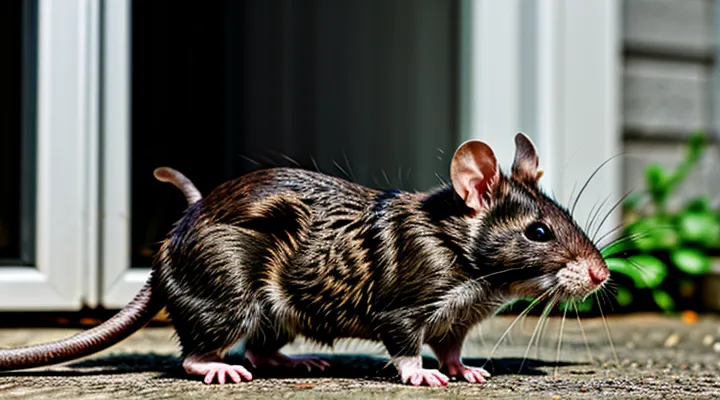
Understanding Rabies: A Brief Overview
What is Rabies?
Rabies is an acute, progressive encephalitis caused by the rabies virus, a member of the Rhabdoviridae family. The virus targets the central nervous system, leading to fatal outcomes once clinical signs appear.
Transmission occurs primarily through the saliva of infected mammals, most often via bites. Direct contact with mucous membranes or open wounds also presents a risk. Rodents, including rats, are rarely infected and seldom serve as vectors, but surveillance of rodent populations remains part of comprehensive disease monitoring.
Clinical manifestations progress through three stages:
- Prodromal phase: fever, malaise, irritation at the bite site.
- Furious phase: agitation, hypersalivation, hydrophobia, aerophobia, seizures.
- Paralytic phase: muscle weakness, paralysis, coma.
Diagnosis relies on detection of viral antigens in brain tissue post‑mortem, fluorescent antibody testing of saliva, serum, or cerebrospinal fluid, and polymerase chain reaction assays during the early incubation period.
Once symptoms develop, no effective cure exists; supportive care is the only option. Pre‑exposure vaccination for high‑risk individuals and post‑exposure prophylaxis—comprising wound cleansing, rabies immunoglobulin, and a series of inactivated vaccine doses—provide near‑complete protection when administered promptly.
Preventive measures focus on controlling rabies in reservoir species, vaccinating domestic animals, and educating the public about safe handling of wildlife and potential exposure scenarios.
How Rabies is Transmitted
Viral Characteristics and Pathogenesis
Rats serve as reservoirs for multiple viral agents, yet their capacity to harbor the rabies virus remains limited. The rabies pathogen belongs to the Lyssavirus genus, characterized by a single‑stranded, negative‑sense RNA genome encased in a lipid envelope. Structural proteins include nucleoprotein (N), phosphoprotein (P), matrix protein (M), glycoprotein (G), and large polymerase (L). Glycoprotein G mediates attachment to neuronal receptors and initiates membrane fusion, while polymerase L drives replication of the viral genome within the host cytoplasm. The virus exhibits high neurotropism, preferentially infecting peripheral nerves before ascending to the central nervous system.
Pathogenesis proceeds through several stages:
- Entry via a bite wound introduces virus into muscle tissue.
- Replication in myocytes generates a local viral load.
- Retrograde axonal transport carries virions to the dorsal root ganglia.
- Central nervous system invasion leads to widespread neuronal infection.
- Salivary gland colonization facilitates subsequent transmission.
In rats, experimental inoculation demonstrates inefficient peripheral replication and delayed neuroinvasion, resulting in low transmission potential. Comparative studies indicate that species such as raccoons and foxes display more robust viral amplification, supporting their epidemiological significance over rodents. Consequently, while rats can be infected under laboratory conditions, natural spillover events contributing to human rabies cases are exceptionally rare.
Common Vectors of Rabies
Rabies spreads primarily through the saliva of infected mammals when it enters the body via a bite or open wound. The virus circulates among species that maintain high viral loads in their nervous systems, allowing efficient transmission.
Common vectors of rabies include:
- Domestic dogs, which account for the majority of human cases worldwide.
- Domestic cats, frequently exposed to wildlife and capable of transmitting the virus to humans.
- Wild canids such as foxes and wolves, serving as reservoirs in rural environments.
- Raccoons, skunks, and coyotes, which sustain regional cycles of infection in North America.
- Bats, particularly insectivorous and fruit‑eating species, responsible for a growing proportion of cases in regions with limited canine vaccination.
Rodents, including rats, exhibit low susceptibility to rabies and rarely develop sufficient viral titers to act as vectors. Documented incidents of rabies transmission from rats to humans are exceptionally uncommon, reflecting the species’ limited role in the epidemiology of the disease.
Effective control measures focus on vaccination of domestic animals, surveillance of wildlife reservoirs, and public education about avoiding contact with potentially infected mammals. By targeting the primary vectors listed above, the risk of rabies spillover to humans and other species can be substantially reduced.
Rats and Rabies: The Scientific Perspective
Rabies Incidence in Rodent Populations
Historical Data and Case Studies
Historical records from the early 20th century document isolated incidents of rabies‑like symptoms in laboratory rats, but laboratory confirmation of the virus was absent. Surveillance reports from the 1930s in Europe noted occasional detection of rabies antigen in rat tissue following exposure to infected carnivores, suggesting passive acquisition rather than active infection.
Key case studies illustrate the epidemiological context:
- 1954, United Kingdom: a colony of laboratory rats housed near a canine rabies outbreak showed serological positivity without clinical disease; post‑mortem analysis revealed viral particles confined to peripheral nerves.
- 1972, United States (California): a pest control operation reported a single wild rat testing positive for rabies virus RNA after ingestion of a rabid skunk carcass; the animal displayed no neurological signs and succumbed to trauma unrelated to infection.
- 1998, Japan: a rodent‑borne encephalitis investigation identified rabies virus in a captured brown rat located in a rural area with recent fox rabies cases; viral load was low, and transmission to other rodents was not observed.
- 2015, Brazil: urban surveillance detected rabies antigen in a captured black rat from a slum where stray dogs with confirmed rabies were abundant; the rat exhibited severe encephalitis, and subsequent testing of nearby rats yielded negative results, indicating a solitary spill‑over event.
Aggregated data from these investigations indicate that rats may acquire rabies virus through scavenging or direct contact with infected carnivores, yet evidence of sustained intra‑species transmission remains absent. The prevailing scientific consensus attributes detected infections to accidental exposure rather than a functional reservoir role.
Geographic Distribution of Rabies in Rodents
Rabies infection in rodents is documented primarily in temperate and subtropical zones where wildlife reservoirs maintain the virus. In North America, confirmed cases involve ground squirrels (Spermophilus spp.), marmots (Marmota monax), and woodrats (Neotoma cinerea) in the western United States and Canada. In Europe, reports focus on the European ground squirrel (Spermophilus citellus) and the Eurasian red squirrel (Sciurus vulgaris) in Central and Eastern regions. Asian records include the Himalayan marmot (Marmota himalayana) in the Himalayas and several species of field voles (Microtus spp.) in Russia and Mongolia. In Africa, limited data identify the African grass rat (Arvicanthis niloticus) as a sporadic host in the Sahel.
Key observations:
- Presence correlates with regions where canine rabies persists, indicating spill‑over from domestic dogs or wild carnivores.
- Rodent species with larger home ranges and burrow systems exhibit higher detection rates.
- Surveillance intensity influences reported distribution; under‑reporting is common in low‑resource areas.
Understanding the geographic pattern assists in risk assessment for human exposure and guides targeted monitoring in wildlife and domestic animal health programs.
Why Rats are Unlikely Rabies Vectors
Biological Factors
Rats possess physiological characteristics that affect their capacity to harbor and transmit the rabies virus. Core biological elements include receptor compatibility, innate immune defenses, and viral replication efficiency.
Receptor compatibility determines whether the virus can enter neuronal cells. Rats express nicotinic acetylcholine receptors that differ structurally from those in typical rabies reservoirs, limiting viral entry. Innate immunity, particularly interferon‑mediated responses, rapidly suppresses viral replication, reducing systemic spread.
Viral load and shedding directly influence transmission potential. Experimental data show low titers of virus in rat saliva and limited excretion in urine or feces. Consequently, environmental contamination remains minimal.
Interaction with other mammals shapes epidemiological risk. Predatory or scavenging behavior can expose rats to infected prey, yet the reverse transmission to carnivores is rare because of the factors listed above.
Key biological determinants:
- Receptor structure divergence
- Robust interferon response
- Low viral titers in excretions
- Minimal predator‑prey transmission pathways
Collectively, these factors render rats an unlikely conduit for rabies spread, despite occasional exposure to the pathogen.
Behavioral Factors
Rats exhibit behaviors that influence the likelihood of acquiring and disseminating rabies virus. Their nocturnal foraging patterns increase exposure to infected wildlife, particularly carnivores such as raccoons and foxes, which are common rabies reservoirs. Aggressive encounters during territorial disputes can result in bite wounds, a primary transmission route for the virus.
Key behavioral elements affecting transmission risk include:
- Predatory or scavenging activity that brings rats into contact with carcasses of rabid animals.
- Social grooming, which may transfer saliva containing the virus among colony members.
- Seasonal fluctuations in activity levels, leading to heightened interaction with other species during breeding periods.
- Urban foraging behavior that draws rats into human‑occupied environments where domestic pets may be infected.
These factors shape epidemiological assessments and inform control strategies. Surveillance programs prioritize monitoring of rat populations in areas with documented wildlife rabies cases. Mitigation efforts focus on reducing food sources that attract rats, limiting habitat overlap with known rabies carriers, and implementing rodent control measures in high‑risk zones.
Risk of Rabies Transmission from Rats to Humans
Direct Transmission Routes
Rats rarely serve as natural reservoirs for the virus that causes rabies, yet documented cases demonstrate that direct exposure to infectious material can transmit the disease. Transmission requires contact with virus‑laden saliva or neural tissue, and the risk is confined to situations where such material reaches a susceptible host without an intervening barrier.
Typical direct routes include:
- Bite wounds that break the skin, allowing saliva containing the virus to enter the bloodstream.
- Scratches contaminated with saliva or brain tissue from an infected animal.
- Mucous‑membrane exposure, such as eyes, nose, or mouth, when they come into contact with infected saliva.
- Needle or instrument puncture during veterinary procedures or necropsy involving an infected rat.
Each route necessitates immediate viral entry into peripheral nerves, after which the pathogen travels centripetally toward the central nervous system. Prompt post‑exposure prophylaxis, consisting of wound cleansing and administration of rabies immunoglobulin and vaccine, markedly reduces the probability of disease development.
Indirect Transmission Routes
Rats can contribute to the spread of rabies without direct bite exposure. Indirect pathways involve contamination of the environment, mechanical carriers, and biological vectors that move the virus from infected hosts to susceptible animals or humans.
- Contaminated surfaces: Saliva, urine, or feces from rabid rodents may deposit viral particles on cages, food containers, or bedding. Subsequent contact by other mammals can lead to infection.
- Insect vectors: Fleas, ticks, and mites that feed on infected rats can retain viral material on mouthparts or within the digestive tract, transferring it during subsequent blood meals.
- Predatory scavenging: Carnivorous species that consume carcasses of sick rats may acquire the virus through mucosal exposure to infected tissues.
- Waste handling: Personnel handling rodent carcasses, waste, or laboratory specimens without proper protective equipment risk exposure to aerosolized droplets or splashes.
- Water sources: Runoff from rodent habitats can introduce viral contaminants into standing water, posing a hazard to animals that drink from these sources.
Each route requires viable virus to persist outside the host long enough for transmission. Rabies is generally fragile in the environment, limiting the significance of indirect spread, yet documented cases underscore the need for stringent hygiene, vector control, and protective measures when dealing with rodent populations.
Other Diseases Transmitted by Rats
Bacterial Diseases
Leptospirosis
Leptospirosis is a bacterial zoonosis caused by pathogenic Leptospira species. Rats serve as the principal reservoir, maintaining the organism in their renal tubules and shedding it in urine. The pathogen persists in moist environments, enabling survival outside the host for weeks to months.
Transmission pathways from rats include:
- Direct contact with contaminated urine or water
- Ingestion of water or food tainted with urine
- Contact of broken skin or mucous membranes with contaminated surfaces
Rabies, a neurotropic virus transmitted through saliva during bites, differs fundamentally from leptospirosis. No evidence supports viral crossover between Leptospira and rabies agents. Co‑infection in rats is possible, yet each disease follows distinct epidemiological patterns and requires separate diagnostic and control strategies.
Control measures focus on reducing rat populations, limiting access to food and water sources, and implementing environmental sanitation. Personal protective equipment and thorough wound cleaning mitigate occupational exposure. Vaccination of domestic animals and public education complement these efforts, decreasing human infection risk.
Salmonellosis
Salmonellosis is a bacterial infection caused by Salmonella species that frequently affects laboratory and feral rats. The pathogen colonizes the gastrointestinal tract, leading to diarrhea, weight loss, and, in severe cases, septicemia. Transmission occurs through ingestion of contaminated food, water, or feces, and the disease can spread to humans and other animals via direct contact with infected rodents or their excreta.
Key aspects of salmonellosis in rats:
- Primary reservoir: intestinal flora of asymptomatic carriers and clinically ill individuals.
- Clinical signs: loose stools, dehydration, lethargy, and occasional mortality in young or immunocompromised rats.
- Zoonotic risk: handling of infected rats or exposure to contaminated bedding may result in human salmonellosis, presenting as gastroenteritis.
- Diagnostic methods: culture of fecal samples, polymerase chain reaction, and serological testing for specific Salmonella antigens.
- Control measures: strict sanitation, regular health monitoring, and exclusion of rodents from food processing areas.
Rabies, a viral encephalitis, does not share a transmission pathway with salmonellosis. While rats can harbor various bacterial and parasitic pathogens, they are not considered competent vectors for the rabies virus. Consequently, salmonellosis does not influence the potential for rats to transmit rabies, and the two diseases remain epidemiologically distinct.
Plague
Plague, caused by the bacterium Yersinia pestis, is historically linked to rodent populations, especially rats. The pathogen resides in the bloodstream of infected rodents and is transmitted to humans primarily through the bite of infected fleas. Direct contact with rats rarely results in transmission because the bacterium does not survive in the animal’s saliva.
Key characteristics of plague transmission:
- Flea vectors acquire Y. pestis while feeding on infected rats; subsequent bites introduce the bacterium into new hosts.
- Inhalation of aerosolized droplets from infected rodents can lead to pneumonic plague, a form with rapid progression.
- Human cases often arise in regions with high rodent density and inadequate pest control.
Rabies, a viral encephalitis, differs fundamentally from plague. The rabies virus is present in the nervous tissue of mammals and spreads through saliva during bites. Rats are uncommon carriers of rabies; their low susceptibility and infrequent aggressive biting reduce the risk of rabies transmission from rats to humans. Consequently, plague and rabies represent distinct disease entities with separate transmission pathways, despite both being associated with rodent hosts.
Viral Diseases
Hantavirus Pulmonary Syndrome
«Hantavirus Pulmonary Syndrome» (HPS) is a severe respiratory disease caused by hantaviruses carried primarily by wild rodents. In urban environments, rats can harbor hantavirus strains capable of infecting humans, although the most common reservoir for HPS in North America is the deer mouse.
Transmission occurs through inhalation of aerosolized particles from rodent urine, feces, or saliva. Direct contact with contaminated surfaces or bites may also introduce the virus, but the primary route remains airborne exposure to dried rodent excreta.
Typical clinical manifestations include:
- Fever and chills
- Muscle aches, especially in the back and abdomen
- Headache and dizziness
- Rapid onset of shortness of breath
- Low blood pressure and cardiovascular collapse in advanced stages
HPS is unrelated to rabies. Rats are not recognized vectors for rabies virus; the pathogen responsible for HPS belongs to a distinct viral family and follows a different transmission pathway. Consequently, the presence of HPS does not imply a concurrent risk of rabies infection.
Prevention focuses on rodent control and minimizing exposure to contaminated environments:
- Seal entry points to buildings, reduce food sources, and maintain clean storage areas.
- Use protective gloves and masks when cleaning areas with visible rodent droppings.
- Wet surfaces before sweeping or vacuuming to prevent aerosolization of particles.
- Educate personnel handling rodent infestations about proper hygiene and protective equipment.
Effective management of rat populations and strict adherence to safety protocols substantially lower the incidence of HPS without influencing rabies transmission dynamics.
Lymphocytic Choriomeningitis (LCM)
Lymphocytic choriomeningitis (LCM) is an acute viral infection primarily associated with the common house mouse, but rats can serve as incidental carriers. The virus spreads through direct contact with rodent urine, feces, saliva, or contaminated materials. Human infection typically follows exposure to aerosolized secretions or bites, producing fever, headache, meningitis, or encephalitis in severe cases. Diagnosis relies on serologic testing or polymerase chain reaction detection of viral RNA.
Key characteristics of LCM relevant to public‑health assessment:
- Natural reservoir: Mus musculus; rats may acquire infection secondary to mouse exposure.
- Transmission route: Fomites, inhalation, or percutaneous injury; no evidence of vector‑borne spread.
- Clinical spectrum: Asymptomatic to severe neurological disease; mortality low but morbidity significant in immunocompromised individuals.
- Preventive measures: Rodent control, protective equipment for laboratory work, and avoidance of direct contact with rodent excreta.
Rabies, a lyssavirus transmitted primarily through the saliva of infected carnivores, does not share a transmission pathway with LCM. Experimental studies have failed to demonstrate rabies virus replication in rodents such as rats, and field surveillance shows negligible rabies incidence among these species. Consequently, while rats can transmit LCM under specific exposure conditions, they are not recognized as vectors for rabies.
Parasitic Diseases
Rat Bite Fever
Rat Bite Fever (RBF) is a bacterial infection transmitted primarily through bites or scratches from infected rodents, especially rats. The disease is caused by two distinct pathogens: «Streptobacillus moniliformis» in North America and «Spirillum minus» in Asia. Human infection occurs when the bacteria enter the bloodstream via a break in the skin, leading to systemic illness.
Typical clinical presentation includes sudden onset of fever, chills, headache, and muscle aches, followed by a maculopapular or petechial rash on the extremities. Joint pain and swelling may develop within days. Laboratory findings often reveal leukocytosis with a left shift and elevated inflammatory markers. Diagnosis relies on culture of the organism from blood or wound specimens, although polymerase chain reaction assays provide rapid identification.
Treatment consists of a 10‑ to 14‑day course of oral doxycycline or intravenous penicillin G for severe cases. Early antibiotic administration reduces morbidity and prevents complications such as endocarditis, meningitis, or septic arthritis. Supportive care addresses fever and pain.
Rats are not recognized reservoirs for rabies virus; therefore, RBF does not indicate a risk of rabies transmission. Rabies remains associated with mammals such as bats, raccoons, skunks, and foxes, which maintain the virus in distinct ecological cycles. Consequently, while rat‑borne diseases like RBF pose a public health concern, they do not contribute to rabies spread.
Trichinosis
Trichinosis is a parasitic disease caused by nematodes of the genus Trichinella. Infection occurs when raw or undercooked meat containing encysted larvae is ingested. The parasites develop in the intestine, mature, and migrate to skeletal muscle where they form new cysts.
Rats serve as natural reservoirs for several Trichinella species. In rodent populations, the parasite spreads through cannibalism, scavenging, and predation on infected carcasses. Infected rats may transmit the larvae to predators, including humans, when they are consumed.
Rabies is a viral encephalitis transmitted primarily through saliva from infected mammals. The etiological agents of trichinosis and rabies differ fundamentally; the presence of Trichinella in rats does not influence the virus’s replication, shedding, or bite transmission. Consequently, trichinosis does not alter the risk of rabies spread from rodents.
Public‑health considerations focus on two separate control strategies:
- Rodent control and sanitation to reduce Trichinella exposure.
- Vaccination of domestic animals and avoidance of bites to prevent rabies.
Both measures contribute to overall disease prevention without overlap between the two pathogens.
Prevention and Safety Measures
Rodent Control Strategies
Integrated Pest Management
Rats serve as vectors for numerous pathogens; while rabies infection in rats is uncommon, the potential for transmission warrants preventive measures. Integrated Pest Management (IPM) offers a structured framework to reduce rodent populations and associated health risks without reliance on indiscriminate chemical applications.
IPM emphasizes a hierarchy of control tactics. Initial steps involve habitat modification to eliminate food sources, water access, and shelter. Structural maintenance, such as sealing entry points and removing debris, limits opportunities for colonization. Biological controls, including predators or parasites, complement physical barriers and reduce population pressure.
Key elements of an IPM program for rodent mitigation:
- Inspection and identification of infestation sites
- Implementation of exclusion techniques (e.g., door sweeps, mesh screens)
- Deployment of traps calibrated to target species and activity patterns
- Targeted use of rodenticides, applied per regulatory guidelines and only when other measures prove insufficient
- Continuous monitoring to assess efficacy and adjust tactics
Data collection during monitoring phases informs decision‑making, ensuring interventions remain proportionate and effective. Documentation of trap counts, bait consumption, and environmental changes provides a basis for evaluating program success and for compliance reporting.
Exclusion Techniques
Effective exclusion of rats mitigates the risk of zoonotic infections, including the potential spread of rabies‑related pathogens. By eliminating access points, controlling habitat conditions, and implementing structural barriers, the likelihood of disease transmission diminishes.
Key exclusion measures include:
- Sealing gaps in building foundations, walls, and utility penetrations with steel wool, concrete, or metal flashing.
- Installing door sweeps and weatherstripping to prevent entry through exterior doors.
- Maintaining vegetation at a minimum distance of 10 feet from structures to reduce shelter availability.
- Elevating stored goods and waste containers on impervious platforms, ensuring lids close securely.
- Conducting regular inspections of rooftops, eaves, and attic spaces to identify and repair openings promptly.
Complementary practices reinforce primary barriers:
- Removing food sources by securing garbage in sealed containers and eliminating spillage.
- Managing water accumulation through proper drainage and fixing leaks.
- Applying rodent‑proof screens on ventilation openings, following manufacturer specifications.
Consistent application of these techniques creates an environment inhospitable to rats, thereby lowering the probability of rabies‑associated disease emergence among human and animal populations.
Personal Safety Recommendations
Avoiding Contact with Wild Animals
Rats and other wild mammals can carry pathogens capable of causing severe illness in humans. Among these agents, the virus responsible for rabies may be present in infected wildlife, including certain rodent populations. Direct exposure to saliva, blood, or tissue from a rabid animal creates a transmission route that bypasses typical preventive measures such as vaccination.
Minimizing contact with wild animals reduces the probability of acquiring zoonotic infections. Practical steps include:
- Securing food sources and waste in sealed containers to deter foraging.
- Installing barriers (e.g., fencing, mesh) around residential and agricultural areas.
- Wearing protective gloves when handling debris, rodents, or animal carcasses.
- Avoiding feeding or approaching stray or feral animals.
- Reporting sightings of unusually aggressive or lethargic wildlife to local health authorities.
When accidental contact occurs, immediate washing of the affected area with soap and water is essential. Consultation with medical professionals should follow any bite, scratch, or exposure to bodily fluids, especially in regions where rabies is endemic.
Long‑term risk management involves maintaining clean environments, monitoring rodent activity, and educating community members about safe practices. These actions collectively lower the chance of disease transmission from wild mammals to humans.
Post-Exposure Prophylaxis (PEP) Guidelines
Post‑exposure prophylaxis (PEP) is the primary intervention after a potential rabies exposure from a rodent bite or scratch. Immediate wound care reduces viral load and improves treatment efficacy. The following protocol aligns with World Health Organization and national health agency recommendations for rat‑related incidents.
- Clean the wound thoroughly with soap and running water for at least 15 minutes; apply an antiseptic solution such as povidone‑iodine.
- Assess the exposure category:
- Category I – no exposure; no PEP required.
- Category II – minor scratches or nibbling without bleeding; administer rabies vaccine series.
- Category III – transdermal bites, deep scratches, or exposures involving saliva; provide both rabies vaccine and rabies immunoglobulin (RIG) infiltrated around the wound.
- Initiate the vaccine schedule on day 0, followed by doses on days 3, 7, 14, and 28 for a five‑dose regimen; intradermal or intramuscular routes are acceptable depending on local guidelines.
- For Category III exposures, deliver a single dose of RIG (20 IU/kg body weight) as soon as possible, not exceeding the volume that can be safely infiltrated into and around the wound.
- Document the incident, including animal species, location, and circumstances, to facilitate epidemiological tracking and potential follow‑up investigations.
- Advise the patient to monitor the wound for signs of infection and to report any adverse reactions to the vaccine or RIG promptly.
Timely administration of PEP, combined with rigorous wound management, offers near‑complete protection against rabies following rat‑associated exposures.