
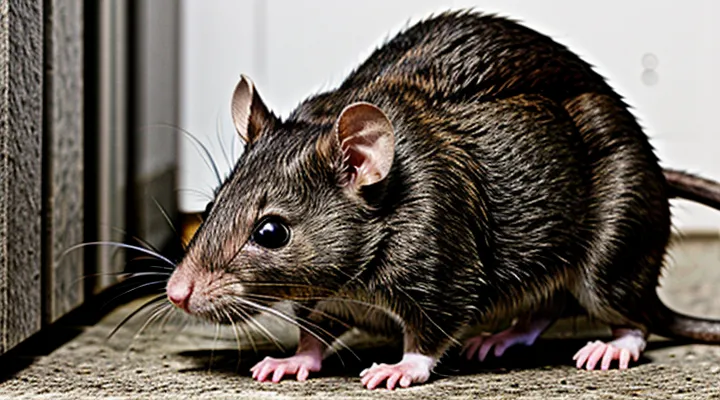
Understanding the Need for Rat Culling
The Problem of Rat Infestations
Health Risks Posed by Rodents
Rodents serve as reservoirs for a wide range of pathogens that affect humans directly and indirectly. Contact with rodent urine, feces, or saliva can introduce bacteria such as Salmonella and Leptospira, leading to gastrointestinal illness and leptospirosis. Viral agents, including hantavirus and lymphocytic choriomeningitis virus, are transmitted through inhalation of aerosolized rodent excreta, causing severe respiratory and neurological symptoms. Parasites such as Echinococcus tapeworms and Toxoplasma gondii may be spread when contaminated food or water is consumed, resulting in cystic disease and toxoplasmosis respectively.
Additional health concerns arise from rodent bites, which can introduce Streptobacillus moniliformis (rat‑bite fever) and Pasteurella species, producing fever, rash, and septic arthritis. Allergens present in rodent dander and droppings trigger asthma attacks and allergic rhinitis, especially in indoor environments where infestations persist.
Effective control measures must prioritize rapid reduction of rodent populations while preventing unnecessary suffering. Strategies include:
- Placement of traps that cause instantaneous death or immediate incapacitation.
- Use of bait stations with anticoagulant or non‑anticoagulant rodenticides formulated to minimize secondary poisoning of predators.
- Regular sanitation to eliminate food sources and shelter, reducing contact opportunities.
- Monitoring of trap success rates and adjusting deployment density to achieve decisive population decline.
By addressing these health hazards through humane and decisive population management, the risk of disease transmission diminishes while ethical standards for animal treatment are upheld.
Property Damage Caused by Rats
Rats infiltrate structures through gaps as small as a quarter‑inch, compromising building integrity. Their gnawing habit weakens wooden beams, insulation, and electrical wiring, creating fire hazards and costly repairs.
- Structural timber: bite marks reduce load‑bearing capacity, leading to sagging floors and compromised roofs.
- Insulation: chew through fiberglass and foam, diminishing thermal efficiency and increasing energy consumption.
- Electrical systems: strip insulation from wires, causing short circuits, equipment failure, and potential electrical fires.
Contamination follows physical damage. Saliva and urine introduce pathogens that spoil stored food, corrode metal surfaces, and create foul odors, prompting extensive sanitation efforts.
Effective rodent management must target entry points and population control while preventing suffering. Seal openings with steel mesh or cement, install traps designed for rapid kill, and employ humane exclusion devices that release captured animals away from dwellings. By eliminating access and reducing numbers responsibly, property owners avoid the escalating expense of repair, replacement, and decontamination associated with rat activity.
Ethical Considerations in Pest Control
Balancing Human Needs and Animal Welfare
Effective rodent control must protect public health and property while minimizing suffering. The conflict resolves through three core principles: necessity, proportionality, and the pursuit of non‑lethal alternatives whenever feasible.
- Assess infestation severity with quantitative thresholds before initiating lethal measures.
- Prioritize exclusion techniques such as sealing entry points, maintaining sanitation, and habitat modification.
- Deploy traps that cause rapid loss of consciousness; select models certified for humane performance.
- Reserve poison only when other methods cannot achieve control, and apply it in secured, monitored stations to prevent secondary exposure.
Training programs should require personnel to demonstrate competence in humane handling, documentation of each action, and adherence to regulatory standards. Oversight mechanisms, including periodic audits and transparent reporting, reinforce accountability and ensure that animal welfare considerations remain integral to control operations.
The Concept of Humane Treatment
Humane treatment in rodent population control refers to practices that minimize pain, distress, and suffering while achieving effective reduction of rats. It requires adherence to ethical standards, legal regulations, and scientifically validated methods.
Key elements of humane treatment include:
- Rapid incapacitation – use of devices or substances that cause immediate loss of consciousness, preventing prolonged agony.
- Appropriate dosage – precise calculation of lethal agents to avoid sublethal exposure, which can lead to suffering.
- Qualified personnel – operators must receive training on animal welfare principles and correct handling techniques.
- Monitoring and documentation – systematic recording of each intervention ensures accountability and enables continuous improvement.
Implementation steps for humane rat control:
- Conduct a thorough assessment of infestation levels and identify high‑risk areas.
- Select control tools that provide swift, irreversible outcomes (e.g., CO₂ chambers, properly calibrated snap traps).
- Apply control measures during periods of peak activity to increase efficiency and reduce the number of individuals exposed to stress.
- Perform post‑operation checks to confirm mortality and dispose of carcasses according to health guidelines.
- Review outcomes, adjust protocols, and provide feedback to staff to sustain humane standards.
Legal frameworks in many jurisdictions mandate the use of humane methods, defining acceptable devices and prohibiting practices that cause unnecessary pain. Compliance with these statutes protects public health, reduces liability, and aligns pest management with societal expectations of ethical conduct.
By integrating rapid incapacitation, precise dosing, trained personnel, and rigorous monitoring, rodent control operations can achieve objectives without compromising animal welfare. This approach balances public health imperatives with a commitment to humane practice.
Principles of Humane Rat Control
Prioritizing Prevention and Exclusion
Sealing Entry Points
Sealing entry points prevents rats from accessing buildings, thereby reducing the need for lethal control and eliminating the risk of inhumane treatment.
- Inspect foundations, walls, and ceilings for gaps larger than ¼ inch.
- Install steel wool or copper mesh in cracks before applying sealant.
- Apply a durable, rodent‑resistant caulk or expanding foam to close openings.
- Fit weatherstripping around doors and windows; replace damaged strips promptly.
- Cover utility penetrations with metal plates or concrete sleeves.
- Maintain exterior drainage to keep soil away from the structure, limiting burrow formation.
Regularly review the building envelope, repair damage caused by weather or construction, and document all sealing actions. Consistent exclusion measures keep rodent populations outside, ensuring humane management without resorting to culling.
Eliminating Food and Water Sources
Removing accessible food and water dramatically lowers rat activity, reducing reliance on lethal measures that can cause unnecessary suffering. When rodents cannot locate nourishment, populations decline naturally, and any required removal can be performed with fewer individuals and less distress.
Effective elimination of sustenance involves three core actions:
- Store grains, pet food, and processed goods in sealed, rodent‑proof containers; use metal or heavy‑wall plastic with tight‑locking lids.
- Install tight‑fitting lids on trash bins, schedule frequent collection, and keep outdoor waste areas at least three feet from structures.
- Repair cracks, gaps, and openings in walls, foundations, and utility penetrations; apply steel wool or cement to prevent entry points.
Continuous observation ensures that new sources do not emerge. Conduct weekly inspections of storage areas, waste stations, and building exteriors; document findings and address breaches immediately. Sustained vigilance maintains a hostile environment for rats, allowing humane population control to proceed with minimal cruelty.
Maintaining Sanitation
Effective rodent management begins with strict sanitation. Removing food sources, water, and shelter eliminates the conditions that attract rats and reduces the need for lethal control.
- Store all food in sealed containers; discard waste in bins with tight-fitting lids.
- Clean spills immediately; sweep floors and surfaces daily to prevent residue buildup.
- Maintain regular garbage collection; place refuse outside living areas and empty containers frequently.
- Repair structural defects such as cracks, gaps, and broken screens that provide entry points.
- Manage vegetation around buildings; trim overgrown plants and keep grass at a manageable height.
- Install drip‑free plumbing; fix leaks promptly to deny rodents a water supply.
Consistent sanitation lowers rodent activity, limits health hazards, and supports humane population control methods. By denying rats access to sustenance and shelter, the reliance on lethal measures diminishes, aligning pest management with ethical standards.
Non-Lethal Approaches
Live Trapping and Relocation
Live trapping provides a non‑lethal option for managing rat populations while respecting animal welfare. Effective implementation depends on proper equipment, systematic procedures, and adherence to legal requirements.
- Choose a trap sized for rats, constructed of durable material, and equipped with a secure release mechanism.
- Apply bait that attracts rats quickly; common choices include peanut butter, dried fruit, or commercial rodent attractants.
- Position traps along walls, near burrows, or in areas with visible gnaw marks; place them perpendicular to travel routes to increase capture rates.
- Check traps at least twice daily to prevent stress, dehydration, or injury.
- Transfer captured individuals using thick gloves and a sealable container; handle gently to avoid injury.
- Transport rats to a release site located a minimum of three miles from the capture location, in an environment offering shelter, food sources, and minimal predator exposure.
- Release animals at dusk, allowing them to disperse naturally into the new habitat.
Relocation must account for ecological balance and disease risk. Select release sites that do not support existing rat colonies to reduce competition and prevent the spread of pathogens. Verify that local ordinances permit the introduction of captured rodents; obtain necessary permits when required. Document each capture, transport, and release event to monitor outcomes and adjust strategies.
Continuous evaluation includes tracking recapture rates, assessing damage reduction, and reviewing animal welfare indicators. Adjust trap placement, bait type, or release distance based on observed results to maintain humane and effective control.
Repellents and Deterrents
Effective rodent management relies on preventing entry and encouraging avoidance rather than resorting to lethal measures. Repellents and deterrents create conditions that discourage rats from inhabiting a space, reducing the need for culling.
Chemical repellents contain strong odors or taste modifiers that rats find disagreeable. Common formulations include peppermint oil, ammonia, and capsaicin extracts. Application points include cracks, entryways, and areas where activity is observed. Reapplication is required after cleaning or exposure to moisture.
Physical deterrents disrupt habitat suitability. Strategies encompass:
- Sealing gaps larger than ¼ inch with steel wool, caulk, or metal flashing.
- Installing door sweeps and mesh screens to block access.
- Elevating stored food and waste containers on stands or shelves.
- Maintaining vegetation at least 2 feet from building foundations.
Ultrasonic devices emit high‑frequency sounds beyond human hearing, causing discomfort for rodents. Effectiveness diminishes in cluttered environments; placement near open pathways maximizes coverage.
Natural deterrents exploit predator cues. Predator urine, synthetic ferret scent, or dried mouse urine patches trigger innate avoidance behavior. Distribute evenly along perimeter walls and near potential nesting sites.
Humane deterrent traps combine capture with immediate release capability. Live‑catch cages feature smooth interiors and escape‑proof doors, allowing relocation without injury. Position traps along established runways; check frequently to prevent stress.
Implementing a layered approach—chemical, physical, ultrasonic, and natural deterrents—creates an inhospitable environment that minimizes rat presence while adhering to humane standards. Regular inspection and maintenance sustain effectiveness over time.
Birth Control Methods for Rodents
Effective rodent population management increasingly incorporates reproductive suppression to reduce reliance on lethal measures. Contraceptive strategies target the breeding capacity of rats and mice, limiting future generations while avoiding pain and distress.
- Immunocontraceptive vaccines stimulate antibodies against gonadotropin‑releasing hormone (GnRH) or zona pellucida proteins, halting ovulation and sperm production. Single‑dose formulations provide immunity for several months; booster injections extend protection.
- Hormonal implants release synthetic progestins or anti‑estrogens, maintaining a non‑reproductive state. Implants are placed subcutaneously in captured individuals and remain active for up to one year.
- Oral contraceptive baits contain low‑dose anticoagulant‑free compounds such as levonorgestrel. Baits are distributed in monitored zones; non‑target exposure is minimized by species‑specific attractants and bait stations.
- Gene‑drive technologies introduce alleles that impair fertility or sex determination. Laboratory trials demonstrate rapid spread of sterility genes through closed populations; field deployment requires stringent ecological risk assessments.
- Trap‑neuter‑release (TNR) programs capture rats, perform surgical sterilization, and return animals to their original habitat. Surgical sterilization yields permanent infertility; combined with habitat modification, it stabilizes local densities.
Implementation demands careful dosing, monitoring of reproductive suppression rates, and compliance with wildlife regulations. Success metrics include reduced litter counts, lower juvenile capture rates, and sustained adult survival without lethal control. Integration of birth control with habitat sanitation and exclusion measures offers a comprehensive, humane alternative to traditional culling.
Humane Lethal Methods
Quick-Kill Traps
Quick‑kill traps provide immediate lethality, reducing the duration of distress for captured rodents. Devices typically employ spring‑loaded mechanisms, pneumatic pressure, or electric shock to deliver a fatal blow within fractions of a second. Design features such as concealed entry points and insulated interiors prevent the animal from perceiving the trap until activation, further limiting anxiety.
Effective implementation requires adherence to specific criteria:
- Instantaneous impact – mechanism must guarantee death without prolonged struggle.
- Secure enclosure – interior must prevent escape and limit exposure to external stimuli.
- Ease of cleaning – detachable components enable rapid removal of carcasses and disinfection.
- Compliance with regulations – traps must meet local wildlife and pest‑control statutes.
Placement strategy influences success and humane outcomes. Position traps along established rodent pathways, near food sources, and in concealed corners where activity is observed. Maintain a distance of at least 0.5 m from human traffic to avoid accidental activation. Regular inspection, at least once daily, ensures traps remain functional and that deceased rodents are removed promptly, preventing secondary contamination.
When selecting a quick‑kill model, prioritize certified products that have undergone independent testing for lethality and safety. Verify that the manufacturer provides clear instructions for proper baiting, trigger sensitivity adjustment, and disposal procedures. Consistent use of validated traps, combined with systematic monitoring, minimizes suffering while achieving effective rodent population control.
Carbon Dioxide Chambers
Carbon dioxide chambers provide a rapid, reproducible method for euthanizing rats when large numbers must be handled. The gas induces unconsciousness within seconds and leads to death without visible distress if the system is correctly calibrated.
Key design elements ensure humane outcomes:
- Flow rate: 30–70 % CO₂ concentration per minute of chamber volume, maintaining a steady rise to avoid sudden hypoxia.
- Chamber size: Sufficient space for free movement, preventing crowding that could cause stress.
- Exhaust system: Continuous removal of depleted air to keep concentration within target range and protect operators.
- Monitoring: Real‑time sensors display CO₂ levels and temperature; alarms trigger if parameters deviate.
- Materials: Non‑porous, chemically resistant surfaces prevent gas leakage and facilitate cleaning.
Operational protocol:
- Verify chamber integrity and sensor functionality before each use.
- Load rats gently, allowing a brief acclimation period.
- Initiate gas flow at the prescribed rate; maintain concentration until loss of reflexes is confirmed.
- Continue exposure for an additional 5–10 minutes to ensure irreversible cessation of brain activity.
- Ventilate chamber with fresh air before removal of carcasses; disinfect according to biosecurity standards.
Regulatory compliance requires documentation of flow rates, exposure times, and post‑mortem verification. Regular calibration of sensors and maintenance of seals are mandatory to avoid accidental under‑dosing, which can cause prolonged suffering.
When CO₂ chambers are unavailable, alternative methods such as injectable barbiturates or cervical dislocation should be considered only if they meet the same ethical criteria and are performed by trained personnel.
Professional Pest Control Services
Professional pest control firms specialize in systematic rat management that prioritizes humane outcomes. Certified technicians assess infestations, identify entry points, and devise strategies that eliminate rodents without unnecessary suffering.
Key components of an ethical service include:
- Live‑capture devices inspected and emptied promptly.
- Exclusion techniques such as sealing gaps and installing barriers.
- Environmental sanitation to remove food and water sources.
- Ongoing monitoring with bait stations calibrated to avoid lethal exposure.
- Integrated pest management plans that combine non‑lethal methods with targeted control when required.
Compliance with local animal welfare regulations and industry‑wide certification programs guarantees that personnel apply approved handling procedures. Training emphasizes minimal stress handling, proper release protocols, and documentation of each intervention.
Clients benefit from reduced rodent populations, lower risk of disease transmission, and avoidance of legal penalties associated with cruelty violations. The coordinated approach delivers consistent results while respecting the ethical considerations inherent to rodent control.
What Constitutes Inhumane Treatment
Sticky Traps and Glue Boards
Sticky traps and glue boards consist of a laminated surface coated with a strong adhesive. When a rodent steps onto the board, the animal becomes immobilized within seconds. The device requires no electricity, offers silent operation, and can be placed in concealed locations.
Key considerations for humane application:
- Use traps sized for the target species; oversized boards increase the likelihood of non‑target captures.
- Position traps along established travel routes, identified by droppings, gnaw marks, or observed activity.
- Inspect traps at least twice daily; prolonged entrapment causes severe distress and can lead to death by dehydration or injury.
- Provide a separate containment system for captured rodents, allowing immediate euthanasia with approved methods (e.g., CO₂ exposure) to prevent prolonged suffering.
- Replace adhesive surfaces after each capture to avoid repeated stress on the same animal.
To reduce ethical concerns, combine glue boards with integrated kill mechanisms that deliver rapid, painless death. Alternatives such as snap traps or electronic devices may offer more humane outcomes, but glue boards remain useful when rapid, low‑visibility capture is essential. Proper training of personnel, adherence to local animal welfare regulations, and documentation of trap checks further mitigate inhumane treatment.
When disposing of captured rodents, seal them in double‑layered bags and follow hazardous waste protocols. Regular monitoring of trap efficacy assists in adjusting placement density, preventing unnecessary accumulation of suffering rodents in the environment.
Drowning and Suffocation
Drowning and suffocation are among the most common but ethically problematic techniques employed in rodent population control. Both methods cause prolonged distress, as water immersion or airtight confinement deprives the animal of oxygen while triggering panic responses. The physiological impact includes hypoxia, lung edema, and eventual loss of consciousness, processes that extend suffering far beyond the moment of death.
To eliminate these practices, implement the following measures:
- Replace water traps with snap‑type devices calibrated for immediate cessation of vital functions.
- Use enclosed capture systems that incorporate a rapid, humane euthanasia method, such as an approved carbon dioxide chamber, rather than sealing the container.
- Adopt exclusion strategies—seal entry points, employ rodent‑proof construction, and maintain sanitation—to reduce the need for lethal interventions.
- Train personnel in the correct handling of approved humane devices, emphasizing quick, decisive action to prevent prolonged agony.
Monitoring compliance with humane standards requires regular inspection of control equipment, documentation of each removal event, and verification that no drowning or suffocation incidents occur. By prioritizing immediate, painless termination methods and preventive infrastructure, operators can manage rodent populations without resorting to inhumane techniques.
Poisons Causing Prolonged Suffering
Rodent population control often relies on chemical agents that inflict severe, extended distress before death. Certain anticoagulant rodenticides, such as brodifacoum, bromadiolone, and difenacoum, interfere with vitamin K recycling, causing internal hemorrhage that can persist for days. Zinc phosphide releases phosphine gas after ingestion, producing respiratory failure accompanied by intense coughing and choking. Strychnine triggers uncontrolled muscle contractions, leading to convulsions and prolonged agony. These substances share a common feature: they act systemically, allowing the animal to remain conscious while physiological systems collapse.
-
Anticoagulants – brodifacoum, bromadiolone, difenacoum
Effect: gradual blood loss, visible bruising, prolonged weakness -
Zinc phosphide – phosphine gas release
Effect: severe pulmonary irritation, dyspnea, delayed collapse -
Strychnine – neurotoxic alkaloid
Effect: continuous seizures, respiratory muscle fatigue, eventual asphyxiation
The mechanisms described produce pain, hypoxia, and organ failure over an extended timeframe, violating ethical standards for humane pest management. Rapid‑acting, single‑dose toxins that cause immediate cardiac arrest are comparatively less cruel, yet many jurisdictions restrict their use due to secondary poisoning risks.
Humane control methods eliminate the need for suffering‑inducing poisons. Options include:
- Mechanical traps delivering instantaneous lethal force (e.g., spring‑loaded snap traps)
- Electronic devices causing immediate electrocution
- Integrated pest management: habitat modification, exclusion, and sanitation to reduce attractants
Adopting these practices minimizes animal distress while maintaining effective rodent population regulation.
Implementing a Humane Rat Control Strategy
Assessment and Planning
Identifying the Extent of the Infestation
Accurately gauging a rat problem prevents unnecessary killing and ensures humane interventions. Begin with a visual sweep of the property; look for droppings, gnaw marks, and nesting material along walls, under appliances, and in concealed spaces. Note the size, shape, and distribution of droppings, as larger piles indicate higher activity levels.
Next, set up motion‑activated cameras or infrared sensors in suspected zones. Record the number of distinct individuals passing a fixed point over a 24‑hour period; repeat the process for several days to capture peak activity. Compare counts across locations to pinpoint hotspots.
Conduct a systematic trap check. Place live‑capture devices in a grid pattern, spacing them according to the observed activity radius. After 48 hours, tally captures per station. High capture rates correlate with dense populations, while low rates suggest peripheral presence.
Finally, compile the data into a concise matrix:
- Visual signs: droppings, gnaw marks, nests
- Sensor counts: average detections per hour
- Live‑trap yields: captures per station
Cross‑reference the three sources; convergence of high values confirms a severe infestation, whereas isolated indicators point to a limited problem. This evidence‑based assessment guides targeted, humane control measures and avoids indiscriminate culling.
Choosing Appropriate Methods
Effective rodent population control requires methods that minimize suffering while achieving reliable results. Selection should be based on speed of action, certainty of outcome, compliance with animal welfare regulations, and safety for personnel and the environment.
- Instantaneous euthanasia devices: CO₂ chambers calibrated to induce rapid loss of consciousness, followed by immediate death, meet the criteria for swift, painless termination. Proper monitoring of gas concentration prevents prolonged distress.
- Mechanical traps with humane kill mechanisms: Snap traps equipped with reinforced jaws that deliver a single, fatal blow eliminate the animal instantly. Regular maintenance ensures consistent performance.
- Chemical agents with approved dosages: Single‑dose anticoagulant baits, administered under strict supervision, cause death after a predictable period without inducing pain. Use only where non‑target exposure is prevented.
- Electrical dispatch systems: High‑voltage, low‑current devices produce immediate incapacitation and fatality when applied correctly. Shielding and grounding protect operators.
When evaluating options, apply the following criteria:
- Time to unconsciousness – must be less than a few seconds.
- Certainty of lethality – no chance of recovery or prolonged agony.
- Regulatory acceptance – method must be authorized by relevant animal welfare statutes.
- Environmental impact – avoid substances that persist or harm non‑target species.
- Ease of implementation – training requirements and equipment costs should be realistic for the operation.
Adhering to these standards ensures that rodent removal is conducted responsibly, reducing ethical concerns and legal risks while maintaining effective control.
Safe and Effective Trap Placement
Minimizing Risk to Non-Target Animals
Effective rodent control programs must protect birds, pets, and wildlife that share the same environment. Accurate identification of target species, combined with precise placement of traps or bait stations, reduces accidental capture. Use devices designed with species‑specific triggers, such as size‑selective mechanisms, to exclude smaller or non‑target mammals.
Implement physical barriers and exclusion techniques to prevent unintended access. Examples include:
- Installing mesh screens on entry points larger than rats but smaller than birds of prey.
- Positioning bait stations on elevated platforms that only rats can reach, while keeping them out of reach of ground‑dwelling fauna.
- Employing tamper‑proof containers that require a specific weight or paw pressure to open.
Continuous monitoring validates the effectiveness of these safeguards. Conduct regular inspections of trap sites, record all captures, and adjust placement based on observed non‑target activity. Immediate removal of any non‑target animals and prompt disposal of affected equipment minimize stress and prevent secondary injury. Documentation of each step creates a traceable record, supporting compliance with animal welfare regulations and reinforcing the program’s credibility.
Regular Monitoring and Maintenance
Regular monitoring and maintenance form the backbone of humane rodent control programs. Systematic inspections identify problem areas before populations expand, allowing targeted interventions that reduce the need for lethal measures.
Effective practice includes several concrete actions:
- Establish a fixed inspection schedule covering all accessible spaces; record findings each visit.
- Verify that traps are functional, clean, and positioned according to manufacturer guidelines; replace damaged devices promptly.
- Maintain sanitation standards by eliminating food residues, sealing waste containers, and repairing structural leaks that attract rodents.
- Document catch rates and locations; analyze trends to adjust placement and density of control devices.
- Provide staff with concise procedural training focused on humane handling, quick release of non‑target species, and proper disposal of deceased rodents.
Consistent execution of these steps limits suffering, improves overall effectiveness, and aligns control efforts with ethical standards.
Post-Culling Practices
Proper Disposal of Carcasses
Proper disposal of rodent carcasses is a critical component of humane population management. Mishandling dead animals can cause disease spread, attract scavengers, and undermine public confidence in control programs.
Compliance with local health regulations and environmental statutes dictates the acceptable methods for carcass removal. Authorities typically require containment, labeling, and transfer to licensed disposal facilities. Failure to follow these rules may result in fines, liability for outbreaks, and reputational damage.
Effective disposal follows a defined sequence:
- Collect carcasses in sealed, puncture‑resistant containers.
- Store containers at a temperature that prevents decomposition, ideally refrigeration or freezing.
- Transport containers to an approved incineration or rendering site within the legally mandated time frame.
- Document each step with date, location, quantity, and disposal method; retain records for audit purposes.
Continuous monitoring ensures that procedures remain consistent and that any deviation is promptly corrected. Regular training reinforces staff competence and reduces the risk of accidental exposure.
Preventing Future Infestations
Effective rodent control depends on preventing re‑infestation rather than relying solely on removal. Sustainable practices reduce the need for repeated culling and minimize the risk of inhumane outcomes.
- Eliminate food sources: store grains, pet food, and waste in sealed containers; clean spills promptly.
- Secure entry points: install steel wool or metal mesh around gaps, vents, and utility openings; repair cracked foundations and broken screens.
- Manage water access: fix leaks, drain standing water, and direct runoff away from structures.
- Maintain landscaping: trim overgrown vegetation, remove dense ground cover, and keep mulch at least six inches from building walls.
- Conduct regular inspections: schedule quarterly checks for signs of activity, such as droppings, gnaw marks, or nesting material.
- Engage professional assessment: enlist certified pest‑management experts to evaluate risk factors and recommend targeted, humane deterrents.
- Educate occupants: provide clear guidelines on waste disposal, food storage, and reporting sightings to ensure community compliance.
Implementing these measures creates an environment that discourages rodent habitation, lowers population pressure, and supports ethical control strategies.
Legislation and Regulations
Local Animal Welfare Laws
Local animal welfare statutes define acceptable practices for rodent control, establish licensing requirements, and prescribe humane killing methods. Compliance begins with identifying the jurisdiction that governs the property where culling occurs. Municipal codes often mandate that lethal devices meet specific criteria, such as rapid incapacitation and minimal suffering. State legislation may require operators to hold a pest‑control license, undergo training on humane techniques, and maintain detailed records of each operation, including species, number removed, and method used.
Key legal obligations include:
- Use of approved devices that cause instantaneous loss of consciousness.
- Prohibition of methods that result in prolonged distress, such as drowning or blunt force without immediate incapacitation.
- Mandatory reporting of mass culling events to the local animal welfare agency.
- Retention of documentation for a minimum period, typically six months, for audit purposes.
- Enforcement of penalties, ranging from fines to suspension of pest‑control licenses, for violations of humane standards.
When planning a rat reduction program, verify that all equipment conforms to the relevant animal welfare regulations, obtain any required permits, and train personnel in approved humane techniques. Regular audits of compliance records help demonstrate adherence to legal standards and reduce the risk of punitive action.
Best Practices from Expert Organizations
Effective rodent management depends on protocols endorsed by leading animal‑welfare and public‑health agencies. These organizations base their recommendations on scientific research, ethical considerations, and regulatory requirements.
Key guidelines from expert bodies include:
- Use live‑capture traps whenever feasible; release captured animals in habitats far from human dwellings and food sources.
- If lethal methods are unavoidable, select devices that cause immediate loss of consciousness, such as CO₂‑based chambers or certified snap‑traps with proper spring tension.
- Train personnel in humane handling techniques, emphasizing minimal stress during capture, transport, and disposal.
- Conduct regular assessments of population density to justify culling actions, ensuring interventions are proportionate to the risk posed.
- Document each operation with detailed records of numbers captured, methods employed, and disposal procedures, facilitating accountability and continuous improvement.
- Integrate environmental controls—sealed waste containers, exclusion of entry points, and sanitation measures—to reduce reliance on direct killing.
- Follow local legislation concerning pest control, including licensing requirements for lethal devices and mandated reporting intervals.
Organizations such as the Royal Society for the Prevention of Cruelty to Animals, the Humane Society International, and the Centers for Disease Control and Prevention provide training modules, certification programs, and audit tools that align with these practices. Adoption of their standards minimizes animal suffering while maintaining effective rodent population control.
Advanced and Future Considerations
Integrated Pest Management (IPM)
A Holistic Approach to Rodent Control
A holistic approach to rodent control integrates prevention, monitoring, and humane removal techniques to reduce reliance on lethal culling. By addressing the environmental factors that attract rats, property managers can limit infestations before they become severe.
Key components include:
- Sanitation: Eliminate food residues, secure waste containers, and maintain clean surfaces to remove attractants.
- Structural exclusion: Seal cracks, install door sweeps, and repair gaps in foundations to block entry points.
- Habitat modification: Trim vegetation, manage compost piles, and clear debris that provide shelter.
- Population monitoring: Deploy tracking stations and periodic inspections to assess activity levels and adjust interventions promptly.
- Humane removal: Use live traps, repellents, or targeted bait stations that minimize suffering while achieving control objectives.
Effective implementation requires coordinated effort among property owners, pest‑management professionals, and local authorities. Training programs ensure personnel apply humane methods correctly and comply with regulations governing animal welfare.
Continuous evaluation of outcomes, such as reduced sighting reports and lower trap captures, confirms the efficacy of the integrated strategy. Adjustments based on data maintain control while preserving ethical standards.
Combining Multiple Strategies
Effective rodent population control demands a coordinated approach that minimizes distress while achieving measurable reduction. Relying on a single method often produces inconsistent results and raises ethical concerns; integrating several techniques creates redundancy, improves success rates, and aligns with humane standards.
- Habitat modification – Eliminate food sources, secure waste containers, and seal entry points to reduce attractants and limit access.
- Physical exclusion – Install metal mesh, concrete barriers, and door sweeps to prevent ingress into structures.
- Live‑capture devices – Use snap‑free or cage traps positioned along established pathways; check traps frequently to avoid prolonged confinement.
- Fertility control – Deploy oral contraceptives in bait stations where approved, reducing reproductive output without lethal force.
- Targeted euthanasia – Apply quick‑acting, approved agents administered by trained personnel, ensuring rapid loss of consciousness.
- Continuous monitoring – Record activity levels, trap success, and environmental changes; adjust tactics based on data trends.
- Staff training – Provide mandatory instruction on humane handling, equipment maintenance, and legal compliance to guarantee consistent application.
Combining these measures creates a layered defense that addresses entry, attraction, reproduction, and removal. The redundancy inherent in multiple strategies reduces reliance on any single method, lowers the probability of suffering, and satisfies regulatory expectations for ethical rodent management.
Research and Development
Innovations in Humane Trapping
Innovations in humane trapping focus on reducing stress, injury, and mortality while maintaining effectiveness in rodent population management. Modern devices incorporate sensor‑driven mechanisms that detect the presence of a target and close the enclosure without applying force. Transparent chambers allow immediate visual confirmation, enabling rapid release of non‑target species.
Key advancements include:
- Live‑capture traps with adjustable tension – spring or pneumatic systems calibrated to the size of the animal prevent crushing.
- Electronic deterrent triggers – infrared or ultrasonic sensors activate a door latch only when a rat is fully inside, eliminating partial captures.
- Self‑resetting designs – after each capture, the trap automatically returns to a ready state, reducing handling time and exposure to harmful conditions.
- Biodegradable escape tubes – guide released rodents toward safe exit routes while preventing re‑entry into the trap.
Materials science contributes to humane outcomes as well. Soft‑rubber linings and rounded interior corners minimize bruising, while antimicrobial coatings keep the trap sanitary between uses. Integration with data platforms records capture rates, species identification, and trap performance, allowing operators to refine deployment strategies without resorting to lethal methods.
Collectively, these technologies provide practical alternatives for organizations seeking ethical rodent control, aligning operational goals with animal welfare standards.
Understanding Rodent Behavior
Rodents rely on a hierarchy that determines access to food, shelter, and mates. Dominant individuals control resources, while subordinates avoid confrontation and seek peripheral zones. Recognizing this structure helps prevent unnecessary aggression during population control; targeting only the most active or dominant individuals reduces social disruption.
Activity patterns are primarily nocturnal. Rats emerge after dusk, travel along established runways, and retreat to concealed nests before daylight. Scheduling interventions during daylight minimizes disturbance of active foraging routes and lowers the likelihood of chaotic dispersal.
Scent marking defines territory. Urine and glandular secretions convey dominance and reproductive status. Disrupting scent trails without proper sanitation can trigger heightened stress, leading to increased aggression and disease transmission. Thorough cleaning after removal restores territorial stability for surviving rodents.
Stress response manifests as rapid heart rate, heightened alertness, and escape behavior. Physical restraint or abrupt handling elevates cortisol levels, prolonging suffering. Employing quick, precise capture techniques—such as live traps positioned on known runways—limits stress duration.
Key behavioral considerations for humane rodent management:
- Identify dominant individuals through observation of feeding priority and nesting sites.
- Conduct removal during daylight to avoid active foraging periods.
- Preserve or promptly restore scent markers after removal to maintain territorial order.
- Use capture methods that minimize handling time and physical restraint.
Applying these behavioral insights aligns population control with ethical standards, reducing unnecessary pain while maintaining ecological balance.
Public Education and Awareness
Promoting Responsible Pest Control
Responsible pest control minimizes suffering while protecting health and property. Effective programs begin with accurate assessment of rodent activity, followed by actions that target only the problematic individuals.
Key principles include:
- Prevention through sealing entry points and eliminating food sources.
- Regular monitoring using visual inspections and motion‑activated cameras.
- Targeted intervention that confines removal to identified hotspots.
Humane techniques prioritize rapid, painless outcomes. Options comprise:
- Snap traps equipped with calibrated springs to ensure instant death.
- Live‑capture cages designed for quick release far from inhabited areas, combined with immediate euthanasia performed by trained personnel.
- Exclusion barriers made of metal mesh or concrete to block re‑entry.
Compliance requires documented procedures. Operators must hold certification, record each removal event, and adhere to local animal‑welfare statutes. Audits verify that methods remain within legal and ethical bounds.
Community participation strengthens outcomes. Educational outreach informs residents about sanitation practices, proper waste management, and the signs of infestation. Reporting channels enable swift response, reducing the need for large‑scale culling.
By integrating prevention, precise action, humane tools, and regulatory oversight, pest control programs achieve effective rodent management without resorting to inhumane treatment.
The Role of Community Involvement
Community participation shapes humane rodent control by supplying local knowledge, resources, and oversight. Residents identify infestation hotspots, report violations, and collaborate with pest‑management professionals, ensuring interventions target problem areas without unnecessary suffering.
Benefits of collective action include:
- Faster detection of rodent activity through neighborhood monitoring networks.
- Shared responsibility for maintaining sanitation standards that deter breeding.
- Transparency in culling methods, reducing the likelihood of cruel practices.
- Increased compliance with humane‑kill regulations, supported by peer pressure and local advocacy.
Effective community engagement follows a structured approach:
- Establish a reporting platform (online form, phone line, or neighborhood app) for sightings and complaints.
- Organize regular workshops led by certified pest‑control experts to train volunteers on humane trapping and disposal techniques.
- Create a monitoring committee that reviews culling records, verifies adherence to ethical protocols, and recommends corrective actions when needed.
- Coordinate with municipal authorities to secure funding for humane equipment and to enforce penalties for violations.
By integrating these mechanisms, neighborhoods can control rat populations while upholding ethical standards, minimizing animal distress, and fostering a culture of shared stewardship.