
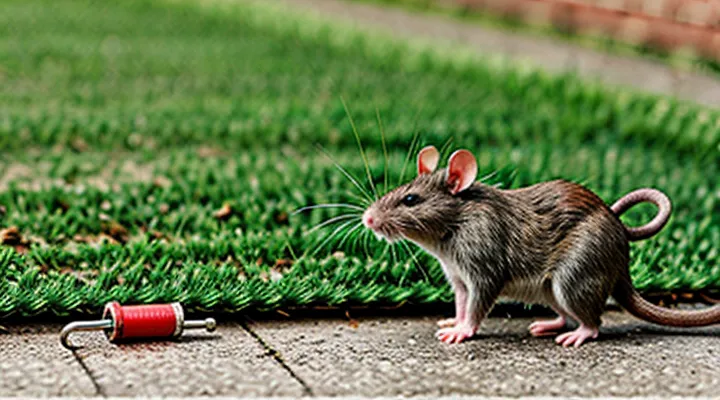
Understanding Rat Infestations
Identifying the Signs of Rats
Common Indicators of Presence
Rats leave distinct traces that signal infestation and guide the deployment of control agents. Recognizing these signs enables timely intervention and reduces the risk of disease transmission.
- Droppings: Small, dark, cylindrical pellets about ½ inch long; commonly found along walls, behind appliances, and in pantry corners.
- Gnaw marks: Fresh, clean cuts on wood, plastic, or wiring; irregular edges indicate active chewing.
- Urine stains: Yellowish discoloration on surfaces; often accompanied by a strong ammonia odor.
- Nests: Shredded paper, fabric, or insulation gathered in concealed areas such as attics, crawl spaces, or underneath furniture.
- Footprints: Visible in dust, flour, or grease; characteristic four-toed pattern with a short stride.
- Noises: Scratching or scurrying sounds heard in ceilings, walls, or stored goods, especially at night.
- Damage to food packaging: Holes or tears in bags and containers, sometimes with remnants of chewed contents.
Each indicator provides a measurable criterion for assessing infestation severity and selecting appropriate rodent control formulations. Prompt identification supports effective placement of baits, traps, and repellents, minimizing the spread of rodents within the environment.
Damage Caused by Rats
Rats inflict extensive damage that directly impacts property integrity, food safety, and public health. Their gnawing habit compromises building materials, while their nesting behavior contaminates stored goods and spreads pathogens.
- Structural damage: gnaw on wood, insulation, drywall, and metal components, weakening load‑bearing elements and creating entry points for additional pests.
- Electrical hazards: chew through wiring, leading to short circuits, equipment failure, and fire risk.
- Food contamination: deposit urine, feces, and hair on grains, processed foods, and packaged products, resulting in spoilage and costly recalls.
- Disease transmission: carry bacteria (e.g., Salmonella, Leptospira), viruses, and parasites that can infect humans and livestock through direct contact or contaminated surfaces.
- Agricultural losses: destroy crops, damage irrigation systems, and reduce yield by consuming and contaminating produce in fields and storage facilities.
Risks Associated with Rat Infestations
Health Hazards
Rat control products contain active ingredients that pose significant health risks to humans and non‑target animals. Anticoagulant rodenticides, such as brodifacoum and bromadiolone, interfere with vitamin K metabolism, leading to uncontrolled bleeding after ingestion. Acute exposure can cause hemorrhage, while chronic low‑level intake may result in subclinical coagulopathy that remains undetected until severe bleeding occurs.
Zinc phosphide releases phosphine gas when it contacts moisture. Inhalation of phosphine produces respiratory irritation, pulmonary edema, and may be fatal at high concentrations. Dermal contact with the solid form can cause chemical burns and systemic toxicity if absorbed through damaged skin.
Key health hazards associated with these agents include:
- Acute toxicity – rapid onset of symptoms after a single dose, requiring immediate medical intervention.
- Chronic toxicity – cumulative effects from repeated low‑level exposure, potentially leading to organ damage or hematologic disorders.
- Secondary poisoning – predators or scavengers consuming poisoned rodents may develop similar toxic effects.
- Environmental contamination – runoff can introduce residues into water supplies, affecting aquatic life and human health.
- Occupational risks – handlers without proper protective equipment face heightened exposure through inhalation, ingestion, or skin contact.
Mitigation measures demand strict adherence to label instructions, use of personal protective equipment (gloves, goggles, respirators), and implementation of spill‑control protocols. First‑aid procedures should be readily available, with immediate decontamination of skin and prompt medical evaluation for suspected ingestion or inhalation. Regular training and monitoring reduce the likelihood of accidental exposure and ensure safe application of rodent‑control agents.
Property Damage
Rats cause extensive property damage that directly affects building integrity and economic value. Typical damage includes gnawed structural timbers, compromised insulation, perforated electrical wiring, contaminated food stores, and fouled plumbing fixtures. Each form of damage creates safety hazards, increases repair costs, and can lead to regulatory non‑compliance.
Effective rodent control solutions mitigate these losses by targeting the behaviors that lead to material destruction. Anticoagulant baits reduce population density, limiting the number of individuals capable of chewing. Snap and electronic traps remove active rodents, preventing ongoing damage. Enclosed bait stations protect non‑target species while delivering precise doses of rodenticides. Repellent formulations create an inhospitable environment, discouraging entry into vulnerable areas such as attics and wall voids.
Key benefits of employing these agents include:
- Immediate reduction in gnawing activity, protecting wood and insulation.
- Elimination of electrical short‑circuits caused by chewed wires.
- Preservation of stored goods through reduced contamination risk.
- Lowered incidence of water damage from compromised pipe insulation.
Implementation follows a systematic approach: assess infestation level, select appropriate control agents, place them strategically in high‑risk zones, and monitor outcomes regularly. Documentation of damage patterns and treatment efficacy supports ongoing maintenance plans and justifies expenditure on preventive measures.
Types of Rat Control Products
Chemical Rodenticides
Anticoagulant Rodenticides
Anticoagulant rodenticides are chemical agents that disrupt blood clotting in rodents, leading to fatal internal hemorrhage after a single feeding event. These compounds belong to the second‑generation anticoagulant class, characterized by high potency and prolonged activity, and to the first‑generation class, which requires multiple exposures for lethality.
Typical second‑generation products include brodifacoum, difenacoum, bromadiolone, and difethialone. First‑generation agents comprise warfarin, chlorophacinone, and diphacinone. Their chemical structures contain coumarin derivatives that inhibit vitamin K epoxide reductase, preventing regeneration of clotting factors II, VII, IX, and X.
Effective deployment follows these principles:
- Placement of bait in tamper‑proof stations to minimize non‑target exposure.
- Distribution density calibrated to target population size, generally 1–2 g of bait per 100 m².
- Monitoring of bait consumption and rodent activity to adjust application rates.
- Integration with sanitation measures to reduce food sources and shelter.
Resistance management requires rotating active ingredients and limiting repeated use of a single anticoagulant. Laboratory testing of captured rodents can identify resistant strains, guiding product selection. Compliance with regulatory guidelines mandates labeling, record‑keeping, and post‑application site inspection.
Disposal of unused bait and contaminated materials must follow hazardous waste protocols. Personal protective equipment, including gloves and eye protection, reduces occupational risk during handling and application.
First-Generation Anticoagulants
First‑generation anticoagulants are synthetic derivatives of warfarin developed in the mid‑20th century to control rodent populations. Representative compounds include warfarin, chlorophacinone, diphacinone, and coumafuryl. These agents share a common chemical backbone that interferes with the vitamin K cycle, preventing the synthesis of functional clotting factors in rodents.
The toxic mechanism relies on competitive inhibition of vitamin K epoxide reductase, leading to depletion of active vitamin K and subsequent failure of blood coagulation. After ingestion, the effect manifests after 24–48 hours, allowing the rodent to return to its nest and distribute the poison to conspecifics through secondary exposure.
Key performance characteristics:
- Rapid onset of mortality at concentrations of 0.005–0.02 % in bait.
- High palatability when combined with grain‑based carriers.
- Limited resistance development compared with later‑generation compounds, though documented cases exist in populations exposed to repeated use.
Safety profile demands strict control of non‑target exposure. Toxicity to birds of prey, domestic pets, and wildlife occurs at doses approximately tenfold lower than for rats. Regulatory agencies mandate:
- Placement of bait stations out of reach of non‑target species.
- Use of tamper‑proof containers in urban settings.
- Monitoring of secondary poisoning incidents through carcass analysis.
Application guidelines recommend distributing bait at a density of 0.5–1 kg per 100 m² in active infestation zones, replenishing every 3–4 days until capture rates decline. Integration with sanitation measures—removal of alternative food sources and sealing of entry points—enhances efficacy and reduces the likelihood of bait avoidance.
Overall, first‑generation anticoagulants remain a cornerstone of rodent management programs where rapid control and cost‑effectiveness are priorities, provided that deployment follows prescribed safety and regulatory standards.
Second-Generation Anticoagulants
Second‑generation anticoagulants (SGARs) are synthetic compounds that disrupt vitamin K recycling, leading to fatal hemorrhage in rodents after a single lethal dose. Unlike first‑generation agents, SGARs possess higher lipid solubility and longer biological half‑lives, enabling effective control of resistant rat populations.
Efficacy of SGARs derives from their ability to accumulate in the liver and persist through multiple feedings, overcoming bait shyness and metabolic resistance. Common products include brodifacoum, difenacoum, bromadiolone, and difethialone, each exhibiting potency at sub‑milligram per kilogram body weight. Field studies report mortality rates exceeding 90 % in established infestations when bait is correctly deployed.
Guidelines for safe and effective application:
- Formulate baits at concentrations recommended by the manufacturer (typically 0.005 %–0.025 % active ingredient).
- Place bait stations along walls, near gnawing sites, and in concealed locations to limit exposure to non‑target species.
- Rotate bait types annually to reduce the risk of resistance development.
- Monitor target activity for at least 14 days post‑deployment; replenish bait as needed to maintain consumption.
- Implement exclusion measures (e.g., tamper‑proof containers) in areas frequented by pets or wildlife.
Regulatory compliance requires labeling that specifies dosage limits, disposal procedures for unused bait, and personal protective equipment for handlers. Adhering to these protocols maximizes rodent mortality while minimizing environmental impact.
Non-Anticoagulant Rodenticides
Non‑anticoagulant rodenticides constitute a class of chemical agents that eliminate rats without interfering with blood clotting pathways. Their mechanisms typically involve disruption of cellular metabolism, inhibition of nerve transmission, or induction of organ failure. Because they avoid anticoagulant resistance, they serve as alternatives when traditional anticoagulant products lose efficacy.
Common non‑anticoagulant agents include:
- Bromadiolone‑free zinc phosphide – releases phosphine gas in the stomach, causing rapid respiratory collapse.
- Sodium fluoroacetate (1080) – interferes with the citric acid cycle, leading to energy depletion.
- Cholecalciferol (vitamin D₃) – induces hypercalcemia, resulting in renal and cardiovascular failure.
- Bromethalin – blocks mitochondrial oxidative phosphorylation, causing cerebral edema.
Effective deployment requires precise bait placement, secure containment to prevent non‑target exposure, and adherence to label‑specified dosage rates. Application in sewers, grain stores, and outdoor feeding stations benefits from dense bait stations positioned at active runways, ensuring high encounter probability while minimizing waste.
Resistance management strategies involve rotating non‑anticoagulant products with anticoagulant formulations, monitoring rodent populations for efficacy decline, and integrating sanitation measures that reduce attractants. Regulatory frameworks in many jurisdictions mandate registration, labeling, and record‑keeping for all non‑anticoagulant rodenticides, emphasizing risk assessment for wildlife and domestic animals.
Safety protocols dictate the use of personal protective equipment during handling, immediate disposal of unused bait, and training of personnel on emergency procedures. Proper implementation of these guidelines maximizes rat control outcomes while mitigating environmental and health hazards.
Acute Toxicants
Acute toxicants are compounds that cause rapid mortality in rats after a single exposure, typically within hours to a few days. Their primary function in rodent management is to eliminate infestations quickly, reducing population size before breeding cycles can replenish numbers.
- Anticoagulants (e.g., brodifacoum, difenacoum) disrupt blood clotting, leading to internal hemorrhage.
- Metal phosphides (e.g., zinc phosphide) release phosphine gas upon contact with stomach acid, producing cellular respiration failure.
- Neurotoxins (e.g., bromethalin, chlorophacinone) interfere with nerve transmission, causing paralysis and death.
- Metabolic disruptors (e.g., sodium fluoroacetate) inhibit the citric acid cycle, resulting in energy depletion.
These agents act by targeting essential physiological pathways: blood coagulation, mitochondrial function, neuronal signaling, or metabolic processes. The rapid onset of lethal effects distinguishes them from chronic agents that require prolonged ingestion.
Effective dosing balances lethality with safety. Formulations are calibrated to deliver a lethal dose (LD₉₀) within the target species while minimizing exposure to non‑target organisms. Concentrations are expressed in milligrams of active ingredient per kilogram of bait, with recommended application rates ranging from 0.5 to 2 kg per 100 m², depending on infestation intensity and environmental conditions.
Regulatory frameworks mandate toxicity classification, labeling, and restricted use zones. Compliance includes registration with pest‑control authorities, adherence to maximum residue limits, and implementation of buffer zones around food storage areas. Personal protective equipment is required for handlers during mixing and placement.
Best practices for deployment involve:
- Conducting a thorough inspection to locate activity hotspots.
- Selecting a bait matrix compatible with the chosen toxicant and local feeding preferences.
- Placing bait stations at low‑height, concealed locations to limit access by wildlife and children.
- Monitoring bait consumption and replacing depleted stations promptly.
- Documenting application dates, product identifiers, and observed efficacy for future reference.
Other Chemical Agents
Chemical agents classified outside the primary anticoagulant rodenticides provide complementary options for rat management. These substances act through neurotoxicity, metabolic disruption, or physical irritation, expanding the toolkit for infestations resistant to conventional products.
Typical non‑anticoagulant chemicals include:
- Bromethalin – a neurotoxic, low‑dose compound that interferes with mitochondrial oxidative phosphorylation, causing rapid mortality at concentrations of 0.005 % to 0.025 % in bait.
- Cholecalciferol (Vitamin D₃) – induces hypercalcemia, leading to renal failure; effective at 0.075 % to 0.1 % in formulation.
- Zinc phosphide – releases phosphine gas when ingested, producing acute cellular poisoning; applied as 2 % to 5 % granules or pellets.
- Sodium fluoroacetate – disrupts the citric acid cycle, causing multi‑organ failure; used at 0.1 % to 0.2 % in bait matrices.
Application guidelines require precise dosing to avoid non‑target exposure. Bait stations should be tamper‑resistant, placed along established runways, and inspected weekly for consumption and condition. Personal protective equipment (gloves, eye protection) is mandatory during handling, especially for phosphide and fluoroacetate, due to their high acute toxicity.
Resistance management benefits from rotating agents with differing modes of action. Alternating bromethalin with cholecalciferol, for instance, reduces selection pressure on any single pathway. Monitoring bait uptake and mortality rates informs timely adjustments, ensuring sustained efficacy.
Environmental considerations dictate proper disposal of unused bait and contaminated materials. Containment of phosphide residues prevents accidental release of phosphine, while cholecalciferol waste must be stored away from livestock feed to avoid secondary poisoning.
Overall, integrating these alternative chemicals into a structured rat control program enhances flexibility, addresses resistant populations, and supports regulatory compliance.
Non-Chemical Control Methods
Mechanical Traps
Mechanical traps capture rats by physical restraint, offering an immediate, chemical‑free solution for infestations. They are reusable, allow precise placement, and produce no residual toxicity, making them suitable for indoor and outdoor environments where pesticide use is restricted.
Common mechanical trap designs include:
- Snap traps: spring‑loaded jaws deliver a rapid kill when triggered by a pressure plate.
- Live‑catch traps: enclosed chambers close automatically, retaining the animal unharmed for later release.
- Glue boards: adhesive surfaces immobilize rodents; best suited for monitoring rather than long‑term control.
- Multi‑catch traps: hinged doors permit repeated captures without resetting after each kill.
Effective deployment depends on several factors. Position traps along walls, near burrows, or adjacent to food sources, as rats prefer concealed pathways. Bait selection—peanut butter, dried fruit, or meat scraps—enhances attraction. Maintain traps by inspecting daily, removing captured rodents, and resetting or cleaning devices to preserve functionality. Replace damaged springs or adhesive surfaces promptly to prevent failure.
Safety considerations are mandatory. Keep traps out of reach of children and non‑target pets, use protective gloves when handling captured rats, and follow local regulations regarding humane disposal or relocation. Regular monitoring of trap performance provides data on infestation severity and informs adjustments to trap density or placement.
When choosing a mechanical trap, evaluate target species size, desired outcome (lethal vs. live capture), environmental conditions, and maintenance capacity. Selecting the appropriate device and applying systematic placement maximizes control efficiency while minimizing collateral risks.
Snap Traps
Snap traps are mechanical devices that deliver a rapid, lethal force to rodents when triggered by pressure on a spring‑loaded bar. The design typically includes a hinged jaw, a steel wire spring, and a trigger plate that releases the stored energy upon contact.
The construction of a snap trap emphasizes durability and precision. High‑carbon steel provides consistent tension, while a calibrated trigger sensitivity reduces false releases. Models often feature a detachable bait platform, allowing easy replacement of attractants without dismantling the mechanism.
Effective deployment follows several practical steps:
- Position traps along walls, behind objects, or in active runways where rats travel.
- Place bait (e.g., peanut butter, dried fruit, or commercial rodent attractant) on the platform, ensuring it does not obstruct the trigger.
- Set the trap by pulling the spring arm back until the latch engages, then test the trigger with light pressure to confirm proper function.
- Check traps daily; remove captured rodents promptly to maintain trap efficacy.
Safety measures are essential. Use gloves when handling activated traps to avoid accidental discharge. Keep devices out of reach of children and non‑target animals; many models incorporate a safety guard that prevents premature activation during placement.
Disposal procedures require sealing the deceased rodent in a plastic bag, labeling it, and discarding according to local wildlife or pest‑control regulations. After removal, clean the trap with a mild detergent, rinse thoroughly, and dry before resetting.
Performance data indicate that snap traps achieve kill rates exceeding 90 % when baited correctly and placed in high‑traffic zones. The instantaneous action minimizes suffering and prevents disease transmission that can occur with prolonged entrapment.
Regulatory considerations vary by jurisdiction. Some areas classify snap traps as humane devices, while others impose restrictions on placement in public spaces. Verify compliance with municipal pest‑control ordinances before large‑scale use.
Live Traps
Live traps capture rats without killing them, providing a humane alternative for pest managers. The devices consist of a cage, a trigger mechanism, and a secure latch that closes when the animal enters to reach bait.
-
Design variations include:
- Snap‑type cages – lever‑activated doors that shut instantly.
- Gravity‑fed traps – weighted doors that drop when the rat steps on a platform.
- Electronic models – sensors that release a door after a brief delay, allowing observation before capture.
-
Effective placement follows these principles:
- Position near walls, behind objects, and along established runways.
- Install at ground level or slightly elevated, matching the target’s activity height.
- Space traps 5–10 ft apart in high‑density infestations; increase distance in low‑traffic areas.
-
Bait selection influences capture rates:
-
Maintenance procedures ensure reliability:
- Inspect traps daily, remove captured animals, and reset the latch.
- Clean interiors with a mild disinfectant to eliminate scent trails.
- Replace worn trigger components after 20–30 captures to maintain sensitivity.
-
Legal and ethical considerations:
- Many jurisdictions require immediate release of captured rats at a distance of at least 2 mi from the property.
- Record-keeping of capture dates, locations, and numbers supports compliance with integrated pest‑management documentation.
Live traps complement chemical controls and exclusion techniques by reducing population size without introducing toxins into the environment. Their reusability, low cost, and compliance with humane‑pest policies make them a core component of comprehensive rat management programs.
Glue Boards
Glue boards are adhesive traps designed to capture rats upon contact. The board consists of a flat surface coated with a non‑toxic, high‑strength glue that immobilizes the animal instantly, preventing escape and further damage to property.
The mechanism relies on the rat’s natural tendency to explore surfaces in search of food and shelter. When a rodent steps onto the board, the adhesive bonds to its paws and fur, causing rapid immobilization. The board remains effective for several weeks, provided the glue surface stays clean and undisturbed.
Key characteristics:
- Effectiveness – captures individual rats quickly without the need for bait.
- Low visibility – thin profile allows discreet placement behind appliances, under cabinets, or along wall lines.
- Safety – contains no poison; reduces risk of secondary poisoning to pets and wildlife.
- Monitoring – trapped rats are visible, enabling immediate assessment of infestation level.
Limitations:
- Single‑use – each board can hold only a limited number of rats before the adhesive loses potency.
- Humane concerns – immobilized rodents may experience prolonged distress; prompt removal is required.
- Environmental factors – dust, moisture, or heavy foot traffic can degrade adhesive performance.
Recommended deployment procedure:
- Identify high‑traffic pathways: along walls, near burrow entrances, and around food storage areas.
- Clean the surface to remove dust and grease; ensure the board adheres firmly.
- Position the board with the adhesive side facing upward, secured with tape or a low‑profile holder to prevent displacement.
- Check the board daily; remove captured rats using gloves and seal them in a disposable container.
- Replace the board when glue becomes saturated or after a maximum of 30 days of continuous use.
Safety precautions:
- Wear disposable gloves when handling boards and captured rodents.
- Store unused boards in a sealed container away from children and pets.
- Dispose of boards according to local regulations for pest‑control waste.
Integrating glue boards with other control measures—such as exclusion techniques, habitat modification, and bait stations—enhances overall rat management effectiveness by addressing both population reduction and prevention of re‑infestation.
Baits Without Rodenticides
Baits that exclude rodenticides provide a targeted approach to rat management by relying on physical or biological mechanisms rather than chemical toxins. These products typically combine an attractant matrix with a delivery system that incapacitates or removes rodents without introducing poisonous substances into the environment.
Key components of non‑rodenticide baits include:
- Mechanical traps integrated into the bait matrix, such as snap or glue mechanisms that activate when a rat contacts the product.
- Biological agents like sterile male releases or pathogens that reduce population viability without chemical residues.
- High‑palatability attractants derived from grains, nuts, or proprietary flavor blends that ensure rapid uptake by target species.
- Enclosure designs that prevent access by non‑target wildlife and children, complying with safety regulations.
Advantages of this bait category are:
- Elimination of secondary poisoning risks for predators and scavengers.
- Compatibility with organic certification standards and residential settings.
- Reduced regulatory burden in jurisdictions restricting toxic rodenticides.
- Enhanced public acceptance due to perceived safety and environmental stewardship.
Effective deployment follows a systematic protocol:
- Conduct a site inspection to identify activity zones, entry points, and harborage areas.
- Position baits along established travel paths, typically 1–2 m from walls and near concealed routes.
- Secure each bait unit to prevent displacement by weather or non‑target interference.
- Monitor bait stations daily, recording captures and replenishing as needed.
- Integrate with complementary measures—sanitation, exclusion, and habitat modification—to sustain population decline.
When applied correctly, baits without rodenticides deliver reliable control outcomes while preserving ecological balance and meeting stringent safety criteria.
Attractants and Lures
Attractants and lures are chemical or sensory cues that draw rats toward a control device, increasing capture rates and reducing the time required for population suppression. They function by exploiting natural foraging behavior, olfactory preferences, and social communication pathways.
Common categories include:
- Food‑based attractants – powdered or liquid formulations derived from grains, nuts, or animal protein that mimic preferred dietary items.
- Pheromone lures – synthetic analogs of rodent sex or aggregation pheromones that trigger investigative or mating responses.
- Synthetic olfactory baits – proprietary blends of volatile compounds designed to stimulate curiosity and feeding without providing nutritional value.
Effective deployment follows several principles:
- Position baits within 10–30 cm of trap entry points, avoiding direct exposure to rain or sunlight that can degrade active ingredients.
- Apply the recommended amount per square meter, typically 0.5–1 g of powdered attractant or 1–2 ml of liquid lure, to maintain a consistent scent gradient.
- Refresh baits every 48–72 hours in high‑traffic areas, as volatile components dissipate rapidly.
Integration with mechanical or electronic traps amplifies results. For snap or live‑capture devices, coat the trigger mechanism with a thin layer of attractant to ensure immediate contact. For electronic stations, place a lure pad inside the chamber to sustain activity after the initial strike. Monitoring devices equipped with bait stations provide data on visitation frequency, allowing adjustments to placement density and attractant type.
Regulatory compliance requires that all attractants meet local pesticide and wildlife protection standards. Safety data sheets must be consulted to confirm non‑toxicity to non‑target species and humans. Proper personal protective equipment should be worn during handling, and storage containers must be sealed to prevent accidental release.
Repellents
Repellents constitute a primary component of rat management strategies, providing non‑lethal deterrence that reduces infestation risk without direct poisoning. Their effectiveness depends on the active principle, delivery system, and environmental compatibility.
Common repellent categories include:
- Chemical agents – compounds such as capsaicin, menthol, and petroleum distillates that create an unpleasant sensory environment.
- Scent‑based formulations – essential‑oil blends (eucalyptus, peppermint, clove) applied to surfaces or dispersed as aerosols.
- Taste deterrents – bittering agents incorporated into feed or bait stations to discourage consumption.
- Ultrasonic devices – emit frequencies beyond human hearing that cause discomfort to rodents, useful in confined indoor spaces.
Application guidelines emphasize thorough coverage of entry points, nesting sites, and travel corridors. Sprays and granules should be placed at least 30 cm from food storage areas, while ultrasonic units require unobstructed line‑of‑sight and power sources within the target zone. Reapplication intervals vary: chemical sprays typically last 4–6 weeks, scent products 2–3 weeks, and ultrasonic emitters continuously while powered.
Integrating repellents with trapping or baiting programs enhances overall control efficacy. Repellents limit population expansion, allowing traps to capture a higher proportion of existing rodents. Proper selection based on active ingredient safety data, target environment, and regulatory compliance ensures sustained reduction of rat activity.
Electronic Repellents
Electronic repellents employ ultrasonic or electromagnetic emissions to deter rodents without chemicals. Devices generate frequencies beyond human hearing, typically 20–65 kHz, that cause discomfort for rats and trigger avoidance behavior. Some models combine ultrasonic waves with low‑frequency vibrations transmitted through walls or floors, enhancing coverage in multi‑room environments.
Key characteristics of electronic repellents:
- Frequency range: 20–65 kHz for ultrasonic, 100 Hz–2 kHz for vibration.
- Power source: mains‑connected or battery‑operated; battery units enable placement in remote locations.
- Coverage area: manufacturers specify square footage; real‑world performance depends on obstacles and room geometry.
- Safety features: automatic shut‑off when a pet or child is detected within a preset distance, preventing unintended exposure.
Effective deployment requires:
- Placement on walls at a height of 1.5–2 m, facing open space to maximize emission spread.
- Avoidance of direct contact with metal surfaces, which can reflect or absorb ultrasonic waves, reducing efficacy.
- Periodic relocation of units every 3–4 months to prevent habituation, a phenomenon where rats adapt to constant stimuli.
- Integration with complementary measures such as sealing entry points and removing food sources to sustain population decline.
Performance data from independent studies indicate a reduction of rat activity by 30–70 % within four weeks when electronic repellents are used alongside structural exclusion. Limitations include diminished effect in heavily cluttered areas and reduced impact on entrenched colonies that have established nesting sites. Regular monitoring of rodent signs—droppings, gnaw marks, audible activity—guides adjustments in device positioning and supplementary control actions.
Natural Repellents
Natural repellents offer a non‑chemical approach to managing rodent activity. Their effectiveness derives from strong odors, taste aversion, or physiological irritation that deters rats without causing lethal harm.
Key natural agents include:
- Essential oils – peppermint, eucalyptus, and citronella contain volatile compounds that mask food scents and create an unpleasant environment.
- Plant extracts – capsicum (hot pepper) and mustard seed powders produce irritation when contacted, reducing nesting and foraging.
- Herbal powders – dried lavender, rosemary, and thyme release aromatic volatiles that discourage rodent presence.
- Biological deterrents – predator urine or synthetic ferret scent mimic natural threats, prompting avoidance behavior.
Application methods vary according to the agent:
- Spray formulations – dilute essential oils in water or carrier solvent, apply to entry points, walls, and storage areas. Reapply every 2–3 days to maintain potency.
- Powder distribution – spread thin layers of plant or herbal powders along pathways, burrow entrances, and near food sources. Combine with physical barriers to prevent displacement.
- Soaked cloths or pads – impregnate fabric with oil mixtures, place in concealed locations where rats travel. Replace when odor diminishes.
- Granular bait stations – embed capsicum or mustard powders in biodegradable granules, position in corners or under appliances. Monitor for accumulation of debris.
Effectiveness depends on environmental factors. High ventilation reduces odor concentration, requiring more frequent treatment. Moisture can degrade volatile compounds; dry conditions preserve activity. Regular inspection ensures that repellents remain active and that rats have not adapted to the scent.
Integrating natural repellents with structural exclusion—sealing cracks, installing door sweeps, and maintaining sanitation—creates a comprehensive control strategy that minimizes reliance on toxic rodenticides while sustaining long‑term rodent suppression.
Effective Use of Rat Control Products
Assessment and Planning
Site Inspection
Effective site inspection is essential for the successful deployment of rodent mitigation solutions. Inspectors verify that the chosen agents are appropriate for the environment, confirm correct placement, and assess compliance with safety regulations.
Key inspection activities include:
- Premises evaluation – identify entry points, food sources, and harborage areas that influence product selection.
- Product verification – check label specifications, expiration dates, and concentration levels to ensure efficacy.
- Application assessment – confirm that bait stations, traps, or repellents are installed at optimal locations and heights.
- Safety review – ensure that signage, containment measures, and personal protective equipment meet occupational standards.
- Documentation – record observations, product details, and corrective actions in a standardized log for traceability.
During the walk‑through, inspectors should measure distances between devices to prevent overlap, verify that devices are secured against tampering, and confirm that non‑target species protection measures are in place. Any deviation from recommended practices must be documented and rectified before the program proceeds.
Post‑inspection, a summary report outlines findings, recommends adjustments, and provides a schedule for follow‑up checks. This systematic approach guarantees that rodent control agents operate at peak performance while minimizing risk to occupants and the environment.
Identifying Rat Species
Accurate identification of rat species is a prerequisite for selecting appropriate control agents and optimizing treatment outcomes. Misidentifying a population can lead to ineffective bait placement, inappropriate trap selection, and unnecessary exposure of non‑target wildlife.
Common rat species encountered in urban and agricultural settings include:
- Norway rat (Rattus norvegicus) – robust body, blunt nose, brown‑gray fur, prefers ground burrows, frequent near sewers and basements.
- Roof rat (Rattus rattus) – slender build, pointed nose, dark fur, excellent climber, inhabits attics, roofs, and high vegetation.
- Black rat (Rattus rattus, subspecies) – similar to roof rat but with a lighter coat, often associated with stored grain and tropical climates.
- Polynesian rat (Rattus exulans) – smallest of the group, grayish fur, found on islands and in remote rural areas.
Species determination influences control product choice. Norway rats respond well to anticoagulant baits placed at ground level, whereas roof rats require elevated bait stations or snap traps positioned on rafters and beams. Black rats may be managed with a combination of bait and climbing traps, while Polynesian rats often require low‑profile bait stations due to their limited foraging range.
Effective identification procedures consist of:
- Visual inspection of body size, head shape, and tail length.
- Examination of droppings: size, shape, and quantity differ among species.
- Assessment of damage patterns: gnaw marks on ground‑level structures indicate Norway rats; ceiling or roof damage points to roof rats.
- Habitat evaluation: proximity to water sources, vegetation density, and building type guide species inference.
- Use of motion‑activated cameras to confirm activity zones and movement behavior.
By applying these diagnostic steps, pest managers can align each rat species with the most suitable control agents, ensuring maximal efficacy and reduced ecological impact.
Risk Assessment for Non-Target Animals and Humans
Effective rodent control agents must be evaluated for unintended impacts on wildlife and people. Risk assessment for non‑target organisms follows a systematic process that quantifies hazard, exposure, and risk magnitude.
The assessment begins with hazard identification. Toxicological data for each active ingredient are gathered, including acute oral and dermal LD₅₀ values, inhalation LC₅₀, and chronic NOAEL figures for mammals, birds, reptiles, and aquatic species. Species‑specific sensitivity factors are applied where data are limited, using surrogate species or phylogenetic scaling.
Exposure analysis estimates the dose that non‑target animals and humans may encounter under realistic use conditions. Key pathways include:
- Ingestion of contaminated bait or residues on surfaces.
- Dermal contact with treated areas or equipment.
- Inhalation of dust or aerosolized particles during application.
- Secondary poisoning through consumption of prey that has ingested the rodenticide.
Exposure scenarios are modeled for occupational users, household occupants, and wildlife inhabiting treated zones. Parameters such as application rate, frequency, environmental persistence, and degradation half‑life inform the calculations.
Risk characterization integrates hazard and exposure data to produce a risk quotient (RQ = estimated exposure / toxicity reference value). An RQ > 1 indicates potential adverse effects and triggers risk mitigation measures. Mitigation strategies include:
- Selecting agents with high selectivity for rodents and low toxicity to other taxa.
- Employing bait stations that restrict access to target species.
- Applying products at the minimum effective dose and limiting treatment areas.
- Scheduling applications to avoid periods of high wildlife activity.
- Providing personal protective equipment and training for handlers.
Regulatory frameworks such as the U.S. Environmental Protection Agency’s Office of Pesticide Programs and the European Union’s Biocidal Products Regulation require documentation of these assessments before product registration. Compliance entails submitting detailed study reports, exposure models, and risk management plans for review.
Continuous monitoring after product deployment verifies that predicted risks align with observed outcomes. Field surveys record wildlife mortality, residue levels in non‑target species, and any human health incidents. Data feed back into the assessment cycle, enabling refinement of toxicity thresholds and exposure assumptions.
Overall, a rigorous risk assessment safeguards non‑target animals and human health while maintaining the efficacy of rodent control solutions.
Application Strategies
Placement of Baits and Traps
Effective rat control begins with strategic placement of baits and traps. Position devices where rodent activity is confirmed or highly probable, such as along walls, near food sources, and in concealed pathways. Avoid open areas where non‑target animals or humans may encounter the product.
- Identify travel routes by inspecting gnaw marks, droppings, and burrow entrances.
- Select placement points at 1‑2 m intervals along identified paths.
- Install baits at ground level or 10‑15 cm above the floor to match rat foraging height.
- Secure traps on solid surfaces to prevent displacement by wind or vibration.
- Use weather‑resistant housings in outdoor settings to protect against rain and UV exposure.
Matching bait type to trap design enhances efficacy. Gel or block baits work best in sealed bait stations, reducing spillage and protecting non‑target species. Snap or electronic traps require direct contact; therefore, position them adjacent to bait stations to lure rodents within striking range. Ensure that bait stations are locked and labeled according to regulatory requirements.
- Prepare the site by clearing debris and sealing gaps that could allow escape.
- Attach bait stations to fixed structures using screws or zip ties.
- Place traps behind obstacles (e.g., furniture, pipes) to channel rats into the device.
- Set traps according to manufacturer specifications, adjusting trigger sensitivity as needed.
- Record placement coordinates for future inspection.
Regular inspection confirms functionality and informs adjustments. Check stations daily for bait consumption, replace depleted units promptly, and reset or replace traps after each capture. Maintain detailed logs of locations, dates, and observed activity to refine placement strategy over time.
Dosage and Frequency for Rodenticides
Effective rodenticide programs rely on precise dosage calculations and disciplined application intervals. Dosage is expressed as active ingredient per kilogram of target rodent body weight, while frequency addresses the timing of bait placement and re‑application.
- Anticoagulant baits (e.g., brodifacoum, bromadiolone) require 0.005–0.01 mg of active ingredient per kilogram of rodent weight. Formulations typically contain 0.025–0.05 % active ingredient; a single 20‑gram bait delivers the lethal dose for a 300‑gram rat.
- Acute toxicants such as zinc phosphide are applied at 2–3 % active ingredient in grain bait. One 50‑gram bait provides sufficient phosphide to cause rapid mortality in rats up to 500 g.
- Non‑anticoagulant agents (e.g., cholecalciferol) use 0.2–0.5 mg kg⁻¹, with bait concentrations of 0.5–1 % to achieve lethal exposure within 48 hours.
Frequency guidelines:
- Initial placement: distribute baits evenly across identified activity zones, maintaining a minimum of 0.5 kg bait per 100 m².
- Monitoring period: inspect bait stations daily for consumption; replenish only when bait drops below 25 % of the original amount.
- Re‑application interval: schedule a follow‑up placement 7–10 days after initial deployment for anticoagulants, extending to 14 days for slower‑acting agents such as cholecalciferol.
- Seasonal adjustment: increase bait density by 20 % during peak breeding periods (spring, autumn) and reduce to baseline levels in winter.
Consistent adherence to these dosage and frequency parameters maximizes mortality rates while limiting non‑target exposure. Regular record‑keeping of bait consumption and rodent activity supports timely adjustments and ensures regulatory compliance.
Safety Precautions During Application
When applying rat control formulations, wear appropriate personal protective equipment (PPE): chemical‑resistant gloves, goggles or face shield, long‑sleeved clothing, and, where aerosolization is possible, a certified respirator. Verify that PPE fits correctly and replace damaged items before each use.
Store products in their original containers, sealed tightly, and keep them in a locked, well‑ventilated area away from heat sources and foodstuffs. Label storage locations with hazard symbols and maintain an up‑to‑date inventory to prevent accidental mixing of incompatible chemicals.
Follow these procedural safeguards during application:
- Read the label and safety data sheet (SDS) thoroughly before every use.
- Measure the exact amount required; avoid over‑application.
- Apply the product only to targeted areas, using calibrated equipment to control spray pattern or bait placement.
- Do not apply near open food preparation surfaces, water sources, or animal habitats.
- Keep children, pets, and non‑essential personnel out of the treatment zone until the product has dried or the area is declared safe.
After each session, clean all equipment with water or an approved solvent, then store it securely. Dispose of empty containers and excess product according to local hazardous waste regulations; never pour chemicals down drains or discard them in regular trash.
In case of accidental exposure, implement emergency measures immediately: rinse skin or eyes with copious water for at least 15 minutes, remove contaminated clothing, and seek medical attention. Have an emergency contact list and a first‑aid kit readily accessible in the work area.
Maintain a written log of each application, noting product type, concentration, location, date, PPE used, and any incidents. Review the log regularly to identify trends and adjust safety protocols as necessary.
Integrated Pest Management (IPM) for Rats
Combining Different Control Methods
Combining multiple control strategies yields higher efficacy against rodent infestations than reliance on a single approach. Integrated programs leverage the strengths of each method while mitigating their individual limitations.
Effective combinations typically include:
- Chemical agents – Bait formulations containing anticoagulants or neurotoxins, applied in sealed stations to reduce accidental exposure.
- Mechanical devices – Snap traps, electronic kill devices, and live‑capture cages positioned along established runways.
- Environmental modifications – Sealing entry points, removing food sources, and maintaining proper waste management to diminish attractants.
- Biological controls – Use of predatory species or pheromone‑based disruptors to interfere with breeding and foraging behavior.
Implementation follows a structured sequence: assess infestation level, deploy chemical baits in high‑traffic zones, install mechanical traps at strategic locations, and concurrently eliminate shelter and food access. Continuous monitoring records trap captures and bait consumption; data guide adjustments such as repositioning devices or augmenting bait potency. Documentation of results supports compliance with regulatory standards and informs future control cycles.
Sanitation and Exclusion Techniques
Effective rat management relies on eliminating food, water, and shelter sources while sealing entry points. Proper sanitation removes attractants, and exclusion prevents re‑infestation, creating conditions where chemical agents can work without continual re‑contamination.
Key sanitation actions include:
- Regular removal of spilled grain, garbage, and pet food.
- Secure storage of bulk feed in sealed containers.
- Prompt cleaning of droppings, urine stains, and gnaw marks.
- Routine inspection of drainage and sewer systems for leaks.
- Maintenance of yard debris, compost piles, and vegetation that provide cover.
Exclusion measures focus on blocking access:
- Install metal flashing or cement‑based sealants around utility openings.
- Fit door sweeps and weather‑stripping on all exterior doors.
- Repair cracked foundations, walls, and roof eaves.
- Use hardened steel mesh or concrete to cover ventilation grates.
- Verify that all gaps around pipes, cables, and conduit are sealed with appropriate material.
Integrating these practices with targeted rodent control agents reduces population resurgence and enhances long‑term effectiveness.
Monitoring and Follow-Up
Effective rat management relies on systematic observation after product deployment. Continuous data collection confirms whether chosen agents achieve target reductions and identifies emerging hotspots that demand immediate attention.
Key elements of the observation process include:
- Initial infestation assessment to establish baseline density.
- Regular trap and bait station checks, recording capture numbers and bait depletion rates.
- Environmental surveys for signs of activity such as gnaw marks, droppings, or burrows.
- Documentation of weather conditions and sanitation changes that could influence rodent behavior.
- Scheduled inspections at intervals appropriate to the product’s residual activity, typically weekly for fast‑acting baits and bi‑weekly for long‑lasting rodenticides.
Follow‑up actions stem from the compiled information. When capture rates fall below predefined thresholds, reduction of bait quantities or relocation of stations is warranted. Persistent activity despite adjustments signals the need for alternative agents or integrated measures such as habitat modification. All findings should be entered into a centralized log, enabling trend analysis and facilitating regulatory compliance reporting.
Safety and Environmental Considerations
Minimizing Risks to Humans and Pets
Proper Storage and Handling of Rodenticides
Proper storage of rodenticides prevents degradation, accidental exposure, and loss of efficacy. Containers must remain sealed until use, stored in a locked, ventilated area inaccessible to unauthorized personnel, children, and non‑target animals. Temperature control is essential; most formulations retain potency between 15 °C and 30 °C, with extremes causing chemical breakdown or increased volatility. Moisture‑resistant shelving protects against condensation that could alter concentration.
Handling procedures focus on minimizing direct contact and inhalation. Operators should wear gloves, protective eyewear, and respiratory protection appropriate to the product’s toxicity class. Application devices must be cleaned after each use to avoid residue buildup. If spillage occurs, isolate the area, absorb the material with inert absorbent, and dispose of waste according to local hazardous‑waste regulations.
Key practices for inventory management include:
- Record batch numbers, expiration dates, and quantity on a secure log.
- Rotate stock using a first‑in‑first‑out system to prevent use of expired material.
- Conduct periodic inspections for container integrity, labeling clarity, and signs of pest activity within storage rooms.
Training reinforces compliance. Personnel receive instruction on label interpretation, emergency response, and safe transport. Refresher courses occur annually or after any incident, ensuring consistent adherence to safety standards.
Child-Resistant Bait Stations
Child‑resistant bait stations are engineered containers that secure rodent toxicants while preventing unauthorized access by children. The design incorporates a dual‑action latch that requires simultaneous pressure and twist motions, a mechanism tested to meet UL 2251 and ASTM F963 safety standards. Materials such as high‑density polyethylene resist tampering and weather exposure, ensuring durability in indoor and outdoor installations.
Key characteristics include:
- Locking system activated only by adult‑size fingers, reducing accidental exposure.
- Transparent or semi‑transparent walls for visual monitoring of bait consumption.
- Sealed compartments that contain dust‑free bait, preserving potency over weeks.
- Compatibility with a range of anticoagulant and non‑anticoagulant agents approved for rat control.
Effective deployment follows a systematic approach:
- Identify high‑activity zones by tracking gnaw marks, droppings, and runways.
- Position stations at least 12 inches off the ground and away from food preparation surfaces.
- Mount stations on walls or undersides of structures to limit child reach.
- Load the appropriate bait formulation, adhering to the manufacturer’s dosage guidelines.
- Record placement dates, bait type, and concentration for regulatory compliance.
- Inspect stations weekly, replenishing bait when consumption exceeds 50 percent.
- Replace the entire unit after 30 days of continuous use or when damage is observed.
Compliance with local health codes mandates labeling each station with hazard warnings, batch numbers, and expiration dates. Proper documentation supports traceability and facilitates rapid response in the event of accidental exposure. By integrating child‑resistant bait stations into a comprehensive rat management program, pest control professionals achieve targeted toxicity while safeguarding vulnerable populations.
First Aid for Accidental Exposure
Accidental contact with rodent‑control agents can cause dermal irritation, inhalation injury, or ingestion toxicity. Prompt, systematic response reduces severity and prevents complications.
- Remove contaminated clothing and seal it in a plastic bag to avoid further spread.
- Rinse skin or eyes with copious amounts of water for at least 15 minutes; do not use soaps or chemicals that might react with the product.
- If inhaled, move the affected person to fresh air immediately; encourage slow, deep breathing.
- In case of ingestion, do not induce vomiting. Provide water or milk only if the product label permits; otherwise, wait for professional guidance.
After initial decontamination, seek medical evaluation without delay. Bring the product’s label or safety data sheet to inform clinicians of the exact chemical composition, concentration, and recommended antidotes. Follow any instructions given by emergency responders, including the administration of activated charcoal or specific antidotal therapy.
Document the incident according to workplace safety protocols. Record the product name, amount involved, route of exposure, and actions taken. Submit the report to the occupational health department and retain a copy for future reference.
Preventive measures include training personnel on proper handling, using personal protective equipment, and storing products in clearly labeled, secure containers. Regular safety audits reinforce compliance and reduce the likelihood of accidental exposure.
Environmental Impact
Preventing Secondary Poisoning
Effective rat control relies on preventing secondary poisoning, which occurs when non‑target animals ingest poisoned rodents or contaminated bait. This risk can be eliminated through precise product handling, environmental management, and strict adherence to safety protocols.
Key measures include:
- Selecting anticoagulant or non‑anticoagulant agents with low secondary toxicity profiles.
- Using bait stations that restrict access to target rodents and prevent scavenger entry.
- Calibrating bait quantities to match the minimum effective dose for the target species.
- Positioning stations away from feeding areas of birds, pets, and wildlife.
- Conducting regular inspections to remove uneaten bait and replace depleted stations.
- Documenting bait placement, product type, and dosage to maintain traceability.
- Training personnel on proper handling, storage, and disposal of contaminated materials.
- Implementing habitat modification—sealing entry points, eliminating food sources, and reducing shelter—to diminish reliance on chemical baits.
Monitoring programs should record non‑target mortality incidents and adjust control tactics accordingly. By integrating these practices, the likelihood of secondary poisoning drops dramatically, ensuring both effective rodent management and protection of surrounding fauna.
Responsible Disposal of Products and Carcasses
Effective rodent control programs require strict handling of both active agents and dead rodents to protect human health and the environment. Improper disposal can lead to secondary poisoning, contamination of water sources, and attraction of non‑target wildlife.
All bait containers, empty or partially used, must be placed in sealed, puncture‑resistant bags before entering municipal waste streams. When local regulations permit, sealed containers may be directed to hazardous‑waste collection points to ensure incineration or chemical neutralization.
Carcasses present a distinct risk of disease transmission. Recommended procedures include:
- Wearing disposable gloves and protective clothing throughout handling.
- Placing each carcass in a double‑layered, leak‑proof bag with absorbent material to contain fluids.
- Labeling bags with “Rodent carcass – biohazard” and storing them in a refrigerated area if disposal is delayed beyond 24 hours.
- Delivering sealed bags to licensed rendering facilities, incinerators, or approved animal‑carcass disposal services.
If immediate rendering is unavailable, carcasses may be buried in a pre‑approved landfill pit, adhering to depth and distance criteria established by local health authorities to prevent scavenger access.
Documentation of disposal actions supports compliance audits. Records should list date, quantity, product type, disposal method, and receiving facility. Maintaining such logs facilitates traceability and demonstrates adherence to environmental protection statutes.
Regular training of personnel on these protocols reinforces consistent application and reduces accidental release of toxic agents.