
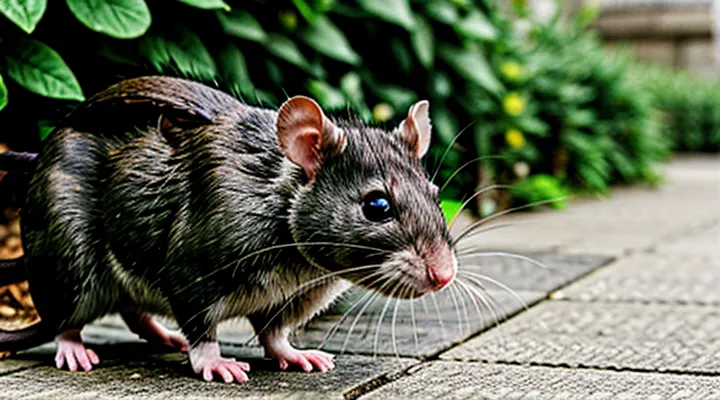
Understanding Rat Infestations
Identifying Rat Species and Behavior
Common Rat Types
Understanding which rat species are present in an area is essential for any population‑management program. Species differ in size, habitat preference, reproductive rate, and susceptibility to control measures; accurate identification allows targeted actions and reduces non‑target impacts.
- Norway rat (Rattus norvegicus) – Largest common rat, brown‑gray coat, heavy body, blunt nose. Primarily ground‑dwelling; nests in burrows, sewers, basements, and compost piles. Highly adaptable, breeds year‑round, producing up to 12 offspring per litter.
- Roof rat (Rattus rattus) – Smaller, sleek body, black or dark brown coat, pointed nose, longer tail. Prefers elevated locations such as attics, rafters, and tree canopies. Often associated with fruit trees, vines, and stored grain.
- Black rat (Rattus rattus) – Historically synonymous with roof rat; distinguished by a uniformly dark coat and slightly larger size than roof rat. Occupies similar arboreal habitats, frequently found in tropical and subtropical regions.
- Polynesian rat (Rattus exulans) – Smallest of the three, gray‑brown coat, short tail. Inhabits islands and coastal settlements, exploiting stored food and agricultural crops.
Geographic distribution aligns with climate and human activity. Norway rats dominate temperate urban centers, while roof and black rats thrive in warmer, densely vegetated environments. Polymorphic breeding cycles reflect local temperature patterns, influencing population surges.
Effective control strategies must match species behavior. Ground‑dwelling rats respond to bait stations and snap traps placed along burrow entrances, whereas arboreal rats require elevated bait platforms, ladder traps, or exclusion of access points. Recognizing these distinctions streamlines resource allocation and improves eradication outcomes.
Rat Habits and Habitat
Rats are primarily nocturnal foragers, active after dusk when human activity declines. They locate food through acute olfactory senses, capable of detecting crumbs and waste at concentrations as low as parts per million. Their incisors grow continuously, requiring constant gnawing on hard materials such as wood, plastic, and concrete. Reproduction peaks during warm months; a single female can produce up to seven litters annually, each containing six to twelve pups, leading to rapid population expansion.
Preferred habitats provide shelter, water, and easy access to nourishment. Typical locations include:
- Underground sewer networks and utility tunnels, offering darkness and moisture.
- Building basements and crawl spaces where insulation and clutter create nesting sites.
- Agricultural storage facilities and grain silos, which supply abundant food.
- Urban alleys and dumpsters, presenting constant waste streams.
- Outdoor debris piles, compost heaps, and vegetation thickets that conceal burrows.
Understanding these behavioral patterns and environmental preferences is essential for designing targeted control measures that disrupt food sources, limit entry points, and reduce breeding opportunities.
Recognizing Signs of Infestation
Droppings and Urine Trails
Rat droppings and urine trails provide the most reliable indicators of infestation intensity, movement patterns, and preferred foraging zones. Accurate identification of these signs enables targeted interventions, reduces unnecessary pesticide applications, and limits collateral damage to non‑target species.
Key actions derived from droppings and urine evidence:
- Conduct systematic surveys along walls, ceilings, and concealed areas; record pellet size, shape, and distribution density to estimate population size.
- Map urine stains using ultraviolet light or fluorescent markers; trace pathways to locate nesting sites and food sources.
- Apply bait stations and traps directly along confirmed travel routes; position devices at intervals matching the observed spacing of droppings.
- Deploy localized rodenticide or biological control agents in proximity to identified nests, ensuring containment within the affected zone.
- Implement environmental modifications—seal entry points, remove clutter, and eliminate water sources—at points where urine trails converge.
Proper disposal of collected droppings and contaminated materials prevents secondary health risks. Use sealed, disposable bags, disinfect surfaces with an EPA‑approved rodent‑specific sanitizer, and follow local regulations for hazardous waste. Maintaining a clean environment after removal disrupts scent marking, discourages re‑colonization, and supports long‑term population suppression.
Gnaw Marks and Damage
Gnaw marks are a primary indicator of rat activity. They appear as clean, crescent‑shaped bites on wood, plastic, and metal surfaces. The depth of each bite typically matches the size of the animal’s incisors, ranging from 2 mm in juveniles to 6 mm in adults. Repeated gnawing creates parallel rows that can compromise structural integrity and expose wiring.
Damage caused by rats extends beyond visible bite marks. Common effects include:
- Severed electrical cables, leading to short circuits or fire hazards.
- Compromised insulation in walls and ducts, reducing energy efficiency.
- Penetrated food containers, resulting in contamination and loss.
- Damaged plumbing, where rats chew through plastic pipes, causing leaks.
- Deteriorated building materials, such as framing timber, which may weaken load‑bearing capacity.
Identifying gnaw marks early enables targeted intervention. Inspect high‑traffic zones—attics, basements, and pantry shelves—for fresh bites. Trace the direction of chewing to locate entry points, then seal openings with steel wool or metal flashing to prevent re‑entry. Replace or reinforce compromised components promptly to avoid escalation of repair costs.
Integrating gnaw‑mark analysis into a rat‑management program improves efficacy. Documentation of bite patterns provides data for mapping movement pathways, informing placement of traps or bait stations. Regular monitoring of damage levels guides the frequency of control measures, ensuring resources are allocated where risk is greatest.
Sounds and Sightings
Monitoring rat activity relies heavily on auditory and visual indicators. Detecting these cues enables timely intervention and reduces the need for extensive chemical treatments.
Rats emit distinct noises during foraging, territorial disputes, and mating. Typical sounds include high‑pitched squeaks, chattering bursts, and rapid foot‑stomps on hard surfaces. Passive acoustic devices placed near suspected pathways can record frequency patterns; software analysis distinguishes rat calls from ambient noise, allowing confirmation of active colonies without visual confirmation.
Visual evidence comprises several observable elements:
- Fresh droppings, 1–2 cm long, dark‑brown, often found along walls or near food sources.
- Gnaw marks on timber, plastic, or wiring, displaying clean, parallel cuts.
- Runway tracks in dust, sand, or soft soil, showing four‑toed footprints with a distinctive heel pad.
- Direct sightings of nocturnal activity, especially along illuminated edges or near feeding stations.
Systematic documentation of these signs creates a baseline for population density estimates. Repeated observations in the same locations indicate colony expansion, while a decline in sightings suggests successful suppression.
Integrating sound detection and visual surveys into a control schedule improves resource allocation. When acoustic sensors register increased call rates, inspection teams prioritize those zones for trap placement or bait deployment. Conversely, a lack of auditory activity coupled with minimal visual signs permits reduced monitoring frequency, conserving labor and materials. This data‑driven approach streamlines management efforts and enhances overall effectiveness.
Prevention Strategies
Exclusion Techniques
Sealing Entry Points
Sealing entry points prevents rats from accessing indoor spaces, reducing the likelihood of infestations and limiting population growth. By eliminating gaps, cracks, and openings, the environment becomes inhospitable, forcing rodents to seek alternative habitats.
Common access routes include:
- Gaps around utility pipes and conduits
- Openings beneath doors and windows
- Cracks in foundation walls, basements, and crawl spaces
- Holes in roof eaves, soffits, and vent screens
- Unsealed openings around HVAC ducts and chimney flues
Effective sealing procedure:
- Conduct a thorough inspection of the building envelope, noting all potential ingress sites.
- Choose durable materials such as steel wool, copper mesh, cement‑based sealant, or expanding foam rated for pest control.
- Apply the chosen material to each identified gap, ensuring a tight fit that resists chewing.
- Reinforce high‑traffic areas with metal flashing or hardware cloth to provide additional protection.
- Record the locations sealed and schedule periodic reviews to detect wear or new openings.
Consistent maintenance of sealed points sustains the barrier, supporting broader rat management strategies.
Repairing Structural Damage
Structural damage created by rats provides shelter, nesting sites, and pathways that undermine any effort to reduce rodent numbers. Unsealed gaps, compromised walls, and deteriorated flooring allow easy access to food sources and safe havens, facilitating rapid population growth.
Repairing such damage removes the physical conditions that support infestation. By restoring integrity to buildings, managers eliminate entry points, limit movement, and reduce the availability of protected environments, thereby enhancing the effectiveness of trapping, baiting, and exclusion strategies.
Key actions for repairing structural damage include:
- Inspecting foundations, walls, and roofs for cracks, holes, or gaps larger than ¼ inch.
- Sealing openings with steel wool, caulk, or concrete, depending on material compatibility.
- Replacing rotted wood, damaged insulation, and compromised piping that may serve as nesting material.
- Reinforcing vent screens and utility openings with metal mesh to prevent re‑entry.
- Conducting a post‑repair assessment to verify that all potential access points are closed.
Regular maintenance schedules should incorporate periodic inspections, prompt repair of new damage, and documentation of remedial actions. Consistent upkeep sustains the structural barriers essential for long‑term rodent population management.
Sanitation Practices
Proper Food Storage
Proper food storage directly reduces the attraction of rodents to residential and commercial environments. Sealed containers prevent scent leakage, eliminating a primary cue that rats use to locate sustenance. By limiting access, the food supply that supports breeding cycles is removed, leading to a measurable decline in population growth.
Effective storage practices include:
- Use airtight, pest‑proof containers made of metal or heavy‑wall plastic.
- Store grains, dried goods, and pet food on elevated shelves away from walls.
- Rotate inventory regularly; discard expired items promptly.
- Keep storage areas clean, sweeping up spills and debris after each use.
- Install moisture‑resistant liners to avoid damp conditions that encourage infestation.
Temperature control also influences rodent activity. Refrigerated or frozen storage for perishable items suppresses bacterial growth and reduces odor, making the environment less hospitable to rats. Maintaining a consistent cold chain eliminates the need for waste that could serve as supplemental feed.
Routine inspection reinforces preventive measures. Identify signs of gnawing, droppings, or disturbed packaging during weekly checks. Immediate repair of compromised seals restores the barrier and prevents re‑infestation. Combining disciplined food storage with other control tactics creates a comprehensive strategy for managing rodent populations.
Waste Management
Effective waste management directly influences rat population levels. Improperly stored or delayed trash provides food and shelter, encouraging breeding and increasing infestation risk.
Key practices for waste handling include:
- Using rat‑proof containers with tight-fitting lids.
- Scheduling frequent collection to prevent buildup.
- Separating organic waste from other refuse to reduce attractants.
- Compacting waste where feasible to limit exposed surfaces.
- Placing bins away from building foundations and sealing entry points.
Integrating these measures with habitat modification—such as sealing cracks, removing debris, and maintaining vegetation—creates an environment less conducive to rodent activity. Monitoring waste practices alongside trapping or baiting programs yields measurable reductions in rat sightings.
Consistent application of disciplined waste protocols lowers disease transmission potential, decreases property damage, and reduces long‑term control expenses.
Habitat Modification
Reducing Clutter
Clutter provides shelter, food sources, and travel pathways that enable rats to establish and expand colonies. Eliminating unnecessary items removes hiding places, reduces access to stored food, and disrupts movement routes, directly limiting population growth.
Effective clutter reduction includes the following actions:
- Remove cardboard boxes, paper piles, and discarded containers from storage areas. Store necessary items in sealed, rigid containers with tight‑fitting lids.
- Trim vegetation, debris, and overgrown material around building foundations. Keep grass, shrubs, and mulch at a minimum height to prevent ground cover.
- Organize indoor spaces by discarding broken appliances, unused tools, and excess packaging. Arrange remaining items on elevated shelves to prevent direct floor contact.
- Conduct regular inspections of attics, basements, and crawl spaces. Identify and eliminate accumulated debris, insulation excess, and abandoned construction materials.
Maintain a schedule that reviews each area monthly, documenting removed items and verifying that no new clutter accumulates. Promptly address any re‑introduction of potential rat habitats to sustain a low‑risk environment.
Landscaping Considerations
Effective rodent population management begins with landscape design that discourages habitation. Selecting plant species with dense, low‑lying foliage creates hiding places; opting for upright, well‑spaced shrubs reduces cover. Maintain clear zones around structures by trimming grass to a height of 3–4 inches and removing leaf litter or debris that can serve as nesting material.
Ground cover choices influence burrow development. Use hardscape elements—gravel, stone, or concrete pads—in high‑traffic areas to eliminate soft soil where rats can dig. When mulch is necessary, apply a thin layer (no more than 1 inch) of inorganic material such as rubber mulch, which deters burrowing and does not retain moisture.
Water management contributes directly to habitat suitability. Install drainage systems that prevent standing water, repair leaky irrigation lines, and position birdbaths or pet water dishes on sturdy platforms that can be emptied nightly. Reducing readily available water sources lowers attraction.
Regular maintenance practices sustain a hostile environment for rodents:
- Inspect and seal cracks in foundations, walls, and walkways.
- Trim tree branches away from roofs to prevent access.
- Store compost, firewood, and garden waste in sealed containers.
- Schedule seasonal clean‑outs of gutters, basements, and crawl spaces.
By integrating these landscaping strategies, property owners create conditions that limit shelter, food, and water for rats, thereby enhancing the overall efficacy of population control measures.
Control Methods
Trapping Solutions
Snap Traps
Snap traps provide a rapid, physical method for reducing rat numbers. The device consists of a spring‑loaded bar that releases when a rat applies pressure to a trigger plate, delivering an immediate lethal blow. Because the mechanism does not rely on poison, snap traps eliminate the risk of secondary poisoning to non‑target animals and avoid contaminating food stores.
Effective deployment requires strategic placement and appropriate bait selection. Rats travel along walls, behind appliances, and near food sources; positioning traps perpendicular to these pathways maximizes contact with the trigger. Common baits include peanut butter, dried fruit, or small pieces of meat, applied directly to the trigger plate to ensure rapid activation. Each trap should be set with the trigger plate flush against the wall surface, allowing the rat to approach from either side.
Key considerations for safe and efficient use:
- Inspect traps before each deployment for damage to the spring or trigger mechanism.
- Wear gloves when handling traps to prevent transfer of scent and to protect hands from accidental discharge.
- Use a protective barrier (e.g., a wooden shield) when setting traps in high‑traffic areas to reduce human contact.
- Replace or reset traps immediately after a capture to maintain consistent pressure on the rat population.
- Dispose of captured rodents in sealed containers, following local waste‑management regulations.
Advantages of snap traps include low cost, ease of reuse, and immediate results. Limitations involve the need for regular monitoring, potential for non‑target captures, and the requirement for proper placement to achieve high kill rates. When integrated into a broader integrated pest‑management program, snap traps contribute a reliable, humane component for controlling rat infestations.
Live Traps
Live traps capture rats without killing them, allowing removal from the premises while avoiding chemical or lethal methods. The device consists of a cage or enclosure that closes automatically when a rat triggers a mechanism.
- Single‑catch cage: one animal per trap, easy to inspect.
- Multi‑catch cage: holds several rats before emptying, suited for high‑density infestations.
- Box‑type trap: rectangular design, compatible with various bait placements.
Choosing an appropriate trap involves several factors. Size must accommodate adult rats (minimum interior dimensions 12 × 8 × 6 in). Construction material should resist chewing; stainless steel or heavy‑gauge wire mesh are preferred. Trigger sensitivity must be adjustable to react to the weight of a rat but ignore smaller non‑target species.
Effective deployment follows a systematic pattern. Place traps along walls, behind objects, and near known runways, because rats travel close to surfaces. Use attractive bait such as peanut butter, dried fruit, or fish, applied to the trigger plate. Check traps at least twice daily to prevent stress and to reset mechanisms. Record capture locations to identify activity hotspots.
Handling captured rats requires adherence to humane and legal standards. Relocate animals at a minimum distance of 2 miles from the original site, releasing them in suitable habitats with shelter and water. If relocation is prohibited, euthanize using approved methods and dispose of carcasses according to local regulations. Wear gloves and protective clothing to avoid disease transmission.
Integrating live traps with complementary strategies—such as exclusion sealing, sanitation, and population monitoring—enhances overall rodent management effectiveness. Live trapping provides immediate reduction of visible rats while supporting long‑term control by supplying data on infestation levels and confirming the success of preventive measures.
Electronic Traps
Electronic traps deliver a rapid, humane solution for reducing rat numbers in residential, commercial, and industrial settings. The devices emit a high‑voltage shock that kills rodents instantly, eliminating the need for poison or manual handling. Their operation relies on a sensor—typically infrared or pressure‑activated—that triggers the discharge when a rat enters the baited chamber.
Key characteristics of electronic traps include:
- Immediate lethality – voltage ranges between 2,000 and 5,000 V, ensuring swift death and minimizing suffering.
- Ease of monitoring – built‑in indicator lights or audible alerts signal a successful strike, allowing timely disposal of carcasses.
- Reusable construction – sturdy housing and replaceable battery packs extend service life, reducing long‑term costs.
- Safety features – insulated exteriors and automatic shut‑off prevent accidental contact with humans or non‑target animals.
Effective deployment follows several best‑practice steps:
- Placement – locate traps along walls, near burrows, or behind objects where rats travel; avoid open floor areas.
- Bait selection – use high‑protein attractants such as peanut butter, dried fruit, or specialized rodent lures to increase capture rates.
- Density – install multiple units in heavily infested zones; a spacing of 10–15 ft between traps typically yields optimal coverage.
- Maintenance – inspect traps daily, replace dead rodents, and recharge or replace batteries according to manufacturer specifications.
- Sanitation – clean chambers with a mild disinfectant after each catch to prevent disease transmission and preserve bait effectiveness.
When integrated into a comprehensive rat management program, electronic traps complement exclusion measures, habitat modification, and, where appropriate, chemical controls. Their precision, speed, and low environmental impact make them a reliable component for controlling rodent populations while adhering to health‑safety regulations.
Baits and Rodenticides
Types of Baits
Effective rat population management relies on selecting appropriate baits that match target behavior, environment, and regulatory constraints. Bait categories differ in active ingredients, mode of action, and resistance considerations.
- Anticoagulant baits – contain compounds such as warfarin, bromadiolone, or difenacoum; they inhibit vitamin K recycling, causing fatal internal bleeding after ingestion. First‑generation products (e.g., warfarin) require multiple feedings, whereas second‑generation formulations achieve lethality with a single exposure.
- Non‑anticoagulant baits – include cholecalciferol, zinc phosphide, and bromethalin. Cholecalciferol triggers hypercalcemia, zinc phosphide releases phosphine gas in the stomach, and bromethalin disrupts cellular energy metabolism. These agents avoid clotting‑related resistance mechanisms.
- Food‑based attractants – consist of grain, fruit, or protein matrices designed to enhance palatability. Proper formulation ensures rapid consumption and reduces competition with alternative food sources.
- Gel and paste baits – provide a high‑moisture medium suitable for concealed habitats such as wall voids or crawl spaces. Their consistency permits placement in tight openings where solid blocks are impractical.
- Rodenticide baits with secondary‑kill mitigation – incorporate low‑toxicity compounds or biodegradable carriers to minimize risk to non‑target wildlife and pets while retaining efficacy against rats.
Choosing a bait type requires evaluating resistance profiles, exposure risk, and delivery method. Combining complementary baits in a rotation schedule can delay resistance development and improve overall control outcomes.
Safe Application and Placement
Safe deployment of rat management tools requires precise placement, secure containment, and adherence to regulatory standards. Improper positioning increases exposure risk for occupants, pets, and non‑target wildlife while reducing control efficacy.
- Locate bait stations at least 2 m from food preparation surfaces, water sources, and child‑accessible areas. Use tamper‑resistant units that lock securely after placement. Install stations along walls, behind appliances, and within concealed pathways where rodent activity is confirmed.
- Position snap or live traps perpendicular to walls, with the trigger side facing the rodent route. Place traps in low‑light zones, near entry points, and on stable surfaces that prevent displacement. Check traps at intervals no longer than 24 hours to limit suffering and prevent secondary hazards.
- Apply rodenticides only in sealed, labeled containers designed for indoor or outdoor use, following label dosage and spacing instructions. Distribute poison in bait stations rather than loose pellets. Ensure stations are anchored to prevent tipping and are inaccessible to children and domestic animals.
- Maintain a log of each device’s location, installation date, and inspection outcomes. Record any signs of non‑target exposure and adjust placement accordingly. Conduct periodic site assessments to verify that barriers remain intact and that devices are functioning as intended.
Overall, meticulous positioning, secure containment, and systematic documentation protect human health, preserve environmental integrity, and sustain the effectiveness of rodent population reduction efforts.
Potential Risks and Precautions
Effective rat control programs can introduce hazards that jeopardize human health, non‑target wildlife, and the environment. Understanding these risks enables practitioners to implement safeguards that preserve safety and compliance.
- Chemical exposure: Rodenticides may cause acute poisoning in humans, pets, and predatory species if misapplied or left accessible.
- Resistance development: Repeated use of the same active ingredient can select for resistant rat populations, reducing long‑term efficacy.
- Secondary poisoning: Predators or scavengers that consume poisoned rats can suffer lethal or sublethal effects, disrupting local ecosystems.
- Environmental contamination: Improper disposal of bait containers or runoff from treated areas can introduce toxic residues into soil and water sources.
- Public perception: Visible bait stations or traps in residential zones may provoke community concerns, potentially leading to legal challenges.
Mitigation measures must be integrated into every control plan:
- Risk assessment: Conduct site‑specific evaluations to identify vulnerable groups, habitat characteristics, and potential exposure pathways before selecting control methods.
- Targeted application: Use baits with low secondary‑toxicity profiles, place them in tamper‑proof stations, and limit quantities to the minimum effective dose.
- Rotation of actives: Alternate chemical classes or combine with non‑chemical tactics to prevent resistance buildup.
- Monitoring: Regularly inspect bait stations, track mortality rates, and assess non‑target impacts through field surveys.
- Training and documentation: Ensure all personnel receive certified instruction on handling, placement, and emergency procedures; maintain detailed records for regulatory review.
- Public communication: Provide clear guidance to residents on safety practices, disposal of waste, and reporting of any adverse events.
By systematically addressing these hazards, rat management initiatives achieve higher success rates while safeguarding health, biodiversity, and public trust.
Professional Pest Control
When to Call an Expert
Effective rat management requires recognizing situations that exceed the capabilities of DIY measures. When infestation signs appear in multiple locations, when traps and bait lose efficacy despite proper placement, or when rats are observed inside structures at night, professional intervention becomes necessary. Persistent activity in concealed areas such as wall cavities, attics, or beneath flooring indicates that the population has established a hidden network that is difficult to eradicate without specialized equipment.
Key indicators for contacting a pest‑control specialist include:
- Rapid increase in sightings over a short period.
- Damage to wiring, insulation, or food storage that threatens health or safety.
- Presence of rat droppings, urine stains, or gnaw marks in high‑traffic zones.
- Failure of over‑the‑counter traps or poison after several weeks of use.
- Need for compliance with local health regulations or landlord requirements.
Professional services provide comprehensive assessment, targeted baiting, exclusion techniques, and ongoing monitoring. Engaging experts promptly reduces the risk of disease transmission, structural damage, and costly long‑term control efforts.
Services Offered by Professionals
Professional pest‑control firms provide a comprehensive suite of services designed to reduce and sustain low rat numbers in residential, commercial, and industrial settings. Their approach combines site assessment, targeted interventions, and ongoing monitoring to achieve reliable results.
- Site inspection and risk assessment – detailed evaluation of structural vulnerabilities, food sources, and activity signs.
- Bait placement and management – calibrated distribution of anticoagulant or non‑anticoagulant baits, with regular replenishment.
- Mechanical trapping – strategic deployment of snap, live‑catch, or electronic traps in high‑traffic zones.
- Exclusion and sealing – installation of rodent‑proof barriers, door sweeps, and vent covers to block entry points.
- Sanitation and waste control – removal of attractants, proper storage solutions, and waste‑handling protocols.
- Integrated pest‑management planning – coordinated use of chemical, mechanical, and environmental tactics based on monitoring data.
- Emergency response – rapid deployment for acute infestations, including night‑time operations and containment.
- Documentation and reporting – detailed records of findings, actions taken, and recommendations for future prevention.
Clients receive a written action plan, scheduled follow‑up visits, and compliance guidance to meet health‑code requirements. Continuous monitoring ensures that rat populations remain below economic injury levels, protecting property and public health.
Integrated Pest Management (IPM) for Rats
Combining Strategies for Effectiveness
Multi-pronged Approach
A multi‑pronged strategy integrates several control tactics to reduce rodent numbers effectively. Combining environmental sanitation, physical removal, chemical deterrents, biological agents, and continuous monitoring creates redundancy that limits rats’ ability to adapt.
- Sanitation and habitat modification – Eliminate food sources, secure waste containers, and remove clutter that provides shelter. Seal building foundations, gaps, and utility penetrations to block entry.
- Mechanical trapping – Deploy snap traps or electronic devices in high‑activity zones. Position traps along walls, near burrows, and in concealed pathways for maximum capture rates.
- Chemical baiting – Use anticoagulant or non‑anticoagulant rodenticides in tamper‑resistant stations. Rotate active ingredients to prevent resistance development and follow label instructions for dosage and placement.
- Biological control – Introduce predatory species such as barn owls or feral cats where appropriate, and consider the use of rodent‑specific viruses under regulatory approval.
- Community involvement – Educate residents and staff on reporting sightings, maintaining cleanliness, and proper trap handling. Coordinate outreach through local health agencies and property managers.
- Monitoring and data analysis – Conduct regular inspections, record trap success, and map activity hotspots. Adjust tactics based on trends and seasonal fluctuations.
Implementation begins with a comprehensive site assessment to identify attractants and access points. After corrective sanitation, install traps and bait stations according to the mapped hotspots. Simultaneously, initiate biological measures where legal and feasible. Record all interventions, review performance weekly, and refine placement or product choice as data dictate. Continuous evaluation ensures that each component reinforces the others, sustaining long‑term population suppression.
Monitoring and Evaluation
Monitoring and evaluation provide the evidence base needed to assess the success of rat population management programs. By systematically recording outcomes and comparing them with predefined objectives, practitioners can determine whether control actions achieve desired reductions and identify areas for improvement.
Typical performance indicators include:
- Number of rats captured per trap night
- Quantity of rodenticide or bait consumed
- Frequency of rat sightings reported by residents or staff
- Incidence of rat‑related damage to property or equipment
- Reported cases of rodent‑borne disease in the affected area
Data collection relies on a combination of automated and manual methods. Trap devices equipped with counters log capture events in real time. Remote sensors detect bait uptake and movement patterns. Geographic information systems map activity hotspots and track changes over time. Structured surveys gather reports from occupants, while laboratory analysis confirms species identification and disease presence.
Evaluation follows a structured cycle. Baseline measurements establish reference values before intervention. Post‑implementation data are gathered at regular intervals—weekly during intensive phases, monthly thereafter. Statistical tests compare current figures with baseline, highlighting significant trends. Thresholds define acceptable population levels; exceeding them triggers corrective actions.
Results are compiled into concise dashboards and periodic reports. Visual summaries present indicator trajectories, while narrative sections explain deviations from targets. Stakeholders receive actionable recommendations, enabling rapid adjustment of bait placement, trap density, or sanitation measures. Continuous feedback ensures that control efforts remain aligned with measurable outcomes.
Long-Term Management
Ongoing Prevention
Effective rat management requires continuous preventive actions that reduce attraction and entry points. Regular sanitation eliminates food residues, water sources, and clutter that support rodent activity. Waste containers should be sealed, and spills cleaned promptly to deny rats easy access to nourishment.
Structural barriers protect buildings from infiltration. Inspect foundations, walls, and utility penetrations weekly; repair cracks, install metal flashing, and fit tight-fitting door sweeps. Installing rat-resistant materials in vulnerable zones creates a lasting physical deterrent.
Sustained monitoring and maintenance reinforce preventive measures. Implement a schedule for inspecting bait stations, replacing lures, and recording sightings. Community participation enhances coverage; educate occupants on reporting signs and adhering to hygiene standards.
- Conduct monthly waste audits and adjust collection practices.
- Perform quarterly inspections of exterior and interior entry points.
- Rotate bait formulations every 6 months to prevent habituation.
- Record and analyze trap captures to identify activity trends.
- Provide training sessions for staff and residents on preventive protocols.
Adapting to Changing Conditions
Effective rat management requires continual adjustment as environmental, biological, and regulatory factors evolve. Seasonal temperature shifts influence reproductive cycles; warmer periods accelerate breeding, demanding intensified monitoring and trap deployment. Conversely, colder months reduce activity, allowing reduction of control intensity while maintaining surveillance for indoor infestations.
Urban development alters habitat availability. Construction creates temporary shelters and food sources, prompting rapid reassessment of bait placement. Implementing mobile bait stations that can be relocated in response to new structures minimizes exposure gaps. When demolition removes established colonies, immediate post‑work inspections prevent recolonization.
Resistance to anticoagulant rodenticides emerges through genetic selection. Regular resistance testing informs rotation of active ingredients and integration of non‑chemical methods such as snap traps, ultrasonic deterrents, or habitat modification. Combining multiple tactics reduces reliance on any single approach and slows resistance development.
Regulatory changes may restrict specific chemicals or require humane practices. Maintaining a compliance database enables swift substitution of prohibited products with approved alternatives. Training staff on updated protocols ensures consistent application across all control operations.
Adaptive management benefits from data‑driven decision making. Establish a baseline population index using capture‑per‑unit‑effort metrics. Update the index monthly and compare trends against weather reports, waste management changes, and community feedback. Adjust control intensity according to predefined thresholds:
- Index > 1.5 × baseline: increase trap density, rotate baits, expand inspection zones.
- Index 0.8–1.5 × baseline: maintain current effort, focus on hotspot sanitation.
- Index < 0.8 × baseline: scale back trapping, allocate resources to preventive measures.
By embedding flexibility into monitoring, product selection, and operational protocols, rat control programs remain effective despite fluctuating conditions.