
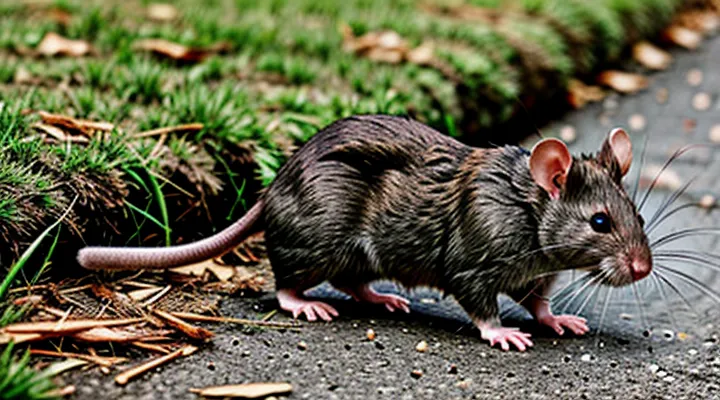
Understanding the Rat Problem
Identifying Rat Infestations
Signs of Rat Presence
Rats leave distinct evidence that confirms their activity in any building or surrounding area. Recognizing these indicators allows swift intervention before populations expand.
- Dark, pellet‑shaped droppings, ¼ to ½ inch long, often found near food sources, along walls, or in hidden corners.
- Gnaw marks on wood, plastic, wiring, or insulation, typically at an angle of 45 degrees with shallow, smooth cuts.
- Freshly chewed food, packaging, or grain, showing irregular bite patterns and shredded edges.
- Well‑defined runways: parallel paths of flattened material, dust, or debris along walls, baseboards, or under appliances.
- Burrows or shallow holes in insulation, soil, or stored materials, frequently accompanied by loose bedding.
- Audible scratching, scurrying, or squeaking during nighttime hours, especially in attics, crawl spaces, or wall voids.
- Streaks or spots of urine, often visible on surfaces where rats travel, leaving a strong, musky odor.
- Nests constructed from shredded paper, fabric, or insulation, usually placed in concealed locations such as behind appliances or within wall cavities.
Identifying these signs early enables targeted measures to eliminate infestations, protect property, and prevent health risks associated with rodent activity.
Common Rat Species and Behaviors
Rats responsible for most infestations belong to a few well‑documented species, each displaying characteristic habits that influence control tactics.
- Norway rat (Rattus norvegicus) – large, robust, prefers ground burrows, thrives near water sources, colonizes sewers, basements, and outdoor debris piles.
- Roof rat (Rattus rattus) – smaller, agile climber, favors elevated structures such as attics, rafters, and trees; commonly found in warm, dry environments.
- Polynesian rat (Rattus exulans) – diminutive, highly adaptable, occupies coastal and island habitats, often associated with agricultural settings.
Key behaviors affecting management:
- Nocturnal foraging – activity peaks after dark, requiring traps and baits positioned for night use.
- Burrowing and nesting – extensive tunnel systems in soil or structural voids create protected refuges; sealing entry points disrupts colony stability.
- Climbing ability – roof rats exploit vertical pathways; control measures must extend to ceilings, eaves, and vegetation.
- High reproductive rate – females can produce up to 10 litters annually, each containing 6–12 offspring; rapid population growth demands prompt intervention.
- Omnivorous diet – attraction to stored food, waste, and pet feed; sanitation and proper storage reduce bait competition.
Understanding species distribution and these behavioral patterns enables targeted placement of traps, strategic baiting, and effective exclusion of entry points, thereby optimizing eradication efforts.
Risks Associated with Rats
Health Hazards
Rats harbor a wide range of pathogens that pose direct and indirect threats to human health. Bacterial agents such as Salmonella and Leptospira can be transmitted through contaminated food, water, or surfaces after contact with rodent urine, feces, or saliva. Viral infections, including hantavirus and lymphocytic choriomeningitis virus, spread when aerosolized particles from dried droppings are inhaled. Parasitic infestations, exemplified by Hymenolepis tapeworms and Toxoplasma gondii, occur when humans ingest eggs or cysts deposited by rodents. Allergic reactions and asthma exacerbations are linked to rodent dander and urine proteins, which become airborne in indoor environments.
Control operations introduce additional health considerations. Chemical rodenticides, especially anticoagulant compounds, present poisoning risks to non‑target species, domestic animals, and humans who handle bait or encounter secondary exposure through predatory wildlife. Mechanical traps may cause injuries if mishandled, and snap devices generate sharp fragments that can become airborne in confined spaces. Integrated pest‑management programs must therefore incorporate protective measures:
- Use bait stations with tamper‑resistant designs to limit accidental contact.
- Equip personnel with gloves, masks, and eye protection during bait placement and trap servicing.
- Implement regular sanitation protocols to remove droppings, urine stains, and nesting material, reducing aerosolized contaminants.
- Schedule pest‑control activities during periods of low human occupancy to minimize exposure.
Monitoring and documentation of rodent activity, coupled with prompt removal of contaminated materials, reduce the likelihood of disease transmission and mitigate the occupational hazards associated with eradication efforts.
Property Damage
Rats inflict extensive property damage that directly undermines structural integrity and increase repair costs. Their gnawing behavior compromises building components, electrical systems, and stored goods.
- Structural elements: Rats chew through wood, drywall, and insulation, creating holes that weaken walls, floors, and roof supports.
- Plumbing: Teeth can breach pipes, leading to leaks, water damage, and mold growth.
- Electrical wiring: Gnawing on cables creates exposed conductors, raising the risk of short circuits and fire hazards.
- Stored products: Grain, cereals, and packaged foods become contaminated, resulting in loss of inventory and potential health violations.
- Furniture and fixtures: Upholstery, curtains, and decorative items suffer bite marks and fur accumulation, diminishing aesthetic value.
These damages often go unnoticed until they manifest as larger failures, prompting emergency repairs and insurance claims. Prompt implementation of reliable eradication measures eliminates the source of damage, preserving property value and preventing recurring expenses.
Prevention Strategies
Securing Your Home and Property
Sealing Entry Points
Sealing potential openings prevents rats from accessing structures, reduces population growth, and limits exposure to food and shelter. Properly closed gaps eliminate the primary pathway that rodents exploit when seeking shelter.
- Inspect exterior walls, foundations, and rooflines for cracks, holes, or gaps larger than ¼ inch.
- Use steel wool, copper mesh, or cement to fill small openings; apply expanding foam for irregular spaces.
- Install weather‑stripping around doors and windows; verify that vent covers and utility penetrations are fitted with metal flashing.
- Repair damaged siding, soffits, and eaves; replace rotted wood and seal gaps around pipe sleeves with rigid conduit or silicone sealant.
After initial sealing, schedule periodic checks to confirm integrity. Reapply sealants after settlement or weathering, and address new construction features promptly. Continuous monitoring sustains the barrier and supports long‑term rodent eradication efforts.
Eliminating Food Sources
Eliminating food sources deprives rats of the energy required for reproduction and foraging, directly reducing population growth. Securely store all consumables in sealed containers made of metal or heavy‑gauge plastic; inspect lids for damage before each use. Regularly clean floors, countertops, and equipment to remove crumbs, spills, and residue that can attract rodents.
Key actions for a food‑focused eradication program include:
- Conduct weekly inspections of storage areas to identify and seal any openings larger than ¼ inch.
- Replace paper bags and cardboard boxes with rigid, impermeable packaging.
- Implement a schedule for immediate disposal of waste; use sealed bins with tight‑fitting lids and empty them at least twice weekly.
- Place bait stations away from food preparation zones, ensuring they are inaccessible to non‑target species.
By maintaining a consistently low level of available nourishment, the habitat becomes inhospitable, forcing rats to relocate or succumb to starvation, thereby supporting broader rodent management objectives.
Proper Waste Management
Effective rodent control begins with disciplined waste handling. Food remnants, organic debris, and improperly sealed containers provide the primary attractants for rats. Eliminating these sources reduces population pressure and limits reinfestation after treatment.
Key practices for waste management include:
- Securely cover all trash receptacles with tight‑fitting lids; replace damaged bins promptly.
- Store compost, animal feed, and kitchen scraps in sealed, rodent‑proof containers.
- Remove waste from production or processing areas daily; avoid accumulation beyond 24 hours.
- Position collection points away from building foundations and entry points.
- Conduct routine inspections for torn bags, spills, or feeding sites and rectify immediately.
Ongoing oversight ensures compliance. Record collection schedules, inspect seal integrity, and adjust procedures when breaches occur. Integrating these measures with trapping or baiting programs creates a comprehensive eradication strategy that sustains low rat activity over the long term.
Landscape and Garden Management
Trimming Vegetation
Trimming vegetation reduces shelter and travel routes for rats, limiting their ability to establish colonies near human structures. Dense shrubs, tall grasses, and overgrown ground cover provide concealment, nesting material, and easy access to food sources. By maintaining a clear perimeter around buildings, the habitat becomes hostile to rodent activity.
Key actions for vegetation management include:
- Cutting back shrubs to a height of no more than 12 inches and removing excess foliage that touches walls or roofs.
- Mowing lawns regularly so grass does not exceed 3 inches, preventing rats from hiding in tall blades.
- Removing leaf litter, compost piles, and debris that accumulate at the base of trees or under eaves.
- Pruning tree branches away from structures to eliminate bridges that rodents can use to reach roofs.
- Disposing of trimmed material promptly, storing it in sealed containers or transporting it off‑site to avoid creating new hiding spots.
Implementing these practices alongside bait stations, traps, and structural sealing creates a comprehensive rat eradication program. Consistent vegetation control diminishes population pressure, improves the effectiveness of other control measures, and lowers the risk of disease transmission. Regular inspections and seasonal adjustments ensure that the environment remains unfavorable to rat colonization.
Removing Debris
Removing debris is a critical component of any rodent management program because clutter provides shelter, nesting sites, and foraging pathways. Effective debris elimination reduces habitat suitability, limits population growth, and enhances the impact of traps, bait stations, and exclusion measures.
Key actions for thorough debris removal:
- Identify and clear all accumulation points: inspect storage areas, utility rooms, crawl spaces, and outdoor structures for piles of cardboard, paper, insulation, or discarded materials.
- Separate recyclables and waste: sort items that can be reused or recycled; dispose of non‑recyclable debris in sealed containers to prevent rodent entry.
- Compact and seal: compress loose materials, then cover with impermeable sheeting or store in lockable, rodent‑proof containers.
- Maintain regular schedules: conduct monthly inspections and clean‑outs, increasing frequency after seasonal weather changes that may drive rodents indoors.
- Combine with structural improvements: seal cracks, install door sweeps, and repair damaged screens after debris removal to eliminate residual entry points.
Implementing these steps creates an environment where rats cannot establish nests, thereby increasing the overall efficacy of eradication efforts. Continuous monitoring ensures that newly generated debris does not compromise control measures.
Eradication Methods
Trapping Techniques
Snap Traps
Snap traps remain a cornerstone of mechanical rat management. Constructed from spring‑loaded steel bars, they deliver a rapid, lethal force when a rat contacts the trigger plate. The design requires minimal maintenance: after each capture, the dead rodent is removed, the trigger is reset, and the bait is replenished.
Effective deployment follows several principles. Place traps along walls, behind appliances, and near known runways, because rats travel close to vertical surfaces. Position the trigger plate perpendicular to the wall, with the bait side facing the rodent’s line of travel. Use bait that appeals to local rat populations—peanut butter, dried fruit, or small pieces of meat—secured to the trigger to prevent premature disengagement.
Key performance factors include:
- Kill efficiency: Properly set snap traps achieve immediate mortality in 90‑95 % of engagements.
- Cost: Units range from $2 to $5, making large‑scale placement financially viable.
- Non‑target risk: Plastic or wooden variants reduce accidental capture of birds and small mammals when placed in enclosed, rodent‑only pathways.
- Durability: Steel models resist corrosion for up to two years in indoor environments; outdoor units may require rust‑proof coatings.
Limitations warrant consideration. Snap traps do not provide continuous monitoring; each capture must be inspected daily to maintain effectiveness. Bait aversion can develop if traps are not rotated or if rats become accustomed to the device. In high‑density infestations, the number of traps required may become impractical compared to bait‑based solutions.
Integration with complementary tactics enhances overall success. Combine snap traps with exclusion measures—sealing entry points, removing food sources, and maintaining sanitation—to prevent reinfestation. Regular inspection of trap placement and prompt disposal of captured rats sustain high kill rates and minimize health hazards.
When applied correctly, snap traps deliver a rapid, humane, and cost‑effective means of reducing rat populations, supporting broader eradication objectives in residential, commercial, and industrial settings.
Live Traps
Live traps provide a humane alternative for removing rats from residential, commercial, and agricultural settings. These devices capture rodents alive, allowing for relocation or euthanasia in accordance with local regulations.
Effective use begins with selecting a trap appropriate for the target species. Common models include:
- Wire-mesh cages with a trigger plate
- Box traps with a spring‑loaded door
- Multi‑catch cages that hold several individuals
Placement determines capture rates. Install traps along walls, near burrow entrances, and in areas where gnaw marks or droppings are evident. Position traps perpendicular to the wall, with the entry side facing the rodent’s travel path. Avoid locations with high human traffic to reduce accidental captures.
Bait selection influences success. Preferred attractants are high‑protein or high‑fat foods such as peanut butter, dried fruit, or small pieces of meat. Apply a minimal amount to the trigger area to ensure the rat contacts the mechanism. Rotate bait types periodically to prevent habituation.
Maintenance requires regular inspection. Check traps at least twice daily; remove captured rats promptly to prevent stress, disease transmission, and escape. Clean and disinfect cages after each capture to eliminate scent cues that may deter further activity. Replace worn springs or trigger plates to preserve functionality.
Advantages of live traps include compliance with animal‑welfare policies, reduced risk of secondary poisoning, and the ability to monitor population size through captured specimens. Limitations involve labor‑intensive monitoring, potential for non‑target captures, and legal restrictions on relocation in many jurisdictions. Verify local wildlife laws before releasing captured rats, as relocation may be prohibited or require permits.
Integrating live traps with complementary measures—such as sealing entry points, removing food sources, and employing environmental sanitation—enhances overall control efficacy. A systematic approach that combines humane capture with habitat modification yields sustainable reductions in rat activity.
Electronic Traps
Electronic traps deliver a high‑voltage shock that instantly incapacitates rodents. The device contains a metal grid linked to a capacitor; when a rat completes the circuit by touching the contacts, the stored charge discharges through the animal’s body, causing immediate death without chemicals or bait.
- Low‑voltage models: operate on standard household current, suitable for indoor use where power outlets are readily available.
- High‑voltage models: employ rechargeable batteries or solar panels, provide stronger shocks for larger rodents and outdoor environments.
- Ultrasonic‑assisted units: combine a shock grid with a sound emitter that deters further activity in the vicinity.
Field trials report mortality rates above 95 % within seconds of contact, eliminating the need for repeated baiting cycles. The rapid action reduces the likelihood of disease transmission and prevents secondary infestations caused by surviving individuals.
Placement near walls, along runways, and adjacent to food storage areas maximizes encounter probability. Sensors that detect movement or weight prevent activation by non‑target species; some designs incorporate a sealed chamber to contain carcasses and facilitate disposal.
Routine maintenance consists of cleaning the contact plates, inspecting the power source, and replacing the capacitor after a specified number of cycles. Initial investment exceeds that of conventional snap traps, but the absence of consumable bait and the durability of solid‑state components lower long‑term expenses.
Proper Trap Placement and Baiting
Effective eradication of rats depends on precise trap positioning and appropriate bait selection. Traps must be situated along established rodent pathways, near walls, and in concealed corners where rats travel between shelter and food sources. Placement near entry points, such as gaps under doors or around utility conduits, intercepts individuals before they infiltrate interior spaces.
Key considerations for optimal trap placement include:
- Align traps perpendicular to walls, with the trigger end facing the anticipated direction of travel.
- Position traps in low‑light zones; rats prefer darkness and will avoid well‑lit areas.
- Space multiple traps 10–15 feet apart along a continuous line to create a barrier effect.
- Secure traps on stable surfaces to prevent displacement by movement or vibration.
Bait selection directly influences capture rates. Use high‑protein or high‑fat foods that match the local rat diet, such as peanut butter, dried meat, or fish oil. Freshness enhances attractiveness; replace bait daily to maintain potency. Apply a small amount—just enough to trigger the mechanism—so the rat must contact the trigger plate while feeding.
Additional practices that increase success:
- Rotate bait types weekly to prevent habituation.
- Dispose of captured rats promptly and sanitize traps with a bleach solution to eliminate scent traces.
- Monitor trap activity each morning; adjust placement or bait if capture frequency declines.
Consistent application of these placement and baiting protocols yields reliable reductions in rodent populations and supports broader pest‑management objectives.
Baits and Rodenticides
Types of Rodenticides
Rodenticides are a core component of rat management programs. They are categorized by active ingredient and mode of action, which determines efficacy, resistance risk, and safety requirements.
- First‑generation anticoagulants (e.g., warfarin, chlorophacinone). Require multiple feedings, lower toxicity to non‑target species, and are commonly used where resistance is minimal.
- Second‑generation anticoagulants (e.g., brodifacoum, bromadiolone). Single‑dose lethal, high potency, effective against resistant populations, but demand strict placement to prevent secondary poisoning.
- Bromethalin. Neurotoxic agent that disrupts mitochondrial function; effective against anticoagulant‑resistant rats, with a delayed onset that reduces bait shyness.
- Zinc phosphide. Releases phosphine gas in the stomach; fast‑acting, suitable for outdoor applications, but highly toxic to wildlife and requires airtight bait containers.
- Cholecalciferol (vitamin D3). Causes hypercalcemia leading to cardiac failure; low environmental persistence, limited risk of secondary poisoning, appropriate for indoor settings.
- Sodium fluoroacetate. Metabolic poison that interferes with the citric acid cycle; restricted in many jurisdictions due to high toxicity to mammals and birds.
Selection of a rodenticide depends on infestation severity, documented resistance patterns, and regulatory constraints. Integrated approaches combine bait placement with sanitation, structural exclusion, and monitoring to sustain control outcomes while minimizing non‑target exposure.
Safe and Effective Use
Effective rat management requires methods that protect human health, non‑target species, and the environment while delivering reliable results. Proper application of control agents, traps, and habitat modifications ensures both safety and efficacy.
- Choose baits formulated with low toxicity to children and pets; verify that the product carries an approved safety label.
- Store baits in locked containers, away from food preparation areas, and limit access to authorized personnel only.
- Deploy snap traps or electronic devices in concealed locations to reduce accidental contact. Ensure traps are positioned perpendicular to walls, with trigger mechanisms facing outward.
- Conduct regular inspections; remove dead rodents promptly to prevent disease spread and secondary poisoning.
- Rotate active ingredients periodically to mitigate resistance development in target populations.
When integrating environmental modifications, eliminate shelter and food sources by sealing entry points, maintaining clean waste storage, and removing clutter. Document all actions, including product batch numbers, placement dates, and observed outcomes, to facilitate accountability and continuous improvement.
Placement Considerations and Safety Precautions
Effective placement of bait stations, traps, and exclusion devices determines the success of rodent management programs. Locate devices along walls, behind appliances, and in concealed pathways where rats travel. Avoid areas with high human traffic, food preparation surfaces, and direct sunlight, which reduce attractiveness and increase risk of accidental exposure.
- Position bait stations 2–3 feet above floor level to target climbing routes.
- Install snap traps and electronic devices on perpendicular surfaces to block escape.
- Use tamper‑resistant housings in accessible locations to prevent non‑target interaction.
- Maintain a minimum distance of 10 feet from children’s play areas, pet feeding stations, and food storage units.
Safety precautions protect occupants, pets, and applicators while preserving efficacy. Select products approved for indoor or outdoor use according to the intended environment. Wear appropriate personal protective equipment (gloves, goggles, respirator) when handling toxic baits or chemicals. Follow manufacturer dosage guidelines precisely; over‑application does not increase mortality and heightens contamination risk.
- Store all rodenticides in locked containers away from food and water sources.
- Label each device with hazard symbols and usage instructions.
- Conduct regular inspections to remove spent traps and replace depleted bait.
- Document placement maps and maintenance dates for accountability and future planning.
Professional Pest Control
When to Call an Expert
Rats infestations that spread beyond isolated sightings require professional intervention. When the problem extends to multiple rooms, structural damage appears, or health risks emerge, a trained specialist should be engaged.
- Continuous droppings in hidden areas
- Gnaw marks on wiring, insulation, or building materials
- Nests constructed from shredded paper, fabric, or insulation
- Audible scurrying at night from within walls or ceilings
- Presence of live or dead rats in traps placed by occupants
Homeowners can manage a single trap or a small, contained population, but they lack the equipment and expertise to locate concealed entry points, apply baits safely, and prevent re‑infestation. Improper bait placement may expose children, pets, or non‑target wildlife to poison.
If any of the listed signs are observed, or if previous DIY attempts have failed to reduce activity, contact a licensed pest‑management professional. Prompt action limits property damage, reduces disease transmission, and restores a safe environment.
What to Expect from a Professional Service
Professional rat‑control providers begin with a thorough site inspection. Technicians identify entry points, assess population density, and evaluate environmental conditions that support infestation. The inspection report includes a detailed map of activity zones and a risk assessment that informs the treatment plan.
The treatment plan specifies the methods and products that will be used, the schedule for application, and safety precautions for occupants and pets. All chemicals comply with local regulations, and equipment is calibrated for precise placement. Technicians wear certified protective gear and follow standard operating procedures to minimize exposure.
Clients receive documentation that covers:
- Inspection findings and identified vulnerabilities
- Recommended structural repairs or sanitation measures
- List of approved bait stations, traps, or exclusion devices
- Timeline for initial treatment and subsequent monitoring visits
- Warranty terms and conditions for re‑infestation
After implementation, the service includes follow‑up inspections to verify efficacy, adjust tactics if needed, and provide a final clearance report. Licensed personnel remain available for questions and emergency response throughout the contract period.
Post-Eradication Measures
Cleaning and Sanitation
Disinfecting Infested Areas
Effective rat eradication requires thorough sanitation of contaminated spaces. Pathogens left by rodents can survive on surfaces for weeks, creating health hazards for humans and animals. Proper disinfection eliminates residual bacteria, viruses, and parasites, reducing the risk of disease transmission and preventing re‑infestation.
The disinfection process follows a systematic sequence:
- Identify contaminated zones. Focus on areas with visible droppings, urine stains, gnaw marks, or nest material.
- Remove debris. Sweep or vacuum loose waste, then dispose of it in sealed containers to avoid aerosolizing pathogens.
- Pre‑clean surfaces. Apply a detergent solution to dissolve organic matter; rinse thoroughly to ensure the disinfectant contacts a clean substrate.
- Select an appropriate disinfectant. Choose products registered for rodent‑borne pathogens, such as quaternary ammonium compounds, bleach solutions (5 % sodium hypochlorite), or hydrogen peroxide formulations. Verify concentration and contact time on the label.
- Apply disinfectant uniformly. Use spray bottles, foggers, or immersion methods to cover all exposed surfaces, including walls, floors, equipment, and hard‑to‑reach crevices.
- Observe required dwell time. Maintain wet contact for the period specified by the manufacturer, typically 5–10 minutes, to achieve full microbial kill.
- Ventilate and dry. Increase airflow to accelerate drying and reduce residual chemical odor.
- Confirm efficacy. Conduct swab tests or use ATP bioluminescence meters to verify that microbial levels fall below acceptable thresholds.
Safety considerations are mandatory. Personnel must wear gloves, eye protection, and respiratory masks compatible with the chosen chemical. Ensure adequate ventilation and keep the area off‑limits to non‑essential staff during treatment.
Documentation of each step, including product details, application dates, and verification results, supports compliance with health regulations and provides a reference for future pest‑management cycles. Consistent sanitation, combined with trapping and exclusion measures, forms a comprehensive strategy to eradicate rat populations and maintain a safe environment.
Removing Carcasses Safely
Safe disposal of dead rodents is a critical component of any rodent management program. Improper handling spreads pathogens, attracts scavengers, and undermines control efforts.
Regulatory agencies require that carcasses be treated as biohazard waste. Failure to comply can result in fines, increased disease risk, and community complaints. Personal protective equipment (PPE) must be worn at all times to prevent direct contact with infectious material.
Procedure for safe carcass removal
- Don disposable gloves, a fluid‑impermeable gown, and a face shield or mask.
- Use a sealed, puncture‑resistant container (e.g., a rigid plastic box with a tight‑fitting lid) to collect the carcass.
- Place the container inside a secondary bag made of heavy‑duty polyethylene; seal both layers securely.
- Transport the sealed package to an authorized disposal facility or incinerator within the timeframe specified by local health regulations.
- Clean and disinfect all tools, containers, and work surfaces with an EPA‑approved disinfectant after each use.
- Remove and discard PPE according to hazardous waste protocols; wash hands thoroughly with soap and water.
After removal, document the incident, including date, location, species, and disposal method. Review the data to identify hotspots and adjust control measures accordingly. Regular audits of disposal practices ensure compliance and maintain the integrity of the overall eradication strategy.
Long-Term Monitoring
Regular Inspections
Regular inspections form the backbone of any successful rat management program. By systematically surveying premises, property owners can detect early signs of infestation, verify the effectiveness of existing controls, and adjust strategies before populations expand.
Typical inspection activities include:
- Visual scanning of interior spaces for droppings, gnaw marks, and nesting material.
- Examination of exterior structures such as eaves, vents, and utility openings for entry points.
- Placement and retrieval of monitoring devices (e.g., snap traps, tracking boards) to gauge activity levels.
- Evaluation of waste storage, food handling areas, and water sources for conditions that attract rodents.
- Documentation of findings with photographs, location maps, and timestamps for trend analysis.
Frequency depends on risk factors. High‑traffic commercial kitchens or warehouses benefit from weekly checks, whereas residential properties may require monthly visits. Seasonal spikes—typically in late summer and early fall—warrant intensified surveys.
Inspection data should feed directly into the broader eradication plan. Identified breaches must be sealed promptly; detected hotspots trigger targeted baiting or trapping; recurring problem areas prompt a review of sanitation practices. Consistent record‑keeping enables measurable progress reports and informs future budgeting for control measures.
Maintaining Preventative Measures
Effective rat management does not end with a successful kill‑off. Ongoing preventative actions protect the investment in eradication and reduce the likelihood of reinfestation.
- Eliminate food sources: store grain, pet food, and waste in sealed containers; clean spills promptly.
- Block entry points: install steel wool, copper mesh, or concrete sealants around gaps, vents, and utility openings.
- Maintain bait stations: inspect weekly, replace expired bait, and reposition stations to cover new activity zones.
- Reduce clutter: keep storage areas organized, remove unnecessary debris, and elevate items from the floor.
- Conduct regular inspections: schedule monthly walkthroughs to identify signs of activity, such as gnaw marks or droppings.
Documenting each inspection creates a traceable record of conditions and actions. Use a simple log that notes date, location, observed signs, and corrective steps. Review the log quarterly to adjust strategies before a problem escalates.
- Increased droppings or gnaw marks
- New chew damage on wiring or piping
- Fresh tracks in dust or flour
- Unexplained food loss
Prompt response to any of these indicators prevents a minor breach from becoming a full‑scale infestation. Consistent application of these measures sustains the results of initial eradication efforts.