
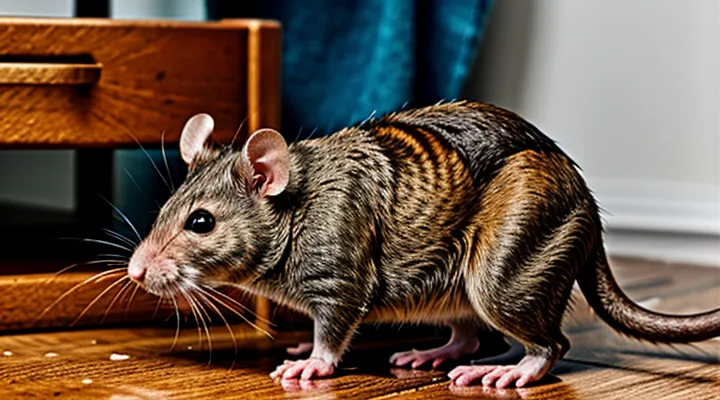
Understanding Rat Sneezing
The Normal and the Alarming
Occasional Sneezes
Rats may sneeze sporadically without indicating an underlying disease. Such episodes typically last a few seconds and resolve without intervention. Recognizing occasional sneezing helps differentiate benign irritation from chronic nasal pathology.
Common triggers include:
- Dust or bedding particles inhaled during cage cleaning.
- Strong odors from food, cleaning agents, or perfumes.
- Sudden temperature changes that dry nasal mucosa.
- Transient upper‑respiratory infections that do not progress to pneumonia.
When sneezing occurs infrequently, treatment focuses on eliminating the irritant and supporting nasal health:
- Replace dusty bedding with low‑dust alternatives such as paper or aspen chips.
- Ensure proper ventilation and maintain stable ambient temperature.
- Use unscented, non‑chemical cleaning products.
- Provide a balanced diet rich in vitamins A and C to maintain mucosal integrity.
If sneezing frequency increases or is accompanied by nasal discharge, ocular symptoms, or weight loss, veterinary assessment is required to rule out chronic conditions such as allergic rhinitis, parasitic infestations, or neoplastic growths. Early identification prevents progression to persistent sneezing, which demands more intensive therapeutic protocols.
Persistent Sneezing
Persistent sneezing in rodents signals irritation of the nasal mucosa. In a rat that sneezes repeatedly, the underlying mechanisms can be grouped into environmental, infectious, and physiological categories.
- Exposure to dust, ammonia, or strong odors
- Allergic response to bedding material or food additives
- Upper‑respiratory viral or bacterial infection (e.g., Sendai virus, Streptococcus spp.)
- Parasitic infestation of the nasal cavity (mites, nematodes)
- Dental malocclusion causing chronic irritation of the nasal passages
- Systemic conditions such as renal failure or hormonal imbalance
Effective management requires identification of the primary trigger, followed by targeted intervention.
- Remove or replace contaminated bedding; improve ventilation to lower airborne irritants
- Conduct microbiological culture; administer appropriate antibiotics or antiviral agents when indicated
- Treat parasitic loads with approved ectoparasiticides
- Perform dental examination; correct overgrown incisors with trimming or prosthetic devices
- Provide supportive care: isotonic saline nasal drops, humidified environment, and adequate hydration
Monitoring after treatment should include daily observation of sneeze frequency and respiratory sound quality. Persistent reduction in sneezing confirms resolution; recurrence warrants re‑evaluation of environmental controls and repeat diagnostic testing.
Common Causes of Rat Sneezing
Environmental Factors
Dust and Allergens
Dust particles in a laboratory or household environment consist of skin flakes, fabric fibers, and fine soil fragments. When these particles become airborne, they deposit on a rat’s nasal mucosa, irritating sensory receptors that trigger the sneeze reflex. The smaller the particles, the deeper they penetrate, increasing the frequency of sneezing episodes.
Allergens such as pollen, mold spores, and rodent‑specific proteins adhere to dust, amplifying the immune response. Exposure leads to IgE‑mediated mast cell activation, histamine release, and rapid contraction of nasal smooth muscle. Rats with heightened sensitivity exhibit sneezing clusters that persist until the irritant load diminishes.
Effective management combines environmental control and pharmacological intervention:
- Daily cage cleaning with HEPA‑filtered vacuum to remove settled dust.
- Replacement of bedding material with low‑dander alternatives.
- Installation of air purifiers rated for particles ≤ 5 µm.
- Administration of antihistamines (e.g., diphenhydramine) at veterinarian‑approved dosages.
- Short courses of corticosteroid nasal sprays for severe inflammation, prescribed by a veterinarian.
Implementing these measures reduces particulate exposure, curtails allergen‑induced immune activation, and restores normal respiratory function in affected rats.
Irritants (e.g., strong scents, cleaning products)
Rats possess a highly reactive nasal epithelium; exposure to airborne irritants often triggers sneezing as an immediate protective reflex.
Common irritants include:
- Strong fragrances (essential oils, perfume sprays)
- Household cleaning agents (bleach, ammonia, enzymatic cleaners)
- Aerosolized disinfectants and air fresheners
- Dust and particulate matter from bedding or feed
- Tobacco smoke and combustion fumes
When such substances contact the nasal mucosa, sensory nerve endings of the trigeminal nerve generate a rapid burst of action potentials. The resulting reflex contracts respiratory muscles, expels air, and clears the irritant from the nasal passages.
Effective management follows a three‑step protocol:
- Eliminate the offending agent by removing scented products, switching to fragrance‑free cleaners, and improving ventilation.
- Provide supportive care with isotonic saline nasal drops to soothe inflamed mucosa.
- Administer a short course of veterinary‑prescribed antihistamines or corticosteroids if inflammation persists, and monitor for secondary infection.
Prompt removal of irritants and targeted symptomatic treatment reduce sneezing frequency and prevent chronic nasal irritation in affected rodents.
Low Humidity
Low humidity dries the nasal passages of rodents, reducing the moisture that normally traps dust and microbial particles. When the lining becomes desiccated, irritants reach the sensitive sensory nerves, triggering frequent sneezing episodes. In addition, dry air compromises the mucociliary clearance mechanism, allowing allergens and pathogens to remain longer in the upper respiratory tract, which further aggravates the reflex.
Exposure to environments with relative humidity below 30 % commonly correlates with increased sneezing frequency in laboratory and pet rats. Measurements taken in controlled studies show a direct relationship between ambient moisture levels and the number of sneezes per hour. The effect intensifies during winter heating cycles, when indoor air often falls well beneath the optimal range for rodent health.
Effective mitigation focuses on restoring adequate humidity and supporting the respiratory system:
- Install a humidifier to maintain indoor humidity between 40 % and 60 %.
- Provide fresh, water‑rich foods such as cucumbers or apples to increase internal moisture.
- Use saline nasal drops formulated for small mammals to rehydrate nasal mucosa.
- Ensure ventilation without creating drafts that can further dry the air.
- Monitor humidity with a calibrated hygrometer and adjust the humidifier settings accordingly.
Implementing these measures reduces irritation of the nasal epithelium, restores mucociliary function, and typically eliminates persistent sneezing within a few days. Continuous humidity control prevents recurrence and promotes overall respiratory health in rats.
Poor Ventilation
Poor ventilation creates an environment where airborne irritants accumulate, directly influencing a rat’s persistent sneezing. Stagnant air allows dust, mold spores, ammonia from waste, and volatile organic compounds to reach concentrations that irritate the nasal mucosa. The rat’s respiratory system, highly sensitive to particulate matter, responds with reflex sneezing to clear the airway.
Key factors linked to inadequate airflow:
- Elevated dust levels from bedding or feed storage.
- Accumulation of ammonia generated by urine and feces.
- Presence of mold spores in damp corners.
- Release of cleaning agents or chemicals without proper exhaust.
These irritants compromise the mucosal barrier, trigger inflammation, and may predispose the animal to secondary infections. Continuous sneezing can lead to decreased appetite, weight loss, and reduced experimental reliability.
Effective mitigation focuses on restoring proper air exchange and removing sources of contamination:
- Install high‑efficiency particulate air (HEPA) filters to capture dust and spores.
- Ensure a minimum of 15 air changes per hour in the enclosure, measured with calibrated flow meters.
- Maintain ambient temperature and humidity within manufacturer‑specified limits to prevent mold growth.
- Use low‑ammonia bedding and change it regularly; incorporate a vented waste collection system.
- Apply exhaust fans or ductwork that direct contaminated air outward, avoiding recirculation.
- Conduct routine air quality assessments, recording particulate counts and ammonia levels.
When ventilation improvements are implemented, monitor the rat’s sneezing frequency for a reduction trend over several days. If symptoms persist despite optimal airflow, evaluate for allergic reactions or respiratory pathogens and consider veterinary intervention.
Respiratory Infections
Mycoplasma pulmonis
Mycoplasma pulmonis is a cell‑wall‑less bacterium that infects the respiratory tract of laboratory and wild rats. The organism colonises the nasal passages and trachea, provoking inflammation that frequently manifests as persistent sneezing.
Transmission occurs through direct contact, aerosolised secretions, and contaminated bedding. The pathogen adheres to ciliated epithelium, disrupts mucociliary clearance, and induces hypersecretion of mucus, which together generate the characteristic sneezing episodes.
Clinical observation reveals intermittent to continuous sneezing, nasal discharge, and occasional laboured breathing. Infection may progress to bronchopneumonia, especially in immunocompromised or overcrowded colonies.
Diagnosis relies on culture of nasal swabs, polymerase chain reaction assays, and histopathological examination of lung tissue. Serological testing can confirm exposure but does not distinguish active infection.
Effective management includes antimicrobial therapy and environmental control:
- Tetracycline‑class antibiotics (doxycycline, minocycline) administered via drinking water or oral gavage.
- Macrolides (azithromycin, erythromycin) for cases resistant to tetracyclines.
- Re‑housing in low‑density cages with regular bedding changes to reduce aerosol load.
- Monitoring of colony health and prompt isolation of symptomatic individuals.
Supportive measures such as humidified air and saline nasal drops alleviate mucosal irritation while the antimicrobial regimen reduces bacterial load. Regular health surveillance prevents recurrence and maintains colony stability.
Other Bacterial Infections
Rats that sneeze repeatedly may be suffering from bacterial pathogens beyond the most common respiratory agents. Several species can colonize the nasal passages or sinuses, provoke inflammation, and trigger chronic sneezing.
-
Bordetella bronchiseptica – Gram‑negative rod that adheres to ciliated epithelium, producing toxins that impair mucociliary clearance. Clinical picture includes serous nasal discharge, occasional cough, and persistent sneezing. Diagnosis relies on culture of nasal swabs or PCR detection. Treatment combines a macrolide (e.g., azithromycin) with supportive hydration; resistance monitoring is advisable.
-
Streptococcus pneumoniae – Encapsulated Gram‑positive cocci capable of invading the upper airway. Signs comprise purulent nasal exudate, facial swelling, and sneezing bouts. Identification through blood agar culture and optochin susceptibility. Therapy typically involves a β‑lactam antibiotic such as amoxicillin; penicillin‑resistant strains require a fluoroquinolone.
-
Klebsiella pneumoniae – Opportunistic Gram‑negative bacillus that thrives in compromised hosts. Presents with thick, mucoid nasal secretions and occasional epistaxis. Confirmation by selective media growth and biochemical profiling. Empirical treatment with a third‑generation cephalosporin (e.g., cefotaxime) proves effective, pending susceptibility results.
-
Mycoplasma pulmonis – Cell‑wall‑deficient organism that attaches to respiratory epithelium, eliciting chronic rhinitis. Characterized by watery nasal discharge and frequent sneezing. Detection via serology or PCR on tracheal washes. Doxycycline administered at 5 mg/kg orally for 10 days reduces bacterial load and alleviates symptoms.
Effective management requires:
- Isolation of affected individuals to prevent airborne spread.
- Environmental sanitation, including regular cage disinfection and dust reduction.
- Routine health monitoring to detect early respiratory changes.
- Targeted antimicrobial therapy based on culture and sensitivity, avoiding empirical overuse.
Addressing these bacterial contributors alongside primary viral or allergic factors enhances overall recovery and reduces recurrence of sneezing episodes in laboratory or pet rats.
Viral Infections
Persistent sneezing in rats frequently indicates an underlying respiratory infection, and viral agents account for a large proportion of such cases.
Common viruses that trigger nasal irritation and sneezing include Sendai virus, rat coronavirus, and certain paramyxoviruses. These pathogens replicate in the respiratory epithelium, provoke cellular damage, and stimulate mucus production, which together generate the sneeze reflex.
Clinical observation alone rarely distinguishes viral from bacterial causes. Accurate diagnosis relies on laboratory methods such as polymerase chain reaction, serologic testing for specific antibodies, and histopathologic examination of nasal tissue.
Treatment focuses on alleviating symptoms and limiting viral spread:
- Provide humidified environment to ease airway irritation.
- Administer supportive fluids to prevent dehydration.
- Use broad‑spectrum antivirals only when a specific drug is proven effective for the identified virus.
- Isolate affected animals to protect the colony.
- Maintain strict cage sanitation to reduce environmental viral load.
Prevention rests on quarantine of new arrivals, regular disinfection of housing, and, where available, vaccination against prevalent rat respiratory viruses.
Other Health Issues
Dental Problems
Dental disease in rats frequently produces chronic sneezing because overgrown incisors or malformed molars can impinge on the nasal passages and sinuses. The mechanical pressure creates irritation, while bacterial plaque from untreated teeth migrates into the respiratory tract, provoking an inflammatory response that manifests as persistent sneezing.
Common dental conditions associated with nasal symptoms include:
- Incisor overgrowth (malocclusion)
- Crown fractures exposing pulp
- Periodontal infection
- Abscess formation at the tooth root
- Malformed premolars or molars that obstruct airflow
The link between oral pathology and nasal discharge stems from the close anatomical relationship of the maxillary sinus, nasal cavity, and upper dentition. When a tooth extends beyond its normal plane, it breaches the sinus floor, allowing oral bacteria to colonize the sinus lining. The resulting sinusitis triggers reflex sneezing to expel irritants.
Effective management requires:
- Immediate veterinary examination to confirm the dental origin of sneezing.
- Radiographic imaging to assess tooth length, root integrity, and sinus involvement.
- Trimming or filing of overgrown incisors under anesthesia to restore proper occlusion.
- Extraction of irreparably damaged teeth or drainage of abscesses.
- Post‑procedure antibiotic therapy targeting oral flora, typically a broad‑spectrum penicillin or doxycycline regimen.
- Regular dental checks every 4–6 weeks to prevent recurrence.
Addressing the underlying dental problem eliminates the source of nasal irritation, halts the sneezing cycle, and reduces the risk of secondary respiratory infections.
Nasal Polyps or Tumors
Nasal polyps and neoplastic growths are common intranasal lesions in laboratory rats that provoke chronic sneezing. These masses develop from mucosal epithelium, typically as edematous, fibrovascular tissue (polyps) or as benign or malignant epithelial tumors. Their presence obstructs airflow, irritates sensory nerves, and triggers reflexive sneezing cycles.
Diagnostic evaluation includes visual inspection of the nasal cavity, radiographic or computed tomography imaging to assess size and extent, and histopathological examination of biopsy specimens. Imaging reveals soft‑tissue opacities, while microscopic analysis distinguishes inflammatory polyps from neoplastic cells and determines malignancy grade.
Therapeutic measures focus on lesion removal and symptom control:
- Surgical excision under anesthesia, ensuring complete resection of the mass and preservation of surrounding structures.
- Cryotherapy or laser ablation for small, accessible polyps.
- Systemic chemotherapy or targeted agents for malignant tumors, selected based on histologic subtype.
- Post‑operative anti‑inflammatory medication (e.g., corticosteroids) to reduce edema and prevent recurrence.
- Environmental management, such as humidity control and allergen reduction, to minimize irritant exposure during recovery.
Foreign Objects in Nasal Passages
Foreign material lodged in the nasal cavity irritates the mucosa, triggers reflex arcs, and produces repeated sneezing in rodents.
Common sources include seed hulls, bedding fibers, plastic fragments from cages, and small pieces of chew toys. Objects smaller than 2 mm can pass deep into the nasal turbinates, where they are difficult to expel naturally.
Observable signs consist of rapid, forceful expirations, occasional nasal discharge, and reduced activity. Persistent sneezing without accompanying respiratory distress often indicates a mechanical irritant rather than infection.
Diagnosis relies on visual inspection of the nostrils, followed by gentle flushing with sterile saline. Endoscopic examination or radiography confirms the presence and location of the obstruction when initial attempts are inconclusive.
Treatment protocol
- Restrain the animal securely to prevent injury.
- Apply a few drops of sterile saline to soften the object.
- Use fine forceps or a suction catheter to extract the material under magnification.
- Administer a short course of broad‑spectrum antibiotics if secondary bacterial contamination is suspected.
- Monitor for at least 24 hours; repeat flushing if sneezing persists.
Preventive measures
- Provide chewable items made of safe, non‑fragmenting materials.
- Replace bedding regularly to limit fiber accumulation.
- Inspect cages weekly for loose debris that could become airborne.
- Keep food trays clean to reduce seed hull buildup.
Eliminating foreign bodies removes the primary irritant, allowing normal nasal function and cessation of the sneezing episodes.
Diagnosing the Cause
Veterinary Examination
Physical Inspection
Physical examination of a sneezing rat begins with observation of general condition. Assess body weight, coat quality, and activity level to gauge overall health. Note any nasal discharge, its color, and consistency, as these clues differentiate infectious, allergic, or irritant origins.
Inspect the nasal passages and surrounding tissues. Gently palpate the bridge of the nose and the maxillary area for swelling, tenderness, or masses. Examine the external nares for crusting, blockage, or foreign material. Use a bright light to view the interior of the nasal cavity, looking for ulceration, hemorrhage, or pus.
Evaluate the respiratory system. Listen for abnormal sounds such as wheezes or crackles using a pediatric stethoscope. Observe breathing rate and pattern; rapid, shallow breaths may indicate lower‑airway involvement. Check the oral cavity for dental overgrowth or malocclusion, which can impair airflow and provoke sneezing.
Document findings in a structured list:
- Nasal discharge: color, volume, odor
- External nasal swelling or lesions
- Presence of foreign bodies or debris
- Palpable masses or tenderness
- Respiratory sounds and rate
- Dental condition and oral health
These observations direct diagnostic testing and therapeutic decisions, allowing targeted antimicrobial, anti‑inflammatory, or environmental interventions.
Auscultation
Auscultation provides direct insight into the respiratory dynamics of a rat experiencing persistent sneezing. By placing a pediatric stethoscope or a high‑frequency acoustic probe on the thoracic wall, the practitioner can detect abnormal breath sounds that indicate underlying pathology.
Typical auscultatory findings include:
- Bronchial wheezes – high‑pitched, musical tones suggesting airway constriction or inflammation.
- Crackles (rales) – brief, popping sounds heard during inspiration, often associated with fluid accumulation or alveolar collapse.
- Rhonchi – coarse, low‑frequency rumbles that may reflect mucus obstruction within larger airways.
- Silence or diminished breath sounds – possible indication of severe airway blockage or lung tissue damage.
Correlating these acoustic patterns with clinical signs narrows the differential diagnosis. For instance, wheezing combined with nasal discharge points toward allergic rhinitis or irritant exposure, whereas crackles paired with lethargy suggest bacterial pneumonia. Auscultation also assists in monitoring therapeutic response; a reduction in wheeze intensity after antihistamine administration or the disappearance of crackles following antibiotic therapy confirms treatment efficacy.
When performing the examination, adhere to the following protocol:
- Warm the stethoscope to body temperature to avoid reflex bronchoconstriction.
- Conduct a systematic sweep from the cervical region to the caudal thorax, recording the timing and location of each abnormal sound.
- Compare bilateral findings to detect asymmetry that may signal localized infection or neoplasia.
- Document changes over successive visits to track disease progression or resolution.
Accurate auscultation, combined with environmental assessment and laboratory diagnostics, forms a cornerstone of effective management for a rat with continuous sneezing.
Diagnostic Tests
Nasal Swabs
Nasal swabs provide direct access to the respiratory tract of rats that exhibit continuous sneezing, allowing identification of infectious agents and assessment of inflammatory status.
Collecting a swab requires gentle restraint, insertion of a sterile, flexible tip no deeper than the nasal cavity entrance, and rotation for 2–3 seconds to acquire epithelial cells and secretions. Use a pre‑moistened swab with sterile saline to improve sample yield and minimize mucosal trauma.
After collection, place the swab immediately into transport medium designed for bacterial, viral, and fungal preservation. Maintain the specimen at 4 °C and deliver to the laboratory within 24 hours; longer storage demands freezing at –80 °C to retain nucleic acid integrity.
Laboratory processing typically includes:
- Culture on selective agar for common bacterial pathogens (e.g., Streptococcus spp., Pasteurella spp.).
- Polymerase chain reaction panels targeting viral agents such as rat coronaviruses and paramyxoviruses.
- Microscopic examination with Gram stain and fungal hyphae detection.
- Quantitative PCR for Mycoplasma spp. and other atypical organisms.
Interpretation of results guides therapeutic choices. Positive bacterial cultures justify targeted antibiotic regimens based on susceptibility testing; viral detections suggest supportive care and possible antiviral agents; fungal findings require antifungal therapy. Negative results prompt evaluation of non‑infectious causes, including allergen exposure, dust accumulation, or anatomical abnormalities, and recommend environmental modifications such as improved ventilation, reduced bedding dust, and humidification.
Consistent use of nasal swabs streamlines diagnosis, shortens time to effective treatment, and reduces the risk of chronic respiratory damage in affected rodents.
X-rays
X‑ray imaging provides direct visualization of the respiratory structures implicated in a rat’s persistent sneezing. By projecting a controlled radiation beam through the animal, the resulting radiograph displays bone, soft tissue, and air‑filled spaces with sufficient contrast to identify abnormalities that may trigger frequent nasal discharge.
The diagnostic value of radiography includes:
- Detection of sinusitis, evident as increased opacity in the maxillary or ethmoidal sinuses.
- Identification of nasal foreign bodies, which appear as radiopaque fragments within the nasal cavity.
- Assessment of pulmonary infiltrates or pleural effusion, manifested as diffuse haziness or fluid levels in the thoracic cavity.
- Evaluation of dental or skull malformations that could obstruct airflow, visible through altered bone contours.
When a radiographic examination confirms a structural or infectious cause, targeted treatment can be implemented. Antibiotic therapy addresses bacterial sinusitis, while surgical removal resolves foreign objects. Anti‑inflammatory medication reduces mucosal swelling, and supportive care—humidified environment and nasal saline irrigation—facilitates recovery.
Radiation exposure must be minimized. Use low‑dose protocols, appropriate collimation, and shielding to protect surrounding tissues. Sedation or anesthesia may be required to prevent motion artifacts, ensuring clear images for accurate interpretation.
Blood Tests
Blood tests provide objective data that help identify the underlying reasons for a rat’s continuous sneezing and guide appropriate therapeutic measures.
A complete blood count reveals leukocyte patterns; neutrophilia suggests bacterial infection, while lymphocytosis may indicate viral or allergic processes. Differential counts pinpoint specific cell types, such as eosinophils, which rise in response to parasitic or allergic inflammation.
Serum biochemistry panels assess organ function. Elevated liver enzymes can signal hepatic involvement in systemic disease, and abnormal renal values may affect drug dosing. Electrolyte disturbances identified through chemistry profiles influence fluid therapy choices.
Serological assays detect antibodies against common respiratory pathogens, including Mycoplasma pulmonis and Sendai virus. Positive results confirm exposure and help differentiate infectious causes from non‑infectious irritants.
Immunoglobulin E (IgE) measurements, when available, quantify allergic sensitization. High IgE levels support an atopic component, prompting antihistamine or corticosteroid treatment.
When interpreting results, consider the rat’s age, strain, and environmental stressors, as these factors modify normal reference ranges. Proper sample collection—using heparinized or EDTA tubes as appropriate—and prompt processing prevent hemolysis and preserve accuracy.
Treatment decisions derived from blood work include:
- Antibiotic selection based on leukocyte response and culture data.
- Antifungal therapy guided by elevated neutrophils and specific serology.
- Anti‑inflammatory or antihistamine regimens when eosinophilia or IgE elevation is present.
- Supportive care adjustments according to biochemical abnormalities (e.g., fluid replacement for renal insufficiency).
Routine blood testing at initial presentation and during follow‑up enables monitoring of disease progression and therapeutic efficacy, ensuring timely modifications to the care plan.
Endoscopy
Endoscopy offers direct visualization of the nasal and upper respiratory passages in rodents, allowing precise identification of structural abnormalities, infectious agents, and inflammatory lesions that may trigger relentless sneezing in rats. By inserting a miniature endoscope through the nasal cavity, clinicians can assess mucosal integrity, detect polyps, foreign bodies, or neoplastic growths, and obtain biopsies for histopathology without sacrificing the animal.
Key diagnostic contributions of endoscopy include:
- Real‑time observation of edema, ulceration, or discharge patterns.
- Targeted tissue sampling for bacterial, viral, or fungal cultures.
- Assessment of airway patency and detection of obstructive masses.
Therapeutic interventions guided by endoscopic findings encompass:
- Endoscopic removal of obstructive debris or polyps.
- Localized delivery of antimicrobial or anti‑inflammatory agents directly onto affected mucosa.
- Post‑procedure monitoring of mucosal healing and recurrence risk.
When endoscopic evaluation reveals chronic rhinitis or sinusitis, systemic treatment regimens—such as antibiotics, antihistamines, or corticosteroids—can be tailored according to culture results and inflammatory markers. In cases of neoplasia, endoscopic resection combined with adjunctive chemotherapy may improve outcomes.
Overall, endoscopy integrates diagnostic precision with minimally invasive therapeutic options, enabling effective management of persistent sneezing episodes in rats while preserving animal welfare.
Treatment Options
Environmental Adjustments
Dust Control
Dust particles suspended in a rat’s environment trigger the reflex that leads to frequent sneezing. Inhalation of fine particulate matter irritates the nasal mucosa, causing inflammation and the release of histamine. Persistent exposure aggravates the condition, increasing the frequency and intensity of sneezes, which can progress to secondary infections if left untreated.
Effective dust management reduces the allergenic load and supports therapeutic measures. Recommended actions include:
- Regular vacuuming with HEPA‑filtered equipment to capture particles as small as 0.3 µm.
- Installation of air purifiers equipped with activated carbon and high‑efficiency filters to remove airborne dust and volatile organic compounds.
- Sealing cracks, gaps, and openings in cages or housing structures to prevent ingress of external dust.
- Limiting bedding materials to low‑dust options such as paper‑based or aspen shavings; avoid pine or cedar, which release aromatic oils that compound respiratory irritation.
- Maintaining humidity levels between 40 % and 60 % to reduce static lift of dust particles while preventing mold growth.
When dust levels are controlled, the nasal passages recover more quickly, allowing pharmacological treatments—such as antihistamines or nasal corticosteroids—to act without constant re‑exposure. Monitoring air quality with a particulate matter sensor provides quantitative feedback, enabling timely adjustments to ventilation or cleaning schedules.
In summary, dust mitigation directly lowers the trigger for sneezing, complements medical interventions, and promotes overall respiratory health in affected rodents.
Air Purifiers
Persistent sneezing in a laboratory rat often signals the presence of airborne irritants such as dust, mold spores, or volatile organic compounds. These particles settle in the nasal passages, trigger the trigeminal nerve, and produce repeated expulsions of air.
Air purifying devices mitigate this problem by extracting suspended matter from the environment. High‑efficiency particulate air (HEPA) filters capture particles down to 0.3 µm with a 99.97 % removal rate, while activated‑carbon layers adsorb gases and odors that can also provoke sneezing. Continuous circulation through such a system lowers the overall concentration of allergens, creating a more stable respiratory condition for the animal.
When selecting a unit for a rodent enclosure, consider the following criteria:
- Minimum Clean Air Delivery Rate (CADR) that exceeds the enclosure volume by at least 4–5 times per hour.
- True HEPA filter construction without bypass gaps.
- Integrated carbon media for chemical absorption.
- Low acoustic output to avoid stress.
Installation guidelines:
- Position the inlet at the opposite side of the cage door to promote cross‑flow.
- Maintain a clearance of at least 6 inches from walls to prevent short‑circuiting of airflow.
- Replace HEPA and carbon filters according to manufacturer specifications, typically every 3–6 months, or sooner if pressure drop exceeds recommended limits.
Effective use of an appropriately sized air purifier reduces the load of inhalable irritants, diminishes the frequency of sneezing episodes, and supports the overall health of the rat during diagnostic or therapeutic protocols.
Humidifiers
Rats that sneeze repeatedly often suffer from nasal irritation caused by low ambient humidity, dust particles, or respiratory pathogens. Dry air dries the mucous membranes, reducing their ability to trap allergens and microbes, which increases the frequency of sneezing episodes.
Increasing indoor moisture directly counteracts these mechanisms. A properly calibrated humidifier raises relative humidity to a level where the nasal lining remains moist, facilitating ciliary movement and improving clearance of irritants. Consistent moisture also creates an environment less favorable for certain viruses and bacteria that thrive in arid conditions.
Practical guidelines for humidifier use with small rodents:
- Choose a cool‑mist or ultrasonic unit that delivers fine droplets without raising temperature.
- Maintain relative humidity between 45 % and 55 %; higher levels promote mold growth.
- Position the device at least 30 cm from the cage to avoid condensation on bedding.
- Clean the water reservoir daily with mild detergent; disinfect weekly with a diluted bleach solution (1 % concentration) and rinse thoroughly.
- Replace filter cartridges according to the manufacturer’s schedule, typically every 2–4 weeks.
- Use distilled or demineralized water to prevent mineral deposits that can irritate the respiratory tract.
Excessive humidity or neglecting maintenance can introduce secondary problems such as fungal spores or bacterial colonies, which may aggravate sneezing instead of alleviating it. Monitoring humidity with a calibrated hygrometer and inspecting the cage for signs of moisture damage are essential steps in a comprehensive treatment plan.
Proper Cage Cleaning
Regular removal of dust, bedding fragments, and mold spores reduces airborne irritants that trigger sneezing in pet rodents. A clean enclosure limits exposure to allergens and pathogens, supporting respiratory health and enhancing the effectiveness of any therapeutic regimen.
Cleaning should occur at least once weekly, with spot cleaning daily to remove visible waste. The procedure includes:
- Empty the cage of the animal, accessories, and bedding.
- Scrape residual debris from walls and corners.
- Wash all surfaces with hot water and a mild detergent.
- Rinse thoroughly to eliminate soap residues.
- Apply a diluted, rodent‑safe disinfectant (e.g., a 1 % bleach solution or a veterinary‑approved sanitizer).
- Allow the disinfectant to act for the manufacturer‑specified contact time.
- Rinse again and dry completely before reassembly.
Preferred cleaning agents are unscented, non‑ionic detergents and diluted bleach or hydrogen peroxide solutions that do not leave strong odors. Avoid products containing essential oils, phenols, or heavy fragrances, as these can irritate the nasal passages. Use separate brushes for cage walls and accessories to prevent cross‑contamination.
After the cage is refilled with fresh, low‑dust bedding, reintroduce the rat. Consistent hygiene eliminates the primary environmental trigger for persistent sneezing, reduces the need for repeated medication, and creates a stable setting for any prescribed treatment to work.
Medication
Antibiotics
Antibiotics become relevant only when a bacterial pathogen is identified as the trigger for a rat’s persistent sneezing. Diagnostic sampling of nasal secretions, throat swabs, or lung tissue can confirm bacterial involvement. If cultures reveal organisms such as Streptococcus spp., Pasteurella spp., or Bordetella spp., antimicrobial therapy should be initiated promptly.
Effective agents include:
- Amoxicillin‑clavulanate, 20 mg/kg orally twice daily for 7‑10 days.
- Enrofloxacin, 10 mg/kg subcutaneously every 24 hours for 5 days, reserved for Gram‑negative infections.
- Doxycycline, 5 mg/kg orally once daily for 7 days, useful against atypical respiratory bacteria.
Selection must consider susceptibility patterns, the rat’s weight, and potential drug interactions. Administration routes should ensure adequate serum concentrations without causing stress. Monitoring for adverse effects such as gastrointestinal upset or renal impairment is essential throughout the course.
Antibiotic therapy does not address non‑infectious causes such as allergens, environmental irritants, or viral agents. In cases where bacterial infection is ruled out, treatment should focus on environmental modification, humidification, and supportive care rather than antimicrobial drugs. Overuse of antibiotics contributes to resistance and may mask underlying problems, so judicious prescribing is mandatory.
Anti-inflammatory Drugs
Anti‑inflammatory medications address the nasal and respiratory irritation that frequently triggers repetitive sneezing in laboratory rats. By reducing mucosal edema and suppressing prostaglandin synthesis, these agents limit the mechanical stimulation of the olfactory epithelium that initiates the sneeze reflex.
Commonly employed drugs include:
- Non‑steroidal anti‑inflammatory drugs (NSAIDs) such as meloxicam, carprofen, and ibuprofen; they inhibit cyclo‑oxygenase enzymes, lower leukotriene production, and provide rapid symptom relief.
- Corticosteroids (e.g., dexamethasone, prednisolone) administered orally or via intranasal spray; they suppress a broad range of inflammatory mediators, stabilize mast cells, and are effective when NSAIDs fail.
- Selective COX‑2 inhibitors like celecoxib; they offer anti‑inflammatory benefits with reduced gastrointestinal toxicity, useful for long‑term management.
Dosage selection follows body‑weight calculations (mg kg⁻¹) and considers species‑specific pharmacokinetics. For acute episodes, a single NSAID dose (e.g., meloxicam 1–2 mg kg⁻¹ subcutaneously) can diminish sneezing within 30–60 minutes. Chronic inflammation may require daily corticosteroid administration (e.g., dexamethasone 0.1 mg kg⁻¹ intraperitoneally) with tapering schedules to avoid adrenal suppression.
Monitoring parameters include respiratory rate, nasal discharge volume, and behavioral indicators of discomfort. Laboratory analysis of serum cortisol and liver enzymes helps detect systemic side effects, especially with prolonged steroid use. Adjustments to the therapeutic regimen should be made promptly if adverse reactions emerge.
Combining anti‑inflammatory drugs with environmental controls—such as reducing allergen exposure, maintaining optimal humidity, and ensuring proper ventilation—enhances treatment efficacy and minimizes recurrence of sneezing episodes in rodent colonies.
Bronchodilators
Bronchodilators are pharmacological agents that relax airway smooth muscle, increasing the diameter of the bronchi and bronchioles. In rodents, airway constriction can amplify nasal irritation, contributing to frequent sneezing episodes. By reducing bronchial resistance, bronchodilators lessen the reflex that triggers nasal discharge and sneezing.
The therapeutic benefit of bronchodilators for a rat with persistent sneezing depends on the underlying cause. When allergic inflammation, viral infection, or environmental irritants provoke bronchoconstriction, inhaled or systemic bronchodilators can break the cycle of airway narrowing and nasal reflex. If sneezing originates solely from nasal mucosa pathology without lower‑airway involvement, bronchodilators provide limited relief.
Common classes used in veterinary practice include:
- β2‑adrenergic agonists (e.g., albuterol, terbutaline) – stimulate cyclic AMP production, leading to smooth‑muscle relaxation.
- Anticholinergics (e.g., ipratropium) – block muscarinic receptors, preventing acetylcholine‑induced bronchoconstriction.
- Methylxanthines (e.g., theophylline) – inhibit phosphodiesterase, increasing intracellular cAMP and exerting a modest bronchodilatory effect.
Dosage selection follows species‑specific guidelines; for rats, inhalation delivery via nebulization ensures rapid onset and minimizes systemic exposure. Oral administration requires careful calculation of mg/kg to avoid toxicity, particularly with methylxanthines.
Potential adverse effects include tachycardia, tremor, and gastrointestinal upset for β2‑agonists; dry mouth and urinary retention for anticholinergics; and arrhythmia or seizures for high doses of methylxanthines. Monitoring heart rate, respiratory pattern, and behavior after the initial dose is essential.
Bronchodilators should be combined with anti‑inflammatory or antihistamine therapy when allergic rhinitis or bronchitis coexists. Isolating the rat from dust, strong odors, and tobacco smoke reduces the stimulus for bronchoconstriction, enhancing the effectiveness of bronchodilator treatment.
Antihistamines
Antihistamines counteract the histamine release that triggers nasal irritation in rodents. When a rat encounters allergens such as dust, mold spores, or rodent‑specific pollen, mast cells degranulate and liberate histamine, which binds to H1 receptors in the nasal mucosa, causing the sneeze reflex. Blocking these receptors reduces the frequency and intensity of sneezing episodes.
First‑generation antihistamines (diphenhydramine, chlorpheniramine) cross the blood‑brain barrier, producing sedation that may interfere with normal activity. Second‑generation agents (cetirizine, loratadine, fexofenadine) exhibit limited central nervous system penetration, offering relief without pronounced drowsiness. Choice of compound depends on the rat’s size, health status, and the need for minimal behavioral disruption.
Administration guidelines:
- Oral tablets or liquid formulations diluted in water; ensure full consumption.
- Dosage calculated on a per‑kilogram basis (approximately 0.5 mg/kg for diphenhydramine, 0.2 mg/kg for cetirizine).
- Frequency limited to once or twice daily to avoid accumulation.
- Observe the animal for at least 30 minutes after the first dose to detect adverse reactions.
Potential side effects include xerostomia, reduced appetite, and mild gastrointestinal upset. Rarely, excessive sedation or paradoxical hyperactivity may appear, requiring dose adjustment or substitution with a different generation. Chronic use warrants periodic evaluation of liver and kidney function, especially in older or compromised rats.
When antihistamines are combined with environmental control—regular cage cleaning, air filtration, and removal of known allergens—the overall reduction in sneezing improves respiratory comfort and prevents secondary complications such as nasal inflammation or secondary infections.
Supportive Care
Hydration
Adequate fluid intake maintains moisture on the nasal and oral mucosa, preventing the irritation that often triggers repetitive sneezing in rodents. When a rat’s water consumption drops, the epithelial lining dries, particles adhere more readily, and the sensory nerves become hypersensitive, leading to frequent expulsions.
Dehydration also concentrates nasal secretions, reducing their ability to trap and clear allergens or pathogens. This environment encourages microbial growth and inflammatory responses, both of which amplify sneezing frequency.
Effective management includes:
- Providing fresh water at all times; replace daily to ensure palatability.
- Adding a small amount of electrolyte solution to encourage drinking without exceeding sodium limits.
- Using a humidifier or placing a shallow water dish near the cage to raise ambient humidity to 50‑60 %.
- Monitoring intake; if consumption falls below 10 ml per 100 g body weight, consult a veterinarian.
Restoring proper hydration often reduces sneeze count within 24‑48 hours, supporting overall respiratory health and preventing secondary complications.
Nutritional Support
Nutritional support can reduce the frequency and severity of sneezing episodes in rats by strengthening the respiratory mucosa and modulating immune responses. Adequate intake of specific vitamins, minerals, and omega‑3 fatty acids supports epithelial integrity and reduces inflammation.
Key nutrients include:
- Vitamin A – promotes mucosal health; sources such as liver, carrots, and fortified feeds provide the required retinol.
- Vitamin C – antioxidant that limits oxidative stress in airway tissues; citrus extracts or powdered ascorbic acid are effective.
- Vitamin E – protects cell membranes from lipid peroxidation; sunflower seed oil and wheat germ are common suppliers.
- Zinc – essential for immune cell function and mucosal repair; zinc sulfate or zinc‑methionine can be added to the diet.
- Omega‑3 fatty acids – eicosapentaenoic and docosahexaenoic acids diminish inflammatory mediators; fish oil or algal oil are appropriate additions.
Balanced protein intake supports tissue regeneration. High‑quality casein or soy protein should constitute 15–20 % of the diet’s caloric content. Fiber, particularly soluble forms like oat β‑glucan, helps maintain gut microbiota that indirectly influences respiratory immunity.
Practical implementation:
- Formulate a complete pellet diet containing the listed vitamins and minerals at recommended levels (e.g., 5 000 IU/kg vitamin A, 500 mg/kg vitamin C).
- Supplement drinking water with a low‑dose vitamin C solution (approximately 0.5 g/L) to ensure continuous intake.
- Provide a weekly fish‑oil treat delivering 50 mg EPA/DHA per kilogram of body weight.
- Monitor body condition and adjust protein and caloric density if weight loss or excess adiposity occurs.
Regular assessment of serum vitamin and mineral concentrations confirms adequacy and prevents deficiencies that could exacerbate respiratory irritation.
Stress Reduction
Persistent sneezing in laboratory rats often stems from environmental stressors that compromise nasal mucosa integrity. Elevated cortisol levels trigger inflammation, increase histamine release, and weaken local immune defenses, creating a feedback loop that intensifies sneezing frequency. Reducing stress therefore addresses a primary physiological driver of the symptom.
Effective stress mitigation strategies include:
- Maintaining a stable temperature and humidity range (20‑22 °C, 45‑55 % RH) to prevent thermal shock.
- Providing enrichment objects (tunnels, chew sticks) that encourage natural foraging behavior and lower anxiety markers.
- Implementing a consistent lighting schedule (12 h light/12 h dark) to synchronize circadian rhythms.
- Limiting handling to brief, gentle sessions performed by trained personnel to avoid acute stress spikes.
- Ensuring quiet housing areas, free from abrupt noises and vibrations that elicit startle responses.
Applying these measures stabilizes the hypothalamic‑pituitary‑adrenal axis, reduces inflammatory mediators, and consequently diminishes the occurrence of sneezing episodes. Continuous monitoring of cortisol concentrations and nasal discharge volume validates the effectiveness of the stress‑reduction protocol.
Prevention Strategies
Optimal Cage Environment
Appropriate Bedding
The type of substrate a rat sleeps on directly influences respiratory irritation. Dusty or chemically treated materials release particles that settle in the nasal passages, triggering frequent sneezing and complicating therapeutic measures.
- Paper‑based bedding (recycled paper, cellulose) – low dust, absorbent, biodegradable.
- Aspen shavings – minimal resin content, moderate absorbency, low allergen potential.
- Hemp or flax fiber – natural fibers, high breathability, low particulate release.
Materials that should be avoided include:
- Pine or cedar shavings – contain aromatic oils that irritate the upper airway.
- Corncob bedding – produces fine dust and can harbor mold when damp.
- Scented or chemically enhanced substrates – add volatile compounds that exacerbate sneezing.
Regular cleaning sustains the benefits of suitable bedding. Remove soiled sections daily, replace the entire layer weekly, and wash the enclosure with mild, fragrance‑free detergent. Ensure the environment remains dry; excess moisture promotes mold growth, which reintroduces irritants.
Integrating appropriate bedding into the overall management plan reduces nasal inflammation, supports the effectiveness of medication, and helps maintain stable breathing patterns during recovery.
Regular Cleaning Protocol
Regular cleaning of a rat’s environment directly reduces irritants that trigger persistent sneezing. Dust, urine crystals, mold spores, and residual feed particles accumulate quickly in cages and ventilation systems; each serves as an airborne allergen that the animal inhales repeatedly. By maintaining a strict cleaning schedule, exposure to these particles drops, allowing the respiratory mucosa to recover and preventing chronic inflammation.
A practical cleaning protocol includes the following steps:
- Daily tasks: remove soiled bedding, discard uneaten food, wipe cage surfaces with a damp cloth, and refresh water bottles.
- Weekly tasks: replace all bedding, scrub cage walls and accessories with a mild detergent, rinse thoroughly, and allow to dry completely before reassembly.
- Bi‑monthly tasks: disassemble the cage, soak components in a diluted enzymatic cleaner, scrub any hard‑to‑reach crevices, and sterilize using a low‑temperature autoclave or a 10 % bleach solution (followed by thorough rinsing).
- Ventilation maintenance: clean fan blades and air filters every month, ensure airflow is unobstructed, and monitor humidity levels to stay below 60 % to inhibit mold growth.
- Personal hygiene: wash hands with soap before and after handling the animals, wear disposable gloves when performing deep cleaning, and change clothing if it becomes contaminated with cage debris.
Consistent adherence to this regimen minimizes airborne irritants, supports nasal mucosa integrity, and reduces the frequency of sneezing episodes. When cleaning is coupled with routine health checks, it becomes a core component of effective management for rats suffering from chronic respiratory irritation.
Adequate Ventilation
Adequate ventilation directly influences the respiratory health of a rodent that experiences persistent sneezing. Poor air exchange allows dust, mold spores, and volatile compounds to accumulate, creating irritants that trigger nasal reflexes. Stagnant environments also promote high humidity, which favors fungal growth and amplifies allergen load.
Key benefits of proper airflow include:
- Dilution of airborne particles to concentrations below irritant thresholds.
- Maintenance of stable temperature and humidity, reducing moisture‑dependent contaminants.
- Continuous removal of ammonia and other metabolic by‑products that can inflame nasal mucosa.
Implementing effective ventilation involves:
- Installing exhaust fans that provide at least six air changes per hour in the enclosure.
- Using high‑efficiency particulate air (HEPA) filters to capture fine dust and spores.
- Positioning intake vents away from potential pollutant sources, such as cleaning chemicals.
- Monitoring humidity with a digital hygrometer and employing dehumidifiers when levels exceed 55 % RH.
When ventilation is optimized, the frequency of sneezing episodes typically declines, and the animal’s overall comfort improves. Persistent symptoms despite these measures warrant veterinary assessment to rule out underlying infections or allergic conditions.
Diet and Nutrition
Balanced Diet
A rodent’s nasal health is directly influenced by the nutrients it receives. Deficiencies or excesses in certain food components can irritate the respiratory mucosa, leading to frequent sneezing episodes.
Key dietary elements that may provoke nasal irritation include:
- Low‑quality protein sources containing allergens;
- High levels of dust‑laden grain or seed hulls;
- Insufficient omega‑3 fatty acids, which support anti‑inflammatory pathways;
- Excessive calcium or vitamin D, which can alter mucosal secretions.
Adjusting the diet to support respiratory stability involves:
- Providing purified, low‑allergen protein such as whey isolate or soy isolate;
- Offering finely milled, pelleted feed to reduce inhalable particles;
- Adding fish oil or flaxseed oil to reach 1 % of total caloric intake;
- Maintaining balanced mineral ratios, with calcium kept around 0.8 % and vitamin D within recommended limits.
When combined with veterinary interventions—antihistamines, nasal decongestants, or environmental controls—a well‑formulated diet reduces the frequency of sneezing and accelerates recovery. Continuous monitoring of weight, coat condition, and sneezing pattern confirms dietary effectiveness.
Vitamin Supplements
Vitamin supplements can influence the frequency of sneezing in laboratory rats by addressing nutritional deficiencies that affect the respiratory mucosa and immune response. Deficiencies in vitamins A, D, and C weaken epithelial integrity and reduce antimicrobial defenses, creating conditions that favor irritation and infection.
Supplementation strategies focus on restoring optimal levels of these nutrients:
- Vitamin A (10,000–15,000 IU/kg diet) – supports mucosal cell renewal and mucus production.
- Vitamin D (1,000–2,000 IU/kg diet) – modulates inflammatory pathways and enhances antimicrobial peptide synthesis.
- Vitamin C (500–1,000 mg/kg diet) – acts as an antioxidant, stabilizes histamine release, and improves barrier function.
When administered according to established rodent nutrition guidelines, these vitamins reduce the incidence of nasal irritation, lower susceptibility to bacterial and viral agents, and consequently decrease sneeze episodes. Over‑supplementation should be avoided; excess vitamin A can cause hyperostosis, while high vitamin D may lead to hypercalcemia, both of which can exacerbate respiratory stress.
Integrating vitamin supplementation with environmental controls—such as filtered air, reduced dust, and regular cage cleaning—provides a comprehensive approach to managing persistent sneezing in rats. Monitoring serum vitamin levels ensures that supplementation remains within therapeutic windows and prevents adverse effects.
Regular Health Checks
Monitoring for Early Signs
Early detection of sneezing episodes in laboratory or pet rodents allows timely intervention before respiratory pathology progresses. Veterinarians and caretakers should observe each animal at least twice daily, focusing on nasal discharge, audible sneezes, and changes in breathing rhythm. Recording these observations in a standardized log provides baseline data for trend analysis.
Key indicators to track include:
- Frequency of sneezes per hour
- Presence of clear, mucoid, or purulent nasal secretions
- Alterations in activity level or grooming behavior
- Audible wheezing or labored respiration
- Temperature fluctuations measured with a rectal probe
Effective monitoring relies on consistent environmental controls. Maintain humidity between 45‑55 % and temperature at 20‑22 °C to reduce irritant exposure. Use low‑dust bedding and filter‑rated ventilation to limit airborne allergens. Implement routine health checks with otoscopic examination of the nasal passages and, when warranted, collect nasal swabs for microbiological culture. Early identification of abnormal patterns triggers diagnostic testing and targeted therapy, minimizing the risk of chronic sinusitis or secondary infections.
Routine Veterinary Visits
Routine veterinary examinations provide the primary mechanism for identifying the underlying reasons a pet rat repeatedly sneezes. A systematic physical assessment detects nasal discharge, facial swelling, and respiratory rate, establishing a baseline for further investigation.
During the exam, the clinician evaluates:
- External environment (bedding, dust, ammonia levels)
- Dental health (malocclusion can affect nasal passages)
- Presence of ectoparasites or endoparasites
- General condition (weight, coat quality, activity)
Diagnostic procedures commonly employed include:
- Otoscopic and nasal endoscopic inspection to visualize mucosal inflammation
- Radiographic imaging to reveal sinus involvement or foreign bodies
- Nasal swab culture for bacterial or fungal agents
- Complete blood count and biochemical panel to assess immune status
Treatment recommendations derive directly from diagnostic outcomes. Antimicrobial agents target identified pathogens, while antihistamines or corticosteroids address allergic inflammation. Environmental modifications—such as low‑dust bedding, filtered air, and humidity control—reduce irritant exposure. Dental correction may be required if malocclusion contributes to airway obstruction.
A follow‑up visit within 7–10 days confirms therapeutic response; adjustments are made based on clinical signs and repeat testing. Subsequent routine check‑ups, scheduled at six‑month intervals, maintain respiratory health and allow early detection of recurrent or new issues.