
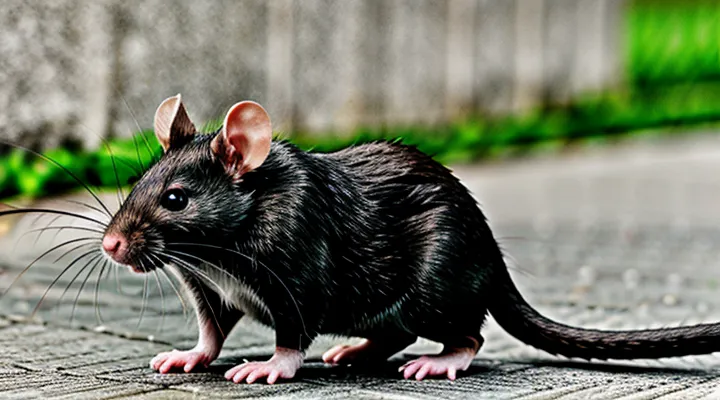
The Genetics Behind Rat Coat Colors
Understanding Basic Genetics in Rats
Dominant and Recessive Alleles
The coat of laboratory and pet rats displays a spectrum ranging from deep ebony to pure albino, a pattern governed by the interaction of dominant and recessive alleles at several loci. At the primary pigment locus, the allele for black fur (B) masks the expression of the brown allele (b). Rats homozygous for B (B/B) or heterozygous (B/b) exhibit black coats, while only b/b individuals reveal the brown phenotype.
A second locus controls the presence of agouti coloration, where the dominant allele (A) produces a banded hair pattern overlaying the base pigment. The recessive allele (a) eliminates the banding, allowing the underlying black or brown color to appear uniformly. Consequently, a rat with genotype B/ A/ displays black agouti, whereas B/_ a/a shows solid black.
The albino condition results from a separate, recessive mutation (c) at the tyrosinase locus. The c allele prevents melanin synthesis entirely; only rats homozygous for c (c/c) lack pigment, regardless of the alleles present at other loci.
Key allele relationships:
- B (black) > b (brown) – black dominates brown.
- A (agouti) > a (non‑agouti) – agouti pattern dominates solid color.
- c (albino) is recessive to all pigment alleles; c/c overrides other loci.
Epistatic interactions further shape the final phenotype. The c allele is epistatic to both B/b and A/a, ensuring that any rat carrying two copies of c displays white fur, even when dominant pigment alleles are present. Understanding these dominance hierarchies enables precise prediction of coat outcomes in breeding programs that aim to produce specific color variants from the darkest to the lightest.
Polygenic Inheritance
Polygenic inheritance determines the wide range of coat hues observed in laboratory and wild‑type rats, extending from deep ebony to bright albino. Multiple loci contribute additive effects, each allele altering pigment production or distribution. The combined genotype of these loci produces the continuous gradation of color rather than discrete categories.
Key loci involved include:
- C (coat color) – alleles range from full eumelanin synthesis to reduced pigment.
- A (agouti) – modifies the pattern of eumelanin and pheomelanin across the hair shaft.
- D (dilution) – lessens pigment intensity, shifting black toward gray.
- I (intensity) – regulates overall melanin quantity, influencing the transition toward lighter shades.
- W (white spotting) – introduces unpigmented patches that can merge with background color.
The phenotypic outcome results from the sum of allele contributions across these genes. Homozygous recessive combinations at several loci generate near‑white coats, while multiple dominant alleles maintain dark pigmentation. Epistatic interactions can mask or enhance specific effects, refining the final appearance of each individual rat.
Key Genes Influencing Color
A Locus: Agouti vs. Non-Agouti
The agouti locus governs the distribution of pigment along each hair shaft, producing a banded appearance that yields brownish, sable, or cinnamon shades. When the dominant allele (A) is present, melanocytes deposit eumelanin at the base of the shaft and pheomelanin toward the tip, creating the characteristic agouti pattern. Homozygous or heterozygous carriers exhibit this banding regardless of other color genes.
A recessive mutation at the same locus eliminates the banding process, resulting in a uniform coat color. Rats homozygous for the non‑agouti allele (aa) lack the pigment gradient, allowing any underlying pigment gene—such as black, chocolate, or albino—to express as a solid hue across the entire fur.
Key distinctions:
- Pigment distribution: agouti – banded; non‑agouti – uniform.
- Genetic expression: dominant A allele produces banding; recessive a allele suppresses it.
- Interaction with other loci: agouti modifies the visual output of coat‑color genes, while non‑agouti permits those genes to manifest without alteration.
Understanding the agouti versus non‑agouti dichotomy clarifies why rats display a spectrum from richly mottled coats to solid colors, bridging the extremes of the rat coat color continuum.
B Locus: Black vs. Chocolate
The B locus determines whether a rat’s eumelanin appears black or chocolate. The dominant allele (B) directs the production of black pigment, while the recessive allele (b) modifies the same pigment to a chocolate shade. Rats homozygous for B (BB) display a deep, uniform black coat; heterozygotes (Bb) exhibit the same black phenotype because the dominant allele masks the recessive effect. Only individuals homozygous for the recessive allele (bb) express the chocolate coloration.
Phenotypic expression depends on the presence of functional tyrosinase and other pigment‑affecting loci. When the C locus (color‑dilution) or the D locus (dilution) is active, the black or chocolate base may appear lighter, but the underlying B locus classification remains unchanged. Consequently, a chocolate rat with a diluting allele may look tan or cream, yet its genotype at the B locus is still bb.
Breeders use the B locus to predict offspring colors:
- BB × BB → 100 % black (BB)
- BB × Bb → 50 % black (BB), 50 % black (Bb)
- BB × bb → 100 % black (Bb)
- Bb × Bb → 25 % black (BB), 50 % black (Bb), 25 % chocolate (bb)
- Bb × bb → 50 % black (Bb), 50 % chocolate (bb)
- bb × bb → 100 % chocolate (bb)
Understanding the B locus allows precise control over coat color outcomes, especially when combined with other loci that affect shading, spotting, or dilution. The distinction between black and chocolate remains a fundamental marker in rat coloration genetics.
C Locus: Color Restriction
The C locus encodes an enzyme that limits the synthesis of eumelanin, the pigment responsible for dark fur. When the C allele is functional, melanin production proceeds normally, resulting in black or dark brown coats. Loss‑of‑function mutations at this locus reduce or eliminate eumelanin, allowing the expression of pheomelanin or the complete absence of pigment, which leads to lighter shades and, in extreme cases, an albino phenotype.
Mutations at the C locus are classified by their effect on pigment production:
- C (wild‑type): full eumelanin synthesis, dark coat.
- c^h (himalayan): temperature‑sensitive restriction, dark extremities with a lighter body.
- c (full recessive): severe reduction of eumelanin, resulting in a cream or yellow coat.
- c^a (albino): complete block of melanin pathways, producing a white coat.
The interaction of the C locus with other color genes determines the final appearance of the animal. For example, the presence of the A locus, which governs agouti patterning, can modify the distribution of pigment in a C‑restricted background, creating a range of intermediate hues between the darkest and lightest phenotypes.
In breeding programs, selecting for specific C‑locus alleles allows precise control over coat color, enabling the production of rats that span the full spectrum from deep black to pure white. Understanding the molecular mechanism of this restriction is essential for predicting phenotypic outcomes and maintaining genetic diversity within laboratory and pet populations.
D Locus: Dilution
The D locus, commonly referred to as the dilution locus, modifies the intensity of pigment produced by the B (black) and C (color) genes in laboratory rats. When a functional D allele is present, melanin granules are reduced in size, resulting in a lighter appearance of the original coat color. The recessive d allele fails to produce this effect, allowing full expression of the primary pigment.
- D (dominant) – causes dilution of black to chocolate, brown to lilac, and red to cinnamon.
- d (recessive) – leaves the original pigment unchanged; black remains black, brown stays brown, red stays red.
- d^s (semi‑dilution) – yields intermediate shades such as medium chocolate or amber, depending on the background color.
Interactions between the D locus and other color genes determine the final phenotype. For example, a rat with a black B allele and a dominant D allele will display a chocolate coat, while the same B allele combined with a recessive d allele produces a deep black coat. When the D locus acts on a red C allele, the result is a cinnamon hue; the absence of dilution retains the vivid red.
The dilution effect extends across the entire range of rat coat colors, providing a genetic mechanism that shifts pigmentation from dark to light tones without introducing new pigment types. This mechanism is essential for breeding programs that aim to achieve specific pastel or muted color standards.
P Locus: Pink-Eyed Dilution
The P locus governs the pink‑eyed dilution phenotype in laboratory rats. Homozygous recessive (pp) individuals display a uniform pink iris and a markedly lightened coat, often appearing near‑white or cream. Heterozygotes (Pp) retain normal eye coloration while carriers may show subtle coat lightening, depending on interaction with other color genes.
Genetic inheritance follows classic autosomal recessive patterns. Breeding two heterozygous parents yields a 25 % probability of producing a pink‑eyed diluted offspring, a 50 % chance of carriers, and a 25 % chance of normal phenotype. The allele is fully penetrant; no known modifiers suppress the pink‑eye expression.
Key characteristics of the P‑locus dilution:
- Pink iris resulting from reduced melanin in the iris stroma.
- Coat color shift toward paler shades, often masking underlying pattern genes.
- Compatibility with other dilution loci (e.g., the D locus) can produce compound lightening effects.
- Absence of health concerns directly linked to the P allele; visual acuity remains normal.
In the broader spectrum of rat coat coloration, the P locus represents the extreme light end, complementing darker alleles such as the black‑producing B locus. Its presence expands the observable range from deep melanistic coats to nearly albino appearances, providing breeders with a genetic tool for achieving specific aesthetic goals.
Common Rat Color Varieties
Black and Related Colors
True Black
True black rats display a uniform, deep pigmentation that covers the entire coat, whiskers, ears, and eye rims. The melanin concentration is maximal, resulting in a matte finish without any sheen or pattern. This phenotype originates from the dominant b* (black) allele, which suppresses the expression of agouti and other color-modifying genes. Homozygous individuals (b/b) guarantee the purest black, while heterozygotes (b/+) may exhibit slight variations if a recessive modifier is present.
Breeders rely on genetic testing to confirm the presence of the b* allele before establishing a line. Recommended practices include:
- Pairing two confirmed homozygous blacks to ensure 100 % true‑black offspring.
- Monitoring littermates for unexpected markings that indicate hidden recessive genes.
- Maintaining separate breeding records to track allele transmission across generations.
Health considerations for true black rats are identical to those of other coat colors; however, the dense melanin may increase susceptibility to skin irritations under excessive sunlight. Providing shaded environments and regular grooming minimizes this risk. Nutrition, enrichment, and veterinary care remain the primary determinants of overall welfare.
Russian Blue
The Russian Blue is a distinct coat pattern among domesticated rats, characterized by a uniform slate‑gray fur that reflects a subtle bluish sheen. The coloration results from a recessive dilution gene that reduces melanin intensity, producing a soft, silvery appearance without any markings or patches.
Genetically, the Russian Blue phenotype requires two copies of the dilution allele (dd). Breeders must pair carriers (Dd) or homozygous individuals (dd) to obtain litters displaying the true blue shade. The gene does not affect health, but it may influence susceptibility to minor skin conditions if proper grooming is neglected.
Key attributes of the Russian Blue include:
- Consistent, even fur tone across the entire body.
- Pinkish‑white whiskers and ears that contrast with the dark coat.
- Dark, round eyes that enhance the overall sleek look.
- Standard body size and weight comparable to other standard‑colored rats.
Behaviorally, Russian Blue rats exhibit the same temperament as other domesticated varieties: social, inquisitive, and capable of forming bonds with humans and conspecifics. Their coat does not impact activity level or intelligence.
For optimal care, owners should:
- Provide a clean, dry habitat to prevent fur matting.
- Offer a balanced diet rich in protein and fresh vegetables.
- Perform weekly grooming to remove loose hairs and distribute natural oils.
- Monitor for signs of skin irritation, especially during shedding periods.
In breeding programs, the Russian Blue serves as a reference point for studying coat dilution and its inheritance patterns, offering valuable insight into the broader spectrum of rat coloration from the darkest shades to the lightest.
Mink
Mink rats display a distinctive coat that falls between deep sable and pale cream, producing a subtle gradient across the body. The pigment distribution results from a partial expression of the agouti gene, which reduces black melanin while allowing residual brown tones. This creates a smooth transition from a darker dorsal stripe to a lighter ventral area, giving the animal a uniform yet nuanced appearance.
Genetically, the mink phenotype is recessive to full black but dominant over albino. Breeding two heterozygous individuals yields a predictable 25 % probability of mink offspring, while a cross with a black parent reduces the occurrence to 50 % when the black parent carries the recessive allele. The trait remains stable across generations when maintained through selective pairings.
Mink coloration provides practical advantages for pet owners and laboratory settings. The muted palette reduces visible staining on bedding and equipment, and the intermediate shade offers camouflage in diverse environments without the stark contrast of pure black or white.
Key characteristics:
- Dorsal fur: dark brown to medium gray
- Ventral fur: light gray to off‑white
- Eye color: typically dark brown, occasionally amber
- Genetic inheritance: recessive to black, dominant over albino
- Application: suitable for both ornamental and experimental use
Agouti and Wild-Type Colors
Agouti
Agouti describes a coat pattern in which each hair contains alternating bands of pigment, producing a speckled appearance that ranges from dark brown to a lighter, almost tan hue. In laboratory and pet rats, the agouti allele (A) is dominant over recessive non‑agouti alleles, such as black (a) or albino (c). When present, the gene directs melanocytes to deposit eumelanin in the basal portion of the hair and pheomelanin toward the tip, creating the characteristic “tick‑ed” effect.
Key characteristics of the agouti phenotype include:
- Hair structure: Each hair shaft displays a dark base, a mid‑section of lighter pigment, and a dark tip, resulting in a mottled overall color.
- Genetic interactions: The agouti allele masks recessive solid colors but can be modified by other genes that dilute or intensify pigment, such as the cinnamon (c) or chocolate (b) loci.
- Visual range: Individual rats may appear brown, cinnamon, or a blend of hues depending on the combination of modifying genes and environmental factors like diet.
- Breeding considerations: To maintain agouti expression, breeders must ensure at least one parent carries the dominant A allele; crossing two non‑agouti individuals eliminates the trait in offspring.
Understanding agouti’s genetic basis clarifies its position within the broader spectrum of rat coat colors, linking darker phenotypes to lighter ones through a series of well‑defined allelic interactions.
Cinnamon
Cinnamon rats display a warm, reddish‑brown coat that ranges from light amber to deep copper. The hue results from a specific allele of the tyrosinase‑related protein gene, which reduces melanin production without eliminating it entirely. This genetic variant is recessive; two carriers must be present for offspring to exhibit the cinnamon phenotype.
The coloration influences several practical aspects of rat husbandry:
- Breeding: Pairing two cinnamon carriers guarantees a 25 % chance of cinnamon pups per litter; using two confirmed cinnamon individuals raises this probability to 100 %.
- Identification: The distinct coat facilitates visual recognition of lineage and health monitoring, especially when mixed with other color patterns.
- Market value: Specialty breeders often price cinnamon rats higher due to their rarity and aesthetic appeal.
Health considerations for cinnamon rats align with those of other coat colors. No evidence links the cinnamon allele to increased susceptibility to disease, but breeders should monitor for standard rodent health issues such as respiratory infections and dental wear. Proper nutrition, clean housing, and regular veterinary checks remain essential.
Fawn
Fawn rats occupy the light end of the rat coat‑color spectrum, presenting a pale, warm tan that often appears almost creamy under bright lighting. The hue results from a dilution of the standard orange pigment, produced by the d allele that reduces melanin intensity without altering pattern distribution.
Genetically, fawn is a recessive trait; both parents must carry at least one copy of the d allele for the phenotype to appear in offspring. When paired with a non‑dominant coat, the fawn allele masks underlying colors, yielding a uniform, muted appearance. Breeders typically confirm carrier status through test crosses, ensuring predictable results in litters.
Physical characteristics include:
- Soft, short hair with a consistent shade across the body
- Slightly lighter underbelly and paw pads
- Minimal contrast between dorsal and ventral areas
- Eyes ranging from pink to light brown, matching the subdued coat
Reproductive planning for fawn rats involves:
- Selecting two carriers (heterozygous d) to achieve a 25 % probability of fawn offspring per litter.
- Using backcrosses with established fawn lines to increase the proportion of the desired color.
- Monitoring for unintended coat modifiers that may introduce speckling or shading.
Health considerations are identical to those of other standard‑colored rats; the fawn pigment does not predispose individuals to specific ailments. Proper nutrition, sanitation, and regular veterinary checks remain essential.
White and Light Colors
Albino
Albino rats lack melanin, resulting in a completely white coat, pink eyes, and pink or unpigmented skin. The condition arises from recessive mutations in the tyrosinase (TYR) gene, which blocks the enzymatic pathway that produces pigment. Both parents must carry two copies of the albino allele for offspring to display the phenotype; carriers appear normal but can transmit the trait.
Key characteristics of albino specimens:
- White fur with no markings
- Red or pink iris due to visible blood vessels
- Light-colored whiskers and tail
- Increased sensitivity to bright light
- No inherent health problems directly linked to albinism, though some individuals may exhibit heightened susceptibility to eye strain
Breeders use albino rats to illustrate the extreme end of the color spectrum, contrasting them with darker phenotypes such as black, brown, or agouti. Their predictable genetics make them valuable for controlled experiments, genetic studies, and educational demonstrations of recessive inheritance.
Himalayan
Himalayan rats exhibit a distinctive point coloration, with dark pigment restricted to the ears, mask, tail, and feet against a nearly white body. The pattern results from a temperature‑sensitive albino gene (Tyrc), which allows melanin production only in cooler peripheral regions.
The phenotype is stable across generations when both parents carry the allele, making it a reliable choice for breeders seeking contrast between dark and light fur. Genetic testing confirms the presence of the Tyrc allele and helps avoid unintended mixing with other color genes.
Key characteristics:
- Dark points: black or chocolate, sharply defined.
- Body coat: pure white or very light cream.
- Eyes: red or pink, typical of albino‑related mutations.
- Size and temperament: comparable to standard fancy rats, no impact from coloration.
Breeding considerations:
- Pair a Himalayan carrier with another Himalayan or a carrier to maintain the point pattern.
- Maintain ambient temperatures above 24 °C to prevent excessive darkening of the body coat.
- Monitor litter outcomes for any off‑type coloration, indicating possible gene interaction.
In shows and pet markets, the Himalayan pattern is prized for visual contrast and ease of identification, supporting its continued popularity among enthusiast communities.
Siamese
Siamese rats display a distinctive point coloration, with a light cream or white body and darker ears, mask, tail, and feet. The contrast results from a temperature‑sensitive enzyme mutation that limits pigment production in cooler body regions, a pattern shared with other point‑type animals.
Key genetic features:
- Allele responsible: c (cinnamon) or si (Siamese), recessive to full‑color alleles.
- Inheritance follows Mendelian autosomal recessive rules; two carriers produce 25 % Siamese offspring on average.
- The phenotype requires adequate ambient temperature; excessive heat can reduce contrast, producing a more uniform coat.
Phenotypic characteristics:
- Body coat: pale, ranging from ivory to soft gray.
- Points: rich chocolate, seal, blue, or lilac, depending on additional modifiers.
- Eyes: bright blue, a direct consequence of melanin suppression in the iris.
Breeding considerations:
- Pairing two carriers yields predictable ratios; crossing a Siamese with a full‑color rat eliminates point expression in the first generation but retains the allele in 50 % of offspring.
- Maintaining temperature stability during gestation and early growth preserves the stark point contrast.
- Selecting for specific point hues requires combining si with other color genes, such as d (dilute) for blue points.
Siamese rats occupy a unique niche within the overall spectrum of coat colors, illustrating how a single temperature‑dependent mutation can generate a striking visual deviation from the typical uniform coloration seen in most laboratory and pet rats.
Platinum
Platinum represents the brightest point on the spectrum of rat coat colors, positioned beyond the typical shades of gray and white. The phenotype results from a dilution of the red pigment, producing a metallic, almost silvery sheen that can appear nearly color‑less under certain lighting conditions.
Genetically, platinum is linked to the dilute (d) allele in combination with the albino (c) background, which removes most pigment while retaining a faint reflective quality. Breeders achieve the trait by pairing a d/d carrier with a c/c individual, then selecting offspring that display the characteristic sheen.
Key attributes of platinum rats include:
- Near‑white fur with a faint, iridescent luster
- Pink or red eyes, typical of albino backgrounds
- Reduced melanin, resulting in a smooth, glossy coat texture
Popularity among hobbyists stems from the visual contrast platinum provides when displayed alongside darker varieties, such as black or chocolate, highlighting the full range of coat coloration.
When evaluating health, platinum rats show no intrinsic disadvantages; however, the lack of pigment may increase sensitivity to bright light, prompting owners to provide shaded habitats.
Overall, platinum expands the diversity of coat colors available to rat enthusiasts, illustrating the breadth of genetic manipulation from deep hues to the lightest, most reflective options.
Diluted and Unique Shades
Blue
Blue rats represent a distinct pigment expression within the spectrum of rodent coloration. The hue results from a dilution of the standard black eumelanin, producing a slate‑gray to silvery appearance that may range from muted steel to vivid cobalt depending on genetic background.
Genetic basis
- The dilution allele (d) modifies the intensity of black pigment.
- Homozygous d/d individuals display the full blue phenotype; heterozygotes (d/+) often show a lighter, grayish coat.
- The trait follows an autosomal recessive inheritance pattern, requiring both parents to carry the allele for offspring to express the color.
Physical characteristics
- Fur exhibits a uniform, low‑gloss sheen lacking the stark contrast of pure black.
- Eyes typically appear pink or red due to the reduced melanin in the iris.
- Skin under the fur may show a faint bluish tint, especially on the ears and tail.
Breeding considerations
- Maintaining pure blue lines demands careful selection of carriers to avoid accidental reintroduction of dominant black alleles.
- Genetic testing can confirm carrier status and prevent unwanted phenotypic variation.
- Pairings between two blue individuals guarantee a 100 % probability of blue offspring, while a blue with a non‑carrier yields a 0 % chance of blue pups.
Health implications
- The dilution gene does not inherently affect vitality; blue rats display comparable lifespan and disease resistance to other color variants.
- Occasionally, the reduced melanin may increase susceptibility to UV‑induced skin irritation, warranting protection from intense lighting.
Market presence
- Blue rats command a premium among hobbyists due to their rarity and striking visual appeal.
- Established breeders often label blue litters with specific strain identifiers to differentiate them from related gray or silver varieties.
Silvermane
The Silvermane phenotype presents a coat of uniform, metallic gray that reflects light with a subtle sheen. Pigmentation results from a dilution of the standard black eumelanin, mediated by a recessive allele at the Dilution (d) locus. Homozygosity for this allele suppresses the intensity of the black pigment, leaving a silvery hue across the entire fur.
Genetic testing confirms the presence of the d/d genotype, which distinguishes Silvermane from related dilute forms such as Blue or Charcoal. The allele does not affect the rat’s health, eye color, or skeletal development, allowing breeders to maintain the trait without compromising vitality.
Breeding strategies prioritize pairing two carriers (d/d) or a carrier with an already silvered individual to achieve a predictable litter composition. Expected outcomes for a carrier‑by‑carrier mating are:
- 25 % homozygous normal (wild‑type)
- 50 % heterozygous carriers (phenotypically normal)
- 25 % Silvermane (homozygous dilute)
Standard care practices apply; the silver coat does not alter grooming frequency, dietary requirements, or susceptibility to common ailments. Nevertheless, the reflective surface can reveal skin lesions more readily, prompting owners to inspect the integument during routine health checks.
Silvermane rats occupy a distinct niche within the broader spectrum of coat color variations, providing a visual marker for the underlying dilution genetics while retaining the species’ typical behavior and robustness.
Pearl
Pearl is a distinct coat coloration that appears within the spectrum of rodent pelage, positioned between the darkest and lightest shades. The phenotype results from a dilution of the standard black pigment, producing a muted, silvery‑gray appearance that resembles the luster of a pearl.
Genetically, the pearl pattern arises from a recessive allele that modifies melanocyte activity. When both parents carry the allele, offspring display the characteristic soft sheen, while heterozygous individuals retain the typical coloration of their line.
Key attributes of the pearl variety include:
- Uniform gray‑blue hue across the entire body, with no stark contrast between dorsal and ventral regions.
- Slight iridescence under direct light, distinguishing it from plain gray mutations.
- Compatibility with most other color modifiers, allowing combination with patterns such as hooded or blaze.
Breeders use the pearl trait to expand the visual range of their stock, offering a subtle alternative to the more extreme black or white phenotypes. Its presence demonstrates the breadth of genetic variation achievable within the species.
Breeding for Specific Colors
Planning Color Combinations
Predicting Offspring Colors
Predicting the coat color of rat offspring requires knowledge of the underlying genetic mechanisms. Coat pigmentation is controlled by multiple loci, each with dominant and recessive alleles that influence melanin production, distribution, and dilution. The primary genes include C (full color), c (albino), A (agouti), a (non‑agouti), D (dark), d (dilution), and E (extension). Interactions among these loci determine the final phenotype ranging from deep black to pure white.
Mendelian inheritance applies to each locus independently, unless epistatic relationships modify expression. For example, the albino allele (c) is epistatic over all other color genes, producing a white coat regardless of the genotype at other loci. When both parents are heterozygous at a single locus, the expected phenotypic ratio follows a 3:1 pattern for dominant versus recessive traits.
Common breeding scenarios illustrate predictable outcomes:
-
Full‑color (C) × albino (c)
Parents: Cc × cc
Expected offspring: 50 % full color (Cc), 50 % albino (cc) -
Agouti (A) × non‑agouti (a)
Parents: Aa × aa
Expected offspring: 50 % agouti (Aa), 50 % non‑agouti (aa) -
Dark (D) × dilute (d)
Parents: Dd × dd
Expected offspring: 50 % dark (Dd), 50 % dilute (dd)
When multiple loci are considered simultaneously, Punnett squares or probability calculators generate the combined probabilities. For a cross involving heterozygous parents at three loci (C c, A a, D d), each independent 1:2:1 genotypic ratio multiplies, yielding a 27‑type phenotypic spectrum. The most frequent phenotype—full‑color agouti dark—appears in 27 % of the litter, while rare combinations such as albino dilute appear in 1 % of the offspring.
Accurate prediction relies on documenting parental genotypes, recognizing epistatic effects, and applying probability rules across all relevant loci. Breeders can thus anticipate coat color distribution and plan matings to achieve desired phenotypes.
Avoiding Undesirable Combinations
When breeding rats with diverse coat colors, the primary objective is to prevent phenotypic outcomes that compromise health, aesthetic standards, or market expectations. Genetic incompatibilities often arise from the interaction of multiple color loci, especially when recessive alleles are combined without proper pedigree analysis. Unintended expression of lethal or malformed traits can result from such pairings, reducing litter viability and increasing culling rates.
Effective prevention relies on three practical measures:
- Maintain detailed records of each animal’s genotype for all recognized color genes (e.g., albino, agouti, cinnamon, steel).
- Conduct test crosses that isolate single loci before integrating multiple color traits in a single breeding pair.
- Exclude pairings known to produce the following undesirable results:
By adhering to systematic genotype tracking and avoiding the listed high‑risk combinations, breeders can sustain a stable spectrum of coat colors while minimizing health complications and preserving commercial value.
Ethical Considerations in Color Breeding
Health and Genetic Diversity
The range of coat pigments observed in rats provides a direct window into the species’ genetic architecture. Each hue corresponds to specific alleles that regulate melanin production, pigment deposition, and related metabolic pathways.
Melanin synthesis depends on functional variants of the Tyr and Tyrp1 genes. Loss‑of‑function mutations produce albino phenotypes, while dominant alleles generate darker coats. Additional loci, such as the Agouti and Dilute genes, modify shade intensity and pattern distribution. The interaction of these loci creates the full spectrum from deep black to pure white.
Health outcomes correlate with pigment genetics. Common issues include:
- Visual impairment in albino individuals due to retinal hypopigmentation.
- Increased susceptibility to UV‑induced skin lesions in lightly pigmented rats.
- Altered immune response linked to melanin‑related cytokine regulation.
- Higher incidence of auditory deficits in some white coat strains carrying the Wa mutation.
Genetic diversity within pigment loci supports overall population resilience. Maintaining heterozygosity prevents fixation of deleterious alleles and reduces the risk of inbreeding depression. Breeding programs that rotate carriers of contrasting coat alleles preserve allele frequency balance, ensuring robust health metrics across colonies.
Monitoring coat color genetics alongside health records enables predictive screening. Early identification of at‑risk phenotypes guides veterinary interventions and informs selective breeding strategies that prioritize both aesthetic variation and physiological well‑being.
Avoiding Inbreeding
Maintaining a broad palette of rat coat colors depends on preserving genetic diversity. Repeated mating between closely related individuals concentrates recessive alleles, reduces heterozygosity, and limits the expression of rare hues.
Effective practices to prevent inbreeding include:
- Pedigree analysis – trace each parent’s lineage for at least three generations; avoid pairings that share common ancestors within that span.
- Outcross selection – introduce unrelated breeders from distinct lines to refresh the gene pool and sustain color variation.
- Population monitoring – calculate inbreeding coefficients regularly; keep values below 6 % to limit homozygosity.
- Record keeping – maintain detailed breeding logs that document coat colors, genotypes, and kinship relationships.
- Genetic testing – employ DNA assays to identify hidden carriers of deleterious alleles that could compromise color traits.
Implementing these steps safeguards the full range of pigmentation, from deep ebony to pure albino, while preserving overall health and vigor.
Rare and Emerging Rat Colors
Exploring New Mutations
Discovery of Novel Genes
Recent genomic investigations have uncovered several previously unknown loci that modulate rat coat pigmentation, extending the observable range from deep ebony to near‑pure albino.
- Cmr1 – encodes a transcription factor that up‑regulates melanocyte proliferation; loss‑of‑function alleles produce light‑gray coats.
- Melr2 – a melanosome transport protein; missense mutations shift pigment distribution toward dorsal regions, yielding a gradient from dark to pale.
- Alb3 – a regulator of tyrosinase activity; hypomorphic variants reduce eumelanin synthesis, resulting in cream‑colored fur.
- Prc4 – influences pigment cell survival during embryogenesis; null alleles cause complete absence of melanin, producing white coats.
The identified genes act at distinct stages of the melanogenic pathway. Cmr1 influences precursor cell expansion, Melr2 directs intracellular pigment granule movement, Alb3 adjusts enzymatic conversion of tyrosine to melanin, and Prc4 determines the survival threshold of melanocytes. Combined allelic interactions generate the full continuum of coat colors observed in laboratory and wild rat populations.
Discovery relied on high‑coverage whole‑genome sequencing of phenotypically extreme strains, followed by quantitative trait locus mapping to pinpoint candidate regions. CRISPR‑Cas9 editing validated gene function by reproducing specific color phenotypes in otherwise uniform backgrounds.
Implications include refined control of coat color for selective breeding, creation of visual markers for transgenic experiments, and enhanced models for studying pigment‑related disorders across mammals.
Stabilizing New Varieties
The introduction of novel coat colors in laboratory and pet rat populations requires a systematic approach to achieve genetic stability. Breeding programs must first identify the alleles responsible for the desired pigmentation, using molecular markers to confirm inheritance patterns. Once the genotype is verified, breeders should establish closed colonies that maintain a minimum effective population size, preventing genetic drift and inbreeding depression.
Key actions for stabilizing new color lines include:
- Selecting individuals that consistently express the target phenotype across multiple generations.
- Conducting genotype‑phenotype correlation studies to ensure the allele is not linked to deleterious traits.
- Implementing rotational mating schemes that maximize heterozygosity while preserving the color allele.
- Monitoring litter outcomes with standardized color scoring charts to detect phenotypic deviation early.
Environmental factors such as diet, lighting, and stress can influence melanin expression. Maintaining uniform husbandry conditions reduces phenotypic variability unrelated to genetics. Documentation of breeding records, including pedigree charts and genotype results, provides traceability and facilitates corrective actions when unexpected color shifts occur.
Regulatory compliance demands that any new color strain be evaluated for health impacts. Health screenings for common rat ailments should accompany each generation, and any correlation between the color allele and disease susceptibility must be reported to oversight bodies. By integrating genetic verification, controlled breeding practices, and rigorous health monitoring, new coat color varieties can achieve long‑term stability and become reliable resources for research and companion animal markets.
Challenges in Breeding Rare Colors
Limited Gene Pools
Limited gene pools constrain the diversity of coat pigmentation in laboratory and pet rat populations. When breeding stock derives from a small number of founders, the allele pool for color‑determining genes narrows. Consequently, only a subset of possible phenotypes—ranging from deep melanistic coats to complete albinism—remains reproducible.
Genetic bottlenecks reduce heterozygosity, increasing the likelihood that recessive alleles for extreme colors become fixed or lost. Inbreeding amplifies this effect, producing predictable lines such as solid black, agouti, or white, while eliminating intermediate shades that require heterozygous combinations of multiple loci.
Key mechanisms that shape color outcomes under restricted gene flow include:
- Allele frequency drift: Random fluctuations cause some pigment genes to dominate, suppressing rarer variants.
- Founder effect: Initial breeding pairs contribute specific color alleles, setting the baseline for subsequent generations.
- Selective breeding: Intentional pairing to accentuate desired colors accelerates the loss of unrelated alleles.
The result is a predictable, limited palette that reflects the genetic history of the breeding colony rather than the full spectrum observed in wild populations. Maintaining broader genetic diversity—through outcrossing or introducing new lines—restores access to the full range of pigmentation possibilities.
Maintaining Health Standards
Rats exhibit a broad spectrum of coat colors, from deep melanistic shades to the palest albinos. Each pigment group carries distinct health considerations that must be addressed through consistent standards.
Nutritional protocols should reflect genetic predispositions. Dark-coated individuals often possess higher melanin levels, which can mask early signs of skin irritation; diets rich in antioxidants support skin integrity. Albino rats lack protective pigment and are prone to ocular and dermal damage; vitamin‑A supplementation and ultraviolet‑filtered lighting reduce risk.
Environmental management requires uniform temperature, humidity, and ventilation, yet color-specific adjustments improve welfare. Dark coats absorb more heat; cage placement away from direct sunlight prevents overheating. Light‑colored rats benefit from supplemental warmth to maintain core temperature during colder periods.
Routine health monitoring includes:
- Weekly visual inspection for lesions, discoloration, or eye discharge.
- Bi‑monthly weight measurement calibrated to coat‑type growth curves.
- Quarterly veterinary examinations focusing on dermatological and ophthalmic health.
Record‑keeping must capture color designation, diet modifications, and any medical interventions. Consistent documentation enables trend analysis and early detection of color‑related health patterns, ensuring all rats, regardless of hue, meet established welfare criteria.