
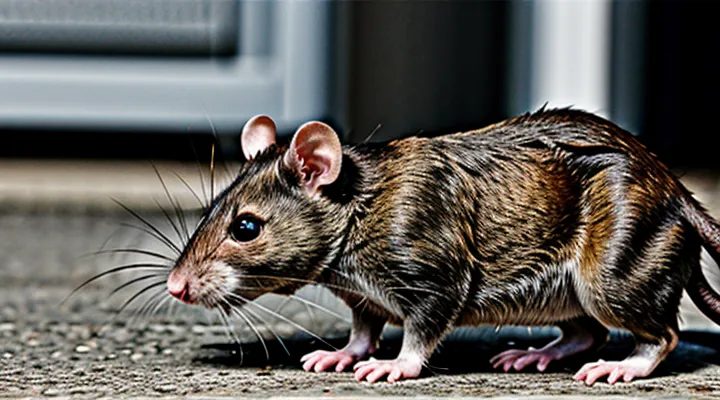
Understanding Choking in Rats
Recognizing the Signs of Choking
Behavioral Indicators
When a rat experiences airway obstruction, its behavior changes rapidly. Observers can rely on specific signs to assess the severity of the episode and to intervene promptly.
The animal may exhibit frantic, irregular movements that differ from normal exploratory activity. Breathing becomes shallow, with audible wheezing or silence if airflow stops completely. The rat may adopt an upright posture, extending the neck and opening the mouth wide in an effort to draw air. Pupils often dilate, and the eyes may appear glazed or unfocused. A sudden loss of coordination, such as stumbling or falling, frequently accompanies these symptoms.
Key behavioral indicators include:
- Erratic, panicked running or frantic circling.
- Open-mouthed gasping with visible throat constriction.
- Audible wheeze, cough, or complete silence of breath.
- Elevated, stretched neck posture.
- Dilated pupils and glazed eye expression.
- Unsteady gait, frequent stumbling, or collapse.
Prompt recognition of these cues enables immediate assistance, such as gently clearing the airway or seeking veterinary care.
Physical Symptoms
When a rodent suffers an airway blockage, observable physical signs appear rapidly. Recognizing these indicators is essential for effective intervention.
- Labored breathing or audible wheezing
- Gagging or repeated choking motions
- Inability to swallow or retain food
- Coughing that produces little or no air flow
- Cyanotic gums or skin, indicating reduced oxygen
- Unresponsiveness or sudden collapse
Initial assessment should focus on confirming obstruction and maintaining the animal’s airway. Gently restrain the rat to prevent further injury, then apply a modified version of the Heimlich technique: place the thumb and forefinger just behind the sternum, apply firm upward pressure, and repeat until the blockage is expelled. If the obstruction does not clear, perform a careful oral inspection with tweezers to remove any visible foreign material, taking care not to push it deeper.
After the airway is restored, monitor respiration and heart rate. Provide supplemental oxygen if available, and keep the rat warm to prevent shock. Immediate veterinary consultation is recommended to address potential internal injuries or lingering respiratory distress. Prompt, precise action based on these physical cues can dramatically improve survival odds.
Common Causes of Choking
Dietary Factors
Choking incidents in pet rats often stem from dietary choices that introduce large, hard, or poorly sized particles. Selecting appropriate feed reduces the likelihood of airway obstruction and supports recovery if an episode occurs.
- Whole grains such as corn kernels, large rice grains, and unprocessed oats can become lodged in the throat.
- Seeds with hard shells (e.g., sunflower, pumpkin) present a choking hazard when offered whole.
- Pieces of raw vegetables larger than 2 mm may block the airway, especially carrots and celery.
- High‑fat treats that stick together create clumps difficult to swallow.
To mitigate risk, provide a diet composed of finely milled pellets designed for rodents, supplement with softened vegetables, and ensure all supplemental foods are cut into pieces no larger than 1 mm. Soaking seeds for 10–15 minutes softens shells and lowers the chance of blockage. Regularly monitor the rat’s eating behavior; hesitation or coughing signals potential difficulty.
If choking occurs, avoid forcing solid food. Offer a small amount of warm, diluted, low‑fat milk or broth using a syringe without a needle, delivering only enough to lubricate the throat. Follow with a brief period of hydration before re‑introducing soft pellets. Immediate veterinary assessment remains necessary for persistent distress.
Environmental Factors
Rats that suffer from choking are often exposed to conditions that impair airway clearance. Poor ventilation, high dust concentrations, and the presence of fine particulate matter increase the likelihood of obstruction. Enclosed habitats with inadequate airflow promote the buildup of ammonia and mold spores, both of which can irritate the respiratory tract and trigger choking episodes. Temperature extremes, especially sudden drops, cause mucosal swelling that narrows the airway, while excessive humidity fosters bacterial growth that may produce obstructive secretions.
Evaluating the environment requires systematic observation. Record temperature, humidity, and ventilation rates. Inspect bedding and food for dust or mold. Test air quality for ammonia levels and particulate matter. Identify any recent changes in cage design, cleaning agents, or supplemental equipment that could introduce irritants.
Mitigation measures:
- Install a ventilation system that provides at least 15 air changes per hour.
- Use low‑dust bedding such as paper pulp or aspen shavings; replace it weekly.
- Maintain temperature between 18 °C and 24 °C; avoid rapid fluctuations.
- Keep humidity between 40 % and 60 %; employ dehumidifiers in overly moist areas.
- Monitor ammonia concentrations; clean cages daily and use absorbent bedding.
- Eliminate strong scented cleaners; opt for unscented, mild disinfectants.
- Conduct regular health checks; intervene promptly if a rat shows signs of respiratory distress.
By controlling these environmental variables, the risk of choking diminishes, and recovery prospects improve for affected rats.
Health Conditions
When a rat experiences airway obstruction, immediate assessment of its health status is critical. Identify signs such as silent coughing, labored breathing, or sudden collapse. Rapid evaluation determines whether the obstruction is partial, allowing for self‑clearance, or complete, requiring intervention.
Key physiological factors influencing survival include:
- Airway patency: Any blockage must be removed before oxygen deprivation progresses.
- Cardiovascular response: Monitor heart rate; bradycardia indicates severe hypoxia.
- Stress response: Elevated cortisol can exacerbate respiratory compromise.
If the obstruction is visible, use fine tweezers or a soft suction device to extract the foreign object. Apply gentle pressure to the base of the skull and perform a modified Heimlich maneuver: compress the abdomen upward and forward with a single, controlled thrust. Avoid excessive force to prevent thoracic injury.
When the blockage is not apparent, consider the following steps:
- Place the rat on its back, supporting the neck to keep the airway open.
- Deliver a brief, low‑volume burst of oxygen through a mask if available.
- Perform a quick, two‑second pause in breathing to allow reflexive coughing.
- Observe for spontaneous expulsion; repeat the maneuver no more than three times.
After successful clearance, monitor the animal for at least 15 minutes. Record respiratory rate, pulse, and behavior. Any lingering signs of distress—persistent wheezing, disorientation, or weakness—warrant veterinary examination. Underlying conditions such as respiratory infections, heart disease, or dental malocclusion can predispose rats to choking and must be addressed to prevent recurrence.
Preventive measures focus on diet and environment. Offer food particles sized appropriately for the species, avoid hard seeds that can become lodged, and keep the enclosure free of small debris. Regular health checks, including dental assessments, reduce the risk of accidental airway blockage.
Immediate Actions When a Rat is Choking
Assessing the Situation
Safety First
When a rat shows signs of choking, immediate action must prioritize the rescuer’s safety and the animal’s well‑being. First, assess the environment: ensure the area is well‑lit, free of hazards, and that you wear disposable gloves to protect against bites or disease transmission. Keep a clean cloth or towel nearby to control blood or saliva.
Next, stabilize the rat. Hold the animal gently but firmly, supporting the head and neck to prevent further airway obstruction. Avoid excessive force that could cause spinal injury. If the rat is small enough, place it on a flat surface with its head slightly elevated; this position reduces the risk of aspiration while you work.
Proceed with the rescue technique:
- Check the mouth for visible foreign objects; remove only if you can see and safely grasp the item with tweezers.
- Perform a modified Heimlich maneuver: position your thumb and index finger just behind the lower rib cage, apply a quick upward thrust. For very small rats, a gentle pressure on the abdomen may suffice.
- If the object does not dislodge, repeat the thrust up to three times, pausing briefly between attempts to reassess breathing.
After successful clearance, monitor the rat for normal respiration and responsiveness. Keep the animal warm and quiet; stress can trigger secondary complications. If breathing does not resume within a minute, prepare for emergency veterinary care. Have the contact information of a nearby exotic‑animal clinic readily available.
Finally, document the incident: note the time, observed symptoms, actions taken, and any objects removed. This record assists veterinary professionals in diagnosing underlying causes and preventing future occurrences.
Confirming Choking vs. Other Issues
When a pet rat shows sudden distress, the first step is to determine whether the airway is obstructed. Look for these indicators:
- Inhalation sounds that are harsh or absent.
- Rapid, shallow breathing or a complete pause in respiration.
- Gagging motions without successful swallowing.
- Visible swelling or a foreign object at the mouth or nostrils.
If these signs appear, choking is likely. Absence of respiratory noise, normal breathing rhythm, and lack of gagging suggest alternative problems such as gastrointestinal blockage, infection, or neurological issues.
To differentiate, conduct a quick oral examination. Use a small, well‑lit instrument to gently part the mouth and check for visible debris. If no material is seen, consider palpating the abdomen for distension, which points to intestinal obstruction. Observe the rat’s posture: a hunched position with a tucked tail often accompanies abdominal pain, whereas a stretched neck and extended forepaws are typical of airway distress.
When choking is confirmed, act immediately:
- Hold the rat upright, supporting the head.
- Apply a gentle back thrust between the shoulder blades to dislodge the object.
- If the object remains, perform a careful Heimlich maneuver by placing a thumb and forefinger just below the rib cage and delivering a short, firm pressure inward and upward.
If the rat continues to struggle or loses consciousness, seek veterinary assistance without delay. For non‑choking issues, monitor temperature, appetite, and stool consistency, and arrange a professional evaluation if abnormalities persist.
First Aid Techniques
The «Rat Heimlich» Maneuver
When a pet rat experiences an airway obstruction, immediate intervention can prevent fatal outcomes. The “Rat Heimlich” maneuver applies controlled abdominal pressure to expel the foreign object.
The technique requires a calm environment and a helper to hold the rat securely. Position the rat on its back with its head slightly elevated. Place one hand over the lower ribs, forming a small cup with the thumb and forefinger. Deliver a quick, upward thrust—approximately 0.5 inches (1.3 cm) of displacement—aimed toward the diaphragm. Perform up to five thrusts, reassessing the airway after each attempt.
Key considerations:
- Use gentle force; excessive pressure can cause internal injury.
- Ensure the rat’s spine remains neutral; avoid compressing the thoracic column.
- If the rat is unconscious, support the neck and maintain airway patency while administering thrusts.
- After a successful expulsion, monitor breathing and pulse for at least five minutes.
- If the obstruction persists, repeat the maneuver or seek veterinary assistance immediately.
Post‑procedure care includes offering small amounts of water, observing for signs of distress, and arranging a veterinary check‑up to rule out residual blockage or trauma.
Gentle Back Blows
When a rodent shows signs of airway obstruction, gentle back blows are a primary maneuver to dislodge the blockage. Position the animal on its back with the head slightly lower than the torso, supporting the neck to prevent excessive flexion. Deliver a series of firm, upward‑directed strikes to the upper back, just below the shoulder blades. The force should be enough to create a rapid pressure change without causing injury.
Key points for effective back blows:
- Use the heel of the hand or the base of a closed fist.
- Apply 5–7 blows, spaced about one second apart.
- Observe the mouth after each blow; a visible object may appear.
- If the blockage does not clear, proceed to abdominal thrusts immediately.
After successful clearance, monitor breathing and heart rate for at least several minutes. If the rat remains unconscious or exhibits abnormal respiration, seek veterinary assistance without delay. Proper handling, calm execution, and prompt transition to alternative techniques prevent further harm and increase the likelihood of recovery.
When to Avoid Intervention
When a rat shows signs of airway obstruction, instinct is to act, yet specific circumstances dictate that interference may worsen the situation.
Intervention should be avoided if the animal is already breathing normally despite apparent distress; forced manipulation can introduce trauma to delicate airway structures.
Do not intervene when the rat is unconscious and exhibits a regular respiratory pattern, because external pressure may collapse the trachea or cause further tissue damage.
Refrain from attempting rescue if the choking episode occurs during a veterinary procedure under anesthesia; the professional team will manage the airway with appropriate equipment.
Avoid handling a rat that is in a state of severe hypothermia or shock, as additional stress can precipitate cardiac arrest.
Do not apply blind suction or forceful blows when the obstruction is unknown; improper techniques can push the object deeper or cause esophageal rupture.
In cases where the rat is part of a research colony with established humane endpoints, follow institutional protocols that may require observation rather than immediate physical interference.
These guidelines help ensure that well‑intentioned assistance does not convert a recoverable event into irreversible injury.
Post-Choking Care and Prevention
Monitoring After a Choking Incident
Observing for Lingering Effects
After a rat experiences a choking episode, systematic observation is essential to detect residual complications. Immediate assessment should include respiration rate, effort, and audible wheezing. Record baseline values within the first five minutes, then repeat at ten‑minute intervals for the first hour.
Key indicators of lingering impact:
- Persistent coughing or gagging beyond thirty minutes.
- Labored breathing with irregular rhythm.
- Reduced activity level or reluctance to move.
- Discoloration of mucous membranes suggesting hypoxia.
- Abnormal posture, such as hunched back or extended neck.
If any of these signs persist past two hours, extend monitoring to four‑hour checkpoints. Maintain a log detailing time, observed behavior, and any interventions applied.
Long‑term follow‑up, spanning 24‑48 hours, should focus on weight trends, food and water intake, and grooming behavior. A decline greater than 5 % of body weight within 48 hours warrants veterinary evaluation. Additionally, observe for signs of infection at the airway, including swelling, discharge, or foul odor.
Effective documentation supports timely decision‑making and provides data for future reference. Use a standardized sheet to capture:
- Time of choking incident.
- Immediate rescue actions performed.
- Vital signs recorded at each interval.
- Behavioral observations.
- Interventions administered post‑event.
Consistent observation and precise record‑keeping enable early detection of delayed effects, improving recovery outcomes for affected rodents.
Follow-up with a Veterinarian
After a rat shows signs of choking, the initial emergency care is only the first step. A veterinary follow‑up confirms the airway is clear, assesses tissue damage, and monitors for complications such as infection or aspiration pneumonia. The veterinarian can also advise on nutrition, hydration, and pain management to support recovery.
Key actions for an effective follow‑up appointment:
- Schedule the visit within 24–48 hours of the choking incident.
- Bring any medications administered at home, including dosages and timing.
- Provide a detailed account of the episode: onset, observed symptoms, and any first‑aid measures taken.
- Request a physical examination focused on the oral cavity, throat, and lungs.
- Ask for diagnostic imaging (e.g., radiographs) if the vet suspects residual obstruction or lung involvement.
- Obtain a written care plan that outlines feeding adjustments, wound care, and signs that require immediate attention.
- Confirm the next scheduled check‑up and the protocol for contacting the clinic in case of sudden deterioration.
Documenting the incident and following the veterinarian’s recommendations reduces the risk of delayed complications and promotes a swift, complete recovery.
Preventing Future Choking Episodes
Diet Modifications
When a rat experiences choking, dietary adjustments are a critical component of post‑incident care. Soft, easily swallowable foods reduce the risk of further obstruction while providing necessary nutrients for tissue repair.
- Offer wet mash or soaked pellets; soak dry food in warm water for 10–15 minutes until it reaches a pudding‑like consistency.
- Provide pureed vegetables such as carrots, sweet potatoes, or pumpkin; blend to a smooth texture and serve at room temperature.
- Include high‑protein options like scrambled eggs or low‑fat cottage cheese, finely crumbled or blended.
- Avoid hard seeds, nuts, whole grains, and large pieces of fruit that could lodge in the airway.
- Ensure continuous access to fresh water; consider a syringe‑fed water bolus if the rat cannot drink voluntarily.
Feed small amounts every 2–3 hours, monitoring for signs of distress, gagging, or regurgitation. Record intake volume and any changes in behavior. If the rat refuses food or shows worsening symptoms, seek veterinary intervention promptly. Adjust the diet gradually back to normal texture over several days, confirming that the animal can handle increasingly firmer foods without difficulty.
Habitat Adjustments
When a rat shows signs of choking, the surrounding environment can either exacerbate or alleviate the problem. Immediate removal of obstacles that could block the airway is essential. Clear the cage of loose bedding, shredded cardboard, and any small objects that might be inhaled. Replace these with low‑dust, easily washable materials such as plain paper towels or a solid wood platform.
Maintain optimal humidity levels. Dry air dries mucous membranes, increasing the risk of obstruction. Use a hygrometer to keep humidity between 45 % and 55 %. If levels fall below this range, introduce a small, safe humidifier or place a shallow dish of water inside the enclosure, ensuring the rat cannot drown.
Control temperature. Excess heat can cause rapid breathing and panic, which may worsen choking. Keep the habitat at 68 °F–74 °F (20 °C–23 °C). Adjust heating pads or incandescent bulbs accordingly, and monitor with a reliable thermometer.
Provide easy access to fresh water and soft food. Hard pellets and dry treats can become lodged in the throat. Offer softened pellets, soaked vegetables, or specialized rat gel diets during recovery. Ensure water bottles function properly and are free of clogs.
Implement a routine cleaning schedule. Accumulated waste increases ammonia levels, irritating respiratory passages. Clean the cage thoroughly at least twice weekly, replacing all substrate and disinfecting surfaces with a rodent‑safe solution.
Key adjustments:
- Remove loose, ingestible debris.
- Use low‑dust, washable substrate.
- Keep humidity at 45 %–55 %.
- Maintain temperature between 68 °F–74 °F.
- Offer softened foods and reliable water sources.
- Clean cage regularly to reduce ammonia.
These habitat modifications create a safer environment, decrease the likelihood of further choking incidents, and support the rat’s recovery.
Regular Health Checks
Regular health examinations are essential when a rat experiences choking. Early detection of airway obstruction, respiratory distress, or underlying illness increases the likelihood of successful intervention.
Veterinary assessment should include:
- Visual inspection of the oral cavity and nasal passages for foreign material.
- Auscultation of breath sounds to identify abnormal wheezing or silence.
- Measurement of heart rate and temperature to spot systemic compromise.
- Radiographic or endoscopic imaging if obstruction is not visible externally.
Owners should schedule check‑ups at least every three months for healthy rats, and more frequently—weekly or bi‑weekly—if choking symptoms appear. During each visit, the veterinarian will evaluate hydration status, weight trends, and mucous membrane color, all indicators of oxygen deprivation.
Preventive actions reduce recurrence. Provide chewable toys sized appropriately to avoid accidental ingestion of large pieces. Keep the cage free of small, detachable objects that could be swallowed. Monitor eating behavior; sudden gagging, coughing, or pawing at the mouth warrants immediate veterinary contact.
Documentation of each health check creates a timeline that helps professionals identify patterns, adjust treatment plans, and advise on dietary or environmental modifications tailored to the affected rat.
When to Seek Veterinary Help
Urgent Situations
Prolonged Choking
Prolonged choking in a small rodent occurs when an obstruction remains in the airway for more than a few seconds, leading to hypoxia and rapid loss of consciousness. The condition progresses quickly; tissue damage can become irreversible if the blockage is not cleared within minutes.
Typical indicators include silent or weak gasps, absence of audible breathing, cyanotic mucous membranes, and unresponsive behavior. Palpation of the throat may reveal a foreign object or swelling, and the abdomen may not expand with each attempted breath.
Immediate intervention should follow a strict sequence:
- Verify that the animal is truly obstructed; gentle tapping of the back can differentiate between a simple cough and a blockage.
- Apply a modified Heimlich maneuver: hold the rat upright, place a thumb and forefinger around the lower thorax, and deliver a quick, upward thrust to increase intrathoracic pressure.
- If the thrust does not dislodge the object, attempt a gentle sweep with fine tweezers, taking care not to damage the delicate tissue.
- Administer oxygen via a small mask if available; maintain a clear airway while delivering supplemental air.
- After the obstruction is removed, monitor respiration and heart rate for at least five minutes, providing warmth and a quiet environment.
Post‑event care includes a thorough examination by a veterinarian to assess for residual injury, infection, or aspiration pneumonia. Antibiotic therapy may be prescribed if bacterial contamination is suspected. Continued observation for signs of distress, reduced activity, or abnormal breathing is essential during the recovery period.
Difficulty Breathing After Choking
Difficulty breathing after a choking incident signals airway obstruction, tissue swelling, or aspiration of foreign material. Prompt assessment distinguishes between ongoing blockage and secondary inflammation.
First‑aid response should follow these steps:
- Verify airway patency; if the victim cannot speak, cough, or breathe, repeat abdominal thrusts or back blows until the object is expelled.
- If breathing returns but remains labored, place the person in an upright position to facilitate lung expansion.
- Encourage slow, deep breaths; avoid forcing rapid inhalations that could worsen airway irritation.
Medical evaluation is required when:
- Respiratory rate exceeds normal limits for age.
- Audible wheezing, stridor, or persistent cough persists beyond a few minutes.
- The individual shows signs of cyanosis, chest discomfort, or altered consciousness.
Professional care includes:
- Visual and radiographic examination to locate residual fragments.
- Administration of oxygen and, if indicated, nebulized bronchodilators to reduce bronchospasm.
- Anti‑inflammatory medication to limit mucosal swelling, preventing further obstruction.
Continuous monitoring for at least several hours after the event ensures that delayed airway compromise does not develop. Documentation of the choking episode, the object involved, and the interventions performed supports future prevention strategies.
Unsuccessful First Aid
When a rat experiences airway obstruction, first‑aid attempts often fail due to improper technique, inadequate force, or delayed action. Misapplication of back blows or abdominal thrusts can worsen the blockage, push the object deeper, or cause internal injury.
Common mistakes include:
- Applying insufficient pressure during back blows, which does not generate enough airflow to dislodge the object.
- Performing abdominal thrusts too high or too low, risking organ damage and failing to affect the trachea.
- Waiting until the rat is unconscious before initiating rescue, allowing the obstruction to become more entrenched.
- Using instruments such as tweezers without visual confirmation, increasing the risk of trauma.
Effective response requires immediate, correctly executed maneuvers. Deliver three sharp back blows between the shoulder blades, followed by two firm abdominal thrusts just below the ribcage. If the object remains lodged, repeat the sequence without delay. Should the rat lose consciousness, transition to rescue ventilation while maintaining airway clearance.
After successful removal, monitor the rat for signs of respiratory distress, bleeding, or swelling. Provide a quiet environment, warm bedding, and access to water. If any abnormal signs persist, seek veterinary care promptly to address possible complications such as aspiration pneumonia or tracheal injury.
Veterinary Interventions
Diagnostic Procedures
When a rodent presents with signs of airway obstruction, the diagnostic process begins with a rapid assessment of breathing and circulation. Observe respiratory effort, listen for abnormal sounds, and check mucous membrane color for cyanosis. Immediate stabilization may include gentle head‑tilt and neck extension to open the airway.
Physical examination proceeds with a systematic inspection of the oral cavity, pharynx, and larynx. Use a small‑diameter otoscope or fiber‑optic scope to identify foreign material, edema, or trauma. Palpate the neck for swelling or subcutaneous emphysema, and assess the thorax for abnormal breath sounds.
Imaging techniques provide confirmation and detail:
- Plain radiographs (lateral and ventrodorsal) to detect radiopaque objects, air‑fluid levels, or soft‑tissue swelling.
- Computed tomography (micro‑CT) for high‑resolution visualization of non‑radiopaque particles and airway lumen.
- Contrast‑enhanced fluoroscopy when dynamic assessment of swallowing is required.
Laboratory analysis supports the clinical picture. Arterial blood gas sampling determines oxygenation and acid‑base status; elevated lactate may indicate hypoxia. Complete blood count identifies infection or inflammation that could complicate obstruction.
Interpretation of findings directs intervention. Identified foreign bodies warrant immediate removal via endoscopic retrieval or, if inaccessible, surgical exploration. Detected edema calls for anti‑inflammatory medication and humidified oxygen. Persistent hypoxia after obstruction clearance requires supplemental oxygen and monitoring until respiratory parameters normalize.
Medical Treatments
When a rat experiences airway obstruction, immediate medical response focuses on restoring patency and preventing secondary complications.
First‑aid measures include:
- Gentle neck extension to open the trachea.
- Use of a pediatric suction catheter to remove visible material.
- Application of back blows combined with chest compressions if the obstruction persists.
After airway clearance, professional veterinary care should address underlying tissue damage and infection risk. Recommended treatments are:
- Oxygen supplementation – deliver 100 % oxygen via a small‑cage mask or nasal cannula for 30–60 minutes to mitigate hypoxia.
- Bronchodilators – administer inhaled albuterol (0.5–1 mg/kg) to reduce bronchospasm caused by irritation.
- Anti‑inflammatory agents – prescribe a short course of dexamethasone (0.1 mg/kg) to limit edema in the laryngeal region.
- Antibiotics – initiate a broad‑spectrum agent such as enrofloxacin (10 mg/kg) to prevent bacterial invasion of damaged mucosa.
- Analgesia – provide meloxicam (0.2 mg/kg) to control pain and improve respiratory effort.
Monitoring parameters include respiratory rate, pulse oximetry, and signs of aspiration pneumonia. If fever, coughing, or decreased appetite develop, adjust antimicrobial therapy based on culture results.
Long‑term care may involve humidified environments and soft, easily digestible food to reduce strain on the airway during recovery. Regular veterinary check‑ups ensure that inflammation resolves and that no residual obstruction remains.
Surgical Options (Rare)
A rat that cannot breathe because the airway is blocked requires immediate action. When manual removal of the obstruction and suction fail, a surgical approach may be the only recourse, though it is seldom employed due to the animal’s size and the technical difficulty.
Surgical interventions include:
- Tracheostomy – creation of an opening in the cervical trachea to bypass the obstruction; performed under microscopic magnification and with fine‑gauge instruments.
- Laryngotomy – incision of the laryngeal cartilages to expose and extract the obstructing material; indicated when the blockage resides above the tracheal rings.
- Esophageal foreign‑body removal – access through a ventral cervical incision to retrieve objects lodged in the upper esophagus that impinge on the airway.
- Cricothyrotomy – rapid puncture of the cricothyroid membrane; used only as an emergency bridge before definitive airway control.
Pre‑operative steps demand precise anesthesia delivery (inhalant agents with a face mask or injectable protocols tailored to rodents), sterile field preparation, and real‑time imaging if the foreign body is radiopaque. Surgeons must assess cardiovascular stability, as hypoxia can precipitate rapid decompensation.
Post‑operative management focuses on airway patency, pain control, and gradual reintroduction of food. Continuous oxygen supplementation, humidified air, and frequent visual inspection of the stoma prevent collapse. Analgesics such as buprenorphine mitigate stress, while antibiotics reduce infection risk. Monitoring should continue for at least 24 hours, with daily assessment of respiratory rate, effort, and wound condition.
Because these procedures carry high mortality risk, they are reserved for cases where the animal’s value justifies the intervention and no alternative rescue methods exist.