
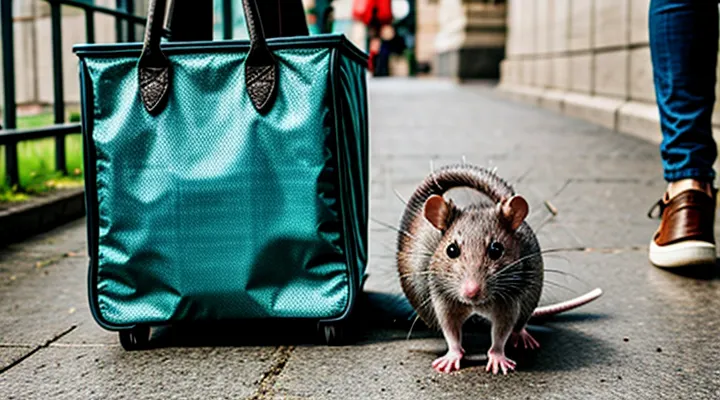
Why a Rat Carrier is Essential
Safety During Travel
When transporting a pet rat, safety depends on the carrier’s construction, ventilation, and handling procedures. A rigid frame prevents crushing forces, while a sealed lower compartment protects against accidental openings. Secure closures must lock without requiring excessive force, allowing quick access in emergencies.
Key safety features include:
- Ventilation: Mesh panels or breathable fabric covering at least 30 % of the carrier surface ensure continuous airflow, preventing heat buildup.
- Temperature regulation: Insulated walls and a removable liner maintain a stable interior climate; avoid direct sunlight or drafts during journeys.
- Secure fastening: Double‑locking clips or zip ties hold the carrier to a seat belt or stroller, eliminating movement that could injure the animal.
- Ease of cleaning: Removable trays and waterproof liners simplify disinfection after travel, reducing infection risk.
- Visibility: Transparent sections allow monitoring without opening the carrier, minimizing stress and exposure.
During travel, place the carrier on a stable surface, preferably on the floor of a vehicle where it remains level. Keep the rat’s water supply sealed to prevent spills, and provide a small amount of familiar bedding to reduce anxiety. Periodic checks—every 30 minutes on longer trips—confirm that ventilation remains unobstructed and the animal shows no signs of distress.
Selecting a carrier that integrates these safety elements ensures that the rat remains protected throughout the journey, regardless of transportation mode.
Stress Reduction
Choosing a rat carrier that minimizes stress directly improves the animal’s health and handling safety. A well‑designed carrier reduces anxiety during transport, leading to steadier behavior and lower physiological stress markers.
Key characteristics that lower stress:
- Soft, breathable interior material that prevents overheating while providing gentle support.
- Secure, but easily operable, latch system that eliminates sudden movements when opening or closing.
- Rounded edges and smooth interior surfaces that prevent skin irritation and allow natural posture.
- Adequate ventilation slots positioned to avoid drafts yet ensure constant airflow.
- Compact size that fits the rat comfortably without excessive space that encourages wandering.
Implementing these features involves measuring the rat’s length and girth, then selecting a carrier whose internal dimensions exceed those measurements by no more than 1–2 cm. Verify that the latch engages with minimal force and that the carrier can be placed on a stable surface without tipping. Regularly inspect the interior for wear, replacing liners or cushions as needed to maintain softness.
A carrier meeting these specifications consistently reduces transport‑related stress, supporting better overall welfare and more reliable experimental or pet‑care outcomes.
Veterinary Visits and Emergencies
When transporting a pet rat to a veterinary appointment, the carrier must protect the animal while allowing quick, safe handling. Choose a model with secure, ventilated openings that prevent escape yet provide adequate airflow. A sturdy latch system eliminates accidental release during hurried moments.
Key features for emergency situations include:
- Rigid construction that resists crushing if the carrier is dropped or squeezed.
- Internal padding that cushions the rat without obstructing movement.
- A removable, washable liner to maintain hygiene after unexpected spills.
- A compact shape that fits in a standard vehicle seat belt or carrier bag, enabling rapid evacuation from a clinic.
During routine check‑ups, the carrier should facilitate easy inspection. Transparent panels allow the veterinarian to view the rat without opening the enclosure, reducing stress. A front opening that swings outward provides direct access for examinations or medication administration.
In crisis scenarios—such as sudden illness or injury—time is critical. A carrier equipped with a quick‑release latch and a built‑in strap for suspension lets a caregiver secure the rat while attending to treatment. Ensure the carrier’s material is non‑toxic and free of sharp edges to avoid additional harm. Selecting a carrier that meets these criteria streamlines veterinary visits and enhances safety during emergencies.
Key Considerations for Choosing a Rat Carrier
Size and Space
For Single Rats
Choosing a carrier for a solitary rat requires attention to size, ventilation, material, and security. The enclosure must accommodate the animal’s full length with at least two inches of clearance to prevent cramping during movement. Adequate airflow prevents overheating and reduces the risk of respiratory issues; mesh panels or perforated plastic provide consistent circulation while shielding the rat from drafts.
Key factors to evaluate:
- Internal dimensions: minimum 12 inches long, 8 inches wide, 8 inches high for most adult rats.
- Ventilation: multiple openings or breathable fabric covering at least 30 % of surface area.
- Material durability: sturdy plastic or metal frames resist chewing and maintain structural integrity.
- Secure closure: latch that cannot be opened by the rat yet allows quick access for cleaning.
- Portability: lightweight construction and a handle that fits comfortably in one hand.
Additional considerations include removable liners for easy sanitation, a transparent panel for visual monitoring, and compliance with transport regulations for veterinary visits or travel. Selecting a carrier that meets these specifications ensures the rat remains comfortable, safe, and stress‑free throughout transport.
For Multiple Rats
When transporting more than one rat, the carrier must accommodate the animals without compromising comfort or safety.
Select a cage that provides at least 12 inches of floor space per rat; a 24 × 12 inch base comfortably holds two adults, while larger groups require proportionally greater dimensions. Height should allow standing and brief climbing, typically 10–12 inches.
Ventilation panels must cover at least 30 percent of the sidewalls to ensure adequate airflow. Mesh sections should be reinforced to prevent escape, and any openings must be secured with lockable latches.
Choose a carrier constructed from non‑toxic, water‑resistant material such as high‑density polyethylene or coated metal. Smooth interior surfaces simplify disinfection; removable trays or dividers facilitate thorough cleaning after each trip.
Internal organization benefits from separate compartments or removable dividers, preventing dominant individuals from crowding weaker rats. Provide a solid hideaway in each section to reduce stress during transport.
Weight capacity should exceed the combined mass of the rats plus bedding and accessories by at least 20 percent. Handles positioned opposite each other balance the load, and a padded shoulder strap distributes weight for longer journeys.
Key criteria for a multi‑rat carrier:
- Minimum 12 inches of floor space per animal
- Ventilation covering ≥30 percent of sidewalls
- Reinforced, lockable mesh openings
- Non‑toxic, water‑resistant construction
- Removable trays or dividers for cleaning and separation
- Load capacity ≥120 percent of total weight
- Balanced handles or ergonomic strap for transport
Ventilation
Airflow Importance
Adequate ventilation is a primary factor in selecting a suitable carrier for small rodents. Insufficient airflow can cause temperature spikes, leading to heat stress that compromises health. Proper circulation also prevents the buildup of ammonia from urine, which can irritate respiratory passages and increase the risk of infection.
Effective airflow is achieved through design elements such as mesh panels, vent openings, and breathable fabrics. These features allow fresh air to enter while directing stale air outward, creating a stable microclimate inside the enclosure. When evaluating options, consider the size and placement of vents relative to the animal’s position; vents positioned too low may be blocked by bedding, while those placed too high may not reach the animal’s breathing zone.
Key considerations for airflow:
- Mesh size: fine enough to prevent escape, large enough to permit unrestricted air movement.
- Vent placement: evenly distributed around the carrier to avoid dead zones.
- Adjustable openings: allow customization for different ambient temperatures.
- Material durability: resistant to wear, ensuring vents remain functional over time.
Neglecting ventilation can result in rapid deterioration of the carrier’s interior environment, forcing frequent cleaning and potentially shortening the lifespan of the product. Prioritizing airflow ensures a healthier, more comfortable journey for the animal and reduces maintenance demands for the owner.
Mesh vs. Bars
When evaluating a transport container for a pet rat, the choice between a mesh enclosure and a barred cage directly influences ventilation, durability, and handling safety.
Mesh designs provide continuous airflow, reducing heat buildup and moisture accumulation. The fine opening size prevents escape while allowing the animal to see its surroundings, which can lessen stress. However, mesh can be prone to tearing if the rat gnaws aggressively, and the material may deform under heavy loads, potentially compromising structural integrity.
Barred constructions offer robust resistance to chewing and support heavier accessories such as water bottles or feeding dishes. The rigid frame maintains shape during travel, and the spaced bars facilitate easy cleaning. Yet, larger gaps may allow small paws to slip through, and airflow is limited to the spaces between bars, which can create hotspots in warm environments.
Key comparison points:
- Ventilation: mesh – uniform airflow; bars – intermittent airflow.
- Chew resistance: mesh – moderate; bars – high.
- Weight capacity: mesh – lighter; bars – heavier loads.
- Escape risk: mesh – low (tight weave); bars – higher if gaps are wide.
Security and Escape Prevention
Latch Mechanisms
Latch mechanisms determine whether a rat carrier remains securely closed during transport and handling. A reliable latch prevents accidental openings, protects the animal, and simplifies the caregiver’s tasks.
Common latch designs include:
- Spring‑loaded clips that snap shut with a single press.
- Push‑button releases that require a deliberate press to open.
- Toggle levers offering a two‑position lock.
- Magnetic catches that disengage only when a strong magnet is applied.
- Screw‑type fasteners that provide a fixed, tamper‑resistant seal.
Selection criteria focus on strength, ease of operation, and material durability. The latch must withstand forces generated by the carrier’s movement without deformation. Mechanisms should open with minimal effort, avoiding excessive pressure that could stress the rat’s paws. Stainless steel or reinforced polymer components resist corrosion and wear, extending the carrier’s service life. Compatibility with the carrier’s dimensions ensures the latch aligns correctly and does not protrude into the interior space.
Regular inspection is essential. Verify that the latch seats flush, that springs retain tension, and that moving parts glide without obstruction. Clean surfaces with a mild, non‑abrasive solution to remove debris that could impair function. Replace worn or broken components promptly to maintain safety standards.
A well‑chosen latch contributes directly to the overall suitability of a rat carrier, balancing security, user friendliness, and longevity.
Chew-Proof Materials
When selecting a carrier for a pet rodent, the resistance of the enclosure’s fabric to gnawing determines both the animal’s safety and the product’s lifespan. Materials that withstand persistent chewing combine hardness, low toxicity, and ease of maintenance.
Hard plastics such as polycarbonate and high‑density polyethylene provide a rigid shell that rodents cannot bite through. These polymers resist scratches, maintain structural integrity under repeated handling, and can be disinfected with mild detergents. Polycarbonate offers superior impact resistance, while HDPE is lighter and more cost‑effective.
Metal frames covered with mesh made from stainless steel or coated aluminum prevent teeth from penetrating. Stainless steel mesh offers corrosion resistance and can be cleaned in dishwasher‑safe cycles. Aluminum mesh, when anodized, reduces sharp edges and weight, though it may be less durable under heavy gnawing.
Composite fabrics blend natural fibers with synthetic binders to create chew‑resistant panels. Examples include:
- Nylon‑reinforced canvas: dense weave, low stretch, tolerates occasional bite marks without tearing.
- PVC‑coated polyester: waterproof barrier, easy to wipe clean, remains flexible at low temperatures.
- Fiberglass‑filled polymer sheets: high tensile strength, minimal deformation under pressure.
Safety considerations include verifying that all components are free of lead, BPA, and phthalates. Materials should be non‑porous to prevent bacterial buildup and should not release sharp fragments if damaged.
Cost analysis typically follows a tiered structure: basic HDPE shells are the most affordable, stainless steel mesh options occupy the mid‑range, and polycarbonate or fiberglass composites command premium pricing. Investing in a higher‑grade chew‑proof material reduces replacement frequency and minimizes health risks associated with exposed wiring or loose fittings.
In practice, combine a rigid outer shell—preferably polycarbonate or HDPE—with an interior lining of nylon‑reinforced canvas. This hybrid approach balances durability, weight, and ease of cleaning while providing a barrier that a rat’s incisors cannot breach.
Comfort and Bedding
Soft Liners
Soft liners are removable inserts that line the interior of a rat carrier, providing a hygienic surface for the animal and simplifying cleanup. They are typically made from fleece, cotton, or synthetic fibers, each offering distinct characteristics that affect comfort, durability, and maintenance.
When evaluating liners, consider the following factors:
- Material composition – Natural fibers such as fleece absorb moisture and reduce static, while synthetic blends dry quickly and resist odor buildup.
- Thickness – A moderate thickness (approximately 2‑3 mm) cushions the cage floor without adding excessive bulk that could impede ventilation.
- Fit – The liner should match the carrier’s dimensions precisely; excess material creates folds that can trap waste, whereas an undersized piece leaves exposed hard surfaces.
- Attachment method – Velcro strips, elastic edges, or snap‑fasteners secure the liner in place, preventing shifting during transport.
- Washability – Machine‑safe fabrics enable routine laundering at 40 °C, preserving hygiene without degrading fibers.
Proper use of a soft liner enhances the rat’s welfare by offering a gentle resting surface and reduces the frequency of deep cleaning the carrier itself. Selecting a liner that aligns with the carrier’s size, the animal’s sensitivity, and the owner’s maintenance routine ensures a convenient, long‑lasting solution.
Absorbent Materials
Choosing a rat carrier that manages moisture efficiently depends on the absorbent material placed inside. The material must retain liquids, control odor, and stay safe for the animal.
Common absorbents include:
- Wood shavings – high absorbency, lightweight, but may generate dust that irritates respiratory passages.
- Paper-based bedding – low dust, biodegradable, absorbs well; unsuitable if the carrier will be exposed to excessive moisture, as it can become soggy quickly.
- Hemp fibers – strong absorbency, natural antimicrobial properties, minimal dust; cost is higher than paper alternatives.
- Cotton pads – soft, reusable after washing, moderate absorbency; may retain odor if not cleaned regularly.
- Recycled cellulose pellets – compact, excellent fluid retention, low dust; can become hard when saturated, reducing comfort.
When evaluating absorbents, consider:
- Absorption rate – how quickly the material captures urine or spilled water.
- Retention capacity – total volume of liquid the material can hold before leaking.
- Dust production – particles that could be inhaled by the rat.
- Odor control – ability to neutralize or mask waste smells.
- Ease of cleaning – whether the material can be removed, washed, and replaced without excessive effort.
A practical approach is to line the carrier’s floor with a thin layer of paper bedding for low dust, then add a thicker hemp or wood shavings layer for extended absorbency on longer trips. Replace the lining after each use or when the material reaches saturation, ensuring the carrier remains dry and hygienic.
Ease of Cleaning
Removable Bottoms
When evaluating a carrier for rats, removable bottoms deserve particular attention. Their primary function is to allow rapid access to the interior for cleaning, feeding, and health checks. A detachable base eliminates the need to dismantle the entire cage, reducing stress on the animal and saving time for the caregiver.
Key considerations for removable bottoms include:
- Material durability: Choose bases made from high‑density polyethylene or stainless steel. Both resist chewing and corrosion, ensuring long‑term integrity.
- Secure attachment mechanism: Look for snap‑fit locks or reinforced hinges that prevent accidental separation during transport. A secondary safety latch adds an extra layer of protection.
- Ease of removal: A design that releases with one hand speeds up routine maintenance. Lever‑type releases or quick‑release pins are preferred over complex screw systems.
- Compatibility with accessories: Verify that the bottom aligns with common bedding trays, water bottles, and feeding stations. Mismatched dimensions can create gaps that allow escape or injury.
- Weight distribution: A lightweight bottom reduces overall carrier mass, making the unit more portable without compromising structural support.
Cleaning efficiency improves dramatically with a removable bottom. The caregiver can submerge the base in warm, mild detergent, rinse thoroughly, and reinstall it once dry. This process minimizes exposure of the rat to harsh chemicals and eliminates hidden debris that could cause illness.
Safety standards for pet carriers often require that detachable components lock firmly under normal movement. Selecting a model that meets or exceeds these standards ensures compliance with regulatory guidelines and protects the animal during travel.
In summary, prioritize carriers whose bottoms are constructed from robust, non‑porous materials, feature reliable locking systems, allow single‑hand removal, and integrate seamlessly with supplemental equipment. These attributes collectively enhance hygiene, convenience, and animal welfare.
Washable Materials
Choosing a rat carrier that can be cleaned regularly hinges on the material’s washability. Washable fabrics reduce the risk of odor buildup, limit the spread of parasites, and extend the product’s lifespan.
Key properties of suitable fabrics include resistance to water, durability under repeated laundering, and quick‑dry performance. Materials that retain shape after multiple cycles prevent deformation that could compromise the animal’s safety.
- Polyester fleece: soft, retains warmth, machine‑washable at 30 °C, dries quickly.
- Nylon with a polyurethane coating: water‑repellent, strong, tolerates higher temperatures (up to 40 °C).
- Cotton canvas treated with antimicrobial agents: breathable, easy to clean, requires gentle cycle.
- Silicone‑coated fabric: impermeable, wipes clean, suitable for spot‑cleaning and low‑temperature washes.
Maintenance guidelines: use a gentle cycle, avoid bleach unless the fabric specifies compatibility, tumble dry on low or air‑dry to preserve structural integrity. Inspect seams after each wash to detect fraying that could affect safety.
When evaluating options, prioritize fabrics that combine hygiene with resilience, match the carrier’s design, and conform to the cleaning instructions provided by the manufacturer. This approach ensures a convenient, long‑lasting solution for transporting rats.
Types of Rat Carriers
Soft-Sided Carriers
Pros and Cons
Choosing a rat carrier involves weighing functional advantages against potential drawbacks. A well‑designed carrier should protect the animal, simplify transport, and meet regulatory standards.
Advantages
- Rigid walls prevent crushing injuries and maintain a stable interior temperature.
- Ventilation slots provide continuous airflow, reducing stress from overheating.
- Removable trays allow easy cleaning, preventing odor buildup and disease transmission.
- Secure latch mechanisms keep the carrier closed during movement, eliminating accidental escapes.
- Compact dimensions fit under airline seats, facilitating travel without additional fees.
Disadvantages
- Rigid construction adds weight, making long walks or stair climbs more tiring for the owner.
- Small ventilation openings can become obstructed by bedding, limiting air exchange if not monitored.
- Detachable trays may shift during transit, causing the rat to lose footing.
- High‑quality latches sometimes require two‑handed operation, slowing quick exits in emergencies.
- Compact size restricts space for enrichment items, potentially increasing the animal’s anxiety on longer journeys.
Balancing these factors helps identify a carrier that aligns with personal mobility, travel frequency, and the rat’s comfort requirements. Selecting a model that maximizes protection and airflow while minimizing weight and space constraints yields the most practical solution.
Hard-Sided Plastic Carriers
Pros and Cons
When selecting a carrier for a pet rat, evaluating advantages and disadvantages helps identify the most suitable model.
A well‑designed carrier offers several benefits. It provides a secure enclosure that prevents escape, supports ventilation through mesh panels, and allows easy cleaning with removable trays. Compact dimensions fit in public transport bags, while sturdy handles enable comfortable carrying over long distances. Some models include built‑in feeding bowls, reducing the need for additional accessories during trips.
Conversely, drawbacks exist. Rigid plastic cages may limit airflow, raising temperature inside during warm weather. Heavy metal frames increase overall weight, making prolonged hand‑carrying tiring. Certain designs lack secure locking mechanisms, risking accidental openings. Limited interior space can restrict enrichment items, potentially causing stress for the animal.
Balancing these factors involves matching the carrier’s features to the owner’s travel habits, the rat’s size, and the duration of outings. Prioritizing ventilation, weight, and secure closures typically yields a practical solution for everyday use.
Wire Carriers
Pros and Cons
When evaluating a carrier for a pet rat, weigh functional attributes against potential drawbacks.
Advantages
- Compact dimensions allow safe transport in a backpack or under a seat.
- Breathable mesh panels provide adequate airflow, reducing stress for the animal.
- Removable interior liners simplify cleaning and help maintain hygiene.
- Lightweight construction minimizes the load on the owner while preserving structural integrity.
- Secure latch mechanisms prevent accidental opening during travel.
Disadvantages
- Small size may limit the ability to include accessories such as water bottles or hideaways.
- Thin plastic walls can crack under repeated impact, shortening the product’s lifespan.
- Mesh sections may be chewed by a determined rodent, requiring regular inspection.
- Low‑profile designs can restrict visibility, making it harder to monitor the rat’s condition without opening the carrier.
- Budget models often lack reinforced corners, increasing the risk of damage during rough handling.
Choosing a carrier involves matching these strengths and weaknesses to the specific travel needs, the rat’s temperament, and the owner’s expectations for durability and convenience.
Additional Features to Look For
Top Opening vs. Side Opening
When evaluating a rat transport enclosure, the opening style determines handling efficiency, ventilation quality, and cleaning speed. A top opening provides unobstructed access to the interior, allowing quick placement and removal of the animal without disturbing its environment. The design typically integrates a hinged lid that opens fully, exposing the entire cage floor and facilitating inspection of bedding and waste. Because the lid rests above the cage, the carrier can be positioned on a stable surface while the user bends forward, reducing strain on the back.
A side opening presents a vertical flap or sliding panel on one wall. This configuration keeps the carrier’s height low, which benefits storage in tight spaces and enables placement under tables or in car boot compartments. The side panel often incorporates a latch that secures the opening, preventing accidental release during transport. Side access also allows the user to keep a hand on the carrier’s side for added stability while extracting the rat.
Key considerations
- Loading speed – Top opening allows simultaneous hand placement of the rat and removal of bedding; side opening may require the animal to navigate a narrower passage.
- Ventilation – Top lids usually include a mesh that remains open when the lid is lifted, offering continuous airflow; side panels often rely on fixed vents that may be partially obstructed by the latch.
- Cleaning – Full‑top access simplifies sweeping and washing; side openings may limit reach to one corner, extending cleaning time.
- Portability – Side‑opening models are generally slimmer, fitting more easily into backpacks or carrier bags; top‑opening models tend to be taller, which can affect balance when carried.
- Security – Side latches provide a positive lock that can be double‑checked; top lids depend on a hinge and snap closure, which may loosen under vibration.
Choose a top opening when rapid animal handling, thorough inspection, and straightforward maintenance are priorities. Opt for a side opening if space constraints, low profile transport, and secure latch mechanisms align with the user’s routine. Both designs meet basic safety standards; the decision hinges on the specific demands of daily use.
Carrying Handles and Straps
Carrying handles and straps determine how easily a rat carrier can be moved and secured.
A well‑designed handle should be positioned at the top of the carrier, providing a firm grip without compressing the animal’s enclosure. Materials such as reinforced plastic or coated metal prevent slipping and distribute pressure evenly across the hand.
Straps serve two purposes: stabilizing the carrier during transport and allowing hands‑free operation. Key considerations include:
- Adjustability – sliding buckles or quick‑release clips enable a custom fit for different body sizes.
- Width – straps at least 1 inch (2.5 cm) wide spread load, reducing strain on shoulders.
- Padding – foam or neoprene layers cushion contact points, improving comfort on longer trips.
- Attachment points – reinforced loops or D‑rings positioned opposite each other maintain balance and prevent twisting.
When both handles and straps meet these criteria, the carrier remains stable, ergonomic, and safe for the pet and the owner.
Storage Pockets
When evaluating a rat carrier, the design of its storage pockets directly affects practicality and animal welfare.
Effective pockets should be positioned for easy reach without obstructing ventilation or the carrier’s structural integrity. Materials such as rip‑stop nylon or reinforced polyester resist tearing from scratching and support repeated washing. Closures must secure contents while allowing quick access; zip‑locks, Velcro flaps, or magnetic snaps each provide distinct advantages.
Key considerations for pocket selection:
- Capacity: Minimum dimensions of 4 × 6 inches accommodate food, water bottles, and small accessories; larger pockets suit bulkier items like bedding.
- Placement: Side pockets keep supplies within arm’s length; a rear pocket offers discreet storage for valuables.
- Durability: Double‑stitched seams and water‑resistant coating extend lifespan under outdoor conditions.
- Ease of cleaning: Removable fabric liners or machine‑washable fabrics simplify hygiene maintenance.
- Safety features: Rounded edges, reinforced corners, and secure fastenings prevent accidental contact with the rat.
Prioritizing these attributes ensures the carrier remains functional, hygienic, and comfortable for both pet and owner.
Compatibility with Car Seatbelts
Choosing a rat transport cage that integrates securely with a vehicle’s seatbelt system reduces the risk of movement and injury during travel. Compatibility hinges on design features that allow a stable connection to the belt without compromising the animal’s comfort.
Key elements to evaluate:
- Attachment points – reinforced loops or D‑rings positioned at the carrier’s corners provide reliable anchorage. Verify that the hardware is welded or stitched to withstand repeated tension.
- Belt loop dimensions – openings must accommodate standard 3‑inch seatbelt widths while leaving enough clearance to prevent the belt from cutting into the carrier’s fabric.
- Material strength – high‑density nylon or reinforced polyester resists tearing under load. Look for carriers rated for a minimum of 30 lb of pulling force, well above the weight of a typical rat and carrier combined.
- Safety certifications – products tested under ASTM F1980 or equivalent automotive safety standards guarantee that the carrier meets established impact and restraint criteria.
- Installation simplicity – quick‑release buckles or snap‑fit connectors enable fast securing and release without tools, reducing driver distraction.
After selecting a model, perform a fit check: place the carrier on the seat, thread the seatbelt through the designated loop, and engage the latch. Ensure the carrier remains upright and does not shift when the belt is tightened. Periodic inspection of stitching, hardware, and fabric for wear extends the carrier’s service life and maintains compliance with safety requirements.
Preparing Your Rat Carrier for Use
Acclimatization
Acclimatization prepares a rat for the confined environment of a transport carrier. The process reduces stress, stabilizes physiological responses, and improves the animal’s willingness to enter and remain in the device.
Key elements of effective acclimatization:
- Gradual exposure – introduce the carrier for short periods, increasing duration over several days.
- Environmental consistency – maintain temperature (20‑24 °C) and humidity (45‑55 %) similar to the home cage.
- Comfort items – place familiar bedding, a shelter, and a small water source inside the carrier during acclimation sessions.
- Positive reinforcement – reward entry with treats to create an association between the carrier and a pleasant outcome.
- Observation – monitor behavior for signs of agitation; pause or revert to shorter sessions if distress appears.
Implementing these steps before transport ensures the rat adapts to the carrier’s spatial constraints, minimizes physiological shock, and supports a smoother relocation experience.
Scenting
Scenting influences a rat’s comfort and stress level during transport. A carrier that retains familiar odors from the home cage reduces anxiety, while unfamiliar or strong smells can trigger defensive behavior.
When evaluating carriers, consider the following scent-related factors:
- Material permeability: fabrics such as cotton or fleece allow the animal’s natural scent to pass through, whereas sealed plastics trap odors inside, potentially creating an unpleasant environment.
- Cleanability: removable, washable liners enable regular removal of lingering smells, preventing buildup that could affect future trips.
- Odor-neutralizing features: carriers with built-in charcoal filters or antimicrobial coatings help maintain a neutral scent profile without masking the rat’s own odor.
Choosing a carrier that balances scent retention with easy sanitation supports a calmer journey and simplifies maintenance for the owner.
Adding Food and Water Access
When a rat carrier includes dedicated food and water provisions, the animal remains hydrated and nourished during transport, reducing stress and the risk of health issues. Secure containers prevent spills, maintain cleanliness, and keep supplies accessible without interfering with the cage’s structural integrity.
Key considerations for integrating nourishment systems:
- Leak‑proof reservoirs – use silicone or BPA‑free plastic bottles with threaded caps that attach to the carrier’s side walls. Ensure the seal tolerates movement and pressure changes.
- Compact feeders – select shallow, perforated trays that fit within the carrier’s floor space. Perforations allow excess food to fall into a catch‑all compartment, simplifying cleaning.
- Adjustable flow – opt for water dispensers with a controllable valve or drip‑stop mechanism. Adjustable flow accommodates the rat’s size and activity level, preventing over‑consumption or dehydration.
- Secure mounting – fasten all accessories with reinforced screws or snap‑fit latches. Verify that attachments do not create sharp edges or protrusions that could injure the animal.
- Easy removal – design the system so that the food tray and water bottle detach without disassembling the entire carrier. This feature speeds up cleaning and refilling between trips.
Materials should be non‑toxic, dishwasher‑safe, and resistant to gnawing. Regular inspection of seals, valves, and mounting points prevents wear that could lead to leaks or loose components. Incorporating these elements creates a self‑contained environment where the rat receives continuous nourishment while the carrier remains functional and hygienic.