
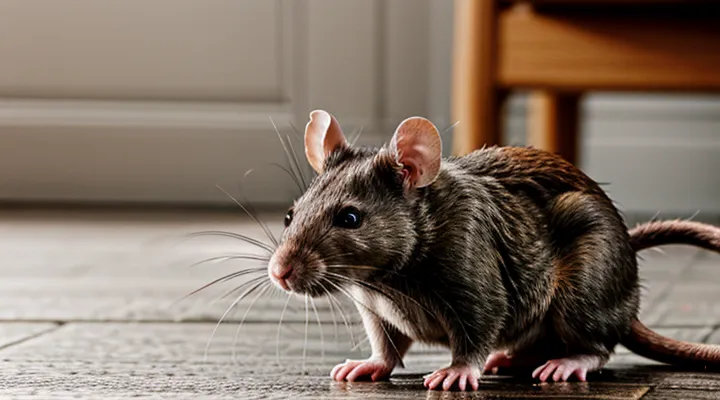
Understanding Rat Breathing Difficulty Without Wheezing
Normal Rat Breathing vs. Concerning Signs
How to Observe Rat Breathing
Observe the rat’s thoracic and abdominal movements continuously. Normal respiration appears as regular, rhythmic expansions of the chest and belly with a rate of 80–150 breaths per minute in adult rats. Deviations—irregular timing, shallow or exaggerated excursions, or prolonged pauses—signal potential respiratory distress even when wheezing is absent.
Key points for accurate assessment:
- Position the animal in a calm environment; avoid handling stress that can alter breathing patterns.
- Use a clear, well‑lit surface to view the lateral side of the thorax.
- Count breaths for a full 30‑second interval, then multiply by two to obtain breaths per minute.
- Note the depth of each breath: shallow (minimal chest rise) versus deep (pronounced rise).
- Record any asymmetry between left and right thoracic walls, which may indicate localized pathology.
- Monitor for audible sounds such as soft crackles or gurgling that accompany labored breathing.
Document observations with timestamps and correlate them to any recent interventions, environmental changes, or clinical signs. Repeated measurements at consistent intervals provide a reliable baseline and help detect early deterioration in rats experiencing respiratory difficulty without wheezing.
Subtle Indicators of Respiratory Distress
Rats experiencing respiratory distress without audible wheezing often reveal the problem through subtle physiological and behavioral changes. Recognizing these signs enables early intervention and prevents progression to severe illness.
- Elevated respiratory rate measured by counting flank movements over a 30‑second interval.
- Shallow, rapid breaths that produce minimal chest excursion.
- Nasal flaring that appears only during moments of activity or stress.
- Slight cyanosis around the ears, tail base, or whisker pads, visible under adequate lighting.
- Excessive grooming of the snout or surrounding fur, indicating irritation or discomfort.
- Decreased activity levels, reluctance to explore, or prolonged periods of stillness.
- Altered posture, such as hunching the back or holding the head lower than usual.
- Audible soft clicking or subtle crackles heard with a stethoscope placed on the thorax.
Assessment should combine quantitative observation (respiratory count) with qualitative evaluation (posture, coloration). Environmental monitoring—maintaining stable temperature, humidity, and minimizing dust—reduces the likelihood that non‑wheezing distress develops into overt pulmonary disease. Prompt identification of these subtle indicators supports timely veterinary care and improves outcomes for affected rodents.
Common Causes of Silent Breathing Difficulty
Environmental Factors
Poor Air Quality and Irritants
Poor air quality compromises the respiratory efficiency of rats by lowering oxygen availability and introducing toxic substances that irritate the airway lining. The resulting discomfort often manifests as rapid or shallow breaths without the characteristic wheeze associated with airway obstruction.
Particulate matter, ammonia, sulfur compounds, formaldehyde, and volatile organic chemicals penetrate the nasal passages and alveoli. These agents damage epithelial cells, trigger inflammatory cascades, and increase airway resistance. The inflammation narrows the airway lumen, forcing the animal to increase respiratory rate to meet metabolic demand, yet the airflow remains too smooth to produce audible wheezing.
Common irritants include:
- Dust and fine silica particles from bedding or cage substrates
- Ammonia generated by urine and feces accumulation
- Smoke from tobacco, incense, or cooking appliances
- Chemical disinfectants such as bleach or phenol solutions
- Outdoor pollutants like ozone and nitrogen dioxide infiltrating ventilation systems
Continuous monitoring of indoor pollutant concentrations and regular cage cleaning reduce exposure. Installing activated carbon filters, maintaining low humidity, and using low‑emission bedding materials further protect respiratory health. Early detection of altered breathing patterns, combined with environmental control, prevents progression to more severe respiratory compromise.
Temperature and Humidity Extremes
Temperature extremes place immediate stress on the rat respiratory system. When ambient heat rises above the thermoneutral zone, vasodilation in the nasal mucosa increases, reducing airway resistance but also promoting edema. Fluid accumulation narrows the tracheal lumen, limiting airflow without generating audible wheeze. Prolonged exposure to temperatures above 30 °C accelerates metabolic demand, raising oxygen consumption and carbon‑dioxide production. The resulting hyperventilation may appear as rapid, shallow breaths that lack the characteristic wheezing of obstructive pathology.
Humidity extremes similarly affect airway patency. High relative humidity (>80 %) impairs evaporative cooling, causing the animal’s body temperature to climb despite normal ambient temperature. Moisture in the upper airway thickens secretions, making them more viscous and prone to pooling. The pooled fluid obstructs the trachea subtly, leading to labored breathing without turbulent airflow sounds. Conversely, very low humidity (<30 %) dries the mucosal surface, triggering crust formation that can block small airway passages. The crusts do not vibrate, so wheeze does not develop.
Combined temperature‑humidity stress intensifies these mechanisms. A typical pattern includes:
- Elevated temperature + high humidity: mucosal edema + thick secretions → reduced airway diameter, rapid shallow breaths.
- Elevated temperature + low humidity: dehydration of mucosa + crust formation → intermittent blockage, irregular breathing rhythm.
- Low temperature + high humidity: condensation in the nasal cavity → fluid accumulation, mild obstruction.
- Low temperature + low humidity: dry air irritation → mucosal inflammation, subtle narrowing.
Physiological consequences extend beyond airflow limitation. Heat stress induces tachycardia, which together with reduced oxygen uptake can precipitate metabolic acidosis. Humidity‑related dehydration compromises blood plasma volume, reducing perfusion of respiratory muscles and further impairing ventilation. Both conditions elevate corticosterone levels, suppressing immune function and increasing susceptibility to secondary infections.
Mitigation strategies focus on environmental control. Maintain cage temperature within the rat’s thermoneutral range (20‑26 °C) and keep relative humidity between 40‑60 %. Use calibrated thermostats and hygrometers, provide ventilation that prevents stagnant air, and monitor temperature spikes during equipment failures. Supplement water sources with electrolytes during heat periods to counteract dehydration. Regular health checks should include observation of respiratory rate, depth, and the presence of fluid in the nasal passages, allowing early intervention before wheeze‑free distress progresses.
Non-Infectious Medical Conditions
Cardiovascular Issues
Rats experiencing labored breathing without audible wheeze often have underlying heart‑related disorders. Cardiovascular dysfunction can impair oxygen delivery or increase fluid accumulation in the lungs, producing dyspnea that mimics respiratory disease.
Common cardiac conditions that present with this pattern include:
- Congestive heart failure, leading to pulmonary edema and reduced lung compliance.
- Systemic hypertension, causing left‑ventricular strain and secondary respiratory distress.
- Arrhythmias, especially tachyarrhythmias, that diminish cardiac output and tissue perfusion.
- Myocardial infarction or necrosis, resulting in acute loss of contractile function.
- Anemia secondary to chronic disease, decreasing oxygen‑carrying capacity and prompting rapid breathing.
The mechanism involves elevated hydrostatic pressure in pulmonary capillaries, fluid transudation into alveolar spaces, and impaired gas exchange. These changes produce increased respiratory rate and effort while the airway remains unobstructed, explaining the absence of wheezing sounds.
Diagnostic work‑up should combine auscultation, echocardiography, blood pressure measurement, and complete blood count. Treatment focuses on stabilizing hemodynamics, reducing preload and afterload, and correcting anemia when present. Prompt identification of the cardiac source improves prognosis and prevents progression to overt respiratory failure.
Tumors and Growths
Tumors and growths can produce respiratory distress in rats even when audible wheezing is absent. Masses located in the nasal cavity, nasopharynx, larynx, trachea, or mediastinum may narrow or block air passages, leading to increased effort to inhale and exhale. Pulmonary neoplasms that infiltrate alveolar tissue reduce elastic recoil and impair gas exchange, causing tachypnea and open‑mouth breathing without the characteristic wheeze of bronchoconstriction.
Typical clinical manifestations include:
- Rapid, shallow breathing
- Labored inspiration with visible chest retractions
- Cyanotic mucous membranes
- Reduced activity and weight loss
- Absence of wheezing sounds on auscultation
The underlying mechanisms differ by tumor location:
- Obstructive lesions – physical blockage of upper airway structures creates turbulent flow that may not generate wheeze.
- Compressional effects – mediastinal or thoracic masses exert pressure on the trachea or bronchi, limiting lumen diameter.
- Infiltrative growth – malignant cells replace normal lung parenchyma, decreasing compliance and oxygen diffusion.
Diagnostic evaluation should follow a systematic approach:
- Radiography – identifies soft‑tissue opacity, mediastinal widening, or lung nodules.
- Computed tomography – provides three‑dimensional assessment of tumor size, extent, and relation to airway structures.
- Endoscopic examination – visualizes intraluminal growths and permits biopsy.
- Histopathology – confirms tumor type and grade, guiding therapeutic decisions.
Management options depend on tumor type and stage:
- Surgical excision for accessible, localized masses.
- Radiation therapy for inoperable or residual disease.
- Chemotherapy for metastatic or high‑grade neoplasms.
- Supportive care, including supplemental oxygen and analgesia, to alleviate breathing difficulty.
Early detection and precise characterization of neoplastic growths are essential to prevent progressive respiratory compromise in rats lacking wheezing signs.
Allergic Reactions
Allergic reactions in rats can impair airflow without producing audible wheezing. The immune response triggers inflammation of the nasal passages, pharynx, and trachea, leading to mucosal edema and increased secretions. These changes narrow the airway lumen, forcing the animal to breathe faster and with greater effort, yet the narrowed passages may not generate the turbulent airflow that creates wheeze sounds.
Inflammatory mediators such as histamine, leukotrienes, and prostaglandins cause smooth‑muscle contraction and vascular permeability. The resulting tissue swelling reduces the cross‑sectional area of the upper airway. Because the obstruction occurs primarily in the upper respiratory tract, airflow remains laminar enough to avoid the high‑frequency vibrations heard as wheeze.
Typical allergens that provoke this pattern include:
- Rodent feed proteins (e.g., soy, wheat gluten)
- Bedding materials (e.g., cedar, pine shavings)
- Environmental molds (e.g., Aspergillus spp.)
- Insect bites or contact with arthropod allergens
Diagnosis relies on clinical observation of rapid, shallow breathing, nasal discharge, and facial swelling, combined with laboratory tests such as serum IgE measurement or skin prick testing. Excluding infectious agents through culture or PCR helps confirm an allergic etiology.
Management involves removing the identified allergen, administering antihistamines or corticosteroids to reduce inflammation, and providing humidified oxygen to alleviate respiratory effort. Monitoring respiratory rate and oxygen saturation ensures timely adjustment of therapy.
Trauma or Injury
Traumatic events or physical injury can produce respiratory compromise in rats even when auscultation reveals no wheezing. Direct damage to the thoracic cage—such as rib fractures, sternum contusions, or spinal vertebrae displacement—restricts chest expansion, reducing tidal volume and causing shallow, rapid breaths. Penetrating wounds to the lungs or pleural cavity introduce air or fluid accumulation, leading to pneumothorax or hemothorax; both conditions impair gas exchange without generating wheeze sounds.
Neck or facial trauma may obstruct the upper airway through swelling, hematoma formation, or soft‑tissue lacerations. Swelling compresses the trachea, producing labored breathing that lacks the characteristic high‑pitched wheeze of bronchoconstriction. Additionally, blunt force to the head can disrupt central respiratory control, resulting in irregular breathing patterns without audible airway resistance.
Key clinical indicators include:
- Sudden increase in respiratory rate
- Visible effort of the chest wall or abdominal muscles
- Asymmetrical thoracic movement
- Cyanosis or pale mucous membranes
- Absence of wheezing on auscultation
Diagnostic steps should prioritize imaging (radiography or micro‑CT) to detect fractures, pneumothorax, or fluid accumulation, and ultrasound for pleural assessment. Blood gas analysis confirms hypoxemia or hypercapnia, guiding immediate oxygen supplementation.
Management protocols consist of:
- Stabilizing the airway and providing supplemental oxygen.
- Treating pneumothorax or hemothorax via thoracocentesis or chest tube placement.
- Applying analgesia and anti‑inflammatory agents to reduce edema and pain.
- Immobilizing the thorax if fractures are present, using splints or bandages.
- Monitoring respiratory parameters continuously until normal breathing resumes.
Prompt identification of trauma‑related respiratory distress prevents secondary hypoxic injury and improves survival outcomes in affected rodents.
Early Stages of Infectious Diseases
Mycoplasma pulmonis (Early Manifestations)
Mycoplasma pulmonis is a primary bacterial agent that initiates respiratory compromise in laboratory rats, often presenting before audible wheezing becomes evident. Early infection targets the upper and lower airways, impairing mucociliary clearance and provoking subtle clinical changes.
Typical early signs include:
- Serous or mucopurulent nasal discharge
- Intermittent sneezing episodes
- Slightly elevated respiratory rate without audible wheeze
- Mild dyspnea observable as shallow thoracic movements
- Periocular or facial moistness
- Reduced activity or grooming behavior
Pathophysiology centers on adhesion of the organism to respiratory epithelium, followed by localized inflammation, epithelial damage, and loss of ciliary function. These processes diminish airway patency and gas exchange efficiency, producing the observed tachypnea and mild distress.
Diagnostic confirmation relies on:
- Direct observation of clinical signs described above
- Culture of nasal or tracheal swabs on specialized media
- Polymerase chain reaction assays targeting Mycoplasma-specific DNA sequences
Therapeutic management emphasizes:
- Administration of macrolide antibiotics (e.g., tylosin or azithromycin) at doses validated for rodent use
- Improvement of cage ventilation and reduction of humidity to limit bacterial proliferation
- Regular monitoring of respiratory parameters to detect progression toward overt wheezing or pneumonia
Prompt identification of these early manifestations enables effective intervention, mitigating the risk of severe respiratory failure in affected rodents.
Other Bacterial Infections
Respiratory compromise in rats can arise from bacterial agents that do not produce audible wheezing. These pathogens affect the lower airways, alveolar spaces, or systemic circulation, leading to reduced oxygen exchange and altered breathing patterns.
Common bacterial contributors include:
- Pasteurella multocida – colonizes the nasopharynx and may progress to pneumonia, causing rapid, shallow breaths without wheeze.
- Streptococcus pneumoniae – induces inflammatory exudate in alveoli, resulting in tachypnea and silent hypoxia.
- Klebsiella pneumoniae – produces thick, mucoid secretions that obstruct airflow subtly, manifesting as labored respiration.
- Escherichia coli – can cause septicemia with secondary pulmonary involvement, presenting as irregular breathing rates.
- Mycoplasma spp. (though classified as bacteria) – generate interstitial pneumonia, leading to increased respiratory effort without audible wheeze.
Pathophysiological mechanisms typically involve:
- Alveolar inflammation – neutrophil infiltration and edema impair gas diffusion.
- Capillary leakage – fluid accumulation reduces effective pulmonary surface area.
- Systemic endotoxemia – cytokine surge triggers respiratory center hyperactivity, altering rhythm.
Diagnosis relies on clinical observation of altered breathing patterns, radiographic evidence of infiltrates, and microbiological culture of respiratory samples. Prompt antimicrobial therapy, guided by sensitivity testing, is essential to restore normal respiration and prevent progression to overt respiratory distress.
Differentiating Causes and Next Steps
When to Seek Veterinary Care
Rats that exhibit rapid, shallow, or labored breathing without an audible wheeze may be experiencing serious respiratory distress. The absence of wheezing does not lessen the urgency of the condition; underlying infections, heart disease, or airway obstruction can progress rapidly.
Seek veterinary care immediately if any of the following occur:
- Open‑mouth breathing or visible effort to inhale
- Gasping, choking, or sudden pauses in respiration
- Cyanotic (bluish) gums, tongue, or skin
- Unexplained collapse or loss of consciousness
- Blood or frothy fluid discharged from the nostrils or mouth
- Severe lethargy combined with abnormal breathing patterns
Consult a veterinarian promptly when these signs persist for more than a few minutes, when the rat’s temperature falls below normal, or when the animal fails to eat or drink over several hours. Chronic respiratory difficulty, even without wheeze, warrants professional evaluation to rule out pneumonia, cardiac insufficiency, or neoplastic growth.
Regular monitoring should include daily checks of breathing rate, posture, and mucous membrane color. Record any changes and provide the veterinarian with details about the rat’s environment, diet, and recent stressors to facilitate accurate diagnosis and treatment.
Providing First Aid and Supportive Care
Minimizing Stress
Rats that experience respiratory distress without audible wheezing often show heightened sensitivity to environmental stressors. Reducing stress mitigates sympathetic nervous system activation, which can exacerbate airway constriction and impair oxygen exchange.
Key measures to lower stress in affected rodents:
- Provide a stable cage environment; keep temperature between 20‑24 °C and humidity at 45‑55 %.
- Maintain a consistent light‑dark cycle (12 hours each) and avoid sudden illumination changes.
- Use low‑noise equipment; eliminate loud fans, alarms, and frequent cage handling.
- Offer nesting material and shelters to allow voluntary retreat.
- Limit handling to brief, gentle sessions; perform any necessary procedures after acclimation to the handler.
- Ensure dietary consistency; supply fresh water and nutritionally complete feed without abrupt formula changes.
- Monitor air quality; filter out ammonia, dust, and strong odors that can trigger stress responses.
Implementing these practices creates a predictable, calm setting, decreasing catecholamine release and supporting smoother breathing in rats with non‑wheezing respiratory issues. Regular observation of behavior and respiration confirms the effectiveness of stress‑reduction protocols.
Optimizing Environment
Optimizing the living area can reduce respiratory distress in rats that do not exhibit wheezing. Poor air quality, excessive dust, and inappropriate temperature directly aggravate the condition. Maintaining a clean, well‑ventilated cage stabilizes airflow and limits irritants that provoke shallow breathing.
Key environmental adjustments:
- Replace standard bedding with low‑dust, absorbent materials such as paper or aspen shavings.
- Install a small, filtered fan to promote gentle air circulation without creating drafts.
- Keep ambient temperature between 68 °F and 74 °F; avoid rapid fluctuations.
- Monitor humidity levels, aiming for 40‑60 % to prevent mucosal drying.
- Eliminate strong odors from cleaning agents, scented toys, or nearby food storage.
Regular observation of the rat’s breathing pattern, combined with these measures, supports more efficient oxygen exchange and reduces the likelihood of progressive respiratory compromise.
Diagnostic Approaches by Veterinarians
Physical Examination and Auscultation
Physical examination begins with observation of the rat’s posture, respiratory rate, and effort. A normal rat breathes 70–150 breaths per minute; rates above this range indicate tachypnea. Look for abdominal or thoracic muscle retractions, nasal flaring, and open‑mouth breathing, which suggest increased work of ventilation. Palpate the thorax to assess for asymmetry, crepitation, or fluid wave that may signal pleural accumulation. Check for nasal or ocular discharge, which can accompany infectious processes even when wheezing is absent.
Auscultation follows the visual and tactile assessment. Using a pediatric or small‑animal stethoscope, place the diaphragm over the dorsal thorax in a systematic pattern: right cranial, right caudal, left cranial, left caudal. Record the presence, intensity, and timing of inspiratory and expiratory sounds. In the absence of wheeze, clinicians should note:
- Clear, vesicular sounds throughout the lung fields, indicating patent airways.
- Fine crackles or rales, suggesting alveolar fluid or early pneumonia.
- Harsh inspiratory stridor, pointing to upper‑airway obstruction such as nasal cavity collapse or nasopharyngeal mass.
- Diminished or absent sounds on one side, consistent with pneumothorax or large pleural effusion.
Document the respiratory pattern (e.g., shallow, rapid, or labored) and any audible clicks or squeaks that may accompany laryngeal dysfunction. Correlate findings with the animal’s behavior; a rat that remains alert and active despite abnormal breathing may have a compensatory mechanism, whereas lethargy often accompanies systemic disease.
Integration of visual, tactile, and acoustic data enables differentiation between non‑wheezing respiratory distress caused by upper‑airway blockage, infectious infiltrates, cardiovascular compromise, or thoracic fluid accumulation. Accurate interpretation guides further diagnostics such as radiography, blood gas analysis, or microbiological sampling.
Imaging (X-rays, Ultrasound)
Imaging provides objective data when rats exhibit respiratory distress without audible wheeze, allowing identification of structural or fluid abnormalities that are not apparent on physical examination.
Thoracic radiography yields a panoramic view of the airways, lung fields, and mediastinum. It detects tracheal collapse, pleural effusion, pneumothorax, and pulmonary infiltrates. Radiographs also reveal cardiac silhouette enlargement that may suggest congestive heart failure contributing to dyspnea. Limitations include reduced sensitivity for early interstitial changes and the need for precise positioning to avoid superimposition artifacts.
Ultrasound offers real-time assessment of pleural and pericardial spaces. It confirms the presence of fluid collections, differentiates transudate from exudate, and evaluates diaphragmatic motion. High‑frequency probes visualize superficial lung lesions, while lower‑frequency transducers assess deeper structures. Operator skill and limited acoustic windows in the thorax constrain comprehensive evaluation.
- X‑ray: broad overview, detects air‑space and bony pathology, fast acquisition, limited early interstitial detection.
- Ultrasound: dynamic fluid assessment, distinguishes fluid types, bedside capability, dependent on operator expertise and acoustic access.
Blood Tests and Culture
Blood analysis provides objective data for rats presenting with unexplained respiratory distress. A complete blood count (CBC) quantifies erythrocytes, leukocytes, and platelets. Anemia, reflected by reduced hemoglobin and hematocrit, can impair oxygen transport and manifest as labored breathing. Leukocytosis or a left shift indicates systemic inflammation or bacterial infection, while lymphopenia may suggest viral involvement or stress‑induced immunosuppression. Differential leukocyte counts help narrow the pathogen class when infection is suspected.
Serum chemistry panels assess metabolic contributors. Elevated blood urea nitrogen and creatinine reveal renal compromise, which can cause fluid overload and pulmonary edema. Hyperglycemia or hypoglycemia may accompany endocrine disorders that alter ventilation control. Electrolyte disturbances, particularly hypo‑ or hyper‑kalemia, affect muscle contractility, including diaphragmatic function.
Microbiological cultures complement hematology by identifying infectious agents not evident in blood smear. Nasal, oropharyngeal, and lung tissue samples are inoculated on selective media under aerobic and anaerobic conditions. Growth of Streptococcus spp., Pasteurella spp., or Mycoplasma spp. confirms bacterial etiology; absence of growth after 48 hours with appropriate controls suggests non‑infectious causes. Fungal cultures target Candida or Aspergillus species when environmental exposure is suspected.
A concise workflow for diagnostic evaluation:
- Perform CBC with differential and reticulocyte count.
- Run serum biochemistry panel (renal, hepatic, electrolyte, glucose).
- Collect sterile respiratory samples for aerobic, anaerobic, and fungal cultures.
- Interpret results in conjunction with clinical signs and imaging findings.
Integration of hematologic and culture data directs targeted therapy, reduces empirical antibiotic use, and improves outcome for rats with breathing difficulty lacking wheeze.