
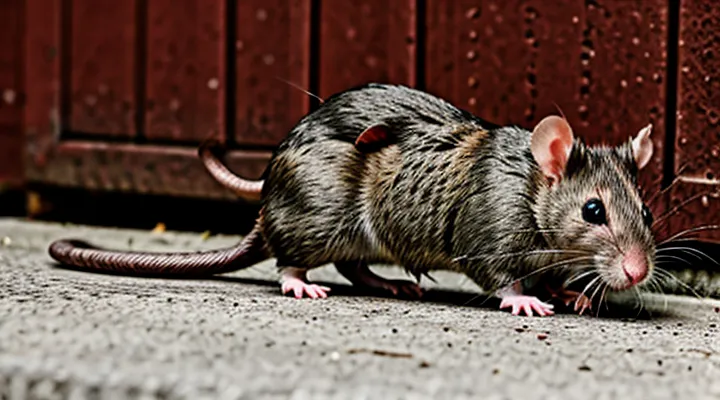
Why Rats Sneeze
Normal Sneeze Versus Symptomatic Sneeze
A normal rat sneeze is a brief, forceful expulsion of air that clears the nasal passages without tissue damage. The airflow follows a smooth, symmetrical trajectory, and the mucosal lining remains intact. No visible blood or discharge appears, and the animal resumes normal activity within seconds.
A symptomatic sneeze in rats indicates underlying pathology. The sneeze is accompanied by epistaxis, nasal crusting, or discharge. The force of the expulsion may be irregular, reflecting obstruction or inflammation of the nasal cavity. Observers notice blood staining the fur around the nose and immediate behavioral changes such as reduced grooming or lethargy.
Key factors that differentiate the two types include:
- Presence of blood: absent in normal sneezes, evident in symptomatic events.
- Duration and frequency: normal sneezes occur singly or in short bursts; symptomatic sneezes may be repetitive and prolonged.
- Accompanying signs: nasal swelling, crust formation, or respiratory distress accompany symptomatic sneezes.
Common causes of bleeding sneezes in rats involve:
- Nasal trauma from aggressive grooming, cage mates, or environmental hazards.
- Infectious agents such as Streptococcus or Mycoplasma that erode the mucosal surface.
- Chronic inflammatory conditions, including allergic rhinitis or sinusitis, that weaken capillary walls.
- Neoplastic growths within the nasal passages that disrupt vascular integrity.
Identifying a symptomatic sneeze requires inspection of the nasal area for blood and assessment of the rat’s overall health. Prompt veterinary evaluation can determine the specific cause and guide appropriate treatment.
Environmental Factors Triggering Sneezing
Rats that experience nasal bleeding during sneezing are highly sensitive to changes in their surroundings. Environmental conditions that irritate the nasal mucosa can increase the force of a sneeze and raise the likelihood of capillary rupture, leading to visible hemorrhage.
- High levels of airborne dust or fine particulate matter, including wood shavings, straw, and bedding fibers, directly contact the nasal passages and provoke reflex sneezing.
- Seasonal allergens such as pollen, mold spores, and fungal hyphae settle in cages, especially when ventilation is inadequate, intensifying mucosal inflammation.
- Low relative humidity (<30 %) dries the nasal epithelium, making blood vessels more fragile; conversely, sudden spikes in humidity can cause swelling that obstructs airflow and triggers violent expulsions.
- Temperature fluctuations greater than 5 °C within a 24‑hour period stress the respiratory tract, prompting frequent sneezes.
- Chemical irritants, including cleaning agents, disinfectants, and volatile organic compounds from paints or adhesives, act as potent nasal stimulants.
- Poor airflow or stagnant air in enclosures prevents the removal of irritants, allowing them to accumulate to harmful concentrations.
Each factor exerts pressure on the delicate capillary network lining the rat’s nasal cavity. When the mucosa is inflamed or dehydrated, sneezing forces exceed the tensile strength of these vessels, causing rupture and bleeding. Mitigating dust, controlling allergens, maintaining stable humidity and temperature, ensuring proper ventilation, and limiting exposure to chemicals collectively reduce the incidence of sneezing‑induced hemorrhage in laboratory and pet rats.
Common Causes of Bleeding During Sneezing
Respiratory Infections
Respiratory infections are a frequent trigger for epistaxis in rats that sneeze. Inflammation of the nasal mucosa weakens capillary walls, and the sudden pressure surge of a sneeze can rupture these vessels, producing visible bleeding.
Common infectious agents include:
- Bacterial pathogens: Streptococcus pneumoniae, Pasteurella multocida, Klebsiella pneumoniae.
- Viral agents: Sendai virus, rat coronavirus, hantavirus.
- Atypical bacteria: Mycoplasma pulmonis, Chlamydia muridarum.
The disease process typically begins with colonization of the upper airway, followed by mucosal edema and ulceration. Cytokine release increases vascular permeability, and the mechanical force of a sneeze exceeds the compromised structural integrity of the vessels, resulting in bleeding.
Clinical presentation often combines sneezing, nasal discharge, and intermittent blood loss. Diagnosis relies on physical examination, nasal swabs for culture or PCR, and radiographic imaging to assess sinus involvement.
Effective management requires antimicrobial therapy targeted to the identified pathogen, anti‑inflammatory treatment to reduce mucosal swelling, and supportive care such as humidified environments. Preventive measures include strict quarantine of new arrivals, regular health monitoring, and vaccination where applicable.
Bacterial Infections
Bacterial pathogens are a frequent source of epistaxis in laboratory and pet rats that exhibit sneezing. Infections compromise the integrity of the nasal mucosa and surrounding vasculature, leading to hemorrhage during the rapid air expulsion of a sneeze.
Typical agents include:
- Streptococcus spp. – colonize the upper respiratory tract, produce toxins that erode capillary walls.
- Klebsiella pneumoniae – induces purulent rhinitis; inflammatory swelling stresses fragile vessels.
- Pseudomonas aeruginosa – forms biofilms in the nasal passages, generating proteases that damage endothelial cells.
- Pasteurella multocida – causes severe mucosal inflammation, often accompanied by ulceration and bleeding.
Pathogenesis follows a common sequence: bacterial adherence to nasal epithelium, secretion of enzymes or exotoxins, local inflammation, and breakdown of the thin sinusoidal vessels. The mechanical force of a sneeze then ruptures the weakened walls, producing visible blood discharge.
Effective management requires prompt identification of the causative organism through culture or PCR, followed by targeted antimicrobial therapy. Supportive measures—humidified environment, gentle nasal flushing, and avoidance of irritants—reduce mucosal stress and diminish the likelihood of further hemorrhagic episodes.
Mycoplasmosis
Mycoplasmosis, a bacterial infection caused by Mycoplasma spp., frequently appears in laboratory and pet rats. The pathogen adheres to respiratory epithelium, compromises mucosal integrity, and induces inflammation that can precipitate hemorrhage during forceful expiration, such as sneezing. Vascular fragility in the nasal mucosa explains the observable blood discharge that follows a sneeze.
Key aspects of Mycoplasma‑related epistaxis in rats include:
- Direct damage to capillary walls in the nasal passages, leading to micro‑tears that bleed upon sudden air pressure changes.
- Disruption of the normal coagulation cascade by bacterial lipoproteins, which prolongs bleeding time.
- Co‑infection with other respiratory agents (e.g., Pasteurella spp.) that exacerbate mucosal erosion and increase the likelihood of visible blood loss.
Transmission occurs through aerosolized secretions, contaminated bedding, and direct contact. The organism lacks a cell wall, rendering it resistant to β‑lactam antibiotics; treatment typically involves tetracyclines or fluoroquinolones, administered for a minimum of three weeks to ensure eradication. Supportive care—humidified environments, nasal saline lavage, and iron supplementation—mitigates secondary anemia caused by recurrent bleeding.
Preventive measures focus on strict quarantine of new arrivals, regular health screening, and disinfection protocols that avoid agents ineffective against cell‑wall‑deficient bacteria. Maintaining colony immunity through adequate nutrition and stress reduction reduces susceptibility to Mycoplasma colonization and the associated hemorrhagic sneezing episodes.
Bordetella Bronchiseptica
Bordetella bronchiseptica is a gram‑negative, aerobic bacterium that colonizes the respiratory tract of many mammals, including laboratory and pet rats. The organism adheres to ciliated epithelium, produces toxins that damage mucosal cells, and induces inflammatory exudate. These actions compromise the integrity of nasal capillaries, creating a predisposition for blood loss when the animal expels air forcefully during a sneeze.
Typical clinical presentation includes intermittent sneezing, nasal discharge that may become sanguineous, and occasional epistaxis. The bleeding often appears after a series of rapid sneezes, reflecting the rupture of fragile vessels weakened by bacterial toxins and local inflammation. Secondary infection can exacerbate tissue damage, increasing the frequency and volume of hemorrhage.
Diagnostic confirmation relies on:
- Culture of nasopharyngeal swabs on selective media.
- Polymerase chain reaction targeting specific Bordetella genes.
- Histopathology showing necrotic epithelium and leukocytic infiltration.
Therapeutic protocols commonly employ:
- Broad‑spectrum antibiotics effective against gram‑negative organisms (e.g., doxycycline, enrofloxacin).
- Supportive care with humidified environments to ease mucosal irritation.
- Anti‑inflammatory agents to reduce edema and vascular fragility.
Prevention strategies focus on biosecurity measures: quarantine of new arrivals, regular health screening, and maintenance of clean, low‑stress housing conditions. Vaccination against Bordetella species, while more common in canine practice, can be considered for high‑risk rodent colonies under veterinary guidance.
Understanding the pathogenic mechanisms of Bordetella bronchiseptica clarifies why sneezing episodes may culminate in nasal bleeding in rats and informs targeted interventions to mitigate this symptom.
Viral Infections
Nasal hemorrhage triggered by sneezing in laboratory rats frequently stems from viral pathogens that compromise the integrity of the respiratory mucosa and underlying vessels. Viral replication within the nasal epithelium induces inflammation, edema, and necrosis, which weaken capillary walls and predispose them to rupture during the forceful airflow of a sneeze.
Common viral agents implicated include:
- Rat coronavirus (RCV): Causes severe rhinitis, epithelial ulceration, and vascular leakage.
- Sendai virus: Produces diffuse inflammation of the upper airway, leading to fragile capillaries.
- Hantavirus: Generates systemic endothelial damage and coagulopathy, increasing bleeding risk.
- Adenovirus strains: Result in mucosal ulceration and secondary bacterial infection that aggravates hemorrhage.
Mechanistic pathways involve:
- Direct cytopathic injury to epithelial cells, exposing submucosal vessels.
- Cytokine‑mediated inflammation that raises vascular permeability.
- Disruption of platelet function or clotting factor synthesis, impairing hemostasis.
- Secondary bacterial colonization that erodes tissue and intensifies bleeding.
Diagnostic confirmation requires viral PCR or serology from nasal swabs, coupled with histopathological examination of nasal tissue. Treatment protocols focus on antiviral agents where applicable, supportive care to stabilize hemostasis, and environmental modifications to reduce irritant exposure that may provoke sneezing. Preventive measures include strict quarantine, regular health monitoring, and vaccination against known rat viruses where vaccines are available.
Fungal Infections
Fungal pathogens can trigger nasal bleeding in rats that sneeze, acting as a direct cause of hemorrhage. Inhalation of spores leads to colonization of the nasal mucosa, where invasive growth damages blood vessels and provokes inflammatory exudate. The resulting fragility of capillary walls makes even mild sneezing sufficient to rupture vessels and produce blood.
Common fungi implicated include:
- Aspergillus spp. – produces hyphal invasion of turbinates and sinus tissue.
- Candida spp. – forms biofilms on mucosal surfaces, causing ulceration.
- Pseudallescheria boydii – associated with chronic sinusitis and necrotic lesions.
- Mucor spp. – rapid tissue necrosis and angioinvasion.
Mechanisms of bleeding:
- Hyphal penetration disrupts endothelial integrity.
- Enzymatic secretion (proteases, phospholipases) degrades extracellular matrix.
- Host inflammatory response increases vascular permeability and edema, raising intranasal pressure during sneezing.
Diagnosis relies on nasal swab cultures, histopathology showing fungal hyphae, and imaging to assess sinus involvement. Antifungal therapy, such as itraconazole or voriconazole, reduces fungal load and promotes mucosal healing. Supportive measures include humidified environment, nasal saline lavage, and monitoring for recurrent epistaxis.
Effective management combines targeted antifungal agents with environmental control to prevent re‑exposure, thereby reducing the likelihood of sneeze‑induced hemorrhage in affected rodents.
Allergies and Irritants
Allergies and irritants constitute a primary category of factors that can provoke epistaxis in rodents during a sneeze. Exposure to airborne allergens such as dust mites, pollen, mold spores, or rodent‑specific feed proteins triggers an immune response that inflames the nasal mucosa. Histamine release increases vascular permeability, weakening capillary walls and making them susceptible to rupture when the animal expels air forcefully.
Irritants that do not elicit an immune reaction also contribute to bleeding. Chemical fumes from cleaning agents, ammonia from bedding, and particulate matter from straw or wood shavings directly irritate the nasal epithelium. Persistent irritation leads to epithelial erosion, exposing fragile blood vessels that may break under the pressure of a sneeze.
Common sources of allergic or irritant exposure include:
- Low‑grade bedding materials that generate dust
- Inadequate ventilation causing accumulation of volatile compounds
- Feed formulations containing novel protein sources
- Seasonal influx of outdoor pollen through open windows
Veterinary assessment typically involves a thorough environmental audit, followed by diagnostic testing such as intradermal allergy panels or serum IgE measurements. Management strategies focus on elimination or reduction of identified triggers, replacement of bedding with low‑dust alternatives, and implementation of air filtration systems. In cases where allergic inflammation persists, antihistamines or corticosteroid nasal sprays may be prescribed to stabilize the mucosal vasculature and reduce the likelihood of hemorrhage during sneezing.
Dust and Bedding Materials
Dust particles suspended in a cage can irritate a rat’s nasal mucosa. When a rat sneezes, the sudden pressure change forces dust deeper into the nasal passages, damaging delicate blood vessels and resulting in bleeding. Fine particulate matter from wood shavings, especially those made from pine or cedar, contains aromatic oils that further inflame the lining. Even low‑dust bedding such as paper or aspen may release fibers that become airborne during bedding changes or grooming.
Common bedding materials and their specific risks include:
- Pine or cedar shavings: high resin content, strong odor, fine dust.
- Corn cob bedding: large particles that break into dust, low absorbency.
- Straw: fibrous dust, prone to mold growth when damp.
- Paper bedding: generally low dust, but can generate fine particles when shredded.
Dust accumulation is amplified by inadequate ventilation and infrequent cage cleaning. Moisture trapped in bedding promotes mold spores, which add to the irritant load and may cause secondary inflammation.
Preventive actions:
- Choose low‑dust, odorless bedding (e.g., aspen, compressed paper).
- Replace bedding regularly, removing soiled sections before dust becomes airborne.
- Maintain proper airflow in the animal room; use filters or exhaust fans.
- Keep humidity between 40–60 % to reduce mold development.
- Clean the cage surface with a damp cloth rather than shaking bedding, limiting dust dispersal.
By controlling dust sources and selecting appropriate bedding, the incidence of sneezing‑induced nasal hemorrhage in rats can be markedly reduced.
Scented Products
Scented products can trigger nasal bleeding in rats during sneezing episodes. Many fragrances contain volatile organic compounds that irritate the delicate mucosal lining of the nasal passages. When a rat inhales these irritants, the mucosa may become inflamed, increasing fragility of capillaries and leading to hemorrhage upon the mechanical force of a sneeze.
Key mechanisms linking scented items to this condition include:
- Chemical irritation: Phenols, aldehydes, and synthetic musks provoke direct damage to nasal epithelium.
- Allergic sensitization: Repeated exposure can induce hypersensitivity, causing edema and vascular leakage.
- Drying effect: Alcohol‑based fragrances reduce mucosal moisture, weakening vessel walls.
- Particle deposition: Aerosolized perfume particles settle on nasal surfaces, acting as foreign bodies that provoke micro‑trauma.
Owners should limit the use of strong perfumes, air fresheners, and scented cleaning agents in environments where rats are housed. If bleeding persists despite removal of scented sources, veterinary assessment is required to rule out underlying coagulopathies or structural abnormalities.
Trauma to Nasal Passages
Nasal trauma directly contributes to bleeding episodes that occur when rats sneeze. Physical injury to the delicate mucosal lining can rupture capillaries, allowing blood to accompany expelled air. Common sources of such trauma include:
- Rough handling or improper restraint that compresses the snout
- Accidental impact from cages, toys, or bedding materials
- Surgical procedures or invasive sampling that breach nasal tissue
- Aggressive grooming or fighting among conspecifics causing nasal abrasion
When the mucosa is compromised, the normal protective barrier fails, and the sudden pressure change during a sneeze forces blood through the damaged vessels. Repeated sneezing exacerbates the injury, potentially enlarging the hemorrhage. Prompt assessment of the rat’s environment and handling practices can identify and eliminate these mechanical risks, reducing the frequency of sneezing‑related bleeding.
Foreign Objects
Foreign objects lodged in a rat’s nasal passages can provoke bleeding during a sneeze. When an item penetrates delicate mucosal tissue, the sudden pressure of a sneeze ruptures capillaries, releasing blood into the nasal cavity. The presence of a solid particle also irritates the lining, increasing vascular fragility and encouraging hemorrhage.
Common intruders include:
- Small pieces of bedding or nesting material that become compacted in the nostrils.
- Fragments of chew toys, plastic cages, or metal mesh that break off during gnawing.
- Seeds, grains, or insect exoskeletons inadvertently inhaled while feeding.
- Hair or fur clumps dislodged during grooming and forced upward by airflow.
Detection requires a careful visual inspection of the nostrils and, when necessary, endoscopic examination. Removal should be performed with fine forceps or suction under mild anesthesia to minimize additional trauma. Post‑removal care involves monitoring for persistent bleeding, applying a gentle antiseptic solution, and ensuring the environment is free of loose debris that could re‑enter the nasal passages.
Injury from Rough Play
Rats that bleed while sneezing often suffer from trauma caused by aggressive interaction. Rough handling can bruise nasal passages, fracture delicate nasal bones, or tear the mucosal lining. The sudden pressure of a sneeze forces blood from these compromised structures, producing visible bleeding.
Typical injuries from vigorous play include:
- Contusions of the snout that weaken capillary walls.
- Small fractures of the nasal bridge that create fissures in the airway.
- Lacerations of the nasal mucosa caused by teeth or claws during tussles.
When a rat exhibits nasal bleeding after a sneeze, veterinary assessment should focus on visual inspection of the snout, palpation for tenderness, and imaging if fracture is suspected. Persistent bleeding, swelling, or discharge indicates that the injury has progressed beyond minor irritation.
Preventive actions reduce the risk of such incidents:
- Supervise all social interactions and intervene at the first sign of aggression.
- Provide ample space and enrichment to discourage competitive fighting.
- Trim nails regularly to limit damage from claws.
- Avoid lifting or restraining the animal by the tail or snout, which can stress the nasal region.
By recognizing the link between aggressive play and nasal trauma, owners can intervene promptly, minimizing the likelihood of bleeding during a sneeze.
Tumors or Polyps
Nasal bleeding that occurs during sneezing in rats often signals underlying pathology within the nasal cavity or adjacent structures. One of the principal sources of such hemorrhage is the presence of neoplastic growths, including malignant tumors and benign polyps. These lesions can disrupt normal vascular architecture, erode mucosal surfaces, and provoke fragile blood vessels to rupture when the animal expels air forcefully.
Common neoplastic entities affecting the rat’s upper respiratory tract include:
- Nasal adenocarcinoma – epithelial malignancy that invades turbinates and sinuses.
- Olfactory neuroblastoma – tumor of the olfactory epithelium, frequently associated with epistaxis.
- Fibrosarcoma – connective‑tissue malignancy that may extend into the nasal passages.
- Nasal polyp – benign, edematous mass that can become highly vascularized.
The mechanism of bleeding involves direct tumor infiltration of capillary networks, necrotic breakdown of tissue, and increased pressure within the confined nasal space during a sneeze. Polyps, although non‑cancerous, can develop a rich vascular stroma; repeated mechanical stress from sneezing may cause these vessels to rupture, producing observable blood discharge.
Diagnostic evaluation begins with a thorough otoscopic examination, followed by imaging such as radiography or computed tomography to identify mass location and extent. Definitive diagnosis requires histopathological analysis of tissue obtained via biopsy or surgical excision.
Therapeutic options depend on lesion type and stage. Surgical removal offers the best chance of controlling hemorrhage for localized tumors or polyps. In cases of malignant growth, adjunctive radiation therapy or chemotherapy may be indicated. Supportive care includes nasal packing to control acute bleeding and analgesics to reduce discomfort. Early detection and intervention are critical to prevent recurrent epistaxis and associated morbidity.
Benign Growths
Rats may experience nasal bleeding that coincides with a sneeze. Non‑cancerous masses within the nasal passages represent a recognized source of this symptom.
Benign growths are localized proliferations that do not invade surrounding tissues or metastasize. Common forms encountered in rodents include:
- Papillomas – epithelial tumors that can ulcerate the mucosa.
- Fibromas – dense connective‑tissue nodules that may compress blood vessels.
- Adenomas – glandular lesions that can become highly vascular.
- Inflammatory polyps – edematous outgrowths associated with chronic irritation.
These lesions compromise the integrity of the nasal mucosa. During a sneeze, rapid airflow and pressure fluctuations strain fragile vessels adjacent to the mass, leading to rupture and visible bleeding. Obstructive effects may also elevate intranasal pressure, further predisposing to hemorrhage.
Diagnosis relies on visual inspection, endoscopic examination, radiographic imaging, and definitive histopathologic analysis of biopsied tissue. Identification of a benign lesion guides therapeutic decisions.
Management typically involves removal of the mass through surgical excision or minimally invasive techniques such as laser ablation. Hemostatic agents may be applied intraoperatively to control bleeding. Post‑operative care includes monitoring for recurrence and ensuring a dust‑free environment to reduce irritation.
Recognizing benign nasal growths as a cause of sneezing‑related epistaxis enables targeted treatment and reduces the risk of unnecessary antimicrobial therapy.
Malignant Tumors
Malignant growths within the nasal cavity or adjacent sinuses can disrupt vascular integrity, leading to observable blood loss when a rat expels air forcefully. Tumor invasion erodes capillary walls, creates fragile neovascular networks, and induces local inflammation that weakens clotting mechanisms. Consequently, each sneeze can rupture these compromised vessels, producing visible bleeding.
Key characteristics of cancerous lesions that contribute to this symptom include:
- Rapid cellular proliferation that outpaces blood supply, prompting chaotic angiogenesis.
- Necrotic cores that release proteolytic enzymes, degrading surrounding tissue and vessels.
- Infiltration of the nasal septum or turbinates, where high‑velocity airflow concentrates mechanical stress.
Diagnostic evaluation should prioritize imaging (CT or MRI) to identify mass location and size, followed by histopathological confirmation via biopsy. Treatment options focus on surgical excision when feasible, supplemented by radiation or chemotherapy to address residual disease and reduce recurrence risk. Early intervention mitigates the likelihood of recurrent hemorrhage during sneezing episodes.
Coagulation Disorders
Bleeding from the nasal cavity or oral mucosa during a sneeze can indicate an underlying defect in blood clotting mechanisms in rats. Coagulation disorders impair the formation of stable fibrin clots, allowing even minor pressure changes generated by sneezing to rupture fragile vessels.
- Hemophilia A and B: deficiency of factor VIII or IX reduces thrombin generation, prolonging clotting time.
- von Willebrand disease: decreased von Willebrand factor impairs platelet adhesion and stabilizes factor VIII.
- Platelet function disorders: defects in glycoprotein receptors or signaling pathways diminish aggregation response.
- Liver insufficiency: reduced synthesis of clotting factors and thrombocytopenia compromise hemostasis.
- Acquired anticoagulant exposure: ingestion of warfarin‑based rodenticides or vitamin K antagonists lowers functional factor levels.
The pathophysiological link relies on insufficient hemostatic plug formation at the microvascular level. Sneezing creates abrupt intrathoracic pressure spikes that transmit to nasal and sinus vessels; without adequate clotting support, these vessels rupture, producing observable bleeding.
Diagnostic work‑up typically includes:
- Prothrombin time (PT) and activated partial thromboplastin time (aPTT) to assess extrinsic and intrinsic pathways.
- Platelet count and aggregometry for quantitative and functional evaluation.
- von Willebrand factor antigen assay.
- Liver enzyme panel to detect hepatic compromise.
- Toxicology screen when rodenticide exposure is suspected.
Therapeutic measures focus on restoring hemostasis. Replacement therapy with plasma‑derived or recombinant clotting factors corrects specific deficiencies. Desmopressin (DDAVP) raises von Willebrand factor levels in mild cases. Platelet transfusion addresses severe thrombocytopenia or functional defects. Vitamin K administration counteracts anticoagulant poisoning, while liver support may be required for chronic hepatic disease. Monitoring coagulation parameters ensures effective correction and reduces the risk of recurrent sneeze‑induced hemorrhage.
Vitamin K Deficiency
Vitamin K deficiency impairs the synthesis of clotting factors II, VII, IX and X, reducing the ability of blood to coagulate. In rats that experience nasal irritation leading to sneezing, the sudden increase in intranasal pressure can rupture fragile capillaries. When clotting capacity is compromised, these micro‑injuries result in visible bleeding from the nostrils or oral cavity.
Typical indicators of this deficiency in the described scenario include:
- Persistent nasal discharge tinged with blood after sneezing episodes;
- Prolonged bleeding time from minor cuts or tail‑tip punctures;
- Pale mucous membranes indicating reduced hemoglobin levels.
Diagnostic confirmation relies on laboratory measurement of plasma prothrombin time and reduced serum vitamin K concentrations. Imaging is unnecessary unless structural nasal abnormalities are suspected.
Therapeutic intervention consists of restoring vitamin K levels through dietary supplementation or parenteral injection of phytonadione. Dosage should be adjusted to achieve normalization of clotting times within 24 hours. Concurrent monitoring of bleeding frequency ensures that the underlying coagulopathy has been resolved.
Genetic Predisposition
Genetic predisposition can directly influence the occurrence of epistaxis in laboratory rats during expulsive respiratory events. Inherited mutations affecting coagulation pathways, such as deficiencies in factor VIII or IX, reduce clotting efficiency and increase the likelihood of blood loss when nasal passages are subjected to sudden pressure changes. Similarly, genes regulating vascular integrity, including those coding for collagen type III and elastin, may produce fragile capillary networks that rupture under the mechanical stress of a sneeze.
Key hereditary factors identified in rodent models include:
- Mutations in the F8 and F9 genes, leading to hemophilia‑like phenotypes.
- Polymorphisms in COL3A1 and ELN, associated with weakened vessel walls.
- Breed‑specific alleles that predispose certain strains, such as the Wistar‑Kyoto line, to spontaneous hemorrhage.
- Inherited platelet function defects, for example, alterations in the GP1BA gene that impair aggregation.
Experimental breeding programs have demonstrated that offspring inheriting these alleles exhibit a statistically higher incidence of nasal bleeding during sneezing compared with genetically normal controls. Consequently, genetic screening of rat colonies can identify individuals at risk, allowing for targeted management strategies to reduce hemorrhagic events.
When to Seek Veterinary Care
Signs Indicating an Emergency
A rat that sneezes and produces blood may be experiencing a life‑threatening condition. Prompt identification of emergency indicators can prevent irreversible damage.
- Profuse or continuous bleeding from the nasal cavity or surrounding tissues
- Sudden collapse, unresponsiveness, or loss of consciousness
- Labored breathing, gasping, or inability to inhale normally
- Marked swelling or deformation of the snout, eyes, or head region
- Extreme agitation, frantic movements, or violent seizures
- Pale or mottled skin, indicating shock or severe blood loss
- Inability to eat, drink, or maintain normal posture
These signs require immediate veterinary intervention. Delay increases the risk of fatal outcomes. Contact a qualified animal health professional without hesitation.
Diagnostic Procedures
When a rat exhibits epistaxis triggered by a sneeze, precise evaluation is essential to identify underlying pathology. Initial assessment includes a thorough physical examination under light anesthesia to minimize stress and obtain a clear view of the nasal cavity. Visual inspection should focus on mucosal integrity, presence of lesions, and any discharge.
Laboratory analyses support the clinical findings:
- Complete blood count (CBC) with differential: detects anemia, leukocytosis, or thrombocytopenia that may contribute to bleeding.
- Serum chemistry panel: evaluates renal and hepatic function, which can affect coagulation.
- Coagulation profile (PT, aPTT, fibrinogen): identifies clotting disorders or anticoagulant exposure.
Imaging techniques provide detailed structural information:
- Radiography (lateral and dorsoventral views): reveals nasal conchae abnormalities, foreign bodies, or bone lesions.
- Computed tomography (CT) with contrast: offers high‑resolution assessment of soft‑tissue masses, sinusitis, or vascular malformations.
- Endoscopic examination: allows direct visualization of the nasal passages and targeted biopsy of suspicious tissue.
Histopathology remains the definitive method for diagnosing neoplastic or inflammatory processes. Tissue samples obtained via endoscopic or surgical biopsy should be fixed in formalin and submitted for microscopic evaluation, including special stains for bacterial, fungal, or viral agents when indicated.
Microbiological cultures from nasal swabs or tissue biopsies identify infectious contributors such as Streptococcus, Pasteurella, or Mycoplasma species. Polymerase chain reaction (PCR) assays can detect viral pathogens (e.g., rat coronaviruses) that may provoke mucosal fragility.
If systemic disease is suspected, additional diagnostics may include:
- Urinalysis: screens for protein loss or hematuria linked to renal pathology.
- Bone marrow aspirate: assesses for hematologic malignancies or marrow failure.
Each diagnostic step should be documented, and results integrated to formulate a targeted treatment plan. Prompt identification of the cause of sneeze‑induced bleeding improves prognosis and guides appropriate therapeutic interventions.
Physical Examination
A thorough physical assessment is essential for identifying the origin of nasal hemorrhage triggered by sneezing in laboratory rats. Begin with a gentle restraint to permit close observation of the external nares and surrounding fur. Note the color, volume, and timing of blood loss relative to each sneeze. Examine the nasal mucosa for erythema, ulceration, or visible lesions, using a light source and a small otoscope if needed. Assess the oral cavity for blood pooling, dental malocclusion, or signs of trauma that could affect the nasopharyngeal region.
Palpation of the skull and facial bones should follow, detecting any crepitus, swelling, or tenderness that may indicate fracture or inflammatory processes. Auscultate the thorax to rule out systemic respiratory distress that could exacerbate bleeding. Record heart rate, respiratory rate, and temperature, as fever or tachycardia may suggest infectious involvement.
Key examination points:
- Visual inspection of nares and fur for blood patterns
- Otoscopic evaluation of nasal mucosa for ulceration or foreign bodies
- Oral cavity inspection for blood, dental issues, or trauma
- Palpation of facial skeleton for fractures or swelling
- Auscultation of lungs and heart for systemic signs
- Vital sign measurement (temperature, pulse, respiration)
Document findings systematically, correlating observed abnormalities with potential etiologies such as trauma, infectious rhinitis, coagulopathy, or neoplastic growth. This structured approach narrows the differential diagnosis and guides subsequent diagnostic testing or therapeutic intervention.
Imaging (X-rays, CT Scans)
Bleeding that occurs during a rat’s sneeze often signals underlying pathology that cannot be seen through external examination alone. Radiographic and computed tomography techniques provide the visual data needed to identify structural and soft‑tissue abnormalities responsible for the hemorrhage.
-
Plain radiography (X‑ray)
- Detects fractures of the skull, nasal bones, or maxillary structures that may rupture vessels.
- Reveals radio‑opaque foreign objects lodged in the nasal passages.
- Shows gross sinus opacification indicating infection, fluid accumulation, or mass effect.
- Offers rapid assessment with minimal handling time, suitable for initial screening.
-
Computed tomography (CT)
- Supplies high‑resolution cross‑sectional images of nasal cavities, sinuses, and adjacent vasculature.
- Differentiates soft‑tissue masses, tumors, or granulomas that could erode blood vessels.
- Identifies subtle bone remodeling or micro‑fractures missed on plain films.
- Enables three‑dimensional reconstruction for precise localization of lesions.
Choosing between modalities depends on clinical urgency, suspected lesion type, and available equipment. X‑rays are appropriate for quick exclusion of obvious skeletal damage, while CT is preferred when detailed evaluation of soft tissues or complex sinus disease is required. Interpretation should correlate imaging findings with clinical signs, such as frequency of sneezing, volume of blood loss, and any observed nasal discharge, to guide definitive diagnosis and treatment planning.
Blood Tests
Blood tests are essential for identifying systemic conditions that may provoke nasal hemorrhage in rats during sneezing. Proper sample collection, handling, and selection of assays determine diagnostic accuracy.
When a rat presents with episodic epistaxis linked to sneezing, the following laboratory evaluations are typically ordered:
- Complete blood count (CBC) with differential: Detects anemia, thrombocytopenia, leukocytosis, or leukopenia that could indicate hemorrhagic disorders, infection, or bone‑marrow suppression.
- Coagulation profile (prothrombin time, activated partial thromboplastin time, fibrinogen): Assesses clotting factor deficiencies, liver dysfunction, or disseminated intravascular coagulation.
- Serum biochemistry panel: Evaluates hepatic enzymes, renal parameters, electrolytes, and calcium levels; abnormalities may reflect organ disease that compromises vascular integrity.
- Specific serologic tests: Antibody assays for pathogens such as Mycoplasma pulmonis, Sendai virus, or hantavirus, which can cause respiratory inflammation and fragile mucosal vessels.
- Immunophenotyping or flow cytometry (if neoplasia is suspected): Identifies malignant lymphoid or myeloid populations that might infiltrate nasal mucosa and disrupt normal vasculature.
Interpretation guidelines:
- Hemoglobin below reference range together with low platelet count strongly suggests a primary bleeding disorder; further investigation of clotting factors is warranted.
- Normal CBC with prolonged clotting times points to acquired coagulopathy, often secondary to hepatic disease; liver enzymes and bilirubin should be reviewed.
- Elevated inflammatory markers (e.g., neutrophilia, acute‑phase proteins) alongside positive respiratory pathogen serology support an infectious etiology.
- Abnormal immunophenotype with concurrent mucosal lesions indicates neoplastic involvement; histopathology of nasal tissue should follow.
Sample collection protocol:
- Use heparinized microtubes for CBC and coagulation assays; avoid excessive anticoagulant volume to prevent dilution.
- Collect serum in clot‑activator tubes for biochemistry; allow clotting for 30 minutes before centrifugation.
- Maintain samples at 4 °C; process within two hours to preserve cell morphology and enzyme activity.
- For serology, store serum at –20 °C if immediate testing is not possible.
By integrating CBC, coagulation studies, biochemistry, serology, and, when indicated, immunophenotyping, clinicians can differentiate between hematologic, infectious, hepatic, and neoplastic causes of sneezing‑associated bleeding in rats, guiding targeted therapeutic interventions.
Nasal Swabs and Biopsies
Nasal swabs and biopsies provide direct evidence when investigating bleeding in rats that occurs during sneezing. Swabs collect mucosal exudate, allowing rapid identification of bacterial, viral, or fungal agents through culture, polymerase chain reaction, or microscopic examination. They also reveal the presence of inflammatory cells, which helps differentiate infectious inflammation from allergic or irritant reactions.
Biopsies obtain a small segment of nasal tissue for histopathological analysis. Sections stained with hematoxylin‑eosin or special stains expose epithelial ulceration, vascular damage, neoplastic growth, or granulomatous lesions. Immunohistochemistry can confirm specific pathogen antigens or markers of malignancy, while special stains detect fungal hyphae or mineral deposits.
Key diagnostic contributions:
- Swabs: pathogen detection, cytology, antimicrobial susceptibility.
- Biopsies: tissue architecture, cellular atypia, vascular integrity, tumor identification.
Combined results narrow the differential diagnosis to infectious rhinitis, traumatic mucosal injury, allergic mucosal edema, coagulopathic disorders, or neoplastic processes. Accurate interpretation directs appropriate therapeutic measures, such as antimicrobial therapy, anti‑inflammatory treatment, surgical intervention, or supportive care for clotting abnormalities.
Treatment Options
Antibiotics for Bacterial Infections
Bacterial pathogens invading the upper respiratory tract can damage capillary walls in the nasal mucosa of rats, producing visible bleeding during sneezing episodes. The hemorrhage is a direct symptom of the infection rather than a mechanical effect of the sneeze itself.
Antibiotic therapy targets the underlying microorganisms, reducing inflammation and restoring vascular integrity. Effective treatment eliminates the source of bleeding by inhibiting bacterial growth and facilitating tissue repair.
Choosing an appropriate agent requires consideration of bacterial spectrum, tissue penetration, and the animal’s health status. Agents must reach therapeutic concentrations in nasal tissues and exhibit low toxicity for rodents.
- Enrofloxacin – broad‑spectrum fluoroquinolone, high bioavailability, effective against Gram‑negative and some Gram‑positive organisms.
- Amoxicillin‑clavulanate – β‑lactam combination, strong activity against common respiratory pathogens, suitable for oral administration.
- Doxycycline – tetracycline class, penetrates mucosal layers, useful for atypical bacteria and Mycoplasma spp.
- Trimethoprim‑sulfamethoxazole – synergistic pair, covers a wide range of Gram‑positive and Gram‑negative species.
Dosage must follow veterinary guidelines, typically expressed in mg/kg body weight, administered once or twice daily depending on the drug’s half‑life. Treatment duration ranges from 7 to 14 days; premature cessation may foster resistance. Regular observation of bleeding frequency, nasal discharge, and overall behavior informs therapeutic success. Adjustments, such as switching to a different class or adding supportive care, are warranted if clinical signs persist.
Antifungals for Fungal Infections
Antifungal therapy is essential when fungal pathogens contribute to nasal hemorrhage and sneezing in rats. Effective agents target the cell membrane or cell wall, disrupting fungal growth and reducing tissue damage.
Common antifungal classes include:
- Azoles (e.g., itraconazole, fluconazole): inhibit ergosterol synthesis, oral administration feasible, monitor liver enzymes.
- Polyenes (e.g., amphotericin B): bind ergosterol, administered intravenously, nephrotoxicity requires renal monitoring.
- Echinocandins (e.g., caspofungin): block β‑1,3‑glucan synthesis, limited oral options, useful for resistant strains.
- Allylamines (e.g., terbinafine): interfere with squalene epoxidase, oral dosing, skin and nail infections responsive.
Selection depends on pathogen identification, infection severity, and rat health status. Empirical treatment may begin with a broad‑spectrum azole while awaiting culture results; adjustment follows susceptibility data. Dosage calculations must consider the animal’s weight and metabolic rate to avoid toxicity.
Potential adverse effects include hepatotoxicity (azoles), renal impairment (polyenes), and gastrointestinal upset (allylamines). Regular blood work and clinical observation help detect complications early. Resistance development warrants periodic susceptibility testing, especially after repeated therapy.
Adjunct measures improve outcomes: maintain a dry, low‑humidity environment, provide adequate nutrition, and limit stressors that exacerbate respiratory irritation. Combined with targeted antifungal medication, these practices reduce bleeding episodes linked to fungal involvement.
Anti-inflammatory Medications
Sneezing in laboratory rats may trigger hemorrhage from the nasal or respiratory mucosa; anti‑inflammatory drugs are frequently considered when managing this symptom.
These agents act by dampening inflammatory mediators that increase vascular permeability and tissue edema. Reduced edema limits mechanical stress on fragile capillaries during a sneeze, thereby lowering the likelihood of rupture.
Common anti‑inflammatory classes used in rodent care include:
- Non‑steroidal anti‑inflammatory drugs (NSAIDs) such as meloxicam and carprofen
- Corticosteroids like dexamethasone and prednisolone
- Selective cyclo‑oxygenase‑2 (COX‑2) inhibitors, for example celecoxib
Each class influences bleeding risk differently. NSAIDs inhibit platelet aggregation, which can exacerbate bleeding if the animal already exhibits mucosal fragility. Corticosteroids suppress immune responses and may delay tissue repair, potentially prolonging hemorrhagic episodes. COX‑2 inhibitors generally spare platelet function, offering a safer profile for rats prone to nasal bleeding.
Therapeutic use requires precise dosing, regular monitoring of blood parameters, and veterinary oversight. Adjustments should be made if signs of increased bleeding appear, and alternative agents may be necessary to balance anti‑inflammatory benefits against hemostatic stability.
Surgical Intervention
Surgical intervention becomes necessary when nasal or gastrointestinal hemorrhage triggered by sneezing in rats does not resolve with medical management and poses a risk of hemodynamic instability. Indications include persistent bleeding exceeding 5 mL per hour, failure of hemostatic agents, and evidence of vascular injury on imaging or exploratory examination.
Procedures commonly employed are:
- Hemostatic ligation of identified bleeding vessels via microvascular clamps or sutures.
- Electrocautery applied to mucosal surfaces to achieve coagulation of diffuse oozing.
- Nasal tamponade using absorbable gelatin sponges or sterile gauze packed under endoscopic guidance.
- Partial resection of damaged nasal turbinates or intestinal segments when tissue necrosis is present.
Preoperative preparation requires stabilization of blood pressure, correction of anemia with transfusion if needed, and administration of broad‑spectrum antibiotics to prevent secondary infection. Anesthesia protocols must account for the rat’s small size, using inhalational agents such as isoflurane with careful monitoring of respiratory function.
Postoperative care focuses on maintaining hemostasis, providing analgesia with opioids or NSAIDs, and monitoring for re‑bleeding or infection. Daily assessment of nasal discharge, weight, and activity levels informs early detection of complications. Successful surgical management reduces mortality and supports recovery when conservative measures fail.
Supportive Care
Supportive care for a rat that experiences nasal hemorrhage during sneezing focuses on stabilizing the animal, preventing secondary complications, and creating conditions that reduce the likelihood of future episodes. Immediate attention to airway patency, fluid balance, and wound management is essential to limit blood loss and maintain physiological function.
- Keep the rat in a quiet, low‑stress environment; avoid drafts, strong scents, and sudden temperature changes that can trigger sneezing.
- Apply a sterile, non‑adhesive dressing to any visible nasal wounds; replace the dressing every 12–24 hours to control bleeding and reduce infection risk.
- Offer fresh water and electrolyte‑enhanced fluids via a syringe or bottle to prevent dehydration caused by blood loss.
- Provide soft, high‑protein food that is easy to chew; supplement with vitamin C and iron‑rich treats to support hemoglobin regeneration.
- Monitor respiratory rate, nasal discharge, and activity level at least twice daily; record any increase in bleeding frequency or severity.
If bleeding persists beyond a few minutes, if the rat shows signs of anemia (pale gums, lethargy) or respiratory distress, or if the environment cannot be adequately controlled, contact a veterinarian promptly for diagnostic testing and targeted treatment.
Prevention Strategies
Maintaining Optimal Environment
Maintaining a stable environment is essential for preventing nasal bleeding in rats triggered by sneezing. Fluctuating temperature, low humidity, and poor air quality increase irritation of the respiratory mucosa, making bleeding more likely.
Key environmental parameters:
- Temperature: keep ambient temperature between 68‑74 °F (20‑23 °C). Avoid drafts and sudden changes.
- Humidity: maintain relative humidity at 40‑60 %. Use a humidifier in dry conditions and a dehumidifier when moisture rises.
- Ventilation: ensure fresh air circulation without exposing the cage to dust, aerosols, or strong odors. Install a filtered ventilation system or place the cage away from kitchen fumes and cleaning chemicals.
- Bedding: choose low‑dust, absorbent material such as paper‑based or aspen shavings. Replace bedding weekly to prevent accumulation of allergens.
- Cage cleanliness: perform spot cleaning daily and full cage sanitation weekly. Remove spilled food and urine promptly to inhibit mold growth.
- Enrichment: provide safe, non‑toxic toys and hiding places to reduce stress, which can exacerbate respiratory irritation.
Monitoring tools such as a digital hygrometer and thermometer help verify that conditions remain within the specified ranges. Adjustments should be made promptly when readings deviate, preventing the cascade of irritation that leads to bleeding episodes during sneezing.
Dust Control
Dust accumulation in rodent habitats can irritate nasal passages, increasing the likelihood of hemorrhage during a sneeze. Fine particles settle on bedding, feed, and enclosure surfaces, where they become airborne with each movement. When a rat inhales these irritants, the delicate capillaries in the nasal mucosa may rupture, producing visible bleeding.
Effective dust mitigation reduces this risk. Measures include:
- Selecting low‑dust bedding such as paper pulp or aspen shavings; avoid corn cob or pine products that generate substantial particulate matter.
- Implementing regular cleaning schedules: weekly removal of soiled bedding, monthly deep cleaning of enclosure walls and accessories.
- Using air filtration devices rated for particulate capture; place units near cages to lower ambient dust concentration.
- Controlling feed spillage: store pellets in sealed containers, clean up leftovers promptly to prevent dust‑laden crumbs from dispersing.
- Maintaining optimal humidity (45‑55 % RH); higher moisture levels suppress dust suspension without creating mold hazards.
Monitoring dust levels can be achieved with simple visual inspection or portable particle counters. If dust clouds are observed during routine handling, immediate corrective action—such as temporary removal of bedding or increased ventilation—should be taken. Consistent application of these control strategies minimizes nasal irritation, thereby decreasing the incidence of bleeding episodes linked to sneezing in rats.
Proper Ventilation
Proper ventilation limits airborne irritants that can trigger nasal bleeding during a rat’s sneeze. Stagnant air allows dust, dander, and ammonia from urine to accumulate, increasing the likelihood of mucosal damage when the animal expels air forcefully.
Adequate airflow dilutes these substances, maintaining a stable humidity level and reducing the pressure on fragile nasal vessels. Continuous exchange of fresh air also lowers the concentration of pathogens that may inflame the respiratory tract.
- Provide at least 10 air changes per hour in enclosed habitats.
- Use HEPA‑rated filters to capture fine particles.
- Maintain ambient temperature between 18 °C and 24 °C; avoid rapid fluctuations.
- Monitor ammonia levels, keeping them below 25 ppm.
- Position vents to create a uniform flow, preventing dead zones where contaminants can settle.
Implementing these measures creates an environment where rats experience fewer irritants, decreasing the frequency of sneezing‑induced hemorrhage and supporting overall respiratory health.
Hypoallergenic Bedding
Rats can experience hemorrhage from the nasal or ocular mucosa during a sneeze when irritants provoke sudden vascular rupture. Common triggers include dust, mold spores, and fibrous bedding particles that enter the respiratory tract and provoke intense sneezing episodes.
Hypoallergenic bedding eliminates or markedly reduces these triggers. The material consists of tightly woven, low‑shedding fibers that resist accumulation of dust mites and mold. The bedding can be sterilized by high‑temperature washing, removing residual allergens that might otherwise irritate delicate nasal vessels.
Using hypoallergenic bedding yields several specific outcomes for rats prone to bleeding during sneezing:
- Decreased airborne particulate load in the cage environment.
- Reduced exposure to mold and dust‑mite allergens that exacerbate nasal inflammation.
- Lower incidence of sudden, forceful sneezes caused by mechanical irritation of the nasal passages.
- Improved overall respiratory comfort, limiting the pressure spikes that lead to vascular rupture.
In practice, replacing standard wood shavings or synthetic fibers with hypoallergenic bedding directly addresses a primary cause of sneeze‑induced bleeding, providing a measurable reduction in episodes of hemorrhage.
Nutritional Considerations
Nutrient deficiencies can weaken vascular integrity, making rats more susceptible to nasal hemorrhage triggered by sneezing. Insufficient vitamin C reduces collagen synthesis, compromising capillary walls. Low levels of vitamin K impair clotting factor production, delaying hemostasis after a sneeze‑induced rupture. Deficiencies in essential fatty acids diminish cell membrane stability, increasing fragility of nasal mucosa.
Adequate dietary support includes:
- Fresh fruits or fortified feed providing 30–50 mg of vitamin C per kilogram of body weight daily.
- Vitamin K‑rich sources such as kale, broccoli, or a supplement delivering 0.5 mg per kilogram per day.
- Omega‑3 fatty acid supplements (e.g., fish oil) at 100 mg per kilogram to reinforce membrane resilience.
- Balanced protein intake (15–20 % of total calories) to supply amino acids required for tissue repair.
Monitoring blood parameters—especially platelet count and coagulation times—helps identify subclinical deficiencies before bleeding episodes occur. Adjusting feed formulations to meet these nutritional benchmarks reduces the likelihood that sneezing will cause observable bleeding in rats.
Regular Veterinary Check-ups
Regular veterinary examinations are essential for identifying the underlying reasons behind nasal bleeding that occurs when a rat sneezes. Early assessment enables clinicians to distinguish between infectious, traumatic, neoplastic, and coagulation disorders before symptoms become severe.
A standard check‑up includes:
- Comprehensive physical inspection focusing on the head, nasal passages, and respiratory tract.
- Otoscopic and rhinoscopic evaluation to detect lesions, polyps, or foreign bodies.
- Complete blood count and coagulation profile to reveal anemia, platelet deficiencies, or systemic infections.
- Radiographic or ultrasound imaging when masses or skeletal involvement are suspected.
- Review of cage conditions, diet, and stress factors that may contribute to mucosal irritation.
Detecting abnormalities during routine visits reduces the risk of chronic hemorrhage, supports timely treatment, and improves overall health outcomes for the animal. Veterinarians can prescribe targeted therapies such as antibiotics, anti‑inflammatory agents, or surgical intervention based on the findings.
Owners should schedule examinations at least twice yearly for adult rats and more frequently for those with a history of respiratory issues. Preparing a detailed record of recent symptoms, environmental changes, and previous treatments enhances diagnostic accuracy and streamlines care.