
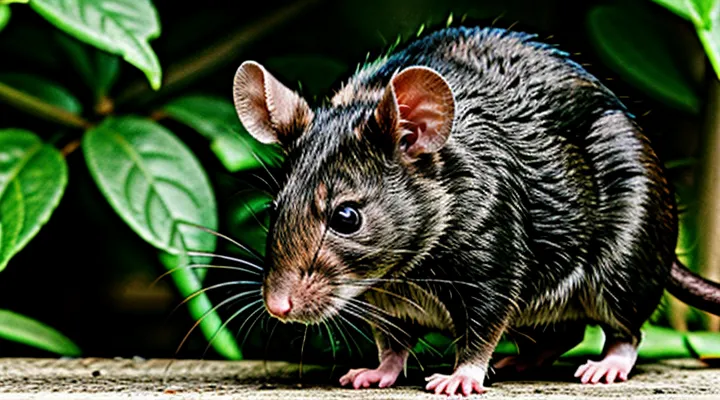
Understanding Rat Bites
What are Rat Bites?
Types of Rat Bites
Rat bites manifest in several distinct patterns, each reflecting the animal’s size, behavior, and intent. Recognizing these patterns helps assess injury severity and guides appropriate medical response.
- Puncture bite – narrow, deep wound caused by a single, sharp incisor. Typical of defensive strikes; tissue damage is confined but may penetrate deeply into muscle or bone.
- Crush bite – broader wound produced when the rat clamps its jaws shut with force. Results in extensive bruising, tissue loss, and higher risk of secondary infection.
- Gnaw bite – irregular, ragged edges created by repeated chewing motions. Often associated with prolonged attacks; may involve multiple punctures and extensive skin tearing.
- Multiple‑bite cluster – series of small punctures clustered together, indicating rapid successive strikes. Increases likelihood of bacterial contamination due to multiple entry points.
- Infected bite – any of the above that shows signs of bacterial invasion, such as redness, swelling, or pus. Common pathogens include Streptococcus spp., Staphylococcus aureus, and Leptospira spp.
Each type demands specific clinical attention: puncture wounds require thorough debridement and tetanus prophylaxis; crush and gnaw injuries often need suturing, drainage, and broad‑spectrum antibiotics; multiple‑bite clusters warrant close monitoring for infection; and any infected bite must be treated promptly to prevent systemic complications. Accurate identification of the bite type therefore underpins effective prevention of further tissue damage and infection.
Severity Levels of Rat Bites
Rat bites vary in clinical impact, and categorizing them by severity guides medical response and preventive measures.
Mild bites involve superficial punctures with minimal bleeding and no signs of infection. Typical symptoms include brief pain, slight redness, and rapid wound closure. Standard care consists of thorough cleansing, topical antiseptic, and observation for 24–48 hours.
Moderate bites penetrate deeper tissue, producing moderate hemorrhage, swelling, and erythema. The wound may develop a small amount of purulent discharge within a few days. Management requires irrigation, systemic antibiotics targeting common rodent pathogens, and tetanus prophylaxis if indicated.
Severe bites reach muscle or bone, generate extensive bruising, necrosis, or large ulcerated areas. Systemic manifestations such as fever, lymphadenopathy, or sepsis may appear. Treatment mandates aggressive debridement, intravenous antimicrobial therapy, possible surgical consultation, and monitoring of vital signs.
Critical bites involve extensive tissue loss, rapid progression to gangrene, or transmission of serious infections like leptospirosis, hantavirus, or rat‑borne bacterial septicemia. Immediate hospital admission, broad‑spectrum intravenous antibiotics, advanced imaging, and specialist care are essential to prevent mortality.
Understanding these levels supports timely intervention and informs strategies to reduce exposure, such as rodent control, protective equipment, and public education on safe handling practices.
Common Causes of Rat Bites
Proximity to Rat Habitats
Living close to areas where rats nest, forage, or travel raises the probability of direct contact and bite incidents. Rats frequent sewers, garbage accumulations, abandoned structures, and dense vegetation. When human activity overlaps these zones, the likelihood of accidental encounters increases, especially during nighttime when rats are most active.
Key mechanisms linking proximity to bite risk include:
- Rats seeking food in residential waste containers, leading to aggressive defense of resources.
- Intrusion into homes through gaps in foundations, walls, or utility openings.
- Human handling of trapped or injured rodents, which may provoke defensive bites.
- Increased exposure in occupational settings such as waste management, construction, or pest control.
Effective mitigation focuses on distancing human presence from rodent habitats:
- Seal entry points: install weather stripping, metal flashing, and mesh screens on vents and crawl spaces.
- Relocate waste storage: keep trash in sealed containers, remove food residues, and position bins away from building foundations.
- Maintain landscaping: trim overgrown shrubs, remove debris piles, and keep grass at a short height to eliminate shelter.
- Implement habitat reduction: eliminate standing water, repair leaks, and clear clutter that provides nesting material.
- Use professional rodent control: apply bait stations and traps in perimeter zones rather than inside occupied spaces, and schedule regular inspections.
By systematically reducing the overlap between daily human activity and rat environments, the incidence of bites can be substantially lowered.
Rat Infestations
Rat infestations create environments where direct contact between rodents and humans becomes more likely, increasing the risk of bites and associated infections. Dense populations thrive when food sources, water, and shelter are readily available, and when structural gaps permit entry.
Key factors that encourage rat colonization include:
- Improper waste storage or litter that provides constant food.
- Leaky pipes, standing water, or damp areas offering hydration.
- Cluttered spaces such as piles of cardboard, debris, or unused material that serve as nesting sites.
- Unsealed cracks, gaps around doors, windows, and utility penetrations.
These conditions not only support breeding but also drive rats to explore human‑occupied spaces, where defensive biting may occur during encounters.
Effective mitigation relies on eliminating the attractions and access points that sustain populations. Recommended actions are:
- Secure all food containers and promptly remove refuse from premises.
- Repair leaks, ensure proper drainage, and eliminate standing water.
- Declutter storage areas, maintain regular cleaning schedules, and discard unused items.
- Inspect building envelopes; seal cracks, install door sweeps, and cover ventilation openings.
- Deploy traps or bait stations in accordance with local regulations, monitoring placement to avoid non‑target exposure.
- Engage licensed pest‑control professionals for extensive infestations or when chemical interventions are required.
By systematically removing sustenance and barriers, the likelihood of rat bites diminishes, and the overall health risk associated with rodent presence is reduced. Continuous vigilance and routine maintenance are essential to sustain a rat‑free environment.
Handling Rats (Pets vs. Wild)
Handling rats requires distinct approaches for domesticated animals and free‑living specimens, each influencing the risk of bite incidents. Pet rats are accustomed to human interaction, respond to gentle restraint, and exhibit predictable behavior when provided with regular handling sessions. Wild rats retain heightened flight responses, display territorial aggression, and may interpret sudden contact as a threat, increasing the likelihood of defensive bites.
Effective management of pet rats includes:
- Gradual habituation to handling, beginning with brief, calm contact and extending duration over several days.
- Use of both hands to support the animal’s body, preventing panic and allowing controlled movement.
- Observation of stress signals such as rapid breathing, tail flicking, or vocalizations; cessation of handling until the animal calms reduces bite risk.
Interaction with wild rats should follow strict safety protocols:
- Avoid direct capture; employ traps that limit struggle and minimize injury to both animal and handler.
- Wear thick gloves and protective clothing to create a barrier against teeth.
- Keep tools such as forceps or tongs available to maintain distance while securing the animal.
- Release captured rodents promptly in a safe environment to prevent prolonged stress, which can exacerbate aggression.
Understanding these divergent handling techniques is essential for mitigating bite occurrences, protecting human health, and ensuring humane treatment of both pet and wild rat populations.
Defensive Behavior of Rats
Rats exhibit a range of defensive actions that directly influence the risk of bite incidents. When threatened, they employ rapid escape, aggressive posturing, and targeted biting as primary responses.
- Flight response: Immediate retreat to concealed spaces reduces contact duration and limits exposure to potential handlers.
- Threat display: Upright posture, bristling fur, and vocalizations signal aggression, warning humans and predators before physical contact occurs.
- Bite initiation: If escape is blocked, rats deliver a quick, puncturing bite aimed at vulnerable areas such as fingers or hands. The bite is often preceded by a forward lunge and a clenched jaw.
These behaviors are triggered by specific stimuli, including sudden movements, unfamiliar scents, and direct handling. Understanding the cues that provoke defensive reactions enables effective prevention strategies. Minimizing abrupt motions, providing secure enclosures, and allowing rats to retreat when startled decrease the likelihood of defensive biting. Regular observation of body language—flattened ears, raised tail, and teeth exposure—provides early warning signs, allowing intervention before an attack escalates.
Scavenging and Food-Seeking
Rats instinctively search for edible material, often exploiting gaps in human environments. When food is readily available, individuals become more aggressive in defending access, increasing the likelihood of bite incidents during close encounters.
Improper waste handling, uncovered containers, and residual crumbs create attractants that draw rodents into residential and occupational spaces. The presence of these resources encourages frequent foraging trips, elevating the probability of direct contact with people.
- Store garbage in sealed, rat‑proof bins.
- Remove food remnants from countertops and floors promptly.
- Repair cracks and openings in walls, floors, and foundations.
- Employ baited traps or electronic deterrents in areas with known activity.
- Conduct regular inspections to identify and eliminate new feeding sources.
Eliminating accessible nutrition reduces the motivation for rats to enter human habitats, thereby decreasing the risk of bite‑related injuries.
Health Risks Associated with Rat Bites
Potential Infections from Rat Bites
Rat-Bite Fever
Rat‑bite fever is a bacterial infection acquired after a bite, scratch, or close contact with infected rodents. The disease is caused primarily by Streptobacillus moniliformis in North America and Europe, and by Spirillum minus in Asia. Both organisms reside in the oral and gastrointestinal tracts of rats and can be transferred to humans through contaminated saliva.
Transmission occurs when a rat’s teeth breach the skin, when a person handles live or dead rodents without gloves, or when exposure to rodent urine or feces contaminates an open wound. The risk rises in environments with dense rodent populations, such as pet stores, laboratories, and urban dwellings with poor sanitation.
Symptoms appear after a 2‑ to 14‑day incubation period. Common manifestations include sudden fever, chills, headache, and a maculopapular rash that often spreads to the extremities. Joint pain, especially in the knees and ankles, may develop, and some patients experience nausea, vomiting, or abdominal pain. Severe cases can progress to endocarditis, meningitis, or sepsis if left untreated.
Diagnosis relies on bacterial culture from blood or wound specimens, polymerase chain reaction assays, and serologic testing for specific antibodies. Early identification is critical because the infection responds rapidly to appropriate antimicrobial therapy.
Penicillin G remains the first‑line treatment; a typical course lasts 10‑14 days. For patients allergic to penicillin, doxycycline or a macrolide antibiotic provides an effective alternative. Prompt therapy reduces the likelihood of complications and shortens the illness duration.
Prevention focuses on minimizing exposure to potentially infected rodents and managing bites promptly. Effective measures include:
- Maintaining rodent‑free living and working areas through regular extermination and sanitation.
- Using thick gloves and protective clothing when handling rats or cleaning cages.
- Educating pet owners and laboratory staff about safe handling practices.
- Washing any bite or scratch immediately with soap and water, then applying an antiseptic.
- Seeking medical evaluation within 24 hours of a bite to assess the need for prophylactic antibiotics.
Implementing these strategies lowers the incidence of rat‑bite fever and supports broader efforts to reduce health risks associated with rodent encounters.
Tetanus
Tetanus is a bacterial infection caused by Clostridium tetani, an anaerobic organism that produces a potent neurotoxin. When a rat bite penetrates skin and introduces contaminated material into deep tissue, the low‑oxygen environment can support bacterial growth, creating a risk of tetanus development.
The toxin interferes with inhibitory neurotransmission, leading to muscle rigidity and painful spasms. Early signs include stiffness of the jaw (lockjaw), neck, and abdominal muscles, followed by generalized convulsions. Without prompt therapy, respiratory failure and death may occur.
Standard care involves immediate wound cleaning, administration of tetanus toxoid vaccine if immunization status is uncertain, and provision of tetanus immune globulin for severe or dirty wounds. Antibiotic therapy with metronidazole or penicillin targets the underlying bacterial infection, while muscle relaxants and supportive ventilation manage symptoms.
Prevention focuses on wound management and immunization:
- Thorough irrigation with sterile saline and debridement of devitalized tissue.
- Verification of the patient’s tetanus vaccination history; give a booster if the last dose was over ten years ago, or five years for high‑risk injuries.
- Administration of tetanus immune globulin when the wound is contaminated and the patient’s immunization status is incomplete.
- Use of protective gloves and pest‑control measures to reduce rat‑bite incidents.
Adhering to these steps minimizes the likelihood of tetanus following rat‑induced injuries and supports overall public‑health outcomes.
Leptospirosis
Leptospirosis is a bacterial infection caused by pathogenic Leptospira species that can be transmitted through the bite of a rat. The organism enters the bloodstream via the wound, leading to systemic involvement. Clinical manifestations range from mild flu‑like symptoms to severe renal failure, hepatic dysfunction, and hemorrhagic complications. Diagnosis relies on serology or polymerase chain reaction testing of blood or urine samples. Prompt antimicrobial therapy, typically doxycycline or penicillin, reduces morbidity and prevents progression.
Preventive actions focus on minimizing exposure to rat saliva and urine during bite incidents:
- Immediate wound cleansing with soap and running water for at least 15 minutes.
- Application of a broad‑spectrum antiseptic after irrigation.
- Medical evaluation within 24 hours for risk assessment and possible prophylactic antibiotics.
- Use of protective gloves and clothing when handling rodents or cleaning contaminated areas.
- Implementation of rodent control programs to reduce population density and limit bite occurrences.
Adherence to these measures significantly lowers the likelihood of leptospiral infection following rat bites.
Other Bacterial Infections
Rat bites expose victims to a range of bacterial pathogens that extend beyond the well‑known rat‑bite fever agents. These additional infections arise from the oral flora of rodents, contaminated environments, and secondary skin colonization.
- Streptococcus pneumoniae – may be transferred from a rat’s nasopharynx, causing pneumonia or meningitis after deep puncture wounds.
- Staphylococcus aureus – common skin commensal that can infiltrate bite sites, leading to cellulitis and abscess formation.
- Leptospira interrogans – present in rat urine; breach of skin integrity permits entry, producing leptospirosis with fever, jaundice, and renal impairment.
- Bartonella henselae – occasionally harbored in rodent blood; infection can manifest as prolonged febrile illness and lymphadenopathy.
- Clostridium perfringens – anaerobic spore former that thrives in necrotic tissue, potentially causing gas gangrene after delayed treatment.
Clinical signs vary by organism but typically include localized pain, swelling, erythema, and systemic symptoms such as fever, chills, or organ‑specific dysfunction. Rapid progression of necrotic lesions suggests clostridial involvement, while flu‑like illness with hepatic or renal signs points to leptospirosis.
Effective prevention integrates three core actions:
- Personal protection – wear thick gloves and protective clothing when handling rodents; avoid direct contact with unknown animals.
- Immediate wound care – irrigate bite sites with sterile saline, debride devitalized tissue, and apply antiseptic solutions within minutes of exposure.
- Medical prophylaxis – administer broad‑spectrum antibiotics (e.g., amoxicillin‑clavulanate) promptly; consider doxycycline for suspected leptospiral exposure; update tetanus immunization status.
Environmental control reduces encounter rates: seal building entry points, trap and remove rodent populations, and maintain sanitation to limit contamination sources. Prompt medical evaluation after any rat bite remains essential to identify and treat these bacterial complications before they advance.
Symptoms of Infection
Localized Symptoms
Rat bite injuries produce distinct local reactions that develop within minutes to hours after the wound occurs. The entry point typically appears as a small puncture or laceration, often accompanied by sharp pain that intensifies with movement. Surrounding tissue frequently exhibits erythema, edema, and tenderness, reflecting the inflammatory response to bacterial contamination and mechanical trauma.
Common localized manifestations include:
- Redness and swelling extending several centimeters from the wound
- Warmth and throbbing pain, especially when the affected area is pressed
- Purulent discharge or serous fluid accumulation, indicating early infection
- Induration or hardening of tissue, suggesting cellulitis or deeper involvement
- Necrotic patches or blackened skin, a sign of tissue death that may require debridement
- Limited range of motion in adjacent joints due to pain and edema
Prompt identification of these signs enables timely medical intervention, reduces the risk of systemic spread, and facilitates appropriate wound care.
Systemic Symptoms
Rodent bite incidents can trigger a range of systemic manifestations that extend beyond the local wound. Fever, chills, and generalized malaise often appear within 24–48 hours after exposure. Lymphadenopathy, typically involving cervical or axillary nodes, may develop as the immune system responds to bacterial invasion. In severe cases, patients can progress to sepsis, characterized by hypotension, tachycardia, and organ dysfunction.
Common infectious agents associated with systemic involvement include:
- Streptobacillus moniliformis – produces rat‑bite fever; symptoms comprise high fever, rash, arthralgia, and headache.
- Leptospira interrogans – leads to leptospirosis; presents with fever, myalgia, jaundice, and renal impairment.
- Hantavirus – may cause hemorrhagic fever with renal syndrome; marked by fever, abdominal pain, and rapid decline in kidney function.
- Staphylococcus aureus and Streptococcus pyogenes – can cause cellulitis that spreads systemically, resulting in elevated white‑blood‑cell count and toxic shock.
Prompt medical assessment is essential when any of these signs arise. Laboratory evaluation should include complete blood count, liver and renal panels, and cultures when feasible. Empiric antibiotic therapy, typically a beta‑lactam combined with doxycycline, reduces the risk of progression to systemic disease. Monitoring for complications such as endocarditis, meningitis, or renal failure guides the duration and intensity of treatment.
Early recognition of systemic symptoms and immediate intervention significantly lower morbidity and prevent life‑threatening outcomes after rodent bites.
When to Seek Medical Attention
A rat bite can introduce bacteria, viruses, and parasites that may cause serious health problems. Prompt medical evaluation reduces the risk of infection and complications.
Seek professional care if any of the following occur:
- The wound is deep, puncture‑like, or larger than a pencil eraser.
- Bleeding continues after applying pressure for ten minutes.
- The bite area becomes red, swollen, warm, or develops pus.
- Fever, chills, or unexplained fatigue appear within 24‑48 hours.
- The rat was wild, appeared sick, or was found dead.
- You have a weakened immune system, diabetes, liver disease, or are taking immunosuppressive medication.
- Tetanus immunization status is uncertain or the last booster was administered more than five years ago.
- You notice signs of rat‑borne diseases such as unexplained rash, joint pain, or neurological symptoms.
Contact a healthcare provider immediately in these situations to receive appropriate wound cleaning, antibiotics, tetanus prophylaxis, and diagnostic testing for potential zoonotic infections.
Prevention Strategies
Rodent Control in Homes and Businesses
Sealing Entry Points
Sealing entry points blocks rodents from entering structures where they can bite humans or pets. By eliminating access, the likelihood of direct contact with rats drops dramatically, reducing incidents of bite‑related injury and disease transmission.
Typical access routes include:
- Gaps around utility pipes and cables
- Openings at the foundation, such as cracks in concrete or brick
- Unsealed vent openings and chimney flues
- Damaged or missing weather‑stripping on doors and windows
- Holes in siding, soffits, and eaves
Effective sealing requires durable, rodent‑resistant materials. Use stainless‑steel mesh or hardware cloth (minimum ¼‑inch gauge) to cover larger gaps. Apply high‑quality silicone or polyurethane caulk to seal cracks and joints. For pipe penetrations, install metal flashing sleeves and secure them with expandable foam that hardens into a rigid barrier. Install door sweeps and window seals that compress tightly when closed.
Regular inspection sustains protection. Conduct a visual survey quarterly, focusing on foundation walls, roof eaves, and utility entry points. Repair any newly formed cracks promptly, and replace worn weather‑stripping before it fails. Document findings and maintenance actions to ensure consistent follow‑up.
Eliminating Food Sources
Eliminating food sources removes the primary attraction that draws rats into human environments, thereby reducing the likelihood of bites. Secure storage prevents rodents from accessing grains, pet food, and waste. Use airtight containers made of metal or heavy‑wall plastic; label each container with a tamper‑proof seal. Place containers on raised shelves away from walls to limit climbing paths.
Maintain a clean perimeter by removing debris and vegetation that can harbor insects and provide cover for rats. Trim grass and shrubs to within one meter of building foundations. Dispose of organic waste in sealed bins, and empty those bins daily. Avoid leaving pet food outdoors after feeding; store it indoors or in sealed containers.
Implement strict waste‑management protocols:
- Collect garbage in bins with lockable lids.
- Schedule regular removal of waste from the property.
- Keep compost piles covered and distant from entry points.
- Eliminate spilled food promptly; mop surfaces and sweep floors after meals.
Control access points by sealing cracks, gaps, and openings larger than ¼ inch. Install metal mesh or concrete blocks around utility lines and vent openings. Repair damaged doors and windows, and fit self‑closing hinges where feasible.
By systematically denying rats access to nutrition, the probability of encounters that lead to bites declines markedly, supporting broader efforts to manage rodent‑related health risks.
Proper Waste Management
Effective waste control directly reduces the likelihood of rat encounters that can result in bites. Food residues, garbage bags, and compost piles provide abundant nutrition for rodents; when these sources are accessible, rat populations expand and increase contact with humans. Limiting such attractions removes a primary driver of rat activity in residential and commercial settings.
- Store waste in sealed containers with tight-fitting lids.
- Remove garbage from premises at least daily; avoid accumulation over 24 hours.
- Separate organic material from general trash; compost in enclosed bins with rodent‑proof lids.
- Position waste receptacles away from building entrances and elevate them if possible.
- Clean spillages immediately; disinfect surfaces to eliminate scent trails.
- Conduct regular inspections of dumpsters and alleyways for signs of gnawing or burrowing; repair any damage promptly.
Consistent application of these measures lowers rodent density, thereby decreasing exposure to bites. Facilities that adopt disciplined waste handling report fewer rat sightings and reduced incidents of bite‑related injuries. Implementing a documented waste‑management protocol becomes a practical component of any comprehensive strategy aimed at preventing rat‑related health risks.
Trapping and Extermination
Effective control of rodent populations directly reduces the risk of human bites. Trapping and extermination remove the source of aggression, limit disease transmission, and prevent property damage.
Common trapping methods include:
- Snap traps positioned along walls, behind objects, and near known activity zones.
- Live‑capture cages placed in dark corners; captured animals must be dispatched promptly to avoid stress‑induced aggression.
- Electronic traps delivering a rapid, humane kill; suitable for indoor and outdoor use.
Extermination strategies focus on eliminating infestations beyond individual capture:
- Rodenticides applied in tamper‑resistant bait stations; select products with low secondary toxicity and follow label instructions.
- Fumigation using gas compounds for sealed structures; requires professional certification and ventilation post‑treatment.
- Habitat modification—removing food sources, sealing entry points, and maintaining cleanliness—to deter re‑infestation.
Implementation guidelines:
- Conduct a thorough inspection to locate nesting sites and travel pathways.
- Deploy traps and bait stations at least 1 meter apart to maximize coverage.
- Rotate trap types periodically to prevent bait shyness.
- Record capture data to assess effectiveness and adjust placement.
- Ensure all personnel use gloves and protective eyewear when handling traps or chemicals.
Consistent application of these measures suppresses rodent activity, thereby minimizing the occurrence of bites.
Personal Safety Measures
Avoiding Contact with Wild Rats
Avoiding contact with wild rats is a primary strategy for reducing the incidence of rat‑related bites. Direct interaction with free‑roaming rodents increases exposure to sharp teeth, aggressive behavior, and pathogens transmitted through saliva. Limiting opportunities for contact therefore minimizes health risks.
- Secure food sources: store waste in sealed containers, remove pet food after meals, and clean up spilled grains promptly.
- Eliminate shelter: seal cracks, gaps, and openings in walls, foundations, and roofs; install metal flashing on vents and chimneys.
- Maintain cleanliness: keep yards free of debris, compost piles, and standing water that attract rodents.
- Use traps responsibly: place snap or live traps in areas of known activity, check them regularly, and dispose of captured rats safely.
When unavoidable activities—such as building inspections or pest‑control operations—require proximity to wild rats, adopt protective measures. Wear thick gloves, long‑sleeved garments, and eye protection to prevent accidental bites. Disinfect hands and equipment immediately after any potential exposure.
Consistent application of these practices creates an environment where wild rats are deterred, thereby decreasing the likelihood of bite incidents and associated infections.
Safe Handling of Pet Rats
Safe handling of pet rats minimizes bite incidents and protects both animal and owner health. Understanding rat behavior, maintaining proper hygiene, and employing consistent handling techniques are essential components of bite prevention.
Key practices for safe interaction include:
- Approach calmly; sudden movements trigger defensive responses.
- Allow the rat to sniff your hand before initiating contact.
- Support the body fully with both hands to prevent the animal from feeling insecure.
- Avoid restraining the neck or tail, which can cause stress and aggression.
- Limit handling sessions to 10–15 minutes for young or timid rats; extend gradually as confidence builds.
Hygiene measures reduce the risk of infection from any bite that may occur:
- Wash hands with soap before and after each handling session.
- Disinfect cages and accessories weekly with a pet‑safe cleaner.
- Inspect nails and teeth regularly; trim overgrown incisors under veterinary guidance.
Monitoring the rat’s health supports safe handling:
- Observe for signs of pain, illness, or irritation, which can increase aggression.
- Schedule routine veterinary examinations to detect underlying conditions that may provoke biting.
Environmental factors also influence safety:
- Provide ample enrichment (toys, tunnels, nesting material) to reduce stress‑induced aggression.
- Maintain a quiet, low‑traffic area for the cage to prevent startled reactions.
- Keep the cage out of direct sunlight and drafts, ensuring a stable temperature.
Consistent application of these guidelines creates a predictable environment, reduces defensive behavior, and substantially lowers the likelihood of rat bites.
Using Protective Gear
Protective equipment forms the primary barrier between handlers and potential rat bites. Proper selection, correct use, and regular maintenance of gear reduce exposure to bite‑related injuries and associated infections.
- Thick‑cut nitrile or latex gloves resistant to puncture; double‑gloving for high‑risk tasks such as cage cleaning or necropsy.
- Full‑length, tightly woven lab coats or disposable coveralls that prevent claws from reaching skin.
- Face shields or safety goggles combined with a mask to guard against saliva and blood splatter.
- Closed‑toe, slip‑resistant shoes with steel toe caps when handling larger rodents or working near traps.
- Disposable sleeves and aprons for procedures that generate extensive debris.
Before each session, inspect gloves for tears, verify that seals on masks remain intact, and ensure that eye protection is free of scratches. During work, maintain a secure grip on cages, avoid sudden movements, and keep the animal’s mouth away from exposed skin. After use, discard single‑use items, decontaminate reusable gear according to manufacturer guidelines, and store equipment in a clean, dry environment. Training programs should emphasize correct donning and doffing techniques, recognize signs of compromised gear, and enforce routine checks to sustain protective effectiveness.
Community-Level Prevention
Public Health Initiatives
Public health programs target rodent‑related injuries through surveillance, education, and environmental control. Agencies collect data on bite incidents, identify high‑risk neighborhoods, and allocate resources accordingly.
Key actions include:
- Routine inspection of housing units for structural defects that permit rodent entry.
- Distribution of instructional materials on safe handling of trapped rodents and immediate wound care.
- Coordination with pest‑management services to implement community‑wide rodent reduction campaigns.
- Training of healthcare providers to recognize infection signs and administer appropriate prophylaxis.
Legislation supports these measures by mandating landlord responsibility for pest‑free dwellings and establishing reporting requirements for bite cases. Funding streams prioritize urban districts with documented outbreaks, ensuring rapid response teams can intervene.
Evaluation relies on measurable outcomes such as reduced bite frequency, lower incidence of secondary infections, and increased public awareness scores obtained through periodic surveys. Continuous data review informs policy adjustments and resource reallocation.
Sanitation Programs
Effective sanitation programs reduce the incidence of rat bites by limiting the resources that attract and sustain rodent populations. Clean environments eliminate food residues, water sources, and shelter, thereby decreasing rat activity in residential and occupational settings.
Key elements of a comprehensive sanitation strategy include:
- Regular removal of garbage and compost in sealed containers.
- Prompt repair of structural defects that provide entry points for rodents.
- Routine cleaning of food preparation and storage areas to prevent spillage.
- Controlled disposal of waste water and standing water to remove drinking sources.
- Education of occupants on proper waste handling and reporting of rodent sightings.
Implementation of these measures requires coordination among property managers, public health officials, and waste‑management services. Monitoring protocols, such as periodic inspections and trap counts, verify program effectiveness and guide adjustments. Consistent application of sanitation standards correlates with lower rat bite reports and reduced transmission of associated pathogens.
First Aid for Rat Bites
Immediate Actions After a Bite
Cleaning the Wound
When a rat bite penetrates the skin, immediate wound cleansing reduces bacterial load and limits infection risk. Begin with hand hygiene: wash hands thoroughly with soap and water before touching the injury. Apply a sterile saline solution or clean running water to flush the wound for at least 30 seconds, ensuring removal of visible debris. Gently pat the area dry with a sterile gauze pad; avoid rubbing, which can damage tissue.
Proceed to antiseptic treatment. Use a broad‑spectrum antiseptic such as povidone‑iodine or chlorhexidine, applying it with a clean swab in a circular motion from the center outward. Allow the antiseptic to remain on the surface for the manufacturer‑recommended contact time before covering the wound.
After antisepsis, protect the site with a sterile, non‑adhesive dressing. Secure the dressing with medical tape, ensuring it does not constrict circulation. Change the dressing at least once daily or sooner if it becomes wet or contaminated.
Key steps for effective wound cleaning:
- Wash hands thoroughly.
- Irrigate with saline or running water for 30 seconds.
- Pat dry with sterile gauze.
- Apply povidone‑iodine or chlorhexidine.
- Cover with sterile dressing and secure.
Monitor the wound for signs of infection—redness expanding beyond the margin, increasing pain, swelling, pus, or fever. If any of these develop, seek medical evaluation promptly. Prompt, thorough cleansing remains the cornerstone of managing rat‑bite injuries and preventing complications.
Applying Pressure
Applying pressure is the primary method for controlling hemorrhage after a rat bite. Immediate compression with a clean gauze pad or cloth reduces blood loss, limits tissue damage, and creates a more favorable environment for subsequent medical treatment.
- Place sterile gauze directly over the wound.
- Press firmly enough to stop arterial flow without causing additional trauma.
- Maintain pressure for at least five minutes; extend if bleeding persists.
- If bleeding resumes after release, reapply pressure and seek professional care promptly.
Effective pressure application also minimizes the risk of infection by limiting exposure of the wound to environmental contaminants. After hemostasis, clean the area with antiseptic solution, cover with a sterile dressing, and arrange for tetanus vaccination and antibiotic therapy as indicated. Proper technique, prompt execution, and adherence to follow‑up protocols together reduce the severity of rat‑bite injuries and improve patient outcomes.
Disinfection
Disinfection is a critical step after a rodent bite to reduce the risk of bacterial infection and secondary complications. Immediate cleaning removes surface contaminants, while appropriate antiseptic agents destroy pathogens that may have entered the wound.
Key actions for effective wound care include:
- Rinse the bite with running water for at least one minute, using mild soap if available.
- Apply a broad‑spectrum antiseptic such as povidone‑iodine, chlorhexidine gluconate, or a hydrogen peroxide solution at a concentration of 3 %.
- Cover the area with a sterile, non‑adhesive dressing to maintain a moist environment and prevent external contamination.
When selecting a disinfectant, consider the following criteria:
- Proven efficacy against Gram‑negative bacteria, including Streptobacillus moniliformis and Leptospira spp.
- Low cytotoxicity to prevent tissue damage.
- Compatibility with subsequent antibiotic therapy, avoiding agents that may inactivate systemic drugs.
Follow‑up includes monitoring for signs of infection—redness, swelling, pus, or fever—and seeking medical evaluation promptly if symptoms progress. Proper disinfection, combined with timely professional care, markedly lowers the probability of serious health outcomes after a rat‑related bite.
Follow-up Care
Monitoring for Infection
Monitoring for infection after a rat bite is essential to prevent serious complications. Immediate observation includes checking the wound for redness, swelling, warmth, and pus formation. Any increase in pain or expansion of the affected area within 24–48 hours warrants medical evaluation.
Key indicators to track:
- Persistent or worsening erythema around the bite site
- Development of a foul odor or drainage
- Fever above 38 °C (100.4 °F)
- Lymph node enlargement near the injury
- Unusual fatigue or chills
If any of these signs appear, prompt consultation with a healthcare professional is required. Laboratory testing may involve wound culture, complete blood count, and, when indicated, serologic assays for pathogens commonly associated with rodent bites, such as Streptobacillus moniliformis and Spirillum minus.
Preventive monitoring also includes documenting the date and time of the bite, the animal’s health status, and any initial first‑aid measures taken. Accurate records facilitate appropriate antibiotic selection and assist public health authorities in identifying potential outbreaks. Regular follow‑up appointments, typically scheduled at 3‑day intervals, ensure that infection is detected early and treated effectively.
When to See a Doctor
A rat bite that penetrates the skin warrants professional medical evaluation. Seek immediate care if any of the following conditions are present:
- Bleeding that does not stop after applying pressure for several minutes.
- Deep puncture wounds, especially if the bite is larger than a pinhead or involves multiple teeth.
- Redness, swelling, warmth, or pus developing around the wound within 24 hours.
- Fever, chills, or unexplained fatigue following the incident.
- Known exposure to rats that may carry pathogens, such as hantavirus or leptospirosis.
- Personal health factors that increase infection risk, including diabetes, immunosuppression, or chronic skin disorders.
- Uncertain vaccination history for tetanus or rabies, or lack of a recent tetanus booster (within the past five years).
Prompt medical attention enables wound cleaning, appropriate antibiotic therapy, tetanus prophylaxis, and assessment for rabies exposure. Delayed treatment can lead to severe tissue infection, systemic illness, or long‑term complications. If the bite occurred in a workplace or public setting, report the incident to the relevant authority to facilitate proper tracking and preventive measures.