
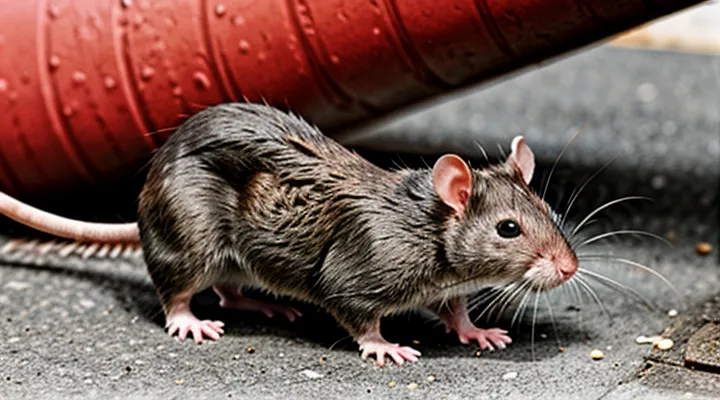
How Rat Bites Occur
Common Scenarios
Rat bites introduce a range of health hazards, including bacterial infection and viral disease. Recognizing the situations in which bites most often occur helps individuals assess exposure and seek prompt treatment.
- Handling trapped or captured rodents during pest‑control operations.
- Cleaning or repairing structures known to be infested, such as basements, attics, or abandoned buildings.
- Working in sewer systems, waste‑management facilities, or garbage‑collection sites where rats are abundant.
- Interacting with pet rats that exhibit defensive behavior when startled or mishandled.
- Managing grain storage, feed bins, or livestock areas where wild rats seek food.
- Children playing in parks, alleyways, or vacant lots with visible rat activity.
Each of these scenarios places the person at risk for pathogens transmitted through saliva, teeth, or contaminated wounds. Immediate wound cleansing, tetanus update, and medical evaluation are advised whenever a bite occurs. Awareness of these common exposure points reduces delay in care and limits the potential for serious complications.
Risk Factors for Bites
Rats transmit bites more frequently when certain conditions converge. Understanding these conditions helps prevent exposure and guides medical response.
- High population density of rodents in residential or commercial settings increases contact opportunities.
- Presence of food sources, such as unsecured waste or stored grain, attracts rats and encourages aggressive foraging behavior.
- Structural deficiencies—gaps in walls, broken screens, or inadequate sealing of entry points—allow rats easy access to interior spaces.
- Human activities that disturb nests, including cleaning, pest control, or construction, provoke defensive attacks.
- Immunocompromised individuals or those with chronic illnesses face heightened susceptibility to infection after a bite.
- Lack of protective equipment, such as gloves or thick clothing, leaves skin exposed during handling or removal of rodents.
- Seasonal variations, particularly warmer months, boost rat activity and breeding rates, raising bite incidence.
Prompt medical evaluation after a bite reduces the risk of bacterial infection, including Streptobacillus moniliformis and Leptospira species. Immediate cleaning with antiseptic solution, followed by professional assessment, constitutes best practice.
Immediate Actions After a Rat Bite
First Aid Steps
A rat bite can introduce bacteria, viruses, and parasites directly into tissue. Prompt, correct first‑aid measures reduce infection risk and limit complications.
- Apply gentle pressure with a clean cloth or sterile gauze to stop bleeding. Maintain pressure for at least one minute; if bleeding persists, continue until it subsides.
- Rinse the wound thoroughly with running water for a minimum of 30 seconds. Use mild soap around the edges, avoiding direct contact with the puncture site.
- Disinfect the area with an antiseptic solution such as povidone‑iodine or chlorhexidine. Apply a thin layer and allow it to dry.
- Cover the wound with a sterile, non‑adhesive dressing. Secure with a clean bandage, ensuring the dressing remains moist but not saturated.
- Seek medical evaluation promptly. Professional care includes tetanus booster assessment, possible rabies prophylaxis, and prescription of antibiotics targeting Streptobacillus moniliformis and other common rat‑borne pathogens.
- Monitor the site for signs of infection: increasing redness, swelling, warmth, pus, or fever. Report any such changes to a healthcare provider without delay.
These steps constitute the essential immediate response to a rat bite, minimizing the likelihood of severe infection and facilitating recovery.
When to Seek Medical Attention
A rat bite can introduce bacteria, viruses, and parasites that may cause serious illness. Prompt medical evaluation is essential under the following circumstances:
- The wound is deep, puncturing muscle or bone.
- Bleeding is profuse or does not stop after applying pressure for several minutes.
- The bite site shows signs of infection: increasing redness, swelling, warmth, pus, or foul odor.
- Fever, chills, or systemic symptoms develop within 24‑48 hours.
- The bite occurred on the face, hands, feet, or near a joint.
- The rat was wild, appeared sick, or was known to carry disease.
- The individual has compromised immunity, diabetes, or is undergoing chemotherapy.
- Tetanus immunization status is uncertain or the last booster was more than five years ago.
- The bite is associated with a possible exposure to rabies, such as contact with a rat that displayed abnormal behavior.
If any of these conditions are present, seek professional medical care immediately. Early assessment enables proper wound cleaning, antibiotic therapy, tetanus prophylaxis, and, when indicated, rabies post‑exposure treatment. Delaying care increases the risk of severe infection, tissue damage, and systemic complications.
Potential Health Risks from Rat Bites
Bacterial Infections
Rat bites introduce a range of pathogenic bacteria directly into skin and subcutaneous tissue. The most frequently identified agents are:
- Streptobacillus moniliformis – causes rat‑bite fever, characterized by fever, chills, rash, and polyarthralgia.
- Spirillum minus – responsible for Sodoku, presenting with ulcerated lesions, intermittent fever, and lymphadenopathy.
- Pasteurella multocida – leads to rapid onset of cellulitis, erythema, and purulent discharge.
- Streptococcus pyogenes and Staphylococcus aureus – produce classic wound infections, including abscess formation and necrotizing fasciitis in severe cases.
- Leptospira interrogans – may be transmitted through contaminated saliva, resulting in leptospirosis with flu‑like symptoms and potential renal involvement.
Incubation periods vary: Streptobacillus moniliformis typically manifests within 2–10 days, whereas Spirillum minus may take weeks to appear. Early signs often include localized pain, swelling, and erythema, progressing to systemic manifestations such as high fever, headache, and joint pain if untreated.
Effective management requires prompt antimicrobial therapy. Empiric treatment commonly employs doxycycline or a combination of a third‑generation cephalosporin with metronidazole to cover both aerobic and anaerobic organisms. Culture of the wound or blood specimens guides definitive antibiotic selection; resistance patterns should be considered in regions with known drug‑resistant strains.
Prevention focuses on minimizing exposure and ensuring proper wound care. Immediate irrigation of the bite with sterile saline, followed by debridement of devitalized tissue, reduces bacterial load. Tetanus prophylaxis must be assessed, and post‑exposure antibiotic prophylaxis is recommended for deep puncture wounds, immunocompromised patients, or bites involving the hands and face.
Long‑term complications arise when infection spreads hematogenously, potentially causing endocarditis, meningitis, or septic arthritis. Monitoring for these sequelae during the first two weeks after injury is essential, especially in individuals with underlying cardiac or joint disease.
In summary, bacterial infection represents the principal health threat from rat bites. Accurate identification of the causative organism, timely antimicrobial intervention, and rigorous wound management together mitigate morbidity and prevent serious systemic outcomes.
Rat-Bite Fever
Rat‑bite fever (RBF) is a bacterial infection transmitted primarily through the bite or scratch of a rodent, most commonly the Norway rat. The disease is caused by Streptobacillus moniliformis in North America and by Spirillum minus in Asia; both agents produce similar clinical pictures.
Typical manifestations appear 2–10 days after exposure. Common signs include:
- Sudden fever reaching 39–40 °C
- Chills and sweating
- Headache
- Myalgia
- Joint pain, often migratory, sometimes accompanied by swelling
- Erythematous rash, frequently on the extremities
- Nausea, vomiting, or abdominal discomfort
Severe complications may develop without prompt therapy. These can involve endocarditis, meningitis, pneumonia, or septic arthritis, leading to prolonged hospitalization or death.
Diagnosis relies on a combination of patient history, physical findings, and laboratory tests. Blood cultures are positive for S. moniliformis in 50–70 % of cases; serologic assays and polymerase chain reaction (PCR) can aid identification, especially when cultures are negative.
First‑line treatment consists of intravenous penicillin G for 7–10 days, followed by oral amoxicillin for an additional 5–7 days. In penicillin‑allergic patients, doxycycline or a fluoroquinolone may be substituted. Early antimicrobial therapy shortens illness duration and reduces the risk of complications.
Prevention focuses on minimizing rodent exposure and proper wound care. Effective measures include:
- Controlling rodent populations in residential and occupational settings
- Using protective gloves when handling rodents or cleaning cages
- Thoroughly washing any bite or scratch with soap and water
- Seeking medical evaluation promptly after a rodent‑related injury
When treated appropriately, the prognosis is favorable; most patients recover fully within two weeks. Untreated RBF carries a mortality rate of up to 10 %, underscoring the importance of rapid recognition and intervention.
Other Possible Diseases
Rodent bites can introduce a range of infectious agents beyond the well‑known rat‑bite fever. The following pathogens have been documented in human cases linked to rat injuries or close contact with contaminated secretions.
-
Leptospira interrogans – spirochete transmitted through rat urine that may enter the wound or mucous membranes. Early symptoms include fever, headache, myalgia; severe disease can cause renal dysfunction and hemorrhagic complications.
-
Hantavirus – primarily spread by inhalation of aerosolized rodent droppings, but aggressive bites may deposit virus directly into tissue. Presentation ranges from febrile illness to hantavirus pulmonary syndrome, characterized by rapid respiratory failure.
-
Yersinia pestis – the bacterium responsible for plague. Although flea bites are the classic route, direct inoculation from a rat bite can produce bubonic plague, marked by painful lymphadenopathy, fever, and septicemia if untreated.
-
Salmonella spp. – bacteria present in the gastrointestinal tract of rats. Bite‑related contamination can cause gastroenteritis with nausea, vomiting, and diarrhea; invasive infection may lead to bacteremia.
-
Tularemia (Francisella tularensis) – zoonotic disease transmitted by bites from infected rodents. Clinical forms include ulceroglandular lesions at the bite site, fever, and lymph node enlargement.
-
Lymphocytic choriomeningitis virus (LCMV) – RNA virus carried by rodents. Direct inoculation through a bite can produce aseptic meningitis, encephalitis, or a mild flu‑like syndrome.
-
Streptobacillus moniliformis and Spirillum minus – additional bacterial agents associated with rat‑bite fever variants, producing fever, rash, and arthralgia; they may be overlooked if only classic pathogens are considered.
Each organism displays a distinct incubation period, ranging from a few days (Salmonella) to several weeks (plague). Prompt medical evaluation after a rat bite, including wound cleaning and appropriate laboratory testing, is essential to identify these less common but potentially severe infections. Early antimicrobial or antiviral therapy, guided by identified pathogen, markedly improves outcomes.
Tetanus Risk
A rat bite can introduce Clostridium tetani spores into the wound, creating a realistic possibility of tetanus infection. The bacterium thrives in anaerobic conditions, which are common in deep puncture wounds caused by rodent teeth. If the victim’s immunization status is incomplete or outdated, the risk escalates dramatically.
Key factors influencing tetanus risk after a rat bite include:
- Depth and contamination level of the wound
- Time elapsed before proper cleaning and medical evaluation
- Patient’s vaccination history (last tetanus booster within the past 10 years)
- Presence of underlying health conditions that impair immune response
Immediate wound management is essential. Thorough irrigation with sterile saline, removal of devitalized tissue, and debridement reduce anaerobic environments that favor bacterial growth. Following initial care, clinicians assess the need for tetanus prophylaxis based on immunization records:
- If the patient has received a tetanus‑diphtheria (Td) or tetanus‑diphtheria‑pertussis (Tdap) booster within the previous five years, no additional vaccine is required.
- If the last booster was administered more than five years ago, a single Td or Tdap dose is recommended.
- For individuals with unknown or incomplete vaccination history, both tetanus immunoglobulin and a Td/Tdap vaccine should be administered promptly.
Monitoring for early signs of tetanus—muscle stiffness, trismus, and spasms—must continue for at least two weeks after exposure. Prompt recognition and treatment with antitoxin, antibiotics, and supportive care significantly improve outcomes.
Symptoms of Infection and Complications
Localized Symptoms
A rat bite typically produces immediate pain at the site of penetration, followed by swelling that may develop within minutes to hours. The wound often appears as a puncture or laceration, sometimes accompanied by bruising or discoloration of the surrounding skin. Redness (erythema) usually expands outward from the entry point, indicating an inflammatory response.
Common local manifestations include:
- Sharp, throbbing pain that persists or intensifies with movement.
- Swelling that can become tense or fluctuant, suggesting fluid accumulation.
- Erythema that may spread several centimeters from the wound.
- Purulent discharge, indicating bacterial colonization.
- Warmth of the affected area, reflecting increased blood flow.
- Tenderness upon palpation, often accompanied by limited range of motion if the bite involves a joint.
Secondary complications frequently arise from bacterial inoculation. Pasteurella multocida, Streptococcus spp., and Staphylococcus aureus are the most frequently isolated organisms. Their presence may lead to cellulitis, abscess formation, or necrotic tissue breakdown. Early signs of these infections are localized redness, increasing pain, and the emergence of pus or foul odor. Prompt debridement and targeted antibiotic therapy reduce the risk of progression.
In some cases, the immune system reacts locally with lymphadenopathy. Enlarged, tender lymph nodes near the bite site signal that the body is mounting a defensive response. Persistent swelling or the appearance of a hard, indurated nodule may indicate a developing granuloma or an early stage of rat‑bite fever, which can present initially as a localized rash before systemic involvement.
Effective management requires thorough cleaning, irrigation, and assessment of wound depth. Monitoring for changes in pain intensity, swelling, or discharge guides clinical decisions. Early intervention minimizes tissue damage and prevents the spread of infection beyond the bite zone.
Systemic Symptoms
A rat bite can trigger a range of systemic manifestations that extend beyond the local wound. These symptoms often indicate infection with organisms transmitted by the animal and may develop within hours to days after exposure.
Common systemic signs include:
- Fever and chills
- Headache
- Generalized fatigue or malaise
- Muscle aches and joint pain
- Nausea, vomiting, or abdominal discomfort
- Enlarged or tender lymph nodes
- Skin rash, sometimes maculopapular or petechial
- Rapid heart rate (tachycardia)
- Low blood pressure, suggesting sepsis in severe cases
Specific infections linked to rat bites produce characteristic patterns. Streptobacillus moniliformis, the agent of rat‑bite fever, typically presents with fever, rash, and migratory polyarthritis. Leptospira interrogans may cause high fever, jaundice, and renal impairment. Yersinia pestis, responsible for plague, can lead to sudden fever, chills, and buboes. Hantavirus exposure may result in fever, respiratory distress, and hemorrhagic manifestations.
Prompt medical evaluation is essential when any of these systemic symptoms appear after a rat bite. Early laboratory testing, appropriate antibiotic therapy, and supportive care reduce the risk of complications and improve outcomes.
Signs Requiring Urgent Care
A rat bite can introduce pathogens that progress rapidly; immediate medical evaluation is required when certain symptoms appear.
- Fever ≥ 38.5 °C (101.3 °F)
- Rapid heart rate or low blood pressure indicating shock
- Extensive swelling, redness, or pus spreading beyond the wound margins
- Severe pain that intensifies rather than diminishes
- Numbness, tingling, or loss of sensation around the bite site
- Difficulty breathing, chest pain, or signs of an allergic reaction
- Unexplained joint pain, muscle aches, or headache suggesting systemic infection
These indicators suggest possible bacterial infection, rabies exposure, or venomous complications. Delay in treatment increases the risk of sepsis, tissue necrosis, and long‑term disability. Prompt professional care, including wound cleaning, tetanus update, antibiotic therapy, and laboratory testing, is essential to mitigate severe outcomes.
Diagnosis and Treatment
Medical Evaluation
A rat bite demands prompt medical assessment. The clinician first inspects the wound, noting depth, location, and presence of foreign material. Thorough irrigation with sterile saline reduces bacterial load; debridement removes devitalized tissue when necessary.
Key components of the evaluation include:
- Determination of tetanus immunization status and administration of tetanus toxoid if protection is uncertain.
- Consideration of rabies exposure; rabies prophylaxis is indicated when the animal cannot be observed or is known to be infected.
- Initiation of empiric antibiotic therapy targeting Streptobacillus moniliformis and secondary skin flora; commonly prescribed agents are doxycycline or a third‑generation cephalosporin combined with metronidazole.
- Ordering of laboratory tests such as complete blood count and inflammatory markers to detect systemic involvement.
- Obtaining cultures from the wound, especially if infection signs develop, to guide targeted antimicrobial adjustments.
Follow‑up appointments monitor healing, assess for delayed infection, and verify completion of prophylactic regimens. Documentation of the incident, animal identification, and patient consent completes the medical record.
Antibiotic Therapy
Rat bites introduce a range of pathogenic bacteria, most notably Streptococcus spp., Staphylococcus aureus, and Pasteurella multocida. Prompt antimicrobial treatment reduces the likelihood of cellulitis, abscess formation, and systemic infection.
Empirical therapy should begin immediately after wound cleansing. Preferred regimens include:
- Amoxicillin‑clavulanate 875 mg/125 mg orally twice daily for 5–7 days.
- If β‑lactam allergy precludes use of amoxicillin, doxycycline 100 mg orally twice daily combined with metronidazole 500 mg three times daily for the same duration.
- In severe cases or when oral agents are unsuitable, intravenous ceftriaxone 1–2 g daily, possibly supplemented with metronidazole 500 mg every 8 hours, is indicated.
Adjustment of the regimen based on culture results, local resistance patterns, and patient factors (renal function, pregnancy) is essential. Duration may be extended to 10–14 days for deep tissue involvement, osteomyelitis, or septic arthritis.
Adjunctive measures include:
- Thorough irrigation with sterile saline.
- Debridement of necrotic tissue.
- Tetanus prophylaxis when immunization status is uncertain.
- Monitoring for signs of spread, such as fever, increasing erythema, or purulent discharge.
Failure to initiate appropriate antibiotics within the first 24 hours markedly increases morbidity. Early, targeted antimicrobial coverage remains the cornerstone of managing rat‑bite injuries.
Wound Care and Follow-up
Immediate irrigation with sterile saline or clean water reduces bacterial load; repeat until runoff is clear. Remove debris and foreign material with sterile forceps; avoid harsh scrubbing that may damage tissue. Apply a broad‑spectrum topical antiseptic, such as chlorhexidine, then cover with a non‑adherent dressing. Change dressing at least once daily or sooner if it becomes wet or contaminated.
Administer tetanus prophylaxis according to the patient’s immunization record: give tetanus toxoid if the last dose was more than five years ago, or a booster if more than ten years. Consider a tetanus‑diphtheria‑pertussis (Tdap) booster for unvaccinated individuals. Initiate empiric antibiotic therapy targeting Streptobacillus moniliformis and secondary skin flora; a common regimen is ampicillin‑sulbactam or doxycycline for penicillin‑allergic patients. Adjust based on culture results when available.
Assess the need for rabies post‑exposure prophylaxis by evaluating the animal’s health status, location, and local rabies prevalence. If the rat is unavailable for observation or testing, administer rabies immunoglobulin and the full vaccine series.
Schedule follow‑up within 24–48 hours to evaluate wound healing, pain, swelling, and erythema. At each visit, document:
- Temperature and vital signs
- Local signs of infection (purulence, increasing redness, warmth)
- Systemic symptoms (fever, malaise)
If infection is suspected, obtain wound cultures and consider switching to a culture‑directed antibiotic. For deep or puncture wounds, arrange imaging (ultrasound or MRI) to rule out foreign bodies or abscess formation.
Long‑term monitoring extends for 7–10 days after injury. Advise patients to seek immediate care if drainage becomes foul, pain intensifies, or fever exceeds 38 °C. Document all interventions in the medical record, including wound measurements, dressing type, medication dosages, and patient education on hygiene and activity restrictions.
Prevention of Rat Bites
Rodent Control Strategies
Effective rodent control reduces the likelihood of rat bites and the diseases they can transmit. Primary objectives are to eliminate food sources, restrict access to structures, and remove existing populations. Implementing these measures creates an environment where rats cannot thrive, thereby minimizing human exposure.
Key components of a comprehensive program include:
- Sanitation: Store food in sealed containers, promptly clean spills, and dispose of waste in tightly closed bins. Reduce clutter that offers shelter.
- Exclusion: Seal gaps larger than ¼ inch in walls, foundations, doors, and windows. Install door sweeps and repair damaged screens.
- Trapping: Deploy snap or live traps along established runways, near walls, and in concealed areas. Check traps daily and remove captured animals safely.
- Baiting: Use anticoagulant or non‑anticoagulant baits in tamper‑resistant stations. Rotate active ingredients to prevent resistance.
- Monitoring: Conduct regular inspections for signs such as droppings, gnaw marks, and burrows. Record findings to adjust tactics promptly.
Integrating these actions into an ongoing management plan sustains low rodent activity and protects occupants from bite‑related health risks. Continuous evaluation and adaptation ensure long‑term effectiveness.
Personal Protective Measures
Rats can transmit bacterial infections, viruses, and parasites through their teeth, making bite prevention a priority for anyone handling these animals or working in environments where they are present. Direct contact with a rat’s mouth or saliva should be avoided to reduce the likelihood of disease transmission.
- Wear puncture‑resistant gloves made of nitrile, latex, or leather when capturing, restraining, or cleaning after rats. Replace gloves immediately if they become torn or contaminated.
- Use thick, long‑sleeved garments and protective aprons to shield skin from accidental bites or scratches.
- Apply face shields or safety goggles when working in confined spaces where rats may bite upward toward the face.
- Ensure footwear with closed toes and sturdy soles; consider steel‑toe boots in high‑risk settings.
- Disinfect all protective equipment with an EPA‑approved virucidal and bactericidal solution after each use.
- Store gloves, sleeves, and other gear in sealed containers to prevent cross‑contamination between tasks.
Hand hygiene is mandatory. Wash hands thoroughly with soap and water before removing gloves, and follow with an alcohol‑based hand sanitizer. If a bite occurs, clean the wound immediately with antiseptic, seek medical evaluation, and report the incident to occupational health services. These measures form a comprehensive barrier against the health hazards associated with rat bites.
Awareness and Education
Rat bites expose individuals to bacterial infections, viral agents, and allergic reactions. Prompt recognition of the bite’s severity and immediate medical evaluation reduce complications. Education programs target the most common hazards, including rat‑borne pathogens such as Streptobacillus moniliformis (rat‑bite fever) and Leptospira species.
Effective awareness initiatives include:
- Distribution of fact sheets detailing bite symptoms, incubation periods, and recommended treatment steps.
- Training sessions for veterinarians, pest‑control workers, and community health volunteers on safe handling and decontamination procedures.
- Public service announcements that illustrate proper wound cleaning, pressure bandaging, and the necessity of tetanus immunization.
- School curricula that teach children to avoid contact with wild rodents and to report any encounters to adults.
Healthcare providers receive concise guidelines outlining diagnostic criteria, laboratory testing, and antibiotic protocols. These resources standardize care across clinics and emergency departments, ensuring consistent response to rat‑bite exposures.
Community outreach leverages local media, social networks, and neighborhood meetings to disseminate risk information quickly. Monitoring of reported bite incidents informs targeted interventions in high‑incidence areas, allowing resources to focus where prevention is most needed.
Sustained education reduces the incidence of severe outcomes by fostering informed behavior, encouraging early medical consultation, and supporting coordinated public‑health strategies.