
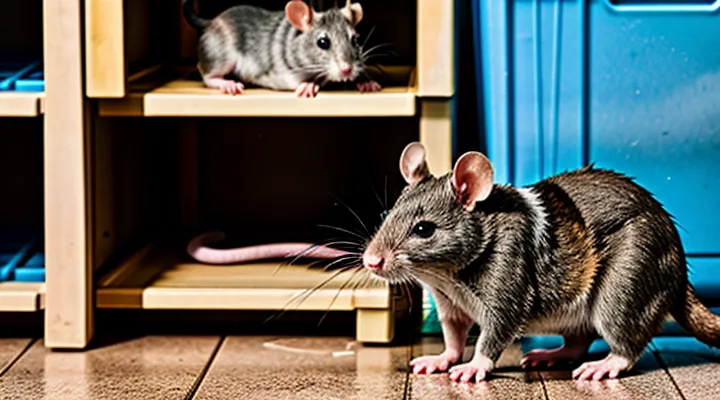
Understanding Rat Behavior in Pet Store Environments
Natural Instincts and Stress Factors
Enclosure Size and Design Impact
Enclosure dimensions directly influence the likelihood of bite incidents among captive rats. A spacious cage permits natural movement, reduces stress‑induced aggression, and lowers the probability of defensive bites when handlers approach. Conversely, cramped conditions force rodents into constant proximity with barriers, heightening anxiety and prompting defensive behavior.
Design elements that affect bite risk include:
- Bar spacing – gaps narrower than the rat’s head prevent accidental entrapment, which can trigger sudden biting.
- Flooring material – non‑slippery, chew‑resistant surfaces discourage frantic escape attempts that may result in a bite.
- Escape routes – multiple, unobstructed exits allow rats to retreat without direct contact, decreasing defensive responses.
- Viewing panels – clear, sturdy glass or acrylic reduces visual stress caused by distorted reflections, limiting aggressive reactions.
- Enrichment placement – toys and tunnels positioned away from the front of the cage keep rats occupied while staff handle them, reducing the need for defensive bites.
Proper ventilation and lighting also contribute to a calm environment. Adequate airflow prevents respiratory discomfort, while consistent, low‑intensity lighting eliminates sudden shadows that can startle rats and provoke biting.
Implementing these size and design standards aligns cage conditions with the physiological and behavioral needs of the animals, thereby minimizing bite occurrences during routine care and customer interaction.
Social Dynamics and Overcrowding
Rodent social hierarchies in pet retail settings create tension that can trigger aggressive behavior toward handlers. Dominant individuals regularly assert control through biting, while subordinate animals experience heightened stress, increasing the likelihood of defensive attacks.
Overcrowding intensifies these dynamics by limiting escape routes, compressing territories, and forcing frequent interactions among unfamiliar rats. Limited space reduces the opportunity for natural avoidance, leading to more frequent confrontations and a measurable rise in bite incidents.
Effective mitigation requires simultaneous control of population density and careful management of group composition. Recommended actions include:
- Maintaining a maximum of 0.5 m² per animal, as mandated by animal welfare guidelines.
- Grouping rats by age and sex to minimize dominance disputes.
- Conducting regular health and behavior assessments to identify aggressive individuals for isolation.
- Implementing staggered feeding schedules to reduce competition for resources.
- Providing enrichment structures that allow escape and retreat, thereby lowering stress levels.
Adhering to these protocols reduces social friction, limits overcrowding effects, and directly lowers the risk of rat bites in pet store environments.
Handling and Human Interaction
Proper handling of rodents in a pet‑store setting directly influences the likelihood of bite incidents. Staff must treat each animal with calm, deliberate movements. Sudden gestures or excessive force increase stress, which triggers defensive bites.
Key handling practices include:
- Grasp the rat behind the shoulders, supporting the hindquarters to prevent struggling.
- Use a two‑hand technique: one hand stabilizes the animal, the other guides it into a container.
- Avoid pulling the tail or restraining the neck, actions that cause pain and aggression.
- Perform handling in a quiet area, away from loud noises and crowds that elevate animal anxiety.
Human interaction protocols further reduce risk:
- Require all employees to complete a certified rodent‑handling course before working with live stock.
- Enforce the use of disposable gloves when transferring animals between cages or during health examinations.
- Implement a mandatory hand‑washing routine before and after each handling session to maintain hygiene and prevent cross‑contamination.
- Limit the duration of direct contact to the minimum necessary for care tasks; prolonged handling raises cortisol levels in rats, making bites more probable.
Preventive measures extend to the store environment:
- Keep cages at appropriate temperatures and provide enrichment to lower stress.
- Schedule regular health checks to identify pain‑related conditions that may provoke aggressive behavior.
- Maintain a clear separation between customer areas and back‑of‑house zones where handling occurs, reducing accidental encounters.
By adhering to these concrete handling techniques and interaction standards, pet‑store operators can substantially lower the incidence of rat bites and ensure a safer environment for both staff and animals.
Common Causes of Rat Bites in Pet Stores
Customer Interaction
Accidental Provocation
Accidental provocation occurs when a customer or employee unintentionally triggers a defensive response in a rodent, leading to a bite. Common triggers include sudden movements, loud noises, or reaching into cages without proper restraint. Rats perceive these actions as threats and may bite to protect themselves.
Factors that increase the risk of provocation include overcrowded enclosures, inadequate lighting, and lack of clear barriers between humans and animals. When rats are confined in cramped spaces, stress levels rise, making them more likely to react aggressively to minor disturbances. Poorly designed display cases allow direct hand contact, which further elevates the chance of unintended aggression.
Prevention measures:
- Install secure, transparent barriers that separate customers from cage interiors.
- Limit cage occupancy to recommended densities to reduce stress.
- Provide staff training on calm handling techniques and proper use of tools such as tongs or gloves.
- Implement quiet, controlled lighting to minimize sudden visual stimuli.
- Schedule regular health checks to detect signs of stress or illness that may provoke defensive behavior.
Lack of Understanding Rat Body Language
Rats communicate stress, fear, and aggression through distinct postures, vocalizations, and facial expressions. When staff or customers misinterpret these signals, they may approach a frightened animal, increasing the likelihood of a bite. Recognizing the following behaviors reduces the risk of injury:
- Rigid body, tail raised, and ears flattened indicate heightened alertness.
- Teeth chattering, rapid foot stamping, or squeaking at a high pitch signal agitation.
- Hunched posture with a tucked tail suggests fear or submission.
Preventive measures focus on training and environmental management. Employees should receive instruction on reading rat cues and on maintaining a calm handling technique. Handling protocols include:
- Approaching the cage slowly, avoiding sudden movements.
- Allowing the rat to retreat before attempting to pick it up.
- Using gloved hands or gentle scooping devices to minimize direct contact when the animal shows signs of distress.
Facility design also contributes to safety. Providing ample hiding spaces, stable cage structures, and regular enrichment lowers chronic stress, thereby decreasing defensive reactions. Monitoring health and behavior records enables early detection of individuals prone to aggression, allowing targeted interventions. Implementing these practices directly addresses the underlying cause of bites linked to a lack of understanding rat body language.
Staff Handling Practices
Improper Restraint Techniques
Improper restraint of rodents creates conditions that increase the likelihood of bite incidents in retail animal facilities. When staff fail to secure a rat’s body correctly, the animal can experience sudden stress, leading to defensive aggression. Common mistakes include holding the animal by the tail alone, applying pressure to the torso, or using inadequate equipment such as flimsy nets. These techniques allow the rat to twist, bite the handler’s fingers, or escape into the environment, where the bite risk spreads to other employees and customers.
Effective prevention relies on standardized handling protocols:
- Secure the rat behind the forelimbs with a firm yet gentle grip, supporting the torso to limit movement.
- Use a two‑hand technique: one hand stabilizes the animal’s back, the other controls the head and snout.
- Employ appropriately sized restraining tubes or cages that prevent the rat from turning around.
- Train all personnel on species‑specific behavior cues that signal stress, such as rapid breathing or tail flicking.
- Conduct regular competency assessments and refresh training quarterly.
Adopting these measures reduces stress‑induced aggression, minimizes bite occurrences, and promotes a safer environment for both staff and animals.
Ignoring Warning Signs
Rodents that exhibit sudden aggression, excessive vocalization, or abnormal grooming are signaling heightened stress levels. Visible wounds, discharge, or lethargy indicate health problems that can make an animal more prone to bite. Environmental cues such as overcrowding, poor ventilation, or inadequate enrichment also serve as early warnings of potential aggression.
When staff overlook these indicators, stress accumulates, leading to defensive behavior and increased bite incidents. Unaddressed health issues may cause pain, prompting the animal to react violently. Ignoring environmental deficiencies allows chronic stress to spread throughout the colony, raising the overall risk of injury to employees and customers.
Effective mitigation requires systematic observation and immediate action:
- Conduct twice‑daily visual inspections for behavioral changes and physical ailments.
- Record any abnormal signs in a log and trigger a predefined response protocol within 30 minutes.
- Implement routine veterinary examinations at least quarterly, with additional checks after any quarantine period.
- Maintain cage density below recommended limits, ensure proper airflow, and provide enrichment items that encourage natural foraging behavior.
- Train all personnel to recognize specific warning signs and to report them through a clear, documented chain of command.
By treating early signals as non‑negotiable alerts, pet stores can substantially reduce the likelihood of rat bites and protect both animal welfare and public safety.
Environmental Triggers
Sudden Loud Noises
Sudden loud noises can trigger a stress response in rodents kept in retail environments. When a sudden sound occurs—such as a dropped crate, a cleaning machine, or a customer’s shout—rats experience an acute startle reaction that may increase aggression toward handlers. The heightened arousal elevates cortisol levels, reduces the animal’s willingness to retreat, and can lead to defensive biting.
Stress from unexpected acoustic events also disrupts the normal hierarchy within a cage group. Dominant individuals may become more territorial, while subordinates may act unpredictably. This instability raises the probability of bite incidents during routine care, transport, or customer interaction. Recognizing acoustic triggers as a contributing factor allows staff to address a preventable element of rat bite incidents.
Practical measures to limit bite risk related to sudden noises:
- Install sound‑absorbing panels on walls and ceilings to reduce echo and sudden reverberation.
- Schedule cleaning and maintenance tasks during low‑traffic periods, avoiding overlap with customer visits.
- Use low‑decibel equipment; replace noisy devices with quieter alternatives where feasible.
- Train staff to approach cages calmly, speaking softly and avoiding abrupt movements that could amplify ambient sounds.
- Implement a “quiet hour” policy during peak feeding times, limiting loud conversations and equipment use.
By controlling acoustic stressors, pet‑store operators can lower rat aggression, thereby decreasing the incidence of bites and improving overall animal welfare.
Unfamiliar Scents and Objects
Rats in pet retail settings react strongly to novel odors and foreign items. Unfamiliar scents signal the presence of competitors or predators, prompting defensive aggression that can result in bites. Objects that have not been properly sanitized or that carry residual chemical traces disturb the rats’ scent hierarchy, increasing stress and the likelihood of hostile encounters.
- Maintain a consistent scent environment by using the same cleaning agents throughout the store and allowing sufficient drying time before re‑stocking cages.
- Store all new merchandise in a sealed area for at least 24 hours to let any residual odors dissipate before introducing it to the sales floor.
- Rotate enrichment toys and bedding only after thorough laundering with a neutral‑pH detergent, avoiding strong fragrances that could alarm the animals.
- Limit the introduction of unfamiliar animals to the same enclosure; if necessary, quarantine new rats for a minimum of seven days to monitor behavior and acclimate them to the existing scent profile.
- Install air filtration systems that remove volatile organic compounds and maintain stable temperature and humidity, reducing the impact of external odors on rat behavior.
By controlling olfactory variables and managing foreign objects, pet store operators reduce stress‑induced aggression, thereby lowering the incidence of rat bites.
Preventing Rat Bites: Best Practices for Pet Stores
Staff Training and Education
Recognizing Rat Stress Signals
Recognizing stress signals in rats is a critical component of bite prevention in retail environments. Early identification of discomfort allows staff to intervene before aggression escalates, reducing the likelihood of injuries to customers and employees.
Typical indicators of rat distress include:
- Rapid, irregular breathing
- Excessive grooming or self‑mutilation
- Aggressive vocalizations such as high‑pitched squeaks
- Sudden freezing or immobility
- Tail rattling or stiffened posture
- Frequent attempts to escape from cages or enclosures
- Withdrawal from food and water sources
When any of these behaviors appear, immediate actions should be taken: isolate the animal from public contact, assess cage conditions for overcrowding, temperature extremes, or inadequate enrichment, and provide a calm environment with minimal handling. Regular monitoring and documentation of stress signs enable proactive adjustments to husbandry practices, thereby lowering the risk of bites and improving overall animal welfare.
Safe Handling Protocols
Safe handling of rodents in retail environments reduces the risk of bite incidents. Staff must treat each animal as a potential source of injury and follow a consistent protocol from arrival to sale.
- Wear disposable gloves when picking up, moving, or cleaning cages. Replace gloves if torn or contaminated.
- Use restraint devices such as plexiglass tunnels or bite‑bars to limit direct contact. Secure the animal before examination or transport.
- Keep cages covered with breathable lids during transport to prevent escape and sudden movements.
- Clean work surfaces with an approved disinfectant before and after handling. Remove droppings and bedding using sealed containers.
- Maintain a log of each animal’s health status, including any signs of aggression or illness. Update records after any incident.
Training programs must be mandatory for all employees. Sessions should cover animal behavior cues, proper use of restraint tools, and emergency response steps. Refresher courses are required quarterly.
In the event of a bite, apply pressure to the wound, flush with saline, and seek medical evaluation promptly. Document the incident, including time, location, and circumstances, to identify procedural gaps.
Regular audits of handling practices ensure compliance. Auditors review glove usage, restraint equipment condition, and record accuracy. Findings trigger corrective actions within 48 hours.
Customer Education on Interaction
Customers who handle rats in a pet store must understand animal signals, proper techniques, and store policies to avoid bites. Knowledge of rat behavior reduces risk and promotes animal welfare.
Key points for safe interaction:
- Observe body language: raised fur, stiff posture, rapid squeaking indicate stress.
- Approach slowly, keep hand flat and open, avoid sudden movements.
- Allow the rat to sniff the hand before attempting to hold it.
- Support the animal’s hindquarters with one hand, cradle the torso with the other.
- Do not pull or restrain the tail; it can trigger defensive biting.
- Wash hands before and after contact to prevent disease transmission.
Store staff should display clear signage outlining these guidelines, provide brief verbal briefings to each customer, and enforce a no‑touch policy for visibly agitated rats. Training programs for employees must include role‑playing scenarios to demonstrate correct handling and how to intervene when a customer deviates from protocol.
Implementing consistent education reduces bite incidents, enhances customer confidence, and supports the health of both patrons and animals.
Enclosure Management and Design
Providing Adequate Space and Enrichment
Adequate space and environmental enrichment directly influence the likelihood of aggressive behavior in retail rodents. Overcrowded cages elevate stress hormones, increase competition for resources, and trigger defensive bites toward handlers.
- Minimum floor area: 0.5 sq ft per adult rat.
- Vertical space: at least 12 inches of clear height for climbing.
- Cage density: no more than four rats per standard laboratory‑grade enclosure.
Enrichment items reduce frustration and promote natural foraging patterns. Provide:
- chewable objects (wood blocks, cardboard tubes);
- hideouts (plastic tunnels, PVC pipes);
- nesting material (paper strips, shredded tissue);
- rotating toys to prevent habituation.
Implementation steps:
- Measure each enclosure against the space criteria before stocking.
- Install a minimum of two enrichment elements per cage, refreshed weekly.
- Conduct weekly inspections to verify that space remains unobstructed and enrichment is intact.
- Train staff to recognize signs of crowding‑induced stress, such as excessive grooming or aggression, and to adjust cage configurations promptly.
Consistent application of these standards lowers stress levels, diminishes defensive biting, and improves overall animal welfare in pet‑store environments.
Maintaining Cleanliness and Hygiene
Clean environments reduce the likelihood of rat bites by removing food residues, nesting materials, and shelter that attract rodents. Regular sanitation eliminates attractants and limits rat access to animal enclosures and customer areas.
- Daily removal of spilled feed, water, and waste.
- Weekly deep cleaning of cages, shelving, and floor surfaces with rodent‑safe disinfectants.
- Immediate disposal of discarded packaging and cardboard in sealed containers.
- Routine inspection and cleaning of ventilation ducts, drainage systems, and storage rooms.
- Maintenance of pest‑proof doors and windows, including weather stripping and screen mesh.
Scheduled inspections verify that cleaning protocols are followed and that no signs of rodent activity appear. Inspection records should include date, area examined, findings, and corrective actions taken.
Staff training emphasizes proper waste handling, prompt spill cleanup, and immediate reporting of rodent sightings. Clear responsibilities and accountability ensure consistent hygiene standards throughout the store.
Secure Enclosures to Prevent Escapes
Secure enclosures are the primary barrier against rodent escape in retail environments that sell small mammals. When a cage fails, the animal can move freely, increasing the likelihood of bites to staff and customers. A well‑engineered enclosure eliminates this pathway.
Key design elements include:
- Rigid frame constructed from stainless steel or reinforced aluminum to resist bending and tampering.
- Mesh or panel openings no larger than ¼ inch to prevent head or paw passage.
- Door mechanisms with double‑locking latches that engage automatically when closed.
- Integrated hinges that prevent accidental disengagement.
Material selection influences durability and hygiene. Stainless steel resists corrosion and can be sanitized without damage. Tempered glass panels provide visual inspection while maintaining strength. UV‑stabilized polycarbonate offers impact resistance for high‑traffic areas.
Routine maintenance sustains enclosure integrity. Daily visual checks should verify latch alignment, hinge function, and mesh condition. Weekly deep inspections must assess weld seams, corrosion points, and wear on locking components. Any compromised part requires immediate replacement to avoid gaps.
Staff training reinforces physical safeguards. Employees must follow a standardized lock‑and‑check protocol before each animal handling session, document enclosure status in a log, and report anomalies promptly. Training modules should include hands‑on practice with latch mechanisms and emergency containment procedures.
By integrating robust construction, appropriate materials, systematic upkeep, and disciplined staff practices, pet stores can substantially lower the incidence of rodent escapes and the resulting bite injuries.
Customer Guidelines and Signage
Clear Instructions for Interaction
Staff must keep rats in secure enclosures. Enclosures should have lockable doors, smooth interior surfaces, and adequate ventilation. Regular checks for gaps or loose fittings are mandatory. If a defect is found, remove the animal immediately and repair the enclosure before resuming operation.
Customers should be instructed to wash hands before and after handling any animal. Signs at the checkout must remind patrons to avoid sudden movements, to keep fingers away from the mouth area, and to request assistance when reaching for a cage. Employees must supervise all interactions, intervene if a rat shows signs of stress, and terminate the handling session if the animal attempts to bite.
Clear interaction protocol:
- Verify that the rat is calm; observe for rapid breathing, teeth baring, or tail flicking.
- Offer a clean gloved hand, allowing the rat to approach voluntarily.
- Support the rat’s hindquarters with one hand; avoid grasping the tail or neck.
- Limit each handling session to no more than three minutes.
- Return the rat to its enclosure promptly; disinfect gloves and surfaces afterward.
Training sessions for staff must cover animal behavior cues, proper restraint techniques, and emergency response steps. A documented incident report is required for every bite, including time, location, victim details, and corrective actions taken. This record supports ongoing risk assessment and helps refine preventive measures.
Supervision of Children
Rodent bites in pet‑store environments present a tangible hazard for young visitors. Children often explore low shelves and cages, where they may encounter stressed or defensive rats. Unsupervised interaction increases the likelihood of a bite, which can lead to infection, allergic reaction, or disease transmission.
Inadequate adult oversight allows children to handle animals without understanding proper technique. When a child pulls a rat by its tail or attempts to feed it directly, the animal may react defensively. The absence of clear boundaries also permits accidental exposure to cages that are not securely closed.
Effective supervision requires continuous, proactive engagement. Adults must remain within arm’s length of children, monitor behavior, and intervene before contact with rodents occurs. Specific measures include:
- Positioning children in designated observation zones away from cage openings.
- Keeping cage doors locked and displaying warning signage at eye level.
- Demonstrating safe hand‑washing and hygiene practices before and after any animal contact.
- Assigning a responsible adult to each group of children, with a clear duty to enforce no‑touch policies.
- Conducting brief safety briefings for parents and caregivers prior to store entry.
Consistent application of these practices reduces bite incidents, protects child health, and maintains a safe retail environment for both patrons and animals.
Emergency Procedures
First Aid for Bites
A rat bite acquired in a pet store demands prompt first‑aid measures to reduce infection risk and tissue damage.
- Apply firm pressure with a clean cloth or sterile gauze for 5–10 minutes to stop bleeding.
- Rinse the wound under running water for at least 30 seconds, using mild soap around the area but not directly in the wound.
- Disinfect the site with an antiseptic solution such as povidone‑iodine or chlorhexidine; avoid hydrogen peroxide, which can damage tissue.
- Cover the wound with a sterile, non‑adhesive dressing; secure with a breathable bandage.
Monitor the injury for signs of infection, including increasing redness, swelling, warmth, pus, or fever. Replace the dressing daily or whenever it becomes wet or contaminated.
Seek professional medical attention if any of the following occur: deep puncture, uncontrolled bleeding, signs of systemic infection, or if the animal’s vaccination status is unknown. Administer tetanus prophylaxis according to local guidelines, and consider rabies post‑exposure treatment when warranted.
Document the incident, noting the date, time, location within the store, and details of the rat involved. Provide this information to healthcare providers to facilitate appropriate antimicrobial therapy and reporting procedures.
Reporting Incidents
Accurate incident reporting is essential for managing rat‑bite events in pet retail environments. Prompt documentation creates a reliable record, supports veterinary assessment, and informs corrective actions that reduce future risk.
When a bite occurs, staff should follow a defined sequence:
- Secure the animal and isolate the affected area to prevent further injury.
- Record the date, time, and location of the incident, noting the specific enclosure and any observable stressors (e.g., overcrowding, inadequate sanitation).
- Identify the rat involved, including tag number or physical description, and note its health status and recent handling history.
- Capture witness statements from employees and customers present, ensuring each account includes observable actions leading up to the bite.
- Complete a standardized incident form, attaching photographs of the bite site, the enclosure, and any equipment used during handling.
- Notify the store manager, the veterinary clinic, and the local health authority within the legally required timeframe.
- Preserve all evidence, such as the rat’s housing material and any tools, for potential investigation.
Effective reporting also requires regular review of collected data. Management should analyze trends—frequency, location, time of day—to pinpoint systemic weaknesses. Findings must be communicated to all staff during training sessions, reinforcing preventive measures such as proper restraint techniques, routine health checks, and environmental controls.
By adhering to a structured reporting protocol, pet stores can swiftly address rat‑bite incidents, protect public health, and maintain compliance with regulatory standards.