
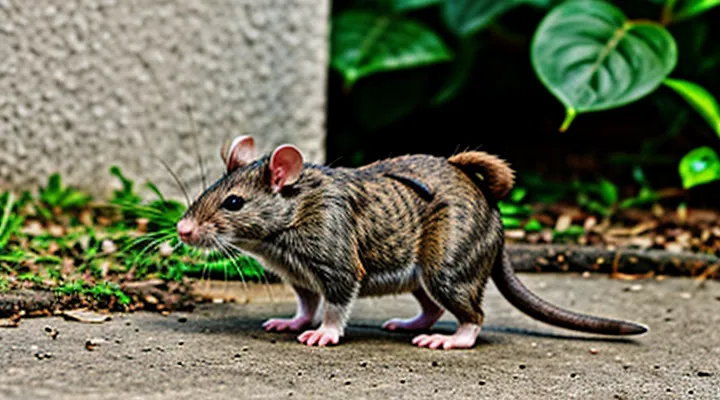
The Broad Category: «Animal»
Defining «Animal»
The term «Animal» designates a member of the kingdom Animalia, a group of eukaryotic organisms distinguished by several essential characteristics. These organisms are composed of multiple cells lacking rigid cell walls, a feature that separates them from plants and fungi. Nutrition is obtained through heterotrophy, meaning energy is derived from the consumption of organic material rather than photosynthesis. Motility, at least during some life stage, is typical, allowing active movement in response to environmental stimuli. Reproduction generally involves a diploid phase followed by a haploid gamete stage, with development proceeding through embryonic differentiation. Sensory systems are complex, providing the capacity to process external signals. The combination of multicellularity, lack of cell walls, heterotrophic metabolism, developmental patterns, and sensory capabilities defines the biological category referred to as «Animal».
Key Characteristics of Animals
Rats belong to the class Mammalia, a subdivision of the kingdom Animalia. Their placement reflects the broader set of traits that define animals and distinguishes mammals from other animal groups.
Key characteristics shared by all animals include:
- Multicellular organization with specialized tissues.
- Heterotrophic nutrition, requiring ingestion of organic material.
- Development from a blastula during embryogenesis.
- Locomotion achieved through muscular systems.
- Sensory structures enabling response to environmental stimuli.
Mammalian traits that further refine the classification of rats are:
- Presence of hair or fur covering the body.
- Production of milk by females for offspring nourishment.
- Three middle ear bones facilitating acute hearing.
- Differentiated teeth adapted for gnawing and chewing.
These defining features collectively confirm that rats are both animals and mammals, fitting within the hierarchical taxonomy of living organisms.
The Specific Classification: «Mammal»
Defining «Mammal»
The classification of rats hinges on a precise definition of the biological class to which they may belong.
«Mammal» designates vertebrates that share a set of diagnostic traits. These traits include:
- Presence of hair or fur covering the body
- Presence of mammary glands that produce milk for offspring
- Three ossicles in the middle ear (malleus, incus, stapes)
- A neocortex region in the brain responsible for higher-order functions
- A single-boned lower jaw composed of the dentary bone
Each trait is observable in the species commonly referred to as rats. Hair coats the skin, females secrete milk, the middle ear contains the three characteristic bones, and the brain exhibits a well-developed neocortex. Consequently, rats satisfy all criteria defining the class Mammalia and are correctly placed within that group.
Distinguishing Features of Mammals
Rats belong to a group of vertebrates that exhibit the defining characteristics of mammals. These characteristics separate mammals from other animal classes and provide a clear basis for classification.
Key traits of mammals include:
- Presence of hair or fur covering the body.
- Production of milk by specialized mammary glands for nourishing offspring.
- Three ossicles (malleus, incus, stapes) in the middle ear that enhance hearing sensitivity.
- A neocortex region in the brain that supports advanced sensory processing and cognition.
- A diaphragm that separates the thoracic and abdominal cavities, enabling efficient respiration.
Rats possess all listed features: they have a fur coat, females lactate to feed young, their auditory system contains the three middle ear bones, their brain includes a well‑developed neocortex, and a diaphragm assists breathing. Consequently, the presence of these traits confirms that rats are classified as mammals rather than merely as generic animals.
Placing the Rat Within Biological Classification
Kingdom: Animalia
The kingdom Animalia comprises multicellular eukaryotic organisms that obtain nutrients by ingestion, lack rigid cell walls, and possess specialized tissues. Members exhibit motility at some life stage and reproduce primarily through sexual mechanisms.
Rats belong to this kingdom and are further classified within the phylum Chordata, which includes vertebrates possessing a dorsal nerve cord. Within Chordata, rats are placed in the class Mammalia, a subset of Animalia characterized by hair, mammary glands, and three middle ear bones.
- Domain: Eukarya
- Kingdom: Animalia
- Phylum: Chordata
- Class: Mammalia
- Order: Rodentia
- Family: Muridae
- Genus: Rattus
- Species: various (e.g., Rattus norvegicus, Rattus rattus)
Mammals constitute a distinct group under Animalia; therefore, rats are simultaneously members of the broader animal kingdom and the more specific mammalian class. This dual placement resolves the classification query by confirming that rats are both animals and mammals.
Phylum: Chordata
Rats belong to the phylum «Chordata», a major grouping of animals distinguished by a dorsal nerve cord, a notochord present during embryonic development, pharyngeal slits, and a post‑anal tail. These anatomical features define chordates as vertebrate organisms with a well‑developed skeletal system. Within «Chordata», rats are classified as vertebrates (subphylum Vertebrata), mammals (class Mammalia), and members of the order Rodentia. Their skeletal structure, spinal column, and muscular coordination reflect the typical chordate organization. Consequently, the rat’s biological identity aligns with the defining traits of «Chordata», confirming its placement among vertebrate mammals.
Class: Mammalia
Rats belong to the class Mammalia, a taxonomic group distinguished by several defining characteristics. Mammals possess true hair, mammary glands that produce milk for offspring, and three middle ear bones that transmit sound. These features differentiate them from other vertebrate classes such as Reptilia or Aves.
The order Rodentia, which includes rats, inherits all mammalian traits. Specific adaptations of rodents—ever‑growing incisors and a highly efficient gnawing mechanism—are built upon the fundamental mammalian anatomy. Consequently, the classification of rats as mammals rests on the presence of hair, lactation, and the characteristic ear structure.
Key attributes of class Mammalia:
- Endothermy: internal regulation of body temperature.
- Four‑chambered heart: separate pulmonary and systemic circulation.
- Placental development (in most groups): nourishment of embryos via a placenta.
- Diverse dentition: specialized teeth for varied diets.
These criteria confirm that rats are unequivocally members of the mammalian class, answering the taxonomic inquiry regarding their status.
Why This Distinction Matters
Understanding Biological Diversity
Rats belong to the order Rodentia, a lineage that is unequivocally placed within the class Mammalia. Their defining characteristics—hair, three‑middle ear bones, and mammary glands—align with the criteria used to delineate mammals across vertebrate taxa. Consequently, the animal in question is classified as a mammal, not as a separate biological category.
Understanding this classification illuminates broader patterns of biological diversity. Mammals exhibit a wide range of ecological adaptations; rodents, including rats, exemplify rapid reproductive cycles, versatile diets, and high dispersal capacity. These traits contribute to the persistence of mammalian diversity in varied habitats.
Key implications for biodiversity studies:
- Taxonomic clarity facilitates accurate species inventories and conservation assessments.
- Recognizing rats as mammals integrates them into comparative analyses of mammalian physiology and genetics.
- Inclusion of rodents in mammalian diversity metrics reflects their substantial biomass and ecological influence.
Accurate taxonomic placement therefore supports coherent evaluation of species richness, ecosystem function, and evolutionary relationships within the animal kingdom.
Implications for Study and Research
The taxonomic placement of the rat directly shapes experimental protocols, model validation, and data interpretation. Recognizing the species as a mammalian rodent aligns its physiological parameters with those of higher vertebrates, allowing more accurate extrapolation of pharmacological and toxicological findings to human systems.
Ethical review committees base approval criteria on taxonomic status; classification as a mammal triggers specific welfare standards, housing requirements, and procedural safeguards. Regulatory agencies reference this classification when defining permissible endpoints and reporting obligations, ensuring compliance across jurisdictions.
Comparative genomics and evolutionary biology benefit from a clear mammalian designation. Genetic similarity metrics, phylogenetic analyses, and gene‑function studies rely on consistent taxonomic frameworks, reducing ambiguity in cross‑species datasets.
Key implications for research practice:
- Protocol design incorporates mammalian metabolic rates, influencing dosage calculations and timing of interventions.
- Institutional animal care policies apply stricter enrichment and analgesia standards to mammalian subjects.
- Funding agencies prioritize projects that exploit the rat’s relevance to human health, reflecting its mammalian classification.
- Publication guidelines mandate explicit taxonomic identification, enhancing reproducibility and meta‑analysis reliability.
Overall, precise classification underpins methodological rigor, ethical accountability, and translational relevance in scientific investigations involving the species.