
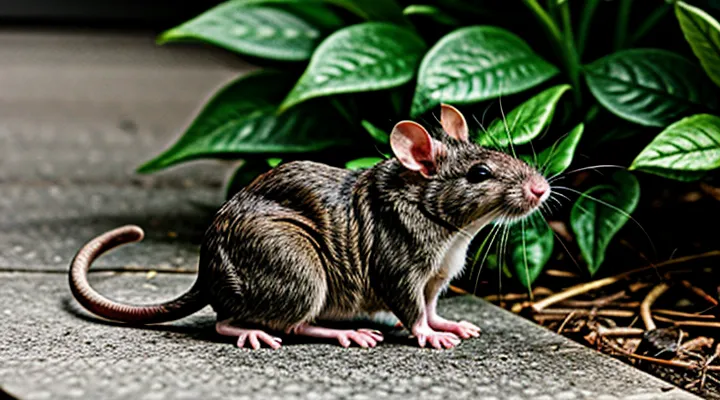
Understanding Sluggishness and Inactivity in Rats
Identifying Normal vs. Abnormal Behavior
Subtle Changes to Look For
Veterinary professionals recognize that a rat’s decline in vigor often manifests through minor, easily missed signs. Detecting these indicators early can clarify underlying health issues before they progress.
- Grooming behavior: Reduced self‑cleaning, clumped fur, or a greasy coat suggest discomfort or metabolic disturbance.
- Posture and movement: Hunched back, reluctance to climb, or uneven gait indicate musculoskeletal pain or neurological impairment.
- Respiratory pattern: Shallow, rapid breaths or audible wheezing point to respiratory infection or cardiac stress.
- Eye and nose condition: Clouded eyes, discharge, or frequent sneezing reveal upper‑respiratory problems or systemic infection.
- Food and water consumption: Decreased intake, spillage, or preference for soft foods may signal dental disease, gastrointestinal upset, or dehydration.
- Body weight: Subtle weight loss or gain, measured over consecutive days, reflects metabolic imbalance or fluid retention.
- Activity timing: Shifts in nocturnal activity, such as prolonged rest during usual foraging periods, often precede neurological or endocrine disorders.
Monitoring these subtle changes provides a practical framework for identifying the root causes of a rat’s lethargy and guiding timely veterinary intervention.
When to Be Concerned
A rat that suddenly shows reduced movement and a lack of interest in food or play may be signaling a serious problem. Immediate attention is required if any of the following conditions appear:
- The animal refuses food or water for more than 24 hours.
- Breathing becomes rapid, labored, or irregular.
- The eyes appear dull, sunken, or display unusual discharge.
- The body temperature feels colder than usual to the touch.
- Unexplained bleeding, swelling, or visible wounds develop.
- The rat exhibits seizures, tremors, or loss of coordination.
- Weight loss exceeds 10 % of the normal body mass within a short period.
- The pet shows persistent vocalization or signs of distress despite a calm environment.
These indicators suggest underlying illness, injury, or toxic exposure and warrant prompt veterinary evaluation. Early detection and treatment improve the likelihood of recovery and reduce the risk of fatal outcomes.
Common Causes of Sluggishness and Inactivity
Health-Related Issues
Respiratory Problems
Respiratory disorders frequently underlie reduced activity and lethargy in rats. Impaired breathing limits oxygen delivery to tissues, causing metabolic slowdown and diminished motivation to move.
Common respiratory conditions include:
- Mycoplasma pulmonis infection
- Pasteurella spp. pneumonia
- Streptococcus spp. lower‑respiratory infection
- Viral agents such as Sendai virus
- Fungal pathogens, notably Aspergillus spp.
- Chronic irritation from dust, ammonia, or poor ventilation
These ailments compromise airway patency, diminish alveolar gas exchange, and generate discomfort. The resulting hypoxemia and hypercapnia directly suppress locomotor drive and feeding behavior.
Diagnosis relies on observable signs (nasal discharge, audible wheezing, labored breathing), physical examination (lung auscultation), imaging (thoracic radiographs), and laboratory testing (PCR, bacterial culture). Early identification prevents progression to severe systemic effects.
Therapeutic measures consist of targeted antimicrobial agents, antifungal drugs when indicated, and supportive care such as oxygen supplementation, fluid therapy, and environmental modification to reduce irritants. Prompt treatment accelerates recovery of normal activity levels.
Preventive strategies emphasize strict hygiene, adequate cage ventilation, regular cleaning to control ammonia, quarantine of new arrivals, and routine health monitoring. Maintaining optimal respiratory health minimizes the risk of lethargy and promotes overall vigor in rat populations.
Cardiovascular Conditions
A rat that displays reduced activity often suffers from impaired cardiovascular function. Insufficient blood flow limits oxygen delivery to muscles and the brain, leading to lethargy and decreased responsiveness.
- Congestive heart failure: fluid accumulation in the lungs and peritoneal cavity reduces cardiac output, causing fatigue and reluctance to move.
- Myocardial infarction: localized necrosis diminishes contractile capacity, resulting in abrupt loss of stamina.
- Arrhythmias: irregular heart rhythms disrupt rhythmical pumping, producing intermittent weakness and diminished locomotion.
- Hypertension: chronic elevated pressure overloads the heart, gradually decreasing efficiency and promoting a sedentary state.
- Peripheral vascular disease: arterial narrowing impedes limb perfusion, causing pain‑induced avoidance of movement.
Each condition compromises the rat’s ability to sustain normal metabolic demands, directly translating into sluggish and inactive behavior. Early detection through pulse assessment, respiratory rate monitoring, and observation of coat condition can identify underlying cardiovascular pathology. Prompt veterinary intervention—pharmacologic support, fluid management, or surgical correction—restores circulatory performance and reverses inactivity.
Kidney and Liver Disease
Kidney and liver dysfunction are frequent contributors to lethargy and reduced activity in laboratory rats. Impaired renal function diminishes the ability to excrete metabolic waste, leading to accumulation of uremic toxins that depress the central nervous system. Elevated blood urea nitrogen and creatinine levels correlate with decreased locomotor drive and prolonged periods of immobility.
Hepatic disease disrupts synthesis of essential plasma proteins, alters glucose homeostasis, and increases circulating ammonia. Hyperammonemia interferes with neurotransmission, producing somnolence and impaired coordination. Additionally, reduced albumin production lowers oncotic pressure, causing edema that further restricts movement.
Key pathophysiological links between organ failure and inactivity include:
- Accumulation of neurotoxic metabolites (urea, ammonia)
- Disturbances in electrolyte balance (hyperkalemia, hyponatremia)
- Energy deficit due to impaired gluconeogenesis and glycogen storage
- Systemic inflammation and cytokine release affecting muscle function
Diagnostic evaluation should combine serum chemistry (BUN, creatinine, ALT, AST, bilirubin), urinalysis, and imaging to confirm organ involvement. Early identification of renal or hepatic compromise allows timely intervention—fluid therapy, dietary modification, and, when appropriate, pharmacologic support—to restore metabolic equilibrium and reverse the observed decline in activity.
Tumors and Cancers
Tumors and cancers are frequent contributors to reduced activity in laboratory rats. Neoplastic growths increase metabolic demand, diverting nutrients and oxygen from normal tissues. This imbalance often results in weight loss, weakness, and diminished locomotion.
Rapidly proliferating tumors release cytokines such as interleukin‑6 and tumor‑necrosis factor‑α. These mediators trigger systemic inflammation, induce fever, and depress central nervous system function, all of which suppress voluntary movement. Additionally, hormone‑producing neoplasms may cause hypercalcemia or hypoglycemia, conditions that directly impair muscular performance and motivation.
Organ‑specific malignancies produce distinct effects:
- Lung carcinoma: impairs respiratory efficiency, leading to dyspnea and fatigue.
- Hepatocellular carcinoma: disrupts glucose homeostasis, causing energy deficits.
- Bone sarcoma: generates pain and limits mobility.
- Lymphoma: induces anemia and immunosuppression, reducing stamina.
Tumor burden can also cause mechanical obstruction or compression of nerves and vessels, further limiting the animal’s ability to move. In advanced stages, cachexia develops, characterized by muscle wasting and profound lethargy.
Diagnostic evaluation of lethargic rats should include palpation for masses, imaging (ultrasound, MRI), and laboratory tests for inflammatory markers, electrolyte disturbances, and blood counts. Early detection of neoplastic disease allows timely intervention, which may restore normal activity levels.
Infections and Parasites
Infection‑related lethargy in rats stems from tissue damage, fever, and metabolic disruption. Bacterial agents such as Salmonella spp., Streptobacillus moniliformis (rat‑bite fever), and Leptospira interrogans produce systemic inflammation that depresses activity. Viral infections, notably Sendai virus and rat coronavirus, impair respiratory function and induce malaise, leading to reduced movement.
Parasitic infestations produce similar effects through nutrient loss, anemia, and organ irritation. Common culprits include:
- Heligmosomoides bakeri – intestinal nematode causing malabsorption and weakness.
- Eimeria spp. – coccidian parasites that damage the intestinal epithelium, resulting in dehydration and lethargy.
- Fleas (Xenopsylla cheopis) and mites – ectoparasites that transmit pathogens and cause persistent irritation, which diminishes activity.
- Trematodes (e.g., Schistosoma spp.) – hepatic parasites that compromise liver function, lowering energy levels.
Diagnostic confirmation relies on clinical signs, laboratory cultures, PCR assays for viral genomes, and fecal flotation or blood smears for parasites. Effective treatment combines antimicrobial therapy (appropriate antibiotics or antivirals) with antiparasitic agents such as ivermectin or fenbendazole, supplemented by supportive care—fluid therapy, nutritional support, and environmental sanitation—to restore normal behavior.
Pain and Injury
Pain and injury are primary contributors to reduced locomotion and lethargy in laboratory rats. Acute trauma, such as fractures or soft‑tissue wounds, generates nociceptive signals that suppress voluntary movement. Chronic conditions, including arthritis or dental malocclusion, produce persistent discomfort that diminishes exploratory behavior and food‑seeking activity. Inflammatory processes release prostaglandins and cytokines, which sensitize peripheral nerves and alter central pain pathways, leading to prolonged inactivity.
Typical sources of discomfort that may manifest as sluggishness include:
- Fractured or dislocated limbs resulting from handling errors or cage injuries.
- Skin lesions, burns, or abrasions caused by bedding, enrichment objects, or aggressive conspecifics.
- Musculoskeletal disorders such as osteoarthritis, intervertebral disc degeneration, or spinal injuries.
- Dental problems, including overgrown incisors or periodontal disease, which impede chewing and cause facial pain.
- Internal injuries like abdominal trauma, gastrointestinal ulceration, or organ inflammation that generate visceral pain.
Behavioral signs associated with pain‑induced inactivity are reduced rearing, diminished nesting, prolonged periods of immobility, and decreased responsiveness to novel stimuli. Physiological markers often accompany these observations, such as elevated corticosterone levels, altered heart rate variability, and changes in grooming patterns.
Effective assessment requires systematic observation, pain‑scoring tools validated for rodents, and, when necessary, diagnostic imaging or necropsy to identify underlying lesions. Prompt analgesic intervention—using NSAIDs, opioids, or multimodal regimens—can restore normal activity levels, improve welfare, and prevent secondary complications arising from prolonged inactivity.
Dental Problems
Dental disease is a common factor that can lead to a rat’s reduced activity and lethargy. Malocclusion, overgrown incisors, and periodontal infection cause pain during chewing, which discourages the animal from eating. Insufficient nutrient intake results in weight loss, weakness, and a noticeable decline in movement.
Typical dental problems that affect behavior include:
- Overgrown front teeth that interfere with normal bite alignment.
- Abscesses or inflammation around the gums that produce chronic discomfort.
- Tooth fractures that create sharp edges, making food intake painful.
- Infections that spread to surrounding tissues, causing systemic malaise.
When a rat experiences any of these conditions, it often conserves energy by remaining inactive, further exacerbating health decline. Prompt veterinary examination and appropriate dental treatment are essential to restore feeding ability and improve overall vitality.
Nutritional Deficiencies
Nutritional deficiencies directly affect a rat’s energy metabolism, leading to reduced movement and prolonged periods of rest. Insufficient intake of macronutrients or micronutrients compromises mitochondrial function, muscle contractility, and neural signaling, which together manifest as sluggish behavior.
- Protein shortage – limits synthesis of muscle fibers and enzymes involved in aerobic respiration; results in muscle weakness and fatigue.
- Essential fatty acid deficit – impairs cell membrane fluidity and neuronal transmission; contributes to lethargy and impaired coordination.
- Vitamin B complex insufficiency – diminishes co‑enzyme availability for carbohydrate metabolism; produces generalized weakness and decreased activity.
- Vitamin E and D lack – reduces antioxidant protection and calcium regulation; leads to muscle tremors and reduced stamina.
- Mineral deficiencies (iron, calcium, magnesium, zinc) – disrupt hemoglobin formation, bone health, and enzymatic reactions; cause anemia, poor bone tone, and diminished locomotion.
Diagnostic evaluation includes analysis of feed composition, serum biochemistry, and observation of body condition. Elevated markers of oxidative stress or low levels of specific nutrients confirm the deficiency.
Therapeutic intervention involves reformulating the diet to meet established rodent nutritional standards, supplementing missing vitamins and minerals, and providing high‑quality protein sources. Continuous monitoring of weight gain, activity patterns, and blood parameters ensures recovery and prevents recurrence.
Old Age
In aging rodents, a noticeable reduction in locomotor activity and responsiveness is frequently recorded. The decline is not a transient condition but a systematic outcome of physiological aging processes.
- Muscular atrophy leads to weaker contractile force and slower movement.
- Joint cartilage thinning reduces range of motion and increases discomfort during activity.
- Decreased mitochondrial efficiency limits ATP production, causing fatigue after minimal exertion.
- Hormonal alterations, such as lower growth hormone and reduced thyroid hormone levels, suppress metabolic rate and motivation to explore.
Neuronal aging contributes to diminished reactivity. Loss of dopaminergic neurons in the striatum lowers reward-driven behavior, while reduced synaptic plasticity in the hippocampus impairs spatial navigation and curiosity-driven exploration.
Metabolic shifts accompany senescence. Declining insulin sensitivity and altered glucose utilization produce energy deficits that manifest as lethargy. Elevated inflammatory cytokines in the bloodstream create a chronic low-grade inflammatory state, further suppressing activity.
These age-related changes collectively explain why older rats display sluggish and inactive behavior, providing a reliable model for studying geriatric decline and testing interventions aimed at restoring vitality.
Environmental and Psychological Factors
Stress and Anxiety
Stress and anxiety are frequent contributors to reduced locomotor activity in laboratory rats. Elevated corticosterone levels, triggered by unpredictable or chronic stressors, suppress motivation and impair motor coordination. Anxiety‑related behaviors, such as increased thigmotaxis and reduced exploration of open spaces, directly translate into slower movement and prolonged periods of immobility.
Physiological pathways linking emotional distress to lethargy include:
- Activation of the hypothalamic‑pituitary‑adrenal (HPA) axis, leading to sustained glucocorticoid release.
- Dysregulation of monoaminergic neurotransmission (serotonin, dopamine) that diminishes reward processing and motor drive.
- Enhanced amygdala activity, which heightens vigilance and discourages exploratory behavior.
Experimental evidence shows that rats exposed to restraint, social isolation, or unpredictable noise exhibit measurable declines in distance traveled during open‑field tests. Concurrently, anxiety‑inducing pharmacological agents (e.g., elevated benzodiazepine antagonists) produce comparable reductions in activity, confirming the causal relationship.
Mitigation strategies focus on environmental enrichment, predictable routine, and, when appropriate, anxiolytic interventions. Providing nesting material, shelters, and regular handling lowers baseline anxiety, restores normal corticosterone rhythms, and improves overall mobility.
Inadequate Cage Environment
An unsuitable cage environment directly reduces a rat’s willingness to move and explore. Confinement in a space that fails to meet basic physiological and behavioral requirements leads to energy conservation, diminished curiosity, and prolonged periods of rest.
Key environmental shortcomings include:
- Insufficient floor area, restricting natural foraging and locomotion patterns.
- Lack of structural enrichment such as tunnels, platforms, or chewable objects, which limits stimulus and promotes inactivity.
- Inadequate bedding depth or inappropriate material, causing discomfort and discouraging movement.
- Unstable temperature or humidity, creating stress that manifests as lethargy.
- Excessive or irregular lighting, disrupting circadian rhythms and reducing activity cycles.
- Persistent background noise or vibrations, inducing anxiety that results in reduced locomotion.
- Poor sanitation, with accumulations of waste or odor, leading to avoidance behavior and prolonged stillness.
Lack of Enrichment
A rat that receives little or no environmental stimulation frequently shows reduced activity levels. Without objects to explore, chew, or manipulate, the animal’s natural drive to investigate diminishes, leading to a slower pace and prolonged periods of rest.
The absence of enrichment affects several aspects of rat wellbeing:
- Decreased locomotion as the animal lacks incentives to move around the cage.
- Lowered engagement of forebrain circuits involved in problem‑solving and curiosity.
- Elevated stress hormones, which can suppress energy metabolism and promote lethargy.
- Increased risk of obesity because the animal expends fewer calories while remaining sedentary.
To mitigate these effects, provide a variety of stimuli that cater to the rat’s innate behaviors:
- Rotate chewable items (wood blocks, cardboard tubes) every few days to maintain novelty.
- Install climbing structures such as ladders, ropes, or platforms to encourage vertical movement.
- Offer puzzle feeders that require manipulation to access food, stimulating cognitive activity.
- Introduce tunnels, hideouts, and nesting material to support natural burrowing and shelter‑seeking behaviors.
- Change the cage layout regularly, repositioning objects to prevent habituation.
Consistent implementation of these enrichment strategies restores exploratory drive, improves physical activity, and counters the sluggishness associated with an unstimulating environment.
Social Isolation
Social isolation directly reduces a rat’s environmental enrichment, which frequently manifests as slower movement and reduced exploration. Lack of conspecific interaction eliminates opportunities for play, grooming, and territorial contests, all of which normally stimulate locomotor activity and maintain physiological balance.
Isolation triggers chronic activation of the hypothalamic‑pituitary‑adrenal axis, elevating corticosterone levels. Elevated glucocorticoids suppress dopamine release in the striatum, diminishing motivation for voluntary exercise. Concurrently, reduced sensory input lowers neurotrophic factors such as BDNF, impairing neuronal plasticity that supports active behavior.
Observable outcomes include:
- Decreased distance traveled in open‑field tests
- Lower frequency of rearing and climbing actions
- Prolonged periods of immobility in home cages
- Reduced engagement with novel objects
These behavioral signs correlate with weight gain, muscle atrophy, and impaired cardiovascular function, reinforcing the cycle of inactivity.
Mitigation requires reintroducing social stimuli: pairing the rat with a compatible cage mate, providing regular handling sessions, and incorporating communal nesting material. Structured enrichment programs that simulate social cues—such as recorded vocalizations or pheromone‑laden bedding—can partially offset the effects when direct contact is impossible. Continuous monitoring of activity metrics ensures timely intervention before chronic lethargy consolidates.
Temperature Extremes
Rats exposed to temperatures far above or below their thermoneutral zone display marked reductions in locomotor activity and exploratory behavior.
Cold environments trigger vasoconstriction and a shift toward anaerobic metabolism, which conserves energy at the expense of movement. Lowered core temperature reduces enzymatic rates, slows nerve conduction, and depresses muscular contractility, all of which produce a lethargic state.
Heat exposure induces hyperthermia, elevates respiratory rate, and accelerates water loss. Dehydration and electrolyte imbalance impair neuromuscular function, causing the animal to seek shelter and remain motionless to limit heat production.
Typical physiological and behavioral responses to temperature extremes include:
- Decreased spontaneous wheel running or cage exploration
- Prolonged periods of nesting or huddling behavior
- Reduced food and water intake in cold, increased water consumption in heat
- Elevated corticosterone levels indicating stress
- Altered body temperature regulation reflected in tail vasodilation or vasoconstriction
Monitoring ambient temperature, providing appropriate bedding insulation, and ensuring access to cool, shaded areas are essential for maintaining normal activity levels in laboratory and pet rats.
Toxins and Medications
Household Toxins
A rat that displays reduced movement and lack of activity often signals exposure to harmful substances found in a typical home environment. Household chemicals can interfere with neurological function, energy metabolism, or organ health, leading to observable lethargy.
- Cleaning agents: ammonia, bleach, and acidic disinfectants can be inhaled or ingested, causing respiratory irritation and central nervous system depression.
- Pesticides and insecticides: organophosphates, pyrethroids, and carbamates inhibit acetylcholinesterase, producing muscle weakness and slowed reflexes.
- Rodenticides: anticoagulant baits (e.g., bromadiolone, warfarin) induce internal bleeding, resulting in fatigue and diminished responsiveness.
- Heavy metals: lead, mercury, and cadmium present in paints, solder, or contaminated dust accumulate in tissues, impairing neural transmission and energy production.
- Air fresheners and scented candles: volatile organic compounds (VOCs) such as formaldehyde and benzene irritate mucous membranes and can depress central nervous activity.
These agents act through specific physiological pathways. Neurotoxic compounds disrupt synaptic signaling, producing muscle tremors, loss of coordination, and reduced exploration. Metabolic toxins impair liver and kidney function, limiting the animal’s ability to process nutrients and maintain normal energy levels. Chronic low‑level exposure may not cause immediate death but results in persistent sluggishness.
To mitigate risk, eliminate or securely store all hazardous substances, ensure proper ventilation, and replace toxic cleaners with non‑chemical alternatives. Regular observation of behavior, coupled with veterinary assessment and possible toxicology screening, confirms exposure and guides appropriate treatment. Prompt removal of the offending agent typically restores activity levels within days to weeks.
Inappropriate Medications
Inappropriate medications are a frequent source of reduced activity in laboratory rats. Over‑dosage of sedatives, analgesics, or anticholinergic agents depress central nervous system function, leading to prolonged periods of immobility. Even therapeutic doses can become problematic when the drug’s pharmacokinetic profile in rats differs from that in other species; for example, certain opioids are metabolized more slowly, resulting in accumulation and lethargy.
Common drug‑related factors that produce this condition include:
- Excessive dosage – surpassing the recommended mg kg⁻¹ limit.
- Incorrect route of administration – intraperitoneal injection of a compound intended for oral use can cause rapid absorption and heightened sedation.
- Incompatible drug combinations – concurrent use of depressant agents (e.g., benzodiazepines with barbiturates) amplifies central inhibition.
- Improper formulation – solvents such as dimethyl sulfoxide can exert their own depressant effects when not properly diluted.
- Species‑specific sensitivity – strains with known heightened responsiveness to certain neuroactive drugs may react with pronounced inactivity at standard doses.
Misidentifying medication‑induced lethargy as a disease process can delay appropriate intervention. Immediate steps involve reviewing the animal’s drug history, confirming dosages, and adjusting or discontinuing the offending agent. If a drug is essential, dose reduction, alternative delivery routes, or substitution with a less sedating compound should be considered. Monitoring behavior and physiological parameters after any change provides confirmation that the medication was the underlying cause of the rat’s sluggishness.
Over-the-Counter Products
When a rodent displays reduced movement and lethargy, owners often turn to readily available medications and supplements. Over-the-counter (OTC) options can address common contributors such as mild dehydration, gastrointestinal distress, or minor pain, but they must be selected with veterinary guidance to avoid exacerbating underlying conditions.
- Electrolyte solutions (e.g., Pedialyte, oral rehydration salts). Provide fluids and essential minerals, useful when dehydration or mild diarrhea is suspected. Administer in small, measured doses to prevent electrolyte imbalance.
- Probiotic powders or capsules (e.g., Lactobacillus‑based supplements). Support gut flora, potentially alleviating digestive upset that reduces energy levels. Choose formulations free of added sugars or artificial flavors.
- Antacid chewables (e.g., calcium carbonate tablets). Neutralize excess stomach acidity that can cause discomfort and discourage feeding. Limit use to short periods; chronic administration may interfere with nutrient absorption.
- Analgesic gels containing lidocaine or menthol. Offer topical relief for minor musculoskeletal strain without systemic effects. Apply sparingly to the affected area; avoid ingestion.
- Vitamin B‑complex tablets. Supply B‑vitamins that participate in metabolic pathways influencing stamina. Verify dosage appropriate for small mammals; excessive B‑vitamins can lead to urinary discoloration.
Each product should be introduced gradually, monitoring the rat’s response for adverse signs such as vomiting, increased lethargy, or respiratory changes. If symptoms persist beyond 24–48 hours, consult a veterinarian to rule out serious pathology.
Steps to Take When Your Rat Becomes Sluggish
Initial Observation and Assessment
Checking for Visible Symptoms
Observing a rat that displays reduced movement and lethargy requires systematic visual assessment to identify underlying health issues. Begin with a full-body inspection, noting any abnormalities in posture, coat condition, and eye appearance.
Key visible indicators include:
- Posture: Hunched back, inability to support weight on hind limbs, or abnormal limb positioning.
- Coat: Dull, flaky, or matted fur; loss of grooming activity.
- Eyes and Nose: Discharge, redness, or swelling around the eyes; nasal congestion or crusting.
- Mouth and Teeth: Excessive drooling, broken or overgrown incisors, and signs of oral lesions.
- Skin: Ulcers, abrasions, or parasites such as mites or lice.
- Respiratory Signs: Rapid, shallow breathing, audible wheezing, or coughing.
- Gastrointestinal Signs: Distended abdomen, visible fecal impaction, or abnormal stool consistency.
Document each observation precisely, compare findings with baseline health records, and use the compiled data to direct further diagnostic steps such as laboratory testing or imaging. Accurate visual evaluation shortens the time to pinpoint causes of the rat’s sluggish behavior and supports timely intervention.
Monitoring Eating and Drinking Habits
Observing a rat’s food and water intake provides essential data when investigating reduced activity and lethargy. Changes in consumption patterns often precede or accompany physiological disturbances, making systematic recording a primary diagnostic tool.
Key parameters to track:
- Daily quantity of solid feed (grams) per animal.
- Volume of water ingested each 24‑hour period (milliliters).
- Time of day when meals and drinks occur.
- Frequency of feeding bouts and drinking episodes.
- Any refusal of specific diet components.
Interpretation guidelines:
- A consistent decline of more than 15 % in food or water intake suggests metabolic or gastrointestinal issues.
- Sporadic spikes in consumption may indicate stress, pain, or compensatory behavior for nutrient loss.
- Shifts in feeding timing, such as increased nocturnal activity, can reveal disruptions in circadian regulation.
- Correlating intake data with body weight measurements enhances detection of early cachexia.
Implementing automated dispensers or calibrated bottles reduces observer bias and improves data reliability. Regular analysis of these metrics, combined with clinical examination, narrows the range of possible causes for the rat’s sluggish condition.
Gentle Physical Examination
A gentle physical examination is essential for pinpointing the underlying factors that lead to a rat’s reduced activity and lethargy. The assessment should be performed with minimal stress to avoid exacerbating the animal’s condition while gathering reliable clinical data.
Key components of a careful examination include:
- Observation of posture and gait for signs of weakness, pain, or neurological impairment.
- Palpation of the abdomen and thorax to detect masses, organ enlargement, or fluid accumulation.
- Evaluation of the coat, skin, and mucous membranes for dehydration, pallor, or lesions.
- Measurement of heart and respiratory rates, noting any irregularities.
- Inspection of the eyes and ears for discharge, inflammation, or foreign bodies.
- Assessment of limb temperature and capillary refill to gauge peripheral circulation.
Each finding should be recorded systematically, allowing the veterinarian to correlate physical signs with possible causes such as infection, metabolic disorders, injury, or environmental stressors. The resulting data guide targeted diagnostics and appropriate therapeutic interventions.
Consulting a Veterinarian
Preparing for the Visit
Assessing the reasons for a rodent’s lethargy requires a meticulously organized site visit. Prior to arrival, compile recent behavioral logs, weight records, and any health assessments to establish a baseline. Verify that all monitoring equipment—infrared cameras, activity wheels, and metabolic cages—is calibrated and functional; arrange for spare units to avoid interruptions.
Coordinate with laboratory personnel to confirm access permissions, quarantine protocols, and emergency procedures. Prepare a checklist of samples to collect, including blood, urine, and tissue biopsies, and ensure that appropriate containers, labeling materials, and cold‑chain supplies are available. Draft a schedule that allocates time for:
- Observation of spontaneous activity in the home cage
- Administration of standardized locomotor tests
- Collection of physiological data (body temperature, heart rate)
- Environmental measurements (temperature, humidity, lighting)
Review the facility’s sanitation records to identify potential contaminants or stressors that could influence the animal’s condition. Assemble personal protective equipment that meets biosafety level requirements and confirm that decontamination stations are operational.
Finally, document the visit plan in a concise report, outlining objectives, responsibilities, and contingency actions. This preparation ensures that the investigation of the rat’s reduced activity proceeds efficiently and yields reliable data on underlying causes.
Providing Relevant Information
When a laboratory or pet rat shows reduced movement and lethargy, accurate information is essential for diagnosing the underlying problem. Relevant data should cover physiological, environmental, and nutritional aspects, as well as recent medical interventions.
- Health status: Record weight changes, fur condition, respiratory signs, and any observable pain or paralysis. Include results of veterinary examinations, blood work, and imaging studies.
- Dietary intake: Document type and quantity of food offered, feeding schedule, and any recent changes in formulation or availability. Note signs of malnutrition or over‑feeding.
- Environmental conditions: Measure cage temperature, humidity, lighting cycle, and ventilation. Log any recent alterations such as new bedding, cage size reduction, or exposure to chemicals.
- Stress factors: Identify handling frequency, presence of predators or aggressive conspecifics, and noise levels. Include information on recent relocations or procedural procedures.
- Medication and treatments: List all administered drugs, dosages, routes, and timing. Record any side‑effects observed after treatment initiation.
Collecting these data points enables systematic evaluation of potential causes, guides targeted interventions, and supports reproducible research outcomes.
Understanding Diagnostic Procedures
When a laboratory or pet rat shows reduced movement and lethargy, a structured diagnostic approach is essential to identify underlying pathology. The process begins with systematic observation and a detailed history. Record the duration of symptoms, changes in diet, housing conditions, recent handling, and exposure to toxins or stressors. Note any alterations in grooming, fecal output, or respiratory pattern.
- Physical examination: assess body condition, coat quality, eye clarity, and mucous membrane color; palpate the abdomen for masses or organ enlargement; listen for abnormal heart or lung sounds.
- Neurological screening: test reflexes, gait, and response to tactile stimuli to detect central or peripheral deficits.
- Environmental audit: verify cage size, bedding type, temperature, humidity, and ventilation; ensure water and food are fresh and uncontaminated.
Laboratory analyses complement the clinical findings. Collect blood for complete blood count, serum chemistry, and electrolyte profile to uncover anemia, infection, organ dysfunction, or metabolic imbalance. Perform urinalysis to detect renal impairment or urinary tract infection. If infectious agents are suspected, submit fecal or nasal swabs for bacterial culture, PCR, or parasitology.
Imaging techniques provide insight into internal structures. Radiographs identify skeletal abnormalities, foreign bodies, or organ enlargement. Ultrasound evaluates soft‑tissue organs such as liver, kidneys, and reproductive tract for lesions or fluid accumulation. Advanced imaging (CT or MRI) is reserved for complex neurological or oncological cases.
If non‑invasive methods fail to reveal a cause, consider necropsy with histopathology. Tissue samples from major organs allow detection of microscopic disease, neoplasia, or inflammatory processes that may not appear on imaging.
Integrating data from observation, physical assessment, laboratory results, and imaging leads to a definitive diagnosis. Targeted treatment—whether antimicrobial therapy, environmental modification, nutritional support, or surgical intervention—relies on this comprehensive evaluation.