
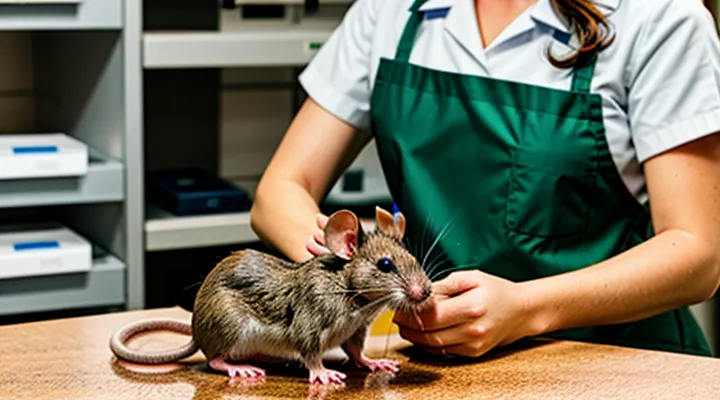
The Essential Role of Laboratory Animal Veterinarians
Specialized Training and Expertise
Veterinary Education and Beyond
Veterinary professionals who work with laboratory rats and mice must complete a curriculum that integrates standard veterinary science with the specific demands of research environments. Programs combine foundational subjects—such as small‑animal anatomy, physiology, and clinical pathology—with modules on laboratory animal medicine, ensuring competence in disease detection, welfare assessment, and therapeutic intervention for these species.
Key elements of the educational pathway include:
- Detailed study of rodent anatomy and comparative physiology.
- Training in diagnostic techniques tailored to small mammals (e.g., micro‑ultrasound, hematology panels).
- Instruction in pharmacokinetics and dose calculation for experimental drugs.
- Coursework on aseptic technique, colony health monitoring, and biosecurity protocols.
- Exposure to ethical frameworks and regulatory standards governing animal research.
Advanced training extends beyond classroom instruction. Practicum rotations place trainees in research facilities where they manage animal health programs, oversee humane endpoints, and collaborate with investigators on experimental design. Certification in laboratory animal medicine, coupled with experience in compliance audits, equips graduates to address the intersection of animal welfare and scientific rigor.
Career trajectories encompass positions in pharmaceutical development, governmental oversight agencies, and private consultancy. In each setting, specialists apply their expertise to ensure reliable data generation, maintain regulatory compliance, and promote responsible use of rodent models throughout the research lifecycle.
Unique Challenges of Rodent Healthcare
Veterinary professionals who focus on laboratory rats and mice confront a set of physiological and environmental issues that differ markedly from those encountered with larger species. Small size limits the volume of blood that can be safely drawn, restricting diagnostic options and demanding micro‑techniques for sampling and analysis. Anatomical brevity also reduces margins for surgical intervention, requiring specialized equipment and refined aseptic protocols.
Effective disease management hinges on early detection of conditions that progress rapidly in rodents. Common challenges include:
- Subclinical infections that manifest only as subtle changes in behavior or weight.
- Metabolic disorders such as obesity or hypoglycemia, often linked to high‑calorie laboratory diets.
- Respiratory ailments exacerbated by dense housing and poor ventilation.
- Stress‑induced immunosuppression, which can alter experimental outcomes.
Pain assessment presents another obstacle; conventional pain scales are unsuitable for rodents, necessitating behavioral scoring systems validated for these species. Analgesic regimens must balance efficacy with minimal interference in research variables, and dosage calculations must account for high metabolic rates.
Preventive care relies on strict biosecurity measures, regular health monitoring, and environmental enrichment tailored to the species’ natural instincts. Implementing these practices reduces morbidity, improves welfare, and enhances the reliability of experimental data.
Ethical Considerations in Research
Veterinarians who specialize in laboratory rats and mice must align experimental practices with established ethical frameworks. Their responsibilities include ensuring that animal welfare standards are met throughout the research lifecycle, from acquisition to post‑study disposition.
Key ethical considerations are:
- Justification of use: Each study must provide a clear scientific rationale demonstrating that the inclusion of rodents is essential and that alternatives have been evaluated.
- Minimization of distress: Procedures should be designed to reduce pain, suffering, and anxiety, employing analgesia, anesthesia, and refined handling techniques whenever possible.
- Housing and enrichment: Environments must meet species‑specific needs, offering appropriate space, nesting material, and social interaction to promote natural behaviors.
- Humane endpoints: Criteria for early termination of experiments should be defined in advance, based on observable signs of severe distress or compromised health.
- Compliance monitoring: Ongoing oversight by institutional animal care committees ensures adherence to regulations and ethical guidelines, with regular audits and documentation.
Veterinary oversight also extends to training personnel, verifying that all staff understand and implement welfare‑centred protocols. By integrating these principles, specialists safeguard animal integrity while supporting credible, reproducible scientific outcomes.
Core Responsibilities of a Rat and Mouse Veterinarian
Animal Welfare and Husbandry
Environmental Enrichment Strategies
Veterinary specialists who focus on laboratory rats and mice are responsible for implementing environmental enrichment that promotes natural behaviors, reduces stress, and improves experimental reliability. Effective enrichment combines structural complexity, sensory stimulation, and opportunities for species‑typical activity.
Key enrichment components include:
- Structural elements: multi‑level cages, tunnels, and nesting material that allow climbing, burrowing, and shelter building.
- Foraging devices: puzzle feeders or hidden food items that encourage exploration and problem‑solving.
- Social opportunities: group housing compatible with strain and sex considerations, providing tactile and olfactory interaction.
- Sensory stimuli: non‑toxic scent cues, varied lighting cycles, and auditory enrichment such as soft background sounds.
- Exercise accessories: running wheels with appropriate diameter, balance beams, and chew sticks that support locomotor activity and dental health.
Implementation requires regular assessment of animal use, cage dimensions, and compatibility with biosafety protocols. Veterinarians must coordinate with technicians to ensure that enrichment items do not interfere with data collection, maintain sterility, and are compatible with cage cleaning schedules. Documentation of enrichment usage and observed behavioral changes supports reproducibility and ethical compliance across research projects.
Nutritional Requirements and Monitoring
Laboratory rats and mice require precise nutrient profiles to support growth, reproduction, and experimental reliability. Energy provision typically ranges from 3.3 to 3.9 kcal g⁻¹, with protein content between 14 % and 20 % of the diet, depending on strain, age, and physiological status. Essential amino acids, particularly lysine, methionine, and threonine, must meet defined ratios to prevent deficiency‑related metabolic disturbances. Fat sources supply 4 %–7 % of total calories, emphasizing omega‑3 and omega‑6 polyunsaturated fatty acids for membrane integrity. Vitamins and minerals are supplied at levels established by the National Research Council, with calcium–phosphorus ratios maintained near 1.2 : 1 to avoid skeletal anomalies. Fiber inclusion (5 %–7 % of diet) promotes gastrointestinal motility and microbiota stability.
Monitoring protocols involve daily observation of feed intake, weekly body weight measurement, and periodic assessment of body condition scores. Automated feeding stations record individual consumption patterns, enabling detection of hypo‑ or hyperphagia. Blood sampling at defined intervals evaluates serum glucose, albumin, electrolyte balance, and vitamin status, providing quantitative markers of nutritional adequacy. Fecal analysis detects undigested nutrients and identifies shifts in microbial populations indicative of dietary imbalance.
Veterinary specialists oversee diet formulation, ensure compliance with institutional animal care guidelines, and adjust regimens in response to experimental demands or health changes. They interpret monitoring data, prescribe supplemental formulations when deficiencies arise, and coordinate with animal technicians to maintain consistent provision of nutritionally balanced feed throughout the study lifecycle.
Preventive Medicine Programs
Preventive medicine programs for laboratory rats and mice are systematic approaches designed to maintain colony health, minimize disease outbreaks, and support reproducible research outcomes. Veterinary specialists with expertise in rodent biology develop and oversee these programs, integrating scientific evidence with institutional policies.
Key components typically include:
- Routine health surveillance through serology, microbiology, and clinical observation.
- Targeted vaccination schedules for pathogens with known impact on experimental variables.
- Parasite control measures employing prophylactic treatments and environmental sanitation.
- Environmental management that regulates temperature, humidity, ventilation, and cage enrichment.
- Nutritional protocols ensuring balanced diets and preventing deficiencies.
- Comprehensive record‑keeping that tracks individual health status, interventions, and outcomes.
Implementation relies on scheduled examinations, risk‑based assessment of pathogen exposure, and adherence to regulatory standards such as GLP and institutional animal care guidelines. Veterinarians coordinate with facility staff to align housing conditions, husbandry practices, and experimental timelines with preventive objectives.
Outcomes of well‑executed programs include lower morbidity and mortality rates, enhanced data integrity due to reduced biological variability, improved animal welfare, and decreased costs associated with treatment of preventable conditions.
Health Monitoring and Disease Management
Diagnostic Procedures and Pathology
Specialized veterinary care for laboratory rats and mice demands precise diagnostic protocols to ensure experimental integrity and animal health. Practitioners employ a systematic approach that begins with a thorough physical examination, followed by targeted laboratory and imaging studies.
- Physical inspection for coat condition, posture, and behavior anomalies
- Radiography and micro‑computed tomography for skeletal and thoracic assessment
- Ultrasonography for abdominal organ evaluation
- Hematology and serum chemistry panels to detect systemic disturbances
- Microbiological cultures and polymerase chain reaction assays for infectious agents
- Necropsy with systematic organ sampling for histopathological analysis
Pathological evaluation focuses on lesions frequently encountered in rodent models, including hepatic necrosis, pulmonary alveolar damage, renal tubular degeneration, and neoplastic growths. Histopathology provides cellular detail, while immunohistochemistry and in situ hybridization identify specific protein expression and viral presence. Correlation of microscopic findings with clinical signs and experimental variables refines disease interpretation.
Integration of diagnostic data into study design supports reproducibility, reduces confounding variables, and upholds ethical standards. Accurate identification of spontaneous or treatment‑related pathology informs dose adjustments, endpoint decisions, and humane interventions, thereby safeguarding both scientific outcomes and animal welfare.
Treatment Protocols for Common Ailments
Laboratory rodents demand precise veterinary interventions to maintain experimental integrity and animal welfare. Specialists in rodent medicine develop protocols that address the most frequently encountered health problems.
Common conditions include respiratory infections, skin lesions, gastrointestinal parasites, dental malocclusion, and metabolic disturbances such as obesity or hypoglycemia. Each ailment requires a defined sequence of actions: accurate diagnosis, targeted therapy, dosage calculation based on body weight, and systematic monitoring.
- Respiratory infection – Confirm with culture or PCR; initiate a fluoroquinolone (e.g., enrofloxacin 10 mg/kg subcutaneously once daily) for 5–7 days; assess respiratory rate and temperature twice daily; provide humidified environment.
- Dermatitis – Identify causative agents (e.g., mites, fungal spores); apply a topical antiseptic (chlorhexidine 0.05 % solution) twice daily; for severe cases, administer a systemic antifungal (itraconazole 5 mg/kg orally) for 10 days; inspect skin integrity every 24 hours.
- Gastrointestinal parasites – Perform fecal flotation; treat with a benzimidazole (fenbendazole 50 mg/kg orally for 5 days); re‑examine feces after treatment; maintain cage sanitation to prevent reinfection.
- Dental malocclusion – Conduct a thorough oral examination under anesthesia; trim incisors using a high‑speed rotary burr to achieve a 0.5 mm gap; repeat trimming weekly until normal wear pattern resumes; monitor weight and food intake.
- Metabolic disturbance – Measure blood glucose; for hypoglycemia, administer dextrose 5 % solution 0.5 ml subcutaneously; for obesity, implement a calibrated diet reduction of 10 % calories and increase enrichment activity; record body weight weekly.
Effective protocols integrate antimicrobial stewardship, environmental management, and supportive care such as fluid therapy and nutritional supplementation. Documentation of each step ensures reproducibility and facilitates adjustments based on individual response.
Biosecurity Measures and Infection Control
Laboratory rodent veterinarians are responsible for maintaining health standards that prevent pathogen introduction and spread among research colonies. Their expertise directs the implementation of biosecurity protocols that safeguard both animal welfare and experimental integrity.
Key components of a comprehensive biosecurity program include:
- Physical barriers such as dedicated animal rooms, filtered ventilation, and controlled access points.
- Rigorous quarantine procedures for newly acquired rodents, involving health screening, isolation, and observation periods before integration.
- Personal protective equipment (PPE) requirements for all personnel, with mandatory changing stations, hand hygiene stations, and shoe covers.
- Regular environmental monitoring using sentinel animals, microbiological swabs, and molecular assays to detect latent infections.
- Strict waste management, encompassing autoclaving of bedding, carcasses, and contaminated materials before disposal.
- Documentation of all movements, health records, and incidents in a centralized database to enable traceability and rapid response.
Infection control measures extend to daily husbandry practices. Cage changes must follow aseptic techniques; bedding is replaced with sterilized material, and feed is stored in sealed containers. Water systems are equipped with filtration and disinfectant dosing to eliminate waterborne pathogens.
Training programs ensure that laboratory staff understand proper handling, decontamination procedures, and emergency protocols. Periodic audits assess compliance, identify gaps, and drive continuous improvement.
By integrating these strategies, veterinary specialists protect research outcomes, reduce animal morbidity, and uphold regulatory standards governing laboratory animal use.
Support for Research Protocols
Experimental Design Consultation
Veterinary experts who specialize in laboratory rodents provide consultation on experimental design to ensure that studies meet scientific, ethical, and regulatory standards. Their input addresses species‑specific physiology, disease susceptibility, and humane endpoints, thereby reducing confounding variables and improving data reliability.
Key elements of the consultation include:
- Selection of appropriate strains and ages to match research objectives.
- Determination of sample size based on power analysis and expected effect size.
- Definition of control groups, randomization procedures, and blinding methods.
- Identification of potential health issues that could interfere with outcomes, such as subclinical infections or metabolic disorders.
- Recommendations for housing, enrichment, and husbandry practices that minimize stress‑induced variability.
- Guidance on compliance with institutional animal care and use committee (IACUC) requirements and national regulations.
- Development of monitoring protocols for early detection of adverse events and humane euthanasia criteria.
By integrating these considerations at the planning stage, specialists help researchers avoid protocol revisions, reduce animal use, and generate reproducible results. The consultation process typically involves a written design proposal, a review meeting with the principal investigator, and a final report outlining actionable recommendations and required documentation for ethical review.
Surgical and Anesthetic Support
Surgical procedures on laboratory rodents demand precise preparation, sterile technique, and specialized instrumentation. Pre‑operative evaluation includes weight measurement, health status check, and identification of underlying conditions that may affect wound healing. Microsurgical instruments such as fine forceps, micro‑scissors, and stereomicroscopes enable manipulation of tissues as small as 0.2 mm. Suturing employs absorbable monofilament or cyanoacrylate adhesives to minimize tissue reaction. Post‑operative protocols specify analgesic regimens, environmental enrichment, and daily inspection for infection or dehiscence.
Anesthetic management for rats and mice relies on rapid‑acting agents that provide consistent depth without compromising physiological stability. Commonly used inhalants (isoflurane, sevoflurane) are delivered via calibrated vaporizers with flow rates adjusted to body weight. Injectable protocols incorporate combinations of ketamine, medetomidine, and buprenorphine, with doses calculated to the nearest milligram per kilogram. Continuous monitoring of respiratory rate, heart rhythm, and body temperature is achieved through pulse oximetry and rectal probes. Recovery rooms maintain ambient temperature at 30 °C to prevent hypothermia, and observation continues until normal locomotion resumes.
Key elements of surgical and anesthetic support:
- Accurate dosing based on real‑time weight measurements
- Strict aseptic environment throughout the procedure
- Use of miniature, low‑profile equipment designed for rodent anatomy
- Multimodal analgesia covering pre‑emptive, intra‑operative, and post‑operative phases
- Immediate documentation of vital signs and any adverse events
Adherence to these practices ensures reproducible experimental outcomes while safeguarding animal welfare.
Post-Procedure Care and Monitoring
Effective post‑procedure management for laboratory rats and mice requires immediate stabilization, systematic monitoring, and targeted therapeutic interventions. After anesthesia recovery, place the animal in a warm, low‑stress environment and observe respiratory rate, heart rhythm, and body temperature at five‑minute intervals for the first half hour, then hourly until normal patterns resume. Provide analgesics according to the specific surgical protocol, ensuring dosing intervals are documented and adjusted for weight fluctuations.
Key monitoring components include:
- Incision integrity: inspect for swelling, discharge, or dehiscence every 4 hours.
- Hydration status: evaluate skin turgor and mucous membrane moisture; administer subcutaneous fluids if urine output declines.
- Nutritional intake: record food and water consumption; supplement with high‑calorie gels when oral intake is reduced.
- Behavioral cues: note activity level, grooming behavior, and response to handling; deviations may indicate pain or infection.
Record all observations in a standardized log, linking each data point to the corresponding animal identifier. Use this record to trigger predefined intervention thresholds, such as initiating antibiotics when temperature exceeds 39.5 °C or when erythema spreads beyond 2 mm from the incision margin.
Long‑term follow‑up extends to the post‑operative day 3–7, during which daily weight measurements, complete blood counts, and serum chemistry panels assess systemic recovery. Adjust treatment regimens based on these results, and discontinue analgesics only after confirming the animal exhibits normal locomotion and normal grooming without signs of distress.
Adherence to these protocols minimizes morbidity, ensures reproducible experimental outcomes, and upholds ethical standards for rodent health management in research facilities.
Impact on Scientific Advancement and Public Health
Ensuring Reproducibility and Validity of Research
Veterinary care of laboratory rodents directly influences the reproducibility and validity of experimental outcomes. Precise health monitoring protocols detect subclinical infections that could alter physiological responses, thereby preventing hidden variables from contaminating data sets. Standardized vaccination and prophylactic regimens ensure uniform immune status across study cohorts, reducing inter‑animal variability.
Consistent husbandry conditions—temperature, humidity, light cycle, and cage enrichment—maintain stable baseline physiology. Documentation of these parameters in laboratory records permits accurate replication of environmental factors in subsequent experiments. Nutritional regimens formulated to meet species‑specific requirements eliminate diet‑induced metabolic fluctuations that might confound results.
Genetic integrity is preserved through routine pedigree verification and regular screening for spontaneous mutations. Maintaining defined genetic backgrounds eliminates strain‑related differences that could otherwise obscure treatment effects. When genetic drift is detected, corrective breeding strategies restore the intended genotype distribution.
Data integrity relies on rigorous record‑keeping and traceability. Each animal receives a unique identifier linked to health status, housing conditions, and experimental interventions. Electronic laboratory notebooks that timestamp entries and capture audit trails support transparent reporting and facilitate independent verification.
Key practices for ensuring reproducibility and validity:
- Implement comprehensive health surveillance programs with weekly microbial cultures and serology.
- Enforce uniform environmental standards and log deviations in real time.
- Conduct periodic genetic audits using PCR or sequencing to confirm strain fidelity.
- Apply standardized feeding schedules and monitor consumption to detect anomalies.
- Maintain detailed animal‑level records, including source, age, sex, and procedural history.
- Train personnel in aseptic techniques, humane handling, and accurate data entry.
By integrating these measures, veterinary specialists safeguard experimental consistency, enable reliable cross‑study comparisons, and uphold the scientific credibility of rodent‑based research.
Contributions to Animal Model Development
Veterinary specialists focusing on laboratory rats and mice ensure the health status of colonies used for experimental purposes. They conduct routine health surveillance, identify subclinical infections, and implement biosecurity measures that prevent confounding variables in research outcomes.
Their expertise in genetics enables precise breeding strategies. By selecting specific strains, introducing targeted mutations, and maintaining genetic integrity, they create reproducible models for studying human diseases such as neurodegeneration, metabolic disorders, and oncology.
Key contributions to model development include:
- Standardized husbandry protocols that minimize stress‑induced physiological changes.
- Validation of phenotypic endpoints through clinical examinations and diagnostic imaging.
- Coordination with researchers to align animal selection with experimental hypotheses.
- Documentation of veterinary interventions to support reproducibility and regulatory compliance.
Through these activities, veterinary professionals directly influence the reliability, translational relevance, and ethical standards of rodent‑based research.
Upholding Standards of Research Integrity
Veterinary specialists for laboratory rodents provide the oversight that directly sustains research integrity. Their daily actions link animal health to the reliability of experimental outcomes, ensuring that data reflect biological reality rather than hidden variables.
- Conduct systematic health examinations that detect subclinical conditions before they influence study results.
- Implement pathogen exclusion programs that maintain colonies free of agents known to alter physiology.
- Enforce compliance with institutional animal care and use policies, verifying that experimental protocols meet ethical and regulatory criteria.
- Preserve detailed, timestamped records of health status, interventions, and environmental conditions for every cage.
- Provide mandatory training for laboratory personnel, emphasizing correct handling, dosing, and observation techniques.
Consistent veterinary monitoring reduces physiological variability, which in turn lowers statistical noise and enhances reproducibility across laboratories. Accurate health documentation enables peer reviewers and auditors to trace the provenance of data, facilitating transparent verification of findings.
Routine audits of veterinary practices, swift reporting of deviations, and predefined corrective actions complete the integrity framework. By embedding these controls within the laboratory workflow, rodent veterinary specialists safeguard the credibility of scientific conclusions.