
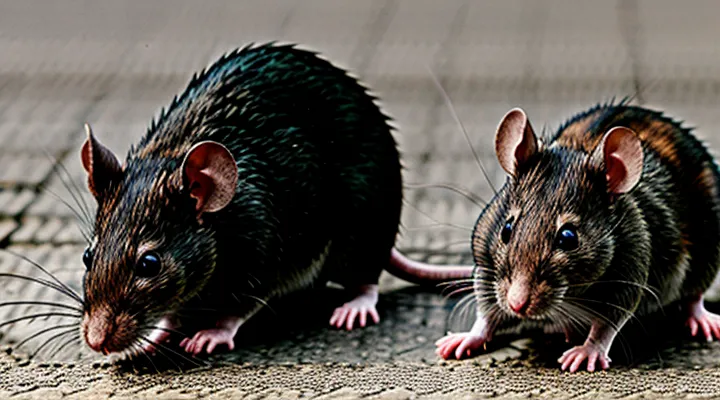
Understanding Rodenticides
What are Rodenticides?
How Rodenticides Work
Rodenticides function by disrupting essential biological processes in target rodents, leading to rapid incapacitation or death. The most common categories employ distinct mechanisms:
- Anticoagulant agents interfere with vitamin K recycling, preventing clot formation and causing internal hemorrhage. Second‑generation compounds such as brodifacoum possess a prolonged half‑life, ensuring lethal exposure after a single ingestion.
- Neurotoxic formulations, exemplified by bromethalin, block mitochondrial ATP production in neuronal cells. Accumulation of cyclic GMP results in cerebral edema and paralysis, typically within 24 hours.
- Phosphide compounds release phosphine gas upon gastric acid contact. Phosphine inhibits cytochrome c oxidase, halting cellular respiration and producing fatal metabolic acidosis.
- Hypercalcemia inducers, like cholecalciferol, elevate serum calcium to toxic levels. Excess calcium precipitates renal failure and cardiac arrhythmias, culminating in death after several days.
Absorption occurs primarily through the gastrointestinal tract; bioavailability varies with formulation type and feeding behavior. Once systemic, the active ingredient distributes to target organs, where it initiates the specific biochemical disruption described above. Metabolic pathways differ among classes, influencing persistence in the environment and the risk of secondary poisoning. Effective use requires precise dosing, proper bait placement, and adherence to safety protocols to protect non‑target species and humans.
Why Use Rodenticides?
Benefits of Rodent Control
Effective rodent management yields measurable advantages for residential, commercial, and agricultural environments. Reducing rodent populations limits the transmission of diseases such as hantavirus, leptospirosis, and salmonellosis, thereby protecting human health and livestock welfare.
Controlling rats and mice safeguards structural integrity. Rodent gnawing damages electrical wiring, insulation, and building materials, increasing fire risk and repair costs. Early intervention prevents costly remediation.
Economic benefits arise from decreased loss of stored food, grain, and raw materials. By eliminating consumption and contamination, businesses maintain inventory value and meet quality‑assurance standards.
Key outcomes of a comprehensive control program include:
- Lowered incidence of pest‑borne illnesses
- Preservation of property and infrastructure
- Reduction in product spoilage and financial waste
- Enhanced compliance with health and safety regulations
Implementing targeted baiting, habitat modification, and regular monitoring establishes a stable environment, minimizes pest resurgence, and supports long‑term operational efficiency.
Risks of Rodent Infestations
Rodent infestations create immediate health hazards that necessitate careful evaluation of control methods. Presence of rats or mice introduces pathogens, compromises structural integrity, and contaminates stored goods, thereby increasing the likelihood of disease outbreaks and economic loss.
- Transmission of bacterial, viral, and parasitic infections such as leptospirosis, hantavirus, and salmonellosis.
- Damage to building materials, insulation, and wiring caused by gnawing behavior.
- Contamination of food supplies and preparation surfaces with urine, feces, and hair.
- Induction of allergic reactions and asthma exacerbations through exposure to rodent allergens.
- Rapid population expansion that overwhelms conventional control measures.
- Risk of secondary poisoning affecting non‑target wildlife and domestic animals when toxic baits are misapplied.
Accurate risk identification guides the selection of appropriate rodenticides, dosage, and placement, ensuring that safety protocols protect humans, pets, and ecosystems. Integration of sanitation, exclusion techniques, and monitoring reduces reliance on chemical agents and mitigates unintended consequences.
Effective management demands systematic assessment of infestation severity, environmental conditions, and potential exposure pathways before implementing toxic control solutions. This approach balances pest eradication objectives with the imperative to preserve health and safety.
Types of Rat and Mouse Poison
Anticoagulant Rodenticides
First-Generation Anticoagulants
«First-Generation Anticoagulants» represent the earliest class of rodent control agents that disrupt blood clotting. These compounds act as vitamin K antagonists, inhibiting the enzymatic regeneration of active clotting factors. The resulting coagulopathy leads to internal hemorrhage and death after several days of exposure.
Common agents in this group include:
- Warfarin
- Chlorophacinone
- Diphacinone
- Coumachlor (sodium coumachlor)
Each substance shares a similar chemical backbone that interferes with the hepatic synthesis of clotting factors II, VII, IX, and X. The delayed lethal effect reduces the likelihood of bait aversion, as rodents consume the poison without immediate symptoms.
Safety considerations focus on accidental exposure to non‑target species and humans. Toxicity thresholds are lower than those of second‑generation anticoagulants, allowing for reduced secondary poisoning risk. Protective measures include:
- Using bait stations that restrict access to authorized animals.
- Employing personal protective equipment (gloves, eye protection) during handling.
- Ensuring proper labeling and secure storage away from food sources.
Environmental persistence is limited; degradation occurs through microbial action and photolysis, resulting in a shorter half‑life in soil and water. Regulatory guidelines often mandate a minimum withdrawal period before the use of contaminated feed or water sources is permitted.
Second-Generation Anticoagulants
Second‑generation anticoagulant rodenticides are synthetic compounds designed to cause fatal hemorrhage in rodents after a single ingestion. Their potency exceeds that of earlier products, allowing control of larger infestations with minimal bait consumption.
Common agents include:
- «brodifacoum»
- «bromadiolone»
- «difethialone»
- «difenacoum»
All act by inhibiting vitamin K epoxide reductase, disrupting synthesis of clotting factors II, VII, IX and X. The resulting coagulopathy appears after a latency period of two to five days, during which the poisoned animal may continue to feed, increasing bait effectiveness.
Safety considerations demand strict adherence to label instructions. Protective gloves and eye protection are required during handling. Bait stations should be placed out of reach of children, pets and wildlife. Secondary poisoning risk is mitigated by using tamper‑resistant containers and limiting application to indoor or enclosed environments. Residue persistence in tissues can extend for weeks; therefore, disposal of carcasses follows local hazardous waste regulations.
Resistance to second‑generation compounds has emerged in some rodent populations. Management strategies recommend rotating with first‑generation anticoagulants or integrating non‑chemical control methods to preserve efficacy. Monitoring of bait uptake and mortality rates informs timely adjustments to the control program.
Non-Anticoagulant Rodenticides
Cholecalciferol (Vitamin D3)
Cholecalciferol, known as vitamin D₃, functions as a single‑dose anticoagulant rodenticide. After ingestion, the compound is metabolized to calcitriol, which induces hypercalcemia, cardiac arrhythmia, and eventual death within 24–72 hours. Formulations for rats and mice typically contain 0.5 % to 5 % cholecalciferol, presented as blocks, pellets or liquid baits that attract nocturnal and diurnal rodents.
The toxic dose for a 200‑gram mouse ranges from 0.1 mg to 0.2 mg of active ingredient; for a 300‑gram rat, the lethal dose lies between 0.3 mg and 0.5 mg. Sub‑lethal exposure can cause vomiting, polyuria, and renal failure. Non‑target species, particularly birds of prey and domestic pets, exhibit similar sensitivity, necessitating strict placement of baits in tamper‑resistant stations.
Safety measures include:
- Placement of baits at least 2 meters from food‑storage areas and 1 meter from water sources.
- Use of bait stations that prevent access by children, livestock, and wildlife.
- Regular inspection of stations to remove uneaten bait and replace with fresh product.
- Personal protective equipment (gloves, eye protection) during handling and disposal.
Regulatory agencies classify cholecalciferol as a restricted-use pesticide. Users must maintain records of application dates, locations, and quantities, and comply with label‑specified re‑entry intervals. Environmental persistence is low; degradation occurs through photolysis and microbial activity, reducing long‑term residue risk in soil.
Bromethalin
Bromethalin is a synthetic, second‑generation rodenticide that interferes with cellular energy production. The compound blocks the mitochondrial oxidative phosphorylation pathway, causing a depletion of adenosine triphosphate (ATP) and resulting in rapid loss of neural function in rats and mice. Toxic effects appear within 24–48 hours after ingestion and lead to paralysis, convulsions, and death.
Key characteristics of bromethalin include:
- High potency at low concentrations, typically 0.005 % to 0.03 % in bait formulations.
- Low secondary‑poisoning risk for non‑target mammals because the toxin is poorly absorbed through the gastrointestinal tract of larger species.
- Stability in various environmental conditions, allowing effective use in indoor and outdoor settings.
- Compatibility with grain‑based and wax‑based baits, facilitating deployment in diverse control programs.
Safety measures for handling bromethalin require strict adherence to personal protective equipment (PPE) protocols. Gloves, goggles, and disposable coveralls prevent dermal and ocular exposure. Bait stations must be sealed to restrict access by children, pets, and wildlife. In the event of accidental ingestion, immediate medical evaluation is essential; treatment focuses on supportive care, as no specific antidote exists.
Environmental considerations emphasize proper disposal of unused bait and contaminated materials. Bromethalin residues persist in soil for several months, but degradation rates increase with microbial activity and exposure to sunlight. Containment of bait containers reduces the likelihood of runoff into water sources, mitigating potential ecological impact.
Regulatory guidelines classify bromethalin as a restricted‑use pesticide in many jurisdictions. Compliance with labeling instructions, registration requirements, and local legislation ensures responsible application while maintaining efficacy in rodent management programs.
Zinc Phosphide
Zinc phosphide is a widely used inorganic rodenticide employed in pest management for rats and mice. The compound releases phosphine gas when it contacts gastric acid, causing rapid physiological disruption in target species.
The toxic action proceeds as follows:
- Ingestion of bait containing zinc phosphide.
- Reaction with stomach hydrochloric acid produces phosphine (PH₃).
- Phosphine interferes with cellular respiration, leading to systemic failure.
Available formulations include:
- Granular bait mixed with attractants.
- Pelleted blocks designed for burrow placement.
- Liquid emulsions for broadcast application.
Safety protocols demand strict adherence to the following measures:
- Wear chemical‑resistant gloves, goggles, and protective clothing during handling.
- Store in a locked, well‑ventilated area, away from heat sources and open flames.
- Keep bait inaccessible to non‑target wildlife, domestic animals, and children.
- Employ calibrated dispersal equipment to avoid over‑application.
- Dispose of unused product and contaminated containers according to hazardous waste regulations.
Regulatory agencies classify zinc phosphide as a restricted‑use pesticide in many jurisdictions. Licensure, record‑keeping, and periodic training are mandatory for authorized applicators. Environmental monitoring after treatment ensures that phosphine concentrations return to safe levels for surrounding ecosystems.
Strychnine (Historical Context)
Strychnine, a crystalline alkaloid derived from the seeds of Strychnos nux‑vomica, entered the toxicology record in the early nineteenth century. French chemist Pierre‑Joseph Pelletier and German pharmacist Narcisse Théophile Bocquillon isolated the compound in 1818, describing its bitter taste and lethal potency. By the 1850s, manufacturers marketed strychnine as a rodenticide, emphasizing rapid onset of convulsions and a high mortality rate in rats and mice.
Industrial production expanded during the late nineteenth and early twentieth centuries, driven by demand for a reliable pest control agent in agricultural settings. Regulations emerged as accidental poisonings of humans and domestic animals increased. The United Kingdom introduced the Poison Act of 1894, requiring licensed sale and labeling of strychnine products. Similar legislation appeared in the United States with the Poison Prevention Act of 1908, restricting over‑the‑counter availability.
Medical literature of the era documented strychnine’s effects on the nervous system, noting that antagonism of inhibitory neurotransmission produced characteristic muscular rigidity. These observations informed forensic investigations, establishing strychnine as a reference toxin in criminal cases. The compound’s notoriety contributed to its eventual replacement by safer anticoagulant rodenticides in many jurisdictions, though it remains authorized for limited use under strict control.
Key historical milestones:
- 1818 – Isolation and initial chemical description.
- 1850s – Commercial introduction as a rodent poison.
- 1894 – First major legislative restriction (UK).
- 1908 – US federal regulation of sale and distribution.
- Mid‑20th century – Shift toward alternative rodenticides due to safety concerns.
Safety Considerations for Rodenticide Use
Protecting Children and Pets
Secure Placement Strategies
Effective rodent poison deployment depends on precise placement that maximizes target exposure while minimizing risk to non‑target species. Secure positioning reduces accidental ingestion, limits environmental contamination, and enhances bait longevity.
Key principles for safe placement include:
- Locate stations along established rodent pathways, near walls, behind appliances, or in concealed corners.
- Position bait at ground level or within 2 inches of the floor to match natural foraging behavior.
- Install tamper‑resistant containers that lock when closed, preventing access by children, pets, or wildlife.
- Shield stations from moisture, direct sunlight, and extreme temperatures to preserve active ingredients.
- Maintain a minimum clearance of 10 ft from food preparation surfaces, water sources, and high‑traffic human areas.
Implementation steps:
- Survey the premises to identify travel routes, nesting sites, and entry points.
- Choose bait stations with certified safety features, such as lock‑out mechanisms and sealed lids.
- Mount or place stations securely, using screws or adhesive pads where wall attachment is required.
- Verify that each station is labeled with hazard warnings and usage instructions in a visible location.
- Conduct routine inspections weekly, replacing depleted bait and checking integrity of the enclosure.
Adhering to these strategies ensures that rodent control agents remain effective while protecting occupants and the surrounding environment.
Child-Resistant Packaging
Child‑resistant packaging (CRP) is a regulatory requirement for rodent‑control products that contain hazardous chemicals. The packaging design incorporates mechanisms that prevent children under five years of age from easily opening the container while allowing adults to access the product with reasonable effort. Compliance with standards such as ASTM F2516‑20 and ISO 11608‑1 ensures that the closure system meets defined performance criteria.
Key characteristics of effective CRP include:
- Dual‑action opening: a combination of push‑down and twist or slide motions that a child cannot perform unintentionally.
- Secure sealing: tamper‑evident features that indicate any prior opening or compromise of the container.
- Material durability: high‑density plastics or metal that resist breakage, cracking, or deformation under normal handling.
- Clear labeling: prominent safety warnings, dosage instructions, and storage guidelines printed on the exterior.
Manufacturers must conduct usability testing with representative adult and child populations to validate the packaging’s resistance. Test protocols typically involve a minimum of 50 successful adult openings and no more than five successful child openings out of 100 attempts. Documentation of test results forms part of the product’s safety dossier submitted to regulatory agencies.
Proper storage practices complement CRP effectiveness. Products should be kept in locked cabinets or high shelves, away from food preparation areas. Regular inventory checks help identify damaged or compromised packaging, prompting immediate removal from circulation.
Adopting robust child‑resistant packaging reduces accidental ingestion incidents, aligns with public‑health objectives, and supports compliance with national and international safety regulations.
Pet-Proof Bait Stations
Pet‑proof bait stations provide a sealed environment that isolates toxic rodent baits from non‑target animals while maintaining accessibility for rodents. The enclosure typically features a lockable lid, a tamper‑resistant latch, and a narrow entry aperture sized to allow mouse or rat passage but exclude larger pets such as cats and dogs. Materials are often UV‑stabilized plastic or metal to withstand outdoor conditions and prevent degradation of the bait.
Key design elements include:
- Locking mechanism compliant with regional safety standards.
- Entry holes calibrated to a maximum diameter of 2 cm.
- Internal bait compartment that secures pellets or blocks against spillage.
- Weather‑proof sealing to deter moisture and debris.
Safety practices require regular inspection of the station’s integrity, replacement of damaged units, and verification that the bait remains sealed. Placement should avoid areas where pets feed or rest, and stations must be positioned at least 1 m from pet shelters. Documentation of bait type, concentration, and expiration date supports traceability and compliance with hazardous material regulations.
When integrated into a comprehensive rodent‑control program, pet‑proof stations enable the use of high‑efficacy anticoagulant or non‑anticoagulant poisons without increasing risk to household animals. Selecting a bait compatible with the station’s interior material prevents chemical reactions that could compromise effectiveness. Continuous monitoring of rodent activity and station condition ensures optimal performance and minimizes unintended exposure.
Environmental Impact
Secondary Poisoning Risks
Secondary poisoning occurs when non‑target organisms ingest or absorb toxic residues left by rodent control products. Predators such as hawks, owls, foxes, and domestic pets may consume poisoned rodents or encounter contaminated carcasses, leading to delayed toxicity that can be fatal or cause chronic health effects. The risk intensifies in environments where bait stations are placed near water sources, feeding areas for wildlife, or where dead rodents are not promptly removed.
Key pathways for unintended exposure include:
- Direct consumption of a poisoned rodent by a predator or scavenger.
- Contact with contaminated surfaces, including soil or vegetation where bait has been scattered.
- Secondary ingestion through the food chain, where a small mammal that has consumed bait is eaten by a larger carnivore.
Mitigation measures focus on reducing access for non‑target species, using bait stations equipped with selective entry mechanisms, and selecting anticoagulant formulations with lower secondary toxicity profiles. Prompt disposal of dead rodents and regular inspection of bait locations further limit the propagation of toxic residues in the ecosystem.
Wildlife Protection Measures
Rodent control products designed to eliminate rats and mice pose significant hazards to non‑target wildlife, including birds of prey, small mammals, and aquatic species. Toxicants can be ingested directly, transferred through prey, or enter water bodies via runoff, leading to secondary poisoning and population declines.
Effective wildlife protection strategies include:
- Deployment of sealed bait stations that restrict access to target species and prevent accidental consumption by other animals.
- Adoption of integrated pest management (IPM) practices that combine habitat modification, sanitation, and mechanical control to reduce reliance on chemical agents.
- Selection of anticoagulant formulations with low secondary toxicity, paired with precise dosing to minimize excess availability.
- Implementation of buffer zones around watercourses and nesting areas, ensuring that bait placement does not intersect sensitive habitats.
- Enforcement of regulatory standards that mandate labeling, usage instructions, and reporting of adverse wildlife incidents.
- Provision of training programs for pest‑control professionals and landowners, emphasizing identification of non‑target species and safe handling procedures.
Monitoring programs that track wildlife mortality, residue levels, and ecosystem health provide feedback for adjusting control methods and confirming compliance with protection objectives. Continuous evaluation ensures that rodent management remains effective while safeguarding biodiversity.
Proper Storage and Disposal
Storage Guidelines
Proper storage of rodent control agents prevents accidental ingestion, preserves chemical potency, and complies with regulatory requirements. Containers must remain sealed, labeled, and placed in locations inaccessible to non‑target species.
- Keep products in original, tamper‑resistant containers; transfer to secondary containers only when required for specific applications.
- Store in a cool, dry environment; temperature should not exceed 25 °C and humidity should remain below 60 %.
- Position containers on locked shelves or in cabinets equipped with child‑proof latches.
- Separate poison supplies from food, feed, and cleaning agents; maintain a minimum distance of 3 meters from any consumable storage area.
- Record inventory dates on each container; rotate stock according to a first‑in‑first‑out system to avoid expired material.
- Use secondary containment such as sealed trays or bins when large quantities are stored, ensuring that any spills are confined.
- Conduct regular inspections for damaged packaging, leakage, or deterioration; dispose of compromised units according to hazardous‑waste protocols.
Documentation of storage conditions, access controls, and inspection results must be retained for the duration of product use and for at least 12 months after disposal. Compliance with these practices reduces risk to humans, pets, and wildlife while maintaining the effectiveness of rodent control measures.
Disposal Regulations
Regulatory oversight of rodenticide waste requires compliance with federal, state, and local statutes. Failure to observe these obligations can result in environmental contamination, legal penalties, and increased health risks for workers and the public.
The United States Environmental Protection Agency governs disposal through the Resource Conservation and Recovery Act, classifying expired or unused poison as hazardous waste. The Federal Insecticide, Fungicide, and Rodenticide Act mandates proper labeling and reporting of pesticide residues. Occupational Safety and Health Administration enforces workplace handling standards, including personal protective equipment and spill response procedures.
State agencies implement additional restrictions, often requiring permits for transport, specifying authorized treatment, storage, and disposal facilities, and imposing stricter timelines for waste removal. Regulations vary by jurisdiction; consult the relevant department of environmental protection for precise mandates.
Effective disposal follows a defined sequence:
- Securely seal all containers in airtight, leak‑proof packaging.
- Affix labels indicating “hazardous rodenticide waste” and include product identification, concentration, and expiration date.
- Store sealed containers in a designated, temperature‑controlled area away from food, feed, and water sources.
- Arrange transport with a licensed hazardous‑waste carrier; ensure manifest documentation accompanies the shipment.
- Deliver waste to an EPA‑approved treatment, storage, or disposal facility (TSDF) that accepts pesticide residues.
Recordkeeping obligations include maintaining a waste‑management log for at least three years. The log must detail product name, quantity, disposal date, carrier information, and receiving facility certification. Electronic submission of quarterly reports may be required by state agencies.
Prohibited practices encompass dumping in municipal landfills, flushing down drains, incineration without appropriate emissions controls, and burial without engineered liners. These actions breach federal hazardous‑waste regulations and pose substantial ecological hazards.
Recognizing and Responding to Poisoning
Symptoms of Rodenticide Poisoning in Humans
Anticoagulant Symptoms
Anticoagulant rodenticides impair the blood‑clotting cascade by inhibiting vitamin K‑dependent factors. Clinical presentation reflects progressive hemorrhage as clotting capacity declines.
Typical manifestations include:
- Spontaneous bruising or ecchymoses, especially on the ventral abdomen and limbs.
- Epistaxis or bleeding from gums and oral mucosa.
- Hematuria and melena indicating internal bleeding.
- Petechial hemorrhages on conjunctivae and skin.
- Weakness, lethargy, and collapse due to blood loss.
Symptoms usually appear 24–72 hours after ingestion, but onset may be delayed up to a week with low‑dose exposure. Severity correlates with dose and the specific anticoagulant class. Immediate veterinary assessment is essential; treatment protocols involve vitamin K₁ administration, plasma transfusion for severe cases, and supportive care to stabilize hemodynamics. Prompt intervention reduces mortality and limits tissue damage.
Non-Anticoagulant Symptoms
Non‑anticoagulant rodenticides act through mechanisms such as neurotoxicity, metabolic disruption, or cellular damage. Exposure produces a distinct set of clinical signs that differ from the hemorrhagic manifestations of anticoagulant compounds.
Typical manifestations include:
- Tremors, muscle rigidity, and seizures resulting from neurotoxic agents such as bromethalin or zinc phosphide.
- Respiratory distress, rapid breathing, and low blood oxygen saturation associated with metabolic poisons that impair cellular respiration.
- Gastrointestinal irritation, vomiting, and profuse diarrhea caused by corrosive substances like phosphoric acid formulations.
- Hyperthermia or hypothermia reflecting dysregulation of thermoregulatory pathways.
- Lethargy, ataxia, and loss of coordination that may precede convulsive activity.
These symptoms often appear within minutes to several hours after ingestion, depending on the specific toxin and dose. Early recognition enables prompt decontamination, supportive care, and, when available, administration of specific antidotes such as vitamin B6 for certain neurotoxins. Continuous monitoring of vital parameters and neurological status remains essential to reduce mortality and prevent secondary complications.
Symptoms of Rodenticide Poisoning in Pets
Recognizing Clinical Signs
Clinical signs of rodent toxicant exposure appear rapidly after ingestion and may progress to fatal outcomes if untreated. Early manifestations often involve the gastrointestinal tract, presenting as sudden loss of appetite, vomiting, and profuse diarrhea. Neurological disturbances follow, including tremors, ataxia, and seizures that may culminate in coma. Cardiovascular effects are evident through irregular heart rhythms, hypotension, and, in severe cases, cardiac arrest. Respiratory compromise may develop as labored breathing, cyanosis, and apnea. Dermatological observations such as pallor, icteric discoloration, and bruising indicate hemorrhagic or hepatic involvement.
Key indicators for veterinary assessment:
- Anorexia and abrupt weight loss
- Persistent vomiting or watery stools
- Muscle twitching, loss of coordination, or convulsions
- Irregular pulse, low blood pressure, or sudden collapse
- Rapid, shallow breathing or cyanotic mucous membranes
- Unusual bruising, petechiae, or jaundice on skin and mucosa
Laboratory evaluation should include complete blood count, serum biochemistry focusing on liver enzymes and coagulation profiles, and toxicological screening for specific anticoagulant or neurotoxic compounds. Prompt identification of these clinical signs enables immediate decontamination, administration of appropriate antidotes, and supportive care, thereby reducing mortality risk in affected rodents.
Emergency Procedures
First Aid for Poisoning
When a rodent toxicant is ingested, rapid intervention reduces morbidity and mortality.
Symptoms indicating poisoning include salivation, vomiting, tremors, seizures, and rapid heart rate. Observation of these signs warrants immediate action.
Critical steps:
- Remove the contaminated food or bait from the environment.
- Prevent further exposure by isolating the affected individual and securing the area.
- Assess airway, breathing, and circulation; initiate rescue breathing or chest compressions if necessary.
- If ingestion occurred within minutes, induce emesis only under professional guidance; otherwise, administer activated charcoal to limit absorption.
- Contact emergency veterinary services or poison control centers without delay; provide details of the toxicant, amount ingested, and time of exposure.
After stabilization, decontaminate surfaces with appropriate cleaning agents to eliminate residual toxin. Store all rodent control products in locked containers, clearly labeled, and out of reach of children and pets. Regularly inspect bait stations for leaks or spills, and replace them according to manufacturer recommendations.
Documentation of the incident, including the type of poison used and the response measures taken, supports future risk assessment and improves safety protocols.
When to Seek Medical or Veterinary Attention
Exposure to rodent control toxins requires prompt evaluation when specific signs appear. Immediate medical or veterinary assessment is warranted in the following situations:
- Ingestion of any amount of poison, regardless of size, especially if the substance was not intended for the individual.
- Presence of vomiting, diarrhea, excessive salivation, or coughing shortly after exposure.
- Evidence of neurological disturbances such as tremors, seizures, disorientation, or loss of coordination.
- Unexplained bleeding, bruising, or hematoma formation, indicating possible anticoagulant effects.
- Persistent abdominal pain, lethargy, or rapid decline in activity level.
- Detection of poison on the skin or in the eyes, accompanied by irritation, redness, or swelling.
- Pregnancy or known chronic health conditions (e.g., liver or kidney disease) in the exposed individual.
When any of these indicators manifest, contact emergency services or a qualified veterinarian without delay. Provide details about the product name, active ingredient, estimated amount ingested, and time elapsed since exposure. Early intervention, including administration of activated charcoal, vitamin K₁, or specific antidotes, can significantly improve outcomes.