
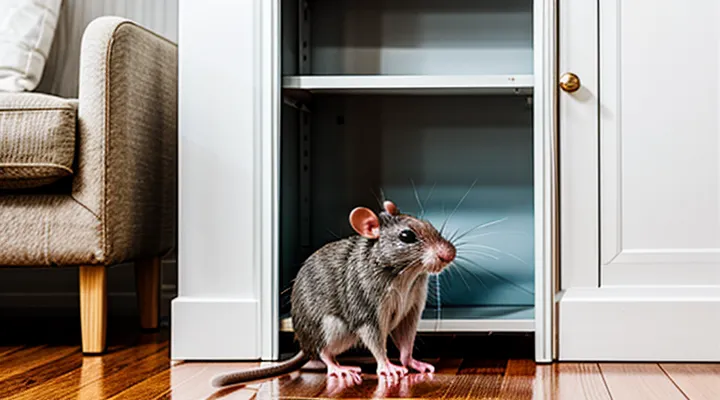
Understanding the Rat Problem
Identifying Signs of Infestation
Droppings and Urine
Droppings and urine are the most reliable indicators of a rat presence in a ground‑level apartment. Their accumulation creates health risks, attracts insects, and leaves a persistent odor that can discourage occupants and visitors.
Health hazards stem from pathogens such as Hantavirus, Leptospira, and Salmonella, which survive in dried feces for months and in urine for weeks. Direct contact or inhalation of aerosolized particles during cleaning can cause respiratory or gastrointestinal illness. Immediate identification and thorough decontamination are essential to protect residents.
Effective removal of these contaminants requires a systematic approach:
- Wear disposable gloves, N‑95 respirator, and protective eyewear before entry.
- Ventilate the area by opening windows and using fans to disperse airborne particles.
- Sweep loose droppings with a damp paper towel; discard the towel in a sealed plastic bag.
- Apply an EPA‑approved disinfectant (e.g., a 1:10 bleach solution) to all affected surfaces; let it stand for at least five minutes.
- Scrub hard surfaces with a stiff brush; rinse with clean water.
- For porous materials (carpet, insulation, upholstery) that cannot be fully cleaned, remove and dispose of them according to local hazardous‑waste guidelines.
- After cleaning, place a fresh layer of rodent‑proof material (e.g., metal mesh) over entry points to prevent re‑contamination.
Regular inspection for fresh droppings or urine stains should follow any eradication effort. Detecting new deposits within 24‑48 hours signals a possible reinfestation and requires immediate reinforcement of exclusion measures. Maintaining a clean, sealed environment eliminates food and water sources, reducing the likelihood of rats returning to a first‑floor residence.
Gnaw Marks
Gnaw marks appear as shallow, crescent‑shaped bites on wood, plastic, wiring insulation, and furniture. Fresh cuts have clean edges; older ones become ragged and may be stained with urine.
These traces confirm active rodent presence and reveal the pathways used to access food and shelter. Multiple marks along a wall indicate a well‑established route, while isolated bites suggest occasional foraging.
To eliminate the problem and prevent recurrence:
- Inspect all rooms for fresh and aged gnaw marks; prioritize areas near walls, cabinets, and baseboards.
- Seal identified entry points with steel wool, copper mesh, or cement; rodents cannot chew through metal.
- Replace severely damaged components (e.g., chewed electrical conduits) to remove hazards and eliminate hiding spots.
- Apply rodent‑resistant materials such as hard‑plastic trim or metal flashing to vulnerable surfaces.
- Clean marked surfaces with a disinfectant to remove scent trails that attract other rodents.
Addressing gnaw marks directly interrupts the rats’ navigation system, making the rapid eradication strategy for a ground‑level apartment more effective and lasting.
Scratching and Scurrying Sounds
Scratching and scurrying noises signal active rodent presence, indicating pathways, nesting sites, and food sources. Detecting these sounds early allows precise placement of traps and baits, reducing the time required for complete eradication in a ground‑level flat.
- Listen during quiet periods (late night, early morning) to locate the loudest activity.
- Identify the direction of movement by following the rhythm of successive scratches.
- Mark walls, baseboards, and ceiling voids where sounds converge; these are likely entry points or nest locations.
- Position snap traps or electronic devices directly behind the identified points, ensuring the trigger aligns with the rodents’ travel route.
- Deploy bait stations near the sound sources, using tamper‑proof containers to prevent accidental exposure.
By correlating audible evidence with structural features, you eliminate guesswork, concentrate control measures where rats travel, and achieve permanent removal with minimal disruption to the apartment’s occupants.
Live or Dead Rats
Live rats pose immediate health risks, structural damage, and breeding potential. Prompt identification of activity—droppings, gnaw marks, or audible scurrying—allows targeted intervention before populations expand. Direct removal of living specimens requires humane traps or snap devices placed along walls, behind appliances, and near entry points. Position traps perpendicular to travel routes, use bait such as peanut butter or dried fruit, and check them at least twice daily to prevent prolonged suffering and to reduce scent accumulation that may deter further captures.
Dead rats present secondary hazards. Decomposition releases pathogens, attracts insects, and emits odor that can compromise indoor air quality. Immediate disposal prevents contamination spread. Wear disposable gloves, place carcasses in sealed plastic bags, and discard them according to local wildlife regulations or municipal waste guidelines. Follow up with thorough sanitation: clean surfaces with a bleach solution (1 part bleach to 9 parts water), then rinse and dry.
A concise action plan for a ground‑level apartment:
- Seal all potential entry points—cracks, gaps around pipes, and utility openings—using steel wool, caulk, or metal mesh.
- Deploy a combination of live‑capture and lethal traps in high‑traffic zones.
- Remove any captured live rats promptly; release them far from residential areas if local law permits, or euthanize according to humane standards.
- Collect and dispose of all dead rodents following safety protocols.
- Sanitize the affected area, then apply a rodent‑proof barrier (e.g., copper mesh) around the building’s perimeter.
Consistent monitoring for fresh signs of activity confirms the effectiveness of the removal process and prevents recurrence.
Common Entry Points in First-Floor Apartments
Gaps in Foundations
Gaps in the foundation create direct pathways for rodents to enter a ground‑level apartment. Openings as small as a quarter‑inch allow rats to squeeze through cracks, pipe penetrations, and utility sleeves, providing continuous access to interior spaces.
Typical locations include:
- Expansion joints between concrete slabs and walls.
- Unsealed pipe chases and vent stacks.
- Gaps around perimeter footings where soil meets masonry.
- Cracks around door thresholds that connect to the slab.
To eliminate these entry points, follow a systematic approach:
- Inspect the exterior perimeter with a flashlight, noting any visible fissures or loose mortar.
- Use a flexible probing rod to detect concealed gaps behind trim or baseboards.
- Clean debris from each opening to ensure proper adhesion of sealant.
- Apply a high‑quality, rodent‑resistant caulk or hydraulic cement, pressing firmly to fill the void completely.
- Install metal flashing or steel mesh over larger cracks before sealing, providing an additional barrier.
Preferred materials are silicone‑based rodent‑proof sealants, polyurethane expanding foam, and stainless‑steel mesh. Cementitious products should be mixed to a paste consistency that adheres to both concrete and masonry without shrinkage.
Sealing foundation gaps removes the primary route rats use to infiltrate a first‑floor dwelling, thereby supporting any rapid, permanent eradication strategy and reducing the likelihood of future infestations.
Utility Line Openings
Utility line openings provide direct routes for rodents to enter a ground‑level flat. Any gap around electrical conduits, water pipes, gas lines, or cable bundles can be exploited by rats seeking shelter and food. Identifying these breaches is essential for a swift, lasting solution.
Begin with a systematic inspection. Turn off power to visible outlets, then examine the perimeter of each utility entry point. Look for cracks, gaps larger than ¼ inch, damaged sealant, or exposed insulation. Use a flashlight to reveal hidden spaces behind baseboards and under cabinets.
To eliminate the risk, follow these steps:
- Clean the area around each opening; remove debris, dust, and gnaw marks.
- Apply steel wool or copper mesh to fill gaps that are too small for foam.
- Seal remaining space with high‑quality, rodent‑resistant caulk or expanding polyurethane foam.
- Wrap larger openings with metal flashing, then secure with screws and sealant.
- Re‑inspect after curing to confirm a continuous barrier.
Regularly monitor utility penetrations, especially after renovations or repairs, to maintain the integrity of the seal. Prompt action on these openings prevents re‑infestation and supports the overall effectiveness of any rat‑control program.
Damaged Vents and Screens
Damaged ventilation openings and broken window screens create direct pathways for rodents to enter a ground‑level apartment. Gaps larger than a quarter‑inch allow rats to squeeze through, while torn mesh provides easy access to interior spaces. Prompt identification and repair of these defects is essential for any rapid, lasting rat‑control strategy.
- Inspect all supply and exhaust vents; seal cracks with steel wool followed by a high‑temperature silicone sealant.
- Replace torn or missing screen panels using metal mesh of 1 mm gauge; secure edges with stainless‑steel screws.
- Fit vent covers equipped with rat‑proof grates; ensure the mesh openings are no larger than 6 mm.
- Apply weather‑strip tape around vent frames to eliminate residual gaps.
- Conduct a walkthrough after repairs to verify that no additional openings remain.
Repairing compromised vents and screens eliminates the primary entry points that rats exploit, reduces the likelihood of re‑infestation, and enhances the effectiveness of bait stations or traps placed elsewhere in the unit. The combined approach of structural sealing and targeted extermination delivers a swift, permanent resolution for rodent problems in a first‑floor residence.
Open Doors and Windows
Opening exterior doors and windows creates direct pathways for rodents to leave the residence, reducing the likelihood that they will remain hidden in walls or crawl spaces. By providing unobstructed routes, the building becomes less attractive as a shelter and more vulnerable to capture devices placed near these openings.
Maintaining open passages also improves airflow, which discourages rats from nesting in damp, poorly ventilated areas. Continuous ventilation lowers humidity levels, making the environment less suitable for breeding and food storage.
Practical steps:
- Unlock all front and back doors during daylight hours; keep them open for a minimum of four hours each day.
- Prop windows on the street‑facing side at a 30‑45° angle using sturdy wedges; ensure screens are intact to prevent re‑entry.
- Position snap traps or live‑catch cages directly beneath each opening, aligning bait toward the exit route.
- Seal any gaps that lead to interior rooms while leaving the primary exits accessible; use weather‑stripping or foam sealant where necessary.
- Monitor openings every 30 minutes; reset traps and replace bait promptly to maintain pressure on the rodent population.
Consistently applying these measures forces rats to seek alternative shelter outside the apartment, accelerating removal and preventing future infestations.
Factors Attracting Rats
Food Sources
Rats survive by exploiting any accessible food. Eliminate these provisions to break the infestation cycle.
Common sources in a ground‑level flat:
- Uncovered pantry items; store in sealed containers.
- Pet food left out overnight; feed at set times and remove leftovers.
- Fruit, vegetables, and crumbs on countertops; clean immediately after meals.
- Garbage without a tight‑fitting lid; use bins with secure closures and empty daily.
- Birdseed or outdoor feeders near windows; relocate away from the building.
Mitigation actions:
- Inspect every kitchen drawer, cupboard, and pantry shelf; replace open packaging with airtight alternatives.
- Sweep and mop floors after each cooking session; focus on edges of appliances and under cabinets.
- Install a trash can with a rubber seal; keep it in a locked room if possible.
- Set a schedule for pet feeding; store dry food in metal containers with locking lids.
- Restrict access to outdoor food sources; place bird feeders on poles at least 10 feet from the building.
Consistently denying rats nutritional supplies removes the primary incentive for them to enter and remain in a first‑floor residence.
Water Sources
Rats survive by accessing fresh water; eliminating all potential water supplies is a decisive factor in achieving lasting removal from a ground‑level apartment.
Typical water sources found in a first‑floor dwelling include:
- Leaking pipes, faucets, or showerheads
- Condensation on windows, walls, or metal surfaces
- Pet water bowls left unattended for long periods
- Dripping appliances such as dishwashers and washing machines
- Open containers of water, ice trays, or plant saucers without drainage
- Moisture‑rich trash bags or food‑prep areas
To eradicate these sources, follow a systematic approach:
- Inspect every plumbing fixture; tighten connections, replace worn washers, and repair any visible leaks.
- Wipe down condensation-prone surfaces daily; install insulated window film or dehumidifiers where needed.
- Keep pet bowls clean, refill with fresh water only when necessary, and store them on a dry surface.
- Verify that dishwashers, washing machines, and refrigerators are level and that drainage hoses are clear.
- Empty and dry plant saucers after watering; use trays with absorbent material to capture excess liquid.
- Secure trash containers with tight‑fitting lids; remove any damp waste promptly.
Regularly monitor the apartment for new moisture points. Prompt correction of any water intrusion prevents rats from reestablishing a foothold, supporting a permanent solution.
Shelter and Nesting Materials
Rats select concealed areas and readily available soft substances to build nests. In a ground‑level flat, typical shelters include wall voids, under‑floor cavities, stored cardboard, fabric piles, and cluttered corners. Eliminating these sites removes the incentive for infestation and forces rodents to seek new territory.
To eradicate existing shelters and prevent new ones:
- Inspect all walls, baseboards, and ceiling edges for gaps larger than ¼ in.; seal with steel‑wool and caulk.
- Remove cardboard boxes, paper stacks, and fabric bundles; store items in sealed plastic containers.
- Clear debris from behind appliances, under sinks, and inside closets; vacuum to eliminate shredded material.
- Install metal or concrete shelving in storage areas; avoid wooden platforms that can be gnawed.
- Trim vegetation and trim back any exterior vines that touch the building, denying rats a bridge to interior spaces.
After removing current nesting material, monitor for fresh debris. Promptly dispose of any droppings or shreds, and maintain a clutter‑free environment to sustain a rat‑free residence.
Preparing for Rat Removal
Safety Precautions
Personal Protective Equipment
When eliminating rodents from a ground‑level flat, the operator must shield against biological hazards, bite injuries, and chemical exposure. The following protective items form a minimal, effective ensemble:
- Heavy‑duty nitrile or latex gloves, reinforced at the fingertips, to prevent skin contact with urine, feces, and saliva.
- Full‑face respirator or N95 mask equipped with a replaceable filter, guarding against aerosolized pathogens and dust generated during demolition.
- Impact‑resistant safety glasses or goggles, sealed against splashes, to protect the eyes from debris and accidental sprays.
- Disposable, water‑resistant coveralls with sealed seams, covering torso and limbs, limiting contamination of personal clothing.
- Slip‑resistant, steel‑toe boots with waterproof liners, providing foot protection and stability on potentially wet surfaces.
Each piece should be inspected for tears, compromised seals, or expired filter cartridges before use. Donning follows a systematic order: coveralls first, then gloves, boots, eye protection, and finally the respirator, ensuring no gaps remain. After the operation, all disposable items must be sealed in biohazard bags and discarded according to local regulations; reusable gear should be cleaned with an EPA‑approved disinfectant and fully dried before storage. Proper adherence to these protocols minimizes health risks and supports a permanent eradication of the infestation.
Securing Food and Water Sources
Secure food and water to deprive rats of essential resources. Eliminate easy access points and remove any sources that could sustain an infestation.
- Store all dry goods in airtight, polycarbonate containers with screw‑on lids; avoid cardboard boxes that can be torn.
- Transfer pet food to sealed bins and feed only at scheduled times; discard leftovers immediately.
- Clean countertops, floors, and cabinets daily; wipe spills with a detergent solution to remove crumbs and residue.
- Use trash cans with tight‑fitting lids; empty them at least once daily and keep them away from walls.
- Inspect cabinets and pantry shelves for hidden crumbs; vacuum seams and corners regularly.
- Repair leaky faucets, pipes, and condensation sources; dry sinks, bathtubs, and dishwashers after use.
- Eliminate standing water in plant saucers, pet water dishes, and refrigerator drip trays; replace water each day and clean containers thoroughly.
- Seal gaps around utility lines, vents, and baseboards with steel wool and silicone caulk; rats cannot gnaw through metal reinforcement.
By removing edible and liquid incentives, rats lose the motivation to enter or remain in a first‑floor residence, supporting a swift and permanent resolution.
Choosing the Right Removal Method
Traps: Types and Placement
Effective rat control in a ground‑level flat relies heavily on selecting the right trap and positioning it where activity is highest.
Common trap categories include:
- Snap traps: steel‑spring devices that deliver a quick, lethal blow; best for immediate kill.
- Electronic traps: battery‑powered units that administer a high‑voltage shock; suitable for indoor use and easy disposal.
- Live‑capture traps: cage‑style enclosures that allow relocation; appropriate when removal without killing is required.
- Glue boards: adhesive surfaces that immobilize rodents; useful for monitoring but not recommended as a primary solution due to humane concerns.
Placement guidelines:
- Identify run‑paths by observing droppings, gnaw marks, and food residues; focus on walls, corners, and near entry points.
- Position snap and electronic traps perpendicular to the wall, with the trigger end facing the anticipated direction of travel.
- Set live‑capture cages with the entry side toward the wall and include bait such as peanut butter or dried fruit.
- Space multiple traps 2–3 feet apart along each active corridor; increase density in high‑traffic zones.
- Keep traps clear of pet and child access; use protective covers or elevated platforms when necessary.
Regularly check traps, replace bait, and reset or dispose of captured rats promptly to maintain pressure on the infestation and prevent re‑establishment.
Snap Traps
Snap traps provide an immediate, lethal solution for rat infestations in ground‑level apartments. The device consists of a spring‑loaded bar that snaps shut when the animal activates a trigger, delivering a swift kill and preventing escape.
Effective deployment requires careful positioning. Place traps along walls, behind appliances, and near known gnawing sites. Rats travel close to vertical surfaces; aligning the trigger edge perpendicular to the wall maximizes contact. Ensure each trap is secured to the floor to avoid displacement by foot traffic.
Bait selection influences capture rates. Peanut butter, dried fruit, or small pieces of meat generate strong olfactory cues. Apply a pea‑sized amount directly to the trigger mechanism; excess bait can cause premature activation or mess. Rotate bait types weekly to maintain curiosity.
Safety considerations protect residents and pets. Use traps with enclosed chambers that prevent accidental closure. Position traps out of reach of children, and wear gloves when handling captured rodents to avoid disease transmission. Dispose of carcasses in sealed bags and discard in a regulated waste container.
Advantages of snap traps include:
- Immediate mortality, eliminating the need for prolonged monitoring.
- Low cost, with each unit priced under ten dollars.
- No reliance on chemicals, reducing odor and health risks.
- Reusability after proper cleaning, extending functional lifespan.
Limitations consist of:
- Requirement for regular inspection to replace triggered devices.
- Potential for non‑target capture if placed indiscriminately.
- Need for humane placement to ensure rapid death; improper setup may cause prolonged suffering.
Maintenance involves resetting traps after each catch, inspecting for wear on the spring mechanism, and sanitizing surfaces with a bleach solution. A systematic rotation—checking traps twice daily for a week—confirms the infestation is cleared and prevents resurgence.
Live Traps
Live traps provide a humane solution for eliminating rats in a ground‑level flat. The devices capture rodents without killing them, allowing owners to relocate the pests away from the residence.
Key considerations when choosing live traps:
- Size adequate for adult rats (minimum 12 × 6 × 6 inches).
- Sturdy construction to prevent escape.
- Transparent front panel for easy inspection.
Effective placement maximizes capture rates. Position traps along walls, behind appliances, and near known gnawing sites. Rats prefer concealed routes; placing traps perpendicular to the wall, with the entry side facing the wall, exploits this behavior.
Bait selection influences success. High‑protein foods such as peanut butter, dried fruit, or small pieces of meat attract rats quickly. Apply a thin layer to the trigger plate, ensuring the scent remains strong but does not obstruct the mechanism.
Monitor traps at least twice daily. Once a rat is secured, transport it promptly to a location at least two miles from the building, releasing it in a suitable natural habitat. Immediate release prevents stress‑induced mortality and reduces the chance of the animal returning.
Maintain a clean environment to deter reinfestation. Seal entry points, remove food residues, and store waste in sealed containers. Regular inspection of trap locations identifies new activity and guides repositioning of devices as needed. By integrating live traps with diligent sanitation, residents can achieve rapid, lasting rat control without resorting to lethal methods.
Electronic Traps
Electronic traps provide a rapid, lasting solution for eliminating rats in ground‑level apartments. These devices use a high‑voltage discharge to kill rodents instantly, eliminating the need for poison or snap traps that require frequent checking.
The operation of an electronic rat trap follows a simple cycle: a sensor detects the presence of a rodent, an internal circuit delivers a lethal shock, and an indicator light confirms a successful kill. This closed‑loop system prevents escape and reduces the risk of disease transmission.
Key advantages include:
- Immediate mortality, avoiding prolonged suffering and subsequent contamination.
- No bait required, eliminating attraction of non‑target species.
- Reusable design; a single unit can neutralize dozens of rats before battery replacement.
- Quiet operation, suitable for residential environments where noise is a concern.
- Easy cleaning; a removable tray collects carcasses for hygienic disposal.
Installation steps are straightforward:
- Position the trap along known rodent pathways—near walls, behind appliances, or in dark corners.
- Plug the device into a standard outlet or insert fresh batteries if a cordless model is used.
- Activate the power switch; the built‑in sensor will begin monitoring for activity.
- After each kill, empty the collection tray and reset the indicator.
Maintenance requirements are minimal. Replace batteries every six months or when the power‑loss warning appears. Periodically inspect the sensor window for debris that could impair detection. The exterior housing should be wiped with a mild disinfectant after each cleaning cycle.
Cost considerations favor electronic traps over consumable bait stations. Although the initial purchase price is higher, the long‑term expense remains lower because a single unit serves multiple capture events without recurring bait costs.
When selecting a model, prioritize the following specifications:
- Voltage output of at least 2,500 V for reliable lethality.
- Sensor range of 2–3 cm to detect varying rodent sizes.
- Built‑in safety lock preventing accidental activation by children or pets.
- Certification from recognized pest‑control authorities to ensure compliance with safety standards.
In summary, electronic traps deliver an efficient, humane, and low‑maintenance method for permanently removing rats from first‑floor residences. Proper placement, routine cleaning, and adherence to safety guidelines maximize effectiveness while minimizing disruption to occupants.
Baits: Selection and Risks
Effective bait selection is critical for lasting rat control in a ground‑level apartment. Choose products based on toxicity level, target species, and safety constraints.
- Anticoagulant rodenticides (e.g., bromadiolone, difethialone) – high efficacy, require multiple feedings, pose secondary poisoning risk to pets and wildlife.
- Acute toxins (e.g., zinc phosphide, bromethalin) – single‑dose action, faster kill, limited residual effect, heightened danger if ingested by non‑target animals.
- Natural attractants (e.g., peanut butter, dried fruit) used with snap or live traps – low toxicity, suitable where chemical use is restricted, less effective for large infestations.
Risk management steps:
- Verify local regulations governing rodenticide use; obtain required permits if necessary.
- Place baits in tamper‑resistant stations positioned along walls, behind appliances, and near identified runways; avoid areas accessible to children and pets.
- Monitor stations daily; replace depleted baits promptly and record consumption to assess effectiveness.
- Dispose of dead rodents and used bait containers according to hazardous waste guidelines to prevent environmental contamination.
- Rotate active ingredients every 4–6 weeks to mitigate resistance development.
Selecting the appropriate bait type and adhering to strict placement and monitoring protocols minimizes health hazards while ensuring sustained rat elimination.
Rodenticides (Use with Caution)
Rodenticides provide a chemical option for eliminating rats that have entered a ground‑level flat. They act quickly and can achieve long‑term control when applied correctly.
- Anticoagulant baits (e.g., brodifacoum, bromadiolone) disrupt blood clotting, leading to death after several days of ingestion.
- Acute toxins such as zinc phosphide release phosphine gas in the stomach, causing rapid fatality.
- Second‑generation anticoagulants require lower exposure levels but persist longer in the environment.
Safety measures are mandatory. Wear disposable gloves and a mask while handling baits. Place bait stations out of reach of children and pets; secure them on elevated surfaces or inside locked containers. Avoid direct contact with the product; wash hands after each use.
Application follows a precise protocol. Use pre‑manufactured bait stations rather than loose bait. Position stations near walls, behind appliances, and in concealed corners where rat activity is observed. Follow the manufacturer's dosage recommendation—typically one gram of active ingredient per station. Inspect stations daily; replace depleted units promptly.
Disposal of unused bait and contaminated materials must comply with local hazardous‑waste regulations. Seal waste in a puncture‑proof container before handing it to an authorized disposal service.
Regulatory compliance includes maintaining a record of product name, batch number, application dates, and locations. Many jurisdictions require a licensed pest‑control professional for second‑generation anticoagulants; verify local licensing requirements before purchase.
Rodenticides achieve optimal results when combined with sanitation (removing food sources) and exclusion (sealing entry points). Chemical control alone does not prevent re‑infestation; integrated measures secure lasting eradication.
Natural Baits
Natural baits provide an effective, chemical‑free option for eliminating rats in a ground‑level flat. They rely on the rodents’ innate preferences and can be integrated into a comprehensive control plan without hazardous residues.
- Peanut butter mixed with oats – strong aroma, high fat content, readily accepted by rats. Apply in small, sealed containers to prevent spillage.
- Fresh fruit slices (apple, banana) – sweet scent attracts foraging rats. Replace daily to maintain potency.
- Raw pumpkin seeds – hard shell stimulates gnawing behavior, delivering the bait directly to the mouth.
- Dried fish flakes – intense odor draws nocturnal feeders. Use in damp corners where moisture is present.
Placement guidelines:
- Identify active runways and nesting sites by observing droppings and gnaw marks.
- Position bait stations 2–3 feet apart along walls, avoiding direct sunlight and high‑traffic human areas.
- Secure each station with a tamper‑proof lid to limit access by pets or children.
- Monitor daily; remove uneaten bait after 24 hours to prevent secondary infestations.
Combining natural baits with exclusion measures—sealing entry points, removing food sources, and maintaining cleanliness—creates a rapid, lasting solution for rat eradication in a first‑floor residence.
Sealing Entry Points Before Removal
Inspecting and Repairing Gaps
Inspecting and repairing gaps is the most effective barrier against rodent intrusion in a ground‑level apartment. Identify every opening that could serve as a passage for rats, then seal it permanently.
- Examine the exterior perimeter: check windows, doors, and any vent covers for cracks or gaps larger than ¼ inch.
- Inspect the foundation and wall joints: look for gaps around utility pipes, electrical conduits, and HVAC ducts.
- Verify interior entry points: examine baseboards, cabinets, and behind appliances for holes created by wear or previous pest activity.
- Use a flashlight and a thin piece of cardboard or a flexible probe to detect hidden openings behind siding or drywall.
Repair procedures must use materials that rats cannot gnaw through.
- Apply steel wool or copper mesh to fill small cracks, then cover with a sealant such as polyurethane caulk.
- For larger openings, install metal flashing or hardware cloth (minimum ¼‑inch mesh) and secure it with stainless‑steel screws.
- Replace damaged weatherstripping on doors and windows with silicone‑based products that maintain flexibility and durability.
- Seal gaps around pipes and cables with expanding foam designed for pest control, then reinforce with metal collars where necessary.
After completing the inspection and repairs, conduct a final walk‑through to confirm that no gaps remain. A fully sealed envelope eliminates the primary access route for rats, ensuring the quick and lasting removal of the infestation from a first‑floor residence.
Using Steel Wool and Caulk
Rats gain access through gaps around pipes, vents, and foundation cracks. Steel wool and caulk provide a fast, durable barrier that blocks entry while resisting gnawing.
- Identify every opening larger than a quarter‑inch. Common sites include utility penetrations, window frames, and baseboard seams.
- Pack dense steel wool tightly into each gap. The fibrous structure frustrates chewing and prevents rats from squeezing through.
- Apply a bead of silicone‑based caulk over the steel wool. The sealant adheres to surrounding surfaces, locks the wool in place, and creates a waterproof barrier.
- Smooth the caulk with a gloved finger or tool to eliminate air pockets. A smooth finish reduces the chance of future rodent attempts.
- Inspect the sealed areas after 48 hours. Re‑apply steel wool and caulk to any spots that show loosening or new damage.
The combination works because steel wool resists bite force, and caulk secures the material, eliminating the need for repeated repairs. Regular monitoring ensures the barrier remains intact, providing a permanent solution for first‑floor dwellings.
Installing Mesh on Vents
Installing mesh on ventilation openings creates a physical barrier that prevents rodents from entering the living space through these often‑overlooked routes. Mesh blocks direct access while still allowing airflow, eliminating a common entry point without compromising indoor air quality.
Choose a material resistant to gnawing, such as stainless‑steel or heavy‑gauge aluminum, with openings no larger than ¼ inch. Verify that the mesh fits the vent dimensions, accounting for any irregular shapes or removable grilles.
Installation steps
- Turn off any HVAC or exhaust fans to avoid airflow during work.
- Remove the vent cover and clean the surrounding frame of debris and dust.
- Measure the vent opening; cut the mesh to size, leaving a ½‑inch excess on each side for secure attachment.
- Position the mesh over the opening, ensuring it sits flush against the frame.
- Secure the mesh with corrosion‑resistant screws or zip‑tied clamps, spacing fasteners every 2–3 inches.
- Reinstall the vent cover, confirming that it snaps or screws back into place without gaps.
- Restore power to fans and verify that airflow remains unobstructed.
Regularly inspect the mesh for signs of damage or displacement. Replace any compromised sections promptly to maintain an airtight seal against rodent intrusion. This straightforward measure, combined with other exclusion tactics, forms an effective component of a swift, permanent rat‑control strategy for ground‑floor apartments.
Implementing the Removal Strategy
Strategic Placement of Traps and Baits
High-Traffic Areas
High‑traffic zones—such as entry doors, hallway thresholds, and kitchen pathways—offer rats the easiest routes to explore and forage. Because these areas experience constant human movement, rodents quickly learn that they provide unobstructed access to food, water, and shelter. Detecting signs of activity (droppings, gnaw marks, urine odor) along these corridors allows immediate targeting of problem spots before the infestation spreads.
To block rat movement through high‑traffic routes, follow a strict sequence:
- Inspect and seal gaps – Measure all cracks, gaps around pipe sleeves, and openings beneath doors; install steel wool combined with silicone sealant or use metal flashing to create an impenetrable barrier.
- Install door sweeps – Fit heavy‑duty sweeps on the bottom of exterior doors; ensure they contact the floor without hindering normal traffic.
- Eliminate food sources – Store all perishables in airtight containers; clean spills instantly; keep garbage bins sealed with tight‑fit lids.
- Reduce clutter – Remove boxes, stacks of newspapers, and other debris that can conceal pathways; maintain clear sight lines along corridors.
- Deploy traps strategically – Place snap or electronic traps at the exact points where rats are observed crossing, ensuring they do not interfere with daily movement.
Regular monitoring of these high‑traffic passages is essential. Replace any compromised seals promptly, and rotate trap locations to prevent habituation. By concentrating control measures on the most frequented routes, the rodent population can be eliminated permanently while preserving the normal flow of occupants in a first‑floor residence.
Hidden Corners and Along Walls
Rats exploit hidden corners and the space along walls because these areas provide shelter, darkness, and easy access to food sources. Identifying these zones is essential for a permanent solution in a ground‑level flat.
Inspect every room for gaps behind appliances, under cabinets, and between baseboards. Use a flashlight to reveal narrow crevices where rodents may nest. Pay special attention to:
- Spaces behind refrigerators, stoves, and washing machines
- Gaps between drywall and trim
- Openings around utility pipes and electrical conduits
- Unfinished attic or crawl‑space entries that connect to the floor level
Seal all discovered openings with steel wool, copper mesh, or expanding foam reinforced with metal. Replace damaged caulking and install weather‑striped door sweeps to block entry points.
Deploy traps or bait stations directly in the identified corners and along wall lines. Position devices:
- At least 2 feet from the nearest wall to intersect travel routes
- Near known entry holes, but not within 12 inches of each other to avoid competition
- In concealed areas where droppings or gnaw marks appear
Maintain a regular schedule of inspection and cleaning. Remove debris, store food in sealed containers, and keep garbage bins tightly covered. Continuous monitoring of hidden corners prevents re‑infestation and supports a swift, lasting eradication of rats from a first‑floor apartment.
Monitoring and Re-baiting
Effective rat control in a ground‑level apartment relies on continuous monitoring and timely re‑baiting. Monitoring provides data on activity patterns, confirms trap success, and indicates when additional bait is needed. Typical monitoring tools include:
- Visual inspections of droppings, gnaw marks, and nesting material.
- Non‑toxic tracking powders placed along suspected runways.
- Motion‑activated cameras for nocturnal activity verification.
Inspections should occur at least once daily during the first week of treatment, then every 48 hours until captures cease. Every observation must be logged with location, time, and evidence type to identify hotspots and assess progress.
Re‑baiting follows a strict schedule based on monitoring results. Replace bait when:
- Traps remain empty for more than 24 hours.
- Tracking powder shows fresh footprints near a trap.
- New droppings appear in previously inactive zones.
Select bait that matches the target species’ preferences—high‑protein blocks, grain‑based pellets, or flavored gel—ensuring placement away from children and pets. Secure bait stations to prevent accidental access and position them along walls, behind appliances, and near identified runways. Rotate bait type weekly to avoid habituation.
Consistent documentation of bait changes, including date, product, and placement, supports rapid adjustments and confirms that the eradication effort remains effective over time.
What to Do After Catching a Rat
Humane Disposal of Live Rats
Humane disposal of live rats requires a method that eliminates the infestation while preventing animal suffering. Begin by selecting traps that capture rats without injury—wire mesh live‑catch cages or multi‑catch snap‑free traps with padded interiors are suitable. Place traps along walls, behind appliances, and near suspected entry points, as rats travel close to surfaces. Bait each trap with high‑protein food such as peanut butter or dried fruit, which attracts rodents quickly and encourages prompt capture.
Once a rat is secured, handle the cage with thick gloves to avoid bites. Transfer the animal to a sealable container, then relocate it at least five miles from the apartment to prevent re‑entry. Choose a wooded area with abundant cover and natural food sources; release the rat during dusk to increase survival chances. After release, disinfect the trap and surrounding surfaces with a diluted bleach solution (1 part bleach to 9 parts water) to remove scent trails that could lure other rodents.
To ensure permanent removal, combine humane disposal with preventive measures:
- Seal gaps around pipes, vents, and foundation cracks using steel wool and caulk.
- Install door sweeps and weather stripping on all exterior doors.
- Store food in airtight containers and dispose of waste daily.
- Maintain a clean environment by eliminating clutter that offers hiding places.
These actions, together with rapid, humane capture and relocation, provide an efficient, ethical solution for eradicating rats from a ground‑level apartment.
Safe Handling of Dead Rats
Deceased rodents pose health hazards; handling them correctly prevents disease transmission and secondary infestations.
- Wear disposable gloves, protective eyewear, and a mask rated for particulate matter.
- Use a sealed, puncture‑resistant bag or container for transport.
- Avoid direct contact with skin, eyes, or mucous membranes.
After securing the dead rat, follow these steps:
- Place the animal in the sealed container, expel excess air, and seal tightly.
- Transport the container to a municipal waste facility or approved disposal site within 24 hours.
- Disinfect the area where the carcass was found with a solution containing at least 1 % bleach or an EPA‑approved rodent disinfectant.
- Clean all tools and protective equipment with the same disinfectant, then dispose of gloves and bags in a separate sealed bag.
Maintain a clean environment to reduce future rodent attraction: store food in airtight containers, seal entry points, and keep waste bins covered. Proper disposal of dead rats eliminates immediate health risks and supports long‑term pest control in a ground‑level apartment.
Addressing Specific Challenges in First-Floor Settings
Dealing with Adjacent Units
When rats infiltrate a first‑floor apartment, the source often lies beyond the unit’s interior walls. Effective control therefore requires coordination with neighboring residences to eliminate shared entry points and prevent re‑infestation.
Identify all adjacent units that share walls, floors, or plumbing. Conduct a brief visual inspection of each neighbor’s exterior walls, basement access, and garbage storage areas. Record any gaps, cracks, or uncovered utility openings that could serve as rodent pathways.
- Seal cracks larger than ¼ inch with steel wool followed by caulk or concrete patch.
- Install metal flashing around vent openings and pipe penetrations.
- Replace damaged weatherstripping on doors and windows.
- Ensure garbage containers have tight‑fitting lids and are emptied regularly.
Communicate findings to the occupants of adjacent apartments. Provide a concise written summary of required repairs and a timeline for implementation. Offer assistance in sourcing appropriate sealing materials or recommend a licensed pest‑control contractor to oversee joint remediation.
Schedule a coordinated treatment session. Apply a single, low‑toxicity bait station at the shared wall junctions, ensuring placement complies with local regulations. Monitor bait activity for three days; if activity persists, expand bait coverage to neighboring units’ interior corridors.
Maintain a shared log of maintenance actions and rodent sightings. Update the record weekly for at least six weeks after treatment. Consistent documentation enables quick detection of new activity and reinforces accountability among all parties.
By systematically sealing external access points, aligning treatment efforts, and tracking outcomes across adjoining apartments, the risk of rats returning to the first‑floor dwelling is substantially reduced.
Communicating with Landlords or Property Management
When a rodent infestation threatens a ground‑level unit, tenants must engage landlords or property managers promptly and formally. Written communication provides a clear record, clarifies expectations, and accelerates remedial action.
Begin the correspondence with a concise statement of the problem: identify the presence of rats, describe observed damage or health concerns, and note the location within the apartment. Attach photographic evidence if available, as visual proof reinforces credibility.
Next, reference the lease or local housing regulations that obligate the property owner to maintain a pest‑free environment. Cite the specific clause or statutory requirement without excessive exposition. This demonstrates awareness of legal responsibilities and signals that inaction will have consequences.
Propose a concrete remediation plan. Outline the preferred method for permanent eradication—such as professional sealing of entry points, installation of traps, and sanitation measures—and request that the landlord arrange for a certified exterminator within a defined timeframe (e.g., seven days). Specify the desired date for the service and request confirmation of scheduling.
Conclude with a clear call to action: ask for a written response confirming receipt and outlining the steps the property manager will take. Include contact information for follow‑up and indicate willingness to cooperate on access arrangements.
Key points for effective communication
- Use email or certified mail to create a verifiable trail.
- Keep the tone professional and factual; avoid emotional language.
- Document all interactions, including dates, names, and outcomes.
- Escalate to local health or housing authorities only after the landlord fails to respond within the stipulated period.
Preventing Future Infestations
Maintaining a Rat-Free Environment
Regular Cleaning and Sanitation
Consistent cleaning eliminates food sources that attract rats and reduces shelter opportunities in a ground‑level flat. Removing crumbs, spills, and pet waste after each meal prevents rodents from locating nourishment. Store dry goods in sealed containers; discard garbage daily in bins with tight‑fitting lids.
Sanitation measures create an environment where rats cannot thrive:
- Sweep and mop floors nightly, focusing on corners and under appliances.
- Wipe countertops and tables after food preparation.
- Clean pet feeding areas and water dishes each evening.
- Vacuum upholstery and curtains weekly to remove droppings and nesting material.
- Disinfect trash cans, recycling containers, and pantry shelves with a rodent‑safe sanitizer.
Maintaining these practices denies rats access to sustenance and hiding places, supporting a rapid, lasting elimination strategy for a first‑floor apartment.
Proper Food Storage
Proper food storage is a cornerstone of any strategy aimed at eradicating rodents from a ground‑level apartment. Food that is accessible, left uncovered, or stored in containers that can be chewed provides a continuous attractant, encouraging rats to remain despite other control measures. By eliminating these resources, you remove the primary incentive for infestation and create an environment where rats cannot sustain themselves.
Key practices for secure food handling:
- Use airtight, metal or heavy‑plastic containers with snap‑lock lids for all dry goods, pet food, and bulk items.
- Transfer opened packages into sealed containers immediately after use.
- Store perishables in the refrigerator or freezer; do not leave fruit, vegetables, or leftovers on counters or tables.
- Clean crumbs, spills, and food residues from countertops, floors, and appliances at least once daily.
- Position garbage cans with tight‑fitting lids away from walls; empty them regularly and keep the exterior area clean.
Implementing these measures consistently deprives rats of nourishment, supporting a rapid and lasting resolution to the problem.
Eliminating Water Sources
Eliminating water sources is essential for a rapid approach to eradicate rats from a ground‑level flat. Rats require fresh water daily; removing access deprives them of a critical survival need and forces them to relocate.
Identify and repair all leaks. Check under sinks, behind appliances, and around windows for drips. Replace worn seals, tighten connections, and use waterproof tape where necessary. Verify that bathroom exhaust fans function correctly to prevent condensation buildup.
Dry areas prone to moisture accumulation. After fixing leaks, wipe surfaces, use dehumidifiers in damp rooms, and keep basements or crawl spaces well ventilated. Remove standing water from plant trays, pet bowls, and buckets; refill containers only when needed and empty them nightly.
Secure food storage to limit indirect water sources. Store dry goods in airtight containers, and clean crumbs promptly to avoid attracting rodents to residual moisture. Dispose of garbage in sealed bags and remove it from the apartment regularly.
Inspect exterior drainage. Ensure gutters and downspouts direct water away from the building’s foundation. Grade the ground so rainwater flows outward, preventing seepage into walls or basements that could create hidden moisture pockets.
Implement these measures consistently. Continuous monitoring of moisture levels and immediate repair of any new leaks maintain an environment unsuitable for rat habitation, supporting long‑term pest‑free conditions.
Ongoing Vigilance and Monitoring
Periodic Inspections
Regular monitoring of a ground‑level dwelling is a non‑negotiable component of any effective rodent‑elimination plan. Without scheduled checks, new entry points, nesting sites, or food sources reappear unnoticed, allowing infestations to resurface despite previous interventions.
Inspections should cover structural gaps, utility penetrations, and interior clutter. Examine exterior walls, foundation cracks, and vent openings for signs of gnawing or burrowing. Inside the apartment, look for droppings, urine stains, and gnawed materials near storage areas, cabinets, and appliances. Conduct visual sweeps weekly during the first month after treatment, then reduce to bi‑weekly for the next two months, and finally settle on a monthly schedule for ongoing prevention.
- Seal all discovered openings with steel wool, metal flashing, or cement.
- Replace damaged weatherstripping and door sweeps.
- Remove food residues; store perishables in airtight containers.
- Declutter storage spaces; keep boxes off the floor.
- Record findings in a log: date, location, remedial action taken.
- Re‑inspect repaired sites after 48 hours to confirm closure.
Adhering to this disciplined inspection routine eliminates re‑infestation pathways and sustains a rat‑free environment in the apartment.
Early Detection of New Activity
Early detection of fresh rat activity prevents an infestation from becoming entrenched in a ground‑level apartment. Signs appear before damage escalates, allowing immediate intervention. Look for fresh droppings, gnaw marks on baseboards or wiring, and faint urine stains that darken when exposed to light. A sudden increase in nocturnal scratching or scurrying noises near walls or ceilings also indicates new presence.
Effective monitoring relies on systematic observation and simple tools.
- Place sticky traps along suspected pathways; check them daily for fresh captures.
- Install motion‑activated LED lights in concealed areas; sudden activation at night confirms movement.
- Use a blacklight to scan for fresh urine trails; fresh stains fluoresce brightly.
Document each finding with date and location. Prompt reporting of any new evidence to a pest‑control professional accelerates the deployment of a permanent eradication plan, reducing the risk of widespread colonization.
Long-Term Exclusion Strategies
Reinforcing Entry Point Seals
Sealing entry points eliminates the most reliable path for rodents to access a ground‑level residence. Begin by inspecting the building envelope for gaps around doors, windows, utility penetrations, and foundation cracks. Measure each opening and record its dimensions.
- Apply steel wool or copper mesh to gaps larger than ¼ in.; these materials resist gnawing.
- Cover the filler with waterproof caulk or expanding polyurethane foam, smoothing the surface to create a continuous barrier.
- Install self‑closing hinges on exterior doors and replace worn weatherstripping with silicone or rubber strips that compress tightly when shut.
- Fit metal flashing around vent pipes and chimney bases, securing it with corrosion‑resistant screws and sealing seams with high‑grade silicone.
- For foundation cracks, inject epoxy resin after cleaning debris; allow full cure before backfilling with compacted soil.
After installation, test each seal by applying light pressure to confirm no movement. Schedule quarterly inspections, focusing on high‑traffic areas and seasonal weather shifts that may cause material contraction. Promptly repair any deterioration to maintain an impenetrable perimeter.
Landscaping Considerations Around the Building
Landscaping around a ground‑level residence directly influences the likelihood of rodent intrusion. Dense vegetation, unmanaged debris, and moisture‑retaining substrates create shelter and food sources that attract rats, undermining any rapid eradication effort.
Effective landscaping measures include:
- Trimming shrubs and trees to a minimum of 12 inches from the building façade, eliminating bridge pathways.
- Removing leaf litter, compost piles, and fallen fruit that serve as foraging material.
- Replacing wood mulch with gravel or stone, which discourages nesting and drains quickly.
- Installing a smooth, sloped grading system that directs rainwater away from the foundation, preventing damp zones that attract pests.
Ground‑level pathways should consist of compacted pavers or concrete rather than loose soil, reducing burrowing opportunities. Gaps between the building foundation and adjacent planters must be sealed with metal flashing or caulk to block entry points.
Regular maintenance—monthly inspection of vegetation height, weekly removal of waste, and seasonal resealing of cracks—maintains an environment hostile to rats, supporting a swift and lasting solution.