
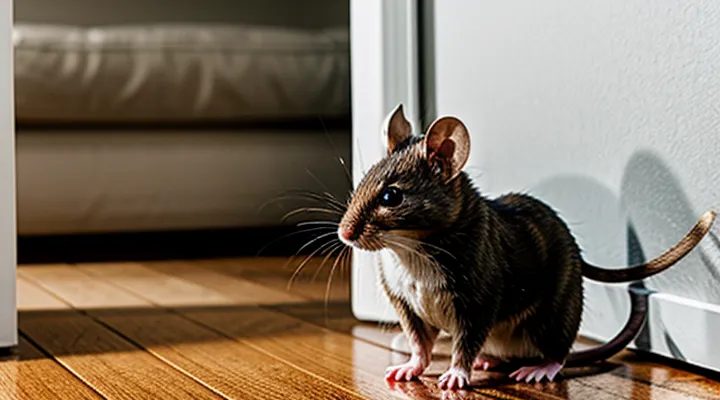
Understanding the Threat
Why Mice Are a Problem
Health Risks
Mice introduce a range of biological hazards that directly affect household occupants. Their urine, droppings, and saliva contain agents capable of causing disease, while their presence can exacerbate existing health conditions.
- Hantavirus: Transmitted through inhalation of aerosolized particles from dried mouse excreta; leads to severe respiratory illness.
- Salmonella: Contaminates food surfaces when mice gnaw packaging; results in gastrointestinal infection.
- Leptospirosis: Spread via contact with urine-contaminated water or surfaces; can cause kidney failure and liver damage.
- Allergic reactions: Proteins in mouse dander and urine trigger asthma attacks and allergic rhinitis in sensitive individuals.
- Eosinophilic meningitis: Rare parasitic infection linked to ingestion of contaminated food items.
Preventive measures that reduce these risks include sealing entry points, maintaining rigorous sanitation, employing traps or bait stations, and conducting regular inspections to detect early signs of infestation. Immediate removal of droppings and thorough disinfection with EPA‑approved products are essential steps after any mouse activity is confirmed.
Structural Damage
Mice gnaw on wood, insulation, and wiring, creating holes that compromise load‑bearing walls, reduce thermal efficiency, and increase fire risk. Their incisors continuously grow, prompting relentless chewing that can weaken structural members and undermine the integrity of floors, ceilings, and roof trusses.
Damage to electrical systems occurs when rodents strip insulation from cables, exposing conductors and creating short‑circuit hazards. Exposed wiring may trigger breaker trips, damage appliances, and present a severe electrocution threat to occupants and pets.
Insulation loss reduces R‑value, leading to higher heating and cooling costs and promoting condensation that encourages mold growth. Gaps left by gnawed insulation also permit drafts, accelerating wear on windows and doors.
Effective mitigation focuses on exclusion, monitoring, and repair:
- Seal all entry points larger than ¼ inch with steel wool, copper mesh, or cement‑based caulk.
- Install door sweeps and weatherstripping to block gaps beneath exterior doors.
- Maintain a clear perimeter: trim vegetation, remove debris, and store firewood at least 18 inches from the foundation.
- Deploy snap traps or electronic devices in identified activity zones; replace baits regularly.
- Conduct quarterly inspections of walls, attics, and crawl spaces for fresh gnaw marks, droppings, or nesting material.
- Promptly repair chewed wood and replace damaged insulation; use rodent‑resistant materials such as cement board or metal plates where feasible.
- Engage a licensed electrician to assess any compromised wiring and replace sections with proper conduit protection.
By eliminating access routes, detecting early signs of infestation, and restoring compromised components, homeowners preserve structural stability and avoid costly reconstruction.
Signs of a Mouse Infestation
Droppings and Urine
Mouse feces and urine present immediate health risks and signal ongoing infestation. Droppings appear as small, dark pellets, typically 3–5 mm long, found near food storage, along walls, or in hidden corners. Urine leaves damp stains and emits a strong ammonia odor, often detectable in cabinets, insulation, and crawl spaces.
Health concerns stem from pathogens such as Hantavirus, leptospirosis, and salmonella, which can be transmitted through inhalation of dried fecal dust or direct contact with contaminated surfaces. Children and immunocompromised individuals face heightened susceptibility. Prompt identification and removal of droppings and urine reduce exposure to these agents.
Effective remediation follows a structured protocol:
- Wear disposable gloves, N‑95 respirator, and eye protection.
- Ventilate the area for at least 15 minutes; close doors to prevent aerosol spread.
- Moisten droppings with a disinfectant solution (e.g., 1 % bleach) to suppress dust.
- Use a disposable absorbent material to collect waste; seal in a plastic bag.
- Clean surfaces with a bleach‑water mixture (1 part bleach to 10 parts water) or a commercial rodent sanitizer.
- Dispose of contaminated materials in a sealed container; wash hands thoroughly after removal.
Prevention relies on eliminating attractants and habitats. Store food in airtight containers, repair leaks, and seal entry points larger than ¼ inch. Regularly inspect attics, basements, and pantry shelves for fresh droppings; early detection allows swift intervention before populations expand.
Gnaw Marks
Gnaw marks are the most reliable visual evidence of mouse activity. They appear as clean, parallel cuts on wood, plastic, or cardboard, typically ranging from 2 mm to 6 mm wide. The depth of the bite indicates the animal’s size; larger marks suggest a mature mouse, while shallow scratches often belong to juveniles.
Identifying gnaw marks promptly allows homeowners to locate entry points and assess damage. Common locations include baseboards, cabinet edges, wiring conduits, and the undersides of furniture. Inspecting these areas regularly reduces the risk of unnoticed infestation spreading to food storage or structural components.
Effective measures against gnaw damage include:
- Sealing openings larger than ¼ inch with steel wool, copper mesh, or silicone caulk.
- Installing metal flashing around vulnerable gaps such as vent openings and pipe penetrations.
- Replacing compromised wooden trim with hardened materials that resist chewing.
- Using rodent‑proof wire mesh (¼‑inch gauge) to protect wiring and piping.
If gnaw marks are already present, owners should:
- Remove contaminated material to prevent secondary contamination.
- Disinfect the area with a solution of 1 part bleach to 9 parts water, allowing a five‑minute contact time.
- Apply a rodent‑repellent gel or spray to the affected surface, following manufacturer instructions.
- Set snap traps or electronic traps near the marked locations, positioning them perpendicular to the gnaw line for optimal capture.
Continuous monitoring is essential. Record the location, size, and frequency of new gnaw marks to evaluate the effectiveness of preventive actions and adjust strategies accordingly.
Scratching Noises
Scratching noises heard in walls, ceilings, or floorboards often signal rodent activity. Mice create these sounds by gnawing on structural materials while seeking shelter, food, or nesting sites. The frequency of the noise increases at night when mice are most active, and the pattern may change as they move between rooms.
Identifying the source of scratching helps prevent damage and infestation spread. Observe the following indicators:
- Location: sound originates near concealed spaces such as cabinets, behind appliances, or in attics.
- Timing: noises intensify after dusk and diminish before sunrise.
- Accompanying signs: droppings, gnaw marks, or shredded insulation near the audible area.
Once a scratching source is confirmed, owners should act promptly:
- Seal entry points. Use steel wool, copper mesh, or caulk to block gaps larger than ¼ inch.
- Remove food attractants. Store pantry items in airtight containers and clean crumbs daily.
- Install traps or bait stations near the noise source, positioning them against walls where mice travel.
- Reduce nesting material. Eliminate clutter, cardboard, and fabric scraps from accessible areas.
- Conduct a thorough inspection of insulation and wiring. Replace damaged sections to avoid fire hazards and structural weakening.
If scratching persists after these measures, professional pest control may be necessary to assess hidden colonies and apply targeted treatments. Continuous monitoring—listening for residual sounds and checking trap activity—ensures early detection of new incursions and maintains a rodent‑free residence.
Prevention Strategies
Sealing Entry Points
Inspecting the Exterior
Inspecting the exterior of a residence is the first line of defense against mouse intrusion. A systematic walk‑around reveals potential entry points and conditions that attract rodents.
- Examine the foundation for cracks, gaps around utility penetrations, and open joints; seal each with steel wool, caulk, or concrete repair mortar.
- Verify that all doors, windows, and garage doors close tightly; install weatherstripping or door sweeps where gaps exceed ¼ inch.
- Inspect the roofline for missing or damaged flashing, loose soffits, and open eaves; repair or cover openings with metal mesh.
- Trim trees, shrubs, and vines that touch the building; keep vegetation at least two feet away to prevent laddering.
- Remove piles of firewood, debris, and stored materials from the perimeter; store items on a raised platform with a solid floor.
- Check vents, chimney caps, and exhaust fans; fit screens made of ¼‑inch hardware cloth to block rodents while maintaining airflow.
- Survey the ground for standing water or excessive moisture; improve drainage to deter rodents seeking shelter.
Document findings, prioritize repairs based on severity, and schedule immediate remediation for any breach larger than a mouse’s body width. Regular exterior inspections, performed quarterly, sustain a barrier that reduces the likelihood of mouse infestations.
Sealing Cracks and Gaps
Sealing cracks and gaps eliminates the primary entry points that mice exploit to infiltrate a residence. Small openings around pipes, vents, foundation joints, and window frames often go unnoticed, yet even a gap as narrow as ¼ inch permits access. By identifying and closing these vulnerabilities, homeowners dramatically reduce the likelihood of infestation.
Effective sealing requires a systematic approach:
- Conduct a thorough visual inspection of the exterior and interior, focusing on utility penetrations, baseboards, and door thresholds. Use a flashlight to reveal hidden gaps behind appliances and under cabinets.
- Measure each opening to select the appropriate filler. Expanding polyurethane foam works well for gaps up to 2 inches, while steel wool combined with caulk provides a durable barrier for larger seams.
- Apply a high‑quality, mouse‑resistant caulk (silicone or acrylic) to seal joints around windows, doors, and siding. Ensure the bead fully contacts both surfaces before smoothing.
- Install metal flashing or hardware cloth (½‑inch mesh) over larger structural openings, such as vents and crawl‑space entries, then seal edges with caulk.
- Re‑check all sealed areas after a week of weather exposure; reapply material where shrinkage or cracking appears.
Maintenance practices reinforce the barrier:
- Inspect sealed areas quarterly, especially after seasonal temperature shifts that can cause material movement.
- Replace deteriorated caulk promptly; aged sealant loses elasticity and creates new entry points.
- Keep vegetation, firewood, and debris at least two feet away from the building envelope to prevent mice from using them as bridges to reach untreated gaps.
By following these steps, homeowners create a continuous, mouse‑proof envelope around the property, substantially lowering the risk of rodent intrusion.
Protecting Vents and Drains
Mice can enter a house through gaps in ventilation openings and drainage systems, exploiting the same pathways that provide airflow and waste removal. Unprotected vents and drains offer direct routes to living spaces, especially during colder months when rodents seek shelter. Sealing these entry points reduces the likelihood of infestation and limits the spread of droppings and pathogens.
- Install fine mesh or stainless‑steel screen (¼‑inch or smaller) over all exterior vents, including attic, dryer, and bathroom exhausts.
- Fit removable, lockable covers on roof and wall vent caps; ensure screws are tamper‑resistant.
- Use expandable foam or silicone caulk to fill cracks around vent flues and pipe penetrations.
- Place drain covers made of metal or heavy‑duty plastic on all floor, sink, and bathtub drains; secure with set screws.
- Install a one‑way door (cheese‑gate) on large drainage pipes that allows water flow but blocks rodent entry.
Regular maintenance supports these measures. Inspect screens and covers quarterly for damage or displacement, and replace compromised components promptly. Clean debris from vent housings to prevent nesting material from accumulating. For homeowners who rent, document all installations and obtain landlord approval before modifying structural elements. Consistent vigilance and proper sealing keep vents and drains from serving as mouse highways.
Maintaining a Clean Environment
Food Storage Best Practices
Proper food storage is a critical element of rodent control in residential environments. Secure containers eliminate accessible food sources, reducing the likelihood that mice will enter living spaces.
Effective practices include:
- Use containers with snap‑tight lids made of metal or thick plastic; avoid open bins or bags.
- Store dry goods such as grains, cereals, and pet food in sealed containers; label each container with the purchase date.
- Keep pantry shelves clear of crumbs; wipe surfaces after each use with a damp cloth.
- Position containers away from walls and appliances to prevent mice from nesting behind them.
- Rotate stock regularly; discard items past their expiration date to avoid spoilage that attracts rodents.
- Install a small shelf or tray beneath pantry doors to catch any debris that may fall from containers.
Implementing these measures limits food availability, discourages mouse activity, and supports broader pest‑prevention strategies throughout the house.
Waste Management
Effective waste management reduces attractants that draw mice into residential spaces. Proper handling of food residues, packaging, and organic material eliminates the primary food sources that sustain rodent populations.
Secure storage of refuse prevents opportunistic foraging. Use containers with tight-fitting lids, place them on elevated surfaces, and empty them regularly. Outdoor bins should be positioned away from building foundations and shielded with metal or heavy-duty plastic to resist gnawing.
Maintain cleanliness in kitchens and dining areas. Wipe countertops after meals, sweep floors to remove crumbs, and store dry goods in airtight containers. Dispose of pet food promptly and avoid leaving bowls unattended.
Manage compost and yard waste responsibly. Enclose compost piles in wire mesh or rotating bins, and keep them at a distance from the house. Regularly turn compost to accelerate decomposition and deter nesting.
Implement a routine inspection schedule. Identify and seal entry points near waste storage zones, such as gaps around utility lines or cracks in walls. Apply steel wool or metal flashing to reinforce vulnerable areas.
Owner recommendations:
- Use trash cans with lockable lids; replace damaged containers immediately.
- Transfer kitchen waste to sealed bags before placing it in outdoor bins.
- Position outdoor waste stations at least three meters from the building envelope.
- Cover compost with a tight-fitting lid; monitor moisture to avoid excess odor.
- Conduct monthly checks for signs of gnawing or droppings near waste areas; repair breaches promptly.
By integrating these waste management practices, homeowners create an environment that discourages mouse activity and supports long‑term rodent control.
Decluttering and Organization
Decluttering eliminates hiding places that attract mice. Storing items in sealed containers, removing stacked paper, and keeping floor space clear reduce shelter opportunities. Regularly inspect storage areas for gaps and repair them promptly.
Organizing the kitchen prevents food access. Place dry goods in airtight jars, clean crumbs after meals, and keep countertops free of debris. Dispose of waste in tightly sealed bins and empty them daily.
Implement a systematic schedule:
- Remove clutter from closets, attics, and basements weekly.
- Sort and discard unused items; recycle or donate what is still usable.
- Label storage boxes and stack them on pallets or shelves, not directly on the floor.
- Conduct monthly visual inspections for signs of gnawing or droppings.
A disciplined approach to organization creates an environment that deters mouse activity, supporting broader rodent‑prevention measures.
Landscaping Considerations
Trimming Vegetation
Keeping shrubs, vines, and ground cover close to the foundation creates a continuous cover that mice use for travel and nesting. Overgrown vegetation also hides entry points such as gaps around doors, vents, and utility lines, making it harder to detect and seal them.
- Trim shrubs to a minimum height of 12 inches from the ground and maintain a clear zone of at least 3 ft between plants and the house.
- Prune vines and climbing plants away from exterior walls, eaves, and rooflines.
- Remove dead or decaying plant material that can serve as shelter.
- Cut back tall grasses and weeds within the yard’s perimeter, especially near fences and storage sheds.
- Keep tree branches at least 2 ft from the roof and away from siding to prevent rodents from using them as bridges.
Schedule trimming activities seasonally: early spring to remove winter growth, midsummer for maintenance, and late fall to eliminate residual foliage before rodents seek indoor shelter. Dispose of cut material in sealed bags or compost bins with tight lids to prevent mice from nesting in the debris. Regular inspection of trimmed areas helps identify new growth that could re‑establish a pathway for rodents.
Removing Debris
Eliminating clutter in kitchens, basements, and storage areas removes shelter and travel pathways that mice exploit. Loose cardboard, shredded paper, and accumulated food packaging create warm, hidden zones where rodents can nest and move undetected.
Effective debris removal includes:
- Discarding all cardboard boxes, especially those with food residue; recycle only clean, flattened boxes.
- Sweeping floors and vacuuming corners daily to collect crumbs, dust, and small fibers.
- Emptying trash cans weekly, sealing lids tightly, and positioning containers away from walls.
- Organizing shelves so items rest on solid surfaces rather than on piles of paper or fabric.
- Cleaning behind appliances and under furniture with a shop‑vac or a narrow brush to reach hidden debris.
Maintaining a debris‑free environment reduces the attractiveness of the property to mice and supports other control measures such as sealing entry points and setting traps. Regular inspection and prompt removal of any new clutter sustain long‑term protection against rodent activity.
Elimination Methods
Trapping Techniques
Snap Traps
Snap traps provide rapid, humane termination of rodent activity when installed correctly. The device consists of a spring‑loaded bar that releases upon contact with a trigger, delivering a swift blow to the mouse’s neck. This method eliminates the need for chemical baits and reduces the risk of secondary poisoning.
Effective deployment requires attention to placement, bait selection, and safety. Mice travel along walls, behind appliances, and within concealed pathways; positioning traps perpendicular to these routes maximizes contact. Bait should be attractive yet small enough to fit securely on the trigger platform; common choices include peanut butter, sunflower seeds, or small pieces of cheese. Secure the trap’s safety latch until placement is complete, then deactivate the latch to allow immediate activation.
Owners should follow these practices:
- Install traps at least 2 inches from walls, with the trigger end facing the anticipated travel direction.
- Use one trap per 10‑square‑foot segment of infestation zone; increase density if activity persists.
- Replace captured traps with fresh units daily to maintain pressure and prevent avoidance.
- Wear thick gloves when handling traps to avoid accidental discharge.
- Store unused traps in a sealed container away from children and pets.
Regular inspection of trap locations identifies hot spots and informs adjustments in positioning. After confirming capture, dispose of the mouse in a sealed bag and clean the trap surface with a mild disinfectant before reuse. Consistent application of these measures reduces mouse populations swiftly and supports long‑term household protection.
Live Traps
Live traps capture mice without killing them, allowing owners to release the animals away from the residence. The devices consist of a hinged cage, a spring‑loaded door, and a trigger mechanism that closes when the mouse enters to reach bait.
Effective use requires strategic placement, appropriate bait, and regular monitoring.
- Position traps along walls, behind appliances, and in areas showing droppings or gnaw marks; mice travel close to surfaces.
- Use high‑protein baits such as peanut butter, cheese, or sunflower seeds; apply a small amount to the trigger plate.
- Set traps at night when mouse activity peaks; check them each morning and evening.
- Release captured mice at least two miles from the property, preferably in a wooded or rural area, to reduce the chance of return.
- Clean traps with mild detergent after each use; disinfect to prevent disease transmission.
Advantages of live traps include humane treatment, avoidance of poison hazards to children and pets, and the ability to identify the species for targeted control. Limitations involve the need for frequent inspection, potential stress to captured rodents, and the requirement for proper release locations.
Owners should integrate live traps with complementary measures—sealing entry points, removing food sources, and maintaining low clutter—to achieve sustained reduction of mouse activity inside the home.
Placement Strategies
Effective placement of mouse deterrents hinges on identifying high‑traffic routes and nesting sites. Begin by inspecting the perimeter for gaps larger than ¼ inch; seal these openings with steel wool, caulk, or hardware cloth before installing any traps. Position bait stations or snap traps directly behind appliances, under sinks, and within 12‑inch intervals along walls, as mice prefer to travel close to vertical surfaces. In kitchens, locate traps near garbage containers, pantry shelves, and the backs of cabinets, ensuring the bait is concealed from pets but accessible to rodents.
For live‑capture devices, choose low‑traffic corners near known droppings, and place a second trap a few feet away to increase capture probability. When using ultrasonic repellents, mount units at ceiling height in each room, avoiding placement behind furniture that could block sound waves. In basements and crawl spaces, distribute bait stations evenly across the floor, focusing on concealed corners and near plumbing penetrations.
Maintain a systematic grid: divide each room into sections, assign a trap or bait station to each section, and rotate locations weekly to prevent habituation. Regularly check and replace depleted bait, and record capture data to identify persistent hotspots. This disciplined arrangement maximizes coverage, reduces mouse activity, and supports long‑term home protection.
Baits and Rodenticides
Types of Baits
Mice are attracted to a limited range of food sources, making bait selection critical for effective control. The most reliable categories include:
- High‑protein pastes such as peanut butter, canned fish, or boiled egg. Strong odor and texture encourage rapid acceptance.
- Grain‑based offerings like wheat germ, cornmeal, or rolled oats. Suitable for environments where rodents favor carbohydrate diets.
- Sweet attractants including chocolate, dried fruit, or honey. Useful when protein options are rejected.
- Commercial rodenticides formulated with anticoagulants, bromethalin, or zinc phosphide. Designed for ingestion and lethal action; must follow label instructions and safety precautions.
- Natural deterrents such as peppermint oil or dried herbs. Not lethal but can reduce activity when combined with other baits.
Placement influences success. Position bait near walls, behind appliances, and within concealed pathways. Secure bait to prevent accidental contact with children or pets. Rotate bait types weekly to prevent habituation. Monitor consumption and replace depleted stations promptly. Consistent application of appropriate baits reduces mouse populations and protects structural integrity.
Safe Usage and Placement
Effective mouse control depends on correct product selection, proper installation, and ongoing monitoring. Use traps and baits only where they will not endanger children, pets, or non‑target wildlife. Secure devices in sealed containers, behind appliances, or within wall voids that limit accidental contact.
- Place snap traps perpendicular to the wall, with the trigger end facing the rodent’s travel path.
- Position bait stations at least 18 inches from food preparation surfaces and away from high‑traffic areas.
- Install electronic repellents near entry points, ensuring the unit is mounted at least 6 inches above the floor to avoid tampering.
- Avoid placing glue boards in open corridors; confine them within enclosed boxes that have a single entry slot.
Inspect all devices weekly. Replace depleted baits, reset triggered traps, and verify that no damage has occurred to the housing. When disposing of captured rodents or used baits, follow local hazardous‑waste guidelines and seal waste in double‑layered bags before removal.
Maintain a clear perimeter around each device. Keep clutter, debris, and food residues away from trap zones to reduce accidental exposure and improve capture efficiency. Regularly assess placement after seasonal changes or renovations, adjusting locations to align with evolving rodent pathways.
Risks to Pets and Children
Mice introduce pathogens that can affect both pets and children. Common agents include Salmonella, which may cause gastrointestinal distress, and hantavirus, which can lead to severe respiratory illness. Direct contact with droppings, urine, or contaminated food increases the likelihood of infection. Bites or scratches from fighting mice also pose a risk of secondary bacterial infection.
Physical hazards arise from mouse activity. Chewed electrical wiring can create fire hazards that endanger household members. Small nesting materials and loose debris may be ingested by pets, leading to gastrointestinal blockage. Children playing on the floor are more likely to encounter hidden droppings, raising the chance of accidental ingestion or skin irritation.
Mitigation measures for owners:
- Seal entry points: install steel wool or caulking around gaps, vents, and utility openings.
- Maintain cleanliness: promptly remove food scraps, store pantry items in airtight containers, and clean up droppings with disinfectant.
- Use traps or bait stations placed out of reach of pets and children; consider electronic traps that kill without poison.
- Conduct regular inspections: check attics, basements, and crawl spaces for signs of activity and address issues immediately.
- Educate family members: teach children to avoid touching unknown rodents or droppings and supervise pets during pest control actions.
Implementing these steps reduces exposure to disease, minimizes physical dangers, and protects vulnerable household members from the consequences of mouse infestation.
Professional Pest Control
When to Call an Expert
Mice infestations often begin with subtle evidence, but they can quickly become a structural and health threat. When initial measures fail, professional intervention is required.
- Persistent droppings in hidden areas such as attics, cabinets, or behind appliances.
- Visible gnaw marks on wiring, insulation, or furniture after multiple DIY attempts.
- Continuous activity despite traps, bait stations, or sealing of obvious entry points.
- Signs of disease risk, including urine stains on food surfaces or in pantries.
- Damage to building components that could compromise safety, such as chewed electrical cords.
Delaying professional assistance after these indicators can lead to extensive property damage, increased sanitation costs, and elevated risk of disease transmission. Early engagement limits population growth and prevents secondary problems like fire hazards from damaged wiring.
When selecting a specialist, verify licensure, request a written inspection report, and confirm that treatment methods comply with local health regulations. Ensure the provider offers a guarantee for ongoing monitoring and follow‑up visits to confirm eradication.
Benefits of Professional Services
Professional pest‑control firms bring specialized knowledge that surpasses typical DIY attempts. Technicians identify entry points, assess structural vulnerabilities, and select control methods matched to the specific infestation level.
- Certified experts apply integrated solutions, combining exclusion, trapping, and, when necessary, safe rodenticide application.
- Services include a documented inspection report, outlining observed damage, recommended repairs, and a timeline for follow‑up actions.
- Guarantees often cover re‑infestation within a defined period, reducing the risk of repeated treatment costs.
- Licensed personnel ensure compliance with local health and safety regulations, protecting residents from hazardous chemicals.
- Prompt execution minimizes disruption to daily routines and prevents property damage from ongoing rodent activity.
Engaging a qualified provider yields a systematic, verifiable approach that lowers long‑term expenses and safeguards the household environment.
Post-Extermination Measures
Cleaning and Sanitization
Disinfecting Contaminated Areas
Mice leave saliva, urine, and feces that can harbor pathogens such as hantavirus, salmonella, and leptospirosis. Prompt disinfection of contaminated zones eliminates health hazards and deters further rodent activity.
Identify all surfaces touched by mice: countertops, cabinets, pantry shelves, floorboards, and appliance exteriors. Wear disposable gloves and a mask to prevent personal exposure. Remove debris with a disposable cloth, then apply an EPA‑registered disinfectant capable of inactivating viruses and bacteria. Follow the product label for concentration, contact time, and ventilation requirements.
Key steps for effective decontamination:
- Clear the area – discard food, packaging, and infested materials; seal waste in a double‑bagged container.
- Clean – scrub surfaces with hot, soapy water to eliminate organic matter that can shield microbes.
- Disinfect – spray or wipe with the chosen disinfectant, ensuring full coverage. Maintain the recommended dwell time before wiping dry.
- Dry – allow surfaces to air‑dry or use clean paper towels; moisture promotes bacterial growth.
- Dispose – seal used cleaning materials, gloves, and masks in a plastic bag; place in an outdoor trash receptacle.
After treatment, assess the need for preventive measures: seal entry points, store food in airtight containers, and maintain a clean environment to reduce attractants. Regular monitoring and immediate disinfection of new contamination spots sustain a safe, mouse‑free residence.
Removing Odors
Mice leave behind urine, feces, and glandular secretions that generate persistent, unpleasant smells. Effective odor elimination requires three coordinated actions: source removal, thorough cleaning, and neutralization.
- Locate and discard contaminated materials – remove droppings, nesting debris, and any food items that have been exposed. Seal waste in heavy‑duty bags before disposal to prevent re‑contamination.
- Clean surfaces with appropriate agents – scrub floors, countertops, and walls using a detergent solution followed by a disinfectant containing an enzymatic component. Enzymes break down organic residues that cause odor.
- Apply odor‑neutralizing treatments – spray a commercial odor absorber or place activated charcoal sachets in affected rooms. Ensure ventilation by opening windows or using exhaust fans for at least 30 minutes after treatment.
If the odor persists after these steps, inspect hidden areas such as crawl spaces, attic insulation, and wall voids. Treat concealed deposits with a foaming disinfectant that reaches crevices, then repeat the neutralizing phase.
Regular monitoring of humidity and temperature reduces the likelihood of future odor buildup, as dry conditions discourage mouse activity and limit the growth of odor‑producing bacteria. Implementing these measures restores a fresh indoor environment and supports long‑term pest‑free living.
Long-Term Prevention
Regular Inspections
Regular inspections are essential for early detection of mouse activity and for maintaining the integrity of barriers that keep rodents out of residential spaces.
Inspectors should focus on the following areas during each visit:
- Entry points – Examine exterior walls, foundation cracks, utility penetrations, and gaps around doors and windows. Seal openings with steel wool, caulk, or metal flashing.
- Interior vulnerabilities – Check under sinks, behind appliances, and in attic insulation for gnaw marks, droppings, or nesting material.
- Food storage zones – Verify that pantry shelves are sealed, containers are airtight, and spills are promptly cleaned.
- Waste management – Ensure trash bins have tight‑fitting lids and are emptied regularly.
A practical schedule includes:
- Monthly visual sweep – Walkthrough of high‑risk zones to spot fresh signs of infestation.
- Quarterly detailed audit – Use flashlights and inspection mirrors to probe concealed spaces; document findings with photos or notes.
- Annual professional assessment – Invite a licensed pest‑control specialist to perform pressure testing of building exteriors and to review the homeowner’s records.
Record‑keeping supports trend analysis. Log the date, inspected location, observed evidence, and corrective actions taken. Over time, the data reveal patterns that guide adjustments to sealing methods or sanitation practices.
Consistent inspections reduce the likelihood of a full‑scale mouse problem, limit property damage, and protect health by preventing contamination of food and surfaces. Implementing the outlined routine provides a reliable defense against rodent intrusion.
Maintaining Prevention Habits
Consistent prevention habits form the backbone of any effective mouse‑control plan. When actions are repeated on a regular schedule, entry points remain sealed, food sources are inaccessible, and early signs of activity are caught before an infestation develops.
- Inspect exterior walls, foundations, and utility openings weekly; seal cracks with steel wool and silicone caulk.
- Store all pantry items in airtight containers; discard or refrigerate crumbs and spills immediately.
- Keep garbage bins tightly covered; empty indoor waste daily and clean exterior bins weekly.
- Eliminate standing water by fixing leaks, wiping condensation, and using dehumidifiers in damp areas.
- Conduct a visual sweep of attics, basements, and crawl spaces monthly; look for droppings, gnaw marks, or shredded material.
Document each inspection in a simple log, noting date, location, and any remedial action taken. A written record highlights patterns, prompts timely repairs, and provides evidence of diligence should professional assistance become necessary.
Owners must integrate trap placement and monitoring into the routine. Position snap or live traps along walls, behind appliances, and near identified pathways; check traps daily, dispose of captures responsibly, and reset devices promptly. Replace baits every two weeks to maintain potency, and rotate trap locations to prevent mice from avoiding static zones.
By embedding these practices into daily life, homeowners sustain a hostile environment for rodents, reducing the likelihood of population growth and the associated damage to structures and health.