
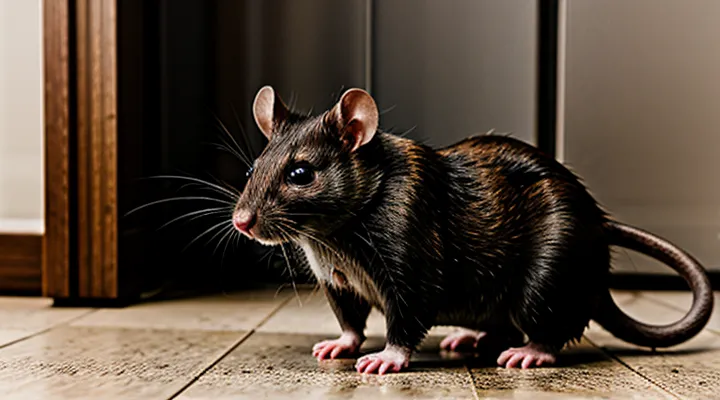
The Allure of Pet Rats
Why Rats Make Great Companions
Their Intelligence and Trainability
Rats demonstrate cognitive capacities that influence the evaluation of keeping them as companions. Their ability to navigate mazes, remember routes, and solve simple puzzles reflects a level of intelligence comparable to small mammals such as squirrels and some birds. Studies using the radial arm maze show that rats can retain spatial information for several days, indicating robust working memory.
- Rapid acquisition of new tasks after a few repetitions.
- Recognition of individual humans and other rats, supporting complex social interaction.
- Adaptation to novel environments within minutes, reducing stress during relocation.
Training outcomes align closely with these mental traits. Rats respond reliably to clicker cues, can be taught to perform lever presses, retrieve objects, and navigate obstacle courses. Consistent reinforcement yields high compliance, and they retain learned behaviors for extended periods, enabling owners to shape desired habits without excessive effort.
- Operant conditioning produces reliable command execution.
- Positive reinforcement yields voluntary participation in enrichment activities.
- Ability to differentiate between multiple signals allows multi-step instruction.
Intelligence also introduces challenges that affect the overall assessment of rat ownership. The same curiosity that drives problem solving can lead to escape attempts, gnawing of cage components, and disruption of household items if environmental enrichment is insufficient. Moreover, their learning speed demands regular mental stimulation; neglect can result in stereotypic behaviors such as bar‑biting or excessive grooming.
- Requirement for daily puzzle toys or foraging opportunities.
- Necessity of secure cage design to prevent breaches.
- Potential for increased maintenance due to heightened activity levels.
These factors collectively shape the balance of benefits and drawbacks associated with maintaining rats as pets, emphasizing the need for informed care that matches their cognitive profile.
Social and Affectionate Nature
Rats exhibit strong social instincts, forming hierarchical groups that rely on constant interaction. When housed with companions, they display grooming, play, and coordinated activities, which reduces stress and promotes health.
- Affectionate behavior includes seeking physical contact, nibbling gently, and responding to human voice tones.
- Mutual grooming among cage mates lowers parasite load and reinforces social bonds.
- Group living encourages problem‑solving cooperation, enhancing cognitive development.
Conversely, the same social drive creates obligations for owners. Single rats may develop anxiety, stereotypic behaviors, or aggression toward humans. Adequate companionship requires additional space, enrichment, and monitoring to prevent dominance disputes. Failure to meet these social needs can result in increased veterinary costs and reduced quality of life for the animal.
Relatively Low Maintenance Compared to Other Pets
Rats require less space than most mammals; a single cage of 2 ft × 1 ft provides adequate room for activity and enrichment. Their diet consists of commercially formulated pellets supplemented with occasional fresh produce, eliminating the need for complex feeding schedules. Grooming demands are minimal because rats self‑clean and rarely develop coat problems that necessitate regular brushing.
- Food: small daily portions, inexpensive pellets, no special equipment.
- Housing: compact cages, easy to clean with standard detergents.
- Health monitoring: routine checks for respiratory issues, no extensive veterinary visits unless illness occurs.
- Lifespan: 2–3 years, limiting long‑term commitment compared with larger pets.
These characteristics reduce time and financial investment, positioning rats as a practical option for individuals seeking an animal companion without the extensive maintenance associated with dogs, cats, or birds.
Benefits for Owners
Reducing Stress and Anxiety
Rats kept as companions affect owners’ stress levels and anxiety symptoms through predictable interaction patterns and physiological responses.
Positive effects
- Regular handling releases oxytocin, lowering cortisol concentrations.
- Small size encourages frequent, brief contact, suitable for limited living spaces.
- Observing rat behavior provides distraction from rumination, interrupting anxiety cycles.
- Grooming sessions create a structured routine, reinforcing a sense of control.
Potential drawbacks
- Allergic reactions to rodent dander can trigger physiological stress, aggravating anxiety.
- Unpredictable health issues, such as sudden illness, may generate worry and emotional strain.
- Maintenance requirements (cage cleaning, diet management) add responsibilities that some individuals find stressful.
- Social attachment to a short‑lifespan animal can lead to grief‑related anxiety after the pet’s death.
Providing Unique Entertainment
Rats offer interactive amusement through natural curiosity, problem‑solving, and social play. Their small size allows observation of intricate behaviors—maze navigation, object manipulation, and agile climbing—providing a distinctive form of entertainment that differs from typical pet activities.
Advantages
- Constant engagement: rats explore environments, encouraging owners to design enrichment puzzles.
- Observable intelligence: learning tricks or solving tasks showcases cognitive abilities.
- Compact performance: indoor setups permit frequent observation without extensive space requirements.
Disadvantages
- Short attention span: rats may lose interest quickly, requiring regular variation of stimuli.
- Noise and activity: nocturnal movements can disturb quiet environments.
- Maintenance demands: enrichment devices need cleaning and replacement, adding to upkeep responsibilities.
Opportunities for Learning and Responsibility
Keeping rats as pets creates practical contexts for developing knowledge and accountability. Daily care routines demand accurate measurement of food, water, and environmental conditions, which reinforces skills in observation, data recording, and problem‑solving. Children and adults alike acquire hands‑on experience with animal behavior, health indicators, and habitat maintenance, directly linking theory to practice.
Responsibility emerges through consistent tasks such as cage cleaning, health monitoring, and enrichment provision. Performing these duties on a schedule cultivates time‑management abilities and reinforces the consequences of neglect. The need to respond promptly to signs of illness or stress teaches risk assessment and decision‑making under uncertainty.
Specific learning outcomes include:
- Understanding nutritional requirements and calculating appropriate portions.
- Identifying common health issues and interpreting behavioral cues.
- Designing and implementing enrichment objects that stimulate natural instincts.
- Maintaining hygiene standards to prevent disease transmission.
Ownership also highlights ethical considerations. Managing a small mammal obliges owners to evaluate welfare standards, legal regulations, and long‑term commitment, thereby sharpening moral reasoning and civic awareness. The cumulative effect of these practices builds a foundation for broader caregiving roles and scientific inquiry.
The Realities of Rat Ownership
Potential Challenges and Drawbacks
Short Lifespan
Rats typically live two to three years, a period that shapes both the benefits and drawbacks of ownership. The brief lifespan accelerates the emotional cycle: attachment forms quickly, but loss occurs sooner than with many other pets, influencing long‑term planning and financial commitment.
-
Advantages linked to short life expectancy
- Faster turnover allows owners to gain experience with multiple animals in a short timeframe, enhancing husbandry skills.
- Reduced lifetime cost compared with longer‑lived companions, as feed, veterinary care, and housing expenses are limited to a few years.
- Early mortality can motivate owners to prioritize preventive health measures, leading to higher standards of care.
-
Disadvantages linked to short life expectancy
- Frequent bereavement may cause emotional fatigue, especially for owners who form strong bonds.
- Limited time for observing long‑term behavioral development, restricting research or breeding programs that require generational data.
- Short window for training and enrichment reduces opportunities to teach complex behaviors or assess personality changes over time.
Susceptibility to Health Issues
Keeping rats as companions introduces specific health considerations for owners. Direct contact with rodent fur, saliva, and urine creates pathways for allergic reactions and disease transmission.
- Allergic sensitization: exposure to rat dander can trigger rhinitis, conjunctivitis, or asthma in predisposed individuals.
- Zoonotic infections: rats may carry pathogens such as Salmonella, Leptospira, Hantavirus, and Streptobacillus moniliformis, which can cause gastrointestinal, renal, or respiratory illness.
- Parasite burden: ectoparasites like mites and internal parasites may transfer to humans, especially in crowded or unsanitary enclosures.
- Antibiotic resistance: strains of Salmonella isolated from pet rats have shown resistance to common treatments, complicating infection management.
Preventive measures reduce susceptibility. Regular cage cleaning, strict hand‑washing after handling, and routine veterinary health checks for the animals limit exposure. Use of high‑efficiency particulate air (HEPA) filters and allergen‑reducing bedding materials can mitigate allergic responses. Vaccination of rats against common rodent diseases is not widely available, so reliance on hygiene protocols remains essential.
Need for Social Interaction
Rats are highly social mammals; their well‑being depends on regular interaction with conspecifics or humans. When owners provide opportunities for contact, the animals display lower cortisol levels, fewer stereotypic behaviors, and increased exploratory activity. These outcomes translate into healthier pets and reduced veterinary interventions.
Advantages of meeting social needs
- Decreased stress markers and improved immune function.
- Enhanced learning capacity, facilitating training and enrichment.
- Stronger bond with caretaker, leading to more reliable handling.
Disadvantages when social interaction is insufficient
- Elevated anxiety, manifested by excessive grooming or self‑mutilation.
- Increased aggression toward cage mates or handlers, complicating care.
- Higher incidence of respiratory and gastrointestinal disorders linked to chronic stress.
Effective rat ownership therefore requires deliberate planning for companionship, whether through multi‑rat housing, daily handling sessions, or structured playtime. Failure to allocate time for social contact undermines the positive aspects of keeping rats and introduces health and behavioral risks.
Practical Considerations
Housing Requirements
Rats thrive when their enclosure meets specific spatial, environmental, and hygiene standards. A cage of at least 18 × 12 × 12 inches per pair supplies sufficient floor area for movement, climbing, and nesting. Wire cages with a solid floor and a secure lid prevent escape and protect against predators; acrylic or plastic enclosures are acceptable if they include adequate ventilation.
Bedding should be absorbent, non‑dusty, and safe if ingested. Paper‑based products or shredded hardwood shavings meet these criteria, while cedar or pine are unsuitable due to aromatic oils that irritate respiratory tracts. A nest box or hideout offers a private area for rest and breeding, and should be positioned away from food and water sources.
Ventilation must allow fresh air exchange without creating drafts. Mesh panels on the upper cage surface achieve this balance, but gaps larger than ½ inch risk escape. Temperature should remain between 65 °F and 80 °F; extreme heat or cold impairs immune function.
Cleaning protocols dictate daily spot‑cleaning of waste and weekly full cage sanitization with mild, rodent‑safe disinfectants. Food bowls and water bottles require inspection each day to prevent contamination.
Enrichment items—such as tunnels, chew toys, and climbing ladders—support natural foraging and gnawing behaviors, reducing stress and preventing dental overgrowth. All accessories must be free of sharp edges and made from non‑toxic materials.
Adhering to these housing standards minimizes health risks, promotes natural behaviors, and enhances the overall welfare of pet rats.
Diet and Nutrition
Proper nutrition determines health outcomes for domesticated rats. Balanced diets supply essential amino acids, vitamins, and minerals required for tissue maintenance, immune function, and reproductive success.
Advantages of an appropriate feeding regimen
- Sustained body weight within species‑specific range reduces incidence of metabolic disorders.
- Stable energy intake supports active foraging behavior and social interaction.
- Adequate fiber content promotes gastrointestinal motility and prevents constipation.
- Predictable nutrient profile simplifies veterinary assessment and lowers treatment expenses.
Disadvantages associated with dietary management
- Commercially formulated mixes incur recurring expense, especially for high‑quality grain‑free options.
- Individual rats may develop selective eating habits, leading to nutrient imbalances without careful monitoring.
- Over‑supplementation of fats or sugars accelerates weight gain and predisposes to fatty liver disease.
- Frequent rotation of fresh produce increases labor and risk of spoilage, requiring strict hygiene practices.
Implementing a regimented feeding schedule, measuring portions, and regularly reviewing body condition scores mitigate most drawbacks. Selecting a reputable rodent diet, supplementing with measured fresh vegetables, and avoiding excessive treats create a reliable nutritional framework for pet rats.
Veterinary Care Expenses
Veterinary care for pet rats represents a significant financial consideration when evaluating the advantages and disadvantages of ownership. Routine expenses encompass annual health examinations, vaccinations where available, and parasite prevention. These services aim to detect common conditions such as respiratory infections, skin disorders, and dental problems early, reducing the likelihood of costly complications.
Typical cost categories include:
- Preventive care: physical exam ( $30–$50 ), vaccinations ( $15–$25 ), flea and mite control ( $10–$20 per treatment).
- Diagnostic procedures: blood work ( $40–$70 ), radiographs ( $50–$100 ), laboratory cultures for infections ( $30–$60 ).
- Therapeutic interventions: antibiotics and anti‑inflammatory medications ( $5–$20 per prescription), wound care supplies ( $10–$30 ), surgical procedures for tumor removal or injury repair ( $150–$300 or more).
- Emergency care: urgent clinic visits ( $80–$150 ), hospitalization ( $100–$250 per day), intensive treatments such as oxygen therapy ( $50–$100 per session).
These figures vary by geographic region, veterinary practice, and the specific health status of the animal. Owners should anticipate occasional unexpected expenses, especially when rats develop acute illnesses that require intensive treatment or hospitalization. Planning for a contingency fund can mitigate financial strain and ensure timely access to professional care, which directly influences the overall welfare of the pet.
Odor Management
Effective odor control determines whether rats can be kept comfortably in a home or laboratory environment.
Rats produce a musky scent from urine, feces, and glandular secretions. Regular removal of waste prevents accumulation. A daily spot‑cleaning routine, combined with a full cage change weekly, reduces odor to levels comparable with typical small‑pet housing.
Advantages related to odor management:
- Absorbent bedding (e.g., paper pulp, aspen) traps moisture and scent particles, extending intervals between deep cleans.
- Enclosed cages equipped with filtered ventilation limit the spread of smell to surrounding rooms.
- Commercial odor‑neutralizing sprays designed for rodents are safe when applied according to manufacturer instructions, providing short‑term mitigation during cleaning.
Disadvantages and challenges:
- High‑density bedding can retain urine, requiring more frequent replacement to avoid persistent odor.
- Activated‑carbon filters lose efficiency after several weeks; neglecting replacement leads to noticeable smell.
- Certain deodorizers contain chemicals that may irritate a rat’s respiratory system, potentially affecting health and behavior.
Mitigation strategies focus on three core actions: waste removal, appropriate substrate selection, and air filtration maintenance. Implementing these measures minimizes odor without compromising animal welfare, making rat keeping feasible for most indoor settings.