
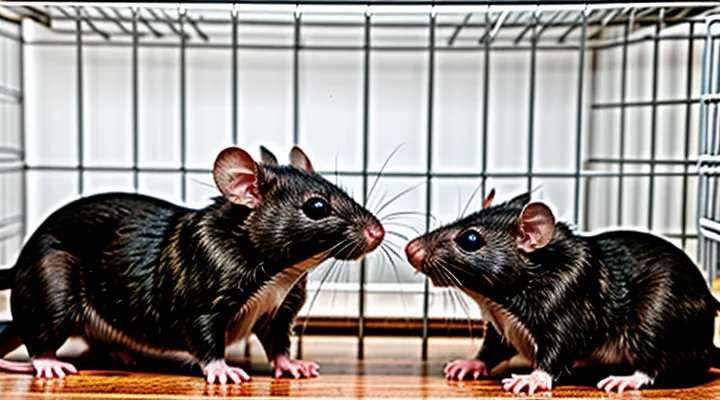
The Foundation of a Healthy Rat Diet
Staple Diet: Quality Lab Blocks or Pellets
Why Commercial Food is Crucial
Commercial rat pellets supply a precisely formulated blend of protein, fat, fiber, vitamins, and minerals, delivering the nutrient ratios required for healthy growth, reproduction, and immune function. Consistency across batches eliminates the guesswork inherent in homemade mixes, ensuring each animal receives the same dietary profile.
Key nutritional advantages include:
- Guaranteed levels of essential amino acids that support muscle development and tissue repair.
- Adequate calcium‑phosphorus balance to prevent skeletal disorders.
- Inclusion of vitamin C, B‑complex, and trace elements that reduce the incidence of deficiency‑related illnesses.
- Pre‑added fiber sources that promote gastrointestinal motility and prevent constipation.
Commercial diets adhere to industry‑wide safety standards, limiting exposure to pathogens, toxins, and pesticide residues often found in fresh produce or unregulated grain supplies. Packaging protects against moisture and oxidation, preserving nutrient integrity for extended storage periods.
Portion control becomes straightforward: measured servings align with the rat’s body weight and activity level, preventing over‑feeding and the obesity that frequently accompanies unrestricted access to kitchen scraps. The predictability of caloric content supports precise weight management and simplifies health monitoring.
Overall, reliance on a reputable commercial formulation provides a reliable, safe, and nutritionally complete foundation for caged rats, reducing the variables that can compromise welfare and simplifying the caregiver’s responsibility for optimal dietary provision.
Selecting the Right Brand and Formula
Choosing a suitable commercial diet for rats requires evaluation of brand reputation, ingredient composition, and formula suitability for the animal’s life stage and health status. A reliable brand typically provides transparent labeling, third‑party testing results, and a history of positive feedback from rodent specialists. The formula must deliver balanced macronutrients: protein levels of 18–20 % for adults, 20–22 % for growing or breeding individuals; fat content between 5–7 %; and a fiber source of at least 5 % to support gastrointestinal motility. Essential micronutrients—vitamin A, B‑complex, D, E, calcium, phosphorus, and trace minerals—should be listed in bioavailable forms without excessive supplementation that could cause toxicity.
Key factors for brand and formula selection:
- Certified manufacturing processes (e.g., ISO 22000, GMP)
- Complete ingredient list with identifiable protein sources (e.g., soy, wheat, pea) and minimal filler grains
- Absence of artificial colors, flavors, or added sugars
- Inclusion of prebiotic fibers such as inulin or beet pulp
- Batch consistency guarantees or a return policy for defective lots
- Price per kilogram that aligns with nutritional density, not merely low cost
For specialized needs, such as lactating females or rats recovering from illness, opt for formulas enriched with extra calories, calcium, and vitamin D, but verify that the increased nutrient levels remain within safe limits. Conduct a short trial by offering a measured portion for 48 hours; observe consumption, stool quality, and overall activity. Persistent refusal or adverse signs indicate the need to switch to an alternative brand that meets the outlined criteria.
Fresh Produce: A Daily Essential
Safe Fruits for Rats
Rats benefit from occasional fruit treats that supply vitamins, antioxidants, and hydration. Offering fruit should complement a balanced pellet‑based diet, not replace it.
- Apple (core removed, no seeds) – high in fiber, vitamin C.
- Blueberries – rich in antioxidants, suitable in small handfuls.
- Strawberries – provide vitamin C and folate; remove stems.
- Pear (seedless) – gentle on digestion, source of copper.
- Kiwi – contains vitamin C and potassium; offer thin slices.
- Banana – soft texture, potassium; limit to thin slices due to sugar content.
- Mango (pitted) – source of vitamin A; serve sparingly.
- Papaya (seedless) – digestive enzymes, vitamin C; feed in small pieces.
When serving fruit, wash thoroughly, remove pits, cores, and skins that may contain toxins. Portion sizes should not exceed 10 % of the daily caloric intake; a few bite‑sized pieces per rat are sufficient. Replace uneaten fruit within two hours to prevent spoilage and bacterial growth. Rotate varieties to provide a range of nutrients while monitoring for any signs of digestive upset.
Safe Vegetables for Rats
Rats thrive on a varied diet that includes fresh vegetables, which supply essential vitamins, minerals, and fiber. Only vegetables proven safe for rodents should be offered; others can cause digestive upset or toxicity.
- Carrots (raw, sliced)
- Bell peppers (any color, seeded)
- Broccoli florets (small portions)
- Spinach (limited, due to oxalates)
- Zucchini (raw or lightly steamed)
- Cucumber (peeled if waxed)
- Kale (moderate amounts)
- Sweet potato (cooked, unseasoned)
- Green beans (raw or lightly cooked)
- Peas (fresh or frozen, no added salt)
When introducing a new vegetable, start with a small piece and observe the rat for 24‑48 hours. If no adverse reaction occurs, the portion can be increased gradually. Aim for vegetables to constitute roughly 10‑15 % of the total daily intake, complementing a balanced commercial pellet base. Wash all produce thoroughly to remove pesticides, and remove any uneaten portions within a few hours to prevent spoilage. Rotate items regularly to provide nutritional diversity and maintain interest.
Foods to Avoid or Offer Sparingly
Pet rats require a balanced diet; certain foods can cause health problems or nutritional imbalances and should be excluded or limited.
- Citrus fruits (oranges, lemons, grapefruits) – high acidity irritates the digestive tract and can lead to mouth sores.
- Raw potatoes and green tomatoes – contain solanine, a toxic alkaloid that may cause vomiting and neurological symptoms.
- Chocolate and caffeine‑containing products – methylxanthines are lethal in small doses; even tiny amounts can provoke seizures or cardiac distress.
- Processed meats, cheese, and high‑fat dairy – excessive saturated fat contributes to obesity and liver strain; rats lack the enzymes to digest large quantities efficiently.
- Sugary snacks, candy, and artificial sweeteners – promote dental disease, dysbiosis, and insulin spikes; xylitol is especially hazardous.
- Nuts and seeds (peanuts, sunflower seeds, almonds) – high in fat; occasional small portions are acceptable, but regular feeding leads to weight gain and nutrient displacement.
- Fruit pits and stone fruits (cherries, apricots, peaches) – contain cyanogenic compounds that release cyanide when metabolized.
- High‑salt foods (chips, pretzels, processed soups) – can cause electrolyte imbalance, renal stress, and hypertension.
Offer these items only in minimal amounts, if at all, and observe rats for any adverse reactions. Regularly replace prohibited foods with safe staples such as high‑quality rodent pellets, fresh vegetables, and limited whole grains to maintain optimal health.
Beyond the Basics: Enhancing Your Rat's Nutrition
Protein Sources: Building Blocks for Growth
Cooked Meats and Eggs
Cooked meats and eggs supply high‑quality protein and essential amino acids that support growth, tissue repair, and immune function in pet rats.
Only fully cooked, unseasoned portions should be offered. Raw or undercooked items risk bacterial contamination. Heat meat to an internal temperature of at least 74 °C (165 °F) and boil eggs until the yolk is firm. Cool foods to room temperature before placement in the cage to prevent burns.
Recommended options and serving guidelines:
- Chicken breast – skinless, boneless; ½ g per gram of body weight, once or twice weekly.
- Turkey mince – lean; ½ g per gram of body weight, once weekly.
- Lean beef – trimmed of fat; ½ g per gram of body weight, once weekly.
- Hard‑boiled egg – whole or sliced; one small egg (≈ 50 g) for a 200‑g rat, offered no more than twice a month.
Store cooked portions in airtight containers, refrigerate for up to 48 hours, and discard any leftovers after 24 hours to avoid spoilage.
Excessive protein can strain kidneys and lead to weight gain. Monitor rats for diarrhea, lethargy, or changes in urine color, which may indicate intolerance. Adjust frequency or portion size if adverse signs appear.
Legumes and Beans
Legumes and beans can be a valuable component of a pet rat’s diet when offered correctly. They supply protein, fiber, vitamins (especially B‑complex) and minerals such as iron and potassium, which support growth, immune function and digestive health.
- Choose cooked, unsalted varieties: lentils, chickpeas, mung beans, black beans, and split peas are appropriate.
- Rinse thoroughly, then boil until soft; avoid raw beans, which contain lectins that can cause intestinal irritation.
- Serve in small portions: 1–2 teaspoons per adult rat, divided into two feedings per week.
- Incorporate into a balanced mix with high‑quality rodent pellets, fresh vegetables and occasional fruit.
- Monitor for signs of gas or diarrhea; reduce or discontinue if adverse reactions appear.
Legumes should not replace the primary grain‑based pellet; they act as a supplement that enriches protein intake without overwhelming the rat’s carbohydrate tolerance. Regular rotation of different bean types prevents dietary monotony and reduces the risk of nutrient imbalances.
Dairy Products: Moderation is Key
Pet rats tolerate limited dairy, but their digestive systems lack the enzymes needed for large quantities of lactose. Offering a few bites of plain cheese or yogurt a few times a week supplies calcium and protein without overwhelming the gut.
- Choose low‑fat, low‑salt varieties such as cottage cheese, plain Greek yogurt, or small pieces of cheddar.
- Limit servings to ½ teaspoon per 100 g body weight, not exceeding three servings per week.
- Observe for soft stools, gas, or reduced appetite; discontinue if symptoms appear.
- Store dairy in the refrigerator and discard any leftovers after 24 hours to prevent spoilage.
Regular water and a balanced pellet diet remain the primary nutritional sources; dairy should complement, not replace, these staples.
Healthy Fats and Carbohydrates
Grains and Seeds
Grains and seeds form a substantial portion of a balanced diet for domesticated rats. They supply carbohydrates, fiber, and essential fatty acids that support energy metabolism, digestive health, and coat condition.
- Whole oats – high in soluble fiber, low in fat; suitable as a staple.
- Brown rice – provides complex carbs and B‑vitamins; serve cooked, unseasoned.
- Barley – rich in beta‑glucan, promotes gut flora; offer in small quantities.
- Millet – light texture, moderate protein; safe for daily inclusion.
- Quinoa – complete protein source; rinse thoroughly, cook without oil.
- Sunflower seeds (unsalted, shelled) – dense in vitamin E and linoleic acid; limit to 5 % of total diet due to high fat.
- Pumpkin seeds – source of zinc and magnesium; feed sparingly.
- Flaxseed (ground) – provides omega‑3 fatty acids; add a pinch to meals.
Portion control is critical. A typical adult rat should receive 1–2 teaspoons of mixed grains and seeds per day, divided between two feedings. Rotate varieties weekly to prevent nutrient imbalances. Store dry ingredients in airtight containers at cool temperatures to inhibit mold growth. Discard any product that shows discoloration, odor, or moisture. Avoid seeds with added salt, sugar, or coating, and exclude high‑oil seeds such as pine nuts or macadamia nuts, which can cause gastrointestinal distress.
Nuts and Healthy Oils
Nuts can enrich a pet rat’s diet with protein, fiber, and essential fatty acids, but their high fat content requires strict portion control. Offer only a few pieces of unsalted, unflavored nuts two to three times per week; excess fat may lead to obesity and liver strain.
- Almonds (raw, unsalted) – 1–2 small pieces
- Walnuts – half a kernel
- Hazelnuts – 1–2 halves
- Pecans – one small fragment
- Brazil nuts – a single slice
Avoid peanuts, macadamia nuts, and pistachios because of elevated aflatoxin risk and excessive fat. Remove shells and chop nuts into bite‑size pieces to prevent choking.
Healthy oils supply omega‑3 and omega‑6 fatty acids that support coat condition and cardiovascular health. Add only a few drops to the rat’s daily food mixture; over‑supplementation can cause gastrointestinal upset.
- Flaxseed oil – 1–2 drops
- Sunflower oil (cold‑pressed) – 1–2 drops
- Fish oil (low‑odor, liquid) – 1 drop
- Olive oil (extra‑virgin, limited) – 1 drop
Do not use coconut oil, butter, or margarine, as they contain saturated fats unsuitable for regular consumption. Rotate oil types weekly to maintain a balanced fatty‑acid profile.
Regularly monitor body condition and adjust quantities if weight gain or stool changes occur. A balanced inclusion of nuts and appropriate oils complements a varied diet of pellets, fresh vegetables, and occasional fruits, ensuring optimal health for caged rats.
Supplements and Treats: When and How
Dietary Supplements: When Are They Needed?
Dietary supplements are not a routine component of a balanced rat diet; they become necessary only under specific circumstances.
- Young pups that have not yet weaned may require vitamin D and calcium to support bone development.
- Pregnant or lactating females often need additional calcium and protein to meet the heightened metabolic demands of gestation and milk production.
- Rats with diagnosed deficiencies, such as low iron or B‑vitamin levels, should receive targeted supplementation prescribed by a veterinarian.
- Animals on a strict grain‑free or low‑fat regimen may need essential fatty acids or trace minerals to prevent long‑term health issues.
When supplements are introduced, follow these guidelines:
- Choose products formulated for rodents; human multivitamins can contain toxic levels of certain nutrients.
- Administer the exact dose recommended by a qualified professional; over‑supplementation can cause organ damage or metabolic imbalance.
- Monitor the animal’s weight, coat condition, and activity level regularly; adjust the regimen if observable changes occur.
- Rotate or discontinue supplements after the underlying need resolves, confirming normal blood work before cessation.
In practice, a well‑designed base diet—high‑quality pellets, fresh vegetables, and occasional protein treats—provides most nutrients required for healthy pet rats. Supplements should complement, not replace, this foundation, and their use must be justified by clear physiological need.
Healthy Treats for Enrichment
Healthy treats enrich a rat’s environment while supplying essential nutrients. Small portions of fresh vegetables, such as broccoli florets, carrot cubes, and spinach leaves, introduce fiber, vitamins, and antioxidants. Fruit pieces—apple, berries, or kiwi—offer natural sugars and vitamin C, but should be limited to avoid excess carbohydrate intake.
Protein‑rich snacks support growth and tissue repair. Cooked egg white, low‑fat cheese cubes, and plain cooked chicken provide amino acids without added salt or seasoning. Insects, including mealworms or crickets, deliver chitin and micronutrients; they must be gut‑loaded and offered in moderation.
Recommended healthy treats:
- Steamed broccoli florets (1‑2 cm pieces)
- Fresh carrot sticks (¼ inch thick)
- Spinach leaves, washed and torn
- Apple slices, skin removed, no more than ½ inch wide
- Blueberries, halved
- Hard‑boiled egg white, diced
- Low‑fat cheddar, cubed (≈5 mm)
- Plain cooked chicken breast, shredded
- Live or dried mealworms, pre‑gut‑loaded
Treats should be introduced gradually, observed for adverse reactions, and stored in airtight containers in the refrigerator for no more than three days. Frequency of enrichment snacks should not exceed 10 % of the total daily caloric intake to maintain balanced nutrition.
Unsafe Treats and Human Foods
Pet rats require a diet that excludes many common human foods because these items can cause acute toxicity, digestive upset, or long‑term health problems.
- Chocolate (especially dark varieties) – contains theobromine, which rats cannot metabolize efficiently; ingestion can lead tremors, seizures, or death.
- Caffeine‑containing products (coffee, tea, energy drinks) – stimulant effects trigger rapid heart rate, hyperactivity, and possible cardiac arrest.
- Alcohol – depresses central nervous system, leading to loss of coordination, respiratory failure, and mortality.
- Raw or undercooked beans, particularly kidney beans – high levels of phytohaemagglutinin cause severe gastrointestinal distress and hemolysis.
- Avocado flesh and pit – persin toxin damages heart muscle and can produce respiratory distress.
- Citrus peels and large quantities of citrus fruit – acidic content irritates the gastrointestinal tract and can cause ulceration.
- Processed meats with high salt or nitrate content – excess sodium strains kidneys; nitrates convert to nitrites, impairing oxygen transport.
- Sugary snacks, candy, and baked goods – rapid blood‑sugar spikes, dental decay, and obesity risk.
These foods share characteristics that conflict with a rat’s metabolic capacity: high fat, excessive sugar, potent stimulants, or specific toxins. Introducing any of them into a cage environment endangers the animal’s welfare and undermines a balanced nutrition plan based on commercial rodent pellets, fresh vegetables, and occasional safe treats.
Practical Aspects of Feeding
Feeding Schedule and Portions
Daily Feeding Routines
Daily feeding routines for pet rats should follow a consistent schedule that supports stable digestion and optimal health. Provide a balanced mix of commercial rodent pellets, fresh vegetables, and occasional protein sources. Offer fresh water at all times, checking the bottle or bowl each morning and refilling as needed.
- Morning: Supply a measured portion of high‑quality pellets (approximately 1 g per rat). Add a small amount of leafy greens such as kale or romaine lettuce, ensuring they are washed and free of pesticides.
- Midday: Check water level, replace if dirty or low. If the cage is kept in a warm environment, offer a slice of fruit (e.g., apple or banana) no larger than a thumbnail to prevent excess sugar.
- Evening: Provide a second pellet portion (0.5–1 g) and a protein supplement, such as a boiled egg piece or a few mealworms, limited to 2–3 % of total daily intake. Remove any uneaten fresh food before the lights go out to avoid spoilage.
Monitor food consumption daily; a sudden decrease may indicate illness. Clean the feeding area weekly, discarding old pellets and washing dishes with mild soap and hot water. Adjust portion sizes according to the rats’ age, activity level, and body condition, aiming for a steady weight within the species‑specific range.
Monitoring Weight and Appetite
Accurate weight tracking and appetite observation are essential components of a balanced diet plan for pet rats. Regular weighing establishes a baseline and highlights deviations that may indicate health issues. Aim to record each rat’s weight at least twice weekly using a digital scale calibrated to 0.1 g. Typical adult females range from 150 g to 250 g, while males often reach 200 g to 300 g; any consistent loss of 5 % or more warrants immediate veterinary consultation.
Appetite monitoring complements weight data by revealing subtle changes in metabolic demand. Offer a measured portion of high‑quality rodent pellets and note the amount remaining after a 24‑hour period. A reduction in consumption exceeding 10 % of the usual intake suggests stress, illness, or dietary imbalance. Conversely, excessive eating may signal nutrient deficiencies or hormonal disturbances.
Maintain a simple log that includes date, weight, food offered, leftovers, and any abnormal behaviors such as lethargy or increased grooming. This record enables pattern recognition and supports timely interventions.
Practical steps for effective monitoring:
- Weigh each rat at consistent times, preferably before the first feed of the day.
- Use a shallow container to prevent escape while the animal stands on the scale.
- Provide a pre‑weighed portion of pellets; record the exact amount.
- Collect uneaten food after 24 hours and weigh it to calculate actual intake.
- Note any refusal of fresh fruits, vegetables, or water, as these are early indicators of health concerns.
- Review the log weekly; flag any trends that deviate from the established baseline.
Consistent documentation, precise measurement, and prompt response to irregularities safeguard nutritional adequacy and overall well‑being of pet rats.
Water: The Most Essential Nutrient
Water Bottle vs. Bowl
Providing fresh water is as critical as solid food for cage‑kept rats. Two common delivery methods—suspended water bottles and open bowls—differ in hygiene, accessibility, and maintenance.
A suspended bottle offers a sealed system that limits contamination. The narrow spout reduces spillage, keeping bedding dry and preventing mold growth. Rats learn to lick the sipper, which encourages consistent intake. Bottles require periodic cleaning and occasional tip‑over checks to ensure the tube remains unobstructed.
An open bowl delivers water at ground level, allowing natural drinking behavior. Bowls are easy to fill and clean with standard dish‑washing procedures. However, they expose water to bedding, droppings, and dust, increasing the risk of bacterial proliferation. Rats may spill water, creating damp spots that attract pests.
Key considerations:
- Hygiene: Bottle > bowl; sealed design limits external contaminants.
- Ease of monitoring: Bowl provides visual cue of water level; bottle may need a transparent body for inspection.
- Behavioral preference: Some rats favor the tactile feel of a bowl; others adapt quickly to a sipper.
- Maintenance: Bottle needs weekly cleaning and occasional tube replacement; bowl requires daily spot cleaning and weekly full wash.
- Space efficiency: Bottle occupies vertical space, preserving cage floor; bowl occupies floor area, potentially reducing usable space.
Choosing the optimal method depends on the specific cage setup, the owner’s cleaning routine, and the rats’ observed drinking habits. Many experienced caretakers combine both: a bottle for primary hydration and a shallow bowl for supplemental access during warm weather or when the bottle’s spout shows signs of wear.
Ensuring Freshness and Cleanliness
Maintaining fresh, uncontaminated food and a clean feeding area is essential for the health of domesticated rats. Food should be offered in small, daily portions to prevent spoilage; excess should be removed before it becomes stale or moldy. Store dry pellets, seeds, and treats in airtight containers away from humidity and direct sunlight to preserve nutrient integrity.
- Replace fresh water each day; use a bottle with a stainless‑steel nozzle to avoid bacterial growth.
- Discard uneaten fresh produce within a few hours; wash fruits and vegetables thoroughly before placement.
- Clean feeding dishes with hot, soapy water after every refill; rinse completely to eliminate residue.
- Sanitize the cage’s food zone weekly with a diluted vinegar solution or an approved pet‑safe disinfectant, then rinse and dry before restocking.
Regular inspection of food quality prevents the introduction of pathogens and reduces the risk of digestive issues. By adhering to these practices, caregivers ensure that rats receive nutritionally sound meals in a hygienic environment.
Food Storage and Hygiene
Proper Storage to Prevent Spoilage
Proper storage safeguards the nutritional value of the diet you offer your pet rats and prevents the growth of mold, bacteria, and insects. Keep dry foods—pellets, seed mixes, and whole grains—in airtight containers made of glass or heavy‑wall plastic. Store these containers in a cool, dark area where temperature remains below 75 °F (24 °C).
- Use containers with a tight‑locking lid; avoid zip‑lock bags that can be punctured.
- Label each container with the purchase date; discard any product older than six months.
- Place a small desiccant packet in the container only if the food is not already low‑moisture; replace the packet every month.
Fresh foods such as fresh vegetables, fruit, and protein treats require daily refrigeration. Transfer only the portion needed for the day to a separate sealed bag, then return the remainder to the refrigerator promptly. Discard any produce that shows signs of wilting, discoloration, or odor.
Monitor storage conditions weekly. If condensation forms inside containers, relocate them to a drier environment. Rotate stock so the oldest supplies are used first. Consistent application of these practices eliminates spoilage and ensures that every bite delivered to the cage meets the dietary standards required for healthy pet rats.
Cage Cleanliness and Food Safety
Maintaining a clean cage directly influences the safety of the food offered to pet rats. Residual droppings, urine, and mold can contaminate kibble, fresh vegetables, and treats, leading to gastrointestinal upset or infections. Regular removal of waste and prompt replacement of spoiled items prevent bacterial growth and preserve nutrient integrity.
Key practices for hygiene and food safety:
- Sweep the cage floor daily; discard all soiled bedding and replace with fresh material.
- Clean feeding dishes with hot, soapy water after each use; rinse thoroughly to eliminate detergent residue.
- Sterilize water bottles weekly by soaking in a diluted bleach solution (1 % concentration) followed by a complete rinse.
- Inspect fresh produce for signs of decay; cut away bruised sections before placement in the cage.
- Store dry food in airtight containers; keep them in a cool, dry location to avoid moisture ingress.
A systematic cleaning schedule reduces the risk of cross‑contamination. For example, a weekly deep‑cleaning routine—removing all accessories, washing the cage with a mild disinfectant, and re‑adding fresh bedding—ensures a sanitary environment. Consistent adherence to these protocols supports healthy digestion and reinforces the overall quality of the diet provided to pet rats.