
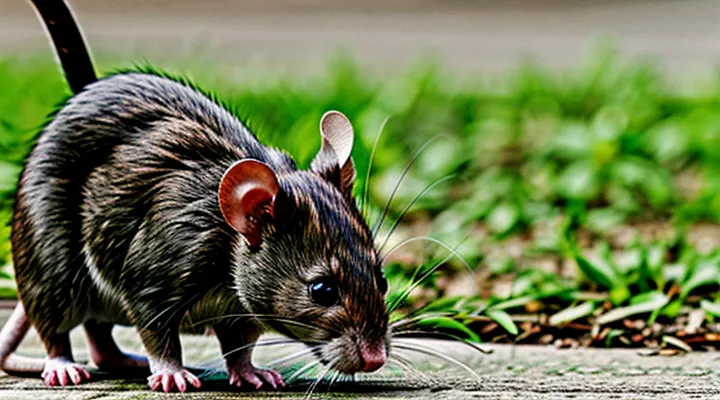
Understanding Rodent Infestations
Identifying the Problem
Signs of Rodent Presence
Detecting rodent activity promptly enables effective application of chemical control products and prevents extensive damage.
Typical indicators of infestation include:
- Fresh droppings, dark and pellet‑shaped, found along walls, behind appliances, or in pantry corners.
- Gnaw marks on wood, plastic, wiring, or packaging; fresh cuts display clean, smooth edges.
- Nests constructed from shredded paper, fabric, insulation, or dried plant material, usually hidden in concealed spaces.
- Trails of greasy residue or urine stains along baseboards, cabinets, or near food sources.
- Unusual noises, such as scratching or scurrying, heard especially at night when rodents are most active.
Presence of these signs justifies the selection of appropriate rodent control chemicals, ensuring targeted action and minimizing exposure to non‑target species. Continuous monitoring of the listed evidence supports timely re‑evaluation of treatment efficacy.
Types of Rodents: Rats vs. Mice
Rats and mice represent the two most common rodent families targeted by chemical control solutions. Both belong to the order Rodentia, yet they differ markedly in morphology, reproductive capacity, habitat preference, and response to toxicants.
Rats are typically larger, with body lengths of 20–30 cm and weights ranging from 150 g to 500 g. They exhibit strong gnawing ability, can burrow deeply, and often occupy sewers, basements, and outdoor debris piles. Their breeding cycles produce fewer litters per year compared with mice, but each litter contains more offspring, resulting in a slower but steady population growth.
Mice measure 6–10 cm in body length and weigh 10–30 g. Their high reproductive rate yields up to 10 litters annually, each with 5–10 young. Mice prefer indoor environments such as kitchens, storerooms, and wall voids, where they can exploit food residues and insulation. Their small size allows access to narrow openings, making exclusion more challenging.
Key distinctions affecting chemical agent selection:
- Body mass: Larger rats require higher dosage or more potent active ingredients to achieve lethal concentrations.
- Metabolic rate: Mice metabolize toxicants faster, often necessitating rapid‑acting compounds.
- Behavioral patterns: Rats’ nocturnal foraging in outdoor areas favors baits with weather‑resistant formulations; mice’s indoor activity supports discreet, low‑odor baits.
- Resistance profiles: Historical exposure has led to greater anticoagulant resistance in rat populations, while mice commonly exhibit resistance to certain neurotoxicants.
Understanding these biological and ecological differences enables precise formulation of chemical rodent control products, optimizing efficacy while minimizing non‑target exposure.
The Need for Chemical Solutions
Chemical rodent control agents address several critical challenges that limit the effectiveness of alternative methods. High reproductive rates of rats and mice generate rapid population growth; without rapid‑acting interventions, infestations can exceed acceptable thresholds within weeks. Physical traps and exclusion measures often require extensive installation and maintenance, which may be impractical in large facilities or densely populated urban environments. Moreover, behavioral adaptation reduces the capture success of mechanical devices over time, creating a need for solutions that act independently of animal behavior.
Regulatory frameworks increasingly demand documented efficacy and safety profiles. Chemical formulations provide measurable dose‑response data, facilitating compliance with health and environmental standards. Their predictable action allows precise risk assessments and the development of integrated pest‑management plans that balance efficacy with minimal non‑target impact.
Key factors supporting the adoption of chemical solutions include:
- Immediate mortality rates that curtail breeding cycles.
- Compatibility with automated delivery systems for large‑scale deployment.
- Ability to incorporate bait attractants that overcome neophobia.
- Established resistance‑management strategies, such as rotating active ingredients, to sustain long‑term effectiveness.
In settings where sanitation, food safety, or structural integrity are at stake, the prompt reduction of rodent numbers achieved by chemical agents prevents damage to infrastructure, contamination of products, and transmission of zoonotic diseases. Consequently, chemical options remain indispensable components of comprehensive rodent‑control programs.
Types of Chemical Rodenticides
Anticoagulants
First-Generation Anticoagulants
First‑generation anticoagulants constitute the earliest class of rodent‑targeted chemical agents. These compounds disrupt blood coagulation by inhibiting the recycling of vitamin K, leading to fatal hemorrhage after ingestion of a single lethal dose. Their efficacy relies on the rodents’ inability to compensate for the blocked clotting cascade.
Typical active ingredients include:
- warfarin
- chlorophacinone
- diphacinone
- coumachlor (diphacinone‑related)
Formulations are available as bait blocks, pellets, or liquid concentrates, each designed to attract rats and mice while minimizing exposure to non‑target species. Application rates are expressed in milligrams of active ingredient per kilogram of bait, calibrated to achieve rapid mortality without excessive environmental residues.
Resistance development has been documented in populations repeatedly exposed to these agents. Management protocols therefore recommend rotating first‑generation compounds with second‑generation anticoagulants or integrating non‑chemical control measures to preserve efficacy. Monitoring of bait uptake and post‑mortem verification supports adaptive adjustments to treatment strategies.
Safety regulations mandate labeling that specifies toxic dose thresholds for mammals, birds, and aquatic organisms. Personal protective equipment is required during handling, and disposal of unused bait must follow hazardous waste guidelines to prevent secondary poisoning. Compliance with these standards ensures that first‑generation anticoagulants remain a controlled and effective component of comprehensive rodent management.
Second-Generation Anticoagulants
Second‑generation anticoagulants are a class of rodent‑specific toxicants designed to interrupt blood coagulation by inhibiting vitamin K epoxide reductase. Their high potency enables a single low‑dose exposure to cause lethal hemorrhage within several days, reducing the need for repeated applications.
Key compounds include:
- brodifacoum
- difenacoum
- bromadiolone
- difethialone
These agents possess long biological half‑lives, which sustain anticoagulant activity in target species and mitigate the risk of bait avoidance. Resistance management protocols recommend rotating with alternative mechanisms of action or integrating non‑chemical control methods to preserve efficacy.
Regulatory frameworks typically classify second‑generation anticoagulants as restricted‑use products. Users must adhere to labeled dosage limits, apply bait in tamper‑resistant stations, and implement exclusion zones around non‑target wildlife habitats. Personal protective equipment is mandatory during handling to prevent accidental dermal exposure.
Environmental considerations focus on secondary poisoning. Persistent residues can accumulate in predatory birds and scavengers that consume poisoned rodents. Mitigation strategies include targeted bait placement, regular monitoring of non‑target species, and prompt removal of uneaten bait.
Overall, second‑generation anticoagulants provide an effective chemical solution for rat and mouse management when applied according to strict safety and environmental guidelines.
Non-Anticoagulant Rodenticides
Acute Toxins
Acute toxins represent the most rapid-acting class of chemical agents used to eradicate rats and mice. Their primary function is to induce mortality within minutes to a few hours after ingestion, thereby limiting the opportunity for bait avoidance and secondary exposure.
Common acute toxins employed in rodent‑control formulations include:
- Brodifacoum – anticoagulant that disrupts vitamin K recycling, leading to fatal internal hemorrhage.
- Bromadiolone – second‑generation anticoagulant with a similar mechanism, characterized by high potency at low concentrations.
- Chlorophacinone – first‑generation anticoagulant, effective against resistant populations when combined with attractants.
- Zinc phosphide – reacts with gastric acid to release phosphine gas, causing respiratory failure.
- Thallium carbonate – neurotoxic compound that interferes with cellular metabolism, resulting in rapid systemic collapse.
Regulatory frameworks classify these substances as high‑risk poisons. The United States Environmental Protection Agency lists them under «EPA 40 CFR Part 136», while European Union directives designate them as Category 1 toxicants, requiring restricted access, secure storage, and documented usage logs.
Application protocols demand precise dosing to achieve lethal concentrations without excessive environmental contamination. Standard practice involves placing bait stations at established rodent pathways, maintaining a minimum distance of 2 m from food preparation areas, and monitoring consumption rates daily. Personal protective equipment, including gloves and eye protection, is mandatory for handlers to prevent dermal or ocular exposure.
Disposal of unused bait and contaminated materials follows hazardous‑waste guidelines. Incineration at temperatures above 850 °C or chemical neutralization approved by local authorities ensures complete degradation of active ingredients.
Cholecalciferol (Vitamin D3) Based Rodenticides
Cholecalciferol‑based rodenticides employ vitamin D₃ as a toxicant that disrupts calcium metabolism in rodents. After ingestion, the compound induces hypercalcemia, leading to cardiac arrhythmia, renal failure and death within 3–7 days. Formulations typically contain 0.005–0.025 % cholecalciferol, combined with attractants and carrier media to ensure palatability and bait acceptance.
The mode of action distinguishes these agents from anticoagulants and neurotoxins. Elevated serum calcium interferes with myocardial contractility and renal tubular function, producing a rapid, irreversible physiological collapse. Toxic thresholds for non‑target species are considerably higher; mammals such as dogs and cats require doses an order of magnitude greater than those lethal to rats and mice, reducing accidental poisoning risk when bait stations are properly managed.
Regulatory frameworks in many jurisdictions classify cholecalciferol products as restricted‑use pesticides. Label instructions mandate placement in tamper‑resistant stations, regular inspection, and exclusion of domestic animals. Disposal of unused bait follows hazardous waste protocols to prevent environmental contamination.
Advantages include low secondary poisoning potential, minimal bait aversion, and efficacy against anticoagulant‑resistant rodent populations. Limitations involve slower onset of mortality compared with fast‑acting neurotoxicants, which may be undesirable in emergency infestations. Integration into an integrated pest management program typically pairs cholecalciferol baiting with sanitation, exclusion, and monitoring to achieve sustained control.
Key considerations for practitioners:
- Target species: Rattus norvegicus, Rattus rufus, Mus musculus.
- Application rate: 0.5–1 kg active ingredient per hectare, adjusted for infestation density.
- Environmental persistence: Low; degradation occurs via photolysis and microbial activity, with half‑life under 30 days in soil.
- Safety measures: Personal protective equipment during handling; avoid direct contact with skin or eyes.
Effective deployment relies on accurate assessment of rodent activity, strategic placement of bait stations, and adherence to label‑specified dosages. Properly managed, cholecalciferol rodenticides provide a reliable chemical tool for controlling rat and mouse problems while mitigating risks to non‑target organisms.
Other Non-Anticoagulant Compounds
Non‑anticoagulant rodent control agents provide alternatives to blood‑clotting substances, targeting physiological systems other than the coagulation cascade. Their mechanisms include disruption of cellular metabolism, interference with nervous transmission, and generation of toxic gases within the digestive tract.
Key categories include:
- Metal phosphides such as zinc phosphide and aluminium phosphide. Ingested, they react with stomach acid to release phosphine gas, which inhibits cellular respiration and causes rapid mortality. Formulations are typically solid baits or pellets, requiring secure placement to prevent accidental exposure.
- Vitamin D₃ analogues, exemplified by cholecalciferol. Elevated calcium levels induce hypercalcemia, leading to cardiac arrest and renal failure. Bait concentrations are calibrated to avoid sub‑lethal dosing that might promote tolerance.
- Neurotoxic cyanide derivatives, notably sodium cyanide and potassium cyanide, which block cytochrome c oxidase, halting oxidative phosphorylation. Use is restricted to professional pest‑management operations due to extreme toxicity to non‑target species.
- Bromethalin, a diphenyl ether compound that uncouples mitochondrial oxidative phosphorylation, resulting in cerebral edema and paralysis. It is administered as a single‑dose bait with a delayed onset, reducing bait aversion.
- Thallium sulfate, a heavy‑metal toxin that disrupts multiple enzymatic pathways. Its high toxicity demands rigorous containment and disposal protocols.
Safety considerations for all non‑anticoagulant products include:
- Mandatory labeling with hazard symbols and first‑aid instructions.
- Restricted access to bait stations, employing tamper‑proof designs.
- Compliance with local regulatory limits on active‑ingredient concentrations.
- Monitoring of secondary poisoning risks, especially for predatory wildlife and domestic animals.
Integration of non‑anticoagulant agents into rodent management programs enhances flexibility, allowing rotation with anticoagulant options to mitigate resistance development and to address specific infestation scenarios.
Application Methods and Safety Precautions
Bait Formulations
Baits Blocks
Bait blocks are compact, solid formulations designed to deliver rodent‑specific toxicants through ingestion. They combine a palatable matrix with a measured concentration of an active chemical, ensuring consistent dose exposure for target species.
The typical composition includes:
- A food‑based carrier (grain, flour, or protein) that attracts rats and mice.
- A single‑active ingredient such as anticoagulants (warfarin, bromadiolone) or neurotoxins (bromethalin, zinc phosphide).
- Binding agents that maintain structural integrity and prevent premature disintegration.
- Optional attractants (flavors, scents) to enhance acceptance.
Placement strategies focus on areas of high activity while minimizing access for non‑target animals. Effective locations comprise wall voids, behind appliances, and along established runways. Bait blocks should be positioned at ground level or slightly elevated, protected by tamper‑resistant stations when required.
Safety considerations demand strict adherence to label instructions. Key points include:
- Store in a locked, temperature‑controlled environment.
- Use gloves during handling to avoid skin contact.
- Keep away from food preparation areas and children’s zones.
- Dispose of unused product according to local hazardous waste regulations.
Advantages of bait blocks over granular or liquid alternatives are their durability, reduced spillage risk, and precise dosing. Their solid form resists degradation in humid conditions, extending operational life in outdoor settings.
Monitoring involves regular inspection of bait stations, recording consumption rates, and adjusting placement based on observed activity patterns. Prompt replenishment maintains control pressure and prevents rebound infestations.
Pellets
Pellets represent a solid bait format designed to deliver rodenticidal chemicals to rats and mice. The compact shape enables precise placement in burrows, wall voids, and concealed pathways, minimizing exposure to non‑target species.
Typical composition includes an active toxicant blended with inert carriers such as wheat flour, cornmeal or cellulose, then compressed into uniform granules. Common chemical agents found in pellet baits are:
- Anticoagulants (warfarin, bromadiolone, difenacoum)
- Neurotoxins (bromethalin, chlorophacinone)
- Metabolic poisons (zinc phosphide)
The carrier matrix provides structural integrity and controls the release rate of the active ingredient, ensuring sustained attraction and ingestion over several days.
Application guidelines require placement along established rodent runways, near nesting sites, and in concealed drop points. Recommended densities range from 0.5 g to 1 g per square meter, adjusted for infestation severity. Operators must follow label‑specified intervals to avoid bait saturation and reduce the risk of bait aversion.
Safety considerations include the potential for secondary poisoning of predators and scavengers. Personal protective equipment (gloves, mask) is mandatory during handling. Storage must occur in locked, labeled containers, separate from foodstuffs, with temperature control to preserve potency.
Advantages of pellet formulations encompass:
- Low dust generation, reducing inhalation hazards
- Resistance to moisture, prolonging field life
- Precise dosing, limiting excess chemical use
- Easy transport and discreet deployment
Regulatory compliance is reinforced by adhering to the directive «Use according to label». Proper implementation of pellet baits contributes to effective chemical control of rodent populations while mitigating environmental impact.
Paste Baits
«Paste baits» constitute a primary format of rodent‑control chemical agents. Formulated as a viscous matrix, the bait incorporates anticoagulant or neurotoxic compounds that attract rats and mice through olfactory cues. The high palatability ensures rapid ingestion, while the low moisture content prolongs shelf life and reduces degradation in storage.
Key characteristics of these products include:
- Active ingredient concentration calibrated to deliver lethal dose after a single feeding.
- Matrix composition based on wheat germ, soy, or grain extracts to match rodent dietary preferences.
- Inclusion of secondary attractants such as propylene glycol or artificial flavors to enhance acceptance.
- Packaging designed for secure placement in tamper‑resistant stations, minimizing accidental exposure.
Application guidelines prescribe placement near known activity zones, behind walls, or within conduit openings. Monitoring intervals of 24–48 hours allow verification of bait uptake and prompt replenishment. Safety protocols require personal protective equipment during handling and restrict use to indoor or semi‑protected environments to limit non‑target exposure. Proper disposal of unused bait follows hazardous waste regulations, ensuring compliance with environmental standards.
Placement Strategies
Indoor Application
Effective indoor deployment of rodent‑control chemicals requires precise selection, correct dosage, and strict adherence to safety protocols. Formulations designed for interior use include anticoagulant baits, acute neurotoxic powders, and fumigants formulated for sealed environments. Anticoagulants such as bromadiolone or difenacoum are applied in measured bait stations placed along walls, behind appliances, and in concealed corners where activity is observed. Acute agents, for example, chlorpyrifos‑based dusts, are scattered in cracks and crevices to contact hidden rodents. Fumigants, typically hydrogen cyanide or sulfuryl fluoride, are released only after thorough sealing of the structure and verification of evacuation.
Key considerations for indoor application:
- Placement: stations positioned at 5‑10 cm from the floor, away from food preparation surfaces and open containers.
- Dosage: each bait unit contains the recommended concentration (e.g., 0.005 % w/w for second‑generation anticoagulants) to ensure lethal intake after multiple feedings.
- Ventilation: after applying dusts or fumigants, maintain airflow for the period specified on the label, usually 2‑4 hours, to reduce residual vapour.
- Non‑target protection: barriers or tamper‑resistant containers prevent access by children and domestic animals; pet‑safe alternatives such as zinc phosphide are reserved for restricted zones.
- Compliance: all products bear registration numbers and hazard statements required by local regulatory agencies; usage logs must record date, location, and amount applied.
Monitoring continues after treatment. Traps and visual inspections verify reduction in activity. If bait consumption declines, rotating to a different chemical class mitigates resistance development. Documentation of each application supports accountability and facilitates future pest‑management planning.
Outdoor Application
Effective rodent‑control chemicals designed for outdoor use require precise deployment to achieve reliable population reduction while minimizing ecological impact. Formulations typically include bait blocks, granules, and liquid sprays, each suited to specific environmental conditions. Bait blocks resist weathering and maintain attractiveness for weeks, granules disperse uniformly across open terrain, and liquid sprays provide rapid knock‑down on contact.
Key considerations for field application:
- Selection of product type based on habitat characteristics (e.g., open fields, perimeters, sewer entrances).
- Dosage calibrated to target species tolerance levels, adhering to label specifications.
- Timing aligned with peak activity periods of rats and mice, usually during dusk and early night hours.
- Weather constraints observed; precipitation or extreme temperatures can degrade efficacy or increase non‑target exposure.
- Placement of bait stations at least 10 feet apart to prevent overlapping territories and reduce competition.
- Protective measures for wildlife, domestic animals, and humans, including physical barriers and signage.
Regulatory compliance mandates documentation of active ingredient concentrations, disposal of unused material, and periodic monitoring of rodent activity. Persistence of chemical residues varies; some agents degrade within days, while others remain active for weeks, influencing re‑application intervals. Continuous assessment of bait uptake and population trends ensures that control measures remain effective and environmentally responsible.
Tamper-Resistant Bait Stations
Tamper‑resistant bait stations provide secured delivery of rodent‑specific chemical attractants while preventing accidental exposure. The enclosure incorporates a lockable housing, a one‑way entry portal, and a sealed bait compartment that releases only when rodents gnaw the access point.
Key design characteristics include:
- Reinforced polymer shell resistant to cutting, drilling and impact;
- Integrated latch mechanism compliant with industry safety standards;
- Internal bait tray positioned to limit contact with non‑target species;
- Weather‑proof sealing to maintain efficacy under outdoor conditions.
Safety considerations focus on preventing human and domestic‑animal interaction. The lockable door requires a specialized tool for opening, eliminating unauthorized access. Visual indicators on the exterior signal when the compartment is empty, prompting timely replenishment without exposing the contents.
Regulatory compliance aligns with EPA‑registered rodenticide guidelines and OSHA requirements for hazardous material handling. Materials meet UL‑94 flame‑retardant classification, and the product carries a CE mark for European market distribution.
Effective deployment follows these practices:
- Install stations along established rodent runways, near walls and concealed entry points;
- Position at a height of 6–12 inches above ground to match rodent foraging behavior;
- Space units 30–50 ft apart in high‑infestation zones;
- Conduct regular inspections, replacing bait when the indicator shows depletion.
Proper use of tamper‑resistant bait stations reduces accidental poisoning incidents, enhances control program efficiency, and supports integrated pest management strategies.
Safety Considerations
Protecting Non-Target Animals
Effective protection of non‑target fauna requires careful selection, formulation, and deployment of rodent control chemicals. Low‑toxicity active ingredients, such as anticoagulant compounds with limited secondary poisoning potential, reduce risk to wildlife. Granular baits encased in hardened matrices prevent consumption by birds and small mammals, while bait stations equipped with entrance size restrictions limit access to target rodents only.
Key practices include:
- Placement of bait stations away from feeding sites of protected species, maintaining a minimum buffer zone of at least 30 m.
- Use of tamper‑resistant containers that lock bait inside, eliminating accidental ingestion by non‑target animals.
- Scheduling applications during periods of reduced activity of vulnerable species, for example, applying at night when diurnal birds are inactive.
- Incorporation of biodegradable barriers around bait sites to deter ground‑foraging mammals.
- Routine monitoring of bait stations for signs of non‑target interference, with immediate removal of compromised units.
Regulatory compliance mandates labeling that specifies prohibited exposure to «non‑target animals» and provides clear instructions for safe handling. Training programs for pest‑control personnel emphasize identification of protected species, proper station installation, and emergency response protocols in case of accidental exposure.
Integration of non‑chemical methods—mechanical traps, habitat modification, and biological control agents—supplements chemical use and further minimizes collateral impact. Continuous evaluation of efficacy and ecological safety ensures that rodent suppression objectives are met without compromising the health of surrounding wildlife.
Preventing Secondary Poisoning
Rodent‑targeted chemical products can cause unintended toxicity in non‑target species when predators or scavengers consume poisoned rodents. This risk, known as «secondary poisoning», threatens wildlife, domestic animals and, in rare cases, human health.
Key factors influencing secondary poisoning include:
- Persistence of the active ingredient in rodent carcasses;
- Amount of toxin transferred per gram of consumed tissue;
- Feeding habits of the secondary consumer;
- Environmental conditions that affect toxin degradation.
Preventive measures focus on reducing toxin availability and exposure:
- Select compounds with low residual toxicity and rapid degradation in carcasses.
- Apply bait stations that limit access to non‑target animals, ensuring only target rodents can retrieve the product.
- Use low‑dose formulations calibrated to the minimum effective concentration for rodent control.
- Implement regular monitoring of bait uptake and removal of dead rodents from the area.
- Educate personnel on proper handling, storage and disposal of unused or expired products.
Personal Protective Equipment
Effective rodent‑control chemicals demand rigorous personal protective equipment to prevent operator exposure. Selection of PPE must align with the toxicity, volatility, and formulation of the pesticide.
Gloves constructed from nitrile, neoprene, or butyl rubber provide barrier protection against liquid sprays and dust. Compatibility charts identify the material that resists degradation by specific active ingredients.
Respiratory protection ranges from half‑mask cartridges to full‑face powered air‑purifying respirators, depending on aerosol concentration and work duration. Certified filters must match the chemical class, and fit‑testing ensures a seal.
Eye and face shields, preferably with impact‑resistant polycarbonate lenses, guard against splashes and vapour condensation.
Protective clothing includes disposable coveralls, chemical‑resistant aprons, and boot covers. Designs featuring sealed seams and taped cuffs reduce skin contact.
Regular inspection, cleaning, and replacement of equipment maintain integrity. Documentation of inspection dates and decontamination procedures supports compliance with occupational safety regulations.
Key considerations for PPE procurement:
- Chemical compatibility of each component
- Certification to relevant safety standards (e.g., EN 374, NIOSH)
- Comfort and ergonomics for extended use
- Availability of replacement parts and consumables
Adherence to these practices minimizes health risks while applying rodent‑control formulations.
Proper Storage and Disposal
Safe handling of rodent‑control chemicals requires strict adherence to storage and disposal protocols. Improper practices can lead to accidental exposure, environmental contamination, and regulatory penalties.
-
Store products in a locked, ventilated area away from heat sources and direct sunlight.
-
Keep containers sealed and clearly labeled with active ingredient, concentration, and hazard symbols.
-
Separate incompatible substances, such as oxidizers and acids, to prevent reactive incidents.
-
Maintain inventory logs that record receipt dates, quantities, and expiration dates.
-
Restrict access to trained personnel only; use personal protective equipment when handling containers.
-
Dispose of unused or expired chemicals through licensed hazardous‑waste contractors.
-
Follow manufacturer recommendations for neutralization or deactivation before disposal, when applicable.
-
Segregate waste streams: empty containers, solid residues, and liquid leftovers must not be mixed.
-
Document disposal actions, including carrier name, shipment date, and manifest numbers, in compliance records.
-
Conduct periodic audits to verify that all waste is accounted for and that disposal procedures match local and federal regulations.
Regulatory compliance demands that storage facilities meet occupational safety standards and that disposal activities align with environmental protection laws. Accurate record‑keeping supports audits and demonstrates responsible management of rodent‑control agents.
Efficacy and Resistance
Factors Affecting Rodenticide Efficacy
Rodent Species and Behavior
Rodent control chemicals must be matched to the biology of target species. Effective application depends on recognizing the distinct species that infest urban, agricultural, and industrial environments and on understanding the behaviors that influence exposure to toxic baits.
- Rattus norvegicus (Norway rat) – large, burrowing, prefers ground-level sewers and basements.
- Rattus rattus (Black rat) – agile climber, occupies attics and upper stories of buildings.
- Mus musculus (House mouse) – small, rapidly reproducing, inhabits wall voids and storage areas.
- Peromyscus spp. (Deer mouse) – primarily outdoor, associated with grain fields and woodland edges.
Behavioral traits that affect chemical efficacy:
- Nocturnal activity patterns concentrate feeding during night hours, requiring bait placement in dark, concealed locations.
- Social hierarchy influences bait acceptance; dominant individuals often monopolize food sources, while subordinates may avoid contaminated bait.
- Nesting habits create localized zones of repeated exposure; burrow systems of Norway rats demand placement of rodenticides within tunnel entrances.
- Foraging range varies by species; house mice travel short distances, whereas black rats can traverse multiple floors, necessitating broader bait distribution.
- Seasonal breeding cycles increase population pressure in spring and summer, elevating the demand for timely chemical intervention.
Aligning product formulation with these species‑specific and behavioral characteristics maximizes ingestion rates, reduces bait shyness, and enhances overall control outcomes. «Understanding the target’s ecology is essential for selecting the appropriate chemical agent».
Bait Palatability
Bait palatability determines the likelihood that target rodents will ingest a chemical rodenticide. High acceptance rates increase the probability of delivering a lethal dose, while low acceptance reduces overall efficacy and may lead to bait shyness.
Formulation factors that influence palatability include:
- Protein or carbohydrate sources that match the natural diet of rats and mice.
- Flavor enhancers such as cheese, peanut butter, or grain extracts.
- Moisture content that maintains softness without promoting spoilage.
- Absence of bitter compounds that deter feeding.
Environmental considerations affect bait attractiveness. Temperature fluctuations can alter texture, while humidity may cause mold growth, both reducing consumption. Placement strategies that position bait near active foraging zones further improve uptake.
Testing protocols employ choice tests, where rodents are offered treated and untreated bait simultaneously, and consumption is measured over a defined period. Data from such trials guide adjustments to attractant ratios and particle size.
Regulatory guidelines require documentation of palatability testing to demonstrate that a product will achieve intended control levels without excessive waste. Manufacturers must provide evidence that the bait remains attractive throughout its labeled shelf life.
Optimizing bait palatability enhances the performance of chemical rodent control agents, ensuring efficient reduction of rat and mouse populations.
Environmental Conditions
Environmental conditions directly affect the performance and safety of chemical rodent control products.
Temperature influences the volatility of active ingredients. At temperatures above 25 °C, many anticoagulant formulations increase vapor pressure, accelerating diffusion through bait matrices and reducing shelf life. Conversely, temperatures below 5 °C slow metabolic activation in rodents, diminishing bait attractiveness and delaying lethal effects.
Humidity governs the stability of moisture‑sensitive agents. High relative humidity (≥80 %) promotes hydrolysis of organophosphate compounds, leading to rapid loss of potency. Low humidity (≤30 %) can cause desiccation of bait, reducing palatability and impairing the uniform distribution of the toxicant.
Ventilation determines the concentration of airborne residues during and after application. Adequate airflow disperses volatile fumes, minimizing inhalation risk for non‑target species. Insufficient ventilation allows accumulation of harmful vapors, increasing occupational exposure and potential environmental contamination.
Storage requirements reflect these parameters. Recommended conditions include a temperature range of 15–30 °C, relative humidity of 40–60 %, and storage in sealed containers to prevent moisture ingress. Labels typically specify: «Store in a cool, dry place away from direct sunlight.»
Application guidelines align with field conditions. Bait stations should be placed in sheltered locations to avoid rain exposure, while indoor treatments require monitoring of humidity levels to prevent bait degradation. When using spray formulations, operators must ensure ambient temperature exceeds the minimum evaporation threshold indicated on the product data sheet.
Monitoring environmental variables enables optimal dosing and reduces the risk of resistance development. Regular measurement of temperature, humidity, and airflow in treated areas supports consistent efficacy across diverse settings.
Rodenticide Resistance
Mechanisms of Resistance
Resistance to rodenticides that act through chemical toxicity develops through several distinct biological pathways. Genetic alterations in target proteins reduce binding affinity for the active compound, rendering the pesticide ineffective. Enhanced metabolic detoxification, mediated by up‑regulated cytochrome P450 enzymes or glutathione‑S‑transferases, accelerates breakdown of the toxic agent before it reaches lethal concentrations. Behavioral modifications, such as bait aversion or altered foraging patterns, limit exposure to the product. Structural changes in the cuticle or gut epithelium decrease permeability, slowing absorption of the chemical. Cross‑resistance emerges when enzymes that neutralize one class of compounds also inactivate others, extending protection across multiple agents.
Key mechanisms include:
- Target‑site insensitivity caused by point mutations in voltage‑gated sodium channels or acetylcholinesterase.
- Induction of detoxifying enzyme systems that metabolize organophosphates, anticoagulants, or neurotoxicants.
- Reduced ingestion due to learned bait avoidance or neophobia.
- Physical barriers, such as thickened peritrophic membrane, that impede toxin entry.
- Efflux pump activation that expels xenobiotics from cells.
Understanding these pathways informs the design of novel rodent control formulations and guides resistance‑management strategies that rotate active ingredients, incorporate synergists, or employ non‑chemical control measures.
Managing Resistant Populations
Effective control of rodent infestations increasingly confronts populations that no longer respond to conventional toxicants. Resistance emerges through genetic adaptations that diminish susceptibility to active ingredients, rendering standard dosing regimens ineffective.
Accurate detection of resistant cohorts relies on systematic bait consumption assessments and laboratory bioassays. Samples collected from field stations undergo dose‑response testing to establish mortality thresholds. Results guide the selection of appropriate interventions.
Key practices for managing resistant rodents include:
- Rotation of active ingredients with distinct modes of action to prevent selection pressure accumulation.
- Implementation of bait stations that limit exposure to a single compound, reducing the likelihood of resistance development.
- Integration of non‑chemical methods such as habitat modification, exclusion, and sanitation to lower population density.
- Monitoring of resistance trends through periodic susceptibility testing and adjustment of control strategies accordingly.
Combining chemical rotation with integrated pest management reduces the probability of resistance fixation. Continuous surveillance, diversified tactics, and adherence to label specifications collectively sustain the efficacy of rodenticidal programs.
Integrated Pest Management (IPM) with Chemical Agents
Combining Chemical and Non-Chemical Methods
Sanitation and Exclusion
Effective rodent management relies on two complementary pillars: environmental cleanliness and physical barriers. The practice of «sanitation» eliminates food, water, and shelter sources that attract rodents, while «exclusion» prevents entry into structures by sealing gaps and installing obstacles.
Sanitation measures focus on eliminating attractants. Regular removal of waste, prompt cleaning of spills, and secure storage of grain or pet food reduce the likelihood of infestation. All food containers should be airtight, and refuse bins must feature tight‑fitting lids. Maintaining dry conditions in basements, crawl spaces, and storage areas further discourages rodent activity.
Exclusion requires identification and closure of potential ingress points. Common openings include gaps around utility penetrations, door sweeps, foundation cracks, and vent covers. Materials such as steel wool, copper mesh, or cement‑based sealants provide durable obstruction. Door thresholds equipped with brush seals and window screens designed for rodent resistance add an additional layer of protection.
Integration with chemical control agents enhances overall efficacy. Recommended actions include:
- Conduct a comprehensive inspection to locate attractants and entry routes.
- Implement a systematic cleaning schedule that targets identified risk zones.
- Apply permanent sealing methods to all discovered gaps before deploying rodenticides.
- Place bait stations only after sanitation and exclusion measures have reduced non‑target exposure.
Coordinated execution of «sanitation» and «exclusion» creates an environment where chemical agents operate with maximum impact and minimal risk.
Trapping
Trapping remains a core component of integrated rodent management, complementing chemical control strategies. Effective trap deployment reduces population density, limits breeding, and provides immediate removal of individuals.
Typical trap categories include:
- Snap traps – spring‑loaded devices delivering rapid lethal force.
- Glue boards – adhesive surfaces capturing rodents for later disposal.
- Live‑catch traps – cage‑type enclosures allowing relocation or humane euthanasia.
- Electronic traps – voltage‑based mechanisms causing instantaneous death.
Selection of bait influences capture rates. Common attractants comprise grain, peanut butter, and commercial rodent lures. Bait placement should target high‑traffic zones such as walls, corners, and near food sources. Position traps perpendicular to runways, with trigger mechanisms facing the anticipated direction of approach.
Safety considerations demand proper handling of traps to avoid accidental injury. Protective gloves and eye protection are advisable during setup and retrieval. Disposal of captured rodents must follow local health regulations; sealed containers or biohazard bags are standard practice.
Integration with chemical products requires coordination. Traps placed before, during, or after bait‑type rodenticides can monitor efficacy and prevent secondary poisoning of non‑target species. Regular inspection, typically every 24–48 hours, ensures timely removal of captured rodents and maintains trap functionality.
Documentation of trap locations, capture counts, and bait types supports data‑driven decision‑making. Recorded metrics enable adjustment of trap density, bait selection, and timing, optimizing overall rodent control outcomes.
Monitoring and Evaluation
Post-Treatment Assessment
Post‑treatment assessment verifies the effectiveness and safety of rodent‑control chemical solutions after application. It confirms target elimination, detects residual toxicity, and guides subsequent management decisions.
Key elements of the evaluation include:
- Quantitative reduction of rat and mouse activity, measured through trap counts, monitoring stations, and visual inspections.
- Chemical residue analysis on surfaces and in accessible food sources, using validated laboratory methods.
- Assessment of non‑target organism exposure, documented by surveys of domestic animals, wildlife, and human occupants.
- Review of application records, including dosage, placement, and environmental conditions, to ensure regulatory compliance.
- Determination of re‑treatment necessity, based on residual pest presence, residue levels, and risk assessment outcomes.
Documentation of findings must be systematic, stored in a retrievable format, and communicated to responsible parties for informed decision‑making. Continuous monitoring after the initial assessment reinforces long‑term control and mitigates resurgence.
Long-Term Rodent Control
Effective long‑term rodent control relies on integrated chemical strategies that maintain population suppression while minimizing resistance development. Persistent rodenticides, such as anticoagulants, block vitamin K recycling, leading to fatal hemorrhage after multiple feedings. Secondary agents, including neurotoxins like bromadiolone, act on the central nervous system, providing rapid mortality for resistant populations.
Key components of a sustainable program include:
- Rotation of active ingredients with differing modes of action to prevent adaptive resistance.
- Use of bait stations that protect non‑target species and reduce environmental exposure.
- Regular monitoring of bait consumption and trap catches to adjust dosage and placement.
- Implementation of sanitation measures that remove food sources, enhancing bait effectiveness.
- Compliance with regulatory limits on residue levels to protect human health and livestock.
Safety protocols require personal protective equipment during handling, secure storage away from children and pets, and thorough documentation of application dates and locations. Periodic laboratory analysis of rodent tissue can verify exposure levels and guide future chemical selection.
By combining chemical rotation, secure delivery systems, and rigorous monitoring, long‑term rodent suppression remains achievable without compromising ecological integrity.