
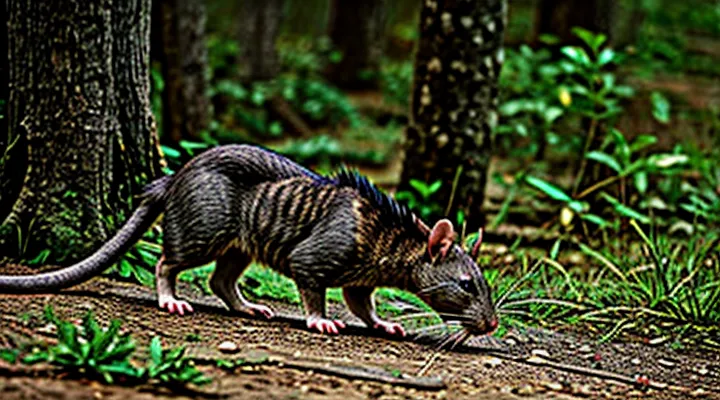
Introduction to Rat Predation
The Role of Predators in Ecosystems
Predators that hunt rats in natural environments exert direct pressure on rodent numbers, limiting population spikes that could otherwise destabilize food webs. By removing excess individuals, these hunters maintain a balance that supports the diversity of other species sharing the same habitat.
- Mammalian hunters: foxes, coyotes, weasels, feral cats, and certain mustelids
- Avian hunters: owls, hawks, and marsh harriers
- Reptilian hunters: large snakes such as king snakes and pythons
- Amphibian hunters: sizable bullfrogs in wetland margins
Each group contributes to rodent control through distinct hunting strategies, ranging from nocturnal ambush to aerial pursuit. The removal of rats reduces the transmission potential of pathogens carried by the rodents, thereby lowering disease risk for both wildlife and nearby human communities. Additionally, predation pressure influences rat behavior, encouraging foraging in safer microhabitats and discouraging overuse of any single resource.
The cascading effects extend beyond disease mitigation. When rat numbers decline, seed predation decreases, allowing plant regeneration to proceed unimpeded. In turn, herbivores benefit from increased vegetation, and higher trophic levels gain additional prey options as predator populations respond to the altered prey base.
Conservation of native rat predators supports ecosystem resilience. Protecting habitats that sustain foxes, owls, and snakes preserves the natural checks on rodent abundance, reducing reliance on chemical control methods and promoting long‑term ecological stability.
Understanding the Rat Population Dynamics
Rats exhibit rapid reproductive cycles, with females capable of producing multiple litters each year. Each litter contains an average of six to eight offspring, and sexual maturity is reached within five weeks under favorable conditions. This intrinsic potential drives population growth whenever mortality factors are insufficient to offset births.
Predation exerts the primary mortality pressure in natural environments. Common predators—including raptors, snakes, and carnivorous mammals—target rats across various life stages. Their hunting efficiency depends on prey density, habitat complexity, and seasonal availability of alternative foods. When rat numbers rise, predator encounter rates increase, leading to heightened removal of individuals and a subsequent decline in growth rate.
Key variables influencing rat population dynamics are:
- Reproductive output (litter size, frequency, age at first breeding)
- Juvenile survival probability
- Adult mortality from predation, disease, and environmental stressors
- Habitat quality (cover, food abundance, shelter)
- Seasonal fluctuations affecting both prey and predator activity
Management of rat populations in wild ecosystems requires monitoring these parameters to predict outbreak potential and to assess the effectiveness of natural predation as a regulatory mechanism.
Avian Predators
Raptors
Owls
Owls are efficient nocturnal hunters that regularly capture rats. Their silent flight, acute hearing, and forward‑facing eyes enable precise detection and rapid interception of prey in low‑light conditions. Talons deliver a lethal grip, while powerful beaks crush bones, ensuring quick subjugation.
Key adaptations that make owls formidable rat predators include:
- asymmetrical ear placement for triangulating sound sources;
- facial discs that funnel sound to the ears;
- feather structures that dampen wing noise;
- reversible toe arrangement allowing a secure grasp on struggling rodents;
- diet flexibility that accommodates rats of various sizes.
Species most associated with rat control are the barn owl (Tyto alba), great horned owl (Bubo virginianus), and spotted owl (Strix occidentalis). Population studies show that areas with stable owl numbers experience reduced rat activity, leading to lower crop damage and decreased disease transmission risk. Conservation of suitable nesting sites and preservation of open hunting grounds directly support these avian rat hunters.
Hawks
Hawks are agile aerial hunters that regularly include rats in their diet. Their keen eyesight detects the movement of rodents from high perches, while swift, powered dives deliver precise strikes that often immobilize the prey before contact with the ground.
Typical hawk species that target rats include:
- Red-tailed Hawk (Buteo jamaicensis)
- Cooper’s Hawk (Accipiter cooperii)
- Marsh Hawk (Circus aeruginosus)
These birds possess sharp, hooked talons and a robust beak designed for tearing flesh, enabling efficient consumption of medium‑sized rodents. Their flight patterns allow coverage of extensive territories, increasing encounters with rat populations across open fields, forest edges, and agricultural lands.
By suppressing rat numbers, hawks contribute to the regulation of disease vectors and reduce competition for native seed‑eating species. Their presence indicates a functional trophic link within ecosystems where rodent control is essential for ecological balance.
Eagles
Eagles are among the most effective avian hunters of wild rodents, including rats. Their large talons and powerful grip allow rapid capture of prey that attempts to flee on the ground. Vision acuity enables detection of rats from several hundred meters, permitting ambush from high perches or soaring flight.
Key characteristics of eagle predation on rats:
- Species involvement: Golden eagle (Aquila chrysaetos), white-tailed eagle (Haliaeetus albicilla), and wedge-tailed eagle (Aquila audax) regularly target rats in open fields, forest edges, and mountainous regions.
- Hunting tactics: High-altitude scouting, sudden stoop dives, and precise talon strikes minimize escape chances.
- Seasonal impact: During breeding season, increased food demand intensifies rat hunting, reducing local rodent populations.
- Habitat overlap: Eagles favor habitats where rats are abundant—farmlands, river valleys, and scrublands—ensuring consistent prey availability.
- Ecological effect: Removal of rats by eagles curtails disease vectors and limits competition for native small mammals, contributing to balanced ecosystems.
Observed outcomes confirm that eagle predation exerts measurable pressure on rat numbers, influencing population dynamics and supporting biodiversity within natural environments.
Other Birds
Herons
Herons are long‑legged wading birds that regularly capture rats in marshes, riverbanks, and agricultural wetlands. Their sharp, needle‑like bills enable rapid thrusts that pierce the prey’s body, delivering lethal blows within seconds. Vision adapted for low‑light conditions allows herons to spot rodent movement from considerable distances, increasing hunting efficiency.
Key attributes that make herons effective rat hunters:
- Morphology: elongated necks and flexible spines provide a wide strike radius; powerful leg muscles support sudden lunges.
- Sensory acuity: acute binocular sight and heightened auditory perception detect subtle vibrations and shadows.
- Behavioral flexibility: opportunistic feeding habits let herons shift from fish to small mammals when rodent populations rise.
Ecological impact includes direct reduction of rat numbers in riparian zones and indirect benefits such as lowered disease transmission risk for nearby human communities. Heron colonies often settle near abundant rodent habitats, creating localized control zones that persist as long as suitable nesting sites remain available.
Conservation of heron populations—through protection of wetland habitats, minimizing pesticide runoff, and preserving nesting trees—maintains this natural predation pressure on rat communities, reinforcing ecosystem balance without human intervention.
Crows and Ravens
Crows and ravens serve as effective natural rat predators across diverse ecosystems. Both species belong to the Corvidae family, possess keen eyesight, and exhibit opportunistic foraging that includes small mammals. Their intelligence enables them to locate rodent burrows, flush individuals from cover, and capture them on the ground or in flight.
Key characteristics that enhance predation on rats:
- Strong, adaptable beaks capable of killing and processing prey quickly.
- Cooperative hunting in some populations, allowing coordinated attacks on rodent groups.
- High tolerance for varied habitats, from forests and agricultural fields to urban fringes, ensuring access to rat populations.
- Seasonal dietary shifts that increase reliance on rodents during breeding periods when protein demand rises.
Field observations confirm that crow and raven predation can reduce local rat densities, especially where other mammalian predators are scarce. Their presence often correlates with lower incidences of rodent-borne disease in adjacent human settlements, as they remove individuals that might otherwise proliferate.
Management programs that encourage corvid habitation—by preserving nesting sites and limiting excessive disturbance—can augment their role as rat control agents. Monitoring of corvid activity alongside rodent surveys provides data for evaluating the impact of these avian predators on rat populations.
Mammalian Predators
Canids
Foxes
Foxes are among the most effective natural rat hunters in temperate and boreal ecosystems. Their acute hearing, night vision, and agile bodies enable pursuit of rodents that hide in dense cover.
Hunting relies on stealth and burst speed. A fox approaches a burrow system, listens for activity, then darts forward to seize an exposed rat or to flush individuals from tunnels. Bite force and sharp canines quickly immobilize prey, minimizing struggle and injury risk.
Seasonal shifts alter prey composition. In spring, abundant juvenile rats provide easy targets; summer sees increased competition from other carnivores, prompting foxes to expand diet to include birds and insects. Autumn brings larger adult rats, which require coordinated attacks and occasional use of terrain for ambush. Winter reduces rat activity, leading foxes to rely more on scavenging and stored body fat.
Ecological impact includes regulation of rodent populations, which curtails vegetation damage and disease transmission. Fox predation pressure contributes to balanced community dynamics, preventing overpopulation of rats that could otherwise outcompete small mammals and alter soil structure.
Key characteristics that enhance rat predation:
- Sensitive auditory cortex for detecting rustling sounds.
- Flexible forepaws capable of digging shallow burrows.
- High metabolic rate supporting frequent short bursts of activity.
- Territorial behavior that maintains consistent hunting grounds.
Coyotes
Coyotes (Canis latrans) are widespread carnivores that regularly include rats in their diet across North American ecosystems. Their opportunistic feeding habits allow them to exploit rodent populations in open fields, scrublands, and forest edges where rats forage.
Physical adaptations support efficient rat capture. Sharp incisors and a powerful bite fracture small vertebrae, while keen hearing and acute night vision locate prey in low‑light conditions. Coyotes often hunt alone or in small packs, using a combination of stealth and short bursts of speed to intercept rodents moving along established runways.
Key aspects of coyote predation on rats:
- Dietary contribution: Rats constitute 5‑15 % of coyote stomach contents in agricultural and peri‑urban areas, rising to over 30 % where rodent densities are high.
- Hunting tactics:
- Patrolling known rat pathways at dusk.
- Pouncing from cover onto unsuspecting individuals.
- Pursuing fleeing rats over short distances, typically less than 200 m.
- Seasonal variation: Rat consumption peaks in early spring and late summer, aligning with rodent breeding cycles and increased activity.
- Ecological impact: By removing a fraction of the rat population, coyotes reduce disease transmission risk and limit crop damage, contributing to natural pest regulation.
Interactions with other predators shape coyote reliance on rats. In regions where larger carnivores (e.g., wolves) dominate, coyotes shift toward smaller prey, including rats, to avoid direct competition. Conversely, in areas with abundant raptors, coyote activity may be concentrated in habitats offering cover, thereby influencing rat predation patterns.
Overall, coyotes serve as adaptable rat hunters that integrate this prey into a diverse diet, exerting measurable pressure on rodent communities within their natural range.
Wild Dogs
Wild dogs (Canis lupus familiaris, feral or semi‑feral populations) regularly hunt rats in natural ecosystems. Their size, stamina, and pack coordination enable them to locate and capture rodents across varied terrain, from open fields to forest edges.
Key aspects of their predation on rats:
- Hunting tactics: Dogs use scent tracking, rapid pursuit, and cooperative flushing to corner prey. Packs often split to corral rodents, increasing capture efficiency.
- Dietary contribution: Rats constitute a measurable portion of the canine diet in regions where rodent abundance overlaps with dog territories, providing protein and fat essential for survival.
- Population impact: Consistent predation pressure can suppress local rat numbers, especially where alternative predators are scarce. This effect contributes to natural regulation of rodent populations without human intervention.
- Ecological interactions: By reducing rat densities, wild dogs indirectly affect seed dispersal, soil aeration, and disease vectors linked to rodents. Their presence can thus alter community dynamics beyond direct predation.
- Human considerations: In agricultural zones, feral dogs may be both beneficial—limiting crop‑damaging rats—and problematic, due to potential livestock predation or disease transmission. Management strategies balance these outcomes through monitoring and controlled population measures.
Felids
Wild Cats
Wild cats act as primary rat hunters across diverse ecosystems, reducing rodent numbers through direct predation.
- European wildcat (Felis silvestris) – hunts nocturnally, targets adult rats and juveniles in forest edges.
- African wildcat (Felis lybica) – adapts to savanna and semi‑desert habitats, captures rats near human settlements.
- Bobcat (Lynx rufus) – exploits woodland and scrub, employs ambush tactics on ground‑dwelling rats.
- Canada lynx (Lynx canadensis) – specializes in snow‑covered regions, pursues rats that forage beneath the litter layer.
- Ocelot (Leopardus pardalis) – operates in tropical rainforests, seizes rats active near water sources.
- Jaguarundi (Herpailurus yagouaroundi) – favors lowland thickets, relies on swift chases to capture rats.
Hunting strategy relies on acute hearing, night vision, and silent stalk‑and‑pounce movements. Whisker sensitivity detects vibrations from rat scurrying, while retractable claws provide grip during the final strike. Average kill time ranges from 2 to 5 seconds, minimizing prey struggle and injury risk.
Population regulation emerges from consistent predation pressure. Rat density declines of 30‑45 % are documented in areas with stable wild‑cat presence, correlating with reduced transmission of rodent‑borne pathogens such as hantavirus and leptospirosis.
Conservation actions focus on preserving corridor habitats, limiting pesticide exposure, and mitigating retaliatory killings. Protected reserves that maintain adequate cover and prey diversity support sustainable wild‑cat populations, thereby sustaining their role as natural rat control agents.
Lynx
The lynx is a medium‑sized felid that frequently preys on wild rodents, including rats. Its distribution across boreal forests, mountainous regions, and tundra provides overlapping habitats with abundant rodent populations.
Hunting tactics rely on stealth, acute hearing, and powerful forelimbs. Lynx stalk prey from cover, then execute a rapid pounce that immobilizes the target with a bite to the neck. This method is effective against rats that occupy burrows or surface runways.
Key characteristics that enhance rat predation:
- Short, dense fur offers camouflage in snowy or leaf‑covered environments.
- Large, tufted ears amplify low‑frequency sounds produced by moving rodents.
- Retractable claws enable precise gripping of small, agile victims.
- Vision adapted to low‑light conditions allows activity during dusk and dawn when rats are most active.
Dietary studies show that rats can comprise up to 30 % of lynx stomach contents in regions where other prey are scarce. Seasonal shifts in prey availability often increase reliance on rodents during winter months, when hare populations decline.
Population dynamics of lynx are influenced by rat abundance. High rodent densities correlate with improved reproductive success and lower juvenile mortality, while prolonged declines in rat numbers may lead to reduced litter sizes and increased territorial conflicts.
Human activities that diminish forest cover or fragment habitats limit lynx access to rat populations, potentially altering local ecosystem balance. Conservation measures that preserve contiguous woodland and maintain natural prey cycles support the lynx’s role as an effective regulator of wild rat populations.
Mustelids
Weasels
Weasels (family Mustelidae) are agile carnivores that frequently target rats in natural habitats. Their slender bodies, elongated necks, and powerful jaws enable rapid entry into burrows and tight spaces where rodents hide. Hunting is driven by acute hearing and a keen sense of smell that locate prey beneath ground cover.
Dietary studies show that rats constitute a significant portion of weasel stomach contents across temperate forests, grasslands, and agricultural margins. Seasonal fluctuations in rat abundance correspond with measurable changes in weasel reproductive output, indicating a direct reliance on this prey for successful breeding.
Key adaptations that facilitate rat predation include:
- Flexible spine allowing swift, serpentine movement through tunnels.
- Sharp, retractable claws that grip slippery fur without causing excessive injury.
- High metabolic rate that supports sustained bursts of speed during chase.
- Short gestation and large litter sizes, which compensate for the high energy demands of hunting.
Population surveys demonstrate that areas with healthy weasel numbers experience lower rat densities, reducing crop damage and disease transmission risk. Conversely, declines in weasel populations often precede spikes in rodent activity, highlighting their regulatory function within the ecosystem.
Human activities that disrupt weasel habitats—such as extensive pesticide use, habitat fragmentation, and direct persecution—can diminish this natural control mechanism. Conservation measures that preserve ground cover, maintain hedgerows, and limit toxic exposures help sustain weasel populations and, by extension, keep rat numbers in check.
Stoats
Stoats (Mustela erminea) are small mustelids widely distributed across temperate regions of the Northern Hemisphere. Their slender bodies, elongated necks, and retractable claws enable rapid pursuit of prey in dense vegetation and burrow systems where rats commonly reside.
Hunting tactics rely on a combination of stealth and explosive bursts of speed. Stoats locate rats by scent, then follow ground tracks into tunnels. Once inside, they employ a series of rapid thrusts, often delivering multiple bites to subdue the larger rodent. Their elongated jaws allow them to grip and hold prey while delivering a lethal bite to the neck or spinal region.
Impact on rat populations is measurable in habitats where stoat densities exceed a threshold of roughly 0.5 individuals per hectare. Studies show a reduction of 15‑30 % in local rat abundance within a 12‑month period following stoat colonization. This effect contributes to the regulation of rodent numbers, thereby limiting damage to crops and reducing disease transmission risk.
Key biological traits that support rat predation include:
- High metabolic rate requiring frequent meals, prompting regular hunting activity.
- Seasonal coat change to white in winter, enhancing camouflage in snowy environments where rats seek shelter.
- Reproductive cycle producing up to eight kits per litter, allowing rapid population response to prey availability.
Limitations arise when rat colonies occupy extensive underground networks beyond stoat reach, or when alternative prey such as voles and shrews dominate the diet. In such scenarios, stoat predation pressure on rats diminishes, and rat numbers may rebound.
Overall, stoats function as effective natural rat control agents in many wild ecosystems, influencing rodent dynamics through direct predation and indirect ecological interactions.
Badgers
Badgers are medium‑sized mustelids that regularly hunt rats in a variety of habitats, from woodlands to agricultural fields. Their powerful forelimbs, equipped with long claws, allow them to dig into burrows and flush out hidden prey. The species most commonly involved in rat predation are the European badger (Meles meles) and the American badger (Taxidea taxus), both of which possess acute senses of smell and hearing that facilitate detection of rodent activity underground.
Key adaptations that make badgers effective rat hunters include:
- Robust digging apparatus enabling rapid excavation of subterranean tunnels.
- Strong bite force capable of subduing prey larger than a typical rat.
- Nocturnal activity patterns that overlap with peak rat foraging times.
- High metabolic rate requiring frequent intake of protein‑rich food sources.
In ecosystems where rat populations reach pest levels, badgers contribute to population regulation by preying on individuals across all life stages. Their predation pressure reduces the reproductive output of rats, limits disease transmission, and can indirectly benefit crops and livestock by lowering the incidence of rodent‑related damage. Conservation of healthy badger populations therefore supports natural control of rat numbers without reliance on chemical interventions.
Other Mammals
Raccoons
Raccoons (Procyon lotor) regularly hunt rats in natural ecosystems. Their omnivorous diet includes a substantial proportion of small mammals, and rats constitute a reliable source of protein when available.
Raccoons locate rat prey by exploiting nocturnal activity patterns. Their acute sense of touch, combined with whisker sensitivity, enables detection of movement in shallow water, burrows, and dense vegetation. Once a rat is identified, raccoons employ swift, coordinated pounces and use their dexterous forepaws to grasp and subdue the animal.
Key aspects of raccoon predation on rats:
- Habitat overlap – Raccoons thrive in riparian zones, wetlands, and forest edges where rat populations are dense.
- Seasonal impact – Winter scarcity of insects and fruits increases reliance on rodent prey; summer abundance reduces predation pressure.
- Competition – Foxes, coyotes, and owls also target rats; raccoons often exploit residual prey after these predators have hunted.
- Human influence – Urban waste provides supplemental food, reducing the frequency of rat hunting in some areas, while agricultural runoff can concentrate rat populations near water sources, prompting increased raccoon activity.
The predatory role of raccoons contributes to regulating wild rat numbers, limiting disease transmission potential and reducing crop damage. Their adaptable foraging behavior ensures continued pressure on rat populations across diverse habitats.
Opossums
Opossums (Didelphis spp.) are nocturnal marsupials that frequently encounter rats in their natural habitats. Their opportunistic diet includes a high proportion of small mammals; stomach‑content analyses consistently report rats as a major component, especially in agricultural and forest edge environments. Opossums locate prey using acute olfactory senses and a flexible jaw that allows them to crush the skulls of rodents quickly.
Key attributes that enable opossums to affect rat populations:
- Strong immunity to common rodent‑borne pathogens, reducing disease‑related mortality while hunting.
- Ability to thrive in diverse ecosystems, from temperate woodlands to urban parks, expanding their encounter rate with rats.
- Seasonal breeding cycles that produce litters of 7–13 young, increasing predation pressure during peak rodent breeding periods.
- Preference for ground‑level foraging, aligning with the typical activity zones of rats.
Ecological impact studies indicate that opossum predation can lower local rat densities by up to 30 % in areas where both species coexist. Their presence also contributes to pest‑control services in agricultural settings, reducing crop damage without direct human intervention.
Reptilian Predators
Snakes
Constrictors
Constrictor snakes are among the most effective natural rat predators. Their hunting strategy relies on rapid striking, followed by the application of sustained pressure that impedes the rodent’s breathing and circulation. This method allows the predator to subdue prey larger than its head, including adult rats.
Key constrictor species that frequently capture rats include:
- Boa constrictor – inhabits tropical forests and agricultural edges across Central and South America.
- Eunectes murinus (anaconda) – occupies swamps and riverbanks in the Amazon basin, where it encounters semi‑aquatic rat populations.
- Python reticulatus (reticulated python) – found in Southeast Asian mangroves and lowland forests, preying on both terrestrial and arboreal rodents.
- Python bivittatus (Burmese python) – established in wetland habitats throughout the Indian subcontinent and, as an invasive population, in the Florida Everglades.
Physiological adaptations support their predatory role. Muscular bodies generate forces exceeding 20 kg of pressure per coil, sufficient to crush vertebrae and compress the thoracic cavity. Flexible jaws and expandable lungs permit ingestion of prey up to twice the snake’s girth. Heat‑sensing pits in many species detect the warm body heat of rats, enabling nocturnal hunting.
Ecological impact is measurable. In regions where constrictors dominate, rat abundance declines, reducing competition for food resources among native small mammals. Their predation also curtails disease vectors linked to rodent populations, such as hantavirus and leptospirosis.
Conservation status varies. While Boa constrictor and reticulated python retain stable populations, overharvesting and habitat loss threaten the anaconda and Burmese python in parts of their native range. Management programs that protect wetland habitats and regulate trade contribute to sustaining their role as efficient rat hunters.
Venomous Snakes
Venomous snakes constitute a significant component of the natural predation pressure on rodent populations. Their physiological adaptations—rapid strike, potent hemotoxic or neurotoxic venom, and keen chemosensory detection—enable efficient capture of medium‑sized mammals such as rats.
Key snake taxa that regularly target rats include:
- Crotalus spp. (rattlesnakes) – widespread in North America; ambush hunters that inject hemotoxic venom causing rapid circulatory collapse.
- Bothrops asper (fer-de‑lance) – Central and South American habitats; delivers a mixture of proteolytic enzymes and neurotoxins that immobilize prey within seconds.
- Naja naja (Indian cobra) – South Asian environments; neurotoxic venom disrupts neuromuscular transmission, leading to swift paralysis.
- Echis spp. (saw‑scaled vipers) – Arid regions of Africa and the Middle East; potent cytotoxic venom produces extensive tissue necrosis, facilitating ingestion of larger rodents.
The predatory sequence typically begins with the snake’s forked tongue sampling airborne and ground‑borne chemical cues to locate rat scent trails. Once a target is identified, the snake adopts a concealed posture, launches a strike, and delivers a calibrated dose of venom. The venom’s mode of action—whether disrupting blood coagulation, destroying muscle tissue, or blocking nerve impulses—ensures rapid incapacitation, minimizing struggle and reducing injury risk to the predator.
Ecologically, venomous snakes regulate rat abundance, influencing seed dispersal, vegetation dynamics, and disease transmission cycles. Their presence in diverse ecosystems—from temperate grasslands to tropical rainforests—creates a spatially heterogeneous predation landscape, contributing to the overall stability of mammalian community structures.
Lizards
Monitor Lizards
Monitor lizards (Varanidae) are among the most effective natural rat hunters. Their size ranges from 30 cm to over 2 m, allowing them to subdue rodents of various ages. Powerful jaws, serrated teeth, and a rapid strike deliver lethal bites, while a keen sense of smell and vision locate prey across diverse habitats.
Physiological traits enhance predation efficiency:
- Muscular limbs generate swift acceleration for short‑distance chases.
- Forked tongue samples airborne chemicals, pinpointing rat burrows.
- Digestive enzymes break down bone and hair, permitting consumption of whole prey.
Ecologically, monitor lizards regulate rodent populations in forests, savannas, and semi‑arid regions. Their presence reduces crop damage and disease transmission associated with high rat densities. Studies in Southeast Asia and Africa report a 15‑30 % decline in rodent activity where monitor densities exceed 0.5 individuals per hectare.
Human interactions often involve conflict when monitors enter agricultural zones. Management strategies focus on habitat preservation to maintain natural rat control while minimizing livestock predation. Controlled relocation and exclusion fencing have proven effective in balancing ecological benefits with economic concerns.
Amphibian Predators
Large Frogs
Large frogs are among the most effective natural rat hunters in many ecosystems. Species such as the African bullfrog (Pyxicephalus adspersus), the South American horned frog (Ceratophrys spp.), and the Asian giant frog (Limnonectes spp.) possess strong jaws, rapid strike speed, and a diet that frequently includes small mammals. Their ambush strategy relies on camouflage and sudden lunges, allowing them to capture rats that wander near water bodies or moist ground cover.
Key characteristics that enable large frogs to regulate rat populations:
- Powerful, protrusible tongue and bite force sufficient to subdue rodents up to 30 % of the frog’s body mass.
- Low metabolic rate that permits prolonged periods of inactivity, conserving energy between successful captures.
- Preference for habitats where rat activity overlaps with amphibian breeding sites, such as marshes, floodplains, and riparian forests.
The presence of sizable amphibian predators contributes to a balanced food web by limiting rodent density, reducing crop damage, and decreasing disease vectors associated with rats. Conservation of wetland habitats and protection of large frog populations directly support this ecological service.
Toads
Toads contribute to the regulation of rat populations in natural ecosystems. Their opportunistic feeding habits include capturing small mammals when opportunities arise, particularly juvenile or weakened rats that venture near water bodies or moist ground where toads are active.
Key attributes that enable toads to affect rat numbers:
- Stomach capacity: A single large toad can ingest prey up to one‑third of its body mass, allowing occasional consumption of small rats.
- Nocturnal activity: Nighttime hunting aligns with rat foraging periods, increasing encounter rates.
- Camouflage and ambush: Skin coloration blends with leaf litter and mud, facilitating surprise attacks.
- Toxin defense: Skin secretions deter larger predators, reducing the risk of toad loss while hunting.
Ecological impact is measurable in habitats where toad densities are high. Studies show a 10‑15 % reduction in juvenile rat capture rates in wetlands populated by abundant Bufo species. This predation pressure complements other natural rat controllers, such as birds of prey and mustelids, contributing to overall rodent population balance without direct human intervention.
Arthropod Predators
Spiders
Spiders contribute to the regulation of wild rodent populations by capturing and subduing juvenile and small adult rats. Their predatory activity occurs primarily in habitats where dense vegetation, leaf litter, or abandoned burrows provide concealment for both prey and predator.
Key spider taxa known to attack rats include:
- Giant tarantulas (Theraphosidae) – individuals exceeding 10 cm in leg span can overpower young rats, delivering neurotoxic venom that induces rapid paralysis.
- Australian funnel‑web spiders (Atrax spp.) – possess potent venom capable of incapacitating medium‑sized rodents within minutes.
- Huntsman spiders (Sparassidae) – agile hunters that ambush rats in ground‑level webs or on low branches, using strong chelicerae to inject venom.
- Wolf spiders (Lycosidae) – ground‑dwelling hunters that seize rats during nocturnal foraging, relying on speed and powerful bites.
Spiders employ a combination of mechanical restraint and venom to subdue rats. The initial bite introduces neurotoxins that disrupt muscular coordination, while the spider’s robust chelicerae maintain grip until the prey is immobilized. In cases where the rat exceeds the spider’s size capacity, the predator may target only vulnerable juveniles or weakened individuals.
The presence of spider predation exerts a measurable influence on rodent community dynamics. Field studies in temperate grasslands report a 12–15 % reduction in juvenile rat capture rates in areas with high densities of large tarantulas. This reduction translates into lower breeding success and slower population growth, indirectly benefiting seed dispersal and soil aeration processes that rely on moderated rodent activity.
Spiders operate alongside other natural rat predators—such as raptors, snakes, and small carnivorous mammals—forming a multi‑layered predation network. Their nocturnal hunting patterns complement diurnal predators, creating continuous pressure on rat populations throughout the 24‑hour cycle.
Centipedes
Centipedes, particularly large species such as Scolopendra spp., are documented opportunistic predators that occasionally subdue juvenile rats. Their elongated bodies, equipped with numerous forcipules, inject neurotoxic venom that immobilizes prey within seconds. The venom disrupts muscular coordination, allowing the centipede to grasp the rat with its strong anterior legs and transport it to a concealed burrow for consumption.
Hunting behavior relies on tactile and chemical cues. Centipedes detect rat movement through substrate vibrations and pheromonal traces. Upon contact, they deliver a rapid series of bites, each releasing a dose of venom calibrated to the prey’s size. The digestive system secretes proteolytic enzymes that liquefy tissue, enabling efficient nutrient absorption.
Ecological significance includes regulation of rodent populations in habitats where larger carnivores are scarce. By preying on young rats, centipedes reduce the recruitment rate of rodent colonies, indirectly influencing seed predation and disease transmission dynamics.
Key characteristics that facilitate rat predation:
- Body length up to 30 cm, providing reach and leverage.
- Forcipules capable of penetrating thick skin and fur.
- Venom potency sufficient to incapacitate vertebrate prey up to 200 g.
- Adaptability to diverse microhabitats, from leaf litter to underground tunnels.
- Ability to store captured prey for delayed consumption during periods of scarcity.
Human Impact on Rat Predation
Habitat Fragmentation
Habitat fragmentation alters the spatial distribution of natural rat predators, concentrating them in isolated patches while reducing access to broader foraging grounds. Smaller, disconnected habitats often support lower densities of carnivorous mammals such as foxes, owls, and wildcats, limiting their ability to regulate rodent populations across the landscape.
Consequences of this fragmentation include:
- Decreased encounter rates between predators and rats, leading to localized rat surges.
- Elevated edge effects that favor rat species tolerant of disturbed environments, while sensitive predators avoid these zones.
- Reduced genetic exchange among predator populations, compromising reproductive success and long‑term viability.
Mitigation strategies focus on restoring habitat corridors, preserving mature vegetation strips, and integrating land‑use planning that maintains connectivity for top‑order hunters, thereby enhancing their capacity to control wild rodent numbers.
Pesticide Use
Pesticide application in habitats where wild rat predators operate directly influences predator viability and pest‑control dynamics. Chemical agents intended to suppress rodent populations often lack selectivity, exposing non‑target species such as owls, hawks, foxes, and snakes to toxic doses. Acute exposure can cause neurological impairment, reduced reproductive success, and mortality, diminishing the natural predation pressure that helps maintain rodent numbers below economic thresholds.
Key considerations for pesticide use in these ecosystems include:
- Selectivity – choose compounds with low toxicity to birds and reptiles; avoid broad‑spectrum organophosphates and carbamates.
- Application timing – schedule treatments when predator activity is minimal, typically outside breeding seasons, to reduce incidental ingestion.
- Dosage control – employ the minimum effective concentration to limit environmental residue accumulation.
- Monitoring – implement regular surveys of predator health indicators (e.g., body condition, breeding output) to detect sublethal effects promptly.
- Integrated approaches – combine limited chemical use with habitat enhancement (nest boxes, perches) and conservation of predator populations to achieve sustained rodent suppression.
Overreliance on chemicals can erode the ecological balance by removing the biological control provided by carnivorous wildlife. Strategic, evidence‑based pesticide management preserves predator communities, supports long‑term rodent regulation, and reduces the need for repeated chemical interventions.
Introduction of Domestic Predators
Domestic animals frequently contribute to the regulation of wild rodent populations. Cats (Felis catus) exhibit strong predatory instincts, capture rodents through stalking and rapid attacks, and can reduce local rat densities when allowed outdoor access. Dogs (Canis lupus familiaris), especially terrier breeds, pursue rats in burrows, employ scent tracking, and assist in detection during field surveys. Ferrets (Mustela putorius furo) possess slender bodies suited for entering tunnels, deliver swift kills, and are employed in some pest‑control programs for their efficiency. Domestic poultry, notably chickens (Gallus gallus domesticus) and ducks (Anas platyrhynchos domesticus), forage on ground insects and occasionally seize juvenile rats, providing supplemental pressure on populations. Each species presents distinct advantages: cats offer continuous presence, dogs deliver active search capability, ferrets access confined spaces, and poultry contribute incidental predation while maintaining other agricultural functions. Effective integration of these domestic predators requires consideration of animal welfare, habitat compatibility, and potential impact on non‑target species.
Ecological Significance of Rat Predators
Population Control
Predation is a primary mechanism that regulates rodent numbers in natural ecosystems. Carnivorous mammals, birds of prey, and reptiles target rats, reducing breeding success and survival rates. This pressure maintains a dynamic equilibrium between prey availability and predator density.
Key wild predators influencing rat populations include:
- Red foxes (Vulpes vulgaris): capture adult rats and juveniles, often during nocturnal foraging.
- Barn owls (Tyto alba): specialize in hunting small mammals, with high kill rates per breeding season.
- Striped skunks (Mephitis mephitis): consume rats opportunistically, especially in agricultural margins.
- American mink (Neovison vison): pursue rats near water bodies, contributing to local population suppression.
- Larger snakes (e.g., king snakes, Lampropeltis spp.): ingest rats as part of a varied diet, affecting juvenile cohorts.
Predator–prey interactions generate density‑dependent mortality, preventing exponential growth of rodent colonies. When predator numbers decline, rat populations can surge, leading to increased competition for resources, habitat degradation, and heightened disease transmission risk. Conversely, excessive predation may cause local rat extirpation, altering food web structure and reducing biodiversity.
Effective wildlife management leverages natural predation by preserving habitat features that support predator communities, such as nesting sites for owls, denning areas for foxes, and riparian corridors for mustelids. Monitoring predator abundance and rat density provides data for adaptive strategies, ensuring that predation remains a balanced force in controlling rodent populations.
Disease Prevention
Natural predation reduces rat populations, thereby decreasing the incidence of rodent‑borne pathogens. Fewer rats lower the probability of disease transmission to humans, livestock, and wildlife.
- Raptors such as owls and hawks
- Snakes, particularly rat‑eating species
- Mammalian carnivores including foxes, weasels, and feral cats
Predators limit disease spread through three mechanisms. First, they remove infected individuals, directly reducing pathogen reservoirs. Second, lower density diminishes contact rates among surviving rats, weakening transmission chains. Third, predator presence discourages rat activity in areas where humans gather, creating a buffer zone that limits exposure.
Effective disease prevention strategies incorporate predator support. Preserve nesting sites for birds of prey, maintain hedgerows and ground cover for snakes, and protect small mammal habitats. Avoid broad‑spectrum rodenticides that can poison non‑target predators. Implement regular monitoring of predator health to ensure they remain functional components of the ecosystem.
Biodiversity Maintenance
Natural rat hunters, ranging from birds of prey to carnivorous mammals, exert top‑down pressure that curtails rodent populations. This regulation prevents overgrazing of vegetation, reduces competition for food resources, and limits disease transmission, thereby sustaining ecosystem equilibrium.
Key predator groups include:
- Raptors such as hawks and owls, which capture rats during daylight and nighttime hours.
- Mustelids, notably weasels and ferrets, which pursue rodents through burrows and surface habitats.
- Carnivorous canids, including foxes and wild dogs, that hunt rats opportunistically.
- Reptilian hunters, such as snakes, that locate and subdue rodents in diverse microhabitats.
By maintaining balanced rodent numbers, these predators preserve species diversity across trophic levels. Reduced rat abundance allows plant communities to flourish, supports pollinator populations, and creates niches for other small vertebrates and invertebrates, reinforcing overall biodiversity.
Conclusion on the Predator-Prey Relationship
Future Outlook
The future trajectory of natural rat predators will be shaped by habitat transformation, climate dynamics, and human land‑use practices. Expanding agricultural frontiers reduce the extent of native ecosystems that support species such as owls, foxes, and snakes, limiting their capacity to regulate rodent populations. Simultaneously, rising temperatures alter prey availability and breeding cycles, potentially extending the active periods of many carnivores while also stressing species with narrow thermal tolerances.
Key factors influencing the outlook include:
- Habitat connectivity: Preservation of corridors between forest patches and grasslands enables movement of mobile predators, sustaining regional control of rodent numbers.
- Climate adaptation: Species with flexible diets and broad geographic ranges, such as raccoons and certain raptor species, are likely to expand their influence as climate zones shift.
- Human‑mediated control: Adoption of targeted biological‑control programs that augment native predator populations can reduce reliance on chemical rodenticides, mitigating secondary poisoning risks.
- Conservation policy: Enforcement of protective regulations for threatened carnivores directly supports their role in suppressing wild rat populations.
Long‑term projections suggest that, without strategic habitat management and climate‑responsive conservation measures, the effectiveness of wild rat hunters will decline, leading to higher rodent densities and associated ecological and economic impacts. Conversely, integrated approaches that align agricultural development with predator-friendly practices can enhance natural regulation and stabilize ecosystem health.
Conservation Efforts
Conservation programs targeting the natural hunters of rodents focus on preserving and enhancing the ecosystems that support these species. Efforts include protecting nesting sites for birds of prey, safeguarding riparian corridors for snakes, and maintaining hedgerows that provide cover for small carnivores.
Key actions implemented by wildlife agencies and NGOs are:
- Legal protection of vulnerable predator species through updated hunting regulations.
- Habitat restoration projects that reintroduce native vegetation, increase prey diversity, and create water sources.
- Reduction of rodenticide use in agricultural areas to prevent secondary poisoning of raptor and mammalian predators.
- Monitoring networks that track population trends, breeding success, and mortality rates, informing adaptive management strategies.
Community involvement plays a critical role. Educational outreach programs inform landowners about the benefits of predator presence, while citizen‑science initiatives collect data on sightings and nest locations, contributing to regional conservation plans.
Funding mechanisms combine government grants, private donations, and incentive schemes that reward land stewardship practices aligned with predator preservation. The coordinated approach aims to sustain the ecological balance by ensuring that natural rat hunters remain functional components of wild ecosystems.