
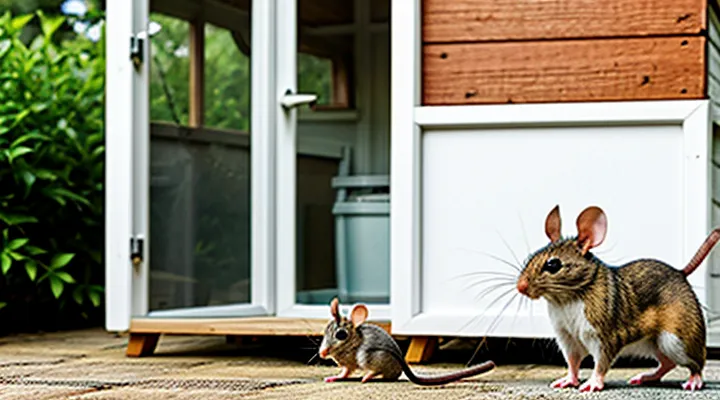
Understanding the Mouse Problem in Summer Houses
Why Summer Houses Are Prone to Mouse Infestations
Seasonal Occupancy and Mouse Attraction
Seasonal occupancy patterns create distinct conditions that either deter or invite mice into a summer residence. When the property is vacant for weeks, food remnants, nesting materials, and warm interior spaces remain undisturbed, providing an ideal environment for rodents to establish a foothold. Conversely, regular human presence disrupts mouse activity, limits shelter opportunities, and reduces the likelihood of infestation.
Key factors linking occupancy cycles to mouse attraction include:
- Temperature retention – Closed windows and heating systems keep indoor temperatures stable, allowing mice to survive colder nights without seeking external shelter.
- Food availability – Unemptied pantries, pet feeders, and outdoor grills left unattended become reliable food sources during prolonged absences.
- Entry point exposure – Gaps around doors, vents, and utility lines are more likely to be exploited when the house is unoccupied, as there is no routine inspection to detect new openings.
- Moisture accumulation – Leaking pipes or condensation on windows create humid microhabitats that support mouse nesting.
Effective management during occupancy transitions involves:
- Conduct a thorough inspection before leaving for an extended period; seal cracks larger than ¼ inch with steel wool and caulk.
- Remove all perishable items from countertops, cabinets, and outdoor surfaces; store food in airtight containers.
- Set up motion‑activated lights or low‑frequency ultrasonic devices near known entry zones to discourage entry.
- Install snap traps or bait stations in concealed locations before departure; check and reset them weekly.
- Arrange for a trusted neighbor or professional service to visit the property at least once a week, inspect for signs of activity, and refresh deterrents.
By aligning occupancy schedules with targeted preventive actions, owners can minimize the seasonal draw that encourages mice to colonize a summer house.
Food Sources and Shelter Opportunities
Mice are drawn to readily available nutrition and protected hiding places. In a summer house, food sources include unsealed pantry containers, leftover crumbs on countertops, pet feed left outdoors, fresh fruit from a garden, and compost piles that retain moisture. Any item that provides carbohydrates, proteins, or fats can sustain a small rodent population.
Shelter opportunities arise from structural gaps, clutter, and materials that offer warmth and concealment. Open cracks around windows, doors, and utility penetrations allow entry. Stacked firewood, piled blankets, and disorganized storage create nests. Insulation exposed by damaged walls, as well as crawl spaces beneath the floor, serve as long‑term refuges.
To eliminate these attractants, apply the following measures:
- Store dry goods in airtight, metal or heavy‑plastic containers; discard expired items promptly.
- Clean surfaces after meals, sweep floors, and vacuum corners to remove residual particles.
- Keep pet feed in sealed containers and place bowls on elevated platforms that can be emptied daily.
- Position compost bins away from the building, cover them securely, and maintain low moisture levels.
- Inspect the exterior for gaps larger than ¼ inch; seal with steel wool, caulk, or expanding foam.
- Install door sweeps and weather stripping to block entry points.
- Organize storage areas; place items on pallets or shelves, leaving a clear floor space.
- Stack firewood off the ground and cover with a tarp that allows airflow.
- Repair damaged insulation and close crawl‑space openings with rigid board or mesh.
By removing both nutritional incentives and safe harborage, the summer house becomes an inhospitable environment for mice, reducing the likelihood of infestation.
Identifying Signs of Mouse Activity
Droppings and Urine Stains
Droppings and urine stains are reliable indicators of mouse activity in a summer residence. Fresh droppings appear as small, black, rice‑shaped pellets, while older deposits turn gray and may crumble easily. Urine stains manifest as dark, wet patches on wood, fabric, or walls, often accompanied by a faint, musky odor.
Health concerns stem from pathogens such as Hantavirus, Salmonella, and Leptospira, which can survive in feces and urine for weeks. Direct contact or inhalation of aerosolized particles during cleaning poses a significant risk. Protective equipment—gloves, N‑95 respirator, and disposable coveralls—must be worn before any removal procedure.
Effective cleaning follows a three‑step protocol:
- Containment – Seal the affected area with plastic sheeting to prevent dust migration.
- Disinfection – Apply a 1:10 bleach solution (5 % sodium hypochlorite) to droppings and stains; let it sit for at least 10 minutes.
- Removal – Use a damp paper towel or disposable sponge to wipe the area, then discard all materials in a sealed bag. Follow with a second application of the bleach solution and allow thorough drying.
After decontamination, eliminate sources that attract rodents. Store food in airtight containers, repair gaps larger than ¼ inch, and keep vegetation trimmed away from the building foundation. Regular inspection of attic spaces, crawl‑spaces, and basements for fresh droppings or wet spots helps maintain early detection and prevents infestations from escalating.
Gnaw Marks and Damage
Gnaw marks appear as clean, shallow cuts on wood, plastic, or wiring, often with a reddish‑brown residue from rodent saliva. The size of the bite matches the mouse’s incisors, roughly 2–3 mm in width, and the edges are smooth rather than jagged.
Common locations include baseboards, pantry shelves, insulation, and electrical cables. Damage ranges from cosmetic wear to structural compromise: chewed joists weaken support, stripped insulation reduces thermal efficiency, and exposed wires create fire hazards.
Detecting gnaw marks requires systematic inspection. Walk the perimeter of each room, run a flashlight along walls, and examine hidden areas such as under sinks, behind appliances, and inside attics. Record the exact position of each mark and note any accompanying droppings or nesting material.
Remedial actions:
- Seal all identified entry points with steel wool, copper mesh, or silicone caulk.
- Replace or repair chewed structural components, using metal brackets where wood is compromised.
- Trim or encase damaged wiring; replace sections that show exposed conductors.
- Install snap‑lids or metal trays on food containers to eliminate feeding sources.
- Set up bait stations or live traps near the most active gnaw sites; monitor daily.
- Apply rodent‑resistant coatings to exposed wood and plastic surfaces to discourage further chewing.
After repairs, maintain a weekly visual check for new marks. Prompt identification and correction prevent escalating damage and protect the integrity of the summer residence.
Unusual Noises and Odors
Unusual sounds and odors frequently signal mouse activity in a summer residence. Recognizing these indicators allows rapid intervention before damage spreads.
Mice produce audible cues such as rapid scratching on insulation, high‑pitched squeaks when startled, and faint rustling as they move through walls or attics. These noises intensify after dusk when rodents are most active.
Odor clues include a sharp ammonia scent from concentrated urine, a stale, musty aroma from nesting material, and occasional sweet or oily smells from food residues left in hidden corners. The intensity of these odors rises near active burrows or concealed nests.
To pinpoint the source, follow a systematic approach:
- Conduct a quiet inspection after dark, listening for consistent scratching or scurrying.
- Use a flashlight to trace fresh urine stains or droppings along baseboards, beams, and behind appliances.
- Place a small piece of cotton swab near suspected areas; a strong ammonia odor confirms recent activity.
- Deploy a motion‑activated recorder or ultrasonic detector for continuous monitoring.
Once the infestation zone is identified, implement control measures:
- Seal all gaps larger than ¼ inch with steel wool and caulk; prioritize entry points near eaves, vents, and utility openings.
- Install snap traps or multi‑catch live traps along established runways, positioning them perpendicular to walls with the trigger end facing the wall.
- Apply bait stations containing anticoagulant rodenticide only in inaccessible locations, following label instructions.
- Remove food sources by storing supplies in airtight containers and cleaning crumbs from countertops, floors, and pet dishes.
- Replace contaminated insulation or nesting material, then disinfect the area with a solution of 1 part bleach to 10 parts water.
Monitoring after treatment is essential; repeat the inspection cycle weekly for at least one month to ensure no new noises or odors emerge. Persistent absence of these signs confirms successful suppression of the mouse problem.
Preventive Measures for a Mouse-Free Summer House
Sealing Entry Points
Inspecting the Exterior Foundation
Inspecting the exterior foundation is the first defensive measure against rodent intrusion in a summer residence. Mice exploit gaps, cracks, and deteriorated materials to gain access, so a thorough assessment reveals vulnerabilities before they become active entry points.
During the inspection, follow a systematic approach:
- Walk the perimeter at ground level, using a flashlight to highlight hidden openings.
- Examine the concrete slab, brickwork, and any wooden siding for fractures, gaps larger than ¼ inch, or displaced mortar.
- Check the area where the foundation meets the roofline for damaged flashing or missing sealant.
- Inspect drainage components—downspouts, gutters, and French drains—to ensure water does not pool against the base, which can erode material and create new gaps.
- Look for signs of previous mouse activity, such as gnaw marks, droppings, or nesting material, especially near utility penetrations.
After identifying problem areas, seal each opening with appropriate materials: use steel wool or copper mesh for small cracks, then apply a durable caulk or expanding foam. Replace deteriorated siding or damaged flashing, and reinforce vulnerable joints with concrete patch or epoxy. Finally, maintain a clear zone of at least two feet around the foundation, removing vegetation, mulch, and debris that could provide cover for rodents. Regularly repeat the inspection each season to confirm that repairs remain effective.
Checking Gaps Around Pipes and Wires
Inspecting the area where utilities enter the summer house is essential for mouse prevention. Small openings around pipes, cables, and conduit can serve as entry points, even when the structure appears sealed.
Begin by turning off water and electricity to the sections you will examine. Use a flashlight to trace each pipe and wire from the exterior wall to the interior junction. Look for cracks, gaps, or deteriorated caulking. Measure any opening larger than ¼ inch; rodents can squeeze through spaces as small as a dime.
Seal identified gaps with appropriate materials:
- Expandable foam for irregular voids up to 1 inch wide.
- Silicone or polyurethane caulk for seams around metal or PVC.
- Steel wool wrapped in caulk for larger gaps, preventing gnawing.
After sealing, reinstall any removed fixtures and verify that the seal remains intact after a few days of temperature fluctuation. Repeat the inspection seasonally, especially after heavy rain or when landscaping is altered, to maintain a barrier against mouse intrusion.
Securing Doors and Windows
Securing doors and windows is essential for preventing mice from entering a summer cottage. Gaps, cracks, and improperly fitted screens provide easy access for rodents. Reinforcing these openings eliminates the most common entry routes.
- Inspect all door and window frames for visible openings; use a flashlight to reveal hidden gaps.
- Install weatherstripping along the perimeter of doors; choose a product with a compression rating suitable for outdoor use.
- Fit tight-fitting screens on windows; replace torn or loose mesh promptly.
- Apply silicone or acrylic caulk to seal cracks around hinges, locks, and the door jamb.
- Add metal flashing or mesh to the underside of door thresholds; rodents can chew through wood but not metal.
- Use door sweeps that extend to the floor; adjust to maintain contact without restricting movement.
- Verify that sliding doors close fully; adjust rollers and add a brush seal if necessary.
Regular maintenance sustains the barrier. Re‑check seals after heavy rain or temperature shifts, as expansion and contraction can create new openings. Replace worn weatherstripping annually and inspect caulk joints for cracks. A disciplined inspection schedule ensures that doors and windows remain a reliable defense against mouse intrusion.
Eliminating Food Sources and Attractants
Storing Food in Airtight Containers
Mice are drawn to accessible food sources, and a summer house provides ample opportunities for infestation when edibles are left exposed. Storing all consumables in airtight containers removes the primary attractant, reducing the likelihood of rodent activity.
Effective containers must meet three criteria: a durable, non‑permeable material such as glass, heavy‑wall plastic, or stainless steel; a lock‑tight sealing mechanism that prevents any airflow; and a size that accommodates the quantity of food without requiring frequent opening.
- Choose containers with silicone or rubber gasket seals.
- Label each container with its contents and purchase date.
- Transfer dry goods, grains, nuts, and snacks from original packaging into the sealed units.
- Store containers on elevated shelves, away from walls and entry points.
- Inspect seals weekly for cracks or wear; replace compromised units immediately.
Regularly rotate stored items, discard expired products, and clean containers with hot, soapy water before refilling. Maintaining a sealed food environment eliminates a key factor that encourages mice to enter the summer house.
Regular Cleaning and Crumb Removal
Regular cleaning is the most reliable barrier against mouse activity in a summer house. Food residues attract rodents; eliminating crumbs removes the primary incentive for entry and nesting.
- Sweep floors daily, paying special attention to corners, under appliances, and near windows.
- Wipe countertops and tabletops after each meal; use a damp cloth to capture invisible particles.
- Vacuum upholstered furniture and curtains weekly; vacuum bags should be emptied outdoors away from the building.
- Clean pet feeding areas after every use; store pet food in sealed, metal containers.
- Dispose of kitchen waste in tightly sealed bins; empty bins before they become a source of odor.
Even small crumbs left on a dining table can sustain a mouse population. By maintaining a spotless environment, you deny rodents the sustenance they need to survive, reducing the likelihood of infestation without resorting to chemicals or traps.
Managing Pet Food and Bird Feeders
Pet food should be stored in airtight containers made of heavy plastic or metal. Seal each container after every use and keep it off the floor, preferably on a shelf that mice cannot reach. Remove any spilled kibble immediately; even small crumbs can attract rodents.
Bird feeders positioned near the summer house must be placed on sturdy poles at least three meters away from the building’s exterior walls. Use feeder designs that incorporate metal trays or cages with small entry holes that exclude mice while allowing birds to access seed. Install a drip‑catch tray beneath each feeder to collect excess feed and empty it daily.
- Replace pet food bowls with metal or ceramic dishes that cannot be chewed through.
- Cover outdoor feeders with predator‑proof domes that also limit rodent entry.
- Clean feeding areas with a broom or vacuum after each feeding session.
- Inspect storage containers weekly for signs of damage or gnawing.
By eliminating easy food sources and positioning feeders strategically, the attraction for mice diminishes, supporting effective rodent control in a seasonal cottage.
Maintaining the Exterior Environment
Trimming Vegetation Away From the House
Keeping shrubs, vines, and groundcover at least three feet from the foundation limits shelter and travel routes for mice. Dense vegetation touches the siding, creating bridges that rodents use to reach the roof and eaves. Regular pruning eliminates these pathways and reduces the likelihood of nests forming near the structure.
- Cut back overgrown bushes to a minimum height of six inches above ground level.
- Remove vines that climb the exterior walls; trim them back to the base of the house.
- Thin out groundcover within a three‑foot radius, leaving only low, well‑maintained grass.
- Dispose of clippings in sealed bags or compost bins located away from the building.
Maintain a clear perimeter by scheduling trimming sessions every two to three weeks during the warm months. Inspect the trimmed zone for fallen branches or debris that could serve as hiding spots, and clear them promptly. A consistently cleared buffer deprives mice of cover, making the summer house less attractive as a habitat.
Removing Debris and Potential Hiding Spots
Removing clutter eliminates the environments mice use for shelter, nesting, and travel. In a summer house, accumulated leaves, firewood piles, and garden waste provide easy access points from the exterior to interior rooms.
- Fallen leaves and grass clippings near doors or windows
- Stacked firewood without a cover
- Unused furniture, boxes, or stored items touching walls
- Overgrown vegetation around foundations
- Loose insulation, shredded paper, and fabric scraps
Clear each item promptly. Sweep patios and porches, then dispose of organic material in sealed containers. Position firewood on pallets or in a raised, covered rack, keeping a gap of at least 12 inches from the house wall. Relocate stored items away from exterior walls and elevate them on shelves that do not touch the floor or ceiling. Trim shrubs and vines to maintain a 3‑foot clearance from the building envelope, preventing rodents from bridging gaps.
Maintain a routine inspection schedule. Inspect the perimeter weekly for new debris, verify that covers remain intact, and repair any gaps in screens or weather stripping. Consistent removal of potential hideouts reduces mouse activity and supports long‑term pest management in seasonal residences.
Ensuring Proper Drainage
Proper drainage eliminates the damp environments that attract mice, making it a critical component of rodent management in a seasonal cottage. Water pooling around foundations, under decks, or in gutters creates shelter and food sources for rodents, so directing moisture away from the structure reduces their habitat.
Key actions to establish reliable drainage:
- Inspect roof gutters and downspouts; clean debris weekly and ensure they discharge at least three feet away from the building.
- Grade the soil around the house so the surface slopes at a minimum of 2% (approximately ¼ inch per foot) away from the foundation.
- Install French drains or perforated pipe in low‑lying areas, connecting them to a suitable outlet such as a storm sewer or dry well.
- Seal cracks in exterior walls, basement floors, and crawl‑space walls; moisture‑resistant caulk prevents water infiltration and rodent entry.
- Maintain vegetation at least two feet from the structure; trim vines and shrubs that can channel rainwater toward the foundation.
Regularly monitoring these systems and correcting any blockages or erosion promptly preserves a dry perimeter, limiting the conditions that encourage mouse activity and supporting a healthier, pest‑free summer retreat.
Active Mouse Control Strategies
Trapping Methods
Snap Traps: Proper Placement and Baiting
Snap traps remain the most reliable mechanical solution for mouse infestations in a summer residence. Their instantaneous action eliminates the need for chemical agents and reduces the risk of secondary poisoning for pets and wildlife.
Effective placement follows three principles: locate traps along established runways, position them near entry points, and situate them in concealed but accessible spots.
- Runways: mice travel close to walls; place traps 1–2 inches from baseboards, behind appliances, and under cabinets.
- Entry points: install traps directly beside gaps around doors, windows, and utility openings.
- Concealed spots: use low‑profile traps under furniture, in pantry corners, and behind stored items, ensuring the trigger remains unobstructed.
Bait selection influences capture rates. Use high‑protein, low‑fat foods that mice prefer over seasonal fruits.
- Preferred baits: peanut butter, soft cheese, cooked chicken, or a small piece of dried fish.
- Application: apply a pea‑sized amount directly onto the trigger plate; avoid excess that may allow the mouse to take bait without activating the trap.
- Refreshment: replace bait every 48 hours, especially in warm weather, to maintain scent potency.
Regular inspection is essential. Check traps daily, dispose of captured rodents promptly, and reset or replace traps as needed. Consistent monitoring prevents population growth and minimizes damage to stored food and structural components.
Live Traps: Humane Capture and Release
Live traps offer a humane method for removing mice from a summer retreat without killing the pests. These devices consist of a small enclosure that closes automatically when a mouse enters, allowing safe capture and later release.
Effective use begins with selecting a trap sized for house mice, preferably one with a transparent front panel to monitor activity. Plastic or metal models with a spring‑loaded door provide reliable closure and durability against outdoor conditions.
Placement determines success. Position traps along walls, behind furniture, and near known entry points, because mice travel close to surfaces. Secure the trap on a flat surface to prevent tipping, and avoid areas with strong drafts that could deter rodents.
Bait choice influences capture rates. Use high‑protein items such as peanut butter, cooked egg, or small pieces of cheese. Apply a pea‑sized amount to the trigger platform, ensuring the mouse must step onto the sensor to reach the food.
Check traps at least twice daily. Prompt removal prevents stress and reduces the risk of the mouse escaping. When a capture occurs, wear disposable gloves, cover the trap with a cloth, and transport it to a suitable release site at least 500 meters from the property, preferably in a wooded area with natural cover.
After each release, clean the trap with mild detergent and hot water. Disinfect with a diluted bleach solution to eliminate scent trails that could discourage future captures. Replace the bait before redeploying the trap.
Step‑by‑step protocol
- Choose a transparent, spring‑loaded trap sized for house mice.
- Position traps along walls and near suspected entry points.
- Apply a pea‑sized amount of high‑protein bait to the trigger platform.
- Inspect traps twice daily; record captures.
- Wear gloves, cover the trap, and release the mouse ≥ 500 m from the house.
- Clean, disinfect, and reset the trap with fresh bait.
Consistent application of this procedure reduces mouse presence while adhering to humane standards, making it an essential component of rodent management for seasonal residences.
Electronic Traps: Advantages and Disadvantages
Electronic traps use a high‑voltage shock to eliminate rodents instantly. They require a power source, typically batteries or a plug‑in adapter, and operate silently after activation, making them suitable for enclosed summer‑house environments where noise can disturb occupants.
Advantages
- Immediate kill reduces the risk of disease transmission.
- No chemical residues; safe for pets and children when properly installed.
- Reusable; a single unit can capture multiple mice over months.
- Visibility of captured rodents provides clear feedback on infestation level.
- Minimal maintenance; only periodic cleaning of the interior chamber.
Disadvantages
- Initial cost higher than snap traps or glue boards.
- Dependence on electricity; power loss renders the device inactive.
- Some models emit a faint click when triggered, which may alert sensitive occupants.
- Disposal of dead rodents must follow local regulations to avoid sanitation issues.
- Bulky designs can occupy valuable storage space in a compact summer cottage.
When selecting an electronic trap, evaluate power availability, budget constraints, and the expected frequency of mouse activity. Combining electronic devices with preventive measures—such as sealing entry points and removing food sources—maximizes long‑term control in seasonal residences.
Repellents and Deterrents
Natural Repellents: Peppermint Oil and Other Scents
Peppermint oil works as a volatile repellent that interferes with mice’s olfactory receptors. Apply 10‑15 drops to a cotton ball, place it near entry points, food storage areas, and interior corners. Replace the cotton ball every 3‑4 days, or when the scent fades.
Other effective aromas include:
- Cedarwood chips – scatter a thin layer under floorboards and in crawl spaces; the natural phenols deter nesting.
- Clove oil – mix 5 ml with 200 ml water, spray onto baseboards and behind appliances; reapply weekly.
- Eucalyptus oil – soak cloth strips, hang them from rafters and window frames; refresh bi‑weekly.
- Lavender sachets – fill breathable bags with dried lavender buds, position in pantry shelves; replace monthly.
When using essential oils, dilute with a carrier (e.g., mineral oil or water) to avoid surface damage and skin irritation. Test a small area before full application. Combine scent repellents with physical barriers—steel mesh, sealed gaps, and traps—to increase overall effectiveness.
Store oils in dark glass containers at room temperature to preserve potency. Avoid direct sunlight and heat, which degrade aromatic compounds. Regular monitoring of mouse activity will indicate when additional treatment cycles are required.
Ultrasonic Devices: Effectiveness and Limitations
Ultrasonic emitters are frequently installed in seasonal cottages as a non‑chemical option for mouse deterrence. The device generates sound waves above 20 kHz, a frequency beyond human hearing but audible to rodents. When a mouse enters the coverage zone, the high‑frequency pulses cause discomfort, prompting the animal to vacate the area.
Effectiveness depends on several factors. Studies show that ultrasonic units can reduce mouse activity in small, enclosed rooms where the sound field remains uninterrupted. Continuous operation in such spaces often leads to a measurable decline in sightings over a two‑week period.
Limitations are notable. Sound does not penetrate solid barriers; walls, furniture, and insulation create dead zones where mice remain unaffected. Rodents quickly habituate to a constant signal, diminishing the device’s impact after several days. Outdoor environments, open porches, and areas with high ambient noise render ultrasonic emitters largely ineffective. Battery‑powered models may lose output intensity as the charge depletes, further reducing efficacy.
-
Advantages
- No toxic chemicals or traps required
- Silent to humans, preserving indoor comfort
- Easy installation and low maintenance
-
Disadvantages
- Limited range, obstructed by structural elements
- Rapid habituation reduces long‑term benefit
- Ineffective in outdoor or poorly sealed spaces
- Performance varies with power source quality
For reliable mouse management in a summer residence, ultrasonic devices should complement, not replace, physical exclusion measures such as sealing entry points, removing food sources, and deploying snap traps where necessary. Combining methods maximizes control while minimizing reliance on any single technology.
Commercial Repellents: Types and Application
Commercial mouse repellents are a primary option for owners of seasonal residences seeking rapid, non‑chemical control. They fall into several distinct categories, each with specific mechanisms and deployment guidelines.
-
Ultrasonic emitters: devices generate high‑frequency sound waves that disrupt rodent communication. Install units in each occupied room, positioning them at least 12 inches from walls and away from large furniture that can block the signal. Replace batteries annually and verify that the unit remains functional during the warmer months when mice are most active.
-
Granular repellents: synthetic compounds formulated as fine particles that deter rodents through odor and taste aversion. Spread a thin, even layer along foundation walls, entry points, and under decking. Apply before the first heat wave and reapply after heavy rain or every six weeks, whichever occurs first.
-
Aerosol sprays: pressurized formulations designed for spot treatment of cracks, gaps, and interior surfaces. Direct the spray into concealed openings, ensuring coverage of at least 1 inch deep into the void. Use a calibrated pump to avoid over‑application; excess residue can attract insects.
-
Bait stations with repellent additives: sealed containers combine attractant bait with a non‑lethal repellent that discourages repeated feeding. Place stations along mouse pathways, typically 2–3 feet from walls, and monitor weekly. Replace stations when bait is depleted or after 30 days of exposure.
-
Oil‑based commercial sprays: products containing peppermint, citronella, or proprietary essential‑oil blends. Apply a light mist to baseboards, door frames, and window sills. Reapply after 48 hours of rain or every two weeks in dry conditions.
Effective application hinges on three principles: coverage, timing, and safety. Cover all potential ingress points; treat both interior and exterior surfaces before the onset of summer heat. Schedule re‑treatments according to product specifications and environmental factors such as precipitation. Follow label instructions regarding personal protective equipment and keep repellents out of reach of children and pets.
Integrating these commercial solutions with structural sealing and sanitation creates a comprehensive barrier that minimizes mouse activity throughout the vacation period.
When to Call Professional Pest Control
Persistent or Large Infestations
Persistent mouse problems in a summer residence demand a systematic response. Large colonies indicate multiple entry points, abundant food sources, and favorable nesting conditions. Ignoring any of these factors allows the population to rebound quickly after a single intervention.
Begin with a thorough inspection. Identify active pathways—gaps around doors, windows, utility penetrations, and foundation cracks. Map hotspots where droppings, gnaw marks, or nesting material accumulate. Document findings to guide targeted actions and to measure progress.
Implement an integrated control program:
- Sanitation: Remove all accessible food, store supplies in airtight containers, and eliminate standing water. Clean surfaces regularly to erase scent trails that attract rodents.
- Exclusion: Seal openings larger than ¼ inch with steel wool, metal flashing, or cement. Install door sweeps and weather stripping to block entry.
- Trapping: Deploy snap traps or electronic devices along walls, behind appliances, and near identified pathways. Use bait that matches observed food preferences; replace dead traps promptly.
- Bait Stations: Position tamper‑resistant stations in concealed locations, following label instructions for dosage and placement. Rotate stations every two weeks to prevent bait shyness.
- Professional Assistance: When colony size exceeds several dozen individuals or when structural damage is evident, enlist a licensed pest‑control operator. They can apply rodenticides safely and verify long‑term exclusion measures.
Monitor results weekly. Count captured mice, inspect traps for activity, and re‑examine sealed areas for fresh gnaw marks. Continue the program until no new evidence appears for at least four weeks, then maintain a preventive schedule to keep the property mouse‑free.
Difficulty Locating Entry Points
Mice often infiltrate a summer residence through gaps that are difficult to detect, especially when the building is older or has undergone multiple renovations. Small openings around utility lines, vents, and foundation cracks can be overlooked because they blend with surrounding materials or are concealed by insulation.
- Inspect the exterior wall sheathing for cracks wider than a pencil tip; even hairline fissures may admit rodents.
- Examine the roof eaves and soffits; gaps around flashing, gutter brackets, or attic vent covers are common entryways.
- Check the foundation perimeter for voids where soil meets concrete; water runoff can erode mortar, creating hidden passages.
- Survey door and window frames for worn weatherstripping or warped casings that allow mice to push through.
- Review the area around pipes, cables, and chimney stacks; seal any space larger than ¼ inch with steel wool and caulk.
Inside the house, focus on concealed routes such as crawl spaces, underfloor cavities, and sealed closets. Use a flashlight to trace the path of droppings or gnaw marks, which often lead directly to the source opening. When an opening is found, repair it with durable materials—metal mesh, hardware cloth, or cement‑based sealants—to prevent re‑entry. Regularly repeat the inspection after severe weather, as wind and rain can create new fissures that were previously sealed.
Concerns About Safety and Efficacy
Safety considerations dominate any effort to manage rodent activity in a seasonal retreat. Chemical baits containing anticoagulants pose ingestion risks to children, pets, and non‑target wildlife. Selecting low‑toxicity products, sealing bait stations, and positioning them out of reach mitigate these hazards. Personal protective equipment—gloves, eye protection, and respiratory masks—reduces operator exposure when applying sprays or dusts. Ventilation is essential in enclosed rooms; open windows and use fans to disperse airborne particles. Storage of poisons in locked containers prevents accidental access.
Efficacy concerns focus on the reliability of control measures under summer‑house conditions. Mice quickly develop resistance to certain anticoagulants; rotating active ingredients preserves potency. Traps must be placed along established runways, near walls, and away from food preparation surfaces to maximize capture rates. Regular inspection and prompt disposal of caught rodents prevent secondary contamination. Combining multiple tactics—bait, snap traps, and exclusion sealing—produces synergistic results and lowers the likelihood of population rebound.
Practical steps to balance safety and effectiveness:
- Choose bait formulations approved for limited‑toxicity use; verify expiration dates.
- Install tamper‑proof bait stations at least 2 m from eating areas.
- Wear appropriate PPE during application; clean hands thoroughly afterward.
- Rotate anticoagulant classes every 3–6 months to avoid resistance buildup.
- Position snap traps perpendicular to walls, with trigger faces inward.
- Seal entry points (cracks, vents, utility openings) using steel wool and caulk.
- Conduct weekly monitoring; replace ineffective devices promptly.
- Document all actions, including product names, locations, and dates, for traceability.