
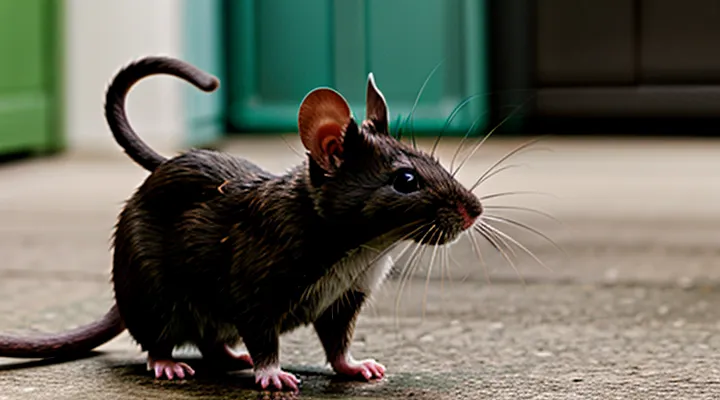
Understanding Rodenticides: A General Overview
What Are Rodenticides?
Rodenticides are chemical agents formulated to control populations of rodents such as mice and rats. They work by interfering with physiological processes that lead to rapid or delayed death, allowing effective reduction of infestations in residential, agricultural, and industrial settings.
The main categories of rodenticides include:
- Anticoagulant compounds – inhibit blood clotting by blocking vitamin K recycling; examples are warfarin, brodifacoum, and bromadiolone.
- Non‑anticoagulant compounds – cause toxicity through alternative mechanisms, such as disrupting nerve transmission (zinc phosphide), damaging liver cells (bromethalin), or causing metabolic failure (cholecalciferol).
Active ingredients are blended with attractants and carriers to ensure ingestion. Formulations vary from solid blocks and granules to liquid baits, each designed for specific application methods and target species.
Safety considerations demand strict adherence to label instructions: use bait stations to limit non‑target exposure, wear protective gloves during handling, and store products out of reach of children and pets. Disposal of unused bait follows local regulations to prevent environmental contamination.
Effectiveness depends on proper placement, monitoring of rodent activity, and timely replenishment of bait. Regular assessment of infestation levels guides adjustments in dosage and product selection, ensuring sustained control while minimizing resistance development.
The Science Behind Rodenticide Action
Rodenticides function by targeting essential physiological pathways in rodents, ultimately causing rapid failure of critical systems. Anticoagulant compounds, such as warfarin‑derived agents, inhibit vitamin K epoxide reductase, preventing regeneration of active vitamin K. This interruption halts synthesis of clotting factors II, VII, IX, and X, leading to internal hemorrhage and death within 2–7 days after ingestion.
Neurotoxic rodenticides, exemplified by bromethalin and zinc phosphide, disrupt neuronal signaling. Bromethalin uncouples oxidative phosphorylation in mitochondria, producing excess cyclic AMP that destroys myelin sheaths. Zinc phosphide reacts with gastric acid to release phosphine gas, a potent cellular toxin that impairs respiratory enzymes and causes multi‑organ failure.
Metabolic disruptors, such as cholecalciferol, cause hyper‑calcemia by overwhelming calcium regulation mechanisms. Elevated serum calcium precipitates in soft tissues, inducing renal failure and cardiac arrhythmias.
Key characteristics of effective rodent baits include:
- Palatability enhancers that ensure consumption despite initial aversion.
- Low secondary toxicity, achieved through compounds that metabolize rapidly in non‑target species.
- Formulations resistant to environmental degradation, maintaining potency in varied climates.
Resistance development arises from genetic mutations that alter target enzyme affinity or increase detoxification enzyme activity. Management strategies involve rotating active ingredients, employing combination baits, and integrating non‑chemical controls to reduce selection pressure.
Safety protocols require:
- Secure storage to prevent accidental exposure.
- Placement of bait stations away from human habitation and wildlife corridors.
- Use of personal protective equipment during handling and disposal.
Understanding these biochemical mechanisms enables precise selection of rodenticides, minimizes non‑target impacts, and supports effective population control in residential and agricultural settings.
Key Ingredients and Their Mechanisms
Rodent control products designed for mice and rats rely on a limited set of chemical agents that disrupt vital physiological processes. The most frequently encountered active substances and their modes of action are listed below.
- First‑generation anticoagulants (e.g., warfarin, chlorophacinone). Inhibit vitamin K epoxide reductase, preventing regeneration of clotting factors II, VII, IX, and X; prolonged bleeding leads to death.
- Second‑generation anticoagulants (e.g., bromadiolone, difenacoum). Exhibit higher potency and longer half‑life; same enzymatic blockade as first‑generation agents but effective after a single dose.
- Bromethalin. Blocks the mitochondrial electron transport chain in neuronal cells, causing uncoupling of oxidative phosphorylation, rapid depletion of ATP, and fatal cerebral edema.
- Zinc phosphide and aluminum phosphide. React with stomach acid to release phosphine gas; phosphine interferes with cellular respiration by inhibiting cytochrome c oxidase, resulting in systemic hypoxia.
- Sodium fluoroacetate (1080). Converts to fluorocitrate, which inhibits aconitase in the citric acid cycle; energy production halts, leading to multi‑organ failure.
- Cholecalciferol (vitamin D3). Induces hypercalcemia by increasing intestinal calcium absorption and bone resorption; elevated calcium precipitates in soft tissues, causing renal failure and cardiac arrhythmia.
Each ingredient targets a distinct biochemical pathway, ensuring lethality at low concentrations while minimizing resistance development when used according to label specifications. Proper handling and placement of bait reduce non‑target exposure and maximize efficacy.
Types of Rodenticides: A Visual Guide
Anticoagulants: The Most Common Choice
First-Generation Anticoagulants
First‑generation anticoagulants are vitamin K antagonists designed to disrupt blood clotting in rodents. They act by inhibiting the enzyme vitamin K epoxide reductase, preventing the regeneration of active vitamin K and leading to depletion of clotting factors II, VII, IX and X. The resulting coagulopathy causes internal hemorrhage, typically within 2–5 days after ingestion.
Common first‑generation compounds include:
- Warfarin
- Chlorophacinone
- Diphacinone
- Coumachlor (coumafuryl)
- Phenindione
These agents are formulated as pellets, blocks or liquid baits, often colored to attract mice and rats while reducing accidental consumption by non‑target species. Toxicity thresholds are low; a single lethal dose for a 20‑g mouse ranges from 0.1 mg to 0.5 mg of active ingredient.
Key operational considerations:
- Rapid onset of action is not expected; monitoring for delayed mortality is required.
- Anticoagulant resistance, documented in several rodent populations, reduces efficacy and may necessitate higher concentrations or rotation to second‑generation products.
- Secondary poisoning risk exists for predators and scavengers that ingest poisoned rodents; mitigation includes bait stations with restricted access.
Regulatory guidelines mandate labeling of active ingredient concentration, storage conditions, and disposal procedures to minimize environmental impact. Proper placement of bait, adherence to dosage recommendations, and periodic efficacy assessment are essential for successful control programs.
Second-Generation Anticoagulants
Second‑generation anticoagulant rodenticides (SGARs) are synthetic vitamin‑K antagonists designed to overcome resistance observed with earlier compounds. They inhibit the enzyme vitamin‑K epoxide reductase, disrupting blood clotting and leading to fatal hemorrhage after a single ingestion. Their high potency allows a one‑time dose to be lethal for adult mice and rats, reducing the need for repeated bait placement.
Typical SGARs include:
- Brodifacoum
- Difenacoum
- Bromadiolone
- Difethialone
Key characteristics of these agents are:
- Low‑dose efficacy (sub‑milligram quantities per gram of bait)
- Extended biological half‑life, resulting in prolonged anticoagulant activity within the target animal
- Increased risk of secondary poisoning for predatory wildlife and scavengers due to residue accumulation in carcasses
- Regulatory restrictions in many jurisdictions that limit non‑professional use and require labeled safety instructions
Effective deployment relies on secure bait stations, proper placement near rodent pathways, and regular monitoring of bait consumption. Photographic documentation of bait cards and placement sites assists in verifying correct usage and compliance with safety guidelines. Resistance monitoring remains essential, as some rodent populations exhibit reduced susceptibility to specific SGARs, prompting rotation or integration with alternative control methods.
Non-Anticoagulant Rodenticides
Cholecalciferol (Vitamin D3) Based Poisons
Cholecalciferol‑based rodenticides employ vitamin D₃ as the active toxicant. The compound interferes with calcium metabolism, causing hypercalcemia that leads to cardiac arrest, renal failure, and ultimately death in rodents. Toxicity manifests within 24–48 hours after ingestion, providing a delayed effect that reduces bait aversion.
Typical formulations contain cholecalciferol at concentrations of 0.075 %–0.5 % by weight, combined with attractants such as grain, cheese, or peanut butter to increase palatability. Products are offered in solid blocks, pellets, or liquid emulsions, each designed for placement in outdoor burrows, indoor corners, or tamper‑resistant stations.
Key considerations for safe and effective deployment:
- Target specificity: Mammalian toxicity thresholds are higher than those for mice and rats; accidental poisoning of non‑target species requires careful placement and bait station design.
- Regulatory limits: Many jurisdictions cap the maximum cholecalciferol concentration at 0.5 % and mandate clear labeling of hazards.
- Environmental stability: The active ingredient remains potent for several weeks under typical storage conditions; exposure to direct sunlight accelerates degradation.
- Residue management: Post‑application cleanup involves removing unused bait and disposing of it according to hazardous waste guidelines.
Photographic documentation commonly shows the distinct amber‑colored block or granule form, often accompanied by a warning label stating “Cholecalciferol – Vitamin D₃ Rodenticide.” Images highlight the compact size of the bait, facilitating discreet placement in concealed locations.
When integrated into an integrated pest‑management program, cholecalciferol products complement mechanical controls and sanitation measures, delivering a chemically based solution that aligns with modern rodent‑control standards.
Bromethalin Based Poisons
Bromethalin is a second‑generation rodenticide widely employed against mice and rats. It acts as a neurotoxin that uncouples oxidative phosphorylation in mitochondria, leading to cerebral edema and eventual death. Commercial formulations typically contain 0.005 % to 0.025 % bromethalin mixed with a palatable carrier such as wheat germ or peanut butter, allowing rapid acceptance by target rodents.
The toxic dose for a 20‑gram mouse ranges from 0.5 mg to 1 mg, while a 200‑gram rat requires approximately 5 mg. Because bromethalin does not affect the coagulation cascade, secondary poisoning of predators or scavengers is minimal, provided that baits are placed in secured stations. Nevertheless, accidental ingestion by children or pets can cause severe neurological symptoms; therefore, products are required to bear clear hazard warnings and tamper‑resistant packaging.
Key characteristics of bromethalin baits:
- Low secondary toxicity – limited risk to non‑target species when used as directed.
- Delayed action – symptoms appear 24–48 hours after ingestion, reducing bait shyness.
- High potency – effective at low concentrations, minimizing environmental residue.
- Stability – resistant to degradation from moisture and temperature fluctuations, preserving efficacy in field conditions.
Photographic documentation of bromethalin baits shows compact, opaque containers with a distinctive orange‑brown block or pellet. Labels display active ingredient concentration, expiration date, and regulatory compliance symbols. Images also illustrate bait stations designed to restrict access to non‑target animals while allowing rodents to enter through narrow openings.
When evaluating bromethalin products, consider the following criteria:
- Concentration of active ingredient – aligns with target species size and infestation severity.
- Carrier formulation – influences palatability and field performance.
- Regulatory status – ensures adherence to local pest‑control legislation.
- Packaging integrity – prevents accidental exposure and maintains product stability.
Overall, bromethalin‑based rodenticides provide an effective solution for controlling mouse and rat populations, combining high toxicity to targets with a safety profile that limits collateral damage when applied according to manufacturer instructions.
Zinc Phosphide Based Poisons
Zinc phosphide is a widely used rodenticide targeting mice and rats. The active ingredient releases phosphine gas when it contacts stomach acid, causing rapid respiratory failure. Commercial formulations typically contain 5–10 % zinc phosphide mixed with inert carriers such as wheat flour, cornmeal, or bait blocks. The product appears as a gray‑white powder or granules, often packaged in sealed containers to prevent moisture ingress.
Key characteristics of zinc phosphide baits:
- Mode of action: Phosphine gas interferes with cellular respiration, leading to death within minutes to a few hours after ingestion.
- Target species: Effective against a broad range of commensal rodents, including house mice (Mus musculus) and Norway rats (Rattus norvegicus).
- Application methods: Bait stations, ground placement, or broadcast on fields; bait is usually positioned where rodent activity is evident.
- Safety considerations: Highly toxic to non‑target wildlife and domestic animals; requires exclusion devices and strict compliance with label instructions.
- Regulatory status: Approved in many jurisdictions under specific usage restrictions; some regions limit concentration or require licensing for purchase.
Visual identification assists in field verification. The powder form exhibits a fine, matte texture, while granules are roughly 1–3 mm in diameter. Bait blocks are solid, off‑white cylinders with a characteristic odor of phosphine when disturbed.
Proper handling includes wearing gloves, using sealed containers, and storing away from heat sources. Disposal of unused product must follow hazardous waste guidelines to prevent environmental contamination. Continuous monitoring of bait stations ensures effectiveness and reduces accidental exposure.
Application Methods and Safety Considerations
Bait Stations: Secure and Effective Placement
Bait stations provide a contained environment for rodent toxicants, minimizing exposure to non‑target animals and children while delivering an effective dose to mice and rats. Proper placement determines both safety and control success.
Secure locations include:
- Wall voids or behind baseboards where rodents travel but human traffic is rare.
- Exterior walls near building foundations, protected by weather‑resistant covers.
- Utility rooms, crawl spaces, and under appliances, ensuring the station sits flush against the surface to prevent accidental displacement.
Effective placement follows three principles. First, position stations along established runways, identified by droppings, gnaw marks, or fresh burrows. Second, maintain a spacing of 10–15 feet between units in high‑activity zones to create overlapping coverage. Third, install stations at a height of 3–6 inches above the floor, matching the natural foraging level of rodents.
Maintenance involves regular inspection for bait consumption, station integrity, and signs of tampering. Replace depleted units promptly and rotate station positions periodically to disrupt habituation. Documentation of inspection dates and observed activity supports ongoing evaluation of control efficacy.
By adhering to these placement guidelines, bait stations remain secure, reduce collateral risk, and sustain a high level of rodent mortality, aligning with best practices for indoor and outdoor pest management.
Loose Baits and Their Risks
Loose baits consist of powdered or granular toxicants that are spread directly onto surfaces where rodents travel. The formulation typically contains anticoagulants, neurotoxins, or metal phosphides, each designed to be ingested by mice or rats during normal foraging behavior. Because the material is not contained, it can be displaced by wind, cleaning, or animal activity, increasing the likelihood of unintended exposure.
Risks associated with loose baits include:
- Non‑target poisoning – birds, pets, and wildlife may consume the material while foraging or grooming.
- Environmental contamination – runoff can carry toxicants into soil and water sources, affecting aquatic organisms and microbial communities.
- Human safety hazards – accidental ingestion or dermal contact by household members, especially children, can cause severe health effects.
- Resistance development – sub‑lethal doses left in the environment may promote genetic resistance in rodent populations.
- Regulatory non‑compliance – many jurisdictions require bait containment or specific labeling; failure to adhere can result in fines or product withdrawal.
Effective mitigation requires precise placement, limited quantity, use of tamper‑resistant bait stations, and adherence to local pest‑control guidelines. Monitoring bait locations and regular removal of residual material reduce the probability of secondary poisoning and environmental impact.
Environmental Impact and Non-Target Animals
Rodent control agents designed for mice and rats introduce chemicals into domestic and agricultural settings. Their deployment creates pathways for environmental exposure that extend beyond the target species.
Contamination routes include:
- Surface runoff carrying residues into waterways.
- Soil adsorption leading to long‑term persistence.
- Secondary ingestion by scavengers feeding on poisoned rodents.
- Aerosol drift from bait stations during application.
Non‑target organisms experience measurable effects. Birds of prey ingest contaminated carcasses, resulting in reduced reproductive success. Small mammals such as shrews and voles encounter bait directly or through shared food sources. Aquatic invertebrates suffer toxicity when runoff reaches ponds or streams. Insect pollinators may contact dust‑type formulations during foraging.
Mitigation strategies focus on reducing unintended exposure:
- Select baits with rapid degradation profiles.
- Install tamper‑resistant stations that limit access to non‑rodent species.
- Integrate habitat modification and exclusion techniques to lower bait reliance.
- Conduct regular monitoring of surrounding wildlife for signs of secondary poisoning.
Efficacy and Potential Downsides
Factors Affecting Rodenticide Effectiveness
Rodenticide performance depends on a set of measurable variables that determine how quickly and completely a population of mice or rats is reduced. Understanding these variables is essential for selecting and deploying an appropriate product.
- Chemical composition of the active ingredient
- Formulation type (gel, block, powder, liquid)
- Presence of resistance mechanisms in the target population
- Palatability and attractants used in the bait
- Ambient temperature, humidity, and precipitation
- Species‑specific feeding habits and nocturnal activity patterns
- Storage conditions prior to use (temperature, exposure to light)
- Application technique (placement density, concealment, timing)
- Recommended dosage and exposure time
- Legal limits on concentration and permissible use areas
Each factor influences effectiveness in a quantifiable way. The toxicity profile of the active ingredient sets the lethal dose, while the formulation controls release speed and durability in the field. Resistance, often caused by prior exposure to similar compounds, reduces mortality rates unless a different mode of action is chosen. Palatability ensures that rodents consume a lethal amount; insufficient attractants lead to bait avoidance. Environmental conditions affect degradation rates—high humidity accelerates hydrolysis, and extreme temperatures can deactivate the toxin. Species behavior determines bait acceptance; some rats prefer larger blocks, whereas mice may favor soft gels. Proper storage preserves potency; exposure to heat or sunlight can diminish active content. Accurate placement and appropriate bait density maximize encounter probability, while adherence to dosage guidelines prevents sublethal exposure that fosters resistance. Regulatory restrictions dictate maximum allowable concentrations, shaping formulation choices and application strategies.
Rodent Resistance: A Growing Challenge
Rodent populations are increasingly exhibiting reduced susceptibility to conventional anticoagulant baits. Genetic mutations that alter vitamin K epoxide reductase activity allow mice and rats to survive doses that previously caused rapid mortality. Biochemical adaptations, such as enhanced detoxification enzymes, further diminish bait effectiveness.
Key factors driving resistance include:
- Repeated exposure to the same active ingredient across multiple control cycles.
- Sub‑lethal dosing resulting from improper placement or environmental degradation of the product.
- Gene flow between resistant and susceptible cohorts, accelerating the spread of resistant alleles.
The rise in resistant strains directly impacts pest‑management programs that rely on visual identification of bait placement and standard product reviews. Field observations now report higher capture rates of individuals that have consumed bait without lethal outcome, necessitating adjustments to dosage, formulation, and application techniques.
Mitigation strategies endorsed by recent studies comprise:
- Rotation of active ingredients with distinct modes of action to disrupt selection pressure.
- Integration of non‑chemical measures, such as exclusion, habitat modification, and mechanical trapping, to reduce reliance on poisons.
- Implementation of resistance monitoring protocols, including periodic sampling and laboratory susceptibility testing, to inform timely product selection.
Adopting a diversified approach reduces the probability of resistance fixation and sustains the efficacy of rodent control interventions.
Humane Alternatives and Integrated Pest Management
Rodent control programs that rely on toxic baits raise concerns about animal welfare, non‑target exposure, and resistance development. Shifting to humane alternatives reduces these risks while maintaining effectiveness.
- Live‑capture traps equipped with release mechanisms allow relocation of captured individuals.
- Snap traps constructed from stainless steel provide rapid, lethal outcomes without chemical residues.
- Ultrasonic emitters generate frequencies that deter rodents without physical harm.
- Exclusion measures, such as sealing entry points and installing chew‑resistant materials, prevent infestations before they begin.
Integrated Pest Management (IPM) combines monitoring, identification, and targeted actions to keep rodent populations below economic thresholds. Core components include regular inspection of premises, accurate species identification, and the use of data‑driven thresholds to trigger interventions. Chemical baits are employed only after non‑chemical tactics have been exhausted, and they are selected for minimal toxicity to humans and pets.
Evaluation of control methods draws on photographic documentation and systematic reviews of field performance. Images illustrate trap placement, damage patterns, and exclusion installations, while comparative analyses rank options by efficacy, cost, and humane impact. Selecting the most appropriate approach requires matching documented outcomes to the specific conditions of each site.
Recognizing Poisoned Rodents: Visual Clues
Behavioral Changes in Affected Animals
The administration of rodenticide induces a predictable sequence of behavioral alterations that can be identified before lethal outcomes. Initial exposure often triggers hyperactivity, manifested as frantic running, repeated attempts to escape confinement, and heightened grooming. Within minutes to hours, affected mice and rats display signs of distress, including vocalizations, erratic movement patterns, and a loss of coordination that progresses to tremors and convulsions. As the toxicant interferes with the central nervous system, a marked reduction in normal exploratory behavior occurs; animals become less responsive to environmental stimuli and may adopt a hunched posture.
Key observable changes include:
- Increased agitation – rapid, uncontrolled locomotion and repetitive circling.
- Neuromuscular impairment – stumbling, loss of grip strength, and unilateral weakness.
- Altered feeding – cessation of food and water intake, sometimes accompanied by excessive salivation.
- Respiratory distress – shallow breathing, audible wheezing, and occasional gasping.
- Severe lethargy – prolonged periods of immobility, reduced response to handling, and eventual collapse.
The progression of these behaviors correlates with the pharmacodynamics of anticoagulant and neurotoxic formulations commonly used in rodent control. Early detection of the described signs enables accurate assessment of poison efficacy and informs humane handling protocols for compromised specimens.
Physical Symptoms: What to Look For
Rodent toxicants produce observable effects that appear within minutes to several hours after ingestion. The most reliable indicators include:
- Rapid breathing or labored respiration.
- Unsteady gait, loss of coordination, or frequent falling.
- Excessive salivation, frothy mouth secretions, or drooling.
- Convulsions, tremors, or sudden muscle rigidity.
- Pale or cyanotic mucous membranes, indicating circulatory failure.
- Bloody or watery diarrhea, sometimes accompanied by vomiting.
- Sudden collapse or failure to respond to stimuli.
In addition to overt signs, subtle changes may precede severe reactions. Look for reduced activity, diminished appetite, and a tendency to hide. These early cues often signal that a mouse or rat has consumed a lethal bait and requires immediate veterinary or pest‑control intervention. Monitoring these symptoms allows rapid assessment of exposure severity and guides appropriate response measures.
Post-Mortem Signs
Post‑mortem examination of rodents exposed to toxic baits reveals a consistent set of physiological changes that confirm lethal exposure. These changes appear within minutes to several hours after ingestion and provide reliable evidence for forensic assessment.
- Skin and fur discoloration – rapid darkening of the ventral surface and mottled patches on the coat, often accompanied by a dry, waxy texture.
- Respiratory tract congestion – engorged tracheal and bronchial mucosa, frothy fluid in the lungs, and collapsed alveoli.
- Cardiovascular collapse – dilated heart chambers, petechial hemorrhages on epicardial surfaces, and extensive blood pooling in major vessels.
- Gastrointestinal bleeding – hemorrhagic contents in the stomach and intestines, mucosal ulceration, and presence of partially digested bait particles.
- Neurological signs – cerebral edema, hemorrhagic foci in the brainstem, and loss of reflexes in the spinal cord.
- Organ necrosis – pale, softened liver and kidneys with focal necrotic zones, indicating systemic toxin distribution.
- Blood coagulation abnormalities – fibrin clots in major vessels, microthrombi in capillary beds, and reduced clotting time.
These indicators collectively confirm that the rodent succumbed to a chemical agent designed to disrupt cellular respiration and blood coagulation. Photographic documentation of each sign enhances the reliability of the assessment and supports comparative analysis across different formulations.
Emergency Response and First Aid
Accidental Exposure in Humans: Immediate Steps
Accidental contact with rodent toxicants can cause severe health effects. Immediate response must focus on removing the poison, limiting absorption, and obtaining professional medical assistance.
- Remove contaminated clothing and shoes; place them in a sealed bag.
- Rinse skin, eyes, or mucous membranes with running water for at least 15 minutes; avoid scrubbing.
- If ingestion is suspected, do not induce vomiting; give water or milk in small amounts if the person is conscious and able to swallow.
- Contact emergency services or a poison‑control center promptly; provide product name, active ingredient, amount, and time of exposure.
- Transport the individual to the nearest medical facility; keep the container or a clear photograph of the product for reference.
After initial measures, monitor the person for symptoms such as nausea, abdominal pain, bleeding, or respiratory distress and report any changes to healthcare providers. Documentation of the incident supports accurate diagnosis and treatment.
Pet Poisoning: What to Do
When a pet ingests rodent control product, immediate action determines the outcome.
First, confirm exposure. Look for symptoms such as drooling, vomiting, weakness, seizures, bleeding from gums, or difficulty breathing.
Second, remove the source. If the poison remains accessible, secure it to prevent further contact.
Third, assess the pet’s condition. If the animal is unconscious, convulsing, or has stopped breathing, begin CPR and transport to an emergency clinic without delay.
Fourth, contact a veterinarian or an animal poison control center at once. Provide details: type of product, amount suspected, time of ingestion, and observed signs. Follow the professional’s instructions precisely.
Fifth, consider decontamination only under veterinary guidance. Inducing vomiting may be contraindicated for anticoagulant baits, while activated charcoal can bind certain toxins. Do not administer home remedies.
Sixth, transport the pet safely. Keep the animal calm, maintain body temperature, and bring the product’s label or packaging for reference.
Preventive measures reduce risk:
- Store all rodent bait in locked containers, out of reach of pets.
- Use bait stations that require a trigger mechanism inaccessible to animals.
- Place bait in areas pets cannot access, such as behind appliances or in locked closets.
- Regularly inspect premises for scattered pellets or residue.
- Educate household members about the hazards of rodent control substances.
Prompt, informed response and strict prevention protocols are essential for minimizing toxicity and preserving the pet’s health.
Veterinary Consultation: When and Why
Veterinary consultation becomes critical whenever rodent control agents are used in environments where non‑target animals, especially pets, may be exposed. Prompt professional assessment reduces the risk of severe toxicity and guides safe management of the situation.
When to contact a veterinarian
- After a pet shows signs of illness following possible ingestion of a rodent poison.
- When a household member suspects accidental exposure but no symptoms are yet evident.
- Prior to applying anticoagulant or neurotoxic baits in areas frequented by dogs, cats, or wildlife.
- If a pet has a known sensitivity to anticoagulants, anticoagulant‑resistant strains, or other toxic compounds.
Why veterinary input is necessary
- Accurate identification of the specific toxic agent based on product label or packaging.
- Determination of appropriate decontamination procedures and timing.
- Administration of the correct antidote, such as vitamin K₁ for anticoagulant poisoning, with dosage tailored to the animal’s weight and condition.
- Guidance on monitoring intervals, potential delayed effects, and supportive care measures.
- Prevention of secondary poisoning in other animals that may ingest contaminated prey or carcasses.
Practical steps for owners
- Gather the label, safety data sheet, and any photographs of the product used.
- Record the time of suspected exposure and observable symptoms (e.g., lethargy, bleeding, tremors).
- Call the veterinary clinic immediately, providing the product information and clinical observations.
- Follow the veterinarian’s instructions for transport, treatment, and post‑treatment observation.
Early veterinary involvement ensures that toxic exposure is addressed with evidence‑based interventions, minimizing harm to pets and preserving the effectiveness of rodent control programs.