
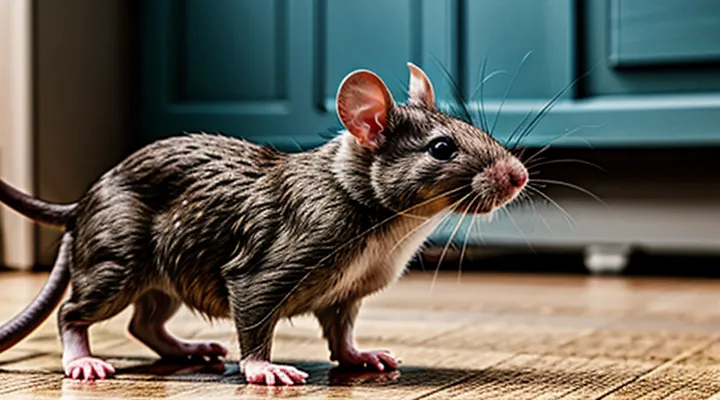
The Importance of Play for Dumbo Rats
Why Play is Crucial for Their Well-being
Mental Stimulation
Mental stimulation is crucial for a Dambo rat’s welfare. Without regular cognitive challenges, the animal may develop stereotypic behaviors, reduced problem‑solving ability, and heightened stress levels.
Engagement can be structured around three core activities: exploration, manipulation, and social interaction. Each activity should present a novel element or a variable difficulty to keep the rat’s attention and encourage learning.
- Hide small food rewards in a series of tunnels that differ in length and curvature. Rotate the tunnel layout weekly to prevent pattern recognition.
- Offer puzzle boxes with removable lids, sliders, or rotating discs. Begin with a single-step solution and progress to multi‑step mechanisms as the rat adapts.
- Introduce safe, movable objects such as wooden blocks, plastic rings, or textured balls. Change their placement daily to stimulate spatial navigation.
- Conduct brief, daily sessions of gentle handling combined with scent‑based tasks, like locating a piece of cloth scented with a novel herb. This merges tactile and olfactory cues, enhancing sensory integration.
Training sessions should last no longer than ten minutes to avoid fatigue. Consistency matters: schedule sessions at the same time each day, but vary the specific tasks to maintain novelty. Record the rat’s response times and success rates; incremental improvement indicates effective mental enrichment.
Providing a rotating repertoire of cognitively demanding activities supports neural development, reduces anxiety, and promotes a more resilient, inquisitive animal.
Physical Exercise
Physical exercise enhances the health and responsiveness of a dambo rat while providing the handler with clearer behavioral cues. Regular movement stimulates cardiovascular function, muscle tone, and mental engagement, reducing stress‑related behaviors.
A secure, escape‑proof area is required. Use a low‑profile enclosure with non‑slippery flooring, sturdy tunnels, and removable obstacles. Avoid sharp edges and ensure ventilation.
- Tunnel sprint: Place a short tunnel at one end of the enclosure; encourage the rat to run through repeatedly.
- Climbing ladder: Attach a lightweight ladder to the side wall; reward the rat for ascending and descending.
- Obstacle weave: Arrange a series of low barriers in a zig‑zag pattern; guide the rat to navigate the course.
- Ball chase: Use a lightweight, hollow ball that rolls slowly; let the rat chase it for short intervals.
- Fetch and release: Toss a small, chew‑safe object; train the rat to retrieve and bring it back.
Exercise sessions should last 5–10 minutes, three to four times daily. Observe the rat’s gait and breathing; stop immediately if signs of fatigue or distress appear. Gradually increase complexity only after the animal demonstrates consistent success.
Consistency builds stamina and reinforces training cues, leading to more interactive play and improved overall wellbeing.
Bonding with Your Rat
Bonding with a rat requires consistent, gentle interaction that builds trust and reduces stress. Begin each session with calm, slow movements; avoid sudden gestures that can startle the animal. Offer treats directly from your hand to associate your presence with positive reinforcement. Keep sessions brief—five to ten minutes—until the rat shows relaxed body language, then gradually extend the duration.
Effective bonding techniques include:
- Hand‑feeding preferred foods such as small pieces of fruit, vegetables, or commercial rat treats.
- Allowing the rat to explore your lap or a safe, enclosed area while you remain seated and quiet.
- Using a soft brush or fingertip massage along the back and neck to provide soothing tactile stimulation.
- Introducing simple training cues (e.g., “come” or “stay”) paired with clicker sounds or verbal markers, rewarding compliance immediately.
Maintain a predictable routine: feed, clean, and interact at the same times each day. Consistency reinforces the rat’s expectation of safety and encourages a stronger attachment. Regularly inspect the cage for hazards, ensure adequate enrichment, and monitor health indicators such as coat condition and activity level. These practices create an environment where the rat perceives you as a reliable caregiver, fostering a lasting, mutually rewarding relationship.
Preparing for Playtime
Essential Playtime Supplies
Safe Toys
When choosing play items for a dambo rat, prioritize materials that cannot be chewed into hazardous fragments. Veterinary guidelines recommend products made from untreated hardwood, food‑grade silicone, and natural fibers such as cotton or sisal. Avoid plastics that contain BPA, phthalates, or glossy finishes, as they may leach chemicals or splinter.
Safe toys fall into several functional categories:
- Chew blocks – solid hardwood cylinders or cubes, sized to prevent swallowing, promote dental health.
- Tunnel systems – flexible, non‑metallic tunnels with smooth interiors, allowing exploration without sharp edges.
- Climbing platforms – sturdy, low‑profile platforms with textured surfaces, encouraging vertical movement.
- Puzzle feeders – containers that release food only when manipulated, stimulating problem‑solving while limiting ingestion of parts.
- Natural enrichment – dried herbs, untreated twine, and untreated paper rolls, providing scent and texture.
Maintenance is essential. Clean all items weekly with mild, unscented detergent and rinse thoroughly. Replace any toy showing signs of wear, such as splintered wood or frayed fibers, before the animal can ingest debris. Supervise initial interactions to confirm the rat accepts the item without distress.
By selecting non‑toxic, durable products and adhering to a regular cleaning schedule, owners can create a stimulating environment that supports health and natural behaviors.
Treat Rewards
Treat rewards are essential tools for shaping desirable behavior in dambo rats during interactive sessions. Consistency in timing and quality of the reward strengthens the association between the action and the outcome, encouraging repeat performance.
Select treats that meet nutritional standards and appeal to the species’ palate. Preferred options include:
- Small pieces of fresh fruit (e.g., ripe banana, apple, or berries)
- Commercial rodent pellets formulated for high protein content
- Lightly toasted seeds or nuts, offered in limited quantities to prevent excess fat
Introduce a new treat gradually, observing the rat’s reaction to avoid adverse dietary effects. Record the type and amount of each reward to maintain a balanced intake over the course of training.
When using treats as reinforcement, follow a clear pattern: present the reward immediately after the target behavior, then withdraw the stimulus to signal completion. This sequence creates a reliable feedback loop, allowing the rat to understand which actions trigger the positive outcome.
Vary the reward schedule after the behavior becomes stable. Shift from continuous reinforcement (reward after every correct response) to intermittent reinforcement (reward after a random set of correct responses) to sustain motivation and prevent dependence on constant treats.
Monitor the rat’s health indicators—weight, coat condition, activity level—to ensure that treat usage supports overall well‑being while enhancing the interactive experience.
Designated Play Area
A designated play area provides a controlled environment where a dambo rat can explore, exercise, and engage with enrichment items without risking injury or escape. The space should be separate from the primary cage, allowing supervised interaction while maintaining containment.
The enclosure must meet minimum dimensions of 60 × 40 × 30 cm to accommodate movement and climbing. Transparent walls enable visual monitoring; secure mesh or acrylic panels prevent breaches. Flooring should be smooth, non‑slippery, and easy to clean—plastic sheets or sealed wood work well. All seams and joints require reinforcement with zip ties or silicone to eliminate gaps.
Essential components include:
- Multiple hideouts resembling burrows or tubes.
- Durable chewable objects such as untreated wood blocks, mineral chews, or safe plastics.
- Vertical elements like ladders, branches, or climbing ropes.
- Soft bedding made from paper or aspen shavings for nesting.
- A shallow water dish positioned away from chewable materials.
Routine maintenance involves daily spot cleaning, weekly replacement of soiled bedding, and monthly deep cleaning with mild, rodent‑safe disinfectant. Rotate toys and rearrange structures every two weeks to sustain novelty and mental stimulation.
Safety checks before each session verify that all materials are non‑toxic, edges are smooth, and the lid seals tightly. Ensure adequate ventilation without exposing the rat to drafts. Monitor the animal for signs of stress or overexertion; pause play if fatigue appears.
Creating a Safe Environment
Rat-Proofing the Area
Secure the environment before any interaction with a dambo rat. A well‑sealed area prevents escape, accidental injury, and reduces the risk of contamination.
- Inspect walls, floor, and ceiling for openings larger than ¼ inch; seal with steel wool and expanding foam.
- Install a hardware‑cloth barrier (minimum ¼ inch mesh) around the perimeter of the enclosure; fasten with stainless‑steel staples to prevent chewing.
- Choose a cage with lockable doors and a latch that requires two hands to open; test repeatedly for smooth operation.
- Eliminate loose items such as paper towels, cardboard, or stray cords that a rat could gnaw or use as a bridge.
- Keep the floor surface smooth and non‑porous; use sealed concrete, tile, or acrylic panels that can be wiped down after each session.
- Conduct daily visual checks for new damage; repair immediately with appropriate materials.
Maintain a routine of cleaning and inspection. Regular removal of food debris and droppings reduces attraction to pests and keeps the area hygienic for both the rat and the handler. By implementing these measures, the space remains safe, controlled, and conducive to productive play.
Supervising Play
Supervising a dambo rat during interactive sessions requires constant vigilance, clear boundaries, and an environment that minimizes hazards. The caretaker must position themselves at eye level, maintain a calm demeanor, and be prepared to intervene the moment the animal exhibits signs of stress or overstimulation.
Safety begins with the play area. Use a non‑slippery surface, remove small objects that could be swallowed, and ensure that any toys are free of sharp edges. Keep the enclosure door closed while the rat explores a designated space, and never leave the animal unattended for more than a few minutes.
Understanding rat behavior is essential for effective oversight. Observe ear position, whisker orientation, and vocalizations to gauge comfort levels. If the rat freezes, backs away, or emits high‑pitched squeaks, redirect the activity immediately and provide a quiet retreat.
Practical supervision tips:
- Hold the rat gently but firmly, supporting its hindquarters to prevent falls.
- Limit handling sessions to 5–10 minutes to avoid fatigue.
- Rotate toys every 24 hours to sustain interest and reduce boredom.
- Clean the play zone after each session, removing waste and sanitizing surfaces.
- Record any aggressive bites or scratches; adjust future interactions accordingly.
Consistent monitoring, a controlled environment, and prompt response to stress signals together create a safe and enriching play experience for both caretaker and dambo rat.
Fun Play Ideas
Interactive Games
Chase and Hide-and-Seek
Engaging a Dambo rat in chase and hide‑and‑seek provides essential physical activity and cognitive stimulation. Both games encourage natural foraging behavior, improve agility, and strengthen the bond between animal and caretaker.
Create a safe arena by removing sharp objects, securing loose wires, and ensuring all exits are blocked. Incorporate tunnels, climbing structures, and soft bedding to offer varied terrain while preventing injury. Maintain a temperature between 20 °C and 24 °C and keep humidity within the species’ optimal range to avoid stress.
Chase guidelines
- Begin with short bursts of movement; a 30‑second sprint followed by a brief rest prevents fatigue.
- Use a small, lightweight toy or a treat‑filled tube as a lure, moving it slowly to encourage pursuit.
- Gradually increase distance and speed as the rat demonstrates confidence.
- Monitor breathing and gait; discontinue if panting or stumbling occurs.
Hide‑and‑seek guidelines
- Place treats or a favorite chew item inside a hollow log, under a cup, or within a fabric pouch.
- Allow the rat to observe the placement briefly, then conceal the object while the animal watches.
- Release the rat and give it a set time (e.g., 2 minutes) to locate the hidden reward.
- Vary hiding spots each session to maintain novelty and challenge.
Consistent, brief sessions (5–10 minutes) performed several times daily reinforce learning without causing exhaustion. Adjust difficulty based on the rat’s response, and always reward successful completion with a high‑value treat to reinforce positive behavior.
Obstacle Courses
Obstacle courses provide a structured environment that stimulates a dambo rat’s natural curiosity and agility. By arranging tunnels, platforms, and climbing elements, you create a controlled challenge that encourages problem‑solving while reinforcing the bond between animal and handler.
Key considerations for designing an effective course:
- Use non‑toxic, chew‑resistant materials such as untreated hardwood, acrylic, or reinforced PVC.
- Keep each segment no longer than 30 cm to match the rat’s typical stride length.
- Incorporate varied textures (rope, mesh, smooth plastic) to engage different sensory receptors.
- Position obstacles at low heights (5–10 cm) to prevent injury during jumps or climbs.
- Include removable sections to adjust difficulty as the rat’s skill level progresses.
- Ensure clear escape routes and open spaces for rest between challenges.
Safety protocols must include regular inspection for splinters, sharp edges, or loose connections. Introduce new elements gradually, allowing the rat to explore each addition before adding the next. Reward successful navigation with brief hand‑outs of favorite treats to reinforce positive behavior and maintain motivation.
Puzzle Toys
Puzzle toys stimulate a dambo rat’s natural foraging instincts and enhance problem‑solving abilities. Selecting appropriate devices requires attention to size, material durability, and the level of challenge presented.
When choosing a toy, prioritize the following criteria:
- Compact dimensions that prevent accidental ingestion.
- Non‑toxic, chew‑resistant materials such as untreated wood, hard plastic, or stainless steel.
- Adjustable difficulty, allowing gradual escalation as the rat gains confidence.
Effective puzzle toys include:
- Treat‑dispensing tubes – hollow cylinders with small openings; the rat must roll or tilt the tube to release hidden kibble.
- Sliding‑door boxes – compartments sealed by sliding panels; manipulation of the panels uncovers a reward.
- Maze boards – flat surfaces with interchangeable barriers; the rat navigates pathways to reach a treat placed at the exit.
- Nest‑builder puzzles – bundles of shredded paper or safe fibers that require tearing and rearranging to expose a hidden snack.
Implementation tips:
- Introduce a new puzzle gradually; demonstrate the mechanism once, then withdraw assistance.
- Limit each session to 10–15 minutes to maintain enthusiasm and prevent frustration.
- Rotate toys weekly to prevent habituation and sustain cognitive engagement.
- Observe the rat’s interaction; adjust difficulty if the animal repeatedly fails or solves the puzzle instantly.
- Clean toys after each use with mild, unscented soap and rinse thoroughly to avoid residue buildup.
Integrating these devices into daily play sessions enriches enrichment routines, supports mental health, and reduces stereotypic behaviors commonly observed in captive rodents.
Solo Enrichment Activities
Foraging Games
Foraging games stimulate a dambo rat’s natural search behavior while reinforcing the bond between animal and caretaker. The activities rely on scent, texture, and spatial challenges that mirror the species’ wetland foraging patterns.
Begin each session by scattering small, food‑laden objects—such as frozen peas, chopped lettuce, or insect larvae—across a shallow water tray or moist substrate. Ensure the items are visible but require the rat to manipulate vegetation, reeds, or floating platforms to retrieve them. This encourages problem‑solving and fine‑motor coordination.
Key considerations for successful implementation:
- Safety – Use non‑toxic, bite‑size portions; avoid objects that could trap paws or cause choking.
- Variety – Rotate food types, hide locations, and substrate textures every few days to prevent habituation.
- Timing – Conduct sessions for 5–10 minutes, two to three times daily, aligning with the rat’s crepuscular activity peaks.
- Observation – Record the animal’s approach, latency to locate food, and any manipulative strategies; adjust difficulty accordingly.
Advanced variations incorporate puzzle elements, such as sealed tubes with perforated caps or floating rafts that must be tipped to release hidden treats. These devices increase cognitive load and emulate the challenges encountered in natural marshes.
Consistent practice builds confidence, reduces stereotypic behaviors, and enhances the animal’s overall welfare. Regular assessment of engagement levels ensures the games remain enriching without causing frustration or fatigue.
Chewing and Gnawing
Chewing is a natural behavior for Dambo rats, driven by the need to wear down continuously growing incisors. Provide a rotation of safe, non‑toxic materials such as untreated wood blocks, natural seagrass, and mineral chew sticks. Replace items before they become splintered to prevent oral injury.
- Offer a variety of textures (hard, soft, fibrous) to stimulate different chewing muscles.
- Keep chew objects at a height that encourages the rat to stretch and exercise its forelimbs.
- Inspect toys daily for cracks or sharp edges; discard any compromised pieces immediately.
Gnawing on cage accessories can indicate insufficient enrichment. Enrich the environment with puzzle feeders, hanging ropes, and tunnels that require the rat to manipulate objects. Adjust the layout periodically to maintain novelty and prevent habituation.
Monitor dental health by checking the front teeth for uneven wear or overgrowth. If a tooth appears longer than the opposite side, consult a veterinarian promptly. Regular trimming, performed by a qualified professional, ensures proper bite alignment and reduces the risk of facial injuries.
When introducing new chew items, observe the rat’s reaction. A calm, exploratory approach suggests acceptance; excessive aggression or avoidance may signal an unsuitable material or an underlying health issue. Record observations to refine the selection of safe chew sources over time.
Digging Boxes
When a dambo rat encounters a digging box, the enclosure becomes a focal point for natural foraging behavior. The confined substrate encourages the animal to explore, manipulate materials, and develop motor skills that translate to healthier activity patterns in the main habitat.
Key considerations for an effective digging box include:
- Substrate depth of 2–3 inches to permit burrowing without excessive mess.
- Loose, non‑toxic material such as shredded paper, coconut fiber, or fine wood shavings.
- Placement on a stable, easy‑to‑clean surface to prevent damage to cage flooring.
Introducing the box should follow a gradual routine. Begin with short, supervised sessions of five minutes, then extend exposure as the rat shows confidence. Rotate the box’s location within the enclosure weekly to maintain novelty and prevent territorial stagnation.
Maintenance involves daily removal of clumped debris and weekly complete substrate replacement. Monitoring for signs of over‑digging—excessive displacement of bedding or escape attempts—helps adjust depth or material type promptly. Properly managed, a digging box enriches play, reduces stress, and supports the rat’s innate exploratory instincts.
Tips for Successful Play
Understanding Your Rat's Body Language
Signs of Enjoyment
Observing a dambo rat’s behavior reveals clear indicators that the animal is enjoying the interaction. Relaxed posture, such as a lowered body and calm, steady breathing, signals comfort. The rat may groom itself or its companion, a natural sign of contentment. Playful vocalizations, including soft squeaks or chirps, accompany active engagement. Frequent, gentle nudges or pushes with the nose demonstrate curiosity and a desire for continued contact.
Additional markers include:
- Extended periods of exploration without signs of stress, such as frantic running or frantic grooming.
- Willingness to approach and climb onto a hand or other surface, indicating trust.
- Tail movements that are steady rather than stiff, reflecting a relaxed state.
- Light, rhythmic paw tapping or drumming on surfaces, which often accompanies joyful activity.
When these behaviors appear together, they confirm that the dambo rat perceives the play session as rewarding. Providing a safe environment, varied enrichment, and consistent handling reinforces these positive responses, encouraging ongoing enjoyment.
Signs of Stress
When a Dambo rat is engaged in play, stress may manifest subtly but reliably. Recognizing these indicators prevents escalation and supports the animal’s well‑being.
Typical stress signals include:
- Flattened or trembling ears
- Rapid, shallow breathing
- Excessive grooming that leaves bald patches
- Aggressive lunges or sudden retreats
- Piloerection (raised fur) along the back and tail
- Vocalizations such as high‑pitched squeaks or prolonged chattering
- Reduced appetite or refusal to accept treats
- Defecation or urination in the enclosure during interaction
Observing any combination of these behaviors warrants immediate adjustment of the play environment—lower noise levels, remove unfamiliar objects, and provide a secure hiding spot. Consistent monitoring ensures the rat remains comfortable and responsive to enrichment activities.
Encouraging Play
Positive Reinforcement
Positive reinforcement involves delivering a desirable stimulus immediately after a specific behavior, thereby increasing the likelihood of that behavior recurring. When a dambo rat performs a desired action—such as coming when called, navigating a maze, or tolerating gentle handling—the trainer presents a reward that the animal values, typically a favorite treat or brief affection.
Dambo rats respond quickly to reward‑based conditioning because their natural foraging instincts make food highly motivating. Consistent pairing of the target behavior with a prompt, predictable reward creates a clear association, reducing stress and encouraging voluntary participation during interactive sessions.
- Identify a high‑value treat (e.g., small piece of fruit, specialized rodent biscuit).
- Present the treat within one second of the desired action.
- Use a brief, distinct cue (verbal word or hand signal) before the behavior to signal expectation.
- Gradually decrease treat frequency while maintaining occasional rewards to sustain the learned response.
- Record progress to adjust cue timing and reward type as the rat’s preferences evolve.
Applying these steps yields reliable cooperation, enriches the animal’s environment, and supports safe, enjoyable play sessions with a dambo rat.
Varying Activities
When interacting with a dambo rat, diversify the routine to maintain mental stimulation and physical health. Rotate activities weekly to prevent habituation and reduce stress.
- Scent trails – Lay a thin line of safe, aromatic herbs (e.g., mint, rosemary) across the enclosure. Allow the rat to follow the trail, encouraging natural foraging instincts.
- Puzzle feeders – Use transparent containers with small openings that require manipulation to release treats. Adjust difficulty by changing hole size or adding internal barriers.
- Gentle handling sessions – Conduct brief, calm hand‑over sessions twice daily. Focus on steady grip and slow movements to reinforce trust.
- Simple command training – Teach the rat to respond to a cue such as “come” using a clicker and a high‑value treat. Keep repetitions under five per session.
- Obstacle course – Assemble low platforms, tunnels, and ramps using non‑toxic materials. Rearrange components every few days to introduce novelty.
- Grooming time – Offer a soft brush for periodic fur maintenance. Observe the rat’s reaction; cease if signs of discomfort appear.
- Foraging boxes – Hide small food pieces in shredded paper or shredded cardboard. Ensure the substrate is clean before reuse.
Key considerations:
- Limit each activity to 5–10 minutes to avoid fatigue.
- Observe body language; flattened ears, rapid breathing, or excessive grooming indicate stress.
- Sanitize toys and accessories weekly to prevent disease transmission.
- Provide a quiet retreat area where the rat can withdraw after stimulation.
- Document preferred activities and adjust the schedule based on individual response patterns.
By systematically varying enrichment, the dambo rat receives balanced cognitive challenges and physical exercise, supporting overall well‑being.
Handling Common Playtime Challenges
Shyness
Shyness can hinder effective interaction with a Dambo rat, reducing the animal’s willingness to explore and respond to cues. Recognizing signs of reticence—such as retreating to corners, minimal movement, or avoidance of hand contact—allows the caretaker to adjust handling techniques promptly.
Practical measures to reduce shyness:
- Approach the enclosure slowly, keeping movements steady and predictable.
- Offer treats directly in the rat’s line of sight before attempting physical contact.
- Limit sudden noises or bright lighting that may startle the animal.
- Conduct brief, daily sessions of gentle handling, gradually extending duration as confidence builds.
- Provide hiding spots and nesting material to create a secure environment, encouraging the rat to emerge voluntarily.
Consistent application of these strategies fosters trust, enabling the rat to transition from a hesitant to an engaged participant in play activities.
Over-excitement
Over‑excitement in a dambo rat during interactive sessions can lead to stress, loss of control, and potential injury to both animal and handler. Recognizing the physiological and behavioral markers—rapid breathing, frantic darting, raised fur, and aggressive biting—allows immediate intervention before escalation.
Typical triggers include sudden loud noises, abrupt movements, overly stimulating toys, and prolonged handling without breaks. Reducing stimulus intensity, maintaining a calm environment, and limiting session length to fifteen minutes prevent the animal from reaching a hyper‑aroused state.
Practical measures for managing over‑excitement:
- Observe the rat’s posture continuously; pause interaction at the first sign of agitation.
- Offer a secure hiding spot or tunnel to allow the rat to retreat and self‑regulate.
- Use slow, deliberate hand motions; avoid jerky gestures that may startle the animal.
- Incorporate brief rest periods every five minutes, during which the rat can explore the enclosure undisturbed.
- Provide low‑intensity enrichment, such as chewable branches, rather than noisy or flashing toys.
Consistent application of these strategies cultivates a predictable routine, reduces the likelihood of hyper‑stimulation, and promotes a cooperative relationship between the caretaker and the dambo rat.