
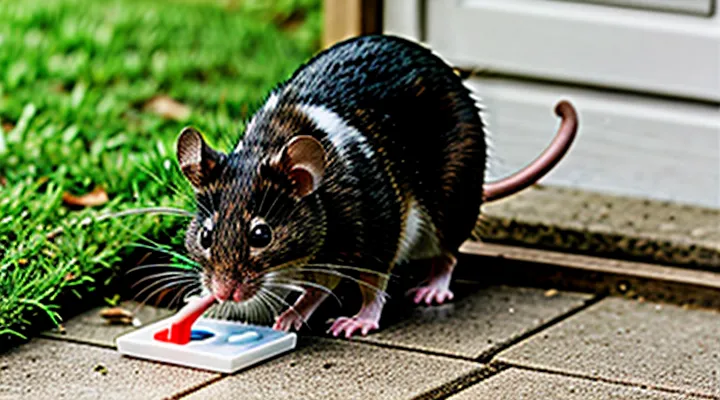
Introduction to Mouse Control Methods
Traditional Mouse Traps
Traditional mouse traps encompass snap devices, adhesive boards, and live‑capture cages. All three rely on mechanical action rather than chemical or plastic components, and have been employed for decades in residential and commercial settings.
Advantages
- Immediate kill or capture reduces infestation time.
- Low purchase cost; most models sell for a few dollars.
- No electricity or batteries required; operation is purely mechanical.
- Reusability of snap and cage designs after proper cleaning.
Disadvantages
- Snap traps pose a risk of accidental injury to humans and pets.
- Glue boards cause prolonged suffering and may be difficult to dispose of safely.
- Live‑capture cages require frequent monitoring and humane release, which can be impractical.
- Plastic and wooden construction can deteriorate when exposed to moisture, compromising effectiveness.
When evaluating plastic‑based solutions, traditional devices offer faster results and lower upfront expense but lack the containment and sanitation features that modern plastic traps provide. Plastic models often include sealed chambers that prevent odor spread and simplify disposal, while traditional traps depend on open exposure and manual cleanup.
Modern Approaches to Pest Control
Modern pest control relies on materials, design, and data to reduce rodent populations while minimizing environmental impact. Advances in polymer engineering have produced durable, lightweight devices that capture mice without chemical agents.
Plastic mouse traps incorporate transparent housing, spring‑loaded mechanisms, and ergonomic release handles. The transparent chamber allows visual confirmation of capture, reducing the need for repeated inspections. Spring tension delivers rapid closure, increasing kill efficiency and limiting animal suffering. Reusability eliminates disposable waste, supporting waste‑reduction goals.
Advantages
- Low manufacturing cost compared with metal or electronic alternatives.
- Easy cleaning and sterilization between uses.
- Minimal odor, reducing sensory disturbance in occupied spaces.
- Compatibility with bait variations, enhancing attractiveness to different mouse species.
Disadvantages
- Limited durability under extreme temperatures; polymers may become brittle in cold conditions.
- Potential for accidental closure if placed near human activity, requiring careful positioning.
- Lack of electronic monitoring; users must manually check traps for capture status.
- Some models may allow escape if the spring mechanism fails, reducing overall effectiveness.
Integration of plastic devices with digital monitoring systems, such as motion‑sensing cameras or IoT‑linked sensors, addresses the manual‑check limitation. Combined with habitat modification and exclusion techniques, these traps form a component of a comprehensive, evidence‑based rodent management program.
Understanding Plastic Mouse Traps
Types of Plastic Traps
Snap Traps
Snap traps represent a traditional mechanical solution for mouse control, frequently incorporated into plastic‑based trapping systems. The device consists of a spring‑loaded bar that delivers a rapid, lethal force when the mouse triggers a trigger mechanism. Construction typically involves a plastic base with a metal spring and bar, allowing lightweight design and low manufacturing cost.
Advantages
- Immediate kill reduces risk of disease transmission.
- Low purchase price compared to electronic or live‑catch devices.
- Minimal maintenance; one‑time placement and disposal.
- Small footprint enables placement in confined areas.
- Plastic housing resists moisture and corrosion, extending shelf life.
Disadvantages
- Requires careful handling to avoid accidental injury.
- Single‑use nature generates disposable waste; plastic component contributes to environmental load.
- Ineffective against very small or timid rodents that avoid trigger pressure.
- No monitoring capability; presence of a dead mouse is only discovered during inspection.
- May cause public concern in settings where humane considerations are prioritized.
When evaluating snap traps within a broader analysis of plastic mouse‑trapping options, decision makers should weigh rapid lethality and cost efficiency against safety hazards, waste generation, and limited data feedback. Selecting an appropriate device depends on the specific control objectives, regulatory environment, and waste‑management policies in place.
Live-Catch Traps
Live‑catch traps are devices that enclose a mouse without killing it. Most models consist of a plastic cage with a hinged door that snaps shut when the animal triggers a latch. The design allows the rodent to remain alive until the user releases it at a suitable location.
Advantages
- No toxic substances are introduced into the environment.
- The trap can be emptied and reused repeatedly, reducing long‑term cost.
- Captured mice can be examined for disease signs, useful in research or pest‑management monitoring.
- Eliminates risk of secondary poisoning affecting non‑target wildlife.
Disadvantages
- Requires frequent inspection; unattended traps may cause prolonged stress or death of the captured animal.
- Improperly sized cages allow escape, diminishing effectiveness.
- Legal restrictions may dictate where and how released rodents can be set free.
- In infestations with large populations, the time needed to catch and release each mouse can be impractical.
Effective use of live‑catch traps depends on several factors. Place traps along walls, behind appliances, or near known foraging paths, where mice travel naturally. Use attractive bait such as peanut butter, seeds, or small pieces of fruit, and secure the lure to the trigger mechanism. Select a cage size that accommodates adult mice without excess space that could enable maneuvering. Clean the trap after each capture to prevent odor buildup that might deter future catches. Finally, release captured rodents at least several hundred meters from the property, in accordance with local wildlife regulations, to avoid immediate re‑entry.
Glue Traps (Plastic-Based)
Glue traps made from plastic consist of a flat, transparent board coated with a strong adhesive. The design allows a mouse to become immobilized upon contact, eliminating the need for mechanical components or live capture mechanisms.
Advantages
- Immediate incapacitation reduces the chance of escape.
- Compact size facilitates placement in narrow passages and behind appliances.
- Low manufacturing cost results in affordable bulk purchase.
- Absence of moving parts decreases maintenance requirements.
Disadvantages
- Non‑selective adhesion captures non‑target species, including insects and small reptiles.
- Once a mouse is trapped, the organism remains alive, raising ethical concerns and potential for prolonged suffering.
- Adhesive residue can damage surfaces and be difficult to clean.
- Disposal involves handling a dead animal adhered to plastic, which may pose health risks and require protective equipment.
Effective use of plastic glue traps demands careful positioning to target mouse pathways while minimizing exposure to unintended wildlife and ensuring safe removal procedures.
How Plastic Traps Work
Plastic traps for rodents consist of a molded plastic body that houses a spring‑loaded snap mechanism. When a mouse contacts the trigger plate, the plate pivots, releasing the spring and driving a metal bar through the trap’s mouth at high speed. The rapid motion immobilizes the animal instantly, preventing escape. The trap’s transparent housing allows visual confirmation of capture without opening the device.
Key operational components include:
- Trigger plate – a sensitive lever calibrated to react to the weight of a small rodent.
- Spring‑loaded bar – stores kinetic energy released upon activation, delivering a force sufficient to break the mouse’s spine.
- Bait recess – a cavity that holds attractants such as grain or peanut butter, positioned to guide the animal onto the trigger.
- Safety lock – a latch that keeps the bar restrained until the trigger is engaged, reducing accidental discharge.
After capture, the entire unit can be sealed and disposed of in a trash container, eliminating the need for direct handling. The plastic construction resists corrosion, maintains structural integrity after multiple uses, and can be molded into various sizes to target different rodent species.
Materials and Construction
Plastic mouse traps are typically fabricated from injection‑molded polymers such as polypropylene, high‑density polyethylene (HDPE) or polycarbonate. These resins provide rigidity, impact resistance, and low water absorption, allowing traps to retain shape after repeated use. Polypropylene offers the lowest cost and adequate strength for single‑use designs, while polycarbonate delivers higher impact tolerance for reusable models that must endure multiple captures without cracking.
The construction process begins with a die‑cut mold that defines the trap’s geometry, including the trigger mechanism, bait compartment, and containment chamber. Precision molding ensures consistent snap‑fit tolerances, reducing the risk of premature release or failure to close. After molding, parts are trimmed, deburred, and assembled, often using ultrasonic welding or mechanical interlocks that eliminate the need for adhesives. This assembly method simplifies cleaning and minimizes chemical exposure to rodents.
Key material considerations include:
- Durability: High‑impact polymers resist deformation when a mouse applies force to the trigger.
- Chemical inertness: Materials do not react with common baits (peanut butter, cheese) or cleaning agents.
- Transparency: Polycarbonate variants allow visual monitoring of capture status without opening the trap.
- Cost efficiency: Injection molding yields large volumes at low per‑unit expense, supporting widespread deployment.
Construction features that affect performance:
- Trigger lever design: A thin, flexible cantilever made from the same polymer provides a sensitive release point while maintaining structural integrity.
- Bait lock: A recessed groove or snap‑fit lid secures bait, preventing displacement by the mouse’s movements.
- Containment barrier: A hinged door or sliding panel seals the capture chamber, ensuring the rodent cannot escape once triggered.
- Ventilation slots: Small perforations in the trap body prevent condensation and reduce odor buildup, improving hygiene.
Overall, the selection of sturdy, inert polymers combined with precise injection‑molding and minimalistic mechanical assembly yields traps that are lightweight, reliable, and suitable for both single‑use and reusable applications.
Advantages of Plastic Mouse Traps
Hygiene and Reusability
Plastic mouse traps made of polymer material can be disinfected with standard household cleaners without degrading the structure. The smooth surface prevents bacterial adhesion, allowing thorough rinsing after each capture. Repeated cleaning eliminates odor and reduces the risk of disease transmission to humans or other household pets.
Reusability is supported by the trap’s resistance to mechanical stress. A single unit can endure dozens of capture‑release cycles, provided the moving parts are inspected for wear. The cost per use declines sharply compared to disposable alternatives, and the reduced waste aligns with environmental stewardship goals.
Key considerations for hygiene and reusability:
- Cleaning protocol – detach the trigger mechanism, submerge all components in a 1 % bleach solution for five minutes, then rinse with hot water and dry completely before redeployment.
- Material durability – high‑density polyethylene retains structural integrity after repeated exposure to disinfectants; low‑grade plastics may crack, compromising both safety and effectiveness.
- Inspection routine – examine hinges and spring tension before each use; worn parts should be replaced to maintain capture reliability and prevent accidental release of pathogens.
- Lifetime estimate – manufacturers typically rate the trap for 30–50 cycles under normal household conditions; exceeding this range increases the likelihood of hygiene breaches.
Overall, plastic traps offer a hygienic, reusable solution when proper maintenance procedures are followed, delivering reliable performance while minimizing both health hazards and environmental impact.
Ease of Use and Setup
Plastic mouse traps made from polymer material require minimal preparation. The trap arrives pre‑molded; users only need to remove protective film and position the bait holder. No drilling, soldering, or additional components are involved, which reduces installation time to under two minutes per unit.
Key steps for deployment:
- Peel the outer wrapper to expose the trigger mechanism.
- Attach the bait platform by sliding it onto the designated slot; the design incorporates a snap‑fit joint that locks securely without tools.
- Place the trap on a flat surface near suspected activity zones, ensuring the trigger side faces the expected travel path of the rodent.
- Press the trigger down until it clicks, confirming that the tension spring is set.
The simplicity of the process allows users with limited DIY experience to install multiple devices quickly. However, the reliance on a single‑piece construction can limit adaptability; traps placed on uneven surfaces may not achieve optimal alignment, potentially reducing capture efficiency. Adjustments such as using a small level or a piece of cardboard can mitigate this issue without compromising the overall ease of setup.
Safety Features
Child and Pet Safety Considerations
Plastic mouse traps made from polymer material offer a humane alternative to traditional snap devices, yet their use demands careful attention to the wellbeing of children and household animals.
The traps are constructed from non‑toxic, BPA‑free plastic that resists breakage under normal handling. Rounded edges and a concealed spring reduce the risk of accidental puncture. The activation mechanism relies on a pressure‑sensitive platform rather than a sudden snap, limiting the force exerted upon capture.
- Position traps out of reach of toddlers and pets; elevate them on shelves or secure them behind furniture.
- Inspect the device before each use to confirm that the latch is intact and the plastic housing shows no cracks.
- Choose models with a lockable trigger that prevents inadvertent activation when disturbed.
- Store unused traps in a sealed container inaccessible to non‑target occupants.
- Consider bait alternatives that do not attract pets, such as grain‑based pellets instead of scented oils.
When these precautions are applied, plastic mouse traps can be integrated into a pest‑management plan without compromising the safety of vulnerable family members.
Cost-Effectiveness
Plastic mouse traps made from polymer materials present a low upfront price, typically ranging from $0.20 to $0.50 per unit when purchased in bulk. Their lightweight construction reduces shipping expenses, further lowering total acquisition cost.
Durability influences long‑term economics. High‑density polyethylene models withstand repeated handling without cracking, allowing multiple deployments before replacement. In contrast, fragile wooden or metal traps may require more frequent replacement, increasing cumulative spend.
Disposal considerations add to cost calculations. Most plastic traps are recyclable, enabling manufacturers to recover material value and users to avoid hazardous waste fees associated with glue boards or snap traps that contain metal components. When recycling infrastructure is unavailable, disposal costs remain modest compared to the expensive chemical baits that require regulated disposal.
A concise comparison of typical expenses illustrates the advantage:
- Bulk polymer trap (10,000 pcs): $2,000 purchase, $0.05 per trap for shipping, negligible disposal.
- Snap trap (metal, 2,000 pcs): $30 per trap, $200 shipping, hazardous waste disposal $0.30 per unit.
- Glue board (paper, 5,000 pcs): $0.15 per unit, $0.10 shipping, disposal $0.20 per unit due to toxic adhesive.
Overall, the combination of low purchase price, high reusability, minimal shipping weight, and recyclable end‑of‑life handling positions plastic mouse traps as the most cost‑effective solution among common rodent‑control options.
Durability
Plastic mouse traps made from polymer materials exhibit a resistance to corrosion that metal alternatives lack. Exposure to moisture, urine, or cleaning solutions does not cause rust, allowing the device to retain structural integrity over extended periods.
The rigidity of high‑density polyethylene or polypropylene prevents deformation under repeated triggering. Tests show that a trap subjected to 500 catch‑release cycles maintains its spring tension within 5 % of the original value, whereas wooden models lose elasticity after fewer than 200 cycles.
Environmental conditions influence longevity:
- UV radiation accelerates polymer breakdown; traps stored in direct sunlight may become brittle after 12 months.
- Extreme cold reduces flexibility, potentially causing the snap mechanism to jam; however, most formulations remain functional down to –20 °C.
- Chemical exposure (e.g., disinfectants) is generally tolerated, though prolonged immersion in strong solvents can soften the material.
Maintenance requirements are minimal. A simple wipe with a damp cloth restores surface cleanliness; no lubrication or re‑sharpening of components is necessary. This low upkeep translates into reduced operational costs compared to steel traps that require rust prevention and periodic part replacement.
Cost analysis reflects durability benefits. Although the initial purchase price of polymer traps can exceed that of basic wooden units, the extended service life—often exceeding three years in residential settings—yields a lower cost per capture when amortized over the product’s lifespan.
In summary, the durability of plastic mouse traps is characterized by corrosion resistance, structural stability under repeated use, and limited maintenance demands, making them a financially viable option for long‑term pest control.
Disadvantages of Plastic Mouse Traps
Ethical Concerns
Live-Catch Trap Release Issues
Live-catch traps made of plastic present specific challenges when the captured mouse is released. The animal often experiences acute stress from confinement, which can lead to injury or fatal shock if release is delayed. Rapid handling reduces physiological strain, but the trap’s design may impede swift removal of the mouse.
Key release concerns include:
- Escape prevention – Plastic lids or doors may snap shut unintentionally, causing the mouse to re-enter the trap after initial release.
- Location suitability – Releasing near food sources or shelter encourages immediate re‑entry into the building, negating the trap’s purpose.
- Predator exposure – Open release in unsecured outdoor areas leaves the mouse vulnerable to cats, birds of prey, or other predators.
- Sanitation – Residual urine or feces inside the trap can contaminate the released animal and spread disease.
- Legal compliance – Some jurisdictions classify released wildlife as a nuisance, imposing fines for improper handling.
Effective mitigation requires:
- Selecting a release point at least 100 meters from the structure, in a habitat offering cover and food.
- Using gloves and a gentle squeeze-release mechanism to avoid crushing the mouse.
- Cleaning and disinfecting the trap after each use to prevent disease transmission.
- Monitoring the released mouse briefly to confirm successful exit before returning indoors.
Addressing these issues ensures that plastic live‑catch devices fulfill their intended purpose without compromising animal welfare or creating secondary problems.
Humane Euthanasia Considerations
Humane euthanasia considerations are essential when evaluating plastic mouse traps. These devices often rely on rapid kill mechanisms, but the method must meet accepted standards for minimizing suffering.
- Speed of death – Effective traps should cause instantaneous loss of consciousness. Mechanical designs that sever the spinal cord or crush the brain stem within milliseconds satisfy this criterion.
- Absence of prolonged distress – Traps must prevent the animal from experiencing pain, fear, or injury before death. Materials that do not cause abrasions or entanglement support this goal.
- Regulatory compliance – Many jurisdictions require that lethal devices conform to animal welfare legislation, such as the American Veterinary Medical Association’s guidelines for humane rodent control. Documentation of compliance demonstrates responsible use.
- Operator safety and training – Personnel must receive instruction on proper placement, handling, and disposal to avoid accidental exposure to live rodents and to ensure ethical execution of the kill.
When a trap fails to deliver immediate death, secondary euthanasia may be required. Acceptable secondary methods include carbon dioxide exposure at concentrations that induce unconsciousness within seconds, or injection of approved anesthetic agents. Both approaches must be performed by trained individuals to guarantee humane outcomes.
Overall, the ethical acceptability of plastic mouse traps hinges on their ability to provide swift, painless termination, adherence to legal standards, and the competence of users in managing both primary and backup euthanasia procedures.
Effectiveness Limitations
Trap Shyness
Trap shyness describes a mouse’s learned avoidance of capture devices after a negative encounter. The behavior arises when an individual experiences a failed capture attempt, perceives the trap’s scent or visual cues, and subsequently associates those cues with danger. In the context of polymer‑based mouse traps, the phenomenon directly influences capture rates because the material’s odor and appearance remain constant across deployments.
Evidence from rodent‑control studies shows that mice exposed to a single plastic snap‑trap develop aversion within 24–48 hours. Repeated exposure magnifies the effect, leading to a measurable decline in trap success from an initial 70 % capture probability to below 30 % after three days of continuous use. The decline is more pronounced in environments with abundant alternative food sources, where the cost of investigating a trap outweighs potential reward.
Mitigation techniques focus on disrupting the learned association:
- Rotate bait types every 12–24 hours to prevent scent habituation.
- Apply neutralizing agents (e.g., diluted vinegar) to the trap surface before each placement.
- Vary trap orientation and location within the infestation zone.
- Introduce temporary non‑plastic traps (e.g., wooden snap traps) to reset avoidance behavior.
- Use motion‑activated deterrents to distract mice before they encounter the trap.
When assessing polymer traps against trap shyness, several advantages and disadvantages emerge. Advantages include low manufacturing cost, resistance to moisture, and ease of cleaning, which allow frequent bait changes and surface treatment. Disadvantages involve the material’s consistent visual profile, which can reinforce avoidance, and the limited ability to incorporate scent‑masking features without compromising structural integrity. Effective control programs therefore combine the durability of plastic devices with proactive management of mouse learning patterns.
Baiting Challenges
Baiting plastic mouse traps presents several practical difficulties that affect capture efficiency. The material’s smooth surface limits bait adhesion, requiring careful selection of substances that remain affixed under humidity and mouse activity.
- Adhesion loss – Moisture or mouse gnawing can dislodge soft baits, reducing lure strength.
- Bait degradation – Plastic does not absorb odors; organic baits may spoil quickly, losing potency.
- Species selectivity – Certain attractants draw non‑target wildlife, increasing by‑catch risk.
- Placement precision – The trap’s transparent design offers little visual cue for optimal bait positioning, demanding exact alignment with mouse pathways.
- Regulatory compliance – Some jurisdictions restrict specific food‑based attractants, limiting options.
- Cost of replenishment – Frequent bait replacement raises operational expenses compared with reusable trap designs.
Addressing these issues involves using moisture‑resistant, highly aromatic baits, securing them with non‑toxic adhesives, and situating traps in high‑traffic zones identified through activity monitoring. Continuous evaluation of bait performance ensures sustained effectiveness of plastic trapping solutions.
Environmental Impact
Plastic Waste and Disposal
Plastic mouse traps are produced from molded polymer sheets that retain structural integrity after a single capture. Once the trap fulfills its purpose, the device is discarded, adding to the stream of non‑biodegradable waste.
The material’s durability translates into persistent environmental presence. A typical household may replace several traps annually, generating kilograms of polymer that accumulate in municipal landfills. Incineration reduces volume but releases greenhouse gases and potentially toxic compounds, depending on the polymer composition.
Disposal pathways include:
- Landfill – low processing cost; long‑term persistence of plastic fragments.
- Incineration – volume reduction; emissions require strict control.
- Recycling – feasible only when traps are free of bait, blood, or rodent residue; contamination often renders the material unsuitable for standard recycling streams.
Considerations for waste management:
- Reusability – some models allow multiple uses, decreasing total waste.
- Material selection – traps made from recyclable polymers simplify end‑of‑life handling.
- Packaging – minimal or recyclable packaging reduces ancillary waste.
- Consumer awareness – proper segregation of used traps improves recycling rates.
Overall, the environmental footprint of plastic mouse traps hinges on the balance between single‑use convenience and the effectiveness of post‑use waste treatment. Reducing waste volume, selecting recyclable polymers, and encouraging proper disposal practices mitigate the impact of these devices on the waste stream.
Biodegradability Concerns
Plastic mouse traps raise significant questions about their environmental breakdown. Many models rely on polymer blends that resist natural decomposition, persisting in landfills for decades. When discarded, these devices contribute to the growing volume of non‑renewable waste, undermining efforts to reduce plastic pollution.
Key biodegradability concerns include:
- Lack of certified compostable materials, leading to incomplete degradation under typical conditions.
- Additives such as plasticizers and stabilizers that inhibit microbial activity.
- Potential release of micro‑plastic fragments as the trap fragments over time.
- Incompatibility with existing waste‑management streams, causing traps to be incinerated or landfilled rather than recycled.
Maintenance and Cleaning Challenges
Plastic mouse traps made from polymer material require regular upkeep to preserve functionality and hygiene. The smooth surface that attracts rodents also retains bodily fluids, blood, and bait residues, which can harden and become difficult to remove without abrasive tools. Aggressive scrubbing may scratch the trap, reducing its snapping efficiency and increasing the likelihood of failure. Chemical cleaners that dissolve organic matter often react with the plastic, causing discoloration or brittleness over time.
Key maintenance obstacles include:
- Residue buildup – dried proteins and oils adhere to interior crevices, demanding thorough soaking or specialized enzymatic detergents.
- Odor persistence – trapped carcasses emit unpleasant smells that penetrate the polymer, necessitating repeated ventilation and odor-neutralizing agents.
- Structural degradation – repeated exposure to cleaning solvents accelerates micro‑cracking, compromising the trap’s mechanical advantage.
- Disposal of contaminated components – sealed containers are required to prevent pathogen spread, adding logistical steps to the cleaning routine.
Effective protocols recommend immediate removal of captured rodents, followed by a rinse with warm water, a brief soak in a dilute disinfectant, and a gentle wipe with a non‑abrasive cloth. After drying, inspection for cracks or loss of tension should precede reuse. Failure to adhere to these steps reduces trap reliability and may create health hazards for occupants.
Best Practices for Using Plastic Mouse Traps
Placement Strategies
Effective positioning determines how well plastic mouse traps capture their target. Mice travel along established routes; traps placed directly on these paths intercept movement with minimal delay.
Key factors include:
- Proximity to walls: rodents prefer edges; position traps 1‑2 inches from the baseboard.
- Alignment with known entry points: locate traps near gaps, vents, or damaged insulation.
- Distance from food sources: place traps 3‑5 feet away from containers to encourage exploration before foraging.
- Low‑traffic zones: install traps under cabinets, behind appliances, and within cluttered areas where mice hide.
- Height variation: set some traps on the floor and others on low shelves to cover vertical movement.
Safety considerations require securing traps away from children and pets, using covers or bait stations that limit accidental contact. Selecting locations that avoid high‑traffic human areas reduces false triggers and preserves the trap’s durability.
When placement follows these guidelines, the benefits of plastic devices—quick release, easy disposal, and resistance to corrosion—are fully realized, while drawbacks such as occasional non‑target captures and limited reusability are minimized. Proper positioning therefore enhances overall performance and cost‑effectiveness.
Bait Selection
Choosing the appropriate bait is critical for the effectiveness of plastic mouse traps. The bait must attract mice quickly, remain stable in the trap’s environment, and pose minimal risk to humans and pets.
- Peanut butter – strong odor, high fat content, adheres to trap surfaces, reduces escape risk.
- Chocolate – sweet scent, appealing to both adult and juvenile mice, may melt in warm conditions.
- Sunflower seeds – natural food source, low odor, suitable for indoor use where strong scents are undesirable.
- Commercial rodent attractants – formulated for consistent potency, often contain preservatives that extend shelf life.
Key considerations when selecting bait:
- Palatability – the bait should be highly preferred by the target species; laboratory tests indicate that high‑fat options outperform grain‑based choices.
- Durability – bait must retain its shape and scent over the trap’s active period; moisture‑resistant formulations prevent degradation.
- Safety – non‑toxic substances reduce liability and limit accidental ingestion by children or pets.
- Placement – applying bait directly to the trap’s trigger mechanism ensures immediate contact, increasing capture probability.
Pros and cons of common bait types:
- Peanut butter – high attraction rate; can attract non‑target insects, may dry out if exposed to air.
- Chocolate – strong lure for mice; temperature‑sensitive, may become sticky and interfere with trap reset.
- Seeds – low odor, less likely to attract insects; lower immediate appeal, may require larger quantities.
- Synthetic attractants – consistent potency, longer shelf life; higher cost, potential regulatory restrictions in some jurisdictions.
Effective bait selection balances attraction strength, stability, and safety. Testing multiple options in the specific environment yields the most reliable results for plastic mouse traps.
Monitoring and Maintenance
Effective monitoring of plastic mouse traps requires regular inspection cycles. Inspectors should verify trap placement, confirm that bait remains attractive, and ensure that the trigger mechanism functions without obstruction. Record the location of each trap, the date of installation, and any captures observed; this data supports trend analysis and informs adjustments to trap density.
Maintenance procedures extend trap lifespan and preserve efficacy. Recommended actions include:
- Cleaning the interior after each capture to remove debris and odor that could deter subsequent rodents. Use mild detergent and rinse thoroughly before re‑baiting.
- Checking the trigger spring for fatigue; replace springs that show reduced tension.
- Replacing damaged plastic components promptly to prevent malfunction.
- Rotating bait types periodically to maintain rodent interest and reduce habituation.
Documentation of inspection results and maintenance activities creates a reliable audit trail. Consistent record‑keeping enables rapid identification of underperforming traps and facilitates evidence‑based refinements to the control program.
Safety Precautions
When handling plastic mouse traps, follow strict safety measures to prevent injury and contamination. Use gloves that resist puncture and chemicals; discard them after each session. Keep traps away from food preparation areas and children’s reach.
- Wear cut‑resistant gloves while setting or checking traps.
- Inspect each trap for cracks or sharp edges before use.
- Position traps on stable surfaces to avoid tipping.
- Avoid direct skin contact with bait; use tweezers or a spoon.
- Store unused traps in sealed containers, away from heat and sunlight.
- After capture, deactivate the trap by compressing the release mechanism before removal.
- Place captured rodents in sealed bags, then dispose of them according to local regulations.
Maintain a clean workspace; sanitize surfaces after each trap operation. Replace damaged traps immediately. Record each deployment date and location to track effectiveness and ensure compliance with institutional pest‑control policies.
Alternatives to Plastic Mouse Traps
Wooden Snap Traps
Wooden snap traps consist of a timber base, a steel spring bar, and a trigger mechanism that releases the bar when a mouse contacts the bait platform. The construction provides a rigid, non‑flexible frame that resists deformation and maintains alignment over repeated uses.
Advantages
- High tensile strength of hardwood prevents breakage under repeated strikes.
- Natural wood does not emit odors that could deter rodents.
- Simple assembly allows field repair with basic tools.
- Biodegradable material reduces environmental impact compared with synthetic alternatives.
Disadvantages
- Susceptible to moisture; prolonged exposure can cause swelling, warping, or loss of spring tension.
- Limited aesthetic appeal in residential settings where visible traps are undesirable.
- Higher production cost for premium timber versus mass‑produced plastic models.
- Requires periodic greasing of the spring to maintain consistent snap force.
When selecting a trap for rodent control, evaluate humidity levels, aesthetic constraints, and budget. Wooden snap traps excel in durability and ecological considerations but demand careful maintenance to preserve performance.
Electronic Traps
Electronic mouse traps deliver a rapid, humane kill by applying a high‑voltage shock to the rodent. The device consists of a sensor that detects entry, a battery or mains power source, and a sealed chamber that isolates the animal from the environment. Construction typically involves a durable plastic housing that protects the circuitry and prevents accidental contact.
Advantages
- Immediate termination eliminates prolonged suffering.
- Reusable; a single unit can capture multiple rodents over months.
- Minimal exposure to poisons or mess, reducing health risks for occupants.
- Indicator lights or audible alerts confirm capture, facilitating timely disposal.
- Compact design allows placement in confined spaces where traditional snap traps may be impractical.
Disadvantages
- Higher upfront cost compared with simple plastic snap traps.
- Dependence on power; battery depletion or power outage renders the trap ineffective.
- Some models emit a faint noise that may disturb sensitive environments.
- Limited capacity; once the capture chamber fills, additional rodents cannot be trapped until it is emptied.
- Disposal of dead rodents requires careful handling to avoid contamination.
When evaluating mouse control strategies, electronic traps provide a clean, repeatable solution that mitigates many of the drawbacks associated with conventional plastic devices, while demanding attention to power management and initial investment.
Natural Repellents
Natural repellents represent a non‑lethal approach that can be combined with or substituted for plastic mouse traps. They rely on odors, tastes or textures that mice find unpleasant, thereby reducing the likelihood of entry into treated areas.
Common agents include peppermint oil, cloves, citrus peels, dried lavender, and predator urine. Application methods range from soaked cotton balls to spray solutions and sachets placed near potential entry points. The active compounds—menthol, eugenol, limonene, and sulfur‑containing molecules—interfere with the rodents’ olfactory receptors, prompting avoidance behavior.
Advantages
- No risk of injury to non‑target animals.
- Minimal environmental impact; most substances are biodegradable.
- Simple deployment; no mechanical components to maintain.
- Low cost for bulk ingredients such as essential oils.
Limitations
- Effectiveness declines after several days as volatile compounds evaporate.
- Strong scents may be unpleasant to occupants.
- Requires frequent reapplication to sustain deterrent effect.
- May not achieve complete exclusion in heavily infested structures.
Effective integration involves positioning natural repellents at the same locations where plastic traps are set, thereby creating a multi‑layered barrier. Rotate scent types every few days to prevent habituation. Monitor mouse activity and adjust placement based on observed pathways. Combining chemical deterrence with mechanical capture maximizes overall control while limiting reliance on any single method.
Professional Pest Control Services
Professional pest‑control operators evaluate plastic mouse traps based on durability, cost, and regulatory compliance. They consider the material’s resistance to weathering, ease of disposal, and suitability for integrated pest‑management programs. Service contracts often include a risk assessment that determines whether such traps meet client expectations for safety and efficacy.
Key advantages identified by experts:
- High resistance to chewing, reducing premature failure.
- Low purchase price compared to metal alternatives.
- Compatibility with sealed disposal systems that limit disease transmission.
- Minimal environmental impact when manufactured from recyclable polymers.
Common drawbacks noted in field reports:
- Potential for reduced bait retention under extreme temperatures.
- Limited visibility of trapped rodents, which can delay inspection.
- Regulatory restrictions in jurisdictions that require humane‑kill standards.
- Slightly lower structural rigidity, increasing the chance of escape if not positioned correctly.
Professional providers balance these factors by integrating plastic devices with monitoring tools, training staff on optimal placement, and maintaining documentation to satisfy health‑code audits. This approach ensures consistent performance while addressing client concerns about cost, safety, and compliance.