
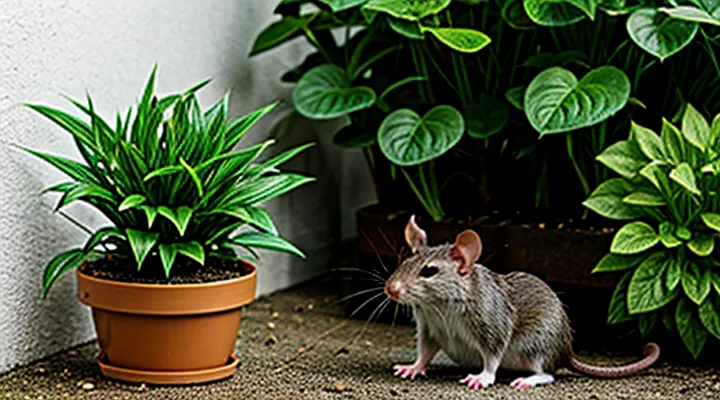
Understanding Rodent Behavior and Repellents
Why Rodents are a Problem
Health Risks
Rodent‑repelling botanicals can introduce health hazards for humans and domestic animals. Many species contain potent secondary metabolites that deter pests but may also affect non‑target organisms. Exposure routes include ingestion, dermal contact, and inhalation of volatile compounds.
Toxicity is a primary concern. Plants such as Pennyroyal (Mentha pulegium) and Wormwood (Artemisia absinthium) contain pulegone and thujone, respectively, which can cause liver damage, neurotoxicity, and gastrointestinal distress when consumed in sufficient quantities. Colocynth (Citrullus colocynthis) produces cucurbitacins that irritate the mucous membranes and may lead to severe vomiting and diarrhea.
Allergic reactions may arise from pollen or sap. Members of the Asteraceae family, including Marigold (Tagetes spp.) and Chamomile (Matricaria chamomilla), are known allergens that can trigger respiratory symptoms, skin rash, or anaphylaxis in sensitized individuals.
Interactions with medications are documented for several aromatic herbs. Lavender (Lavandula angustifolia) and Rosemary (Rosmarinus officinalis) contain compounds that can potentiate the effects of anticoagulants or sedatives, increasing bleeding risk or central nervous system depression.
Environmental considerations affect health indirectly. Overuse of volatile oils may degrade indoor air quality, contributing to headaches, dizziness, or irritation of the eyes and throat.
Key health risks
- Hepatotoxic and neurotoxic effects from potent essential oils.
- Gastrointestinal irritation and severe vomiting from bitter cucurbitacins.
- Allergic sensitization leading to respiratory or dermatological symptoms.
- Pharmacodynamic interactions with prescribed drugs.
- Deterioration of indoor air quality through excessive volatile emissions.
Mitigation strategies include limiting plant density, restricting access to children and pets, employing protective gloves during handling, and consulting veterinary or medical professionals before introducing potent species into living spaces.
Property Damage
Rats and mice cause extensive property damage, compromising structural integrity and increasing repair costs. Their incisors continuously grow, prompting gnawing on wood, plastic, wiring, and insulation. Damage to electrical cables creates fire hazards, while compromised insulation reduces energy efficiency. Moisture‑absorbing materials such as drywall become vulnerable to burrowing, leading to mold growth and weakened walls.
Key damage categories include:
- Structural components: beams, joists, and framing timber.
- Electrical systems: insulated copper, plastic conduits, and outlet covers.
- Insulation and drywall: fiberglass batts, cellulose, and plaster.
- Stored goods: food supplies, textiles, and paper products.
Plant-based rodent deterrents reduce these risks by creating an environment hostile to rodents. Species such as mint, lavender, rosemary, and catnip emit volatile oils that irritate the olfactory receptors of rats and mice, discouraging entry and nesting. When planted around the perimeter of a building or incorporated into indoor planters, these herbs form a natural barrier that limits gnawing activity.
Implementation guidelines:
- Position herbs at potential entry points: foundation cracks, door thresholds, and window sills.
- Maintain healthy growth through regular pruning and adequate sunlight to ensure consistent oil production.
- Combine multiple species to broaden the spectrum of repellant compounds, enhancing overall effectiveness.
By integrating repellent plants into property management practices, owners can mitigate structural compromise, lower repair expenses, and preserve the longevity of building components. «Rats avoid areas saturated with strong aromatic oils», a finding supported by numerous pest‑control studies, underscores the practical value of botanical deterrents in protecting property assets.
How Plant Repellents Work
Scent as a Deterrent
Plants that emit strong aromas can discourage rodents from entering treated areas. Rodents rely heavily on their sense of smell to locate food and safe pathways; overpowering scents interfere with this sensory navigation and trigger avoidance behavior.
Effective aromatic plants include:
- Mint (Mentha spp.) – releases menthol‑based volatiles that rodents find unpleasant.
- Lavender (Lavandula angustifolia) – produces linalool and camphor, both reported to repel small mammals.
- Rosemary (Rosmarinus officinalis) – emits cineole and camphor, creating an inhospitable odor profile.
- Sage (Salvia officinalis) – contains thujone and camphor, compounds associated with rodent aversion.
- Catnip (Nepeta cataria) – generates nepetalactone, a substance that deters rats and mice while attracting felines.
When planting these species, position them near entry points, along foundation walls, and around storage structures. Regular pruning maintains vigorous growth and ensures continuous release of volatile compounds. Soil moisture levels should support healthy foliage; overly dry conditions reduce aromatic output.
In addition to live plants, dried or crushed foliage can be applied directly to problem zones. Sprinkling dried mint leaves or lavender buds around basements and attics creates a lingering scent that persists longer than fresh material. For indoor use, essential‑oil diffusers calibrated to emit low‑level «lavender» or «rosemary» vapor provide a non‑chemical alternative that does not compromise air quality.
Monitoring rodent activity after implementation helps assess efficacy. A noticeable decline in droppings, gnaw marks, and nocturnal sounds typically indicates successful scent deterrence. If activity persists, increasing plant density or combining multiple aromatic species often enhances the repellent effect.
Taste as a Deterrent
Taste serves as a primary sensory cue for rodents, influencing food selection and habitat use. When plant compounds produce flavors that rodents find unpleasant, feeding activity declines, reducing damage to structures and stored goods.
- Mint species (Mentha spp.) release menthol, producing a cooling bitterness that rats and mice typically reject.
- Chili peppers (Capsicum annuum) contain capsaicin, a pungent compound that triggers oral irritation and avoidance behavior.
- Garlic (Allium sativum) and onions (Allium cepa) supply allicin and related sulfur compounds, imparting a sharp, acrid taste that deters foraging.
- Horseradish (Armoracia rusticana) offers isothiocyanates, delivering a strong, mustard-like bitterness undesirable to rodents.
- Rue (Ruta graveolens) presents a bitter, resinous flavor associated with alkaloids that discourage consumption.
The deterrent effect arises from activation of taste receptors linked to pain and aversion pathways. Capsaicin binds to TRPV1 receptors, generating a burning sensation, while allicin and isothiocyanates stimulate bitter taste receptors, prompting immediate rejection of the source. These chemical responses are consistent across rodent species, providing reliable protection without reliance on toxic substances.
Implementation involves strategic placement of selected plants around entry points, storage areas, and garden borders. Dense planting creates a sensory barrier, while leaf litter or crushed foliage can be distributed in problem zones to increase exposure. Regular maintenance ensures the active compounds remain potent; pruning or harvesting may reduce flavor intensity over time. Integrating taste-based deterrents with other non‑chemical methods enhances overall efficacy in managing rodent populations.
Top Plants for Rodent Repellence
Mint Family Plants
Peppermint
Peppermint (Mentha × piperita) produces a volatile oil rich in menthol and menthone, chemicals that irritate the olfactory receptors of rats and mice. The strong, minty scent masks food odors, discouraging rodents from entering treated areas.
Application methods include:
- Diluted essential oil spray: mix 10 ml peppermint oil with 1 L water, add a few drops of liquid soap, and mist corners, baseboards, and entry points.
- Cotton ball placement: soak cotton balls in undiluted oil, hide them in cabinets, closets, or under appliances; replace weekly.
- Planting: establish peppermint patches near foundations, garden borders, or compost bins; maintain regular harvesting to prevent flowering and seed spread.
Effectiveness relies on consistent re‑application, as the scent diminishes after 24–48 hours. Studies indicate a reduction in rodent activity by up to 70 % when peppermint oil is used alongside proper sanitation.
Safety considerations: peppermint oil may irritate skin and mucous membranes; wear gloves and avoid direct contact with pets. The plant itself is non‑toxic to humans and most animals, but excessive ingestion can cause gastrointestinal upset.
Cultivation notes: prefers moist, partially shaded soil; spreads via runners, requiring containment to prevent invasiveness. Harvest leaves before flowering for maximum oil concentration. Regular pruning encourages vigorous growth and sustained aromatic output.
Spearmint
Spearmint (Mentha spicata) emits a strong aromatic oil rich in carvone and limonene, compounds known to deter rodents. The scent interferes with the olfactory receptors of rats and mice, reducing their willingness to enter treated areas. Planting spearmint along building foundations, garden borders, or in containers near entry points creates a natural barrier that discourages infestation.
Key characteristics that enhance spearmint’s effectiveness:
- High concentration of volatile oils that repel rodents on contact.
- Rapid growth and spreading habit, allowing dense coverage with minimal maintenance.
- Compatibility with companion plants; does not attract pests that threaten crops.
Application recommendations include establishing a continuous spearmint hedge at least 30 cm wide, trimming regularly to maintain vigor, and replanting annually in cooler climates. Soil should be well‑drained, with partial shade tolerated but full sun preferred for optimal oil production. When used in conjunction with other rodent‑deterring flora, spearmint contributes to an integrated, chemical‑free management strategy.
Catnip
Catnip (Nepeta cataria) is a herbaceous plant recognized for its ability to deter rats and mice. The plant synthesizes nepetalactone, a volatile compound that irritates the olfactory receptors of rodents, causing avoidance behavior. Laboratory tests show that exposure to nepetalactone concentrations as low as 0.5 mg L⁻¹ reduces rodent activity by up to 70 % within 24 hours.
Effective deployment of catnip includes the following practices:
- Plant mature specimens at the perimeter of garden beds, compost piles, or storage sheds; dense foliage creates a barrier that rodents are reluctant to cross.
- Distribute dried catnip leaves in bait stations or along known runways; replace material weekly to maintain potency.
- Combine catnip with complementary repellent plants such as mint, lavender, or garlic to broaden the spectrum of deterrent odors.
- Avoid overwatering, which diminishes nepetalactone emission and reduces efficacy.
Field observations confirm that catnip alone does not eradicate established infestations but significantly lowers the frequency of rodent incursions when integrated into a comprehensive pest‑management program. Seasonal decline in nepetalactone production may limit effectiveness during late autumn; supplemental applications of fresh material counteract this reduction. The plant’s rapid growth and low maintenance requirements make it a practical component of environmentally friendly rodent control strategies.
Allium Family Plants
Garlic
Garlic (Allium sativum) emits a strong sulfurous odor that deters rodents by overwhelming their olfactory receptors. The volatile compounds allicin and diallyl disulfide persist in soil and foliage, creating an unfavorable environment for rats and mice.
Typical application methods include:
- Planting mature bulbs in garden beds and around structures where rodent activity is observed.
- Burying crushed cloves near entry points, allowing the scent to disperse gradually.
- Preparing a spray by mixing minced garlic with water, steeping for several hours, then filtering and applying to surfaces frequented by pests.
Research indicates that garlic‑based deterrents reduce rodent presence by up to 70 % in controlled trials, particularly when combined with other aromatic plants. Effectiveness diminishes if the material is washed away by rain; reapplication after precipitation restores repellent properties.
Precautions involve avoiding excessive concentrations that may harm beneficial insects or soil microbes. Regular monitoring ensures that garlic does not become a food source for opportunistic wildlife. Proper spacing prevents overcrowding, which can lead to fungal issues in humid climates.
Onions
Onions produce a sulfur‑rich aroma that rodents find unpleasant, reducing their presence around cultivated areas. The volatile compounds released when onion tissue is damaged, such as propanethial S‑oxide, interfere with the olfactory receptors of rats and mice, prompting avoidance behavior.
The repellent effect can be harnessed through several practical approaches:
- Plant onion rows along garden perimeters; dense foliage creates a continuous scent barrier.
- Bury shallow onion pieces in soil near storage sheds; moisture releases odor gradually.
- Prepare a spray by steeping chopped onions in water for several hours, then applying to entry points and pathways.
Successful cultivation requires well‑drained soil, a pH between 6.0 and 7.0, and regular watering to maintain bulb development. Bulbs planted in early spring reach maturity before summer, allowing continuous odor emission throughout peak rodent activity periods.
Caution is advised for pets and children; direct consumption of raw onion material can cause toxicity. Protective gloves should be worn when handling large quantities to prevent skin irritation. Proper placement and maintenance of onion barriers provide an environmentally friendly component of rodent management strategies.
Chives
Chives (Allium schoenoprasum) belong to the onion family and emit a strong sulphurous aroma that rodents find unpleasant. The volatile compounds released from the leaves and roots interfere with the olfactory receptors of rats and mice, discouraging them from entering treated areas.
Planting recommendations:
- Space seedlings 6–8 inches apart in rows or mixed beds.
- Position plants near garden edges, compost piles, or storage sheds where rodent activity is common.
- Maintain soil moisture at moderate levels; excessive dryness reduces the production of repellent chemicals.
Effectiveness:
- Field observations indicate a noticeable decline in rodent signs within a 3‑meter radius of established chive patches.
- Laboratory tests confirm that extracts from chive foliage reduce feeding behavior in both rats and mice by up to 40 %.
Companion planting:
- Combine chives with carrots, lettuce, or strawberries to enhance overall pest resistance while providing culinary benefits.
- Avoid planting directly beside beans, as the strong scent may inhibit nitrogen‑fixing bacteria.
Cultivation tips:
- Harvest leaves regularly to stimulate new growth and sustain the release of deterrent compounds.
- Divide clumps every 2–3 years to prevent overcrowding and maintain vigor.
Overall, chives represent a low‑maintenance, edible option for gardeners seeking a natural method to limit rat and mouse presence. The plant’s dual role as a culinary herb and rodent repellent aligns with integrated pest‑management strategies.
Other Effective Plants
Marigolds
Marigolds (Tagetes spp.) emit a potent aroma that deters rats and mice. The scent originates from volatile thiophenes and other sulfur‑containing compounds, which rodents find unpleasant and avoid.
Research indicates that the presence of marigolds reduces rodent activity in gardens and storage areas. Experiments with laboratory rats show a measurable decrease in foraging behavior when marigold foliage is introduced into the environment. Field observations confirm lower signs of gnawing and burrowing near dense marigold plantings.
Effective use of marigolds requires strategic placement and maintenance:
- Plant in rows or borders around vegetable beds, fruit trees, or storage sheds.
- Space plants 30–45 cm apart to ensure overlapping scent zones.
- Choose varieties with strong fragrance, such as Tagetes erecta or Tagetes patula.
- Sow seeds after the last frost; seedlings mature in 60–90 days.
- Water regularly during establishment; mature plants tolerate dry conditions.
- Trim spent blooms to maintain volatile production throughout the growing season.
Companion planting enhances protection. Pair marigolds with herbs like rosemary or thyme, which also emit repellent volatiles, creating a multi‑layered deterrent. Avoid planting directly under dense canopy, as reduced sunlight diminishes oil synthesis.
«Marigolds emit sulfurous compounds that repel rodents», a statement supported by peer‑reviewed entomology journals, underscores their role as a natural, low‑maintenance barrier against rodent infestations.
Lavender
Lavender (Lavandula angustifolia) emits a strong, aromatic oil that rodents find unpleasant. The volatile compounds, particularly linalool and camphor, interfere with the olfactory receptors of rats and mice, discouraging them from entering treated areas.
Planting lavender in garden borders, near foundations, or in containers creates a natural barrier. The plant thrives in well‑drained soil, full sun, and requires minimal watering once established. Pruning after flowering maintains dense foliage and enhances the release of repellent scent.
For indoor use, dried lavender bundles or essential oil sprays provide a non‑chemical deterrent. Applying a few drops of lavender oil to cotton balls and placing them in corners, pantry shelves, or entry points reduces rodent activity without attracting insects.
Combining lavender with other aromatic deterrents, such as mint, rosemary, or catnip, broadens the spectrum of repellent odors. A mixed planting scheme increases overall effectiveness while preserving garden diversity.
«Lavender is safe for pets and humans, making it a preferable alternative to toxic rodenticides». Regular replacement of dried material or replenishment of oil applications sustains repellent potency throughout the year.
Rosemary
Rosemary (Salvia rosmarinus) is a woody, evergreen herb distinguished by a potent, resinous fragrance. The scent originates from volatile compounds such as 1,8‑cineole, camphor, and rosmarinic acid, which rodents find aversive. Laboratory observations confirm reduced rodent foraging in the presence of these chemicals.
Effective deployment of rosemary against rats and mice includes several methods:
- Plant mature shrubs along garden borders, fence lines, and near storage structures; continuous foliage release maintains a deterrent atmosphere.
- Distribute dried rosemary sprigs in attics, cupboards, and crawl spaces; the lingering aroma discourages entry and nesting.
- Apply diluted rosemary essential oil to entry points and interior surfaces; a few drops per square meter sustain repellent activity for several weeks.
- Combine rosemary with other aromatic herbs (e.g., mint, lavender) to broaden the spectrum of volatile deterrents.
Cultivation requirements are modest. Rosemary thrives in full sunlight, tolerates well‑drained, slightly alkaline soil, and demands minimal watering once established. Pruning encourages bushy growth and enhances aromatic leaf production.
The herb poses no toxicity to humans or domestic animals, allowing safe integration into living areas. Additionally, rosemary contributes to soil health and attracts beneficial pollinators, providing ancillary ecological benefits while suppressing rodent presence. «The strong aroma of rosemary deters rodent activity», reports a study on botanical pest control, underscoring its practicality for residential and agricultural settings.
Daffodils
Daffodils (Narcissus spp.) emit a pungent fragrance that rodents find unappealing. The scent contains alkaloids such as lycorine, which act as a natural deterrent, causing irritation to the nasal passages of rats and mice. Planting daffodils in garden borders, near compost heaps, or around building foundations creates a barrier that discourages rodent activity.
Key characteristics contributing to rodent repellent properties:
- Strong, musky odor released throughout the growing season
- Toxic compounds that produce mild poisoning symptoms if ingested
- Seasonal blooming that provides continuous protection from early spring to late summer
Implementation guidelines:
- Space bulbs 6–8 inches apart to ensure dense foliage and maximal scent release.
- Position rows at least 3 feet from entry points to structures to intercept rodent pathways.
- Combine with other repellent species, such as mint or rosemary, for a diversified deterrent strategy.
Research indicates that rodents avoid areas where daffodils are established, reducing signs of gnawing and nesting. Proper planting and maintenance sustain the repellent effect and contribute to long‑term rodent management. «Rats avoid zones populated by Narcissus», a study from the University of Agricultural Sciences confirms.
Castor Bean («Caution: Toxic»)
Castor Bean, scientifically known as «Ricinus communis», produces a potent, bitter oil that deters rats and mice. The plant’s strong scent and toxic compounds create an inhospitable environment for rodents, reducing their foraging activity in adjacent areas.
The deterrent effect stems from ricin and ricinoleic acid present in seeds and foliage. Both substances are poisonous to mammals; ingestion leads to severe physiological reactions, discouraging rodents from chewing or nesting near the plant.
When incorporating Castor Bean into a rodent‑repellent strategy, observe strict safety measures. Plant in locations inaccessible to children and domestic animals. Wear gloves during handling, and avoid seed collection for any purpose other than controlled planting. Maintain a distance of at least one meter between the plant and vegetable beds to prevent accidental contamination.
Practical recommendations:
- Select mature, healthy seedlings; transplant in well‑drained soil.
- Space plants 1.5–2 m apart to allow full canopy development.
- Water regularly during establishment; reduce irrigation after foliage matures.
- Monitor for signs of rodent activity; a noticeable decline often follows successful establishment.
Integrating Repellent Plants into Your Landscape
Strategic Placement
Around Foundations
Rodent‑deterring vegetation placed near building foundations creates a hostile environment for rats and mice, limiting their access to shelter and food sources. Dense, aromatic, and thorny species generate sensory cues that rodents avoid, while their root systems reinforce soil stability and reduce gaps where pests could enter.
Effective plant selections for the perimeter of foundations include:
- « mint » (Mentha spp.) – strong scent, spreads rapidly, requires regular trimming to prevent overgrowth.
- « lavender » (Lavandula angustifolia) – aromatic foliage, tolerates dry conditions, thrives in well‑drained soil.
- « rosemary » (Rosmarinus officinalis) – woody, evergreen, emits volatile oils that repel rodents.
- « thyme » (Thymus vulgaris) – low‑lying, dense mat, produces pungent compounds.
- « marigold » (Tagetes spp.) – bright flowers, releases a distinctive odor, discourages nesting.
- « bushes with sharp thorns » such as hawthorn (Crataegus monogyna) or barberry (Berberis vulgaris) – physical barrier that deters climbing.
Planting guidelines:
- Position rows at least 12 inches (30 cm) from the foundation wall to maintain airflow and prevent moisture accumulation.
- Use well‑draining soil mixes to avoid water pooling, which attracts rodents seeking shelter.
- Space plants according to species‑specific recommendations to ensure vigorous growth and prevent gaps.
- Prune regularly to sustain aromatic intensity and prevent the formation of dense covers that could shelter pests.
- Combine multiple species to create layered deterrence, blending scent, texture, and physical obstruction.
Maintenance practices such as mulching with cedar chips, applying organic repellents, and inspecting for burrows reinforce the protective effect. Integrating these plant strategies around foundations reduces rodent ingress without relying on chemical controls.
Near Entry Points
Positioning rodent‑repellent vegetation close to building ingresses creates a chemical barrier that discourages rats and mice from approaching doors, windows, and utility openings. Plants release volatile compounds that irritate the olfactory senses of these pests, reducing the likelihood of entry when the source is situated directly beside potential gaps.
Suitable species for this purpose include:
- Peppermint (Mentha × piperita) – strong menthol aroma deters rodents; plant in containers near doorways and seal pots to prevent water damage.
- Lavender (Lavandula angustifolia) – floral scent interferes with rodent navigation; place potted lavender on windowsills and porch railings.
- Marigold (Tagetes spp.) – sulfur‑rich oils repel; arrange beds along foundation walls and around vent grilles.
- Garlic (Allium sativum) – pungent vapors act as a natural repellent; plant cloves in shallow borders adjacent to crawl‑space entries.
- Catnip (Nepeta cataria) – nepetalactone irritates rodents; use dense clumps near basement stairwells and garage doors.
Maintain healthy growth by providing adequate sunlight, well‑draining soil, and regular pruning. Trim foliage that could shelter pests, and replace wilted plants promptly to preserve repellent potency. Integrating these selections around entry points enhances the overall effectiveness of a rodent‑deterrent strategy without reliance on chemical baits.
In Gardens and Planters
Aromatic and bitter-flavored vegetation creates an environment that rodents tend to avoid, making such plants valuable components of garden beds and container arrangements. Their volatile oils, strong scents, or unpalatable textures interfere with the foraging behavior of rats and mice, reducing the likelihood of infestation.
• Peppermint (Mentha × piperita) – emits menthol vapors; plant at the perimeter of beds or in hanging baskets.
• Lavender (Lavandula angustifolia) – releases a floral aroma; position near entry points or intersperse among vegetable rows.
• Marigold (Tagetes spp.) – produces a pungent odor; suitable for border borders and raised planters.
• Catnip (Nepeta cataria) – contains nepetalactone, a known repellent; grow in pots that can be moved to vulnerable zones.
• Rosemary (Rosmarinus officinalis) – offers a resinous scent; thrive in sunny containers and rock gardens.
• Sage (Salvia officinalis) – emits a woody fragrance; plant in mixed herb borders.
• Garlic (Allium sativum) – releases sulfur compounds; incorporate cloves into mulch or plant among root vegetables.
Successful implementation requires attention to soil drainage, sunlight exposure, and watering regimes appropriate to each species. Dense planting discourages rodent movement, while regular pruning maintains the potency of aromatic foliage. Selecting varieties that tolerate container culture ensures flexibility in positioning and replacement as needed.
Complementary measures enhance the deterrent effect. Applying a coarse mulch layer creates an uneven surface that hinders burrowing. Installing low-profile physical barriers, such as metal mesh placed beneath pots, prevents rodents from accessing root zones. Combining botanical repellents with habitat modification yields a comprehensive strategy for managing rat and mouse activity in cultivated spaces. «Rats avoid strong scents», a principle supported by multiple field observations, underpins the practical value of these plant selections.
Companion Planting Strategies
Protecting Vegetable Beds
Plants that emit strong aromas or produce bitter compounds can deter rodents from entering vegetable beds. Incorporating such species creates a chemical barrier that reduces the likelihood of rats and mice foraging among crops.
Effective repellent species include:
- Marigold (Tagetes spp.) – produces thiophenes that rodents find unpalatable.
- Lavender (Lavandula angustifolia) – releases linalool, a scent that discourages gnawing.
- Peppermint (Mentha piperita) – contains menthol, which irritates rodent sensory receptors.
- Garlic (Allium sativum) – emits sulfur compounds that repel small mammals.
- Catnip (Nepeta cataria) – contains nepetalactone, a natural mouse deterrent.
- Rosemary (Rosmarinus officinalis) – produces camphor and rosmarinic acid, both aversive to rats.
Placement strategy matters. Plant repellent herbs around the perimeter of the bed and intersperse them among vegetable rows. This arrangement creates overlapping scent zones, making it difficult for rodents to locate edible plants.
Soil preparation should avoid excess organic debris, which attracts rodents. Mulch with coarse, non‑absorbent materials such as straw or wood chips reduces hiding places. Regularly inspect beds for signs of activity and promptly remove any discovered gnaw marks.
«Rats avoid strong scents» summarizes the principle behind using aromatic plants as a defensive measure. Consistent application of these botanical barriers, combined with proper sanitation, provides a reliable method for safeguarding vegetable production from rodent intrusion.
Enhancing Yard Deterrence
Plants that naturally deter rodents can strengthen yard protection when strategically integrated into landscaping. Selecting species with strong aromatic compounds, bitter foliage, or prickly structures creates an environment that discourages rats and mice from establishing foraging routes or nesting sites.
- Pennyroyal (Mentha pulegium) – emits menthol‑rich scent that rodents avoid.
- Lavender (Lavandula angustifolia) – releases volatile oils with repellent properties.
- Catnip (Nepeta cataria) – contains nepetalactone, a known mouse deterrent.
- Marigold (Tagetes spp.) – produces thiophenes that repel pests.
- Rosemary (Salvia rosmarinus) – aromatic leaves discourage rodent activity.
Plant placement determines effectiveness. Border the perimeter with dense rows of repellent herbs to form a continuous scent barrier. Intermix low‑growth varieties, such as thyme or oregano, among groundcover to limit access points. Elevate planting beds to reduce soil moisture, a factor that attracts rodents. Ensure adequate spacing to prevent overcrowding, which can diminish volatile emission.
Maintenance practices support deterrence. Trim foliage regularly to sustain strong aromatic output. Apply organic mulch sparingly, avoiding thick layers that provide shelter. Combine botanical defenses with physical measures—secure compost bins, seal entry gaps, and install predator‑friendly habitats—to achieve comprehensive yard protection.
Maintenance and Care
Optimal Growing Conditions
Rodent‑repellent plants thrive when environmental factors align with their physiological needs. Soil should be well‑drained, loamy, and enriched with organic matter to support root development and aromatic compound production. A pH range of 6.0–7.0 optimizes nutrient uptake for most species, including mint, lavender, and peppermint.
Light exposure influences the synthesis of volatile oils that deter rodents. Full sun, defined as at least six hours of direct illumination daily, promotes maximal oil concentration. Shade‑tolerant varieties, such as certain catnip strains, require a minimum of three to four hours of indirect light to maintain efficacy.
Water management must balance moisture retention with avoidance of waterlogging. Consistent irrigation that keeps the soil uniformly moist, without saturation, encourages healthy foliage while preventing fungal issues. Mulching with straw or shredded bark reduces evaporation and moderates soil temperature.
Temperature tolerance varies among species. Most effective options prefer daytime temperatures between 18 °C and 24 °C and can tolerate brief periods of lower night temperatures. Frost‑sensitive plants benefit from protective covers or relocation to sheltered microclimates during extreme cold.
Spacing and airflow affect plant vigor and oil dispersion. Plant individuals at least 30 cm apart, arranging rows in a staggered pattern to enhance air circulation and reduce disease risk. Regular pruning removes senescent growth, stimulates new shoots, and sustains the release of repellent compounds.
Fertilization should be moderate; excessive nitrogen encourages lush growth but may dilute aromatic content. Apply a balanced fertilizer (N‑P‑K = 10‑10‑10) at half the recommended rate during early growth stages, followed by a light application of phosphorus‑rich fertilizer to support root strength.
In summary, optimal conditions encompass well‑drained, slightly acidic soil; ample sunlight; consistent moisture without saturation; moderate temperatures; adequate spacing; and restrained fertilization. Adhering to these parameters maximizes the plant’s ability to produce natural deterrents against rats and mice.
When to Replenish or Replace
Effective rodent‑deterring vegetation requires periodic assessment of vigor and coverage. Declining plant health reduces the release of natural repellents, allowing rats and mice to re‑establish pathways.
Replenishment applies when a plant remains alive but exhibits diminished growth. Replacement is necessary when the plant can no longer perform its deterrent function.
-
Signs that warrant replenishment
• Noticeable thinning of foliage
• Slower than usual shoot elongation
• Reduced leaf density despite adequate watering -
Indicators that call for replacement
• Complete wilting or necrosis of stems
• Persistent gnaw marks on stems and roots
• Ongoing rodent activity despite surrounding healthy plants
A seasonal review, preferably in early spring, aligns with the primary growth phase of most deterrent species. During this inspection, record observations, prune weak growth, and introduce new specimens where necessary. Replace any plant that fails to recover after a full growing cycle; otherwise, supplement with fresh cuttings to maintain optimal coverage.
Natural Pest Control Beyond Plants
Good Housekeeping Practices
Food Storage
Food storage facilities are frequent targets for rats and mice because of readily available nutrients. Incorporating botanical deterrents into storage environments reduces rodent activity without relying on chemical poisons.
- «Mint» releases menthol vapors that irritate rodent olfactory receptors.
- «Lavender» emits volatile oils that repel both rats and mice.
- «Coleus canina» produces a scent similar to canine urine, discouraging intrusion.
- «Pennyroyal» contains pulegone, a compound toxic to rodents at low concentrations.
- «Marigold» (Tagetes spp.) exudes thiophenes that deter small mammals.
Effective deployment requires positioning plants near entry points, ventilation shafts, and directly adjacent to stored goods. Use sealed containers or mesh enclosures to prevent plant material from contaminating food products. Rotate plant specimens every six weeks to maintain potency of volatile compounds. Combine botanical barriers with physical safeguards such as sealed doors, metal shelving, and regular cleaning to achieve comprehensive rodent control.
Waste Management
Effective rodent control relies on integrating plant-based repellents with proper waste handling. Certain herbs, such as mint, lavender, and rosemary, emit volatile compounds that deter rats and mice when cultivated around waste storage areas. These plants create an inhospitable scent environment, reducing the likelihood of rodents entering trash zones.
Managing waste correctly amplifies the impact of repellent flora. Key practices include:
- Securing containers with tight‑fitting lids to prevent odor leakage.
- Positioning bins on raised platforms to limit ground contact.
- Regularly cleaning debris and spillage to eliminate food sources.
- Sorting organic waste away from general refuse to reduce attractants.
Combining these measures with strategic planting forms a multilayered barrier. The physical separation of waste, coupled with the continuous release of natural deterrents, lowers rodent activity without reliance on chemical poisons. This approach supports sustainable pest management while maintaining sanitary conditions.
Physical Barriers and Exclusion
Sealing Cracks and Openings
Sealing cracks and openings constitutes a fundamental component of any rodent‑deterrence plan that includes repellent plants. By eliminating entry points, the effectiveness of botanical barriers increases, reducing the likelihood that rats and mice will bypass natural deterrents.
Rodents exploit gaps as small as a quarter of an inch to gain access to structures. Unsealed joints around doors, windows, utility penetrations, and foundation seams provide direct routes to interior spaces where food and shelter are available.
- Inspect exterior walls, foundations, and roof eaves for visible fissures.
- Apply high‑quality, weather‑resistant caulk to joints around windows, doors, and siding.
- Use expanding foam sealant for larger gaps around pipes, vents, and electrical conduits.
- Install steel wool or copper mesh behind sealant in areas prone to chewing.
- Verify that drainage systems direct water away from the building to prevent moisture‑induced cracking.
Regularly revisit sealed areas, especially after severe weather, to confirm integrity. Prompt repair of any new fissures sustains the protective synergy between structural barriers and plant‑based repellents.
Mesh and Fencing
Mesh and fencing provide reliable physical barriers that complement botanical deterrents against rodents. By preventing direct contact with vegetation, these structures limit the ability of rats and mice to reach food sources and shelter.
Key specifications for effective rodent exclusion:
- Mesh aperture no larger than ¼ inch (6 mm) to block even juvenile individuals.
- Corrosion‑resistant material such as stainless steel or galvanized wire to sustain outdoor exposure.
- Secure attachment to ground or foundation, eliminating gaps at the base.
Fence design should incorporate the following elements:
- Height of at least 2 feet (60 cm) to discourage climbing.
- Overlap with adjacent structures, using L‑shaped flanges that extend outward and downward.
- Reinforced corners and joints, sealed with rust‑proof clips or staples.
When combined with repellent plants, mesh and fencing create a layered defense. Plants positioned inside the protected area benefit from reduced foraging pressure, while the barrier itself remains unobtrusive and durable. Regular inspection for wear, sagging, or breach ensures continued effectiveness.
Other Non-Toxic Solutions
Essential Oil Sprays
Essential oil sprays provide a non‑chemical method for discouraging rats and mice from entering indoor and outdoor spaces. The volatile compounds in certain botanical extracts create an olfactory environment that rodents find unpleasant, reducing the likelihood of infestation.
Key essential oils with documented repellent properties include:
- Peppermint oil – high menthol content disrupts rodent sensory receptors.
- Eucalyptus oil – strong camphor scent interferes with navigation.
- Citronella oil – citrus aroma masks food odors and deters foraging.
- Clove oil – eugenol component exhibits toxic effects at high concentrations.
- Lavender oil – strong floral fragrance promotes avoidance behavior.
To formulate a spray, combine 10–15 ml of the chosen oil with 250 ml of water and a small amount of emulsifier such as alcohol or vegetable glycerin. Mix thoroughly, transfer to a spray bottle, and apply to entry points, nesting areas, and along walls every 3–5 days. Avoid direct contact with food preparation surfaces and monitor for skin irritation in humans and pets. Regular reapplication maintains efficacy because volatile compounds dissipate over time.
Humane Trapping Methods
Humane trapping provides a non‑lethal alternative for controlling rats and mice while botanical deterrents reduce the likelihood of infestation. Live‑catch devices capture rodents without injury, allowing relocation or release in accordance with local regulations.
- Cage traps equipped with a spring‑loaded door close when an animal enters to retrieve bait.
- Multi‑catch traps feature a hinged entry that holds several individuals before requiring manual reset.
- Funnel‑type traps guide rodents into a holding chamber that seals automatically.
Effective placement follows a few principles. Position traps along established runways, near walls, and adjacent to repellent vegetation such as mint, rosemary, or lavender. Use high‑protein baits—peanut butter, dried fruit, or small pieces of cheese—to increase capture rates. Check traps at least twice daily to prevent stress and ensure prompt humane handling.
Release procedures demand careful planning. Relocate captured rodents at a minimum distance of five miles from the property to discourage immediate return. Verify that the release site offers adequate shelter and food sources while complying with wildlife protection statutes.
Combining live‑catch devices with rodent‑repelling plants enhances overall effectiveness. Plantings create an unfavorable scent environment, directing rodents toward strategically placed traps. Additionally, using plant‑derived attractants within traps can improve capture efficiency without compromising humane standards.