
Understanding Rodenticides: A Visual Guide
Why Visual Identification Matters
The Danger of Misidentification
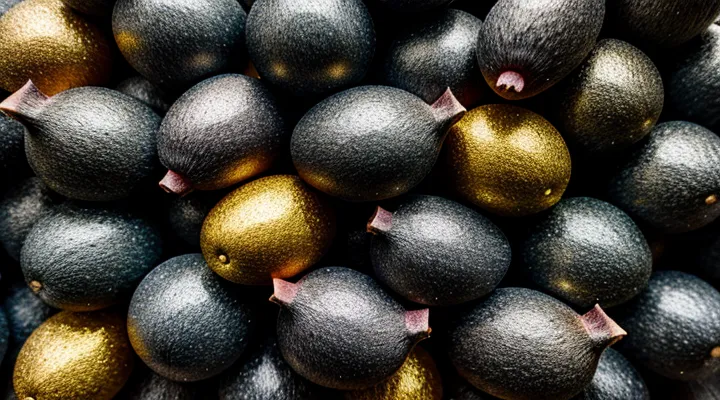
The visual appearance of rodent toxic bait can be easily confused with harmless household products. A dark, granular or pellet form may resemble fertilizer, pet food, or cleaning agents, leading users to handle the poison without protective gear. Misidentification increases the risk of accidental exposure for humans, especially children, and for non‑target animals such as pets or wildlife.
Key hazards of mistaken identity include:
- Direct skin contact or ingestion of the poison, causing severe poisoning symptoms.
- Unintended placement of the bait in areas where food preparation occurs, contaminating surfaces and utensils.
- Disposal of the product in regular trash, which may expose sanitation workers and landfill fauna.
Accurate recognition relies on specific visual cues: bright warning labels, distinctive color coding (often orange or red), and the presence of a hazard symbol. Professional guidelines advise verifying the label against the manufacturer's data sheet before handling. When doubt exists, consult the safety data sheet or contact the supplier for confirmation.
Proper storage separates toxic bait from consumables, using locked containers and clearly marked signage. Training personnel to distinguish the product’s appearance from similar items prevents accidental misuse and safeguards public health.
Protecting Children and Pets
The rodent bait typically appears as a compact, colored pellet or granule, often coated in a sweet or aromatic scent to attract rodents. Packaging is usually a sealed, opaque container with a child‑resistant latch and clear hazard symbols. Labels include the active toxic ingredient, concentration, and a warning that the product is poisonous if ingested.
To prevent accidental exposure of children and household animals, follow these measures:
- Store the container in a locked cabinet or high shelf, out of reach of anyone under 12 years old.
- Keep the bait in its original packaging until use; never transfer it to unmarked containers.
- Place bait stations only in areas inaccessible to pets, such as behind appliances, inside wall voids, or within secured trap boxes.
- Use tamper‑proof bait stations that lock the poison inside and allow only targeted rodents to enter.
- Inspect the area regularly; remove any spillage or discarded bait immediately.
- Educate all household members about the appearance of the product and the associated risks.
When a poisoning incident is suspected, contact emergency services or a veterinary clinic without delay. Provide the product name, active ingredient, and amount ingested to facilitate appropriate treatment.
Common Forms of Rodenticides
Bait Blocks and Pellets
Color Variations and Textures
Visual identification of rodent toxicants relies on distinct color palettes and surface characteristics observable in product photographs.
- Dark brown or black granules indicate a dense, dust‑like formulation commonly used for bait stations.
- Light gray or off‑white powders suggest a fine, flowable product intended for spreading on surfaces.
- Bright orange or red pellets are usually coated with attractants, offering a glossy finish.
- Transparent or translucent gel blocks appear clear with a smooth, rubbery surface.
Texture cues differentiate the formats. Granular baits present a rough, uneven feel, easily separating into individual particles. Powdered variants exhibit a silky, free‑flowing consistency that settles evenly without clumping. Pelleted baits possess a firm, slightly porous exterior that resists crushing under light pressure. Gel formulations display a cohesive, pliable texture, maintaining shape when pressed but returning to its original form after release. These visual and tactile markers enable rapid recognition of the product type and intended application method.
Packaging and Branding Cues
The container typically appears as a compact, rectangular bottle made of high‑density polyethylene, offering resistance to puncture and chemical corrosion. A matte black or dark gray background dominates the exterior, providing contrast for the safety symbols and text.
The front panel features a bold, red hazard triangle with a stylized skull‑and‑crossbones icon, immediately signaling toxicity. Directly beneath the symbol, the product name is printed in large, uppercase, sans‑serif type, often in white or yellow to maximize readability against the dark background.
A prominent orange or yellow strip runs horizontally across the label, containing mandatory warning statements such as “Poison – Keep Away From Children” and “For Rodent Control Only.” These warnings are set in a smaller, but still legible, font size and are separated by thin black lines for visual hierarchy.
Additional branding cues include:
- Manufacturer’s logo positioned in the upper left corner, usually in monochrome to maintain a serious tone.
- Batch number, expiration date, and registration code placed in the lower right corner, aligned vertically for easy scanning.
- A QR code on the back label, providing access to safety data sheets and usage instructions.
The cap is a bright, contrasting color—commonly orange or red—and incorporates a child‑resistant latch mechanism. A secondary safety seal, often a tamper‑evident foil, overlays the opening and bears a printed “Do Not Open” warning.
Overall, the design leverages stark color contrasts, clear iconography, and standardized regulatory symbols to convey danger, ensure compliance, and reinforce brand identity.
Grains and Pastes
Appearance in Different Formats
The visual characteristics of rodent anticoagulant products vary according to their delivery format, packaging, and intended use. Recognizing each form aids in proper identification, safe handling, and compliance with pest‑control protocols.
-
Pelleted bait – Small, uniform cylinders or spheres, typically 3–5 mm in diameter. Colors range from bright orange or red to dark brown, depending on the active ingredient. Pellets are often enclosed in a resealable foil pouch that displays the brand name and hazard symbols prominently.
-
Block bait – Rectangular or square blocks, measuring roughly 30 mm × 30 mm × 15 mm. The surface is matte, with a uniform hue such as deep red or dark green. Blocks are wrapped in a clear, puncture‑resistant film, allowing visual inspection of the product without opening the package.
-
Granular bait – Loose granules, 1–2 mm in size, resembling fine sand. Granules appear in shades of pink, orange, or brown. They are contained in a bulk bag or a sturdy, zip‑lock sack that bears the concentration level and safety warnings.
-
Liquid concentrate – Transparent or slightly tinted liquid, stored in a high‑density polyethylene (HDPE) bottle with a child‑proof cap. The label includes a color‑coded band—often red for toxic formulations—plus a printed diagram of the recommended application device.
-
Powdered bait – Fine, off‑white to pale yellow powder, packed in a sealed, opaque sachet. The sachet features bold, contrasting graphics indicating the toxic nature and dosage instructions.
-
Ready‑to‑use bait stations – Pre‑filled plastic containers, typically white or light gray, with a hinged lid. Inside, the bait appears as a compacted mass matching the color of the specific formulation (e.g., orange for bromadiolone). External markings include a QR code linking to product specifications.
Each format presents distinct visual cues that facilitate quick verification during inventory checks, field deployment, and regulatory inspections. Accurate recognition reduces the risk of accidental exposure and ensures that the appropriate product reaches the target rodent population.
How They Are Presented to Rodents
The visual depiction of rodent poison focuses on the forms used to attract mice and rats. Manufacturers design bait in ways that encourage consumption while minimizing exposure to non‑target animals.
- Pelleted baits: Small, dark-colored grains resembling natural seeds; often coated with a sweet or protein‑rich attractant.
- Block baits: Compact, dense cubes with a uniform texture; surface may be dusted with a flavored powder to enhance palatability.
- Gel or paste baits: Transparent or lightly colored gels housed in sealed containers; scented with aromatic compounds that appeal to rodents’ olfactory senses.
- Liquid baits: Clear or amber solutions placed in droppers; flavored with fruit or cheese extracts to stimulate licking behavior.
- Stationary dispensers: Plastic or metal boxes with interior compartments that expose only a portion of the bait, limiting access to larger animals while allowing rodents to enter through narrow openings.
Each presentation method incorporates visual cues—color contrast, size, and shape—that mimic natural food sources, thereby increasing the likelihood of ingestion by target pests.
Liquid Baits
Containers and Consistency
The visual presentation of rodent bait focuses on the container and the physical form of the active ingredient.
Manufacturers typically use three container styles:
- Rigid plastic bottle – sealed with a child‑resistant cap, transparent or opaque, volume ranging from 100 ml to 1 L.
- Flexible sachet – sealed by heat, often 10 g to 50 g, designed for discreet placement.
- Pre‑filled dispenser – a hard‑shell unit containing multiple 1 g pellets, equipped with a lockable opening for controlled release.
The bait’s consistency determines handling and effectiveness. Gel formulations appear as translucent or opaque semi‑solid blocks, retaining shape at room temperature but softening when warmed. Granular products consist of uniformly sized particles, typically 2–5 mm in diameter, with a dry, free‑flowing texture. Liquid concentrates are clear or colored solutions, packaged in bottles with narrow spouts for precise dosing. Each form is engineered to remain stable during storage, resist moisture ingress, and maintain the intended potency until application.
Typical Placement Methods
The bait commonly presented in the image is a compact, dark‑colored block or pellet, often coated with a bitter‑tasting agent to deter non‑target species. Its size fits comfortably in standard bait stations and can be sliced for precise dosing.
Typical placement methods include:
- Wall junctions: Position the bait at the intersection of baseboards and walls where rodents travel.
- Near entry points: Install bait close to doors, vents, or cracks that provide access to the interior.
- Concealed stations: Use tamper‑resistant containers placed behind appliances, under cabinets, or inside crawl spaces.
- Active foraging zones: Lay small portions of the product along established runways, such as behind furniture or near food storage areas.
- Elevated platforms: Secure bait on shelving or countertops where mice and rats climb to reach food sources.
Each method relies on the visual cues and scent of the product to attract rodents while minimizing exposure to humans and pets. Proper spacing—generally 10 to 15 feet between stations—ensures comprehensive coverage without bait saturation.
Active Ingredients and Their Visual Markers
Anticoagulants
Common Dye Colors
Rodent control products often incorporate vivid pigments to signal toxicity and differentiate formulations. The most frequently encountered colors include:
- Red – high visibility, commonly used in anticoagulant baits.
- Blue – distinguishes non‑anticoagulant variants, aids in brand identification.
- Green – associated with low‑dose or bait stations, helps users avoid accidental mixing.
- Yellow – indicates fast‑acting toxins, serves as a warning hue.
- Orange – used for attractant‑enhanced baits, enhances appeal to target species.
These pigments are typically synthetic dyes such as FD&C Red No. 40, Brilliant Blue FCF, and Tartrazine. They are added at concentrations that ensure uniform coloration without affecting the active ingredient’s efficacy. Regulatory guidelines require that the dyes be non‑toxic to humans and domestic animals, limiting their use to approved food‑grade substances.
In product photography, the selected dye determines the visual cue presented to consumers. Accurate color reproduction assists professionals in quickly identifying the correct formulation, verifying batch consistency, and confirming compliance with labeling standards.
Specific Formulation Features
The formulation of rodent bait is engineered for rapid ingestion and effective delivery of the toxic agent. Active ingredients such as diphacinone, brodifacoum, or bromethalin are incorporated into a compact matrix that dissolves quickly in the digestive tract. The matrix is typically a dense, moisture‑resistant pellet or gel, allowing precise dosing in a single unit.
Key visual and physical characteristics include:
- Color: Bright orange, red, or blue to attract rodents and differentiate from non‑target food.
- Shape: Small cylindrical or spherical pellets, usually 5–10 mm in diameter, or rectangular blocks measuring approximately 10 mm × 15 mm × 20 mm.
- Texture: Slightly gritty surface for tactile appeal, with a smooth interior that disintegrates upon chewing.
- Odor: Low‑intensity scent derived from natural attractants (e.g., grain or fruit) to encourage consumption while minimizing detection by humans.
- Safety additives: Bittering agents or bitter wax coatings applied to the exterior to deter accidental handling by children and pets.
- Packaging: Opaque, tamper‑evident containers that conceal the product’s color and shape until opened, reducing unauthorized exposure.
These formulation choices ensure the bait is visually recognizable to target rodents, stable under varied storage conditions, and safe for non‑target species when used according to label directions.
Non-Anticoagulant Poisons
Unique Visual Characteristics
The product appears as a compact, cylindrical container made of opaque plastic, typically measuring 5–7 cm in length and 2–3 cm in diameter. The exterior is uniformly colored in a deep matte orange, a hue chosen for its high visibility in low‑light environments. A glossy black band encircles the midsection, bearing the brand name in white, sans‑serif lettering that contrasts sharply against the orange background.
A clear, tamper‑evident seal caps the top, featuring a recessed, rounded opening that limits accidental exposure. Beneath the seal, a thin, white label affixed to the side displays essential information: active ingredient concentration, dosage guidelines, and safety warnings. The label’s layout follows a grid pattern, with bold headings and bullet points that facilitate rapid scanning.
Key visual elements include:
- Color coding – bright orange for immediate recognition; black band for brand distinction.
- Shape – cylindrical form ensures stable placement on flat surfaces and easy insertion into bait stations.
- Texture – smooth plastic surface reduces residue buildup; matte finish minimizes glare under fluorescent lighting.
- Label design – high‑contrast typography, bullet‑pointed safety instructions, and QR code for digital access to detailed data sheets.
These characteristics collectively enable quick identification, safe handling, and compliance with regulatory labeling standards.
How They Differ from Anticoagulants
The product commonly photographed for rodent control appears as a compact, often brightly colored block, granule, or pellet. Typical hues include orange, red, or yellow, selected to signal toxicity and deter accidental ingestion. The material is dense, with a matte finish that resists smearing, and is usually packaged in sealed, tamper‑proof containers that display clear hazard symbols and dosage instructions.
Differences from anticoagulant rodenticides are evident in several key aspects:
- Active ingredient – Non‑anticoagulant poisons contain substances such as bromethalin, zinc phosphide, or cholecalciferol, whereas anticoagulants rely on warfarin‑type compounds that interfere with blood clotting.
- Mode of action – Bromethalin disrupts neuronal energy metabolism; zinc phosphide releases phosphine gas in the stomach; cholecalciferol causes hypercalcemia. Anticoagulants inhibit vitamin K recycling, leading to fatal hemorrhage.
- Onset of symptoms – Toxic effects of non‑anticoagulants manifest within minutes to hours, while anticoagulants produce delayed mortality, often after several days.
- Visual characteristics – Non‑anticoagulant products are frequently solid blocks or granules with vivid colors; anticoagulant formulations are usually brown or gray powders, sometimes blended with bait material that mimics natural food.
- Regulatory classification – Many non‑anticoagulant poisons fall under stricter hazardous material categories due to acute toxicity, demanding distinct labeling and storage requirements compared with anticoagulants, which are regulated primarily for chronic exposure risks.
Accidental Exposure: Recognizing the Signs
Visual Cues at the Scene
Spilled Product and Residue
The visual cues of a rodent‑control toxicant become evident when the product is accidentally released. A liquid formulation typically appears as a clear or slightly amber fluid that spreads thinly across surfaces, leaving a glossy sheen. Once the liquid evaporates, a faint, tacky film may persist, often invisible to the naked eye but detectable by a subtle residue on the substrate.
Solid bait, such as granules or pellets, shows a distinct coloration—commonly bright orange, red, or yellow—to differentiate it from ordinary feed. When granules spill, they scatter in irregular clusters, creating a loose layer that can be easily brushed or vacuumed. Residual particles adhere to cracks, seams, and textured surfaces, forming a thin, powder‑like coating that may be brushed off with a dry cloth.
Key observations for handling spills:
- Liquid: transparent or lightly tinted, leaves a glossy trail; residue forms a faint, tacky film.
- Granular: vivid color, irregular clusters; residue appears as a fine powder on uneven surfaces.
- Both types may leave microscopic particles detectable under magnification, useful for confirming complete cleanup.
Damaged Packaging
The visual representation of rodent bait often includes clear packaging that protects the toxic material. When the container shows signs of damage, the photograph reveals specific defects that can affect handling and safety.
Common indicators of compromised packaging include:
- Cracks or splits in the plastic film that expose the bait.
- Torn seals or missing adhesive strips.
- Discolored or faded print suggesting exposure to moisture or sunlight.
- Loose or missing caps that allow accidental spillage.
These flaws are readily identifiable in images. A cracked pouch typically appears with jagged edges and a visible gap where the contents may be partially visible. Torn seals manifest as uneven lines or ragged edges along the closure area. Discoloration presents as uneven shading or yellowing of the material, often accompanied by blotches. Missing caps are evident when the top of the container is open or the fitting is absent, leaving the bait exposed.
Damaged packaging can lead to:
- Reduced efficacy of the poison due to moisture infiltration.
- Increased risk of accidental ingestion by non‑target species or humans.
- Potential for bait to scatter, creating contamination of surrounding areas.
Accurate assessment of these visual cues is essential for determining product integrity and ensuring appropriate safety measures during storage and use.
Identifying Poisoned Rodents
Unusual Behavior
The visual design of rodent bait often triggers atypical responses in target species. Sharp contrast between the dark carrier material and bright, food‑like pigments can draw mice and rats toward the product despite the presence of a bitter additive. In some cases, the glossy finish of the granules mimics the sheen of fresh seeds, prompting exploratory chewing that exceeds normal foraging patterns.
Unusual behaviors commonly recorded include:
- Repeated handling of a single pellet before ingestion, suggesting curiosity rather than immediate consumption.
- Reorientation of the head toward the bait after an initial retreat, indicating hesitation followed by attraction.
- Increased scent‑marking activity around the bait area, implying territorial investigation rather than simple feeding.
- Group clustering around a single piece of poison, diverging from the typical solitary feeding habit of many rodent species.
These patterns arise from the product’s visual cues intersecting with innate sensory drives. The bright coloration acts as a conditioned stimulus, while the smooth texture emulates natural prey, leading to behavioral anomalies that can affect the efficacy of control measures. Adjusting color intensity, surface gloss, or particle size can mitigate these responses, aligning rodent interaction with intended rapid consumption.
Physical Symptoms
The visual presentation of rodent bait—typically a compact, colored block or pellet encased in a glossy, moisture‑resistant coating—indicates the presence of anticoagulant or neurotoxic agents. When a rodent ingests this material, the toxin manifests through a series of observable physiological changes.
Typical physical signs include:
- Progressive weakness and lethargy, often visible as reduced movement or inability to climb.
- Discolored or pale mucous membranes, especially around the eyes and gums.
- Uncontrolled bleeding from the nose, mouth, or minor wounds, reflecting impaired blood clotting.
- Labored breathing and rapid heart rate, detectable by audible wheezing or an elevated pulse.
- Swelling of the abdomen or limbs, indicating internal hemorrhage or fluid accumulation.
These manifestations appear within hours to several days after consumption, depending on the poison’s potency and the animal’s size. Prompt identification of these symptoms confirms exposure to the bait and guides appropriate pest‑control response.
Safe Handling and Storage
Visual Reminders for Safety
Warning Labels and Symbols
The product shown in the photograph is a granular or pellet‑type rodent poison, typically contained in a small, sealed plastic or cardboard container. The exterior is dominated by bright orange or red backgrounds, a color choice intended to attract immediate attention. Large black text declares the hazard, while the container’s shape is often rectangular with a snap‑tight lid that prevents accidental opening.
Common warning symbols appear on the label:
- Skull and crossbones – indicates acute toxicity.
- Exclamation mark inside a triangle – signals a hazardous substance that may cause injury.
- Poisoned rodent silhouette – warns that the bait is intended for pest control only.
- Child‑proof lock icon – denotes a safety mechanism to deter unauthorized access.
- Environmental hazard pictogram – alerts to potential risks to non‑target wildlife and water sources.
Regulatory standards require the warnings to occupy at least 30 % of the label surface, use a minimum font size of 6 mm for the main hazard statement, and be printed in a legible, high‑contrast style. Placement guidelines dictate that symbols be positioned at the top left corner, with the accompanying text directly below, ensuring visibility from any angle the container may be viewed.
Secure Storage Locations
Secure storage of rodenticide is essential to prevent accidental exposure, theft, and environmental contamination. The product is typically packaged in a distinct, brightly colored container that allows quick identification, but its visibility does not replace the need for controlled access.
- Locked cabinets built from metal or heavy‑duty plastic, equipped with a key or combination lock.
- Dedicated safety lockers located away from food preparation and storage areas.
- Restricted‑access rooms with limited entry, such as a pest‑control supply closet.
- High‑shelf storage in a climate‑controlled environment, ensuring the container remains upright and sealed.
Access to these locations should be limited to trained personnel. Locks must be regularly inspected, and a log should record each entry and removal of the product. Secondary containment, such as sealed trays or secondary bags, adds an extra layer of protection should the primary container fail.
All storage units must carry clear, legible labels indicating the presence of toxic rodent control material, hazard symbols, and emergency contact information. Compliance with local regulations and institutional safety policies is mandatory, and periodic audits verify that storage conditions remain consistent with best‑practice standards.
Proper Disposal of Product
Identifying Disposal Instructions
The container shown in the image is a compact, amber‑colored bottle with a child‑resistant cap and a bold label that identifies the contents as rodent control bait. Recognizing these visual cues is essential for safe handling and proper disposal.
When the product reaches the end of its usable life or is no longer needed, follow these steps:
- Keep the bottle sealed until disposal.
- Place the sealed container in a sturdy, puncture‑resistant bag.
- Label the bag with “hazardous rodent poison – do not open.”
- Transport the bag to a local household‑hazard collection point, a licensed waste disposal facility, or a municipal hazardous‑waste pickup service.
- Do not discard the bottle in regular trash, recycling bins, or down drains.
If accidental spillage occurs, absorb the material with an approved absorbent, place the contaminated absorbent in a sealed container, and treat it as hazardous waste according to the same guidelines.
Compliance with local regulations and manufacturer instructions ensures that the toxic bait does not pose a risk to humans, pets, or wildlife after disposal.
Environmentally Responsible Practices
The visual characteristics of rodent control products influence how manufacturers address ecological concerns. A compact, sealed container reduces accidental release, while clear labeling ensures correct dosage and prevents misuse. Materials such as recyclable cardboard or biodegradable plastics lower waste impact. Protective inner linings prevent leaching of active ingredients into the environment during transport and storage.
Key environmentally responsible practices include:
- Using low‑toxicity active compounds that degrade rapidly after ingestion by target pests.
- Designing packaging that meets ISO 14001 standards for recyclability and minimal residual contamination.
- Providing explicit disposal instructions on the product surface, directing users to approved hazardous waste facilities.
- Incorporating tamper‑evident seals to avoid unintended exposure to non‑target wildlife.
- Offering bulk refill options that replace single‑use containers, thereby decreasing overall material consumption.
Compliance with regional regulations, such as the EPA’s Reduced Risk Pesticide Program, mandates documentation of these measures. Monitoring programs track residue levels in soil and water near application sites, confirming that the product’s appearance does not conceal hidden ecological risks. Continuous improvement cycles evaluate packaging innovations and formulation adjustments, ensuring that visual design aligns with sustainable performance goals.