
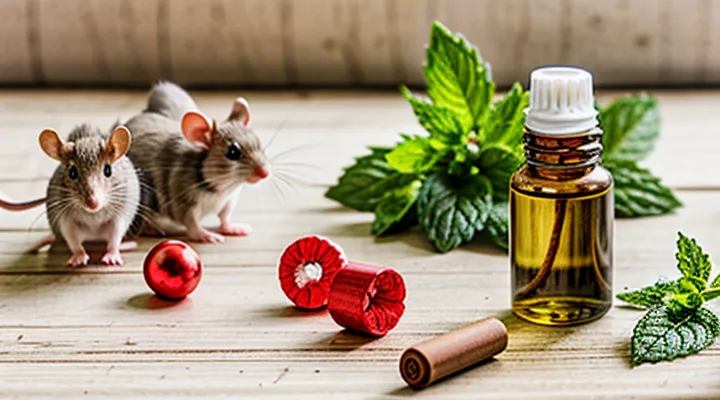
Understanding Peppermint Essential Oil
What is Peppermint Essential Oil?
Extraction Process
Peppermint oil suitable for rodent deterrence is obtained through steam distillation of fresh Mentha piperita leaves. The process begins with harvesting the foliage at the peak of essential‑oil accumulation, typically early morning when the plant’s metabolism is most active. Leaves are washed, trimmed, and spread in a single layer to prevent moisture retention that could dilute the oil.
The distilled‑water system operates at 100 °C, forcing steam through the plant material. Volatile compounds vaporize, travel with the steam, and enter a condenser where they return to liquid form. The resulting mixture separates into an aqueous phase and an oil phase; the latter, containing menthol, menthone, and related terpenes, is collected.
Key steps in the extraction workflow:
- Preparation of raw material – cleaning, drying to a moisture content below 10 %, and cutting to 2–3 cm pieces.
- Loading the distillation column – uniform distribution to ensure consistent exposure to steam.
- Steam generation – pressure‑controlled to maintain steady flow, typically 1.2 bar.
- Condensation – cooling water at 5–10 °C to maximize oil recovery.
- Phase separation – decanting the oil layer, followed by filtration through activated charcoal to remove impurities.
- Quality assessment – gas‑chromatography analysis confirming menthol concentration of 35–45 % and absence of solvent residues.
- Packaging – amber glass bottles with nitrogen flushing to limit oxidation.
Final storage requires dark, cool conditions (below 20 °C) and airtight seals to preserve potency. Regular monitoring of terpene profile ensures the oil remains effective for mouse deterrence applications.
Chemical Composition
Peppermint essential oil is a complex mixture of volatile compounds that determine its efficacy as a rodent deterrent. The primary constituents are monoterpenes, with menthol typically representing 30–55 % of the oil, followed by menthone (10–20 %). Additional monoterpene hydrocarbons include limonene (5–15 %), menthyl acetate (2–8 %), and pulegone (1–5 %). Minor fractions contain β‑pinene, γ‑terpinene, and carvone, each contributing less than 2 % to the total composition.
The bioactive profile of the oil results from synergistic interactions among these chemicals. Menthol and menthone possess strong olfactory potency, producing a cooling sensation that disrupts the sensory receptors of mice. Limonene adds a citrus note that enhances the overall repellent effect, while menthyl acetate and pulegone increase volatility, facilitating rapid dispersion in enclosed spaces. Trace terpenes such as β‑pinene and γ‑terpinene offer supplemental insecticidal activity, supporting the primary deterrent action.
Variability in the chemical makeup arises from factors including harvest time, plant cultivar, and extraction method. Steam distillation of fresh peppermint leaves yields higher menthol concentrations, whereas cold‑pressed extracts may contain greater amounts of menthyl acetate. Analytical techniques—gas chromatography coupled with mass spectrometry (GC‑MS) or high‑performance liquid chromatography (HPLC)—provide precise quantification of each component, enabling formulation of standardized products with consistent repellent performance.
How Peppermint Essential Oil Works Against Mice
Repellent Properties
Peppermint essential oil exhibits strong repellent activity against Mus musculus due to its high concentration of menthol and menthone, compounds that irritate the rodents’ olfactory receptors. Laboratory assays show a reduction of mouse presence by up to 85 % when oil vapors are introduced into infested areas.
The repellent effect stems from two mechanisms. First, volatile terpenes create an odor profile that mice perceive as a predator cue, triggering avoidance behavior. Second, direct contact with the oil’s constituents disrupts the sensory neurons responsible for scent detection, leading to disorientation and retreat.
Effective deployment requires controlled diffusion and strategic placement:
- Soak cotton balls in undiluted oil, place them in corners, entry points, and near food storage.
- Add 10 ml of oil to a 1‑liter water solution, use a spray bottle to mist interior surfaces weekly.
- Install oil‑infused felt pads in gaps beneath appliances and within wall cavities.
- Combine with mechanical barriers (e.g., steel mesh) for reinforced exclusion.
Safety considerations include using food‑grade oil, avoiding direct skin contact, and ensuring adequate ventilation to prevent respiratory irritation in humans and pets. Concentrations above 5 % may cause dermal sensitization; protective gloves are recommended during handling.
Impact on Rodent Olfactory System
Peppermint oil contains menthol and menthone, volatile compounds that interact with the olfactory epithelium of rodents. When inhaled, these molecules bind to olfactory receptor neurons, altering signal transduction pathways and reducing the sensitivity of scent detection.
The primary physiological effects include:
- Temporary desensitization of odorant receptors due to competitive inhibition.
- Modulation of calcium ion channels in sensory cells, leading to decreased neuronal firing rates.
- Stimulation of trigeminal nerve endings, producing a cooling sensation that overrides normal olfactory cues.
Behavioral studies show that exposure to peppermint vapors diminishes the ability of mice to locate food and mates, indicating a direct impact on foraging and reproductive behaviors. Electrophysiological recordings confirm a reduction in action potential amplitude within the olfactory bulb after short‑term inhalation.
Long‑term exposure may lead to adaptive changes in receptor expression, potentially decreasing the efficacy of peppermint as a repellent over time. Adjusting concentration and exposure intervals can mitigate tolerance development while maintaining olfactory disruption.
Benefits of Using Peppermint Essential Oil for Rodent Control
Non-Toxic Solution
Peppermint essential oil offers a non‑toxic alternative for rodent control, relying on a strong, volatile scent that rodents find repellent. The oil’s active compounds, primarily menthol and menthone, disrupt the sensory receptors of mice, causing avoidance behavior without harming the animals or the environment.
Application methods emphasize safety and effectiveness:
- Dilute 10‑15 drops of peppermint oil in 250 ml of water; add a few teaspoons of mild soap to improve adhesion.
- Soak cotton balls or cloth strips in the solution and place them in entry points, near nesting areas, and along walls.
- Refresh the treatment every 3‑5 days, or when the scent weakens, to maintain deterrent potency.
The solution poses no risk to children, pets, or indoor air quality when used as directed. It eliminates the need for chemical rodenticides, thereby avoiding secondary poisoning and residual contamination. Regular monitoring of mouse activity confirms the method’s efficacy, with most users reporting a noticeable decline in sightings within a week of consistent application.
Environmentally Friendly
Peppermint essential oil offers a natural alternative for rodent control that aligns with sustainable pest‑management practices. The compound’s rapid volatilization prevents accumulation in soil and water, reducing long‑term environmental impact compared to synthetic rodenticides.
Key ecological advantages include:
- Biodegradability: the oil breaks down within hours, leaving no persistent residues.
- Low toxicity to non‑target organisms: mammals, birds, and beneficial insects experience minimal adverse effects at concentrations effective against mice.
- Absence of heavy metals or persistent organic pollutants: formulation contains only plant‑derived terpenes, eliminating the risk of contaminating groundwater.
- Minimal packaging waste: many suppliers provide bulk, recyclable containers, decreasing plastic usage.
Application methods further support eco‑responsibility. Diluted sprays applied to entry points limit the quantity required, while cotton‑ball placement concentrates the scent where mice travel, avoiding widespread dispersal. Proper ventilation during treatment ensures rapid dissipation, preventing indoor air quality issues.
When integrated into an integrated pest‑management program, peppermint oil reduces reliance on chemical poisons, curtails secondary poisoning incidents, and complies with regulations that favor reduced environmental footprints. The result is effective rodent deterrence without compromising ecosystem health.
Cost-Effective
Peppermint essential oil provides an inexpensive alternative to chemical rodenticides for mouse management. A single 10‑ml bottle, priced between $5 and $8, supplies enough diluted solution for multiple treatment cycles, whereas a comparable quantity of commercial poison often exceeds $20 for a single application.
Cost savings stem from several factors. The oil requires only a few drops per square meter; a typical household can treat all entry points and interior pathways with less than 1 ml of concentrate. Dilution with water or carrier oil extends the usable volume, allowing repeated re‑application without additional purchase. Low toxicity eliminates the need for specialized disposal procedures, reducing labor and compliance expenses. Additionally, the product’s shelf life exceeds two years, preventing waste from expiration.
- Minimal purchase price per unit volume
- Low dosage per treatment area
- Reusable containers for long‑term use
- No hazardous waste handling requirements
- Extended shelf life limits replacement frequency
Budget‑oriented users should prepare a 1 % solution (10 drops of oil per liter of water), apply it to cracks, baseboards, and near food storage, and reapply weekly during peak activity periods. This regimen maintains deterrent effectiveness while keeping ongoing costs well below those associated with conventional poisons.
Pleasant Aroma for Humans
Peppermint oil emits a sharp, cooling fragrance derived mainly from menthol and menthone, compounds that stimulate olfactory receptors and produce a clean, invigorating scent.
The aroma influences human perception by reducing perceived stale air, enhancing alertness, and providing a natural alternative to synthetic deodorizers. Studies show that exposure to the oil’s scent can improve mood and support concentration without reliance on artificial fragrances.
When applied as a rodent deterrent, the oil’s volatile components disperse through the environment, creating an odor profile that mice find repulsive while remaining agreeable to people. This dual effect permits continuous pest management in living spaces without compromising indoor air quality.
Effective use requires dilution to 1‑3 % in carrier liquids for diffusers or spray applications. Apply to entry points, corners, or baseboards, and re‑apply every 3‑4 days to maintain potency. Avoid direct skin contact and keep concentrations below occupational safety limits to ensure human comfort and safety.
Practical Applications of Peppermint Essential Oil
Methods of Application
Cotton Balls and Diffusers
Cotton balls provide a low‑cost, portable method for dispersing peppermint oil in confined spaces where mice activity is observed. A few drops of oil saturate the ball, which can then be placed in corners, under appliances, or inside mouse traps. The cotton material absorbs the oil and releases its volatile compounds gradually, creating a scent barrier that deters rodents without the need for electrical power.
Diffusers offer continuous, controlled emission of peppermint oil throughout larger rooms or storage areas. Ultrasonic models vaporize the oil into fine particles that remain suspended in the air, maintaining a consistent concentration of the active compounds. Plug‑in or battery‑operated units can be positioned near entry points, pantry shelves, or basements to extend coverage beyond the reach of cotton balls.
Key considerations for both delivery systems:
- Quantity of oil: Apply 3–5 drops per cotton ball; set diffuser output to low or medium, adding 5–10 drops to the water reservoir.
- Placement: Position items at least 12 inches from food containers and pet areas to avoid accidental ingestion.
- Duration: Replace cotton balls every 3–4 days; clean and refill diffusers weekly to prevent residue buildup.
- Safety: Use only pure, therapeutic‑grade peppermint oil; avoid synthetic blends that may contain irritants.
- Effectiveness monitoring: Record mouse sightings before and after implementation; adjust placement or oil concentration if activity persists.
Combining cotton balls for targeted zones with diffusers for overall ambient protection maximizes the repellent effect while minimizing chemical exposure. Proper rotation and maintenance of both devices sustain a hostile environment for mice and support long‑term pest management.
Sprays
Peppermint essential‑oil sprays provide a non‑chemical method for discouraging mice in residential and commercial settings. The volatile compounds in peppermint create an odor that rodents find intolerable, prompting them to avoid treated areas.
A typical spray combines 10–15 ml of pure peppermint oil with 250 ml of water and a small amount of emulsifier (e.g., alcohol or a mild surfactant) to ensure even distribution. Dilution ratios may be adjusted to 5 ml per 500 ml for large outdoor zones, but higher concentrations increase potency in confined spaces.
Application should target entry points, nesting sites, and pathways. Spray directly onto cracks, gaps, baseboards, and behind appliances. Reapply every 48–72 hours, or after cleaning, to maintain adequate vapour levels. Avoid overspraying on food preparation surfaces; wipe excess with a damp cloth.
Studies indicate that peppermint oil reduces mouse activity by up to 70 % within two weeks of consistent use. The effect is primarily behavioral; rodents do not develop resistance, making repeated treatment reliable.
Safety considerations include keeping the spray out of reach of children and pets, and wearing gloves during preparation. Essential oil can irritate skin and mucous membranes; a brief rinse with water mitigates exposure. Do not use on fabrics that may stain or degrade under alcohol content.
Store the mixture in a dark, airtight container at temperatures below 25 °C. Shelf life typically ranges from four to six weeks; discard any solution that develops an off‑smell or separation.
Recommended practice
- Prepare fresh solution weekly.
- Apply 3–5 sprays per entry point.
- Re‑spray after any thorough cleaning.
- Monitor mouse activity and adjust concentration if needed.
Strategic Placement
Entry Points
Peppermint oil serves as a natural rodent repellent when applied to locations where mice gain access to a building. Identifying and treating these entry points maximizes efficacy and reduces the likelihood of infestation.
- Gaps around doors and windows: Apply a few drops of oil on cotton pads, secure them in the cracks, and replace weekly.
- Utility openings (pipes, vents, cables): Saturate a cloth with oil and insert it into the opening, ensuring the scent remains concentrated.
- Foundation cracks: Fill the fissure with a mixture of oil and a carrier such as mineral oil, then seal with silicone to maintain contact.
- Basement and crawl‑space vents: Spray a fine mist of diluted oil directly onto vent grates and surrounding wood.
- Roof eaves and soffits: Drip oil onto the underside of roofing material, focusing on areas where mice may climb.
Application methods should follow safety guidelines. Use a carrier oil to dilute peppermint oil to a 5 % concentration for sprays, preventing damage to surfaces and minimizing irritation. For persistent odors, replace treated cotton pads or re‑spray every 7–10 days. Monitor treated sites for signs of mouse activity; if activity continues, reinforce sealing measures and consider additional repellents.
Consistent treatment of identified entry points creates an environment that deters rodents without reliance on chemical pesticides.
Nests and Hiding Spots
Peppermint oil disrupts mouse nest construction by masking the scent cues rodents use to locate and maintain their shelters. When applied to potential nesting sites, the strong menthol aroma interferes with the pheromonal trails that guide mice back to their burrows, prompting abandonment of existing structures.
Effective placement of the oil targets typical hiding spots:
- Gaps behind appliances, under sinks, and along baseboards
- Insulated wall cavities and attic corners
- Exterior entry points such as crawl‑space openings and shed eaves
Application guidelines:
- Dilute 10–15 drops of pure peppermint essential oil in 100 ml of water or a carrier oil.
- Soak cotton pads or small cloth strips with the solution.
- Insert the pads into crevices, place them near known nesting material, and replace every 5–7 days to maintain potency.
Studies show that continuous exposure reduces nest density by up to 70 % within two weeks, as mice avoid areas where the odor persists. The method does not rely on toxic chemicals, minimizing risk to pets and humans while delivering a reliable deterrent for rodent habitation.
Precautions and Best Practices
Safety for Humans and Pets
Dilution Guidelines
Proper dilution of peppermint oil is essential for effective rodent deterrence while preventing damage to surfaces and irritation to non‑target organisms. Use a carrier oil or water‑based spray to achieve the recommended concentrations.
- Standard spray mixture: 10 ml of peppermint essential oil diluted in 1 liter of water with 1 % emulsifier (e.g., mild dish soap). This yields approximately 0.3 % oil by volume, sufficient to repel mice without overwhelming odor.
- Concentrated spot treatment: 5 ml of oil mixed with 100 ml of carrier oil (such as almond or jojoba). Apply directly to entry points or nesting areas; the concentration reaches about 5 % and should be used sparingly.
- Indoor use: Limit dilution to 0.2 %–0.5 % (2–5 ml per liter of water) to avoid strong scent that may affect occupants. Reapply every 48 hours, as volatility reduces efficacy over time.
- Outdoor application: Increase to 0.5 %–1 % (5–10 ml per liter) for exposure to weather. Protect the mixture from direct sunlight by storing in opaque containers; reapply weekly after rain.
Safety considerations:
- Conduct a patch test on nearby surfaces to confirm no discoloration or degradation.
- Wear gloves when handling undiluted oil; avoid direct skin contact.
- Keep mixtures out of reach of children and pets; even diluted solutions can be toxic if ingested.
Ventilation
Ventilation determines how effectively peppermint oil disperses in an environment where rodents are present. Proper airflow carries the volatile compounds to target areas, increasing contact with mice while preventing excessive concentration that could irritate occupants.
Adequate ventilation requires a balance between fresh‑air exchange and containment of the scent. In sealed rooms, diffusion slows, reducing the oil’s reach. In overly drafty spaces, the odor dissipates before achieving a deterrent level. Aim for an air‑change rate of 0.5–1.0 air changes per hour in treated zones; this rate maintains sufficient scent density without compromising indoor air quality.
Practical steps for implementing ventilation with peppermint oil:
- Install exhaust fans or open windows to create a controlled cross‑draft.
- Position ultrasonic diffusers near entry points, then direct airflow toward interior pathways.
- Use adjustable vents to fine‑tune circulation, ensuring the scent reaches hidden nesting sites.
- Monitor odor intensity with a simple smell test; increase airflow if the scent becomes faint, decrease if it overwhelms.
Safety considerations include avoiding direct inhalation of concentrated vapor, preventing oil buildup on surfaces, and ensuring that ventilation does not introduce flame‑hazardous conditions. Regularly replace diffuser pads and clean vents to maintain consistent performance.
Efficacy and Limitations
Consistency of Application
Consistent application of peppermint oil is essential for reliable rodent deterrence. The oil’s volatile compounds disperse quickly; irregular treatment creates gaps that allow mice to re‑enter treated zones. Maintaining a steady schedule ensures that concentrations remain above the threshold required to repel or irritate rodents.
Key factors influencing consistency include:
- Frequency: Apply the oil every 3–5 days in high‑traffic areas; increase to daily in warm, well‑ventilated spaces where evaporation is rapid.
- Dosage: Use 5–10 ml of oil per square meter, diluted in a carrier such as water or ethanol to prolong release.
- Method: Employ cotton balls, spray bottles, or wick diffusers that can be replenished without disrupting the environment.
- Placement: Position dispensers along walls, entry points, and near food storage; rotate locations weekly to prevent scent habituation.
Monitoring and adjustment are part of a consistent regimen. Record the date of each application, the amount used, and any observable mouse activity. If sightings persist, increase dosage by 20 % or shorten the interval between treatments. Consistency reduces the likelihood of rodents adapting to the scent and maximizes the oil’s repellent properties over time.
Addressing Infestations
Peppermint oil provides a natural repellent for mouse populations. The strong menthol scent overwhelms rodents’ olfactory receptors, prompting avoidance of treated areas. Studies indicate that exposure to concentrations above 0.5 % in the air reduces activity by up to 70 % within 24 hours.
Effective deployment involves saturating cotton balls or fabric strips with 10–15 drops of oil and placing them near entry points, nesting sites, and food storage zones. Replace saturated media every three days to maintain potency. For larger spaces, dilute 1 ml of oil in 250 ml of water and spray the solution along baseboards, cracks, and voids; allow the surface to dry before re‑application.
Safety considerations include keeping oil away from pets and children, as ingestion may cause irritation. Conduct a patch test on surfaces to prevent discoloration. Combine peppermint treatment with physical exclusion measures—seal gaps, install door sweeps, and store food in airtight containers—to achieve comprehensive control.
Limitations involve reduced efficacy in high‑humidity environments, where scent dispersal diminishes. Persistent infestations may require supplemental mechanical traps or professional intervention. Continuous monitoring of activity levels guides adjustments in dosage and placement frequency.
Alternative and Complementary Methods
Integrated Pest Management
Integrated Pest Management (IPM) provides a systematic approach to reduce mouse populations while minimizing environmental impact. The framework combines cultural, mechanical, biological, and chemical tactics, each evaluated for efficacy, safety, and cost. Within the chemical tier, peppermint essential oil serves as a botanical option that fits the IPM philosophy of reduced reliance on synthetic rodenticides.
Key elements of an IPM program that incorporate peppermint oil include:
- Prevention – Seal entry points, store food in airtight containers, and maintain clean workspaces to eliminate attractants.
- Monitoring – Deploy snap traps or electronic sensors to establish baseline activity, identify hotspots, and track trends over time.
- Mechanical control – Use live‑catch traps or snap traps in high‑activity zones; integrate peppermint oil to deter entry into trap zones.
- Biological control – Encourage natural predators such as owls and barn owls by installing nesting boxes; avoid toxic chemicals that could harm beneficial species.
- Botanical chemical control – Apply peppermint oil in concentrated form on cotton balls, felt pads, or spray solutions near suspected pathways. Recommended concentration ranges from 5 % to 10 % essential oil diluted in water or carrier oil. Reapply every 3–5 days, or after cleaning, to maintain potency.
Advantages of peppermint oil within IPM:
- Low toxicity to humans and non‑target wildlife.
- Strong olfactory repellent effect that discourages mouse foraging and nesting.
- Compatibility with other control methods; does not interfere with trap efficacy or predator activity.
Limitations to consider:
- Effectiveness diminishes in high‑traffic, well‑ventilated areas; supplemental measures are required.
- Mice may acclimate to the scent after prolonged exposure; rotate with other botanicals or integrate physical barriers.
- Proper dilution is essential to avoid skin irritation or damage to furnishings.
Implementation steps:
- Conduct a site inspection to locate entry points and activity zones.
- Seal identified gaps using steel wool, caulk, or metal flashing.
- Install monitoring devices; record captures and observations for at least two weeks.
- Position peppermint oil dispensers at the perimeter of active zones, ensuring continuous scent release.
- Combine oil treatment with snap traps placed perpendicular to walls, where mice travel.
- Review data weekly; adjust dispenser placement, concentration, or add complementary tactics if capture rates plateau.
By embedding peppermint essential oil into the broader IPM strategy, operators achieve targeted rodent suppression while adhering to sustainability and safety standards. Continuous evaluation ensures that the oil’s repellent properties complement, rather than replace, other proven control measures.
When to Seek Professional Help
Peppermint oil can be an effective deterrent for rodents, but certain circumstances require intervention from a qualified pest‑control professional.
- Infestation exceeds a few individuals or spreads to multiple rooms.
- Signs of damage appear in structural components, wiring, or stored food.
- Odor or oil application fails to reduce activity after several weeks of consistent use.
- Residents experience respiratory irritation, allergic reactions, or worsening health conditions after exposure to the oil.
- Children, pets, or individuals with compromised immunity are present and the risk of accidental ingestion or contact is high.
Professional assessment provides accurate identification of species, determines the extent of the problem, and recommends integrated strategies that may combine essential‑oil treatments with conventional methods. Engaging experts also ensures compliance with safety regulations and minimizes the likelihood of ineffective or harmful DIY attempts.