
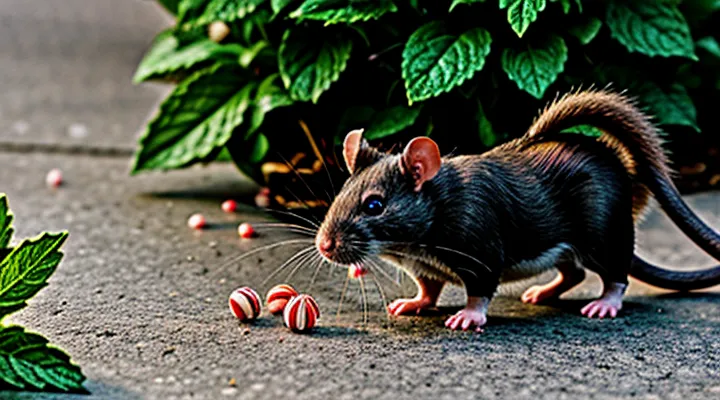
Understanding Rat Behavior and Repellents
Why Rats are a Nuisance
Health Risks Associated with Rats
Rats transmit a range of pathogens that pose direct threats to human health. Commonly documented illnesses include leptospirosis, hantavirus pulmonary syndrome, salmonellosis, rat‑bite fever, and plague. Contamination of food stores and kitchen surfaces with rodent urine, feces, or saliva introduces these agents into domestic environments. Inhalation of aerosolized droppings can trigger respiratory infections, while allergic reactions to rodent dander exacerbate asthma and other airway conditions. Structural damage caused by gnawing can create entry points for mold and insects, further compromising indoor air quality.
Because these hazards arise from rodent presence, employing deterrents such as peppermint oil offers a non‑chemical strategy to reduce exposure. The strong menthol scent disrupts rat scent trails and discourages nesting, thereby limiting opportunities for disease transmission and environmental contamination. Regular application of peppermint‑based repellents in entryways, pantry corners, and crawl spaces can maintain a barrier that lessens the likelihood of rat incursions and the associated health risks.
Property Damage Caused by Rats
Rats gnaw through structural components, electrical wiring, and stored goods, creating costly repairs and safety hazards. Their incisors continuously grow, prompting them to chew on wood, plaster, and insulation to maintain tooth length, which compromises building integrity.
- Chewed wooden beams and joists weaken load‑bearing capacity.
- Damaged insulation reduces thermal efficiency and increases energy consumption.
- Exposed wiring raises fire risk and may require complete rewiring.
- Contaminated food supplies lead to loss of inventory and potential health violations.
- Burrowed soil undermines foundations and exterior landscaping.
Applying peppermint oil as a botanical deterrent reduces rodent activity, thereby limiting the aforementioned material losses. Regular application in entry points and nesting areas creates an environment rats avoid, protecting structures and assets without chemical pesticides.
Traditional Rat Repellent Methods
Chemical Repellents: Pros and Cons
Chemical repellents dominate commercial rodent‑control markets because they can be formulated for immediate, measurable impact. Synthetic actives such as pyrethroids, phenols, and ammonia derivatives disrupt sensory pathways, causing rapid avoidance or incapacitation. Their concentrated delivery enables treatment of large infestations with minimal application frequency.
Advantages
- Rapid onset of repellency or toxicity
- Precise dosage control through spray, granule, or bait formats
- Compatibility with existing pest‑management protocols
- Shelf stability under a wide range of storage conditions
Disadvantages
- Potential toxicity to non‑target mammals, birds, and aquatic life
- Residual odor or chemical odor that may affect indoor environments
- Regulatory restrictions in residential or food‑handling areas
- Risk of resistance development after repeated exposure
When evaluating peppermint‑based deterrents, the contrast lies in safety and environmental impact versus speed and potency. Synthetic options deliver swift results but introduce health and ecological concerns that natural alternatives avoid. Decision‑makers must weigh immediate efficacy against long‑term sustainability and compliance requirements.
Mechanical Traps: Effectiveness and Ethics
Mechanical traps remain a primary control method for rodent infestations when chemical or botanical deterrents are insufficient. Devices such as snap traps, live‑catch cages, and multi‑capture stations deliver immediate mortality or containment, allowing rapid population reduction. Field studies report capture rates of 70‑90 % in environments where food sources are limited and trap placement follows established grid patterns. Consistent baiting with attractive substances, including peppermint oil, increases encounter frequency, but the trap’s physical action determines final outcome.
Effectiveness hinges on several variables:
- Precise positioning near walls, baseboards, or known runways.
- Regular inspection and prompt disposal of captured animals.
- Use of fresh attractants to maintain olfactory appeal.
- Compatibility with target species size; oversized traps reduce success for small rodents.
Ethical considerations focus on animal welfare and humane design. Snap traps, while efficient, must deliver instantaneous cervical fracture; misaligned placement can cause prolonged suffering. Live‑catch cages avoid lethal injury but require immediate release or euthanasia, presenting logistical challenges and potential stress to captured rodents. Multi‑capture devices increase handling time and may lead to overcrowding, raising disease transmission risk.
Guidelines for responsible implementation include:
- Select traps certified for humane performance by recognized animal welfare organizations.
- Conduct daily checks to prevent unattended mortality or prolonged confinement.
- Pair mechanical methods with non‑lethal deterrents—such as peppermint‑based repellents—to reduce trap density and exposure.
- Document capture data to assess population trends and adjust control intensity accordingly.
Balancing rapid reduction of pest numbers with humane treatment demands adherence to established protocols, regular monitoring, and integration of botanical repellents to minimize reliance on lethal devices.
Peppermint as a Natural Solution
The Science Behind Peppermint's Effectiveness
Active Compounds in Peppermint Oil
Menthol, the predominant constituent of peppermint oil, exhibits strong volatility and a sharp, cooling odor that overwhelms the olfactory receptors of rodents. At concentrations above 0.5 % v/v, menthol induces avoidance behavior, reduces feeding, and can cause temporary disorientation in rats.
- Menthone – a ketone closely related to menthol; contributes to the overall pungency and reinforces the repellency effect when combined with menthol.
- Pulegone – a monoterpene with a distinctive minty scent; toxic to rodents at higher doses, disrupting neurotransmission.
- Limonene – a citrus‑scented monoterpene; enhances the overall aroma profile, increasing the sensory overload that deters rats.
- Camphor – present in minor amounts; adds a sharp, woody note that further irritates the nasal epithelium.
The repellent action results from simultaneous stimulation of trigeminal nerves and interference with the gustatory system. The rapid evaporation of these compounds creates a persistent, high‑intensity scent field that rats perceive as hostile territory. When applied as a diluted spray (1–2 % oil in water with an emulsifier) or impregnated in cotton pads, the volatile blend maintains effective concentrations for several hours, providing a practical, non‑chemical alternative for rodent management.
How Peppermint Scent Affects Rodents
Peppermint oil contains menthol, linalool, and other volatile compounds that trigger sensory overload in rodents. When inhaled, these chemicals irritate the nasal mucosa, disrupt olfactory receptors, and produce a strong aversive response. The effect is rapid; rats retreat from areas where the scent concentration exceeds a few milligrams per cubic meter.
Key physiological reactions include:
- Stimulation of trigeminal nerve endings, causing discomfort and disorientation.
- Temporary suppression of pheromone detection, limiting communication between individuals.
- Activation of stress pathways, leading to increased heart rate and avoidance behavior.
Behavioral studies show that continuous exposure reduces foraging activity and nest building within a 24‑hour period. Short‑term bursts of peppermint vapor can create a barrier that rats are reluctant to cross, while sustained diffusion maintains a hostile environment without causing lasting harm.
Application methods that preserve volatility and ensure even distribution are:
- Cotton balls soaked in diluted oil placed in concealed corners.
- Commercial diffuser units calibrated to release 0.5 ml of oil per hour.
- Sprayed solutions on entry points, re‑applied after rain or cleaning.
Effectiveness declines when the scent dissipates or when rats become habituated. Rotating peppermint with other strong odors, such as eucalyptus or clove, restores repellency by preventing sensory adaptation.
In summary, peppermint’s volatile constituents act on rodent sensory systems, producing immediate discomfort and long‑term avoidance when maintained at adequate concentrations. Proper delivery ensures a non‑toxic, environmentally friendly barrier against rat intrusion.
Preparing and Applying Peppermint Repellent
Essential Oil vs. Fresh Peppermint Plants
Peppermint provides a volatile, menthol‑rich scent that rats find unpleasant. Two delivery forms dominate practical use: distilled essential oil and freshly harvested plant material.
The oil concentrates menthol and related terpenes, allowing precise dosing. Typical application mixes 10–15 ml of oil with 1 l of water or carrier oil, then sprays onto entry points, stored grain, or perimeter mulch. Volatility ensures rapid diffusion; effectiveness peaks within hours and declines as the scent dissipates, usually requiring re‑application every 2–3 days in warm climates. Shelf life exceeds six months when stored in dark glass, facilitating bulk preparation.
Fresh peppermint leaves or stems release the same compounds but at lower concentrations. Direct placement of cut foliage in burrows, behind walls, or in bait stations provides a continuous, low‑level emission. Emission persists as long as plant tissue remains moist, typically 5–7 days before wilting reduces potency. Harvesting and replacing foliage demands labor and regular watering, increasing operational cost despite the absence of commercial oil purchases.
Key comparative points:
- Concentration – Essential oil delivers 30–45 % menthol; fresh plants release <5 % of that level.
- Application frequency – Oil: every 48–72 h; plants: every 5–7 days, contingent on moisture.
- Preparation effort – Oil: mixing and spraying; plants: cutting, positioning, and watering.
- Cost – Oil: higher upfront price, lower long‑term labor; plants: low material cost, higher labor.
- Stability – Oil retains activity for months; plant potency declines rapidly after harvest.
Selection depends on operational priorities. For environments demanding precise, repeatable dosing—such as grain storage facilities—essential oil offers superior control. In low‑budget, short‑term scenarios—like temporary garden protection—fresh peppermint foliage provides an economical alternative, provided regular replacement is feasible. Both methods exploit the same chemical deterrent; the decisive factor is the balance between concentration, labor, and re‑application schedule.
Safe Dilution and Application Techniques
Peppermint oil is effective against rats when applied in a properly diluted form. Undiluted oil can cause skin irritation, damage surfaces, and reduce the volatile compounds that repel rodents.
A safe dilution range is 1 %–5 % essential oil in a carrier such as water, alcohol, or a mild soap solution. For a 1 % mixture, combine 10 ml of peppermint oil with 990 ml of carrier. A 5 % mixture uses 50 ml of oil per 950 ml of carrier. Higher concentrations increase odor intensity but heighten the risk of toxicity and material degradation.
Application techniques include:
- Spray: Fill a pump bottle with the diluted solution, mist edges of walls, entry points, and known pathways. Reapply every 48 hours or after heavy rain.
- Cotton or felt pads: Soak pads in the diluted mixture, place them in concealed corners, under appliances, and near burrows. Replace pads weekly.
- Soaked rags: Drape rags in attics or crawl spaces, ensuring they do not contact fabrics that could be stained. Rotate rags every three days.
Safety measures:
- Wear gloves when handling concentrated oil.
- Store the mixture in a sealed, labeled container away from children and pets.
- Test a small area of any surface before widespread application to prevent discoloration.
Maintain efficacy by monitoring rat activity and adjusting concentration within the recommended range. Consistent reapplication sustains a repellant environment without compromising safety.
Strategic Placement for Maximum Impact
Peppermint oil, when deployed correctly, creates an environment that rats find hostile. The volatile compounds in the oil disrupt the rodents’ olfactory receptors, prompting avoidance behavior. Effective use depends on positioning the scent source where rats are most likely to encounter it.
- Place cotton balls or felt pads soaked in peppermint oil along known runways, such as behind appliances, under sinks, and within wall cavities.
- Install small sachets in the corners of attics, basements, and crawl spaces; these areas often serve as entry points and nesting sites.
- Distribute scented strips near openings, including door frames, window sills, and utility penetrations, to establish a barrier that deters ingress.
- Refresh the oil every 3–5 days in high‑traffic zones; the scent diminishes quickly under ventilation and temperature fluctuations.
- Combine with physical exclusion measures—seal cracks, install door sweeps, and repair damaged screens—to prevent rats from bypassing the aromatic barrier.
Strategic placement maximizes exposure while minimizing waste, ensuring that the peppermint scent remains pervasive in the most vulnerable locations.
Maximizing the Efficacy of Peppermint Repellent
Combining Peppermint with Other Natural Deterrents
Peppermint oil possesses strong olfactory properties that repel rodents, but its effectiveness increases when paired with additional natural agents. Combining substances creates a multi‑sensory barrier that overwhelms rats’ adaptive habits and reduces the likelihood of habituation.
Synergistic blends typically include:
- Citrus extracts (orange, lemon): volatile compounds intensify the scent profile, disrupting rat navigation.
- Clove or eugenol oil: adds a pungent note that rats find aversive, enhancing overall repellency.
- Essential oil of rosemary: contributes a sharp aroma that complements peppermint’s menthol base.
- Predator urine or feces simulants: introduce chemical cues associated with danger, reinforcing avoidance behavior.
- Ammonia solution (diluted): provides a sharp, irritating vapor that works alongside botanical scents.
Effective application follows these guidelines:
- Proportion: Mix peppermint with one or two complementary oils at a ratio of 2 parts peppermint to 1 part each additive. Adjust concentration to 5‑10 % essential oil in water or carrier oil for indoor use; increase to 15‑20 % for outdoor settings.
- Delivery method: Use cotton balls, spray bottles, or porous sachets placed near entry points, nesting sites, and food storage areas. Reapply every 48 hours to maintain potency as volatile compounds evaporate.
- Safety considerations: Verify that all components are non‑toxic to pets and humans; avoid excessive ammonia concentrations that may corrode surfaces or irritate respiratory passages.
- Monitoring: Record rodent activity before and after treatment to assess reduction rates and adjust the blend composition as needed.
Research demonstrates that multi‑component formulations produce a broader spectrum of deterrent cues, limiting rat habituation and extending the period of protection compared with peppermint alone.
Maintaining Consistency in Application
Peppermint oil must be applied at regular intervals to sustain its repellent effect against rodents. A single treatment loses potency within days as the volatile compounds evaporate or dilute with moisture. Schedule reapplication every 3–5 days in indoor settings and weekly outdoors, adjusting for weather conditions that accelerate degradation.
Consistent concentration ensures the scent remains detectable but does not become overwhelming. Dilute essential oil to 5 %–10 % with water or a carrier such as alcohol for spray solutions; higher ratios provide stronger odor but may cause staining or irritation. Verify dilution by measuring 15 ml of oil per 150 ml of carrier before each batch.
Standardized placement of the repellent maximizes coverage. Deploy cotton balls, sachets, or spray lines at:
- entry points (doors, vents, utility openings)
- pathways frequently used by rats (behind appliances, along baseboards)
- storage areas where food residues attract pests
Replace cotton materials after each reapplication cycle to avoid mold growth.
Record-keeping supports adherence to the schedule. Log the date, location, and method of each application in a simple table; review the log weekly to identify missed intervals. Prompt correction of gaps prevents rodents from re‑establishing activity.
Proper storage preserves oil efficacy. Keep unopened bottles in a cool, dark cabinet; seal containers tightly after each use. Transfer only the required amount to a secondary container for daily use, limiting exposure to air and light.
By following a disciplined routine—fixed intervals, measured dilution, uniform placement, systematic logging, and secure storage—peppermint‑based deterrents remain effective over extended periods, reducing the likelihood of rodent intrusion.
Addressing Rat Entry Points
Rats gain access through gaps, cracks, and openings that connect the interior of a building with the outside environment. Identifying these vulnerabilities is the first step in preventing intrusion. Conduct a systematic inspection of the structure, focusing on the following locations:
- Foundations and crawl spaces, especially where soil meets concrete.
- Exterior walls, paying close attention to damaged siding, brick joints, and weather‑stripping gaps.
- Roof eaves, attic vents, and chimney flues that lack proper mesh screens.
- Utility penetrations, such as pipes, cables, and HVAC ducts, where sleeves are missing or deteriorated.
- Door and window frames, checking for warped seals or improperly fitted hardware.
After pinpointing each opening, apply the appropriate remediation method:
- Seal cracks smaller than ¼ inch with silicone or acrylic caulk; for larger gaps, use steel wool backed by expanding foam.
- Install metal flashing or hardware cloth (minimum ¼‑inch mesh) around vents, chimneys, and utility entries.
- Replace damaged weather stripping and ensure doors and windows close tightly.
- Fit lintels or metal plates over foundation cracks that cannot be filled directly.
- Maintain a clear gap of at least 2 inches between stored items and walls to discourage nesting.
Integrating peppermint oil or crushed peppermint leaves into sealed areas adds a volatile scent that deters rodents. Apply a few drops of peppermint oil on cotton balls and place them in sealed cavities, or sprinkle dried peppermint around the perimeter of repaired openings. The aroma repels rats while the physical barriers block entry, creating a dual‑layer defense that reduces the likelihood of infestation.
Practical Considerations and Best Practices
Potential Limitations of Peppermint Repellent
Scent Potency and Degradation
Peppermint oil’s effectiveness against rodents depends on the concentration of menthol, menthone, and related terpenes at the point of application. Laboratory assays show that concentrations above 5 % (v/v) in a carrier solvent produce immediate avoidance behavior, while lower levels produce only delayed or partial deterrence.
The volatile nature of the active compounds drives rapid dispersion. Exposure to ambient temperatures above 25 °C accelerates evaporation, reducing the airborne fraction within hours. Light, especially ultraviolet wavelengths, catalyzes photo‑oxidation of menthol, forming less active derivatives. Oxidative breakdown is further promoted by oxygen in the air and by metal ions present in containers.
Factors influencing scent degradation:
- Temperature: each 10 °C increase roughly doubles the evaporation rate.
- Light: direct sunlight shortens detectable scent by 30–40 % compared to darkness.
- Airflow: high ventilation removes volatile molecules faster than stagnant conditions.
- Container material: glass preserves potency longer than plastic, which can leach catalysts.
To maintain repellent strength, store peppermint oil in amber glass, keep it refrigerated, and re‑apply at intervals of 24–48 hours in outdoor settings. Dilution with a low‑volatility carrier (e.g., mineral oil) extends release time, allowing a consistent concentration that remains above the behavioral threshold for rats.
Adaptability of Rodents to Scents
Rats possess a highly developed olfactory system that enables rapid detection of volatile compounds, including those found in mint oils. When peppermint is introduced into a habitat, the initial exposure triggers avoidance behavior due to the strong, irritating aroma that interferes with sensory receptors.
Adaptation to such odors occurs through several mechanisms:
- Sensory habituation – repeated, low‑intensity exposure diminishes neural response, reducing avoidance over time.
- Genetic variability – populations with alleles linked to heightened olfactory sensitivity maintain stronger repellent effects, while others may exhibit reduced susceptibility.
- Behavioral plasticity – rodents can learn alternative routes or nesting sites that bypass scented zones, especially when food sources remain accessible.
- Microbial metabolism – gut flora can alter odor perception by metabolizing aromatic compounds, potentially lowering the deterrent impact.
Environmental conditions influence these mechanisms. High humidity prolongs volatile retention, reinforcing deterrence, whereas rapid ventilation disperses the scent, facilitating habituation. Seasonal changes in rodent breeding cycles also affect sensitivity; juveniles display heightened aversion compared to adults, who may have prior exposure.
Effective use of mint‑based repellents therefore requires strategic application: short‑term, high‑concentration treatments combined with physical barriers limit habituation and exploit the innate aversion of naïve individuals, while periodic rotation with other odorants prevents genetic and behavioral adaptation.
When to Seek Professional Extermination
Signs of a Severe Infestation
Recognizing a severe rat problem is essential before relying on aromatic deterrents. When infestation reaches critical levels, peppermint applications lose efficacy and may require additional control measures.
Typical indicators of an advanced invasion include:
- Multiple droppings clustered near food storage, walls, or hidden corners, each measuring 1‑2 cm and darkening with age.
- Gnaw marks on structural timber, insulation, or wiring, evident as clean, parallel cuts.
- Persistent, musky odor that intensifies after rain or when ventilation is reduced.
- Visible pathways of shredded material, such as paper, fabric, or insulation, forming continuous tunnels.
- Presence of live or dead rodents, especially in concealed spaces like crawl spaces, attics, or beneath appliances.
Additional evidence may appear as extensive urine staining on surfaces, causing discoloration and a strong ammonia scent, or as large nests constructed from shredded debris, often located near heat sources. Detecting these signs promptly enables targeted use of peppermint‑based repellents alongside more robust interventions.
Integrated Pest Management Approaches
Peppermint oil, when applied correctly, can be incorporated into an integrated pest management (IPM) program aimed at suppressing rodent activity. The compound’s strong menthol aroma interferes with rats’ olfactory cues, reducing their willingness to explore treated zones. This effect complements other control tactics by creating an unfavorable environment without relying on toxic chemicals.
Effective IPM integration of peppermint involves several coordinated steps:
- Sanitation: Eliminate food residues and clutter that attract rodents, thereby enhancing the repellent’s impact.
- Exclusion: Seal entry points using steel wool, concrete, or metal flashing; peppermint alone cannot compensate for structural vulnerabilities.
- Monitoring: Deploy motion‑activated cameras or tracking stations to assess population changes after treatment.
- Targeted application: Apply concentrated peppermint oil on perimeter surfaces, vent pipes, and known pathways using soak‑in pads or aerosol sprayers; reapply weekly or after rain.
- Biological control: Introduce natural predators such as barn owls where feasible, allowing peppermint to deter rats from areas where predation pressure is highest.
- Evaluation: Compare capture rates and damage reports before and after implementation to determine efficacy and adjust dosage or placement.
By aligning peppermint’s repellent properties with sanitation, exclusion, monitoring, biological agents, and systematic evaluation, an IPM framework reduces reliance on rodenticides, minimizes environmental impact, and maintains long‑term rodent suppression.