
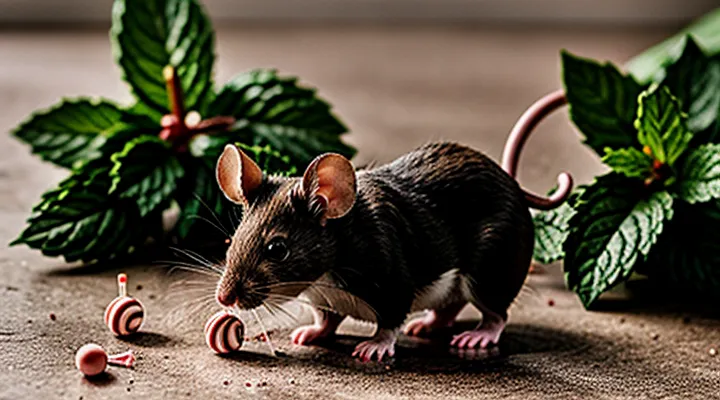
«Understanding Mouse Infestations»
«Common Signs of Mice in Your Home»
«Droppings and Urine Smells»
Mouse droppings and urine emit a strong, lingering odor that signals infestation and poses health hazards. The scent attracts insects, contaminates food, and can trigger respiratory irritation. Detecting these waste products early prevents spread of disease and property damage.
Peppermint oil interferes with the olfactory cues mice rely on when locating droppings and urine. The mentholated aroma masks waste odors, making the environment unattractive to rodents. Continuous exposure to peppermint reduces the likelihood that mice will return to previously marked areas, thereby limiting the buildup of fecal matter and urine.
Practical implementation:
- Soak cotton balls in 10‑15 drops of peppermint essential oil per ounce of carrier (water or alcohol). Place them near known drop sites, under appliances, and in wall voids.
- Prepare a spray by mixing 1 part peppermint oil with 4 parts water and a teaspoon of dish soap. Apply to countertops, pantry shelves, and entry points every 3‑4 days.
- Replace cotton balls weekly to maintain potency; refresh spray after each cleaning session.
- Combine peppermint treatment with sealing cracks and removing food sources for maximum effect.
Regular monitoring of waste accumulation, coupled with peppermint-based deterrence, curtails odor persistence and discourages further rodent activity.
«Gnaw Marks and Damage»
Mice leave distinctive gnaw marks on wood, plastic, and wiring. Cuts are typically clean, crescent‑shaped holes about ¼‑½ inch wide, often found near edges, corners, or hidden compartments. Repeated chewing creates ragged openings that expand as the rodent enlarges its passage.
Damage caused by these bites includes:
- Compromised structural integrity of furniture and cabinetry.
- Exposed electrical insulation, increasing fire risk.
- Contaminated food containers, leading to spoilage and health hazards.
- Degraded insulation material, reducing energy efficiency.
Peppermint oil, when applied to vulnerable surfaces, emits a volatile scent that mice avoid. Regular application to entry points, baseboards, and known gnaw sites creates a barrier that discourages further chewing. The oil’s effectiveness persists for several days; re‑application every 3–5 days maintains repellent strength.
Monitoring gnaw marks provides early warning of infestation. Inspect high‑traffic areas weekly, document new damage, and treat fresh sites with peppermint solution. Prompt response limits expansion of tunnels and prevents escalation to costly repairs.
«Scratching Noises»
Scratching noises heard at night or behind walls often indicate rodent activity. Mice generate such sounds while foraging, nesting, or moving through concealed pathways. The frequency and intensity of the noise correlate with the size of the colony and the proximity of food sources.
The scent of peppermint interferes with mice’s olfactory receptors, creating an environment they avoid. Volatile oils in peppermint act as a natural irritant, reducing the likelihood that rodents will remain in treated areas.
Practical application:
- Soak cotton balls in pure peppermint oil and place them in corners, under appliances, and near entry points.
- Apply a diluted peppermint spray (10 ml oil per 100 ml water) to baseboards, cracks, and vents twice weekly.
- Replace cotton balls every 3–4 days to maintain potency.
- Combine peppermint treatment with sealing gaps and removing accessible food to enhance effectiveness.
Additional measures such as traps, ultrasonic devices, and regular inspection of insulation complement the aromatic deterrent, ensuring a comprehensive reduction of mouse presence and the associated scratching sounds.
«Risks Associated with Mouse Presence»
«Health Concerns and Disease Transmission»
Peppermint oil is frequently applied in households to deter rodents without chemicals. While the scent reduces mouse activity, the presence of these pests still poses health risks because they can carry pathogens.
- Hantavirus – respiratory illness transmitted through aerosolized rodent droppings.
- Salmonella – bacterial infection from contaminated food or surfaces.
- Leptospirosis – bacterial disease spread by urine contact with skin or mucous membranes.
- Lymphocytic choriomeningitis virus – viral infection acquired through exposure to infected rodents.
Reducing mouse numbers lowers the probability of encountering contaminated materials, thereby decreasing the chance of disease transmission. However, peppermint does not eliminate all rodents; occasional sightings may still occur, maintaining a residual risk.
Direct exposure to concentrated peppermint oil can irritate skin, eyes, and mucous membranes. Inhalation of strong vapors may trigger respiratory discomfort, especially in individuals with asthma or sensitivities. Ingesting oil poses gastrointestinal upset and, in severe cases, central nervous system effects. Pets, particularly cats and small dogs, are vulnerable to similar toxic reactions.
When using peppermint as a deterrent, follow these safety measures:
- Dilute essential oil to no more than 5 % in water or carrier oil before application.
- Place cotton balls or sachets in concealed locations to limit human contact.
- Monitor for signs of irritation and discontinue use if symptoms appear.
- Combine peppermint treatment with structural exclusions—seal entry points, maintain cleanliness, and store food securely—to achieve comprehensive pest control and minimize health hazards.
«Structural Damage to Property»
Mice infestations compromise building integrity by gnawing on structural components, exposing homes to costly repairs. Their incisors damage wooden framing, drywall joints, and insulation, while chewing electrical wiring creates fire hazards. The resulting degradation shortens the lifespan of walls, roofs, and support beams.
Applying peppermint oil or dried leaves in strategic locations creates an olfactory barrier that discourages rodent entry. The volatile compounds interfere with mice’s scent trails, prompting them to avoid treated zones and seek alternative habitats. Consequently, the frequency of gnawing incidents declines, preserving structural elements.
Typical damage prevented by peppermint deterrence includes:
- Wood framing and joist deterioration
- Drywall and plaster perforation
- Insulation displacement and contamination
- Electrical wiring abrasion and short‑circuit risk
- Pipe insulation loss leading to condensation and corrosion
Effective deployment requires:
- Saturating cotton balls with 10‑15 drops of peppermint oil per square meter and positioning them near entry points, baseboards, and concealed gaps.
- Refreshing the oil every two weeks to maintain potency.
- Using dried peppermint sachets in cabinets, pantry shelves, and attic spaces where food residues attract rodents.
- Monitoring for signs of activity and adjusting placement to cover newly identified pathways.
Consistent use of peppermint as a natural rodent repellent reduces the incidence of structural damage, extending the functional life of residential construction without reliance on chemical pesticides.
«Peppermint: A Natural Repellent»
«The Science Behind Peppermint's Effectiveness»
«Menthol and Its Repelling Properties»
Menthol, the primary active component of peppermint oil, exerts a strong olfactory and tactile stimulus that rodents find aversive. Its high volatility ensures rapid diffusion through air, creating a scent barrier that interferes with the mouse’s chemosensory navigation. Contact with menthol irritates mucous membranes and nerve endings, prompting avoidance behavior and reducing entry into treated zones.
Key characteristics influencing repellent efficacy:
- Volatility: Low molecular weight permits swift evaporation, maintaining a persistent scent plume.
- Sensory irritation: Acts on transient receptor potential (TRP) channels, generating a cooling sensation that mammals perceive as discomfort.
- Dose‑response relationship: Concentrations between 0.5 % and 2 % in carrier liquids produce measurable avoidance without causing toxicity to humans or pets.
Practical applications for household rodent control:
- Cotton ball placement: Soak cotton with diluted menthol oil and position in corners, behind appliances, and near entry points.
- Spray solution: Mix menthol oil with water and a mild emulsifier; spray on baseboards, shelving, and gaps weekly.
- Soaked cloth strips: Thread menthol‑infused cloth through ventilation ducts to extend coverage.
Safety considerations:
- Use food‑grade peppermint oil to avoid harmful additives.
- Keep concentrations below 2 % to prevent skin irritation.
- Store away from children and pets; reapply after cleaning or ventilation changes.
Menthol’s rapid evaporation and sensory impact make it a reliable, non‑chemical option for deterring mice in residential environments.
«Sensitivity of Rodent Olfactory Systems»
Rodents rely on an exceptionally acute olfactory system to locate food, identify predators, and navigate their environment. The nasal epithelium contains millions of odorant receptors, each tuned to detect volatile molecules at concentrations as low as parts per billion. Studies on laboratory mice demonstrate detection thresholds for menthol—a principal constituent of peppermint—near 0.1 µg L⁻¹, indicating that even faint emissions can trigger a behavioral response.
The olfactory bulb processes these signals through a highly organized glomerular map, allowing rapid discrimination between attractive and aversive scents. When menthol binds to specific receptor subtypes (e.g., TRPM8 channels linked to cooling sensations), the resulting neural activation is interpreted as a warning cue, prompting avoidance. This mechanism explains why a modest amount of peppermint oil, dispersed in cracks, cupboards, or near entry points, can deter rodents without physical barriers.
Key factors influencing efficacy:
- Concentration: Sustained vapour levels above 5 µg m⁻³ maintain aversion; lower levels may diminish effect due to sensory adaptation.
- Distribution: Even dispersion prevents localized habituation; cotton balls, sachets, or ultrasonic diffusers achieve this.
- Persistence: Volatile compounds evaporate within hours; regular reapplication (every 24–48 hours) preserves active concentrations.
- Species variability: House mice (Mus musculus) exhibit lower detection thresholds for menthol than Norway rats (Rattus norvegicus), requiring slightly reduced dosages for comparable deterrence.
Neurophysiological data confirm that repeated exposure to peppermint vapours does not lead to rapid desensitization; instead, rodents display heightened avoidance after initial encounters, reinforcing the utility of peppermint as a non‑toxic repellent in residential settings.
«Forms of Peppermint for Repellency»
«Peppermint Essential Oil»
Peppermint essential oil contains menthol and other volatile compounds that create an odor mice find intolerable. When dispersed in confined spaces, the scent overwhelms the rodent’s olfactory receptors, prompting avoidance of treated areas.
Application methods:
- Soak cotton balls in 10‑15 drops of oil and place them in corners, behind appliances, and in entry points. Replace every 3‑4 days.
- Mix 1 ml oil with 250 ml water in a spray bottle, add a few drops of dish‑soap as emulsifier, and spray along baseboards, shelving, and crawl‑space openings. Reapply weekly or after cleaning.
- Add 5 drops to a diffuser set on low for continuous circulation in rooms where activity is observed.
Effectiveness depends on concentration, placement, and environmental ventilation. High airflow reduces scent persistence; sealing cracks and gaps enhances results by limiting escape routes.
Safety considerations:
- Keep oil out of reach of children and pets; ingestion can cause gastrointestinal irritation.
- Test a small surface for discoloration before widespread use on fabrics or wood.
- Avoid direct skin contact; dilute with carrier oil if topical application is required for personal protection.
Storage guidelines:
- Preserve oil in a dark glass container, tightly sealed, away from heat and sunlight.
- Use within 12‑18 months to maintain potency; oxidation diminishes repellent properties.
Combining peppermint oil with other natural deterrents such as dried rosemary or citrus peels can broaden the olfactory barrier, increasing the likelihood of sustained mouse avoidance in residential settings.
«Fresh Peppermint Leaves and Plants»
Fresh peppermint leaves contain menthol and related volatile compounds that irritate the sensory receptors of rodents. When crushed or bruised, the plant releases a strong, minty aroma that mice find unpleasant, prompting them to avoid treated areas.
To employ the plant effectively, place whole sprigs or loose leaves in locations where mouse activity is suspected—behind appliances, under sinks, in pantry corners, and along entry points. Replace the foliage every three to five days to maintain potency, as the essential oils dissipate with exposure to air.
For a more concentrated barrier, create a simple infusion: steep a handful of fresh leaves in hot water for ten minutes, allow the mixture to cool, then soak cotton balls or small cloth patches in the liquid. Position the saturated pads in the same high‑risk zones. The moist medium prolongs the release of volatile compounds compared to dry foliage.
When selecting peppermint, choose plants that are pesticide‑free and organically cultivated. Avoid varieties that have been treated with chemical sprays, as residues may reduce the natural repellent effect and pose health risks to pets and humans.
Safety considerations include keeping the plant material out of reach of children and small pets, as ingestion of large quantities can cause gastrointestinal irritation. The scent is generally well tolerated by adults, but individuals with sensitivity to strong odors should use the remedy in well‑ventilated spaces.
Key points for successful use:
- Fresh leaves provide immediate, short‑term deterrence; replace regularly.
- Infused cotton pads extend the active period to several days.
- Position materials at known entry points and along travel routes.
- Source organic, untreated peppermint to maximize efficacy and safety.
Consistent application of these methods creates an environment that discourages mice without relying on synthetic chemicals.
«Peppermint Scented Products»
Peppermint‑scented products provide a practical option for homeowners seeking to discourage rodent activity without chemicals. The strong menthol aroma interferes with mice’s olfactory receptors, reducing the likelihood that they will enter treated areas.
Typical formats include:
- Pure essential oil (30–50 % menthol concentration) applied to cotton balls or cloth strips.
- Diluted spray mixtures for countertops, baseboards, and entry points.
- Candles or wax melts that release a continuous fragrance while in use.
- Sachets or pouches placed in cabinets, drawers, and pantry shelves.
Effective deployment follows a simple protocol: apply a few drops of oil to absorbent material, position the item near suspected entry points, and replace every 7–10 days to maintain potency. For sprays, a light mist covering surfaces and cracks should be refreshed weekly. Candles require a minimum of one hour of burn time in the target room each day.
Safety considerations are straightforward. Peppermint oil can irritate skin and mucous membranes; gloves and adequate ventilation are recommended during application. Pets, especially cats, may be sensitive to concentrated oil, so keep products out of reach. While peppermint reduces mouse presence, it does not eliminate established infestations; professional pest control may be necessary if damage persists.
«Effective Application Methods»
«Creating Peppermint Solutions and Sprays»
«Dilution Ratios and Mixing Instructions»
Peppermint oil must be diluted before application to avoid skin irritation and to prolong its effectiveness against rodents. Pure essential oil evaporates quickly and can damage surfaces; a proper carrier extends the scent’s reach and maintains a safe concentration.
Recommended dilution ratios for household use:
- 5 % solution: 15 ml peppermint oil mixed with 285 ml water and a few drops of mild dish soap to emulsify.
- 10 % solution (for confined spaces): 30 ml peppermint oil combined with 270 ml water, plus surfactant.
- 20 % solution (for direct contact points): 40 ml peppermint oil blended with 160 ml water, emulsifier included.
Mixing instructions:
- Measure the required volume of peppermint oil with a calibrated syringe.
- Add the oil to a clean spray bottle containing the measured water.
- Introduce 2–3 drops of liquid soap per 100 ml of mixture; this stabilizes the oil‑in‑water emulsion.
- Secure the bottle, shake vigorously for 10–15 seconds until the solution appears uniform.
- Label the container with concentration and date of preparation; store in a cool, dark place for no longer than four weeks.
Application guidelines: spray the diluted solution along baseboards, entry points, and behind appliances. Reapply every 48 hours or after cleaning to sustain the repellent effect. Use gloves when handling undiluted oil and keep the mixture out of reach of children and pets.
«Application to Entry Points and Problem Areas»
Peppermint oil works as a volatile deterrent that interferes with a mouse’s sense of smell. Effective placement targets the routes rodents use to enter and the locations where activity is most evident.
Identify all potential openings: gaps around doors, windows, utility penetrations, foundation cracks, and vent covers. Seal structural defects with steel wool, caulk, or expanding foam before applying the oil, because physical barriers provide the primary line of defense.
Apply peppermint in two ways:
- Cotton or felt pads – soak a pad with 10‑15 drops of pure peppermint oil, place it in each identified gap, and replace every 5‑7 days. The pad maintains a constant emission of scent without requiring a power source.
- Spray solution – combine 1 part oil with 4 parts water and a teaspoon of dish soap, shake vigorously, and spray directly onto door thresholds, baseboard joints, and behind appliances. Reapply after cleaning or after two weeks of exposure.
Focus on problem areas where droppings, gnaw marks, or nesting material have been observed. Position pads or spray along the interior side of walls near these signs, and repeat the process after any weather event that may wash away the scent.
Maintain a schedule: inspect entry points weekly, replace pads, and refresh spray. Consistent reinforcement sustains the olfactory barrier and reduces the likelihood of re‑infestation.
«Using Peppermint Oil on Cotton Balls»
«Placement Strategies for Maximum Impact»
Peppermint oil, when applied correctly, creates a hostile environment for rodents without chemicals. Effective placement maximizes vapor concentration where mice travel and nest.
- Position cotton balls soaked in peppermint oil at entry points: gaps under doors, cracks in walls, and utility openings. Replace every 3–4 days to sustain potency.
- Distribute small sachets in concealed corners of cabinets, pantry shelves, and behind appliances. Secure with tape to prevent displacement.
- Hang peppermint-scented pouches from the underside of kitchen countertops and inside drawer interiors. Ensure they hang freely to allow continuous diffusion.
- Apply a thin layer of diluted peppermint oil to the exterior of baseboards and molding using a spray bottle. Focus on areas where droppings have been observed.
- Place a few drops on wooden dowels and insert them into the crevices of furniture legs and bed frames. This targets nocturnal pathways along furniture legs.
Strategic concentration in high‑traffic zones—such as near food storage, along wall lines, and around plumbing fixtures—creates a barrier that rodents avoid. Regular replenishment preserves the aromatic deterrent, maintaining long‑term efficacy without the need for toxic poisons.
«Frequency of Replacement»
Peppermint oil loses potency as a rodent deterrent when exposed to air, light, and heat. Replace cotton balls, sachets, or spray solutions every 7‑10 days to maintain a concentration that deters mice. If the scent fades noticeably, renewal is required even before the weekly interval.
- Fresh cotton ball or fabric pad: 7 days
- Sprayed surface (doors, baseboards, entry points): 10 days
- Commercial peppermint sachets: 14 days, unless scent diminishes
Humidity and temperature accelerate degradation; in warm, dry environments replace items every 5‑6 days. In cooler, low‑humidity rooms, the 10‑day schedule remains effective.
Monitor effectiveness by observing mouse activity. A return of signs—droppings, gnaw marks, or sightings—indicates that the repellent has weakened and should be refreshed immediately. Consistent replacement ensures continuous olfactory disruption and reduces the likelihood of infestation.
«Strategic Placement of Peppermint Plants»
«Indoor and Outdoor Considerations»
Peppermint oil offers a strong, volatile scent that mice find unpleasant, making it a practical deterrent for residential environments. Effective application requires distinct strategies for interior spaces and exterior areas surrounding a dwelling.
-
Indoor placement should target entry points such as gaps around doors, windows, and utility openings. Apply a few drops of oil onto cotton balls or cloth strips and position them within concealed corners, behind appliances, and inside cabinets where rodents are likely to travel. Refresh the scent every 3–5 days to counteract natural dissipation. Avoid direct contact with food preparation surfaces; use sealed containers to prevent accidental contamination. Ensure ventilation is adequate to prevent excessive aroma buildup, which could cause irritation for occupants.
-
Outdoor deployment focuses on the perimeter of the property. Soak ragged fabric strips in peppermint oil and attach them to the undersides of eaves, garage doors, and foundation cracks. Distribute small sachets near garbage bins, compost piles, and garden beds where mice may seek shelter. Reapply after rain or heavy dew, as moisture reduces potency. Combine oil treatment with physical barriers—metal flashing, steel mesh, or sealant—to reinforce exclusion.
Consistent monitoring of rodent activity informs adjustments to placement frequency and concentration. Integrating peppermint oil with structural sealing and sanitation measures maximizes deterrence while maintaining a safe environment for residents and pets.
«Maintenance of Peppermint Plants»
Peppermint thrives in moist, well‑drained soil with a pH between 6.0 and 7.5. Plant in containers or garden beds where roots can spread without becoming waterlogged. Water consistently, allowing the top inch of soil to dry before the next irrigation; excessive moisture encourages fungal disease.
Full sunlight accelerates growth, but peppermint tolerates partial shade. Position plants where they receive at least six hours of direct light daily. In low‑light conditions, expect slower leaf production and reduced potency of the volatile oils that repel rodents.
Fertilize lightly with a balanced, slow‑release formula once in early spring. Over‑fertilization leads to weak stems and diminished aromatic compounds. Mulch with organic material to retain moisture and suppress weeds, renewing the layer annually.
Prune regularly to prevent flowering, which reduces leaf oil concentration. Trim back 20–30 % of foliage every two weeks during the growing season, removing any seed heads immediately. Use clean, sharp scissors to avoid transmitting pathogens.
Propagation is simple: divide established clumps in early spring or take stem cuttings of 4–6 inches, remove lower leaves, and root in moist peat or vermiculite. Maintain high humidity until roots develop, then transplant to the desired location.
Harvest leaves before the plant bolts, ideally in the morning after the dew has dried. Cut stems just above the soil line, rinse briefly, and pat dry. Store fresh leaves in airtight containers in the refrigerator for up to one week, or dry them in a dark, ventilated area for longer preservation. Dried material retains repellent efficacy for several months when kept in sealed jars away from light.
Monitor for common pests such as aphids and spider mites. Apply a neem‑oil spray or introduce predatory insects to control infestations without compromising the plant’s natural chemicals. Remove any diseased foliage promptly to limit spread.
By adhering to these maintenance practices, peppermint plants produce robust foliage rich in menthol and related compounds, ensuring an effective, sustainable deterrent for household rodents.
«Tips for Maximizing Repellency»
«Combining Peppermint with Other Natural Methods»
«Sealing Entry Points»
Sealing gaps eliminates the pathways that allow rodents to bypass peppermint odor, making the scent barrier effective.
Identify potential entry points by inspecting the building envelope for cracks, gaps around pipes, vents, and foundation seams. Apply a thin layer of flour or talc near suspected openings; mouse tracks will reveal active routes.
- Repair cracks in walls and floors with hydraulic cement or expandable foam.
- Install steel wool or copper mesh in larger holes before applying sealant, preventing gnawing.
- Fit door sweeps and weatherstripping to block gaps under doors.
- Cover vent openings with fine mesh that permits airflow but excludes rodents.
Use durable, non‑porous materials that do not absorb peppermint oil, ensuring the repellent remains potent. After sealing, re‑apply peppermint oil or sachets near remaining openings to reinforce deterrence. Periodic inspection of sealed areas prevents new breaches and sustains long‑term control.
«Maintaining Cleanliness and Food Storage»
Keeping living spaces free of food debris and storing consumables in sealed containers reduces the attractiveness of a home to rodents. When surfaces are regularly wiped down, crumbs and grease that could draw mice are eliminated, limiting the need for additional deterrents.
Peppermint oil enhances a hygienic environment by providing an olfactory barrier that rodents find unpleasant. To incorporate it effectively, follow these steps:
- Clean countertops, floors, and pantry shelves with a mild detergent; dry thoroughly before applying any repellent.
- Transfer dry goods, grains, and snacks into airtight jars or containers with rubber gaskets.
- Place a few drops of peppermint essential oil on cotton balls and position them in corners, behind appliances, and near entry points; replace every 7‑10 days to maintain potency.
- Combine oil‑treated cotton with a regular cleaning schedule; the scent persists longer when debris is absent.
By integrating rigorous sanitation with strategic peppermint placement, households create conditions that both deter mice and preserve food safety.
«Addressing Severe Infestations»
«When to Consider Professional Pest Control»
Peppermint oil can deter occasional mouse activity, yet its efficacy wanes when populations expand or when rodents breach structural barriers. Recognizing the point at which DIY measures no longer suffice prevents property damage and health hazards.
- More than three active nests detected within a single dwelling.
- Visible gnaw marks on wiring, insulation, or structural timber.
- Evidence of droppings or urine in food preparation areas.
- Persistent activity despite regular application of peppermint-based repellents.
- Signs of disease vectors, such as fleas or ticks, associated with the mice.
- Access points beyond simple cracks, requiring sealing of concealed voids or HVAC ducts.
- Legal or insurance requirements mandating professional eradication.
When any of these indicators appear, engage a certified pest‑management provider. Professional services offer comprehensive inspection, targeted baiting, and exclusion techniques that exceed the capabilities of aromatic deterrents. Prompt escalation safeguards both the building’s integrity and the occupants’ well‑being.
«Integrated Pest Management Approaches»
Peppermint oil can be incorporated into an Integrated Pest Management (IPM) program for residential rodent control. IPM emphasizes a combination of tactics that reduce reliance on chemical poisons while maintaining effectiveness.
The first step is monitoring. Traps, visual inspections, and activity‑tracking devices identify mouse presence, population size, and movement patterns. Data from monitoring establish action thresholds that trigger intervention.
Sanitation follows monitoring. Removing food residues, sealing entry points, and storing waste in airtight containers eliminate attractants. Mechanical barriers such as steel‑wool plugs and door sweeps prevent ingress.
Cultural practices include landscaping adjustments that reduce shelter near the foundation, and maintaining a clutter‑free interior to limit hiding places. These measures lower habitat suitability for rodents.
Biological control is limited for mice, but predatory deterrents—such as encouraging domestic cats or using ultrasonic devices—can supplement other methods.
Chemical options are reserved for situations where other tactics fail to keep populations below thresholds. When chemicals are applied, they must be targeted, low‑toxicity, and used according to label instructions.
Botanical repellents fit naturally into the IPM framework. Peppermint oil, applied to cotton balls, cloth strips, or spray solutions, creates a volatile scent that mice avoid. For optimal results, place the repellent at known travel routes, entry points, and nesting areas. Reapplication every 5–7 days maintains potency, as the volatile compounds degrade with exposure to air.
Integrating these components creates a layered defense:
- Monitoring and threshold definition
- Sanitation and exclusion measures
- Habitat modification (cultural)
- Limited use of predatory or ultrasonic deterrents
- Targeted chemical interventions when necessary
- Peppermint‑based botanical repellent as a non‑chemical barrier
Continuous evaluation of trap catches, damage reports, and repellent efficacy ensures the program adapts to changing conditions. By aligning peppermint use with the broader IPM strategy, homeowners achieve effective mouse management while minimizing health and environmental risks.
«Safety and Precautions»
«Considerations for Pets and Children»
«Dilution Guidelines for Pet Safety»
When peppermint oil is employed to deter rodents indoors, the concentration must be adjusted to protect companion animals. Undiluted oil can cause irritation to a pet’s skin, eyes, and respiratory system; therefore, a safe dilution ratio is essential.
A reliable mixture for household use consists of 5 ml of peppermint essential oil combined with 1 liter of water. Add a few drops of a neutral carrier, such as liquid dish soap, to emulsify the oil and improve distribution on surfaces. This formulation yields a mild scent that remains offensive to mice while staying within tolerable exposure limits for dogs and cats.
For applications involving cotton balls or cloth strips, use the same 5 ml per liter ratio, then dampen the material until it is moist but not dripping. Replace the material every 48 hours to maintain efficacy and prevent buildup of residue that could attract a pet’s attention.
If a pet shows signs of discomfort—sneezing, coughing, excessive licking of the treated area—immediately discontinue use and rinse the surface with plain water. Consult a veterinarian if symptoms persist.
Summary of safe dilution practices
- 5 ml peppermint oil per 1 liter water
- Add 1–2 drops neutral carrier for emulsification
- Apply to cotton balls, cloth strips, or spray lightly on entry points
- Refresh every two days
- Monitor pets for adverse reactions and cease use if observed
Adhering to these guidelines preserves the rodent‑deterring benefits of peppermint while ensuring the health and comfort of household pets.
«Avoiding Direct Contact with Skin»
Peppermint oil is effective for deterring rodents when applied correctly, but the oil’s high concentration can irritate skin. Direct contact may cause redness, itching, or chemical burns, especially for individuals with sensitive skin.
- Wear nitrile or latex gloves before handling undiluted oil.
- Dilute peppermint oil in a carrier such as water, ethanol, or vegetable oil before spreading it on surfaces.
- Apply the solution with a cloth, sponge, or spray bottle; avoid pouring oil directly onto skin.
- If exposure occurs, rinse the area with plenty of water for at least 15 minutes and seek medical advice if irritation persists.
Use pre‑soaked cotton balls or sachets placed in corners, under appliances, or inside entry points. This method delivers the scent without requiring direct handling of the oil. Store unopened containers in a cool, dark place, out of reach of children and pets, to prevent accidental skin contact.
«Potential Allergies and Sensitivities»
«Testing for Reactions»
Testing for reactions is a prerequisite before widespread use of peppermint as a rodent deterrent in residential environments. The process determines whether the aromatic compound influences mouse activity without causing adverse effects to occupants or pets.
Procedure
- Select a confined area where mouse presence is documented.
- Apply a measured amount of peppermint oil or a diluted solution to a cotton ball, cloth, or spray bottle.
- Place an identical, untreated control item in a comparable area.
- Monitor both sites for a minimum of 48 hours, recording mouse sightings, tracks, and any signs of avoidance.
- Repeat the test in at least three separate locations to account for variability.
Safety assessment runs concurrently with behavioral observation. Record any human or animal reactions such as skin irritation, respiratory discomfort, or allergic symptoms. If adverse responses appear, reduce concentration or discontinue use.
Data collection focuses on quantitative metrics: number of mouse encounters per hour, time elapsed before first avoidance, and frequency of repeat visits. Graphing these values against peppermint concentration reveals the efficacy threshold.
Interpretation compares treated and control sites. A statistically significant reduction in mouse activity, coupled with absent or minimal adverse reactions, validates the formulation for broader application. Adjustments to dosage or delivery method are made based on the identified threshold to maximize deterrent effect while maintaining safety.
«Ventilation Requirements»
Effective use of peppermint oil to deter rodents indoors depends on proper airflow management. Adequate ventilation disperses aromatic compounds, maintaining concentrations that repel mice without causing respiratory irritation.
- Ensure a continuous exchange of indoor air, targeting 0.35 ACH (air changes per hour) in rooms where peppermint solutions are applied.
- Position fans or open windows to create a gentle cross‑draft; avoid stagnant zones where oil vapors may accumulate.
- Use low‑volume diffusers placed at least 30 cm above surfaces to prevent localized saturation.
- Monitor indoor humidity, keeping levels between 30‑50 % to support volatile release while limiting mold growth.
In sealed environments, the efficacy of peppermint diminishes rapidly as vapors become trapped and degrade. Installing exhaust vents or employing mechanical ventilation restores the aromatic gradient essential for rodent avoidance. Regular maintenance of ventilation components—cleaning filters, checking duct integrity—preserves consistent performance and safeguards occupant health.