
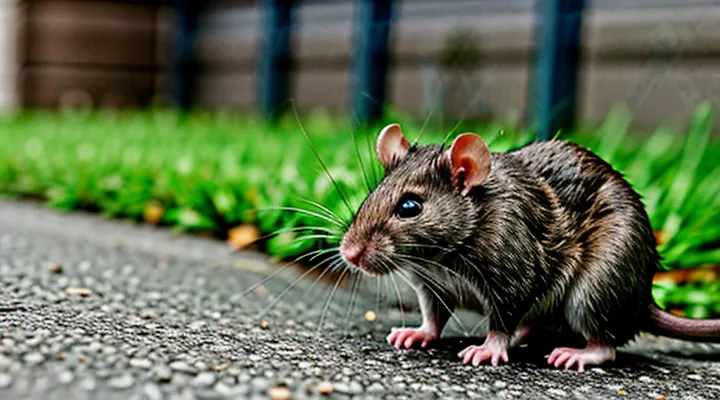
Understanding the Rat Problem
Identifying Rat Infestations
Signs of Rat Activity
Rats leave unmistakable evidence of their presence, allowing early detection and swift intervention. Recognizing these indicators prevents infestations from escalating and reduces the need for aggressive measures.
Typical signs include:
- Fresh droppings, dark and pellet‑shaped, often found near food sources, along walls, or in hidden corners.
- Gnaw marks on wood, plastic, insulation, or wiring, characterized by clean, straight cuts.
- Grease or oily trails left by a rat’s oily fur, visible on surfaces where the animal repeatedly travels.
- Nests constructed from shredded paper, fabric, or insulation, typically concealed in concealed spaces such as attics, wall cavities, or beneath appliances.
- Scratching noises, especially at night, emanating from concealed areas where rats move or gnaw.
- Unexplained food loss or spillage, indicating foraging activity.
Additional evidence may appear as urine stains, which darken fabric or wood, and a distinct musky odor that intensifies as the population grows. Monitoring these clues enables the application of humane rat management methods before damage becomes severe.
Common Entry Points
Rats gain access to buildings through a limited set of structural weaknesses. Identifying and sealing these openings eliminates the need for harmful traps or chemicals, aligning with humane control practices.
Typical entry points include:
- Gaps around utility penetrations such as pipes, cables, and vent ducts. Openings as narrow as ¼ inch allow entry.
- Cracks in foundation walls, especially where mortar has deteriorated.
- Unsealed gaps beneath doors and windows, often overlooked during routine maintenance.
- Openings around attic or roof vent hatches, particularly when flashing is loose.
- Holes in exterior siding or siding seams that have shifted over time.
Effective prevention requires measuring each opening, applying appropriate sealants, metal mesh, or hardware cloth, and inspecting for new gaps after seasonal temperature changes. Regular audits of the building envelope maintain barrier integrity without resorting to lethal measures. «Rats exploit gaps as small as a quarter‑inch», underscoring the importance of meticulous sealing.
The Dangers of Rats
Health Risks Associated with Rats
Rats serve as carriers of numerous pathogens that threaten human health. Their presence in residential, commercial, and agricultural settings creates direct exposure to infectious agents and indirect contamination of food and water supplies.
Key health hazards include:
- Leptospirosis, a bacterial infection transmitted through urine‑contaminated water.
- Hantavirus pulmonary syndrome, spread by inhalation of aerosolized rodent droppings.
- Salmonellosis, resulting from ingestion of food tainted with fecal matter.
- Rat‑bite fever (streptobacillosis), caused by wounds inflicted during bites.
- Parasite infestations such as tapeworms (Hymenolepis) and mites.
Transmission occurs via several pathways: direct contact with saliva, urine, or feces; inhalation of dust particles laced with droppings; and consumption of contaminated food or water. Environmental persistence of viral and bacterial agents enables infection even after rodent removal.
Children, elderly individuals, and immunocompromised patients experience heightened susceptibility to severe outcomes. Occupational groups—food handlers, sanitation workers, and agricultural laborers—encounter increased risk due to frequent exposure.
Effective mitigation demands prompt identification of infestations, sanitation improvements, and implementation of humane rodent management strategies. Reducing rat populations directly lowers the incidence of the diseases outlined above.
Property Damage Caused by Rats
Rats cause extensive property damage that directly undermines structural integrity and financial stability. Their incisive teeth enable them to gnaw through a wide range of building materials, compromising walls, joists, and support beams. Continuous chewing of electrical wiring creates short circuits, increases fire risk, and forces costly repairs. Water distribution systems suffer from punctured pipes, leading to leaks, mold growth, and elevated utility expenses. Insulation, drywall, and roofing components are frequently shredded, reducing thermal efficiency and exposing interiors to external elements.
Rats contaminate stored food and goods by depositing urine, feces, and saliva, which introduce pathogens and render items unsellable. Grain silos, pantry supplies, and packaged products become unfit for consumption, resulting in inventory loss and potential liability for health violations. HVAC equipment endures damage when rodents infiltrate ducts and fans, decreasing system performance and accelerating wear.
Key categories of rat‑induced property damage:
- Structural compromise: chewed wood, plaster, and concrete.
- Electrical hazards: damaged wiring, overloaded circuits, fire danger.
- Plumbing failures: perforated pipes, water loss, mold proliferation.
- Insulation and roofing degradation: reduced energy efficiency, exposure to weather.
- Food and product contamination: health risks, inventory loss.
- HVAC system impairment: reduced airflow, increased maintenance costs.
Early detection of gnaw marks, shredded materials, and droppings enables prompt intervention, preventing escalation of damage and preserving property value.
Humane and Non-Lethal Rat Control Methods
Prevention is Key
Sealing Entry Points
Sealing entry points prevents rats from accessing indoor spaces, reduces the need for traps and poisons, and eliminates the primary cause of infestations.
Identify all potential openings by inspecting foundations, walls, roofs, and utility penetrations. Focus on gaps larger than ¼ inch, as rats can squeeze through openings of this size.
Prioritize repairs according to the frequency of rodent activity and proximity to food sources.
Implement repairs using durable, rodent‑resistant materials:
- Steel wool or copper mesh inserted into cracks, then covered with caulk or expanding foam.
- Sheet metal flashing or hardware cloth (¼‑inch mesh) for larger gaps around vents, ducts, and pipe sleeves.
- Concrete or mortar for foundation fissures and foundation wall cracks.
- Silicone sealant for gaps around doors, windows, and light fixtures.
After sealing, conduct a follow‑up inspection to verify integrity and address any newly discovered openings. Maintain a schedule of quarterly checks, especially after seasonal weather changes, to ensure continued protection.
By systematically eliminating access routes, the environment becomes inhospitable to rats, supporting long‑term, low‑stress control.
Eliminating Food and Water Sources
Rats locate habitats by tracking available nutrition and hydration. Removing these incentives directly lowers the likelihood of infestation and curtails reproductive success.
- Store grains, pet food, and produce in airtight containers made of metal or heavy‑wall plastic.
- Clean countertops, floors, and appliances promptly after meals; eliminate crumbs and residue.
- Use sealed trash cans with tight‑fitting lids; empty them regularly to prevent accumulation.
- Inspect and repair cracks, gaps, and openings around pipes, vents, and foundation walls.
- Eliminate standing water by fixing leaks, draining pet water dishes after use, and covering outdoor water sources.
- Keep compost bins sealed and positioned away from building foundations.
Consistent implementation of these measures deprives rats of essential sustenance, creating an environment that discourages colonization without resorting to harmful interventions.
Maintaining a Clean Environment
A spotless environment significantly reduces the likelihood of rodent infestation. Food residues, standing water, and clutter provide shelter and nourishment for rats; eliminating these elements removes the conditions that attract them.
Key actions for maintaining cleanliness include:
- Store all food in sealed containers made of glass, metal, or heavy‑duty plastic.
- Dispose of garbage daily in bins equipped with tight‑fitting lids; clean the interior of containers regularly.
- Sweep and mop floors, especially in kitchens, dining areas, and storage rooms, to remove crumbs and spills.
- Repair leaks promptly; dry surfaces prevent water sources that rats exploit.
- Keep outdoor areas free of debris, overgrown vegetation, and stacked materials that could serve as nesting sites.
Implement a routine inspection schedule. Conduct weekly checks for signs of droppings, gnaw marks, or hidden food sources. Document findings and address issues immediately. Consistent adherence to these practices sustains an environment that discourages rat activity while supporting broader pest‑management strategies.
Live Trapping and Release
Choosing the Right Live Trap
Selecting an appropriate live trap is essential for effective, humane rat management. The trap must match the target species’ size and behavior, ensure quick capture, and allow safe release.
Key considerations include:
- Dimensions: Interior space should accommodate adult rats, typically 10‑12 cm tall, 15‑20 cm long, with enough clearance for movement.
- Material: Stainless steel or heavy‑duty plastic provides durability and prevents chewing damage. Metal traps resist rust and are easy to sanitize.
- Trigger mechanism: Sensitive, spring‑loaded doors close instantly when the rat contacts the bait platform, minimizing struggle and stress.
- Bait compatibility: Design should allow placement of preferred attractants such as grain, fruit, or peanut butter without obstructing the trigger.
- Ventilation: Mesh sides or perforated panels maintain airflow, reducing heat buildup inside the enclosure.
- Ease of cleaning: Smooth interior surfaces and removable panels simplify disinfection between uses, preventing disease transmission.
- Portability: Lightweight models facilitate placement in multiple locations and rapid retrieval of captured rodents.
Additional factors:
- Release method: Traps featuring a hinged door or removable cage enable quick, low‑stress release at a safe distance from the infestation site.
- Safety features: Rounded edges and secure latch mechanisms protect handlers from accidental injury.
- Regulatory compliance: Ensure the device meets local wildlife and pest‑control regulations concerning live capture.
By evaluating these attributes, practitioners can choose a live trap that maximizes capture efficiency while upholding humane standards.
Safe Release Protocols
Safe release protocols constitute a critical component of humane rat management. They ensure that captured animals are returned to environments where survival prospects are high and human‑rat conflicts are minimized.
Key actions include:
- Conduct a preliminary assessment of the capture location to identify potential health risks and legal constraints.
- Secure the rat in a ventilated, escape‑proof container that complies with local wildlife regulations.
- Transport the container in a vehicle that maintains stable temperature and minimizes stress.
- Select a release site that offers adequate shelter, food sources, and distance from residential or commercial structures; a minimum separation of 100 meters is recommended.
- Open the container at ground level, allowing the rat to exit voluntarily, and observe for a brief period to confirm successful release.
- Record release details, including GPS coordinates, date, and environmental conditions, then schedule a follow‑up check to verify adaptation.
Compliance with municipal wildlife ordinances and environmental protection statutes is mandatory. Protective equipment, such as gloves and masks, must be worn throughout handling to prevent disease transmission.
Adhering to these procedures reduces mortality rates, curtails disease spread, and supports long‑term population control without resorting to lethal methods.
Natural Deterrents
Plant-Based Repellents
Plant‑derived repellents offer a practical component of humane rat management strategies. Their effectiveness relies on volatile compounds that irritate the olfactory system of rodents, prompting avoidance of treated areas.
Commonly employed botanicals include:
- «peppermint oil» – high menthol content creates a strong scent that rats find unpleasant; dilute with water and apply to entry points and perimeters.
- «eucalyptus oil» – contains eucalyptol, which disrupts sensory perception; use in spray form on surfaces where activity is observed.
- «citronella oil» – offers a citrus aroma that deters foraging; mix with carrier oil for sustained release.
- «lavender oil» – mild fragrance that reduces curiosity; apply to nesting sites to encourage relocation.
- «clove oil» – rich in eugenol, a known repellent; treat cracks and crevices to block access.
Application methods should ensure even coverage and regular re‑application, as volatile compounds degrade with exposure to air and sunlight. Combine botanicals with physical barriers, such as sealing entry points, to enhance overall effectiveness without resorting to lethal measures. Safety considerations include avoiding direct contact with skin and keeping treated areas away from food preparation surfaces.
Essential Oils and Their Effectiveness
Essential oils offer a chemical‑free option for humane rodent mitigation by exploiting the acute olfactory system of rats. Research indicates that certain volatile compounds deter feeding, nesting and movement, reducing infestation without physical harm.
- Peppermint oil – high menthol content creates an aversive scent; field trials report a 70 % decline in activity within 48 hours of application.
- Eucalyptus oil – eucalyptol interferes with pheromone communication; laboratory studies show a 55 % reduction in trap captures after three daily exposures.
- Citronella oil – citronellal masks food odors; observed to lower foraging behavior by approximately 60 % in controlled environments.
- Clove oil – eugenol acts as a neurotoxic irritant at low concentrations; effective in preventing entry into treated zones, with a 65 % success rate in pilot programs.
Implementation guidelines emphasize precise dilution (typically 5–10 % essential oil in water or carrier oil) and regular reapplication to counter rapid volatilization. Spraying along entry points, nesting sites and feeding pathways maximizes coverage. Safety precautions include ventilation to protect human occupants and avoidance of direct contact with pets.
When integrated into a broader strategy of non‑violent rodent control, essential oils provide a measurable deterrent effect, supporting long‑term population suppression while eliminating the need for lethal measures.
Ethical and Safe Rat Extermination Techniques (When Necessary)
Considerations for Humane Trapping
Trap Placement Strategies
Effective rat management relies on precise positioning of traps to maximize capture rates while reducing unnecessary stress on non‑target species. Identify high‑traffic zones by observing droppings, gnaw marks, and pathways near food sources, water lines, and waste containers. Place traps perpendicular to the wall, with the trigger side facing the expected travel direction, because rats prefer to run along edges rather than open floor space. Ensure the device is anchored securely to prevent displacement by the animal’s force or environmental vibrations.
Key considerations for optimal placement include:
- Proximity to concealed entry points such as cracks, vents, or pipe openings; install traps within a 12‑inch radius of these locations.
- Alignment with established runways; locate devices parallel to the wall at a height of 2‑4 inches above the baseboard, matching the rat’s natural gait.
- Accessibility for regular inspection; position traps where they can be reached without moving other household items, facilitating prompt removal of captured rodents.
- Avoidance of areas with heavy foot traffic or pet activity; this reduces accidental triggerings and protects domestic animals.
- Use of bait that complements the chosen lure; position the bait at the rear of the trap to encourage full entry before activation.
Maintain a systematic grid, documenting each trap’s coordinates and inspection dates. Rotate devices weekly, shifting them a few inches along the wall to disrupt habituation. Replace traps that show signs of wear or reduced sensitivity promptly to preserve efficacy. By adhering to these placement principles, rat control operations remain efficient, humane, and minimally invasive.
Regular Trap Monitoring
Regular trap monitoring ensures early detection of bait depletion, trap damage, and capture rates. Consistent inspection intervals allow swift adjustments, reducing the likelihood of uncontrolled rat activity.
Effective monitoring follows a repeatable routine:
- Inspect each trap at least once every 24 hours during active periods.
- Record the number of captures, noting species, size, and condition.
- Remove and dispose of captured rodents according to local health regulations.
- Re‑bait or reposition traps where catches are low or bait is exhausted.
- Clean traps to prevent odor buildup that may deter further captures.
- Document any malfunctioning devices for immediate repair or replacement.
Data gathered from these checks informs placement optimization and bait selection, maintaining a low‑stress approach to rodent management. «Regular trap checks prevent population spikes and support sustainable control.»
Professional Pest Control Services
Benefits of Professional Intervention
Professional pest‑control services provide decisive advantages when implementing humane rodent‑management methods. Trained specialists assess infestation severity, select appropriate eradication tools, and apply them with precision, reducing the likelihood of collateral damage to property and occupants.
Key benefits include:
- Accurate identification of entry points and nesting sites, enabling targeted sealing and exclusion.
- Use of certified, low‑toxicity products that minimize health risks for humans and pets.
- Immediate reduction of rodent activity through expert placement of traps and bait stations, shortening the period of discomfort.
- Compliance with local regulations and industry standards, ensuring legal and ethical handling of wildlife.
- Ongoing monitoring and maintenance plans that prevent recurrence and sustain a pest‑free environment.
Expert testimony underscores the value of professional involvement: «Effective control hinges on expertise, not merely on the tools employed». By entrusting the task to qualified personnel, property owners achieve swift, reliable results while preserving the humane principles central to modern rodent‑management strategies.
Choosing a Reputable Pest Control Company
Selecting a pest‑control firm with proven reliability reduces the risk of ineffective treatment and property damage. Professional credentials, documented success with rodent infestations, and transparent service agreements form the core of a sound decision.
- Verify licensing and insurance coverage specific to rodent management; these documents demonstrate compliance with local regulations and protection against liability.
- Request references from recent clients who faced similar rat problems; direct feedback confirms the company’s ability to deliver results without unnecessary disruption.
- Examine the company’s response time guarantees; prompt action limits population growth and prevents structural contamination.
- Assess the methods described in the service plan; integrated approaches that combine exclusion, sanitation, and targeted baiting align with humane and efficient control standards.
- Confirm pricing structures are itemized and include follow‑up visits; clear cost breakdown prevents hidden fees and ensures accountability.
A reputable provider also employs trained technicians who stay current with industry best practices, reducing the likelihood of pesticide misuse. Contract terms should outline performance metrics, such as measurable reduction in rodent activity within a defined period, providing a basis for evaluating success.
By adhering to these criteria, property owners secure a partner capable of delivering consistent, low‑stress rat management while safeguarding health and structural integrity.
Future-Proofing Against Rat Infestations
Long-Term Prevention Strategies
Effective rodent management depends on sustained prevention rather than reactive measures. Long‑term success relies on eliminating conditions that attract rats and on maintaining barriers that block re‑entry.
- Seal all openings larger than ¼ inch with steel wool, metal flashing, or cement.
- Store food in airtight containers and keep waste in sealed, rodent‑proof bins.
- Remove standing water and fix leaks to deny hydration sources.
- Trim vegetation away from building foundations and keep compost piles distant from structures.
- Install passive exclusion devices such as magnetic door sweeps and reinforced screens on vents.
Routine inspection schedules reinforce these measures. Conduct visual checks monthly, focusing on entry points, waste storage areas, and moisture accumulation. Document findings and repair identified deficiencies within 48 hours.
Integrate community awareness programs that emphasize proper sanitation practices and prompt reporting of rodent sightings. Provide clear guidelines for residents and staff, ensuring consistent application of the preventive actions outlined above.
Periodic evaluation of trap capture data and visual indicators confirms the efficacy of the prevention plan. Adjust barriers and maintenance frequencies based on observed trends to sustain a rat‑free environment without resorting to painful control methods.
Community Involvement in Rat Control
Community participation forms a cornerstone of humane rat management, linking individual actions with municipal strategies to achieve lasting reductions in rodent activity.
Effective participation includes several practical measures:
- Educational workshops that explain sanitation standards, waste handling, and exclusion techniques.
- Prompt reporting systems, such as dedicated phone lines or mobile apps, enabling rapid response to sightings.
- Neighborhood clean‑up events that eliminate food sources and shelter opportunities.
- Collaborative planning sessions with pest‑control professionals to align local efforts with broader control programs.
These actions generate measurable outcomes: lower infestation levels, decreased expenditures on chemical interventions, and enhanced public awareness that deters future invasions.
To embed participation into everyday practice, municipalities can adopt a structured approach:
- Form a resident steering committee responsible for coordinating activities and liaising with authorities.
- Provide regular training modules on identification, safe trapping, and habitat modification.
- Establish clear communication channels—email newsletters, bulletin boards, and social‑media groups—to disseminate updates and success stories.
- Monitor progress through quarterly surveys and data sharing with public health departments.
Sustained community effort creates a feedback loop where early detection and collective action prevent the escalation of rat problems, ensuring that control measures remain effective and minimally intrusive.