
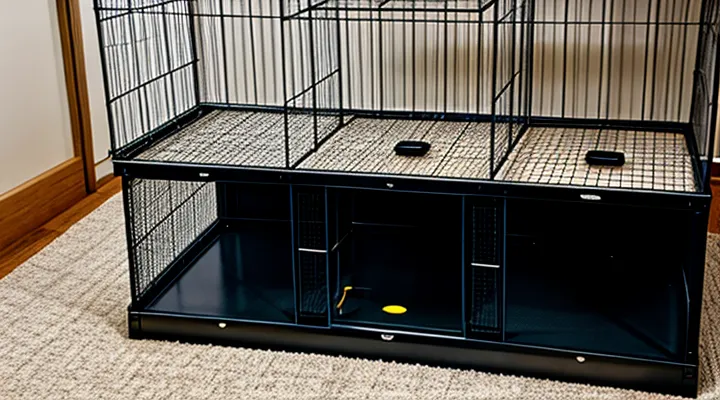
Understanding the Needs of Rats
Behavioral Considerations
Social Dynamics
Social dynamics among rats are profoundly influenced by enclosure dimensions. Adequate space permits the formation of stable hierarchies while minimizing aggressive encounters. When individuals can retreat to separate zones, subordinate animals experience reduced stress, leading to more consistent feeding patterns and lower incidence of injury.
Key aspects of group behavior affected by cage size include:
- Territory allocation: larger enclosures allow each rat to establish a personal area, decreasing competition for nesting sites.
- Hierarchical stability: sufficient space reduces the frequency of dominance challenges, supporting a predictable social order.
- Grooming and play: expansive environments facilitate social grooming and exploratory play, both essential for physiological well‑being.
- Reproductive success: ample room enables breeding pairs to separate from non‑breeding individuals, preventing unwanted mating and fostering healthier litters.
Research indicates that cages providing at least 0.08 m² per rat, with vertical enrichment levels, sustain more balanced social structures. Overcrowding (<0.04 m² per rat) correlates with heightened cortisol levels and increased mortality. Implementing modular designs that allow compartmentalization within a single enclosure further mitigates conflict without compromising group cohesion.
In practice, selecting dimensions that exceed the minimum spatial guidelines, incorporating multiple nesting platforms, and ensuring unobstructed pathways support harmonious interactions. Such configurations align enclosure design with the innate social requirements of rats, promoting overall colony health.
Activity Levels
Rats exhibit high locomotor activity, frequent vertical climbing, and extensive exploration of their environment. Average adult rats perform several hundred meters of movement per day, alternating between rapid bursts of running and slower investigative behavior. Their natural propensity for tunneling and nesting creates dynamic spatial demands that differ from sedentary species.
Insufficient floor area restricts horizontal locomotion, while limited cage height impedes climbing and vertical exploration. Constrained space elevates stress markers, reduces wheel usage, and diminishes enrichment interaction. Adequate space supports natural activity cycles, promotes musculoskeletal health, and sustains cognitive stimulation.
Recommended minimum dimensions, calibrated to typical activity levels:
- Floor area: at least 0.2 m² per rat; increase by 0.05 m² for each additional animal.
- Cage height: minimum 0.30 m to accommodate climbing structures and multi‑level platforms.
- Enrichment zone: allocate 15 % of floor area for wheels, tunnels, and nesting material.
Implementing these parameters ensures that cage size aligns with the vigorous activity patterns of rats, fostering welfare and experimental reliability.
Physiological Requirements
Airflow and Ventilation
Airflow and ventilation are decisive factors in maintaining a healthy environment for rats housed in appropriately sized enclosures. Sufficient exchange of fresh air prevents the buildup of ammonia, carbon dioxide, and humidity, each of which can impair respiratory function and increase susceptibility to disease.
Recommended air exchange rates range from 15 to 30 complete turnovers per hour. Achieving this level of turnover requires a combination of passive and active ventilation strategies. Passive ventilation relies on strategically placed openings near the top and bottom of the cage, creating a natural convection current that draws cooler air in and expels warm, stale air. Active ventilation employs low‑noise fans or external ductwork to supplement passive flow, ensuring consistent air movement even in low‑temperature conditions.
Key design considerations include:
- Vent openings sized to allow the target air change rate without generating drafts that cause stress.
- Filters with a minimum efficiency rating of 99 % for particles larger than 0.3 µm, protecting against dust and pathogens.
- Sealed joints and smooth interior surfaces to minimize dead‑air zones where contaminants can accumulate.
- Adjustable airflow regulators to fine‑tune circulation based on cage occupancy and ambient climate.
Monitoring devices should record temperature, relative humidity, and carbon dioxide concentration at least hourly. Values exceeding 60 % relative humidity or 1 % CO₂ indicate inadequate ventilation and necessitate immediate adjustment of airflow parameters.
Integrating these ventilation practices with the chosen cage dimensions ensures that the enclosure provides a stable microclimate, supporting the physiological needs of laboratory or pet rats while reducing the risk of respiratory complications.
Waste Management
Effective waste management directly influences the determination of suitable cage dimensions for laboratory rats. The volume of excreta generated by a colony dictates the minimum floor space required to prevent accumulation, reduce ammonia levels, and maintain animal health. A cage that provides at least 0.08 m² per rat, combined with a bedding depth of 5 cm, accommodates typical waste output while allowing regular removal without disturbing the occupants.
Key parameters for waste-related cage sizing:
- Excreta production rate: Approximately 0.5 g of urine and 0.3 g of feces per rat per day; calculate total daily waste to size the cage floor and bedding accordingly.
- Bedding turnover: Replace bedding when waste mass reaches 10 % of the bedding volume; larger cages extend the interval between changes.
- Ventilation capacity: Ensure airflow of 0.5 m³ · h⁻¹ per rat to disperse volatilized compounds; cage size must allow unobstructed air movement.
- Cleaning accessibility: Provide a minimum clearance of 2 cm between the cage wall and bedding surface to facilitate scoop removal without compacting waste.
Implementing these criteria yields cages that minimize pathogen proliferation, reduce labor for sanitation, and support consistent experimental conditions. Adjustments to cage size should be based on the specific strain’s metabolic rate and the housing density, ensuring waste does not exceed the designed management thresholds.
Factors Influencing Optimal Cage Size
Number of Rats
Single Rat Housing
The appropriate enclosure for a solitary rat must provide sufficient floor area, vertical space, and enrichment opportunities to support physiological health and natural behaviors. Research indicates that a minimum floor space of 0.5 ft² (approximately 460 cm²) per animal prevents overcrowding and reduces stress markers. Height should allow the rat to stand upright and explore multiple levels, with a recommended clearance of at least 12 in (30 cm). Materials must be non‑porous, easy to clean, and free of sharp edges to avoid injuries.
Key design elements for «Single Rat Housing» include:
- Floor area: 0.5 ft² minimum; larger dimensions improve locomotor activity and reduce stereotypies.
- Vertical enrichment: Platforms, ramps, and climbing structures occupying at least 30 % of the cage height.
- Bedding: Absorbent, dust‑free substrate changed regularly to maintain hygiene and odor control.
- Ventilation: Continuous airflow with filtered intake to limit ammonia accumulation.
- Accessibility: Front or top openings wide enough for safe handling without restraining the animal.
Implementing these specifications aligns enclosure dimensions with the physiological requirements of a lone rat, promoting welfare while facilitating accurate experimental outcomes.
Group Housing Minimums
Determining the minimum number of rats that should be housed together is essential for maintaining social stability and reducing stress‑related behaviors. Rats are inherently social; isolation can lead to stereotypies, aggression, and physiological disturbances. Consequently, guidelines stipulate a baseline group size that supports natural interactions while allowing reliable observation of individual health parameters.
Key recommendations for group housing minimums include:
- At least three individuals per cage for adult rats; this number provides sufficient social contact without overcrowding.
- Juvenile cohorts may be housed in pairs if space constraints exist, but transition to groups of three or more as they mature.
- Breeding colonies require a minimum of four to six animals to ensure stable hierarchies and adequate parental care.
Space allocation must correspond to group size. A commonly accepted standard allocates a minimum floor area of 0.1 m² per rat, with an additional 0.02 m² for each extra individual to accommodate movement and nesting. Vertical enrichment, such as platforms and tunnels, can offset limited floor space, provided the total usable volume meets the per‑rat requirement.
Compliance with these minimums aligns with institutional animal care protocols and external accreditation criteria. Documentation of group composition, cage dimensions, and enrichment items should be recorded for each housing unit to facilitate audits and continuous welfare assessment. «The Guide for the Care and Use of Laboratory Animals» emphasizes that proper group size, combined with adequate space, forms the foundation of ethical rat husbandry.
Rat Size and Breed
Standard vs. Fancy Rats
Standard rats, typically laboratory‑bred, reach an average body length of 20–25 cm and display high activity levels. Fancy rats, selected for varied coat colors and temperaments, often weigh slightly more and may exhibit reduced exploratory drive, yet still require ample space for natural behaviors.
Key factors influencing enclosure dimensions include:
- Body size – larger individuals need greater floor area.
- Activity patterns – nocturnal foraging and climbing demand horizontal and vertical space.
- Social structure – group housing multiplies space requirements per animal.
Recommended minimum floor areas:
- Standard rats – at least 0.5 m² per pair; larger groups require an additional 0.25 m² per extra rat.
- Fancy rats – at least 0.6 m² per pair; add 0.3 m² for each additional rat.
Vertical clearance should exceed 30 cm for both types, allowing placement of climbing structures and shelters. Enrichment devices, such as tunnels and chewable objects, must be positioned without obstructing movement, preserving the calculated floor space.
When configuring an enclosure, prioritize the larger of the two recommendations to accommodate potential growth and behavioral variations. This approach ensures that both standard and fancy rats experience optimal living conditions within the same housing framework.
Juveniles vs. Adults
Juvenile rats require less floor area than mature individuals because of smaller body dimensions and reduced activity range. Research indicates that a cage providing at least 0.04 m² per juvenile supports normal growth without crowding, while a minimum height of 0.20 m allows vertical exploration. Providing enrichment items such as nesting material and climbing structures within this space promotes healthy development and reduces stress.
Adult rats exhibit larger body mass and increased locomotor activity, necessitating greater spatial allowance. Recommended floor space rises to 0.06–0.08 m² per adult, with a minimum cage height of 0.30 m to accommodate climbing behavior. Adequate vertical space enables the use of multi‑level platforms, which are essential for social interaction and exercise. Ensuring that each adult has access to at least 0.015 m³ of volume prevents respiratory issues and supports overall welfare.
Enrichment and Accessories
Space for Toys and Ladders
Adequate space for enrichment items directly influences the welfare of laboratory and pet rats. When determining enclosure dimensions, allocate a minimum of 10 % of the total floor area to toys, tunnels, and climbing structures. This proportion ensures that each animal can access at least one enrichment element without crowding.
Key considerations for arranging toys and ladders:
- Position ladders at opposite walls to create a clear vertical pathway across the cage.
- Use sturdy, chew‑resistant materials; replace worn components weekly.
- Maintain a clearance of at least 2 cm between the base of a ladder and any solid barrier to prevent obstruction.
- Distribute toys evenly; avoid clustering that reduces usable floor space.
Vertical space contributes as much as horizontal area. Provide a minimum clearance of 15 cm from the cage floor to the top of the highest ladder, allowing rats to ascend fully without risking injury. When cages exceed 60 cm in height, incorporate multiple ladders at varying angles to promote natural climbing behavior.
Regular monitoring of item placement prevents accidental blockage and ensures that the allocated enrichment zone remains functional throughout the housing period. Adjustments should be made promptly if rats exhibit signs of avoidance or limited movement within the designated area.
Sleeping Areas and Hideaways
Providing adequate sleeping zones and concealed retreats is essential for rat welfare when determining appropriate enclosure dimensions. A well‑designed rest area reduces stress, supports normal circadian rhythms, and encourages natural burrowing behavior.
The resting compartment should occupy at least 15 % of the total floor space, with a minimum surface of 200 cm² per animal. Height of the hideaway must allow full body extension, typically 10–12 cm, to prevent compression of the thorax. Placement near the cage back wall creates a sense of security while keeping the area away from feeding stations to avoid contamination.
Materials influencing comfort include soft, absorbent bedding such as shredded paper or aspen shavings, layered to a depth of 4–5 cm. Enclosed hideouts constructed from solid plastic or untreated wood provide darkness and protection; openings should be no larger than 2 cm to prevent escape while permitting easy entry. Ventilation openings must not compromise the structural integrity of the shelter.
Regular upkeep maintains hygienic conditions and prevents odor buildup. Recommended practices:
- Remove soiled bedding daily; replace with fresh material weekly.
- Disinfect hideaway interiors with a dilute veterinary‑grade disinfectant every two weeks.
- Rotate the position of shelters within the cage monthly to stimulate exploratory behavior.
Adhering to these specifications ensures that sleeping areas and hideaways contribute effectively to the overall suitability of the enclosure for laboratory rats.
Calculating Cage Dimensions
Floor Space Recommendations
Per Rat Area
Per‑rat floor area determines the capacity of a cage to support normal locomotion, social interaction and mental stimulation. Insufficient space restricts natural behaviors, increases stress markers and elevates the risk of injury. Adequate surface area also facilitates waste segregation, reduces pathogen load and simplifies cleaning procedures.
Recommended minimum floor space for an adult laboratory rat:
- 0.05 m² (≈ 540 cm²) per individual when housed singly.
- 0.07 m² (≈ 750 cm²) per individual in pairs.
- 0.09 m² (≈ 970 cm²) per individual in groups of three or more.
These values correspond to commercial cage dimensions of roughly 30 × 50 cm for single housing and 40 × 60 cm for group housing. Vertical enrichment structures should not replace horizontal floor area; they supplement but do not compensate for inadequate ground space.
Factors influencing the required area include body weight, strain-specific activity levels, age and the presence of enrichment items such as tunnels, wheels and nesting material. Larger or more active strains demand greater per‑rat space, while younger animals may temporarily occupy less area provided that growth allowances are incorporated into cage planning.
Cage design must accommodate the stated floor space while ensuring unobstructed access to food, water and cleaning ports. Door openings should be wide enough to permit safe removal of the animal without crowding. Height of the enclosure should allow vertical climbing but not exceed the limit where the rat cannot reach all zones without assistance.
Adherence to the specified per‑rat area improves welfare outcomes, supports reproducible research data and aligns with recognized laboratory animal standards. «Guidelines for the Care and Use of Laboratory Animals» endorse these dimensions as a baseline for humane housing conditions.
Total Usable Space
Total usable space refers to the floor area within a cage that remains accessible to the animal after accounting for structural elements such as bars, nesting material, and enrichment devices. Accurate assessment of this space is essential for determining whether a cage provides sufficient room for normal locomotion, social interaction, and physiological development.
Key considerations for calculating usable space include:
- Internal dimensions measured from the inner surfaces of the cage walls; external measurements are irrelevant.
- Subtraction of the area occupied by permanent fixtures (e.g., feeding stations, water bottles, shelter shelters) from the total floor area.
- Adjustment for the volume of bedding or substrate that reduces the effective floor area when compacted.
- Inclusion of vertical space when multi‑level designs are employed, with each level evaluated separately for accessibility.
Guidelines for rats typically recommend a minimum of 0.05 m² of usable floor area per animal, increasing proportionally with group size. For pair housing, at least 0.1 m² should remain unobstructed. Larger groups require a linear increase, ensuring that each individual retains the baseline floor space without crowding.
Monitoring procedures involve periodic measurement of the cage interior after cleaning and replenishment of enrichment items. Documentation of these measurements supports compliance with welfare standards and facilitates adjustments to cage design or stocking density when deviations are detected.
Vertical Space Importance
Multi-level Setups
Multi‑level cage systems expand the usable area within a confined footprint, allowing researchers to meet the spatial requirements of laboratory rats while preserving laboratory floor space. By arranging platforms, ramps, and tunnels vertically, the total floor area per animal increases without enlarging the cage’s external dimensions.
Adequate space per rat remains the primary determinant of welfare. Guidelines recommend a minimum of 0.05 m² of horizontal floor per adult, with an additional 0.02 m² for each extra individual. Vertical platforms contribute an equivalent floor area, provided that each level includes a solid walking surface and unobstructed access. Ramps must have a gentle incline (≤ 15 °) to prevent strain.
Key design parameters for multi‑level enclosures:
- Platform dimensions: at least 0.04 m² per level, constructed from stainless steel or reinforced plastic.
- Ramp specifications: width ≥ 0.07 m, surface texture non‑slippery, angle ≤ 15 °.
- Clearance between levels: minimum 0.10 m to accommodate climbing and nesting behavior.
- Access points: removable lids or side doors on each level, sealed to maintain barrier integrity.
- Ventilation: openings positioned to ensure uniform airflow across all tiers, avoiding stagnant zones.
Enrichment elements such as nesting material, chew blocks, and hideouts should be distributed across all levels to encourage natural foraging and exploratory activity. Regular inspection of connections and structural stability prevents accidental collapse, which could compromise both animal safety and experimental validity.
Implementation of vertically stacked designs enables compliance with spatial standards while optimizing laboratory layout, thereby supporting reproducible research outcomes. «The recommended floor area per rat is 0.05 m²; multi‑level configurations achieve this metric within reduced footprint».
Bar Spacing Considerations
Bar spacing is a primary factor influencing the safety and comfort of rats within an enclosure. Narrow gaps allow animals to become trapped, while excessively wide openings compromise structural integrity and increase the risk of escape.
Recommended dimensions for horizontal and vertical bars are as follows:
- Horizontal spacing: 0.5 – 0.6 cm (approximately 0.2 – 0.24 in). This range prevents paw entrapment while maintaining adequate airflow.
- Vertical spacing: 1.0 – 1.2 cm (approximately 0.4 – 0.5 in). This size limits the ability of the animal to wedge its head or body between bars.
- Bar diameter: 0.5 – 0.8 cm (0.2 – 0.3 in). Sufficient thickness reduces the likelihood of bending under the weight of active rats.
Spacing directly affects enrichment opportunities. Bars spaced within the specified limits support the use of climbing structures and chew toys without creating hazardous pinch points. Moreover, proper spacing facilitates cleaning by allowing debris to be removed without damaging the cage or injuring the animal.
When selecting a cage, verify that the manufacturer provides detailed measurements for bar spacing. Preference should be given to models that meet or exceed the listed dimensions, ensuring compliance with animal welfare guidelines and reducing the incidence of injuries related to bar entrapment.
Types of Cages and Their Suitability
Wire Cages
Advantages
Properly sized enclosures for rats provide measurable benefits for animal welfare and experimental reliability. Sufficient floor area allows natural locomotion, reducing stress‑induced physiological changes. Adequate height accommodates vertical exploration, preventing musculoskeletal strain. Consistent dimensions across facilities standardize environmental variables, enhancing data comparability.
Advantages include:
- Improved growth rates and body condition scores.
- Decreased incidence of stereotypic behaviors such as excessive grooming or bar‑biting.
- Enhanced immune function, reflected in lower infection rates.
- More accurate behavioral test outcomes due to reduced anxiety.
- Greater reproducibility of pharmacological results across studies.
Disadvantages
The selection of enclosure dimensions that meet recommended standards introduces several limitations.
- Reduced flexibility for adding enrichment items; larger recommended sizes may constrain placement of shelters, tunnels, and climbing structures.
- Increased material and manufacturing expenses; cages built to meet the recommended volume require more lumber, metal, or plastic, raising procurement costs.
- Difficulty achieving uniformity across multiple facilities; variations in laboratory layouts and budget constraints hinder consistent implementation.
- Potential for underutilized space; cages sized to accommodate the maximum recommended capacity may remain partially empty when housing fewer animals, leading to inefficient use of floor area.
- Cleaning and sanitation challenges; larger interior volumes extend the time required for thorough washing, drying, and disinfection, impacting turnover rates.
Solid-Sided Cages
Advantages
Choosing an enclosure that matches the physiological and behavioral needs of rats yields measurable benefits. Proper dimensions promote health, reduce stress, and enhance research reliability.
- Improved physical condition: adequate space allows natural movement, preventing musculoskeletal strain and obesity.
- Enhanced mental well‑being: larger habitats support exploratory behavior, decreasing stereotypic actions and aggression.
- Higher reproductive performance: sufficient room reduces competition, leading to stable breeding outcomes.
- Greater data consistency: uniform housing standards minimize environmental variables, strengthening experimental reproducibility.
- Simplified maintenance: appropriately sized cages facilitate cleaning and waste management, lowering labor demands.
Implementing suitable cage size aligns animal welfare with scientific objectives, delivering clear advantages across laboratory and husbandry settings.
Disadvantages
Choosing a cage that is too small for rats can limit natural behaviors such as nesting, foraging and social interaction. Constrained space often leads to increased aggression, stereotypic movements and reduced activity levels, which compromise welfare and experimental reliability.
Larger enclosures improve welfare but raise several drawbacks. Construction and purchase costs rise sharply with increased floor area and height. Facilities must allocate more floor space, reducing the number of cages that fit within a given room and potentially decreasing overall animal capacity. Cleaning and disinfecting larger cages demand more time and labor, increasing operational expenses and the risk of inconsistent hygiene.
Ventilation and temperature control become more challenging in spacious cages. Heat generated by bedding and equipment may create temperature gradients, requiring additional monitoring equipment. The greater volume also dilutes airborne odor control measures, potentially affecting nearby cages.
Equipment compatibility presents another limitation. Standardized enrichment items, water bottles and feeding devices are often designed for smaller dimensions; adapting them to larger enclosures may require custom solutions, adding to procurement complexity.
Finally, research protocols that rely on precise environmental variables may experience increased variability when cage size expands. Larger spaces can introduce differences in light exposure, humidity and airflow that are harder to standardize across multiple cages, potentially influencing experimental outcomes.
Custom Builds and Modifications
DIY Solutions
When constructing a rat enclosure, the primary objective is to provide sufficient floor area, vertical space, and enrichment while remaining cost‑effective. A practical do‑it‑yourself approach allows precise control over dimensions, material selection, and layout.
A minimum floor space of 0.5 sq ft per animal ensures unrestricted movement; larger groups benefit from at least 1 sq ft per individual. Height should accommodate climbing structures, with a clearance of 12–15 in. These measurements form the baseline for a functional habitat.
Materials and tools
- Plywood or melamine panels (3/4‑in thickness) for walls and base
- Wire mesh (½‑in galvanized) for ventilation and escape prevention
- Hinges and latch mechanisms for secure access doors
- Non‑toxic sealant to protect edges
- Saw, drill, screwdriver, and measuring tape
Construction steps
- Cut base panel to the calculated floor area, allowing a ¼‑in overhang on each side for stability.
- Assemble side panels using screws, ensuring corners are square; apply sealant to all interior edges.
- Attach wire mesh to the upper portion of each side, leaving a 2‑in gap at the bottom for cleaning access.
- Install a hinged door on one side, securing with a latch that cannot be opened by the occupants.
- Add nesting platforms, chew‑safe tubes, and hideouts, securing them to the mesh or walls with stainless‑steel brackets.
Safety considerations
- Verify that all edges are smooth; sand any rough surfaces.
- Use only untreated wood and mesh free of sharp edges to avoid injuries.
- Ensure the enclosure is placed on a stable surface, away from direct sunlight and drafts.
By following these guidelines, a custom cage can meet the spatial requirements of rats while offering durability and flexibility for future modifications. The result is a well‑ventilated, spacious environment that supports healthy behavior without excessive expense.
Safety and Materials
Selecting cage materials requires compliance with animal‑welfare regulations and laboratory safety standards. Non‑porous surfaces such as high‑density polyethylene (HDPE) and polycarbonate prevent bacterial colonisation and simplify disinfection. Metals must be corrosion‑resistant; stainless‑steel grades 304 or 316 provide structural strength while resisting acidic cleaning agents. Avoid untreated wood, which can splinter and harbour parasites.
Ventilation openings should be covered with fine mesh that resists gnawing. Stainless‑steel or stainless‑steel‑coated aluminum mesh meets durability requirements and does not release toxic particles. Mesh dimensions must restrict escape while allowing adequate airflow to maintain temperature and humidity within safe limits.
Materials in direct contact with rodents must be free of phthalates, BPA, and other endocrine‑disruptors. Certified food‑grade plastics and medical‑grade stainless‑steel satisfy this condition.
Key safety considerations for enclosure construction:
- Use smooth, seamless interiors to eliminate crevices where waste can accumulate.
- Ensure all joints are welded or bonded with non‑toxic adhesives; avoid lead‑based solder.
- Apply antimicrobial coatings only after verifying compatibility with cleaning protocols.
- Validate that material thickness supports the weight of adult rats and prevents cage collapse during handling.
Regular inspection of cage integrity, combined with adherence to approved material specifications, safeguards both animal health and laboratory personnel.
Health and Welfare Implications of Inadequate Caging
Stress and Aggression
Behavioral Sink Syndrome
Behavioral Sink Syndrome, first described in dense rodent colonies, manifests as heightened aggression, disrupted social hierarchies, and reduced reproductive success when individuals experience chronic crowding. The syndrome emerges when environmental capacity is exceeded, leading to competition for limited resources and increased stress hormones.
Inadequate enclosure dimensions accelerate the onset of the syndrome. Space per animal below established thresholds correlates with elevated cortisol levels and frequent fighting. Providing sufficient floor area and vertical enrichment mitigates social tension, preserves normal grooming patterns, and sustains stable group dynamics.
Empirical investigations reveal a quantitative relationship between available space and incidence of the syndrome. Studies report that allocating at least 0.1 m² of floor space per adult rat, combined with multiple levels of climbing structures, reduces aggressive encounters by more than 60 %. Additional metrics, such as a ratio of 1 cm of perch height per gram of body weight, further support behavioral stability.
Practical recommendations for cage design:
- Minimum floor area: 0.1 m² per adult rat.
- Vertical enrichment: at least two levels providing 15–20 cm of climbable space.
- Nesting material: sufficient quantity to allow individual nest construction.
- Feeding stations: multiple dispensers to prevent monopolization.
- Regular monitoring: record aggression incidents and adjust space allocation accordingly.
Implementing these parameters aligns enclosure design with the physiological and social needs of rats, thereby preventing the development of «Behavioral Sink Syndrome» and promoting robust experimental outcomes.
Resource Guarding
Resource guarding refers to the defensive behavior rats exhibit when protecting food, nesting material, or preferred shelter sites. When a cage is too small, valuable resources become concentrated in limited locations, increasing the likelihood of competition and aggression. Enlarging the enclosure disperses these resources, allowing individuals to establish separate territories and reducing the frequency of guarding episodes.
Key considerations for cage design that mitigate resource guarding:
- Provide multiple feeding stations spaced throughout the habitat; each station should contain enough food to satisfy all occupants without prompting monopolization.
- Distribute nesting material in several corners or platforms, ensuring that no single area becomes the sole source of comfort.
- Incorporate vertical space with elevated platforms, ladders, or tubes, offering alternative refuge zones that decrease crowding at ground level.
- Maintain a floor area that permits each rat at least 0.1 m² of unobstructed space; this threshold supports individual movement and resource access without excessive overlap.
Research indicates that cages meeting these criteria exhibit lower incidences of aggressive guarding, improved welfare metrics, and more stable social hierarchies. Consequently, selecting appropriate dimensions and resource layout is essential for minimizing conflict and promoting harmonious group housing.
Respiratory Issues
Ammonia Buildup
Ammonia accumulates primarily from the microbial breakdown of urea in rat urine, and its concentration rises sharply when waste is confined within a limited volume. Smaller enclosures restrict air exchange, allowing volatile nitrogen compounds to reach levels that irritate the respiratory tract and impair growth. Adequate cage dimensions increase the ratio of breathable air to waste, thereby diluting ammonia and reducing exposure risk.
Key factors influencing ammonia levels:
- Surface area of bedding relative to cage volume; larger, well‑ventilated spaces permit faster diffusion of gases.
- Frequency of cleaning; regular removal of soiled bedding prevents prolonged urea decomposition.
- Ventilation design; perforated panels or active airflow systems enhance gas exchange.
- Material of cage walls; non‑porous surfaces reduce absorption and re‑emission of ammonia.
Mitigation strategies for rat housing units:
- Select enclosures that provide at least 0.1 m³ of usable space per animal, ensuring sufficient headroom for airflow.
- Employ high‑absorbency bedding and replace it at least twice weekly.
- Incorporate perforated sidewalls or mesh tops to promote passive ventilation.
- Install supplemental fans or ducted systems when ambient ventilation is insufficient.
- Monitor ammonia concentrations with portable detectors; maintain levels below 25 ppm to protect animal health.
Properly sized rat habitats, combined with effective waste management and ventilation, keep ammonia at non‑toxic concentrations and support optimal physiological development.
Poor Ventilation
Proper airflow is essential for the health of laboratory rats. Inadequate ventilation allows ammonia from urine to accumulate, raises humidity, and creates temperature gradients that stress animals and increase the likelihood of respiratory infections.
When cage dimensions are reduced, the volume of air available per rat diminishes. Waste gases concentrate more quickly, and heat generated by the occupants raises internal temperature faster than it can be dissipated. Consequently, a small enclosure amplifies the negative effects of poor ventilation, whereas a larger space provides a buffer that slows the buildup of harmful gases.
To mitigate ventilation shortcomings, the following measures are recommended:
- Maintain a minimum air‑exchange rate of 30 – 40 air changes per hour, as specified by recognized laboratory animal guidelines.
- Incorporate perforated panels or mesh sides to promote uniform airflow across the cage interior.
- Avoid solid walls that block circulation; position cages so that fresh air can reach all corners.
- Separate cages by at least 2 inches to prevent cross‑contamination and to allow free movement of air between units.
- Regularly monitor ammonia and carbon‑dioxide concentrations, adjusting ventilation speed when levels exceed 25 ppm for ammonia or 2 % for carbon‑dioxide.
By aligning cage size with these ventilation standards, the risk of environmental stressors diminishes, supporting the well‑being of housed rats.
Physical Health Problems
Obesity
Obesity in laboratory rats manifests as excessive adipose tissue, reduced mobility, and heightened risk of metabolic disorders. Elevated body weight compromises experimental reliability by altering physiological baselines and drug metabolism.
Restricted floor area limits spontaneous locomotion, encouraging sedentary behavior. When enclosures provide insufficient space for natural foraging and exploration, caloric intake often exceeds expenditure, accelerating fat accumulation.
Multiple investigations demonstrate a direct correlation between enclosure dimensions and body condition scores. Studies comparing standard cages (approximately 0.04 m² per animal) with larger habitats (0.08 m² or greater) report lower average body mass and reduced incidence of adiposity in the latter group.
Practical measures to mitigate obesity include:
- Minimum floor space of 0.07 m² per adult rat, allowing unobstructed movement across the cage.
- Inclusion of vertical platforms and tunnels to promote climbing and climbing‑related activity.
- Provision of manipulable materials (e.g., chew blocks, nesting strips) that stimulate foraging and reduce idle time.
- Regular monitoring of body weight and condition scores to adjust feeding regimes promptly.
Implementing these guidelines aligns enclosure design with physiological health, ensuring that weight‑related variables do not confound experimental outcomes.
Pododermatitis
Pododermatitis, an inflammatory condition of the foot skin, frequently arises in rats kept in environments that restrict natural locomotion. Excessive pressure on the plantar surface, caused by insufficient floor area or inappropriate substrate, compromises epidermal integrity and predisposes animals to ulceration and secondary infection.
Adequate enclosure dimensions mitigate these risks by allowing unrestricted movement, distributing weight across a larger surface, and encouraging the use of enrichment items that promote varied gait patterns. When designing housing, consider the following parameters:
- Floor space per animal that exceeds the minimum recommended by regulatory guidelines, providing at least 0.1 m² for a single adult rat.
- Solid, non‑slippery flooring material that reduces shear forces on the paws.
- Inclusion of nesting material and platforms to diversify load distribution.
- Regular monitoring of foot health to detect early signs of dermatitis.
Research indicates that enlarging the cage footprint reduces the incidence of pododermatitis by up to 40 % compared with standard-sized enclosures. The correlation between spatial allowance and foot health underscores the necessity of adopting enclosure designs that prioritize adequate area and supportive flooring.
Best Practices for Cage Maintenance
Cleaning Frequency
Daily Spot Cleaning
Daily spot cleaning is essential for maintaining a healthy environment within cages sized appropriately for laboratory rats. Regular removal of soiled bedding, food remnants, and urine stains prevents the buildup of ammonia and bacterial colonies, which can compromise animal welfare and experimental reliability.
Effective spot‑cleaning procedures include:
- Inspecting each cage at least once per 24‑hour cycle for visible contamination.
- Removing only the affected area of bedding while preserving the remainder to reduce stress from complete cage changes.
- Using absorbent pads or paper towels to lift urine and fecal deposits without disturbing the animal.
- Disinfecting the spot with a mild, rodent‑safe solution (e.g., 0.5 % sodium hypochlorite) followed by thorough rinsing and drying before returning the animal to the cage.
Implementing these steps ensures that the microenvironment remains stable, supporting the physiological needs of rats housed in cages that provide sufficient space for movement, nesting, and social interaction.
Weekly Deep Cleaning
Weekly deep cleaning of rat enclosures is a critical component of maintaining a health‑focused environment that supports appropriate cage dimensions. Thorough removal of waste, food residue, and biofilm prevents odor accumulation, reduces pathogen load, and preserves the structural integrity of the housing unit.
Key procedures include:
- Disassembly of all removable accessories such as feeders, water bottles, and nesting material.
- Immersion of metal and plastic components in a diluted enzymatic cleaner for at least fifteen minutes.
- Scrubbing of interior surfaces with a brush that reaches corners and mesh panels, followed by a rinse with warm water.
- Application of a non‑toxic disinfectant approved for rodent use, ensuring contact time of ten minutes before a final rinse.
- Drying of all elements with a clean lint‑free cloth and reassembly only after complete moisture removal.
When selecting cleaning tools, prioritize materials that do not scratch or corrode the cage walls, as surface damage can harbor microorganisms. The size of the enclosure influences the volume of cleaning solution needed; larger habitats require proportionally greater quantities to achieve full coverage without dilution below effective concentrations.
A consistent schedule reinforces hygiene standards. Perform deep cleaning once every seven days, supplementing daily spot cleaning of soiled areas. Record completion dates and any observations of wear or damage to adjust maintenance protocols promptly. This systematic approach sustains a sanitary environment that aligns with the requirements of suitably sized rat housing.
Substrate Choices
Absorbency and Odor Control
Absorbency and odor control are critical factors when determining the most effective dimensions for rat enclosures. High‑capacity absorbent bedding reduces moisture accumulation, limiting bacterial growth and prolonging the interval between full cleanings. Materials such as compressed wood shavings, paper pulp, or corn‑based fiber provide rapid liquid uptake while maintaining a dry surface for the animals.
Ventilation design influences odor dispersion. Incorporating multiple air inlets and outlets creates a steady airflow that carries volatile compounds away from the cage interior. Adjustable vents allow fine‑tuning of exchange rates to match the density of occupants.
Cleaning protocols interact with absorbent performance. A schedule that removes soiled bedding before saturation points are reached preserves the bedding’s capacity to trap odors. Rotating sections of the cage floor during routine maintenance distributes wear evenly, extending the useful life of the substrate.
Key considerations for selecting absorbent and odor‑mitigating solutions:
- Material absorbency rating (grams of liquid per gram of substrate)
- Dust generation level (low‑dust formulations reduce respiratory irritation)
- Biodegradability (environmentally responsible options)
- Compatibility with cage dimensions (thickness must not reduce usable floor space)
Implementing these measures ensures that the enclosure environment remains hygienic, supports animal health, and aligns with the overarching goal of providing appropriately sized housing for laboratory rats.
Safety for Paws and Respiratory System
Appropriate enclosure dimensions must protect the integrity of rat paws while maintaining a healthy respiratory environment.
A solid floor surface that prevents excessive pressure points reduces the risk of pododermatitis. Materials such as fine‑mesh wire, smooth plastic, or untreated wood provide a non‑abrasive platform. Adequate spacing between bars (no more than 1 cm) allows unhindered foot movement and prevents entrapment.
Air exchange directly depends on cage volume. Sufficient space permits uniform airflow, dilutes ammonia, and limits dust accumulation, all of which safeguard the respiratory tract. Ventilation openings positioned at opposite ends create a cross‑draft that minimizes stagnant zones.
Key design parameters:
- Bar spacing: ≤ 1 cm to avoid foot injuries.
- Floor type: non‑abrasive, easy to clean, and low‑dust.
- Cage height: at least 30 cm to accommodate vertical movement without confinement.
- Volume per animal: minimum 0.5 L per rat, ensuring adequate air turnover.
- Ventilation rate: ≥ 30 air changes per hour, measured at cage level.
Implementing these specifications aligns cage size with the dual objectives of paw protection and respiratory health.