
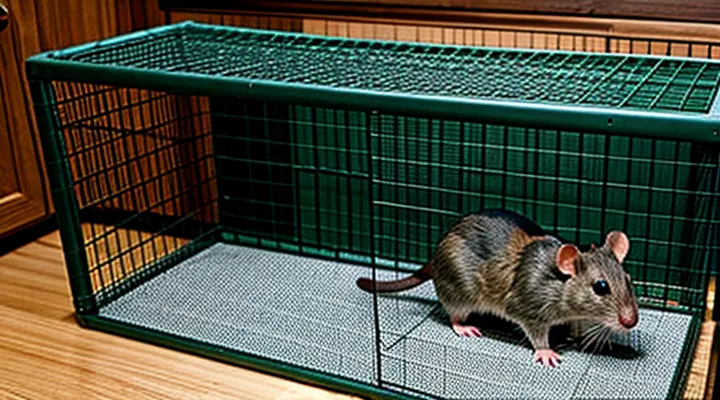
Understanding Rat Needs and Well-being
Why Cage Size Matters
Physical Health
A rat confined to a space that does not permit full extension of its limbs experiences reduced locomotor activity, leading to muscle atrophy and joint stiffness. Sufficient floor area encourages natural ambulation, preventing weight gain and supporting cardiovascular function. Adequate vertical space allows climbing and rearing, which strengthens hind‑limb musculature and promotes bone density.
Providing a cage with the following dimensions supports the animal’s physical health:
- Minimum floor area: 0.5 m² (approximately 540 cm²). Larger areas further improve activity levels.
- Height: at least 30 cm, enabling vertical movement and proper posture.
- Enrichment items (e.g., tunnels, platforms) occupying no more than 20 % of the floor space, ensuring free movement around them.
- Bedding depth of 5–7 cm, allowing digging behavior without compromising hygiene.
Consistent access to fresh water and a balanced diet, combined with the space specifications above, reduces incidence of obesity, respiratory problems, and musculoskeletal disorders. Regular health checks should verify that body condition scores remain within the optimal range, confirming that cage dimensions meet physiological demands.
Mental Stimulation and Behavior
Rats require regular cognitive challenges to maintain adaptive behavior. Activities that encourage problem‑solving, foraging, and manipulation of objects stimulate neural pathways and prevent the development of repetitive movements such as bar‑gnawing or pacing.
Adequate enclosure dimensions enable the placement of diverse enrichment tools and provide sufficient distance for exploratory routes. When space permits, rats can establish distinct zones for nesting, feeding, and play, which mirrors natural territorial organization and reduces stress‑induced aggression.
- Puzzle feeders that release food after manipulation
- Climbing structures with varying diameters and textures
- Tunnels and hideaways that create concealed pathways
- Objects that can be rearranged to alter the layout
Implementing these elements within an enclosure that meets the recommended floor area of at least 0.5 square feet per animal and a height allowing vertical movement supports sustained mental engagement. Continuous observation of activity patterns confirms whether the environment successfully promotes curiosity and prevents maladaptive behaviors.
Key Considerations for Cage Dimensions
Minimum Space Requirements
Length and Width
The horizontal dimensions of an enclosure for a solitary rat determine the animal’s ability to explore, exercise, and arrange enrichment. Length and width must provide sufficient floor area while allowing placement of food, water, and nesting materials without crowding.
- Minimum floor space: 1 ft × 2 ft (30 cm × 60 cm).
- Preferred floor space: 2 ft × 3 ft (60 cm × 90 cm).
- Additional space per extra enrichment item: 0.2 ft × 0.2 ft (6 cm × 6 cm).
A longer dimension encourages natural foraging routes, while a wider layout supports lateral movement and social signaling, even in solitary housing. Adequate width prevents the rat from being forced into a narrow tunnel, reducing stress on limbs and spine. The recommended sizes balance space efficiency with the rat’s instinctual need to travel, turn, and explore multiple zones within the same enclosure.
Height and Vertical Space
Vertical space determines a rat’s ability to climb, explore, and exhibit natural postures. Insufficient height restricts these behaviors, leading to reduced muscle development and increased stress.
Recommended minimum interior height for a solitary adult rat:
- 12 inches (30 cm) for basic housing; allows standing and modest climbing.
- 16 inches (40 cm) for enriched environments; accommodates ladders, platforms, and multi‑level toys.
- 20 inches (51 cm) or greater for advanced enrichment; supports extensive vertical structures and facilitates full extension of the spine during stretching.
Adjust height upward for juveniles transitioning to adulthood, for unusually large breeds, or when incorporating tall climbing apparatuses. Ensure that the cage’s overall height exceeds the tallest vertical element by at least 2 inches to prevent obstruction.
Adequate vertical clearance promotes skeletal health, encourages natural foraging movements, and enables the rat to adopt a standing posture for brief periods. These outcomes correlate with improved locomotor coordination and lower incidence of musculoskeletal issues.
Enriching the Cage Environment
Levels and Platforms
Levels and platforms add vertical complexity to an enclosure designed for a solitary rat, allowing the animal to express natural climbing and perching behaviors. Incorporating at least one elevated surface improves activity levels and reduces boredom without compromising the primary floor space needed for movement and nesting.
A practical configuration includes one to two platforms positioned opposite each other along the longer axis of the cage. This arrangement creates a clear travel path between floor and elevation, facilitating exploration while preserving a central zone for bedding and hideouts.
Recommended platform specifications:
- Minimum surface area: 100 mm × 150 mm (approximately 4 in × 6 in).
- Height above floor: 75 mm to 150 mm (3 in to 6 in), providing sufficient climb without risking injury.
- Edge clearance: at least 5 mm (0.2 in) to prevent snagging of paws.
- Material: non‑porous, chew‑resistant plastic, stainless steel, or coated wood; surface must be smooth, free of splinters, and easy to clean.
Attachment methods must secure platforms firmly to the cage walls or base, using brackets or built‑in slots that distribute load evenly. Adjustable mounting points allow fine‑tuning of height and angle, accommodating individual size differences among rats.
Safety considerations include:
- Ensuring a stable foothold; platforms should not wobble under the animal’s weight.
- Providing a gentle slope or low‑profile ramp if the height exceeds 100 mm, reducing the risk of falls.
- Maintaining clear space beneath each platform for unobstructed movement and for placement of tunnels or tubes.
When levels and platforms adhere to these dimensions and mounting standards, they complement the overall cage layout, delivering enrichment that aligns with the physiological and behavioral needs of a single rat.
Hiding Spots and Shelters
Providing adequate hiding spots and shelters is a critical component of a well‑designed enclosure for a solitary rat. These structures satisfy the animal’s instinctual need for security, reduce stress, and encourage natural behaviors such as nesting and foraging.
A properly sized cage should include multiple, varied refuges that are easily accessible yet allow the rat to retreat from view. Recommended elements are:
- A closed tunnel or PVC pipe segment, at least 4 inches in diameter, positioned horizontally to mimic burrow passages.
- A solid, opaque box or plastic hideaway with an entrance opening of 2 inches or larger, placed on the cage floor to serve as a primary nest site.
- A raised platform with a detachable fabric cover, offering a semi‑enclosed loft that allows the rat to observe its environment while feeling concealed.
- A stack of untreated wooden logs or chew blocks arranged to create crevices, satisfying both shelter and gnawing needs.
Placement considerations:
- Distribute shelters throughout the cage to prevent crowding in a single area.
- Ensure at least one hideaway is positioned away from the main feeding zone, reducing competition between feeding and resting spaces.
- Maintain a minimum clearance of 1 inch between shelters and cage walls to allow free movement and cleaning access.
Materials should be non‑toxic, easy to sanitize, and free of sharp edges. Regular inspection for wear and replacement of damaged shelters preserves hygiene and prevents injury. Incorporating these elements within an appropriately proportioned enclosure promotes the rat’s physical health and psychological well‑being.
Exercise Equipment
A single rat requires an enclosure that provides enough floor space for movement, climbing, and exploration; exercise equipment must be proportioned to this space to avoid crowding and stress.
- Running wheels with a diameter of 15–20 cm, solid or mesh, prevent foot injuries.
- Suspended ladders and rope bridges should span no more than one‑third of the cage width, allowing the rat to traverse without obstruction.
- Chewable tunnels and hideouts, constructed from untreated hardwood, occupy a minimum of 10 % of the floor area to maintain open zones for activity.
Equipment dimensions should be calculated against the cage’s internal volume. For an enclosure offering 0.5 m² of floor space, allocate at least 0.35 m² to open area; the remaining 0.15 m² can host the selected apparatus. Clearance of 2–3 cm around each item ensures unhindered locomotion and reduces the risk of entanglement.
Materials must resist gnawing, be non‑toxic, and allow routine sanitation. Secure mounting points prevent tipping, while detachable components simplify cleaning without exposing the rat to hazardous residues.
Rotate or replace items periodically to stimulate novelty and prevent habituation. Monitoring wear patterns identifies when replacement is necessary, preserving both the rat’s safety and the enclosure’s functional integrity.
Choosing the Right Cage Type
Wire Cages
Bar Spacing
Bar spacing determines whether a rat can move freely, access enrichment, and remain safe from injury. Bars set too close together allow the animal to become trapped, while excessively wide gaps enable escape or exposure to predators. The dimension of the animal, typical body width, and the ability to squeeze through openings dictate the optimal range.
- Minimum gap: 0.5 cm (0.20 in). Prevents the rat from slipping its head or limbs through the bars.
- Maximum gap: 1.0 cm (0.40 in). Ensures the animal cannot squeeze its entire body past the opening.
- Preferred interval: 0.7 cm (0.28 in). Balances ventilation, visibility, and structural strength of the cage.
Spacing should be consistent across all sides of the enclosure. Horizontal bars placed 2–3 cm (0.8–1.2 in) apart support climbing without creating hazardous footholds. Vertical bars spaced at the recommended gap maintain a secure perimeter while allowing adequate airflow. When selecting a cage, verify that the manufacturer’s specifications meet these measurements; otherwise, custom modifications may be required to achieve the appropriate dimensions.
Solid Bottom
A solid bottom provides a stable platform that prevents the animal from falling through gaps, ensuring safety in any enclosure designed for a solitary rat. The surface must be flat, non‑slippery, and capable of supporting the weight of the rat and any accessories such as water bottles, food dishes, and enrichment items. Materials commonly used include stainless steel, acrylic, or thick, chew‑resistant plastic; each offers durability and ease of cleaning.
Key considerations for selecting a solid base include:
- Load‑bearing capacity: the floor should withstand the combined weight of the rat and equipment without warping.
- Hygiene: smooth, non‑porous surfaces facilitate disinfection and reduce bacterial growth.
- Compatibility with bedding: the material must allow secure placement of absorbent substrates while preventing them from tearing or slipping.
- Insulation: a solid floor should not become excessively cold; integrating a thin layer of insulating material can maintain a comfortable temperature.
When determining overall enclosure dimensions, the solid bottom dictates the minimum floor area required for adequate movement. A floor space of at least 0.5 square feet (≈0.05 m²) is recommended for a single rat; larger areas promote natural foraging and exploratory behavior. The base should be anchored to the cage walls to eliminate gaps that could lead to escape or injury.
Proper maintenance involves weekly removal of all bedding, thorough cleaning with a mild disinfectant, and inspection for scratches or wear that could compromise structural integrity. Replacing the floor when signs of damage appear preserves the health and well‑being of the rat and upholds the standards of an optimal housing environment.
Aquariums and Tanks
Ventilation Concerns
Ventilation directly influences the health of a solitary rat by regulating temperature, humidity, and air quality within the enclosure. Stagnant air promotes the growth of mold, the accumulation of ammonia from urine, and the proliferation of respiratory pathogens. Therefore, the cage must allow continuous exchange with fresh air while preventing drafts that could cause thermal stress.
Key ventilation factors include:
- Airflow rate: A minimum of 0.5 cubic feet per minute per square foot of cage floor area ensures dilution of ammonia and carbon dioxide.
- Vent placement: Openings positioned near the top of the cage facilitate warm, moist air to rise and exit, while lower vents draw in cooler, drier air.
- Filter integration: Activated charcoal or HEPA filters on intake vents reduce dust and odor without restricting flow.
- Material permeability: Mesh panels or perforated plastic components should have openings no larger than 3 mm to prevent escape while maintaining sufficient permeability.
Monitoring devices such as hygrometers and ammonia detectors provide real‑time data, allowing adjustments to vent size or supplemental fans. Properly balanced ventilation, combined with an appropriately sized cage, creates a stable environment that supports the rat’s respiratory health and overall well‑being.
Material Considerations
Choosing the cage material directly influences durability, hygiene, and the animal’s welfare. Solid plastic provides seamless surfaces that resist bacterial growth and simplify cleaning. However, it can become brittle under prolonged UV exposure, requiring periodic replacement. Wire mesh offers excellent ventilation and visual stimulation but demands a fine gauge to prevent paw injuries and may corrode if not coated with rust‑inhibiting paint. Wood delivers natural insulation and aesthetic appeal, yet it absorbs moisture, fostering mold unless treated with non‑toxic sealants. Acrylic panels give clear visibility and are lightweight, but they scratch easily and can shatter under impact.
Key material criteria:
- Non‑toxicity: All components must be free of lead, phthalates, and other harmful chemicals.
- Structural strength: The enclosure must support the rat’s climbing behavior without deformation.
- Ease of sanitation: Surfaces should allow thorough disinfection without degradation.
- Thermal stability: Materials should maintain comfortable interior temperature across seasonal fluctuations.
When integrating material choice with cage dimensions, prioritize a combination that meets structural integrity while accommodating the required floor area and height for normal activity. A hybrid design—plastic base, wire side panels, and a removable acrylic front—balances ventilation, visibility, and cleaning efficiency, aligning with the functional demands of a single‑rat habitat.
Factors Influencing Optimal Size
Rat Temperament and Activity Level
Active Breeds
Active rat strains such as Sprague‑Dawley, Wistar, Long‑Evans, and Hooded exhibit higher locomotor activity than more sedentary varieties. Their propensity for extended exploration and vigorous running demands increased floor space to prevent stress‑induced behaviors and to support natural movement patterns.
Key dimensions for housing a solitary, highly active rat:
- Minimum floor area: 1,200 cm² (approximately 12 × 10 inches) to allow full stride length.
- Minimum height: 30 cm to accommodate vertical climbing and nesting structures.
- Enrichment placement: running wheels, tunnels, and chew toys should be positioned to utilize at least 70 % of the available floor area, ensuring unobstructed paths.
When selecting a cage for an active breed, prioritize models with solid flooring and smooth interior surfaces to reduce injury risk during rapid locomotion. Wire‑mesh bases, while offering ventilation, can impede grip and increase foot trauma in rats that frequently dash across the floor.
Adjustable partitions are unnecessary for a single occupant; however, providing a removable divider can facilitate cleaning without disturbing the animal’s established territory.
Overall, a cage meeting or exceeding the dimensions above supports the physiological and behavioral needs of active rat strains, promoting health and reducing the likelihood of stereotypic activity.
Calmer Individuals
Calmer individuals tend to interact with solitary rodents in a manner that reduces environmental stressors, allowing the enclosure dimensions to focus on the animal’s intrinsic spatial needs rather than compensating for human agitation. When caregivers maintain a composed demeanor, the rat’s behavior reflects natural exploratory patterns, providing reliable data for determining the most suitable cage size.
Reduced human-induced stress leads to consistent activity cycles, clearer assessment of locomotor range, and stable grooming habits. These factors enable precise measurement of the minimum floor area required to prevent stereotypic movements and support normal foraging behavior.
Recommended minimum dimensions for a single rat, based on observations under calm handling conditions:
- Floor space: 0.5 m² (approximately 54 in × 54 in) or larger.
- Height: 0.3 m (12 in) to allow vertical climbing and enrichment placement.
- Enclosure volume: at least 0.15 m³, ensuring adequate airflow and space for bedding depth.
Providing an enclosure that meets or exceeds these specifications promotes physical health, mental well‑being, and natural activity patterns. The correlation between caregiver composure and accurate cage‑size assessment underscores the importance of maintaining a tranquil environment during husbandry practices.
Long-term Housing
Growth and Development
The physical environment directly affects a rat’s somatic growth, skeletal maturation, and behavioral development. An enclosure that provides sufficient floor area encourages regular locomotion, which stimulates muscle hypertrophy and supports normal bone density. Limited space restricts exploratory behavior, leading to reduced physical activity, delayed weight gain, and increased incidence of musculoskeletal abnormalities.
Research indicates that an individual rat requires a minimum floor space of approximately 0.5 square feet (≈0.05 m²) to maintain healthy growth trajectories. Larger areas, up to 1.0 square foot (≈0.09 m²), further enhance development by allowing:
- Vertical climbing structures that promote forelimb strength and spinal flexibility.
- Multiple enrichment zones that reduce stress‑induced hormonal suppression of growth factors.
- Adequate distance for natural foraging patterns, supporting proper digestive system maturation.
Providing a cage that meets or exceeds these dimensions, coupled with regular cleaning and enrichment rotation, yields measurable improvements in body weight gain, fur condition, and cognitive performance throughout the juvenile and adult phases.
Potential for Companionship
The size of an enclosure designed for an individual rat influences the animal’s capacity to experience companionship, whether through interaction with humans or periodic exposure to other rats. A spacious cage permits enrichment items, such as tunnels and climbing structures, that facilitate social-like behaviors even in the absence of a conspecific. These elements encourage exploration, reduce monotony, and create opportunities for the owner to engage in handling sessions that mimic social contact.
When the cage provides sufficient floor area and vertical space, the rat can move freely between distinct zones, enabling the caretaker to introduce short, supervised visits with a second rat without causing territorial stress. The following factors support this approach:
- Minimum floor space of 600 cm² per rat, with additional 300 cm² for each enrichment object.
- Vertical height of at least 30 cm to accommodate climbing platforms and hammocks.
- Placement of multiple hiding spots to allow the rat to retreat during brief social encounters.
Regular, brief interactions with a companion rat, conducted within a properly sized enclosure, have been shown to improve the solitary animal’s behavioral repertoire. The rat exhibits increased grooming, play-like movements, and reduced stereotypic pacing when such social exposure is scheduled consistently. Conversely, an undersized cage restricts movement, limits enrichment placement, and diminishes the effectiveness of any companionship attempts, leading to heightened stress markers.
In practice, owners should measure the cage interior, verify that enrichment items do not overcrowd the space, and plan supervised introductions that respect the rat’s territorial boundaries. By aligning enclosure dimensions with these guidelines, the potential for meaningful social interaction remains viable even for a rat housed alone.
Setting Up and Maintaining the Cage
Placement and Location
Temperature and Light
Temperature control is essential for a solitary rat’s physiological stability. Ambient conditions should remain between 18 °C and 26 °C (64 °F–79 °F); deviations outside this band increase metabolic stress and can precipitate respiratory or cardiovascular problems. Consistent temperature reduces the need for the animal to seek micro‑climates within the enclosure, thereby allowing a more uniform use of the available floor space.
Lighting must replicate a natural photoperiod to sustain circadian rhythms. A cycle of 12 hours light and 12 hours darkness provides optimal entrainment. Light intensity should not exceed 250 lux at the cage floor, preventing retinal strain while ensuring sufficient illumination for observation. Sudden changes in illumination level or duration disrupt activity patterns and may lead to heightened aggression, prompting the rat to occupy only a portion of the cage.
The interplay of temperature and light influences spatial requirements:
- Stable temperature eliminates the need for additional insulated corners, allowing the full floor area to be utilized.
- Proper photoperiod encourages regular exploration, ensuring the rat occupies the entire enclosure rather than confining itself to sheltered zones.
- Uniform environmental conditions reduce the risk of localized overheating or cooling, which can otherwise necessitate extra space for thermoregulatory behavior.
When designing an enclosure for a single rat, maintain the specified temperature range and photoperiod, then allocate floor space based on the animal’s natural activity level rather than on compensatory zones for thermal or lighting irregularities. This approach yields an efficient, health‑promoting habitat that maximizes usable area.
Noise and Activity
Noise levels and the amount of activity a rat exhibits are critical determinants of enclosure dimensions. High ambient sound can stress a solitary rodent, leading to reduced exploratory behavior and increased aggression. A larger interior provides distance from the cage walls, diminishing the impact of sudden noises and allowing the animal to retreat to quieter zones.
Activity patterns influence space requirements in two ways. First, rats naturally run several hundred meters per night; sufficient floor area accommodates continuous movement without repetitive collisions with barriers. Second, enrichment objects—wheels, tunnels, chew toys—generate additional motion and must be positioned to prevent overcrowding, which otherwise amplifies sound reverberation.
Key considerations for minimizing noise‑related stress while supporting vigorous activity:
- Minimum floor space of 1 ft² (≈0.09 m²) per rat, with extra area for enrichment.
- Vertical height of at least 12 in (30 cm) to allow climbing without creating echo chambers.
- Placement of soft bedding and sound‑absorbing liners to dampen vibrations.
- Strategic distribution of toys to avoid clustering that intensifies acoustic feedback.
Cleaning and Hygiene
Substrate and Bedding
Choosing the right substrate directly affects hygiene, comfort, and behavior in an appropriately sized enclosure for a solitary rat. Absorbent, low‑dust materials such as paper‑based bedding, compressed wood shavings, or coconut fiber maintain dry conditions, reduce respiratory irritation, and simplify spot cleaning. Non‑absorbing options like sand or corn cob require frequent replacement to prevent moisture buildup and odor accumulation.
When selecting a bedding, consider the following criteria:
- Absorbency: Must retain urine and moisture without becoming soggy within 24 hours.
- Dust level: Should be minimal (< 5 % particulate) to protect the animal’s respiratory system.
- Safety: Free of sharp edges, toxic chemicals, or large fragments that could cause injury.
- Odor control: Naturally scented or treated with safe antimicrobial agents to limit ammonia formation.
Layer depth influences both comfort and waste management. A 2‑3 cm base provides cushioning while allowing rapid absorption; deeper layers (> 5 cm) may trap excess moisture and hinder cleaning. For cages that meet recommended floor space (minimum 450 cm²), a uniform bedding layer ensures consistent coverage across the entire area.
Regular maintenance preserves substrate effectiveness. Remove soiled portions daily, replace the entire bedding weekly, and sanitize the cage interior with a mild, rodent‑safe disinfectant. Monitoring for signs of irritation—scratching, sneezing, or respiratory distress—guides adjustments in substrate type or depth.
Overall, an optimal substrate balances moisture control, low dust, and safety, supporting the health and natural behaviors of a single rat housed in an adequately sized habitat.
Regular Sanitization
Regular sanitization maintains a healthy environment for a solitary rat and directly supports the effectiveness of an appropriately sized enclosure. Cleanliness prevents the buildup of pathogens, reduces odor, and minimizes stressors that can compromise the animal’s well‑being.
A consistent cleaning schedule is essential. Aim for daily spot‑cleaning of waste and food residues, followed by a thorough deep cleaning once a week. Deep cleaning should involve removal of all bedding, disinfection of surfaces, and replacement of fresh bedding before re‑introducing the rat.
Effective sanitization employs the following practices:
- Use a mild, rodent‑safe disinfectant; avoid harsh chemicals that can irritate the respiratory system.
- Rinse all surfaces with water after disinfecting to eliminate residue.
- Dry the cage completely before adding new bedding to prevent mold growth.
- Clean feeding dishes and water bottles daily with hot, soapy water, then rinse thoroughly.
The size of the cage influences cleaning efficiency. An enclosure that provides sufficient space for the rat to move, explore, and separate feeding and elimination zones reduces the frequency of high‑traffic contamination. Adequate floor area allows waste to be confined to designated corners, simplifying spot‑cleaning and preserving the integrity of the deep‑cleaning process.
Implementing disciplined sanitization protocols ensures that the chosen cage dimensions deliver the intended health benefits, supporting the rat’s longevity and behavior.