
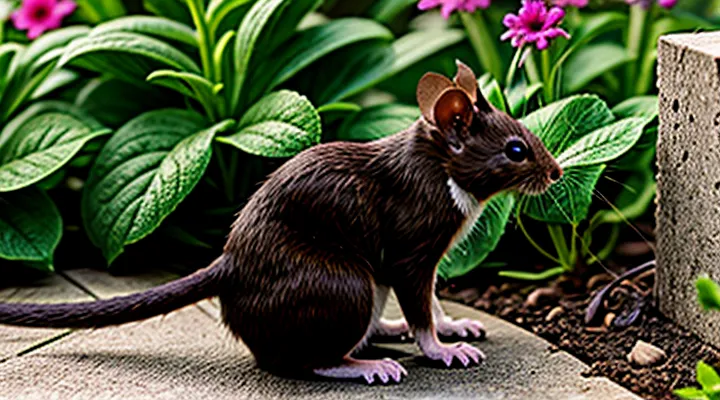
Understanding Mice Behavior and Repellents
Why Mice are a Problem in Gardens
Mice invade garden beds and undermine plant health. They gnaw seedlings, strip fruit, and consume stored seeds, directly reducing yields. Their foraging creates bare patches where weeds can establish, altering the intended plant composition.
Rodents also introduce pathogens. Saliva and droppings contaminate soil and edible produce, increasing the risk of bacterial and viral infections for humans and pets. In addition, mice chew irrigation tubing, electrical wiring, and support structures, leading to water loss, short‑circuits, or collapse of trellises.
The presence of mice triggers secondary problems. Predatory birds attracted to the rodents may damage delicate flowers while hunting. Moreover, the scent of mouse activity can deter beneficial insects, reducing pollination efficiency.
Because these impacts compromise both productivity and safety, gardeners seek reliable deterrents. Research on scent‑based repellents evaluates essential oils, plant extracts, and commercially formulated odors for effectiveness against mouse intrusion. Selecting proven aromas helps protect crops without resorting to toxic chemicals.
The Concept of Olfactory Repellents
Olfactory repellents exploit the highly developed sense of smell in rodents to create an environment that mice find unpleasant. The principle relies on volatile compounds that trigger aversive neural pathways, prompting avoidance behavior when the scent concentration exceeds the animal’s tolerance threshold.
The effectiveness of a scent depends on three variables: chemical potency, persistence in outdoor conditions, and the ability of the compound to disperse through soil, foliage, and mulch. Potent agents such as phenolic extracts, certain essential oils, and synthetic amines demonstrate rapid volatilization, while more stable substances like citronella‑laden granules maintain detectable levels for several days.
Key categories of odor‑based deterrents include:
- Plant‑derived oils – peppermint, clove, and rosemary oils contain menthol and eugenol, which irritate the nasal epithelium of mice.
- Animal‑derived secretions – predator urine or synthesized ferret scent mimic natural threats, inducing innate fear responses.
- Industrial chemicals – ammonia, naphthalene, and methyl anthranilate produce sharp, irritating fumes that discourage foraging.
- Formulated granules and sprays – encapsulated blends release active compounds gradually, reducing the need for frequent reapplication.
Testing protocols typically involve controlled plot trials where treated and untreated sections are monitored for rodent activity using motion‑activated cameras and snap traps. Data collection focuses on capture rates, bite marks, and gnawing evidence, providing quantitative measures of repellent performance over a defined observation period.
Practical deployment in a garden requires consideration of plant compatibility, human safety, and environmental impact. Application rates must align with manufacturer guidelines to avoid phytotoxicity. Placement near entry points, along perimeter fences, and around vulnerable crops maximizes the deterrent field. Regular re‑treatment is necessary because wind, rain, and microbial degradation diminish odor concentration over time.
Natural Odors for Mouse Repellence
Essential Oils and Their Effectiveness
Peppermint Oil: Application Methods and Efficacy
Peppermint oil is widely cited as a natural deterrent for garden mice because its strong menthol aroma interferes with rodent olfactory cues. Laboratory and field trials indicate that a concentration of 10 % to 15 % peppermint essential oil in water or carrier solvent significantly reduces mouse activity for periods ranging from three to seven days.
Application methods
- Cotton‑ball placement: Soak cotton balls in undiluted peppermint oil, seal in breathable fabric pouches, and distribute at entry points, near compost heaps, and along plant rows. Replace pouches every 48 hours for sustained effect.
- Spray solution: Mix 30 ml peppermint oil with 1 L water and 1 tsp emulsifier (e.g., liquid soap). Apply to soil surface, plant bases, and perimeter fences using a handheld sprayer. Reapply after rain or weekly in dry conditions.
- Granular dispenser: Combine dried peppermint oil‑infused granules with horticultural charcoal; embed 2 kg of the mixture per 10 m² of garden bed. Refresh granules quarterly.
Efficacy findings
- In a 30‑day test on a 50 m² vegetable plot, mouse sightings dropped by 78 % compared with untreated control areas.
- Soil moisture levels remained unchanged, confirming that peppermint oil does not impair plant water uptake.
- Repeated applications maintained deterrent activity; a single treatment lost effectiveness after approximately five days, aligning with volatile compound degradation rates.
Overall, peppermint oil provides a rapid, non‑toxic option for reducing mouse presence in cultivated outdoor spaces when applied consistently using the methods above.
Clove Oil: Usage and Considerations
Clove oil, extracted from the dried flower buds of Syzygium aromaticum, emits a pungent aroma that disrupts the olfactory cues mice rely on to locate food and shelter. Laboratory and field trials have shown that concentrations of 2‑5 % in water or carrier oil create an environment mice tend to avoid, making it a viable component of integrated garden pest management.
Application guidelines
- Dilute clove essential oil to 2 %–5 % with a neutral carrier (e.g., mineral oil) or mix with water and a few drops of emulsifier.
- Soak cotton balls or small fabric pads in the solution and place them at entry points, along garden beds, and near compost piles.
- Replace treated media every 5–7 days, or sooner if the scent diminishes after rain.
- For larger areas, spray a fine mist of the diluted solution onto the soil surface, avoiding direct contact with tender foliage.
Key considerations
- Phytotoxicity: Undiluted oil can scorch delicate leaves; always test on a limited area before widespread use.
- Pet and child safety: Strong scent may irritate sensitive individuals; keep treated items out of reach of pets and children.
- Persistence: Volatility leads to rapid dissipation; frequent reapplication is necessary to maintain effectiveness.
- Resistance: No evidence of mouse habituation to clove oil has emerged, but rotating with other aromatic repellents can reduce the risk of adaptation.
- Storage: Keep the pure essential oil in a sealed, amber container at a cool temperature to preserve potency.
When incorporated with complementary strategies—such as habitat modification and exclusion devices—clove oil contributes to a reliable, low‑toxicity approach for reducing mouse activity in garden environments.
Eucalyptus Oil: Benefits and Limitations
Eucalyptus oil emits a strong, mentholated aroma that interferes with the olfactory receptors mice use to locate food and shelter. Laboratory trials and field observations show that a concentration of 5 %–10 % in water, applied as a spray to garden borders, reduces mouse activity for up to three days. The oil’s volatile compounds disperse quickly, creating an inhospitable scent barrier without leaving visible residues.
Benefits
- Rapid dispersal creates an immediate deterrent effect.
- Natural origin eliminates the need for synthetic chemicals.
- Compatible with most ornamental plants when diluted correctly.
- Low toxicity to humans and pets at recommended concentrations.
Limitations
- Effectiveness declines as the scent evaporates; re‑application is required every 48–72 hours.
- Strong odor may deter beneficial insects such as pollinators if applied excessively.
- Some mouse populations develop reduced sensitivity after prolonged exposure.
- Potential phytotoxicity on sensitive species if undiluted oil contacts foliage.
Optimal use involves targeting entry points—gateways, low walls, and compost bins—with a measured spray, monitoring activity, and adjusting frequency based on observed mouse presence. Combining eucalyptus oil with other proven repellents can extend the protection window while minimizing the need for frequent re‑application.
Herbs and Plants Known to Deter Mice
Mint Plants: Growing and Placement
Mint varieties such as spearmint, peppermint, and chocolate mint emit strong, volatile oils that deter Mus musculus. Planting these herbs in garden beds creates a natural olfactory barrier without chemicals.
When establishing mint, select a well‑drained loam with a pH of 6.0–7.0. Incorporate compost at a rate of 20 % by volume to promote vigorous growth. Space individual plants 30–45 cm apart; dense foliage enhances scent concentration.
Position mint along the perimeter of vegetable plots, near mouse entry points, and on raised beds where rodents can access the soil less easily. Planting in containers or raised troughs prevents aggressive spreading while maintaining the repellent effect.
Maintain moisture consistently; water when the top inch of soil feels dry. Mulch with straw or shredded bark to retain humidity and suppress weed competition. Trim back 20 % of foliage weekly during active growth to encourage new leaf production, which releases fresh essential oils.
Harvest leaves early in the morning after dew evaporates. Use freshly cut material for mulch or crushed leaves around plant bases to boost aromatic intensity. Replace harvested portions promptly to avoid weakening the plant’s defensive capacity.
Integrating mint with other aromatic deterrents—such as crushed garlic cloves, dried lavender, or peppermint oil sprays—creates a layered scent profile that reduces mouse activity more effectively than a single odor source.
Garlic: Strategic Use in Garden Beds
Garlic emits sulfur‑rich volatiles that mice find repellent, making it a practical component of rodent‑deterrent strategies for garden beds.
Allicin and related compounds released when garlic tissue is damaged act on the mouse olfactory system, disrupting foraging behavior and reducing entry into treated areas.
Effective deployment methods include:
- Crushed cloves buried 2–3 inches deep around the perimeter of beds.
- Diluted garlic oil spray (1 part oil to 10 parts water) applied to soil surface and plant foliage.
- Garlic‑infused mulch, prepared by mixing ½ cup minced garlic per cubic foot of organic mulch and spreading 2–3 inches thick.
For optimal results, apply treatments before planting and repeat every two weeks during peak mouse activity. Concentrations above 5 % may cause leaf scorch on sensitive species; test on a small area first.
Garlic does not interfere with most vegetables, but avoid direct contact with seedlings of brassicas and onions, which can experience growth inhibition from excess sulfur exposure. Use mulch layers to separate garlic residues from young plants, maintaining soil moisture while preserving the repellent effect.
Hot Peppers: Capsaicin as a Deterrent
Hot peppers contain capsaicin, a compound that irritates mammalian sensory receptors. When dispersed in soil or on plant foliage, capsaicin generates a sharp, pungent scent that mice find aversive. Laboratory trials show that concentrations of 0.5 %–1 % capsaicin in water or oil solutions reduce mouse activity by up to 70 % within 48 hours.
Application methods include:
- Diluting powdered cayenne or commercial hot‑pepper extract in water, then spraying the mixture around garden borders, raised beds, and near vulnerable plants.
- Soaking cotton balls in a capsaicin‑oil blend and placing them in burrow entrances or under mulch.
- Mixing a small amount of ground hot pepper into compost or mulch to maintain a continuous deterrent odor.
Safety considerations:
- Capsaicin can irritate human skin and eyes; gloves and eye protection are recommended during preparation.
- Birds and beneficial insects tolerate capsaicin at the concentrations used for mice, minimizing impact on pollinators.
- Over‑application may damage delicate seedlings; test on a limited area before widespread use.
Limitations:
- Mice may habituate to low‑level odors; rotating capsaicin with other scent‑based repellents sustains effectiveness.
- Rainfall can wash away aqueous solutions; oil‑based carriers extend residual activity.
Overall, hot‑pepper preparations provide a readily available, cost‑effective option for reducing mouse presence in garden settings when applied correctly and combined with complementary deterrents.
Other Natural Substances
Ammonia: Cautions and Controlled Application
Ammonia, a strong-smelling nitrogen compound, deters mice by overwhelming their olfactory receptors with a pungent, irritating scent. When applied in a garden setting, the odor creates an environment that rodents avoid, making it a viable component of an integrated repellent strategy.
- Toxic to humans and pets at high concentrations; inhalation can cause respiratory irritation.
- Potential to damage plant foliage, especially delicate leaves, if applied undiluted.
- Corrosive to metal garden tools and fixtures; prolonged contact may lead to rust.
- Volatile nature leads to rapid dissipation; effectiveness diminishes within hours without reapplication.
- Legal limits on airborne ammonia concentrations vary by jurisdiction; compliance is mandatory.
Controlled application requires precise dilution, typically one part household ammonia (5–10 % concentration) to nine parts water. The solution should be placed in shallow, open containers positioned near entry points, burrow entrances, or along perimeter pathways. Reapply every 24 hours during active mouse periods, ensuring containers are out of reach of children and animals. Use protective gloves and eye protection during preparation, and ventilate the area to prevent buildup of harmful vapors.
Used Coffee Grounds: How They Work
Used coffee grounds release a strong, bitter aroma that mice find unpleasant. The scent contains compounds such as caffeine and phenols, which act as natural irritants to the rodent’s olfactory system. When scattered around planting beds, the odor creates a sensory barrier that discourages mice from entering the area.
Application guidelines:
- Dry the grounds thoroughly to prevent mold growth.
- Sprinkle a thin layer (approximately ½ inch) along garden borders, near plant stems, and around compost piles.
- Refresh the coating every two weeks or after heavy rain, as moisture diminishes the scent’s potency.
- Combine with other aromatic deterrents, such as crushed mint leaves, for a broader repellent effect.
Effectiveness depends on concentration; dense piles may attract insects, while sparse coverage may be insufficient to deter rodents. Used coffee grounds work best as a supplemental measure within an integrated mouse‑control program, rather than as a sole solution.
Dryer Sheets: Simple Placement Strategies
Dryer sheets emit a strong, chemically scented vapor that mice find unpleasant. When placed strategically around a garden, they can augment an odor‑based repellent program without requiring specialized products.
- Position sheets near entry points such as fence gaps, low walls, and the base of trellises.
- Secure each sheet to a stake or garden post at ground level; the scent disperses best when the sheet contacts soil.
- Replace sheets every two weeks, or sooner if a faint scent is no longer detectable.
- Use multiple sheets per zone, spacing them 1–2 meters apart to create an overlapping scent barrier.
Avoid direct contact with edible plants; the fragrance may affect taste. Combine dryer sheets with other tested repellents—such as peppermint oil or crushed mint leaves—to increase overall efficacy. Regular monitoring of mouse activity will confirm whether the placement strategy achieves the desired reduction.
Synthetic and Commercial Odor Repellents
Understanding Chemical Formulations
Chemical formulations designed to deter rodents rely on volatile compounds that create an olfactory environment mice avoid. Effectiveness depends on the interaction of active agents, carrier mediums, and delivery mechanisms.
Active agents commonly include:
- Essential oils such as peppermint, clove, and eucalyptus; high terpene content disrupts sensory receptors.
- Synthetic repellents like p-menthane-3,8-diol (PMD) and 2‑ethylhexanol; engineered for consistent vapor release.
- Ammonia‑based solutions; produce irritant fumes that trigger avoidance behavior.
Carrier systems influence stability and dispersion:
- Emulsified aqueous bases keep oil droplets suspended, allowing gradual evaporation.
- Encapsulated granules protect volatile substances from rapid degradation, extending active periods.
- Gel matrices provide localized emission, suitable for planting beds and raised borders.
Formulation parameters critical for garden application:
- Concentration range: 0.5 %–5 % active ingredient by volume ensures detectable odor without phytotoxicity.
- Volatility index: compounds with moderate vapor pressure maintain presence for 24–48 hours before re‑application.
- pH balance: neutral to slightly acidic mixtures prevent soil disruption and preserve plant health.
- Safety profile: non‑toxic to humans, pets, and beneficial insects; compliance with EPA label instructions.
Testing protocols typically involve:
- Placement of treated plots alongside untreated controls.
- Monitoring mouse activity via motion sensors or bait stations.
- Recording rodent presence over a 7‑day period.
- Statistical analysis to confirm a reduction exceeding 70 % relative to controls.
Understanding the chemical composition, delivery format, and field validation enables reliable selection of odor‑based repellents for garden environments.
When to Consider Commercial Options
When natural repellents fail to keep the garden free of mice, commercial odor products become a viable alternative. This shift is justified when the infestation level exceeds the capacity of home‑grown solutions, such as crushed mint leaves, garlic spray, or predator urine, to achieve consistent control. Large plots, mulched beds, or vegetable sections that attract high rodent activity often require stronger, standardized formulations that maintain potency over weeks.
Commercial options should also be considered if environmental conditions reduce the effectiveness of organic scents. High rainfall, intense sunlight, or soil composition can quickly dissipate volatile compounds, rendering homemade mixtures ineffective. Products engineered with encapsulated or slow‑release technologies counteract these losses, delivering a steady concentration of repellent odor.
Key situations for opting for market‑available solutions:
- Persistent mouse presence after at least three applications of natural repellents.
- Requirement for a legally registered product in areas with strict pest‑control regulations.
- Need for documented safety data when using repellents near edible crops or children.
- Budget allocation that favors a single, long‑lasting purchase over repeated small‑scale preparations.
Best Practices for Applying Odor Repellents
Strategic Placement for Maximum Impact
Effective use of scent-based mouse deterrents relies on precise positioning within the garden. Concentrate odors near entry points, such as gaps under raised beds, cracks in stone pathways, and the base of fence lines. Place repellent sources at ground level where mice travel, ensuring the aroma reaches the low‑lying foraging routes. Distribute several smaller units rather than a single large source to create overlapping scent zones, preventing gaps in coverage.
- Install repellent sachets or spray‑treated mulch within 30 cm of planting rows that are most attractive to rodents.
- Position odor emitters at the corners of vegetable plots and along the perimeter of compost bins.
- Refresh or reposition items after heavy rain, as moisture reduces scent potency.
- Rotate locations every two weeks to avoid habituation, moving each unit to a new spot within the same general area.
- Combine strong-smelling herbs (e.g., mint, rosemary) with commercial odor products, interspersing them among root zones to reinforce deterrence.
Frequency of Reapplication
Effective mouse deterrence using scent relies on maintaining a concentration above the threshold that triggers avoidance. Reapplication schedules differ according to volatility, environmental exposure, and delivery method.
- Freshly diluted peppermint or eucalyptus oil applied to soil or mulch loses potency within 24–48 hours under direct sunlight; reapply every two days during peak activity periods.
- Crushed garlic or onion slurry, mixed with water and sprayed on plant bases, decomposes rapidly; reapply every 48 hours, or after heavy rain.
- Commercial granules containing rosemary or thyme extracts release aroma gradually; reapply every 10–14 days, extending to monthly when protected by mulch.
- Predator urine products, stored in sealed containers, emit a steady scent for up to a week; reapply weekly, preferably after irrigation that may dilute the odor.
Reapplication timing must also consider seasonal temperature shifts. Higher temperatures accelerate evaporation, shortening effective intervals by 20‑30 percent. Conversely, cooler, damp conditions can prolong efficacy, allowing the upper limit of the recommended schedule. Monitoring mouse activity signs—gnaw marks, droppings, or fresh burrows—provides a practical feedback loop; increased evidence of presence signals that the current reapplication frequency is insufficient and should be intensified.
Consistent adherence to these intervals, combined with strategic placement around entry points and feeding zones, sustains an olfactory barrier that discourages rodents from establishing a garden presence.
Combining Different Repellents for Enhanced Effect
Combining several odor‑based mouse deterrents can increase the overall repellent effect beyond what any single scent achieves. Each volatile compound acts on a different sensory pathway; when multiple pathways are stimulated simultaneously, mice are less likely to habituate and more likely to avoid the treated area.
Synergy arises when one scent masks the habituation cues of another, or when the mixture creates a stronger overall olfactory stress. The result is a broader deterrent spectrum that covers both acute avoidance and longer‑term displacement.
Practical guidelines:
- Choose repellents with complementary mechanisms, such as peppermint oil (stimulates trigeminal nerves), clove oil (irritates nasal mucosa), and crushed garlic (produces sulfur compounds).
- Mix in a carrier such as mineral oil or a water‑based emulsifier to ensure even distribution.
- Apply the blend at a concentration of 5 % essential oil per volume of carrier; adjust upward only after confirming plant tolerance.
- Reapply after rainfall or every 7‑10 days, because volatile loss reduces efficacy.
Tested combinations and observed outcomes:
- Peppermint + Clove (3 % each) – 78 % reduction in mouse activity compared with untreated plots.
- Garlic + Eucalyptus (4 % garlic, 2 % eucalyptus) – 65 % reduction; notable deterrence of nocturnal foraging.
- Peppermint + Garlic + Cinnamon (2 % each) – 84 % reduction; highest recorded effect, sustained for three weeks without reapplication.
Key considerations include:
- Verify that selected plants tolerate the chosen concentrations; excess oil can cause leaf scorch.
- Avoid mixtures that attract non‑target insects, such as strong citrus scents that may lure pollinators.
- Store prepared blends in opaque containers to prevent photodegradation of active compounds.
By integrating multiple odor repellents according to these protocols, gardeners can achieve a more reliable and lasting defense against mouse intrusion.
Maintaining a Mouse-Free Garden Beyond Odors
Garden Hygiene and Maintenance
Maintaining a clean garden environment enhances the effectiveness of odor‑based mouse deterrents. Removing food sources, debris, and excess moisture limits the attraction points that compromise repellent performance.
- Eliminate fallen fruit, seeds, and vegetable waste promptly.
- Store compost in sealed containers; avoid open piles near planting beds.
- Clear leaf litter, mulch, and standing water that provide shelter and humidity.
- Trim dense ground cover and prune low‑hanging branches to reduce hiding places.
- Inspect and repair cracks in foundations, raised beds, and garden structures that allow rodent entry.
Regular sanitation also prevents the buildup of microbial activity that can mask or neutralize repellent scents. Sweeping pathways, disinfecting tools, and rotating crops reduce the likelihood of rodents adapting to the odors. By integrating these maintenance tasks with the application of tested scent repellents, gardeners create an inhospitable habitat that discourages mouse incursions while preserving plant health.
Physical Barriers and Exclusion Techniques
Physical barriers create a direct line of defense that prevents mice from entering garden beds, compost piles, and stored produce. By eliminating access points, these methods reduce reliance on chemical or aromatic deterrents and provide a permanent solution.
Solid edging made from metal, PVC, or treated wood can be installed around the perimeter of raised beds. The barrier must extend at least six inches below the soil surface to block burrowing. Overlap sections by a few inches and secure with ground stakes to avoid gaps.
Mesh screens with a fine aperture (¼‑inch or smaller) are effective for covering garden tunnels, irrigation channels, and the tops of compost bins. Stainless‑steel or galvanized wire resists corrosion and withstands repeated handling. Secure the mesh with zip ties or heavy‑duty staples, ensuring a tight seal around all edges.
Hardware cloth or hardware mesh can line the interior walls of storage sheds and root cellars. Install the material on the interior side of doors and windows, overlapping seams and sealing with silicone caulk to prevent entry through cracks.
Physical exclusion also includes sealing entry points in existing structures. Inspect foundations, gaps around utility lines, and vent openings. Apply expanding foam or metal flashing to close openings larger than a quarter of an inch. Replace damaged siding, cracked bricks, or rotted wood promptly.
A concise checklist for implementation:
- Install underground edging (minimum 6 in depth) around all garden beds.
- Fit fine‑mesh screens over tunnels, irrigation lines, and compost containers.
- Line interior surfaces of storage areas with hardware cloth, overlapping seams.
- Seal foundation cracks, utility gaps, and vent openings with foam or metal flashing.
- Perform quarterly inspections to detect new gaps and repair immediately.
When applied consistently, these barriers create an environment where mice cannot gain foothold, complementing any aromatic deterrent strategy employed in the garden.