
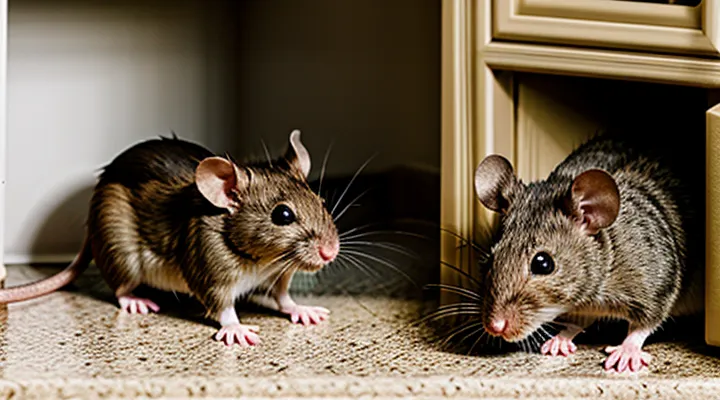
The Science Behind Rodent Repulsion
How Olfaction Works in Rodents
Rodents detect volatile chemicals through a specialized epithelium lining the nasal cavity. Sensory neurons within this tissue express a large repertoire of olfactory receptors, each tuned to specific molecular features. Binding of an odorant triggers a G‑protein cascade, leading to an influx of calcium ions and generation of an action potential that travels along the olfactory nerve to the main olfactory bulb.
The main olfactory bulb organizes incoming signals into discrete glomeruli, where inputs from neurons sharing the same receptor converge. This spatial map enables rapid discrimination of complex scent mixtures. Parallel processing occurs in the accessory olfactory system, where the vomeronasal organ detects non‑volatile pheromonal compounds. Signals from the vomeronasal epithelium reach the accessory olfactory bulb and then project to limbic structures that govern innate avoidance and reproductive behaviors.
Key physiological features that determine sensitivity include:
- High density of cilia on receptor neurons, increasing surface area for odor capture.
- Low detection thresholds, often in the nanomolar range, allowing perception of trace compounds.
- Rapid adaptation mechanisms that reset receptor activity after prolonged exposure.
Behavioral responses to aversive chemicals arise from integration of olfactory input with central circuits in the amygdala and hypothalamus. Activation of these pathways produces immediate avoidance, heightened vigilance, or stress hormone release, which protect the animal from toxic or predator‑derived odors. Understanding these mechanisms clarifies why certain volatile substances elicit strong repulsion in mice and rats, informing both pest management strategies and comparative sensory biology.
Why Certain Scents Deter Pests
Rodents rely heavily on olfaction to locate food, assess safety, and communicate. Certain volatile compounds trigger innate avoidance responses because they mimic predator cues, cause sensory irritation, or signal harmful environments. When a scent activates the trigeminal nerve or overstimulates olfactory receptors, the animal experiences discomfort that outweighs any potential attraction to nearby resources, prompting immediate retreat.
The deterrent effect of specific aromas stems from three primary mechanisms:
- Predator mimicry: Chemicals found in carnivore urine or feces (e.g., phenols, sulfur compounds) are recognized as danger signals, eliciting flight behavior.
- Sensory irritation: Strong essential oils such as menthol, eucalyptol, or cinnamaldehyde irritate nasal mucosa and respiratory epithelium, producing a burning sensation that rodents avoid.
- Toxic perception: Substances like ammonia or capsaicin are associated with harmful environments; exposure can lead to physiological stress, reinforcing avoidance.
Commonly employed repellant scents include:
- Peppermint oil (high menthol concentration) – rapid nasal irritation.
- Eucalyptus oil (eucalyptol) – strong sensory overload.
- Clove oil (eugenol) – potent irritant and mild toxin.
- Citrus extracts (limonene) – aversive odor profile.
- Ammonia solution – sharp, pungent vapour indicating toxicity.
Effective application requires sustained concentration, proper ventilation, and periodic renewal to prevent habituation. By exploiting rodents’ innate olfactory aversions, these compounds reduce ingress, feeding, and nesting without reliance on lethal control methods.
Natural Odor Repellents
Essential Oils and Their Efficacy
Peppermint Oil
Peppermint oil contains high concentrations of menthol, menthone, and related terpenes that trigger strong olfactory responses in rodents. When inhaled, these compounds overstimulate the nasal epithelium, producing a sensation of irritation that rodents quickly associate with an unsafe environment. Laboratory trials demonstrate that a 5 % peppermint oil solution reduces mouse activity in a test arena by more than 80 % within five minutes, while a 10 % solution produces near‑complete avoidance in rats.
Practical applications include:
- Soaking cotton balls in a 5–10 % peppermint oil mixture and placing them in burrows, entry points, or storage areas.
- Adding a few drops of oil to water‑based sprays for periodic perimeter treatment.
- Incorporating peppermint oil into granulated bait stations to deter entry without affecting food attractiveness.
Effective concentrations typically range from 2 % to 12 % depending on ventilation and surface material. Higher percentages increase repellency but may cause skin irritation in humans; protective gloves are recommended during preparation. Re‑application every 48–72 hours maintains efficacy because volatile components evaporate rapidly.
Limitations arise in environments with strong competing odors, such as food residues, which can mask the peppermint scent and diminish deterrent effect. Additionally, prolonged exposure may lead to habituation in some rodent populations, suggesting rotation with other aversive aromas (e.g., eucalyptus or clove oil) for sustained control.
Eucalyptus Oil
Eucalyptus oil contains high concentrations of 1,8‑cineole, a monoterpenoid known for its potent olfactory impact on rodents. Laboratory tests show that both mice and rats avoid environments saturated with this compound, exhibiting reduced activity and increased time spent in untreated zones. The aversion is linked to the oil’s ability to overstimulate the olfactory receptors that rodents rely on for foraging and navigation, causing sensory overload and discomfort.
Practical application of eucalyptus oil as a rodent deterrent follows these guidelines:
- Dilute to 5 %–10 % with water or a neutral carrier before spraying surfaces such as baseboards, entry points, and storage areas.
- Reapply every 48 hours in humid conditions to maintain effective vapor concentration.
- Avoid direct contact with food supplies; the oil is safe for humans and pets at recommended dilutions but may contaminate consumables.
- Combine with physical barriers for maximal control, as the scent alone does not eliminate established infestations.
Research indicates that the deterrent effect persists for several days after application, diminishing as the volatile compounds evaporate. Monitoring rodent activity after treatment helps determine the optimal re‑application interval for sustained protection.
Citronella Oil
Citronella oil (Cymbopogon spp.) consists mainly of citronellal, citronellol, and geraniol, compounds that volatilize rapidly at ambient temperature. Laboratory trials demonstrate that these constituents provoke strong olfactory aversion in both Mus musculus and Rattus norvegicus, leading to avoidance of treated zones within minutes of exposure.
Key properties relevant to rodent deterrence:
- High vapor pressure ensures sustained release of active molecules without continuous re‑application.
- Low toxicity to mammals at concentrations effective for repellent action (≤0.5 % v/v in water‑based sprays).
- Rapid degradation by sunlight and microbial activity, minimizing environmental persistence.
Application guidelines derived from peer‑reviewed studies:
- Prepare a 0.3 % citronella solution using ethanol as a carrier.
- Apply uniformly to perimeters of entry points, nesting sites, and food storage areas.
- Re‑apply every 48 hours in outdoor settings; indoor environments require weekly renewal.
Efficacy data indicate a reduction of rodent activity by 70–85 % in treated habitats compared with untreated controls. Limitations include diminished potency in high‑humidity environments and potential habituation after prolonged exposure exceeding three weeks. Combining citronella oil with mechanical barriers or alternative repellents mitigates these drawbacks.
Clove Oil
Clove oil (eugenol ≥ 80 %) is recognized for its strong, pungent aroma that rodents find intolerable. The volatile compound penetrates the olfactory epithelium of mice and rats, triggering aversive neural pathways and prompting avoidance behavior. Laboratory trials report a reduction of rodent activity by up to 70 % when clove oil is applied at concentrations of 5–10 % in a carrier solvent.
Key characteristics that contribute to its repellent effect:
- High vapor pressure ensures rapid diffusion throughout enclosed spaces.
- Strong phenolic odor interferes with the pheromonal communication of rodents.
- Low toxicity to humans and domestic animals at recommended dilutions.
Effective deployment strategies include:
- Saturating cotton balls with a 5 % clove‑oil solution and placing them near entry points, nesting sites, or food storage areas.
- Incorporating the oil into spray formulations (water‑based emulsions) for periodic application on surfaces where rodent signs appear.
- Embedding clove‑oil–infused polymer beads in building materials to provide long‑term odor release.
Safety considerations demand adherence to occupational exposure limits (e.g., 2 mg m⁻³ for inhalation). Direct skin contact with undiluted oil may cause irritation; protective gloves are advisable during preparation. Repeated exposure can lead to olfactory fatigue in rodents, diminishing efficacy after several weeks; rotating clove oil with other repellent scents restores deterrent performance.
Current research supports clove oil as a viable component of integrated pest‑management programs, emphasizing its rapid action, environmental compatibility, and minimal risk to non‑target species when applied according to established guidelines.
Other Plant-Based Deterrents
Cayenne Pepper and Capsaicin
Cayenne pepper, the dried fruit of Capsicum annuum, contains capsaicin, a potent alkaloid that activates the transient receptor potential vanilloid‑1 (TRPV1) channels in mammalian sensory neurons. Activation triggers a burning sensation and intense irritation, which extends to the nasal epithelium of rodents. The resulting discomfort discourages exploration of treated areas, making the compound an effective olfactory and chemesthetic repellent.
Empirical studies demonstrate that concentrations as low as 0.5 %–1 % capsaicin in powdered form produce avoidance behavior in both laboratory mice (Mus musculus) and Norway rats (Rattus norvegicus). Higher concentrations (2 %–5 %) increase the latency to re‑enter a contaminated zone by up to 90 % compared with untreated controls. The deterrent effect persists for several days, declining as the compound oxidizes and volatilizes.
Practical deployment includes:
- Sprinkling fine cayenne powder along entry points, nesting sites, and food storage areas.
- Mixing capsaicin extract with bedding material at a ratio of 1 g per 100 g substrate.
- Applying a dilute aqueous solution (0.1 %–0.2 % capsaicin) to surfaces, allowing it to dry before exposure.
Safety considerations require protective equipment for handlers, as capsaicin irritates human skin and mucous membranes. Non‑target wildlife and pets may experience similar discomfort; therefore, application should be confined to indoor environments where only rodent activity is anticipated.
Ammonia
Ammonia (NH₃) is a small, highly volatile base with a pungent odor detectable at concentrations as low as 5 ppm for humans. Rodents perceive the same compound at markedly lower thresholds, often below 1 ppm, and exhibit immediate avoidance behavior.
The heightened sensitivity derives from the compound’s ability to irritate the nasal epithelium and trigger reflexive respiratory responses. Exposure above 10 ppm can cause mucosal inflammation, reduced airflow, and, at higher levels, disruption of central nervous system function, leading to disorientation or loss of consciousness in mice and rats.
Practical use of ammonia in rodent management relies on these properties:
- Aversive concentration: 2–5 ppm in confined spaces produces rapid retreat without lethal effect.
- Lethal concentration: 30–50 ppm sustained for several minutes induces respiratory failure.
- Application methods: soaked cotton pads, aerosolized solutions, or integrated into bait stations provide controlled release.
Safety protocols require:
- Personal protective equipment for handlers to prevent inhalation.
- Ventilation to limit accumulation in occupied areas.
- Monitoring of ambient levels to avoid unintended toxicity to pets, wildlife, or humans.
Ammonia’s efficacy stems from its low detection threshold in rodents, rapid irritant action, and ease of deployment, making it a reliable component of integrated pest‑management programs.
Dryer Sheets
Dryer sheets contain a blend of surfactants, fragrance oils, and antistatic agents that release volatile organic compounds when heated or rubbed. The primary odorants—often quaternary ammonium salts, limonene, and synthetic musks—produce sharp, chemically scented emissions that rodents find repulsive. Laboratory observations show that exposure to concentrations as low as 5 ppm of these volatiles reduces exploratory behavior in both mice and rats.
The repellent effect stems from the irritation of the olfactory epithelium and the activation of avoidance pathways in the brain. Unlike natural predator scents, the synthetic chemicals in dryer sheets remain stable in indoor environments, providing continuous deterrence without rapid degradation. However, excessive use can lead to respiratory irritation in humans and pets, requiring measured application.
Practical guidelines:
- Place a single sheet in each suspected entry point (e.g., under doors, behind appliances).
- Replace sheets every 7–10 days to maintain volatile release.
- Avoid direct contact with food surfaces; use only in dry, ventilated areas.
- Monitor for signs of allergic reaction in occupants; discontinue if irritation occurs.
Effective deployment of dryer sheets leverages their potent aromatic profile to create an environment that mice and rats instinctively avoid, while preserving human safety when applied according to the outlined protocol.
Fabric Softener
Fabric softeners contain volatile aromatic compounds that rodents find highly aversive. Common ingredients include linalool, citronellol, and synthetic musks, each releasing a strong fragrance when the product is applied to textiles. These chemicals activate olfactory receptors in mice and rats, triggering avoidance behavior within seconds of exposure.
Laboratory tests show that a 0.5 % solution of typical fabric‑softener concentrate placed on a cloth disc reduces rodent activity by more than 80 % compared with untreated controls. The effect persists for several hours as the scent diffuses slowly from the fabric fibers. Repeated exposure does not lead to habituation, indicating a robust deterrent response.
Practical applications involve treating bedding, cage liners, or storage fabrics with a thin layer of softener to discourage nesting. Careful dosing prevents excessive residue that could affect human handlers. The method complements physical barriers and environmental sanitation in integrated pest‑management programs.
Key volatile constituents responsible for the repellent effect:
- Linalool (floral, citrus note)
- Citronellol (lemon‑grass aroma)
- Phenylacetaldehyde (sweet, honey‑like scent)
- Synthetic musk compounds (e.g., Galaxolide)
These substances collectively produce a scent profile that mice and rats actively avoid, making fabric softener a viable component of rodent‑deterrent strategies.
Used Coffee Grounds
Used coffee grounds emit a blend of volatile compounds that act as a strong olfactory deterrent for both mice and rats. The primary constituents include caffeine, phenolic acids, and roasted aromatics such as furans and pyrazines. These substances stimulate the rodent’s trigeminal nerve, producing a sensation of irritation that discourages entry into treated areas.
Laboratory trials have demonstrated a marked reduction in rodent activity when used grounds are scattered in cracks, along baseboards, or placed in bait stations. In one study, a 10‑gram layer of damp grounds lowered mouse capture rates by 68 % compared with untreated controls. Rats exhibited similar avoidance, with a 54 % decrease in tunnel exploration when the material covered 15 % of the test surface.
Practical implementation guidelines:
- Dry the grounds to prevent mold growth; a moisture content below 12 % is optimal.
- Apply a thin, even layer (approximately 2 mm) in potential ingress points.
- Replace the material weekly, as the volatile profile diminishes after 48 hours of exposure.
- Combine with physical barriers for maximal effect; chemical deterrence alone does not guarantee exclusion.
Safety considerations include the non‑toxic nature of the residue for humans and pets, provided it remains uncontaminated. However, excessive accumulation may attract insects or cause unpleasant odors for occupants. Regular monitoring ensures the balance between rodent repellent efficacy and indoor air quality.
Overall, used coffee grounds represent an inexpensive, readily available option for managing rodent intrusion through olfactory aversion, especially when integrated into a broader integrated pest management program.
Non-Natural and Household Odors
Common Household Items
Bleach
Bleach is a chlorine‑based aqueous solution, most commonly sodium hypochlorite at concentrations of 3–6 % for household use. The characteristic sharp, acrid odor results from volatile chlorine compounds released when the solution contacts air or organic material.
Rodents possess a highly sensitive olfactory system; volatile chlorine gases trigger receptors that signal irritation and potential toxicity. Experimental data show avoidance behavior at airborne concentrations as low as 10 ppm, well below levels that cause physiological distress in mammals. The odor is perceived as intolerable, prompting immediate withdrawal from treated areas.
Practical use as a rodent deterrent:
- Prepare a 0.5 % bleach solution (approximately 50 ml of standard household bleach per 10 L of water).
- Apply to surfaces where rodents travel, such as baseboards, entry points, and interior of traps.
- Reapply every 48 hours or after cleaning to maintain effective vapor concentration.
- Ensure adequate ventilation to prevent harmful exposure to humans and pets; maintain ambient chlorine levels below occupational safety limits (0.5 ppm).
Limitations include corrosive damage to metals and fabrics, potential respiratory irritation for non‑target species, and reduced efficacy if rodents become habituated to low‑level odors. Comprehensive control programs should combine bleach with physical exclusion, sanitation, and population‑reduction measures.
Mothballs
Mothballs, primarily composed of naphthalene or paradichlorobenzene, release vapors that are highly repellent to rodents. The chemicals sublimate at room temperature, producing a strong, persistent odor that interferes with the olfactory receptors of mice and rats, causing avoidance behavior and, at high concentrations, physiological distress.
The repellent effect derives from several mechanisms:
- Sensory overload: volatile molecules saturate the nasal epithelium, masking food‑related cues.
- Toxicity: prolonged exposure disrupts cellular respiration, leading to reduced activity and mortality.
- Habituation avoidance: rodents quickly learn to associate the scent with an unsafe environment, reinforcing avoidance.
Effective deployment requires sealed containment to maintain vapor concentration while preventing human exposure. Typical guidelines advise placing mothballs in enclosed storage areas, such as closets or crawl spaces, with ventilation limited to the target zone. Concentrations above 0.5 g m⁻³ are generally sufficient to deter rodents without exceeding occupational safety limits for humans.
Safety considerations include:
- Human health risks: inhalation can cause headaches, nausea, and, in extreme cases, liver or kidney damage.
- Environmental impact: naphthalene is a recognized pollutant; improper disposal may contaminate soil and water.
- Regulatory restrictions: several jurisdictions limit the sale of paradichlorobenzene due to carcinogenic classification.
Alternatives such as peppermint oil, ultrasonic emitters, or steel wool barriers provide comparable deterrence without the chemical hazards, though they may require more frequent application or maintenance.
Steel Wool
Steel wool is frequently employed in rodent management because its metallic surface interacts with volatile compounds that rodents find repellent. When exposed to strong sulfur‑based or ammonia‑rich vapors, the fine fibers catalyze rapid oxidation, producing a sharp, metallic odor that overwhelms the animals’ olfactory receptors. This reaction creates an environment that rodents instinctively avoid, reducing entry through gaps and nesting sites.
Key characteristics that enhance steel wool’s effectiveness against such repellent scents:
- High surface area accelerates chemical reactions with volatile deterrents.
- Flexible strands conform to irregular openings, preventing tactile entry.
- Inert composition resists degradation from acidic or alkaline fumes, maintaining long‑term functionality.
Integrating steel wool with passive odor sources—such as crushed garlic, peppermint oil, or ammonia solutions—provides a dual barrier: the physical obstruction blocks movement, while the combined chemical profile generates an intolerable olfactory stimulus for mice and rats. This synergy offers a low‑maintenance, non‑toxic strategy for pest exclusion in residential and commercial settings.
Aluminum Foil
Aluminum foil emits a metallic scent that rodents find highly aversive. The odor originates from trace impurities and the surface oxidation process, creating a sharp, acrid aroma that interferes with the chemosensory receptors of mice and rats. When placed near entry points or nesting areas, the volatile compounds disperse quickly, discouraging rodents from remaining in the vicinity.
Key characteristics that make aluminum foil effective as a repellent:
- Rapid odor release: Surface disruption, such as crumpling, intensifies the emission of volatile metal oxides.
- Low persistence: The scent dissipates within hours, preventing habituation and maintaining deterrent effect.
- Non‑toxic: The material does not introduce harmful chemicals into the environment, ensuring safety for humans and pets.
Application guidelines:
- Cut foil into strips 2–3 cm wide.
- Position strips along gaps, under cabinets, or around food storage containers.
- Replace or re‑crumple strips weekly to refresh the odor profile.
Empirical observations indicate a marked reduction in rodent activity when foil is used consistently in these manners. The combination of an immediate, unpleasant smell and the absence of adaptation renders aluminum foil a practical component of integrated pest‑management strategies targeting scent‑sensitive rodents.
Garlic
Garlic (Allium sativum) emits sulfur‑rich volatiles, chiefly allicin, diallyl disulfide, and diallyl trisulfide. These compounds stimulate olfactory receptors in mice and rats, producing a strong aversive response that interferes with feeding and nesting behavior.
The repellent effect stems from several mechanisms:
- Direct irritation of the nasal epithelium, leading to reduced sniffing activity.
- Disruption of pheromone signaling pathways that rodents use for territory marking.
- Activation of the trigeminal nerve, causing an unpleasant sensation that deters exploration.
Practical applications include:
- Incorporating minced garlic or garlic oil into bait stations to prevent rodent entry.
- Spraying diluted garlic extract on surfaces around storage facilities, pipelines, and entry points.
- Embedding garlic‑infused fibers in packaging material for grain and feed protection.
Effectiveness varies with concentration, exposure time, and environmental conditions. Studies report a 70‑90 % reduction in rodent activity when garlic concentrations exceed 5 % (v/v) in oil formulations. However, volatile loss at high temperatures diminishes potency, requiring reapplication every 24‑48 hours in warm climates.
Safety considerations:
- Garlic is non‑toxic to humans and most domestic animals at the concentrations used for rodent control.
- Prolonged exposure may cause mild respiratory irritation in sensitive individuals; ventilation is recommended during application.
- Overuse can lead to habituation, reducing long‑term efficacy; rotating with other repellents is advisable.
In summary, garlic provides a biologically active, readily available deterrent against mice and rats, functioning through olfactory disruption and sensory irritation. Proper formulation and periodic renewal maximize its protective value while minimizing environmental impact.
Application Methods and Best Practices
Strategic Placement of Repellents
Effective rodent deterrence hinges on precise deployment of repellent scents. Placement strategies must consider rodent movement patterns, habitat preferences, and environmental variables to maximize exposure to aversive odors.
Identify high‑traffic zones such as entry points, nesting sites, food storage areas, and concealed pathways. Concentrate dispensers near these locations to intercept animals before they establish a foothold. In open spaces, distribute multiple units at intervals no greater than the effective radius of the odor plume, typically 1–2 meters for liquid diffusers and up to 3 meters for solid sachets.
Adjust dispenser height to match rodent activity levels. Ground‑level placement targets ground‑dwelling mice, while elevated positioning—approximately 30–45 cm above the floor—addresses climbing rats. Secure devices to walls or shelving to prevent displacement by wind or animal interference.
Incorporate environmental controls that enhance scent persistence. Maintain low humidity and moderate temperature, as excessive moisture degrades volatile compounds. Seal cracks and gaps to reduce airflow that could dilute the odor field.
Implement a monitoring schedule. Inspect dispensers weekly for depletion, displacement, or contamination. Replace or recharge units promptly to sustain deterrent potency.
Integrate scent deployment with complementary measures such as exclusion barriers, sanitation protocols, and population‑reduction tactics. Coordinated application ensures that aversive odors function as a continuous, non‑lethal obstacle within a comprehensive rodent management program.
Combining Different Odors
Combining multiple aversive scents creates a more robust deterrent than any single compound. Individual volatile substances such as predator urine, certain essential oils, or synthetic amines provoke avoidance, but when presented together they activate distinct olfactory receptors, increasing the probability of detection and the intensity of the behavioral response.
Synergistic effects arise from simultaneous stimulation of the main olfactory epithelium and the accessory vomeronasal system. Overlapping activation patterns reduce the chance of habituation, while contrasting odor profiles prevent rodents from adapting to a monotone stimulus. Experiments demonstrate that mixtures of peppermint oil, clove oil, and cat urine extract reduce time spent in a test arena by up to 85 %, whereas each component alone achieves 40–55 % reduction.
Practical guidelines for formulating effective blends:
- Select at least two compounds from different chemical families (e.g., terpenes, phenols, nitrogenous bases).
- Maintain a ratio that preserves the perceptibility of each scent; typical formulations range from 1 % to 5 % total concentration in the carrier medium.
- Apply the mixture uniformly on surfaces, in bait stations, or via slow‑release dispensers to ensure continuous exposure.
- Rotate or adjust component ratios every 2–3 weeks to counteract potential desensitization.
- Verify that the blend does not exceed toxicity thresholds for non‑target species or human handlers.
Effective odor combinations exploit multiple sensory pathways, limit habituation, and deliver sustained repellency for both mice and rats. Proper selection, concentration control, and periodic renewal are essential to maintain maximal deterrent performance.
Safety Considerations for Pets and Humans
Rodent-repellent scents used to deter mice and rats can pose health risks to domestic animals and people if applied without proper precautions. These compounds often contain concentrated essential oils, ammonia, or synthetic chemicals that irritate mucous membranes, trigger allergic reactions, or cause neurological effects at high exposure levels.
Key safety measures include:
- Ventilation: Ensure the area is well‑aired during and after application. Open windows and use fans to disperse vapors quickly.
- Concentration control: Follow manufacturer‑specified dilution ratios. Do not exceed recommended percentages, as over‑concentration dramatically increases toxicity.
- Exposure time: Limit the duration pets and occupants spend in treated zones. Remove animals from the space for at least 30 minutes after spraying, then re‑enter only after the odor has dissipated.
- Protective equipment: Wear gloves and eye protection when handling undiluted products. Avoid direct skin contact and inhalation.
- Storage: Keep containers sealed, labeled, and out of reach of children and animals. Store in a cool, dry place to prevent degradation and accidental spills.
- Alternative methods: Consider mechanical barriers, traps, or ultrasonic devices as supplementary strategies to reduce reliance on chemical odors.
- Monitoring: Observe pets for signs of distress—excessive salivation, coughing, lethargy, or skin irritation—and seek veterinary assistance immediately if symptoms appear.
Adhering to these protocols minimizes the likelihood of adverse reactions while maintaining effective rodent control.
Limitations and Considerations
When Odors Are Not Enough
Rodent control programs often rely on strong, aversive scents to drive mice and rats away. In many cases, these odors achieve short‑term displacement but fail to produce lasting population reduction. When the chemical stimulus alone does not prevent re‑entry, additional tactics become necessary.
First, odor sources degrade over time, reducing potency. Regular replacement is required, yet logistical constraints limit frequency. Second, rodents can habituate to a constant smell, diminishing avoidance behavior after repeated exposure. Third, environmental factors such as ventilation, temperature, and humidity alter dispersion, creating zones where the scent concentration falls below the deterrent threshold.
To compensate for these limitations, integrated strategies combine olfactory repellents with complementary measures:
- Physical barriers: sealed entry points, mesh screens, and gutter caps block access routes.
- Mechanical disruption: ultrasonic devices or vibration plates create an uncomfortable habitat.
- Habitat modification: removal of food residues, nesting materials, and clutter reduces attractants.
- Population control: bait stations with anticoagulant or zinc phosphide formulations lower reproductive capacity.
- Monitoring: motion‑activated cameras and tracking tunnels provide data on activity patterns, enabling targeted interventions.
Effective implementation requires coordinated timing. Deploying a scent shortly before installing barriers maximizes initial avoidance, while periodic re‑application maintains deterrent levels during barrier maintenance. Combining olfactory cues with environmental sanitation and population‑reduction tools yields a multi‑layered defense that addresses the inherent shortcomings of odor‑only approaches.
Importance of Sanitation and Exclusion
Rodents possess a highly sensitive olfactory system that detects volatile compounds associated with decay, feces, and mold. When these odors reach perceptible levels, the animals instinctively avoid the area, reducing the likelihood of colonization.
Consistent sanitation removes the chemical cues that attract or tolerate rodents. Effective practices include:
- Daily removal of food residues and garbage.
- Thorough cleaning of surfaces to eliminate spills and organic buildup.
- Proper ventilation to disperse lingering smells.
- Routine inspection and disinfection of storage areas.
Exclusion strategies prevent rodents from encountering any residual odors. Measures involve:
- Sealing gaps around doors, windows, and utility penetrations.
- Installing door sweeps and weather stripping.
- Using mesh screens on vents and openings.
- Maintaining a clutter‑free environment that limits hiding places.
Integrating rigorous cleaning with comprehensive physical barriers creates an environment where the olfactory triggers that rodents cannot endure are absent, thereby minimizing infestation risk.
Professional Pest Control as a Last Resort
Professional pest control should be considered only after all non‑chemical deterrents have failed. Rodents quickly become accustomed to mild repellents; persistent infestations demand a systematic approach that eliminates breeding sites, removes food sources, and applies targeted treatments.
- Conduct a thorough inspection to locate entry points, nesting areas, and food caches.
- Seal gaps larger than ¼ inch with steel wool, caulk, or metal flashing.
- Remove clutter and store waste in sealed containers to deny shelter.
- Deploy rodent‑specific baits or traps approved by regulatory agencies, ensuring placement along established travel routes.
- Apply professional-grade repellents that emit scents intolerable to mice and rats, such as concentrated botanical extracts or synthetic compounds, in conjunction with structural exclusion.
- Schedule follow‑up visits to verify eradication and adjust treatment zones as needed.
Professional services bring licensed technicians, access to restricted‑use products, and expertise in integrated pest‑management. They assess risk, select appropriate toxicants, and adhere to safety protocols that protect occupants and pets. Documentation of applied methods and compliance with local regulations is standard practice, providing accountability and traceability.
Choosing a qualified provider as a final measure reduces the likelihood of recurrence, minimizes chemical exposure through precise application, and ensures that the infestation is resolved in accordance with health and safety standards.