
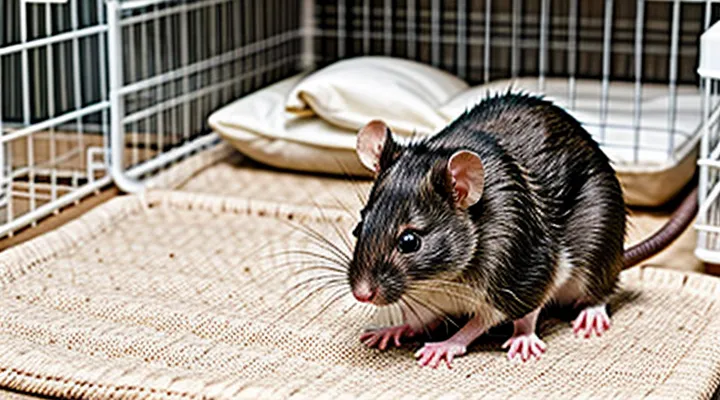
Understanding Rat Odor: Causes and Concerns
Biological Factors Contributing to Odor
Biological odor in laboratory rat cages originates primarily from metabolic excretions and microbial activity. Urine contains high concentrations of urea, which hydrolyzes to ammonia via urease‑producing bacteria. Ammonia volatilizes at cage temperatures, contributing to a sharp, irritating smell. Feces release volatile fatty acids (e.g., butyric, propionic) and indoles as proteins break down, creating sour and fecal odors.
Skin and glandular secretions add to the volatile profile. Sebaceous glands produce fatty acids that oxidize, while preputial glands in males secrete pheromonal compounds detectable by humans. Stress‑induced hormonal changes increase the release of cortisol‑derived metabolites, amplifying odor intensity.
Microbial colonization of bedding accelerates odor generation. Aerobic bacteria metabolize nitrogenous waste into nitrous compounds, whereas anaerobes ferment carbohydrates into sulfide and methane derivatives. The balance of microbial populations shifts with moisture content, temperature, and bedding composition, directly influencing volatile emissions.
Key biological contributors:
- Urinary urea → ammonia (urease activity)
- Fecal protein breakdown → volatile fatty acids, indoles, skatole
- Sebum and preputial gland secretions → fatty acids, pheromones
- Stress‑related metabolites → cortisol derivatives
- Microbial metabolism → nitrous gases, sulfides, methane
Understanding these sources guides the selection of low‑absorbency, antimicrobial bedding materials that limit moisture retention, inhibit bacterial growth, and reduce the substrate for volatile compound formation.
Environmental Factors Influencing Odor
Environmental conditions within a rat housing unit directly affect the intensity and persistence of odor. Moisture levels influence microbial growth; high relative humidity accelerates bacterial and fungal proliferation, which generates volatile compounds. Maintaining humidity below 50 % reduces this risk.
Temperature modulates metabolic rates of both rodents and microorganisms. Elevated temperatures (above 24 °C) increase respiration and waste decomposition, leading to stronger smells. Keeping ambient temperature within the recommended range (20‑24 °C) stabilizes odor production.
Airflow determines the removal of airborne contaminants. Insufficient ventilation allows accumulation of ammonia and other volatiles. Providing at least 15 air changes per hour through filtered supply and exhaust systems dilutes odor sources effectively.
Cage construction material can absorb or release odorants. Non‑porous plastics resist odor binding, whereas untreated wood or fabric may retain scents. Selecting smooth, chemically inert surfaces limits odor retention.
Cleaning frequency shapes waste buildup. Delayed removal of soiled bedding permits ammonia formation from urea. Implementing a schedule that replaces bedding every 2–3 days prevents excessive accumulation.
Bedding composition influences microbial activity. Organic fibers (e.g., wood shavings) decompose rapidly, releasing odor, while inert synthetic substrates (e.g., paper‑based or corncob alternatives) decompose more slowly. Choosing low‑decomposition bedding curtails volatile release.
Feed moisture content contributes to waste odor. Wet feed increases fecal moisture, promoting bacterial growth. Supplying dry, pelleted diet minimizes fecal water content and subsequent smell.
Waste density within the cage correlates with ammonia concentration. Higher animal density raises total waste volume, amplifying odor potential. Maintaining recommended stocking densities (no more than 2 rats per 450 cm² cage floor) controls waste load.
By managing humidity, temperature, ventilation, cage material, cleaning intervals, bedding type, feed dryness, and animal density, facilities can substantially lower odor emanating from rat cages.
Health Implications of Poor Odor Control
Poor odor control in rat housing creates a hazardous environment that directly affects animal welfare and experimental reliability. Elevated ammonia concentrations, a common by‑product of inadequate bedding, irritate the respiratory tract, causing bronchial inflammation and reduced lung capacity. Chronic exposure compromises mucociliary clearance, increasing susceptibility to bacterial and viral infections.
Elevated odor levels also trigger physiological stress. Persistent olfactory cues of waste elevate corticosterone, suppressing immune function and impairing wound healing. Stress‑induced hormonal changes can skew behavioral assays, leading to data variability and misinterpretation of experimental outcomes.
Reproductive performance deteriorates under high‑odor conditions. Studies link ammonia exposure to decreased sperm motility, altered estrous cycles, and lower litter sizes. These effects reduce colony productivity and inflate breeding costs.
Long‑term health consequences extend to skeletal development. Continuous inhalation of irritants disrupts calcium metabolism, contributing to osteopenia and delayed growth in juvenile rats.
Key health risks associated with insufficient odor management:
- Respiratory irritation and infection
- Elevated stress hormones and immune suppression
- Impaired reproductive function
- Reduced growth and bone density
- Increased variability in behavioral and physiological data
Implementing low‑emission bedding, regular cleaning schedules, and effective ventilation mitigates these risks, ensuring healthier colonies and more reliable research results.
Choosing the Right Bedding: Types and Properties
Absorbent Bedding Materials
Paper-Based Bedding
Paper-based bedding offers a low‑odor solution for laboratory rat enclosures. The material consists of compressed cellulose fibers that absorb moisture quickly, limiting bacterial growth and the release of volatile compounds. Its fine texture reduces dust generation, protecting respiratory health while maintaining a clean environment.
Key characteristics relevant to odor control include:
- High absorbency: retains urine and feces, preventing liquid pooling that fuels microbial metabolism.
- Low microbial load: sterilized during production, reducing initial contamination.
- Minimal scent: neutral pH and lack of aromatic additives limit volatile organic compound emission.
- Easy removal: sheets can be lifted and discarded without residue, simplifying cage cleaning cycles.
Practical recommendations for implementation:
- Replace existing bedding with a fresh layer of paper sheets weekly, or more frequently if cage monitoring shows elevated humidity.
- Cut sheets to fit cage dimensions, ensuring full coverage of the floor and corners where waste accumulates.
- Pair with a ventilated cage design to enhance air exchange, further suppressing odor buildup.
- Dispose of used bedding in sealed, low‑odor containers to prevent cross‑contamination during waste handling.
- Monitor rat behavior for signs of discomfort; adjust bedding thickness if excessive dryness or moisture retention is observed.
Cost considerations favor paper bedding for facilities seeking predictable budgeting. Bulk purchasing reduces unit price, and the material’s lightweight nature lowers shipping expenses. Compatibility with autoclave sterilization allows reuse in some protocols, extending its utility while maintaining hygiene standards.
Aspen Shavings
Aspen shavings provide a low‑odor substrate for rat cages, widely adopted in research and breeding facilities. The material’s fine, uniform fibers produce minimal dust, reducing respiratory stress while maintaining a dry environment.
The shavings exhibit high absorbency, capturing urine and moisture efficiently. This property limits ammonia formation, the primary source of unpleasant smells in rodent housing. The neutral pH of aspen prevents chemical reactions that could intensify odor.
Key advantages of aspen shavings:
- Low dust generation, enhancing air quality.
- Superior moisture uptake, curbing ammonia release.
- Neutral scent, avoiding additional fragrance that may mask underlying problems.
- Biodegradable, allowing straightforward disposal.
Safety profile meets laboratory standards: the material is non‑toxic, free of aromatic oils, and does not provoke skin irritation. Studies confirm that rats housed on aspen experience normal grooming and nesting behavior, indicating acceptable comfort.
Operational guidelines recommend a bedding depth of 1–2 cm, refreshed weekly or when moisture exceeds 30 % of the substrate weight. Store shavings in a sealed container to preserve dryness and prevent contamination. Cost analysis shows a moderate price point relative to cellulose or paper‑based alternatives, with comparable performance in odor suppression.
Implementing aspen shavings aligns with best practices for maintaining odor‑free environments in rat colonies, supporting both animal welfare and laboratory integrity.
Hemp Bedding
Hemp bedding provides a natural, absorbent substrate that effectively controls odor in rat enclosures. Its fibrous structure traps moisture, limiting ammonia formation and reducing the scent profile of the habitat. The material is biodegradable, allowing for easy disposal without environmental impact.
Key properties include:
- High absorbency: retains up to three times its weight in liquid, maintaining a dry surface.
- Low dust production: minimal particulate release protects respiratory health.
- Antimicrobial activity: inherent cannabinoids inhibit bacterial growth, extending freshness.
- Soft texture: supports nesting behavior without causing skin irritation.
Implementation guidelines:
- Pre‑condition the bedding by spreading a 2‑inch layer in the cage floor.
- Replace the substrate weekly, or sooner if moisture levels exceed 30 % of the bedding mass.
- Combine with a ventilation system that exchanges air at 10 L min⁻¹ per cage to enhance odor control.
- Monitor ammonia concentrations with a handheld detector; maintain levels below 10 ppm.
Comparative performance shows hemp outperforms wood shavings and paper pulp in both odor suppression and durability. Cost analysis indicates a moderate price increase offset by reduced cleaning frequency and lower health‑related expenses.
Odor-Neutralizing Bedding Options
Activated Carbon Infused Bedding
Activated carbon–infused bedding provides a practical solution for controlling odor in laboratory rat enclosures. The porous structure of activated carbon adsorbs volatile organic compounds released by urine, feces, and glandular secretions, reducing the concentration of malodorous molecules in the cage atmosphere.
Key performance characteristics include:
- High adsorption capacity per unit weight, maintaining efficacy over the typical 7‑ to 10‑day change interval.
- Compatibility with standard pine or paper‑based substrates, preserving the familiar texture preferred by rodents.
- Minimal dust generation, preventing respiratory irritation for both animals and personnel.
Implementation guidelines from experienced laboratory managers:
- Mix activated carbon granules uniformly into the base bedding at a ratio of 5 %–10 % by weight.
- Verify that the final moisture content remains below 10 % to avoid clumping and preserve adsorption efficiency.
- Replace the bedding according to the facility’s routine schedule, monitoring odor levels with a calibrated olfactometer to confirm sustained performance.
Regular evaluation of bedding quality, combined with proper ventilation and cage cleaning protocols, ensures a consistently low‑odor environment that supports animal welfare and experimental integrity.
Zeolite-Based Bedding
Zeolite‑based bedding provides a high‑capacity adsorbent that binds ammonia and volatile organic compounds, reducing odor levels in rat cages to near‑background concentrations. The crystalline aluminosilicate structure traps moisture and gases through ion exchange and surface adsorption, maintaining a dry substrate that discourages bacterial growth.
Key parameters for selecting an effective product include:
- Particle size between 1 mm and 3 mm to balance surface area and ease of handling.
- Purity greater than 95 % to avoid contaminants that may release additional odors.
- Minimal added binders or fragrances, which can interfere with adsorption performance.
Implementation guidelines:
- Spread a uniform layer of 2–3 cm depth; excess material impedes airflow and reduces adsorption efficiency.
- Replace the bedding weekly or when moisture content exceeds 30 % of the original dry weight, as measured by a calibrated hygrometer.
- Perform a thorough substrate change monthly, discarding all used material and sanitizing the cage interior with a mild, non‑ionic detergent before adding fresh zeolite.
Safety considerations:
- Use low‑dust formulations; dust particles can irritate the respiratory tract of both rats and personnel.
- Verify that the zeolite source complies with ASTM D-4236 for non‑toxic labeling.
- Monitor rats for signs of nasal irritation during the first 48 hours after introduction; adjust depth or switch to a coarser grade if adverse reactions occur.
Compared with traditional wood shavings, paper pulp, or corn cob bedding, zeolite demonstrates superior ammonia absorption, lower replacement frequency, and consistent odor suppression across varied humidity levels. Cost per square foot is higher than cellulose options, but the extended service life and reduced need for supplemental ventilation offset the initial expense.
Bedding to Avoid
Cedar and Pine Shavings
Cedar and pine shavings are commonly considered for rodent enclosure bedding because they release volatile organic compounds that can mask odors. Cedar contains phenols and terpenes that repel insects but also irritate the respiratory tract of rats, leading to increased mucosal inflammation and reduced litter‑box use. Pine shavings emit lower levels of phenols, yet still produce detectable scent molecules that may interfere with sensitive olfactory studies.
Expert guidelines recommend the following practices when using these wood products:
- Choose kiln‑dried, low‑dust pine shavings; avoid aromatic varieties such as longleaf or southern yellow pine, which retain higher terpene concentrations.
- Limit bedding depth to 1 – 2 cm; excessive layers trap moisture and amplify odor‑binding compounds.
- Replace bedding every 3–4 days in high‑density housing to prevent accumulation of volatile residues.
- Conduct periodic air‑quality checks (e.g., ammonia, phenol levels) to verify that concentrations remain below established safety thresholds (≤ 0.5 ppm for phenols).
When odor suppression is the primary objective, non‑wood substrates (e.g., paper‑based or corncob bedding) outperform cedar and pine in both scent reduction and respiratory safety. If wood shavings are required for nesting, pine is the preferred option, provided it meets the dryness and low‑dust criteria outlined above.
Scented Bedding Products
Scented bedding products are widely marketed for their pleasant aroma, yet they introduce volatile compounds that rats can detect and may avoid. The fragrance can mask waste odors without eliminating them, leading to a false sense of cleanliness while the underlying ammonia levels remain high. Moreover, scented substrates often contain essential oils or synthetic additives that can irritate the respiratory tract of rodents, increasing the risk of respiratory infections and compromising experimental outcomes.
When selecting bedding for a rat colony, experts advise the following:
- Choose unscented, low‑dust materials such as paper pulp, aspen shavings, or specialized cellulose blends.
- Verify that the product is free from added fragrances, essential oils, or chemical binders.
- Conduct regular monitoring of ammonia concentrations using a calibrated sensor; acceptable levels should not exceed 25 ppm in a well‑ventilated cage.
- Replace bedding at intervals that prevent moisture buildup, typically every 3–5 days depending on cage density and humidity.
Research indicates that unscented, absorbent substrates provide more reliable odor control by physically trapping moisture and waste, thereby reducing microbial growth. Their neutral odor profile allows staff to assess cage cleanliness accurately, facilitating timely interventions. In contrast, scented bedding can obscure early signs of contamination, delaying corrective measures.
Implementing these practices aligns with current best‑practice recommendations for maintaining a hygienic environment in rat housing facilities. Consistent use of fragrance‑free bedding, combined with routine air quality checks, supports animal welfare and the integrity of scientific data.
Best Practices for Odor-Free Cage Maintenance
Bedding Quantity and Replacement Schedule
Effective odor‑neutral bedding management hinges on precise volume and timely renewal. For a standard laboratory rat cage (approximately 0.5 ft³), place 2–3 cm of high‑absorbency, dust‑free material. This depth provides sufficient surface area for waste absorption while limiting excess that could promote microbial growth. Adjust volume proportionally for larger enclosures or for breeding colonies; increase depth by 0.5 cm for each additional 0.1 ft³ of space.
Replacement should follow a strict schedule to maintain air quality and animal health:
- Daily visual inspection for moisture, urine saturation, or fecal clumping.
- Replace bedding every 48 hours in single‑housing units, regardless of visible condition.
- In group‑housing systems, perform a full change every 72 hours; conduct spot cleaning of soiled sections at 24‑hour intervals.
- Conduct a complete bedding turnover weekly for breeding rooms, even if daily checks show acceptable dryness.
Record each change in a maintenance log, noting date, volume used, and any deviations from the schedule. Consistent documentation supports traceability and enables rapid adjustment if odor levels rise or health indicators shift.
Cage Cleaning Protocols
Daily Spot Cleaning
Daily spot cleaning maintains an odor‑free environment by removing fresh waste before it can saturate the bedding. Prompt removal of urine, feces, and spilled food prevents bacterial growth and reduces the release of volatile compounds that attract rats to the same area repeatedly.
- Identify visible soiled spots each morning and evening.
- Use a clean, disposable scoop or spatula to lift solid waste; discard in a sealed container.
- Apply a small amount of absorbent paper or a pre‑moistened, low‑odor wipe to wet areas; blot, do not rub, to avoid spreading moisture.
- Replace the removed bedding with fresh, low‑dust material of the same type to preserve depth and comfort.
- Record the location and frequency of spots to detect patterns that may indicate cage design issues or health concerns.
Consistent execution of these steps prevents odor buildup, supports animal welfare, and extends the usable life of the bedding substrate.
Weekly Deep Cleaning
Weekly deep cleaning is essential for maintaining an odor‑free environment in rat cages. The process should be scheduled at consistent seven‑day intervals to prevent odor buildup and reduce the risk of bacterial proliferation. Perform the cleaning while the rats are temporarily housed in a secondary enclosure to avoid stress and contamination.
Key actions for each cleaning cycle:
- Remove all bedding, nesting material, and debris; discard in a sealed, biohazard‑rated container.
- Disassemble cage components (bars, water bottles, food trays) and soak in a 10 % diluted bleach solution for 10 minutes.
- Rinse thoroughly with hot water to eliminate residual chemicals; inspect for corrosion or damage before reassembly.
- Sterilize reusable items in an autoclave or a pressure cooker at 121 °C for 15 minutes, if equipment permits.
- Replace with fresh, low‑dust, absorbent bedding that has been pre‑treated with an odor‑neutralizing agent approved for laboratory rodents.
- Refill water bottles with filtered water and verify proper flow; refill food dispensers with fresh pellets.
- Reassemble the cage, confirm structural integrity, and return the rats promptly to minimize disruption.
Document each cleaning session, noting any deviations, equipment failures, or observed odors. Consistent record‑keeping supports traceability and facilitates corrective actions if odor levels rise unexpectedly.
Disinfectants and Cleaners
Effective odor control in rodent housing begins with proper sanitation. Selecting disinfectants that eliminate microbial load without leaving residual smells is essential for maintaining a clean environment and preserving the integrity of low‑odor bedding.
Choose agents that meet the following criteria:
- Broad‑spectrum activity against bacteria, fungi, and viruses common in laboratory rodent facilities.
- Low volatility and neutral pH to prevent bedding absorption of strong scents.
- Compatibility with cage materials (plastic, metal, glass) to avoid corrosion or degradation.
- Certification for use in animal research settings (e.g., EPA‑registered, AAALAC‑approved).
Recommended products include:
- Quaternary ammonium compounds (QACs) – effective against a wide range of pathogens, low odor, rapid action; rinse thoroughly to prevent residue.
- Hydrogen peroxide‑based cleaners – break down into water and oxygen, leaving no lingering smell; suitable for daily cleaning cycles.
- Peracetic acid solutions – strong disinfectant with minimal odor after evaporation; requires proper dilution and ventilation.
- Alcohol‑free phenolic disinfectants – provide long‑lasting antimicrobial effect without the harsh scent of ethanol.
Cleaning protocol:
- Remove all bedding and debris.
- Rinse cages with warm water to loosen organic matter.
- Apply chosen disinfectant at manufacturer‑specified concentration; ensure full surface coverage.
- Allow contact time (typically 5–10 minutes) for microbial inactivation.
- Rinse thoroughly with deionized water to eliminate chemical residues that could interact with bedding.
- Dry cages completely before re‑adding odor‑controlled bedding.
Regular monitoring of odor levels and microbial counts validates the efficacy of the cleaning regimen and supports a stable, low‑odor environment for laboratory rats.
Ventilation Strategies
Cage Placement
Proper cage placement is essential for maintaining a low‑odor environment in a rat facility. Select a location with consistent, moderate airflow; avoid direct drafts that can dry bedding and increase dust. Position cages away from food preparation areas, waste disposal units, and high‑traffic zones to prevent odor transfer and disturbance of the animals.
Key considerations for optimal placement:
- Ventilation: Align cages with the room’s supply and exhaust vents. Ensure at least 6 air changes per hour to dilute volatile compounds.
- Temperature control: Keep cages within the recommended thermal range (20‑24 °C). Uniform temperature reduces metabolic stress, which can elevate odor‑producing waste.
- Separation: Maintain a minimum of 30 cm between cage rows to allow air circulation and facilitate cleaning access.
- Surface stability: Use level, non‑porous shelving or racks that do not retain moisture or absorb odors.
- Cleaning workflow: Arrange cages in a logical sequence that supports a one‑way traffic pattern, moving from clean to dirty zones to prevent cross‑contamination.
By adhering to these placement guidelines, the bedding’s odor‑absorbing properties remain effective, supporting a healthier environment for both rats and personnel.
Air Filters and Purifiers
Effective odor management in rat cages requires integrating air filtration and purification with low‑emission bedding. Select a filter system that removes volatile organic compounds (VOCs) and ammonia while preserving particle capture. Preferred configurations combine a high‑efficiency particulate air (HEPA) element with an activated‑carbon layer; HEPA eliminates dust and dander, whereas carbon adsorbs gaseous odors.
- HEPA filter: ≥99.97 % efficiency at 0.3 µm, replace every 4–6 weeks.
- Activated‑carbon filter: minimum 150 g carbon per 10 L min⁻¹ airflow, replace or recharge quarterly.
- Pre‑filter: coarse‑fiber mesh to extend HEPA life, clean weekly.
Placement of the filtration unit influences performance. Position the inlet near the cage lid to draw contaminated air directly from the bedding surface; locate the outlet at the opposite side to promote cross‑flow and prevent stagnant zones. Maintain a minimum airflow of 0.5 L min⁻¹ per cage to dilute emitted gases below detection thresholds.
Air purifiers complement filters by continuously oxidizing residual compounds. Choose devices equipped with photocatalytic oxidation (PCO) or ionization technologies that have demonstrated >90 % reduction of ammonia in laboratory trials. Operate purifiers continuously, verify filter integrity weekly, and record maintenance dates to ensure consistent odor suppression.
Supplemental Odor Control Solutions
Dietary Considerations
Impact of Diet on Urine Odor
Diet composition directly alters the volatile profile of rat urine, thereby influencing bedding odor levels. Protein excess, especially from animal sources, raises concentrations of nitrogenous metabolites such as urea and ammonia, which volatilize rapidly. High‑fat diets increase ketone bodies that contribute to a sour smell, while certain carbohydrates produce short‑chain fatty acids with a pungent odor.
Key dietary factors affecting urine odor:
- Protein level: >20 % of total calories elevates ammonia output; reducing to 14–16 % limits nitrogenous waste.
- Amino‑acid profile: High methionine and cysteine content generates sulfur‑rich compounds; substituting with lysine‑rich proteins reduces sulfide odor.
- Fat content: >15 % of calories raises ketone production; maintaining 5–10 % minimizes sour notes.
- Fiber source: Inclusion of fermentable fibers (e.g., inulin) promotes beneficial gut microbes, decreasing odor‑producing metabolites.
Practical feeding recommendations for odor control in rodent housing:
- Formulate chow with moderate protein (14–16 % of calories) and balanced amino‑acid ratios that limit sulfur‑containing residues.
- Limit dietary fat to 5–10 % of caloric intake; prioritize unsaturated fatty acids over saturated sources.
- Incorporate 3–5 % fermentable fiber to support microbial fermentation that reduces odor precursors.
- Rotate protein sources periodically to prevent accumulation of specific waste metabolites.
Implementing these nutritional adjustments reduces the concentration of volatile compounds in urine, thereby enhancing the effectiveness of low‑dust, absorbent bedding and sustaining a cleaner environment for laboratory rats.
Supplements for Odor Reduction
Effective odor control in rat housing relies on targeted supplementation of the bedding substrate. Selecting appropriate additives enhances microbial breakdown of waste, binds volatile compounds, and maintains a stable microenvironment for the animals.
- Enzymatic powders – contain proteases and lipases that accelerate degradation of urine proteins and fatty acids; typical application rate is 0.5 g per kilogram of bedding, mixed uniformly before placement.
- Beneficial microbes – blends of Bacillus spp. and Lactobacillus spp. colonize the bedding, outcompeting odor‑producing bacteria; recommended dose is 1 × 10⁸ CFU per kilogram, applied as a dry granule or liquid suspension.
- Adsorbent minerals – zeolite, activated charcoal, and bentonite absorb ammonia and other volatile organic compounds; incorporate 10 % of the total bedding mass to achieve measurable reduction in odor levels.
- Plant‑derived extracts – eucalyptus, peppermint, and tea‑tree oils possess antimicrobial properties; add 0.1 % v/v of a diluted oil solution to the bedding surface, ensuring even distribution.
- Chemical neutralizers – sodium bicarbonate or citric acid buffers neutralize acidic or basic fumes; use 2 % of the bedding weight, mixed thoroughly.
Application timing influences efficacy. Introduce supplements during initial bedding preparation, re‑apply after each complete bedding change, and supplement mid‑cycle if odor measurements exceed acceptable thresholds. Maintain consistent mixing to prevent localized concentrations that could irritate the rodents.
Safety protocols demand verification of non‑toxicity for rats. Use veterinary‑approved formulations, confirm absence of residual solvents, and monitor animal behavior for signs of distress. Combine odor‑reducing additives with regular cleaning schedules; remove soiled bedding at least twice weekly to prevent accumulation of metabolites that exceed the capacity of supplements.
Continuous assessment through ammonia meters or olfactory panels guides dosage adjustments. Incremental increases of 10 % are permissible until target odor levels are sustained, after which a maintenance dose should be maintained to avoid over‑supplementation.
Litter Training for Rats
Litter training enables rats to use a designated substrate, which concentrates waste and minimizes odor spread throughout the cage. Proper training reduces the need for frequent full‑cage cleaning and supports a healthier environment for both animals and handlers.
To train rats effectively:
- Place a shallow tray of absorbent, low‑odor bedding in one corner of the cage.
- Introduce a small amount of familiar nesting material inside the tray to encourage exploration.
- Observe the rats for natural digging or defecation behavior and gently redirect waste toward the tray when necessary.
- Reinforce correct use with brief, consistent handling sessions that reward the rats with a preferred treat immediately after they use the tray.
- Maintain the tray’s contents by removing soiled sections daily and adding fresh material as needed.
Select bedding that combines high absorbency with minimal scent emission, such as shredded paper, wood‑free cellulose, or specially formulated polymer crystals. Avoid aromatic wood shavings, which can mask waste odors and impede training progress.
Implement a maintenance routine that includes:
- Daily spot cleaning of the tray to prevent buildup.
- Weekly replacement of the entire tray substrate to maintain optimal absorption capacity.
- Monthly inspection of the cage’s ventilation system to ensure airflow removes residual odors effectively.
Consistent application of these practices creates a stable, low‑odor habitat that supports rat welfare and simplifies cage management.
Odor Absorbers for the Room
Baking Soda and Activated Charcoal
Baking soda (sodium bicarbonate) and activated charcoal are widely recognized for their capacity to neutralize volatile compounds in rat cage environments. Both substances act through adsorption or chemical neutralization, reducing the concentration of ammonia, urine odor, and fecal gases without introducing toxic residues.
Baking soda dissolves in moisture, forming a weak alkaline solution that reacts with acidic odor molecules. When mixed with standard bedding at a ratio of 1 %–2 % by weight, it maintains a stable pH that slows ammonia formation. The compound is non‑irritating to rodents, degrades harmlessly, and can be refreshed weekly without disrupting cage hygiene protocols.
Activated charcoal consists of porous carbon structures that trap organic molecules on their surface. Incorporating 0.5 %–1 % activated charcoal granules into bedding creates a passive filter that continuously adsorbs odorants. For optimal performance, distribute the granules evenly throughout the bedding depth and replace them every two weeks to prevent saturation.
Practical guidelines:
- Measure the required amount of each additive according to the total bedding weight.
- Blend baking soda thoroughly before adding the bedding to the cage.
- Layer activated charcoal uniformly; avoid clumping that could impede rodent movement.
- Monitor cage humidity; excessive moisture reduces the efficiency of both agents.
- Record odor levels weekly to adjust dosages if necessary.
Safety considerations:
- Verify that the source of baking soda is food‑grade, free from additives.
- Use activated charcoal specifically labeled for animal use to ensure purity.
- Observe rats for any changes in behavior or grooming; discontinue use if adverse reactions appear.
Combined, these materials provide a cost‑effective, low‑maintenance method for maintaining a low‑odor environment in rodent housing, supporting both animal welfare and laboratory compliance.
Air Purifiers and Dehumidifiers
Air quality directly influences the effectiveness of odor‑neutralizing bedding in rodent enclosures. Contaminants such as ammonia, volatile organic compounds, and excess moisture accelerate odor development and compromise animal health. Integrating air purification and humidity control devices creates a stable environment that maximizes the performance of low‑odor bedding materials.
Air purifiers
- Choose units equipped with activated‑carbon filters; carbon adsorbs ammonia and organic odors more efficiently than HEPA alone.
- Select models with a minimum airflow rate of 100 CFM for cages housing up to 10 rats; higher capacities are required for larger colonies.
- Position the inlet at cage level to capture rising gases, and place the outlet away from the animals to avoid drafts.
- Replace carbon cartridges every 30 days or when pressure drop exceeds 10 % of the original rating.
Dehumidifiers
- Target a relative humidity range of 40–50 %; this level reduces ammonia volatilization while maintaining animal comfort.
- Use desiccant‑based units for small‑scale facilities; compressor models are preferable for rooms exceeding 300 ft².
- Monitor humidity continuously with calibrated hygrometers; automate shutoff when target levels are reached.
- Clean water collection reservoirs weekly to prevent microbial growth.
Combining filtered airflow with controlled humidity delivers a consistent, low‑odor environment, allowing bedding to function at its designed capacity and supporting the well‑being of laboratory rats.
Addressing Persistent Odor Issues
Identifying the Root Cause
Persistent odor in rodent housing often signals a flaw beyond superficial bedding selection. Accurate diagnosis requires separating environmental, biological, and procedural variables before implementing odor‑eliminating strategies.
A systematic investigation proceeds as follows:
- Sample bedding material. Analyze moisture content, pH, and microbial load using standard laboratory assays. Elevated moisture or low pH frequently correlates with increased volatile compounds.
- Inspect cage hygiene routine. Record cleaning frequency, disinfectant type, and drying method. Inadequate drying or residue from cleaning agents can fuel bacterial growth.
- Monitor animal health. Conduct health screens for gastrointestinal disorders, infections, or diet‑related issues that raise fecal ammonia production.
- Evaluate ventilation. Measure airflow rates and filter efficiency. Stagnant air or clogged filters allow odor accumulation.
- Review diet composition. Identify high‑protein or fermentable ingredients that generate excess nitrogenous waste.
Data gathered from each step should be logged in a structured spreadsheet, allowing correlation analysis. For example, a spike in moisture content alongside reduced airflow often predicts odor peaks within 24 hours.
When the dominant factor is identified—such as excessive bedding dampness—implement targeted corrective actions: replace the substrate with a low‑absorbency material, increase cage turnover, and adjust cleaning protocols to ensure complete drying. If multiple contributors are present, prioritize interventions based on impact magnitude, beginning with ventilation upgrades followed by dietary adjustments.
Continuous monitoring after remediation confirms the effectiveness of the chosen measures. A reduction in measured ammonia levels below 25 ppm indicates successful odor control, supporting a stable, odor‑free environment for the colony.
Consulting a Veterinarian
Consulting a veterinarian before selecting or changing bedding for rat cages ensures that the material does not compromise animal health. A professional assessment identifies potential irritants, allergens, and chemical residues that could affect respiratory or dermatological conditions.
Veterinarians should be contacted in the following situations:
- Prior to introducing a new substrate after a previous bedding change.
- When rats exhibit sneezing, nasal discharge, or excessive grooming.
- If breeding colonies show reduced litter size or increased mortality rates.
- When a facility plans to switch to a low‑odor material after a period of odor complaints.
Key questions to raise with the veterinarian include:
- Which components of the proposed bedding have documented safety records for rodents?
- Are there known interactions between the bedding and common rodent medications or supplements?
- What diagnostic tests can detect early signs of irritation caused by the substrate?
- How frequently should health monitoring be performed after a bedding transition?
The veterinarian can evaluate bedding safety by reviewing material safety data sheets, recommending patch‑test protocols, and advising on environmental enrichment that does not increase odor. Professional guidance also helps align bedding choices with institutional animal welfare policies and regulatory standards.
Incorporating veterinary expertise reduces the risk of health complications, maintains a stable odor profile, and supports reliable experimental outcomes.
Advanced Cleaning Techniques
Effective odor control in rodent housing relies on rigorous cleaning methods that remove organic residues, microbial growth, and volatile compounds. Advanced techniques complement regular bedding changes and provide a baseline for maintaining a neutral environment.
- Steam sterilization: Temperatures of 121 °C for 15 minutes in a pressure washer eliminate bacteria, fungi, and odor‑producing enzymes without chemical residues. Verify that cage components tolerate high heat before implementation.
- Enzymatic detergents: Formulations containing proteases, lipases, and amylases break down protein, fat, and carbohydrate deposits. Rinse thoroughly to prevent enzyme carry‑over that could alter bedding chemistry.
- Ultraviolet‑C (UV‑C) irradiation: Exposure of interior cage surfaces to 254 nm UV light for 5 minutes reduces microbial load and degrades odor precursors. Position lamps to avoid shadowed areas.
- Electrostatic dry‑dust removal: Use a low‑pressure air jet equipped with an electrostatic filter to dislodge fine particles lodged in cage crevices. This method minimizes moisture introduction, preserving bedding integrity.
- Automated cage washers with programmable cycles: Set parameters for pre‑rinse, detergent soak, high‑temperature wash, and final sterile rinse. Include a validation step using swab cultures to confirm microbial reduction below 10 CFU per cage.
Integrating these procedures into a scheduled maintenance program—daily spot cleaning, weekly deep cycles, and monthly sterilization—ensures consistent odor suppression. Record cycle parameters, detergent concentrations, and validation results to maintain traceability and facilitate protocol adjustments as needed.